

GAC Aion ES EV Review

 Share
Share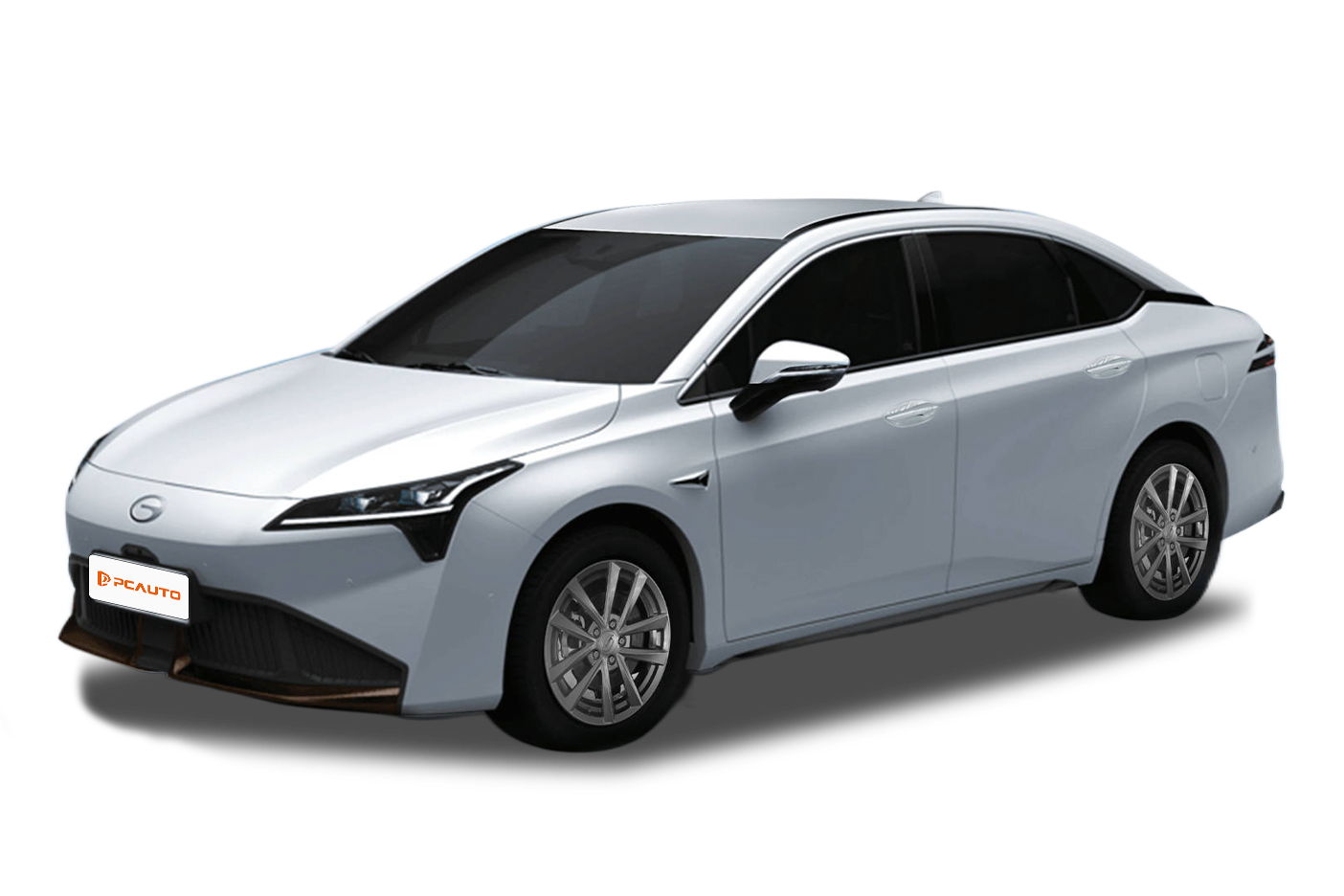
 Segment
 Body Type
 Motor Output(kW)
 Motor Torque(Nm)
 EV Range(km)
 Battery Capacity(kWh)
The market for pure electric mid-size cars in Malaysia has become increasingly lively in recent years. Many brands are launching products in the RM 100,000 to RM 150,000 price range, and consumers are focusing more on reliability in range, practicality of space, and balance in configuration when choosing a car. The 2024 GAC Aion ES EV, as a new contender in this segment, enters the market with a price of RM 106,800, an official range of 442 kilometers, and solid basic configurations. In this test drive, we focus on verifying its actual range performance, driving quality for daily use, and whether its space meets the needs of family users.
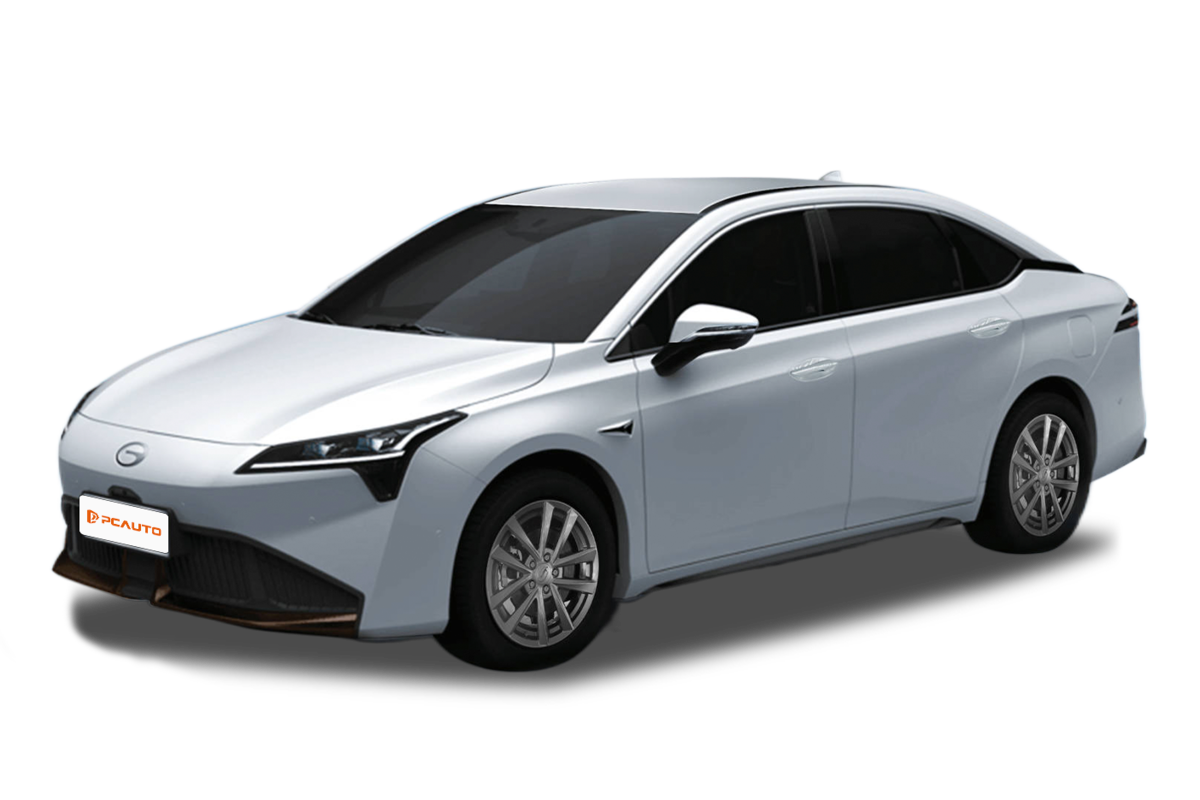
In terms of exterior design, the Aion ES EV adopts a simple and practical household style, with flowing and non-flashy lines overall. The front features a closed grille design, complemented by sharp LED headlights on both sides. The daytime running lights are connected to the chrome strip along the grille, enhancing the visual width of the front. The side profile of the vehicle avoids complicated design lines, with just one smooth line running from the fender to the taillight to define its contours. The 17-inch wheels have a standard design that aligns with its family-oriented positioning. At the rear, the highlight is the full-width LED tail lamps, which provide good recognition when lit. The recessed area below the trunk lid adds some layers to the design. Overall, the exterior is visually pleasing without being overly aggressive.
Upon entering the interior, the cabin design focuses on practicality. The dashboard adopts a symmetrical layout, covered with soft materials on top, which feel decent to the touch. It is decorated with silver trim, giving it a look that is neither luxurious nor overly simplistic. The instrument panel features a 3.5-inch LCD screen that displays clear information, such as range, speed, and battery level in real time. The 8-inch central touchscreen is located in the middle of the dashboard, offering good responsiveness and supporting basic multimedia and Bluetooth connectivity functions. In terms of configurations, the front seats support 6-way manual adjustment, and the rear seats can be folded in a 4/6 split. The trunk offers a capacity of 450 liters, which can easily accommodate two 28-inch luggage cases. Notably, air conditioning vents are provided for both the front and rear rows, and there is a USB charging port in the rear, ensuring convenience for everyday use. However, only the driver and front passenger are equipped with airbags, which is slightly lacking compared to other vehicles in the same class.
The space performance aligns with the positioning of a D-segment mid-size car. Its 2750 mm wheelbase ensures sufficient rear legroom. For a 175 cm tall passenger sitting in the rear, there is a two-fist gap between their knees and the back of the front seats, and about a fist of headroom, so it does not feel cramped. Storage space in the front row is well-designed, with a central armrest box and door panel storage slots to hold day-to-day items. There is also a dedicated area for placing phones.
In terms of driving dynamics, the Aion ES EV is equipped with a front-mounted permanent magnet synchronous motor, delivering a maximum power of 100kW (136PS) and a peak torque of 225N·m. The power output is smooth and linear. The throttle response is sensitive when accelerating from a stop, with decent acceleration performance with a light press of the pedal. It is relatively easy to overtake or change lanes in urban driving. On highways, the acceleration feels somewhat weaker once the speed exceeds 100 km/h, but it is sufficient for daily commuting. The suspension system uses a front MacPherson strut and a rear torsion beam structure. Its tuning leans towards comfort, filtering out most minor vibrations on speed bumps or bumpy roads, although the rear can still feel significant bumps when encountering large potholes. The steering wheel is light to operate, with moderate precision. It is suitable for urban commuting but not ideal for aggressive driving.
The range test is the focus. Under mixed road conditions (60% urban, 40% highway) with the air conditioning set to 24°C in automatic mode, the actual range achieved was approximately 380 kilometers, with an achievement rate close to 86%, which is quite realistic. Fast charging from 30% to 80% takes 1.5 hours, while slow charging to full takes 11 hours, meeting the standards of electric vehicles in its class. In terms of power consumption, the total energy consumption under mixed road conditions is about 13.2kWh per 100 kilometers, which is within a reasonable range.
As for driving and riding comfort details, the vehicle controls tire noise and wind noise quite well. At speeds under 80 km/h, the interior remains relatively quiet. After exceeding 100 km/h, wind noise slightly increases but does not affect normal conversations. The seat cushioning is moderately firm, ensuring that long-term sitting does not cause fatigue, making it suitable for long-distance driving.
Overall, the core advantage of the 2024 GAC Aion ES EV lies in its value for money. For a price of RM 106,800, you can get a mid-sized pure electric sedan with reliable range, practical space, and basic features that meet daily needs. Compared to competitors in the same price range, its space and range performance are not inferior, yet its price is more attractive. However, the limited number of airbags is a drawback, which may require consideration for consumers with high safety demands.
This car is more suitable for family users who prioritize practicality. It can handle daily commuting and weekend family outings, with enough range to cover a week's urban usage, and charging is not too inconvenient. If your budget is around RM 100,000 and you want a reliable pure electric family car, the Aion ES EV is worth considering.
GAC Aion ES EV Car Compare
GAC Aion ES EV Loan Calculator
Cars With Similar Price And Features

20
Rank in Sedan

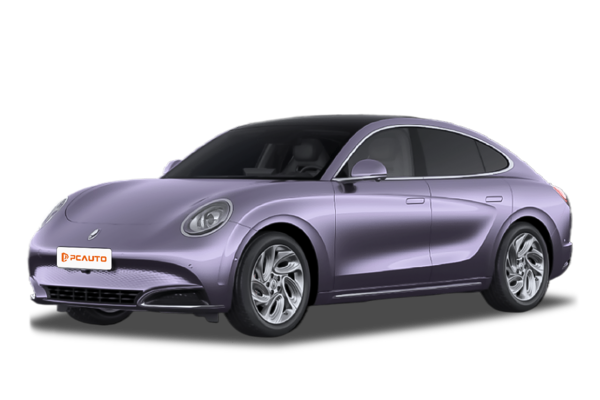
2024 ORA 07 Long Range Ultra with a core focus on 640km long range, paired with superior configuration and practical space, is a D-class electric coupe that balances household comfort and cost-effectiveness.
24
Rank in Sedan
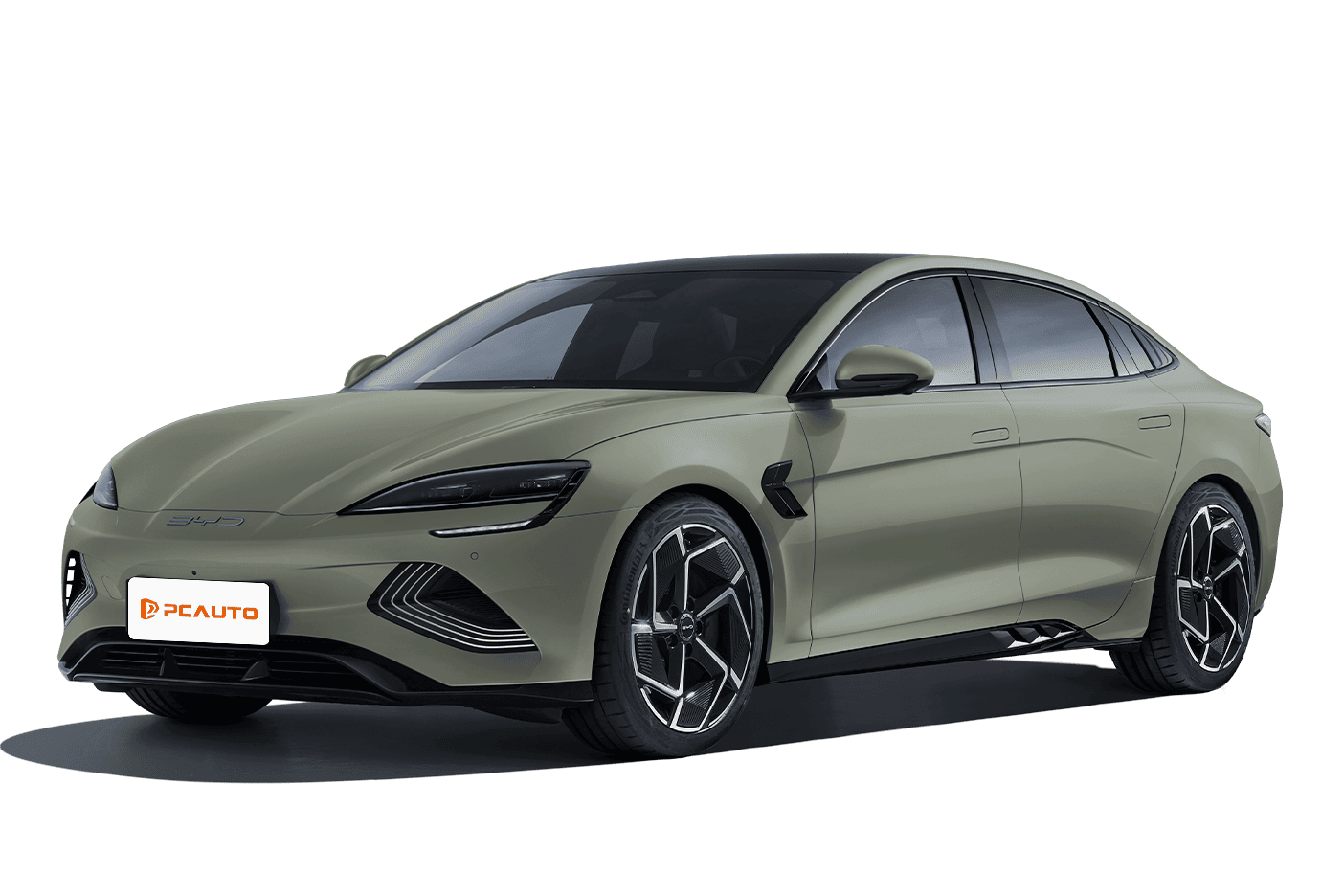
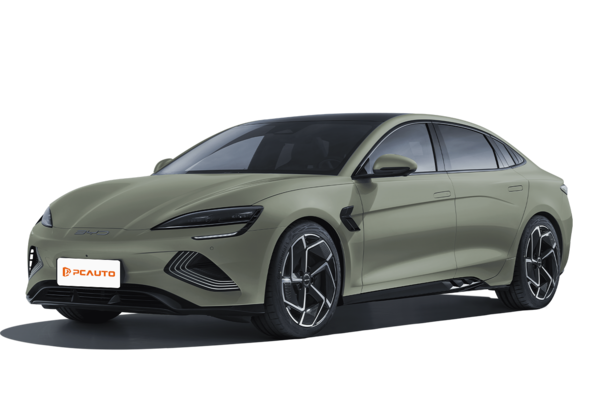
2025 BYD Seal Premium (Extended Range) is a high-value D-class electric coupe with a balanced 650km high-performance range, practical features, and comfortable space, suitable for family users and technology enthusiasts.
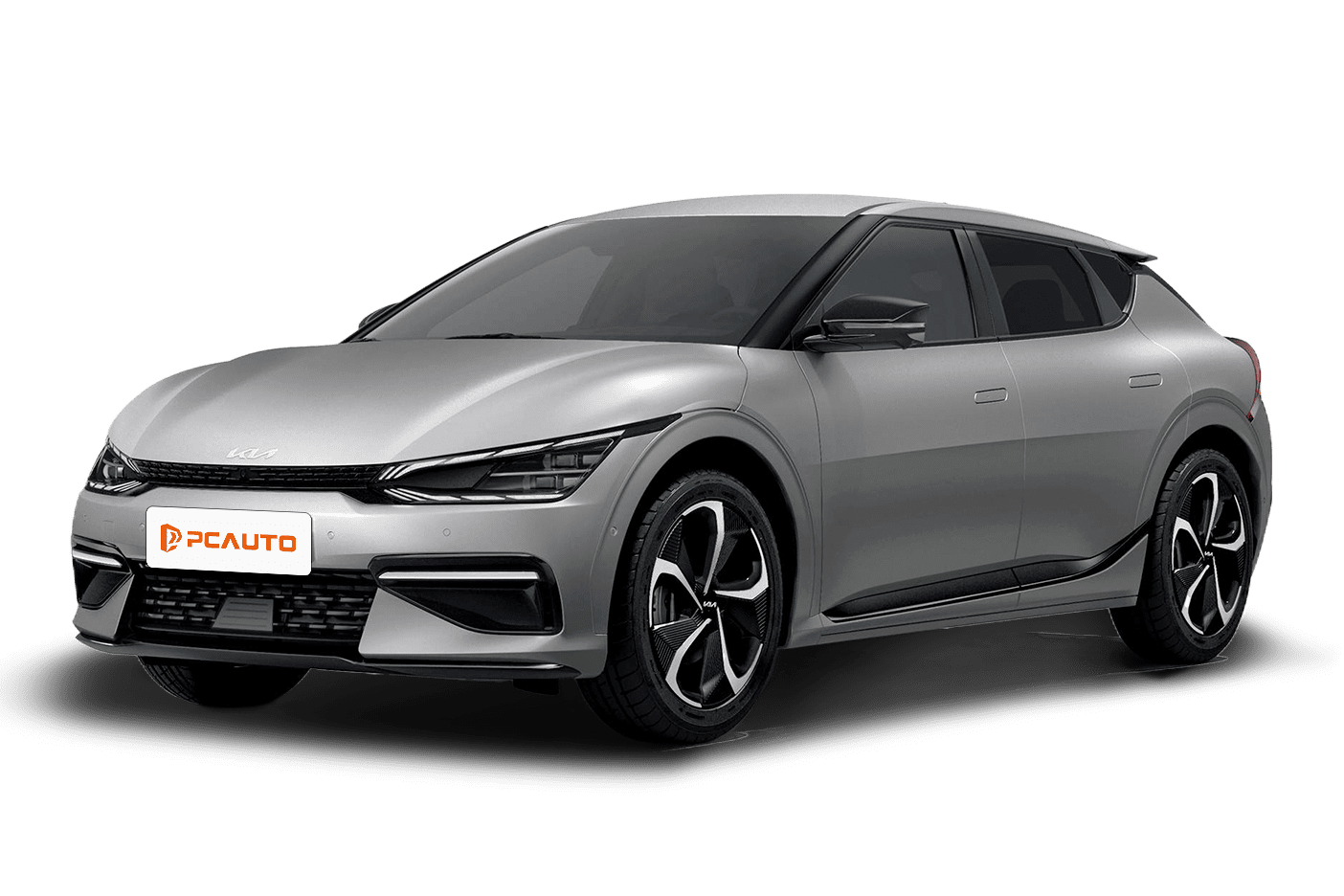
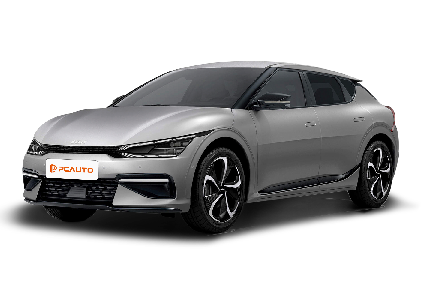
2022 Kia EV6 GT-Line AWD, as Kia's representative work on a pure electric platform, features a dual-motor with 325PS, a range of 506km, luxury configurations, and sporty design to create a well-balanced performance mid-size pure electric SUV.
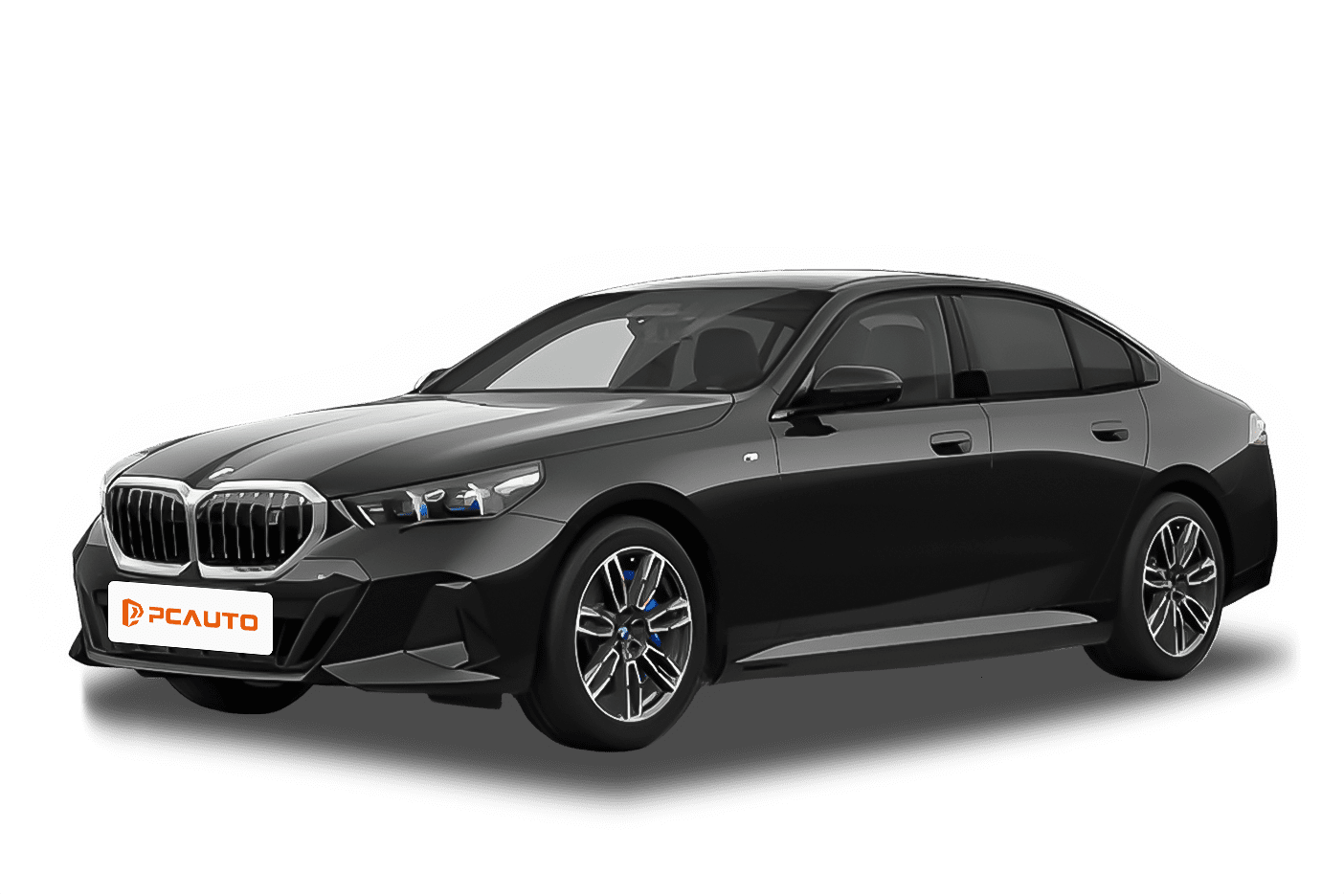
2024 BMW i5 eDrive40 M Sport is a pure electric sedan that combines sporty genes with executive-level luxury, featuring a sleek body, ample space, powerful performance, and precise handling to meet the needs of both family and business.