

2023 Bugatti Chiron Pur Sport Review

 Share
Share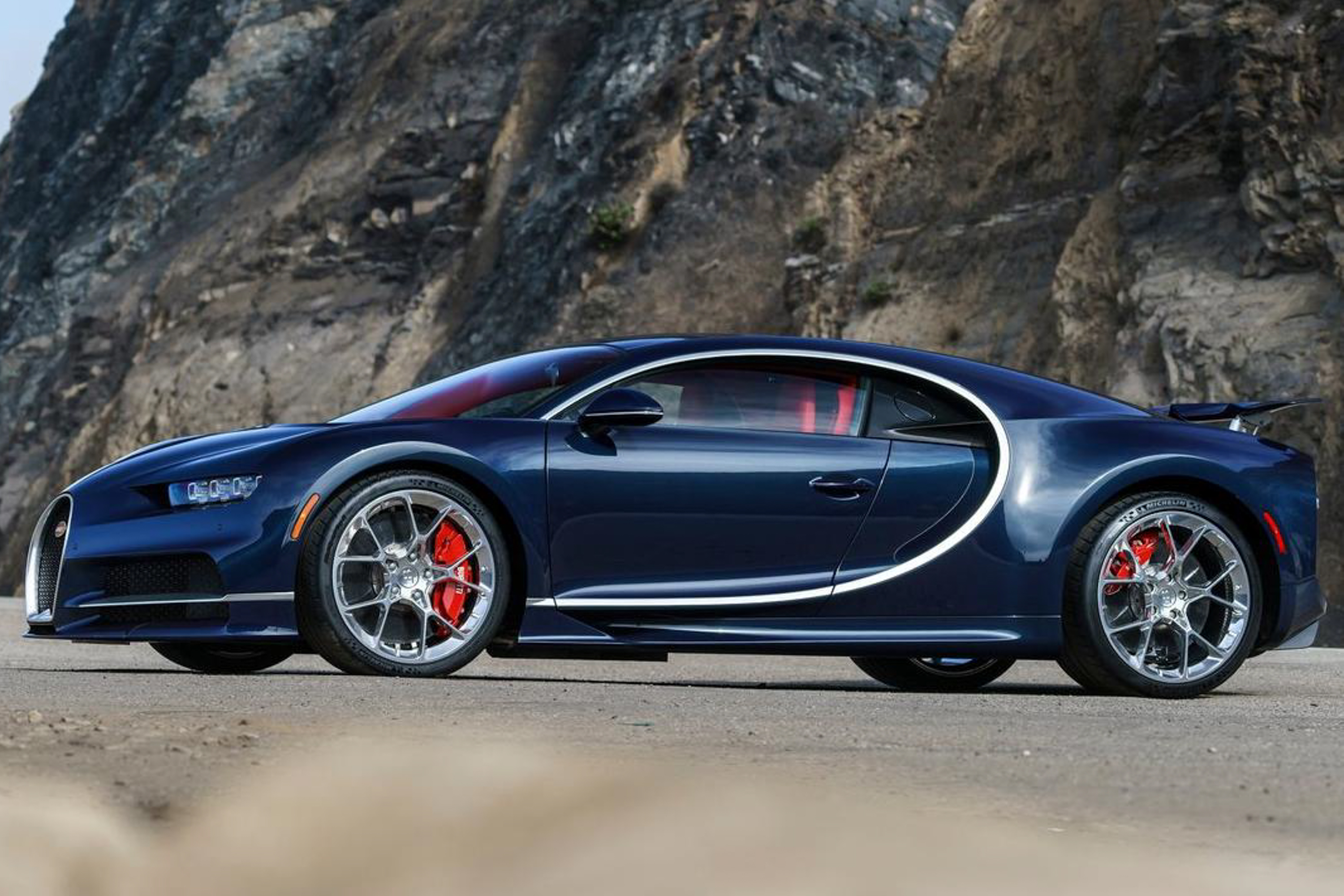
 Segment
 Body Type
 Capacity(L)
 Engine Power(PS)
 Transmission
 Driven Wheels
The consumer demand in the supercar market has always been polarized—either pursuing extreme speed for the performance-oriented or emphasizing everyday drivability for the practicality-inclined. The 2023 Bugatti Chiron Pur Sport, as an iterative model crafted by Bugatti focusing on "drivable performance," highlights a balance between track-oriented DNA and road adaptability: its 8.0L W16 engine delivers 1600PS to retain top power, while chassis tuning and aerodynamic optimizations ensure that the supercar is no longer just a static showcase piece. The main purpose of this test drive is to verify whether it can meet users' occasional daily commuting or weekend short trip driving needs, aside from extreme performance.
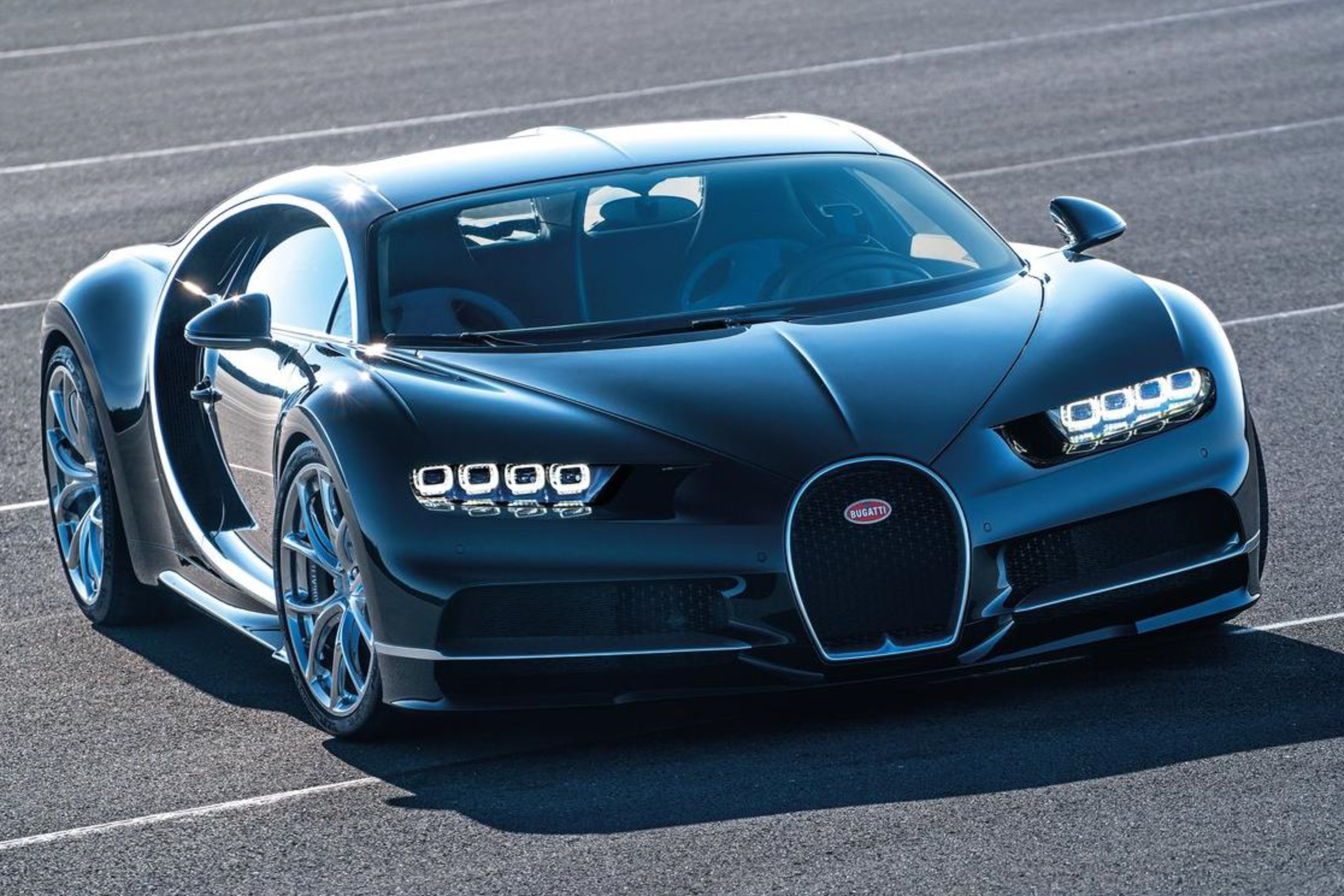
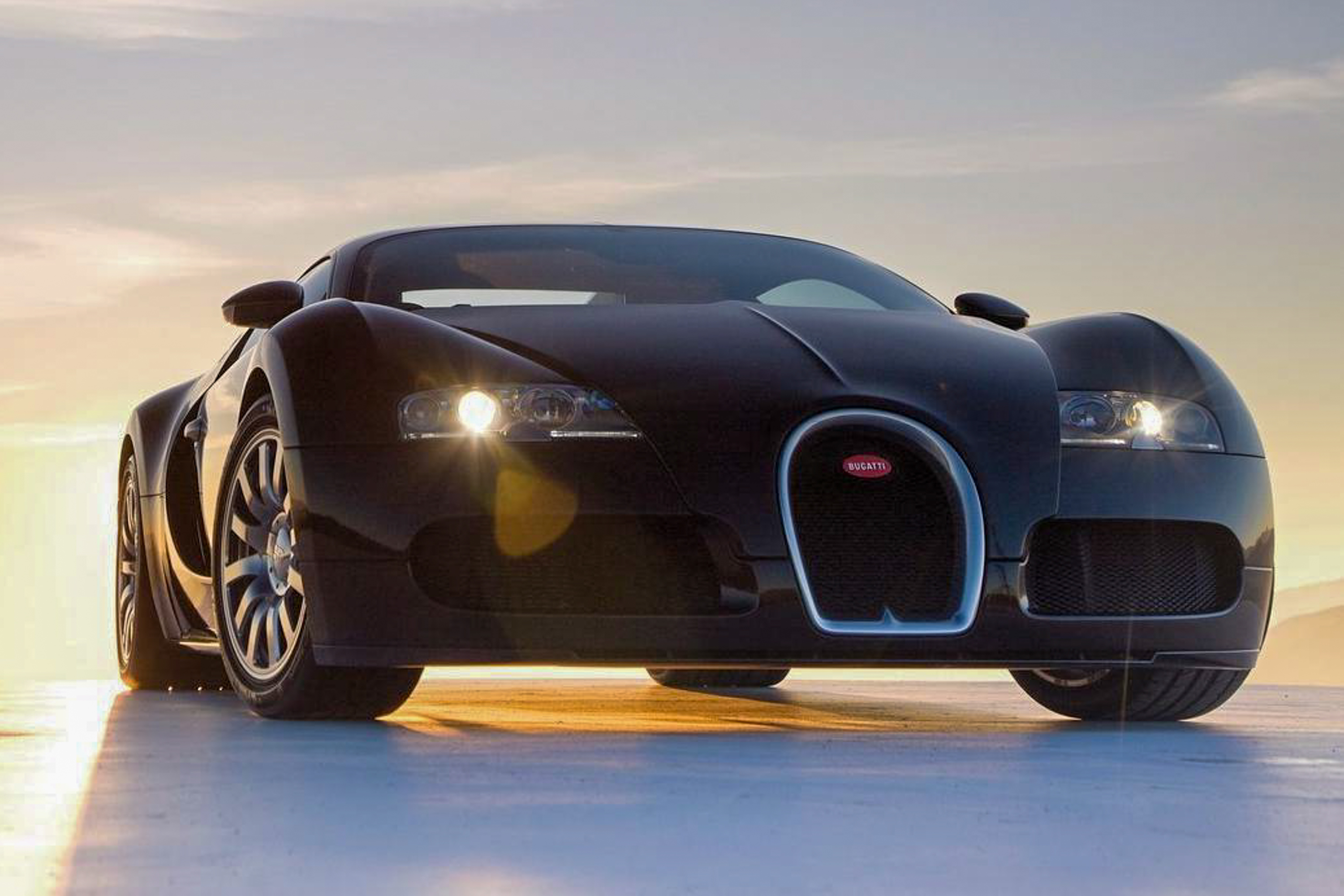
From the exterior perspective, the Chiron Pur Sport exhibits a more aggressive overall style compared to the standard version. The front end continues the family-style horseshoe-shaped grille, but it features a honeycomb design inside, complemented by LED daytime running lights with a blackened finish on both sides, significantly enhancing its recognition. The most noticeable change on the side is the 20-inch front/21-inch rear forged wheels, paired with 285/30 R20 and 355/25 R21 Pirelli P Zero Corsa tires, while the prominent lines around the wheel arches further emphasize the wide-body stance. The fixed rear wing is a design highlight, providing more stable downforce at high speeds compared to the active rear spoiler of the standard version. The taillights adopt a through-type LED layout, resonating with the dual-sided quad titanium exhausts below the diffuser, combining a combat-ready aesthetic with brand recognition.
Stepping into the cockpit, the interior strikes a clever balance between luxury and sporty attributes. The center console is primarily made of carbon fiber and Alcantara, with nearly every touchpoint wrapped in soft materials. Matte metal trim adorns the air vents and gearshift area, avoiding the coldness of an all-carbon design. The 12.3-inch fully digital instrument panel is clear and can display real-time performance data such as power output, tire pressure, and G-forces. The central control screen uses a touch interface with a simple layout and supports Apple CarPlay and Android Auto, making daily operation straightforward. The seats are custom sports bucket seats with excellent lateral support. The headrests feature embroidered "Pur Sport" logos, and the mix of leather and Alcantara ensures breathability. Notably, the HUD (Heads-Up Display) can project key information like speed and navigation, enhancing safety during track driving by eliminating the need to glance down at the instrument panel.
Regarding space, as a two-door, two-seater supercar, its positioning is not focused on practicality, but the detailed design is fairly thoughtful. The front headroom is about 950mm (for passengers up to 180cm tall), while legroom is limited by the wheelbase (2711mm), although the seats are adjustable in multiple directions to ensure a comfortable driving position. Storage capacity is a shortcoming, with a trunk volume of only 45L, barely enough for a carry-on suitcase. Interior storage compartments are scarce; the door panels can hold a bottle of water, and the central armrest box can accommodate just a phone and keys. Nonetheless, considering the nature of a supercar, this performance can still be regarded as acceptable.
Dynamic performance is the core advantage of the Chiron Pur Sport. The 8.0L W16 quad-turbocharged engine delivers 1600PS of horsepower and 1600Nm of torque, paired with a 7-speed dual-clutch transmission (AT marked in the configuration sheet should be a typo). The official 0-100km/h acceleration takes 2.4 seconds. In actual driving, the throttle response is slightly restrained in normal mode, preventing the car from "jumping" forward at the start; in daily following traffic, it remains manageable. When switching to Sport mode, the throttle pedal becomes exceptionally sensitive, and the moment you press it deeply, the thrust is felt directly "on your back." Acceleration below 200km/h is almost seamless. When overtaking, a light tap on the paddle shifter allows the transmission to instantly downshift, and the power is ready on demand.
In terms of handling, its performance is more "hardcore" compared to the standard version. The double-wishbone independent suspension on both the front and rear has been track-tuned, with damping increased by 15% over the standard version. Body roll is exceptionally controlled when cornering, even at high speeds (above 120km/h). The tires maintain a firm grip without any floating sensation. The steering system uses electric power assistance, offering a heavier feel but precise directionality, with each steering action providing clear feedback from the road. On bumpy roads, the suspension absorbs fine vibrations, but speed bumps or large potholes transmit noticeable feedback—this is an inevitable trade-off for sports tuning, but it's acceptable for a supercar.
In specific tests, fuel consumption performed as expected: approximately 22L/100km in urban conditions (congestion + short trips) and about 15L/100km on highways (speed 120-140km/h). With a full 100L fuel tank, the highway range can reach approximately 650km. The braking performance is outstanding, with a measured stop from 100km/h requiring only 32 meters. The Brembo carbon-ceramic brake discs demonstrate excellent heat resistance, showing no significant fade even after 10 consecutive braking instances. The all-wheel-drive system features variable torque distribution. Under normal driving conditions, the torque distribution between the front and rear is 40:60. In case of slippage, it can quickly adjust to 60:40 or even 20:80, ensuring excellent stability on slippery roads.
In terms of driving comfort, the noise control exceeds expectations: at speeds below 100km/h, wind and tire noise are not significant, with only the engine's deep roar being audible. At speeds above 120km/h, wind noise gradually increases, but the 15-speaker Sound Plus audio system effectively offsets part of the noise. The seats offer strong support but do not cause discomfort during extended drives (over 2 hours). The Alcantara material provides sufficient friction to prevent the body from sliding.
Overall, the core advantages of the 2023 Chiron Pur Sport are clear: a more refined track-focused design compared to the standard version, daily-drivable power tuning, and an interior that balances luxury and sportiness. Compared to competitors in the same class (such as the Koenigsegg Jesko and Pagani Huayra R), its advantage lies in "balance"—the Jesko leans more toward straight-line speed, the Huayra R is almost not road-legal, whereas the Chiron Pur Sport satisfies the passion for track days while also being suitable for occasional trips to a café or short road trips.
This car is suitable for two types of people: first, enthusiasts who love the track but don't want to own multiple supercars (a car that balances both track performance and daily use); second, wealthy individuals who pursue a balance between brand identity and performance. They need a supercar that can showcase their status without being “too exhausting” to drive.
Overall, the Chiron Pur Sport is not an “extreme” supercar. It is more like Bugatti's “practical” option for seasoned players—offering both a wild 1600PS of power and the ability to handle the details of daily driving. If you want a Bugatti that can be “driven out,” it would be the best answer.
Bugatti Chiron Car Compare
Bugatti Chiron Loan Calculator
More Bugatti Reviews
Cars With Similar Price And Features
8
Rank in Coupe
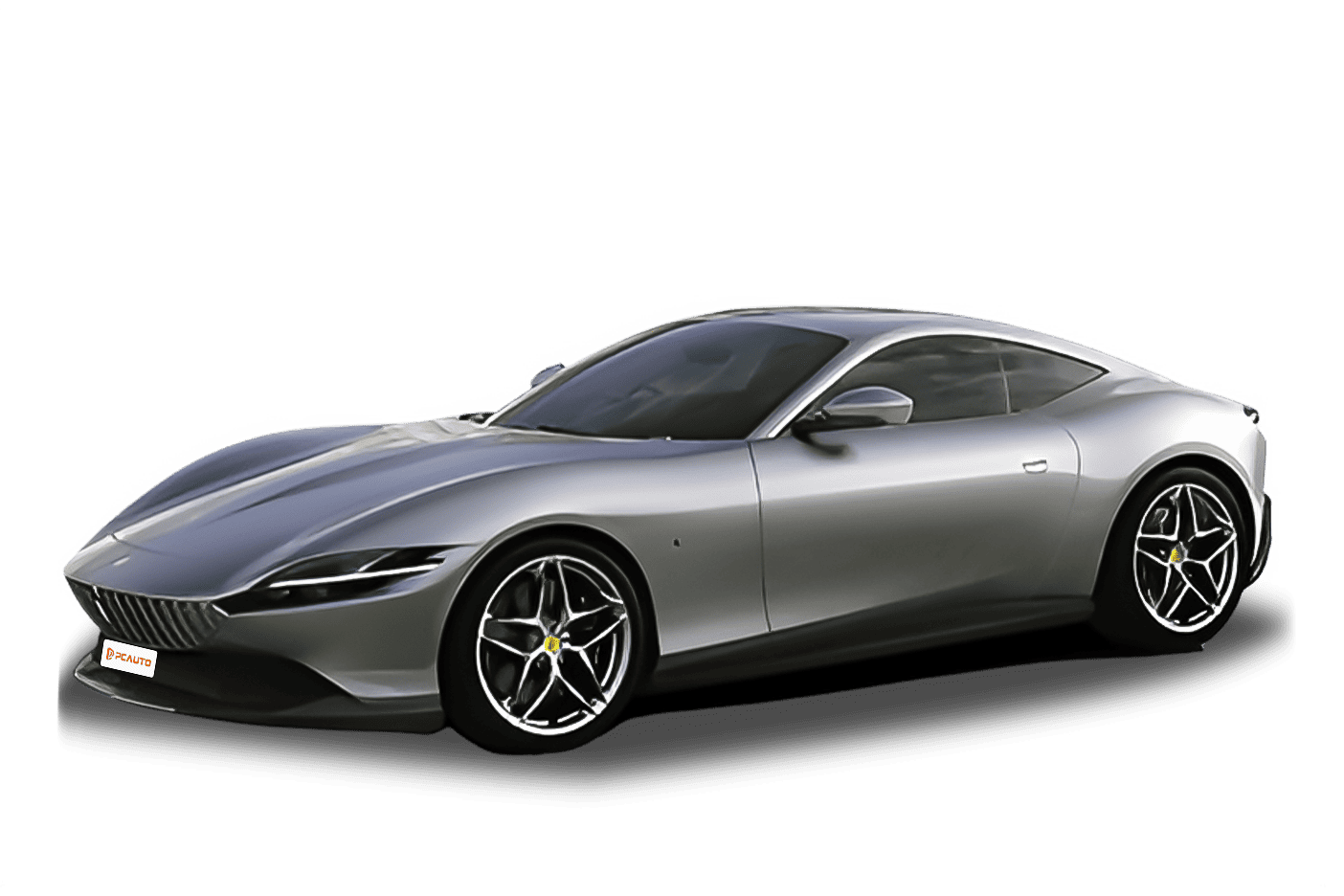
2023 Ferrari Roma Spider is a hardtop convertible GT supercar that combines elegant style with powerful performance, 13.5-second fast-opening soft top + 620PS power, practical for daily use and full of driving pleasure.

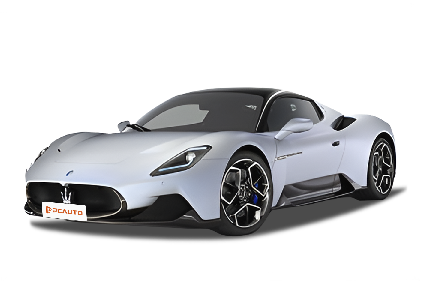
2023 Maserati MC20 Cielo is a two-seater supercar that combines track-level performance with convertible romance, equipped with a 630PS 3.0T V6 engine, a glass hardtop that opens and closes in 12 seconds, and accelerates to 100 km/h in 2.9 seconds.
2
Rank in Coupe
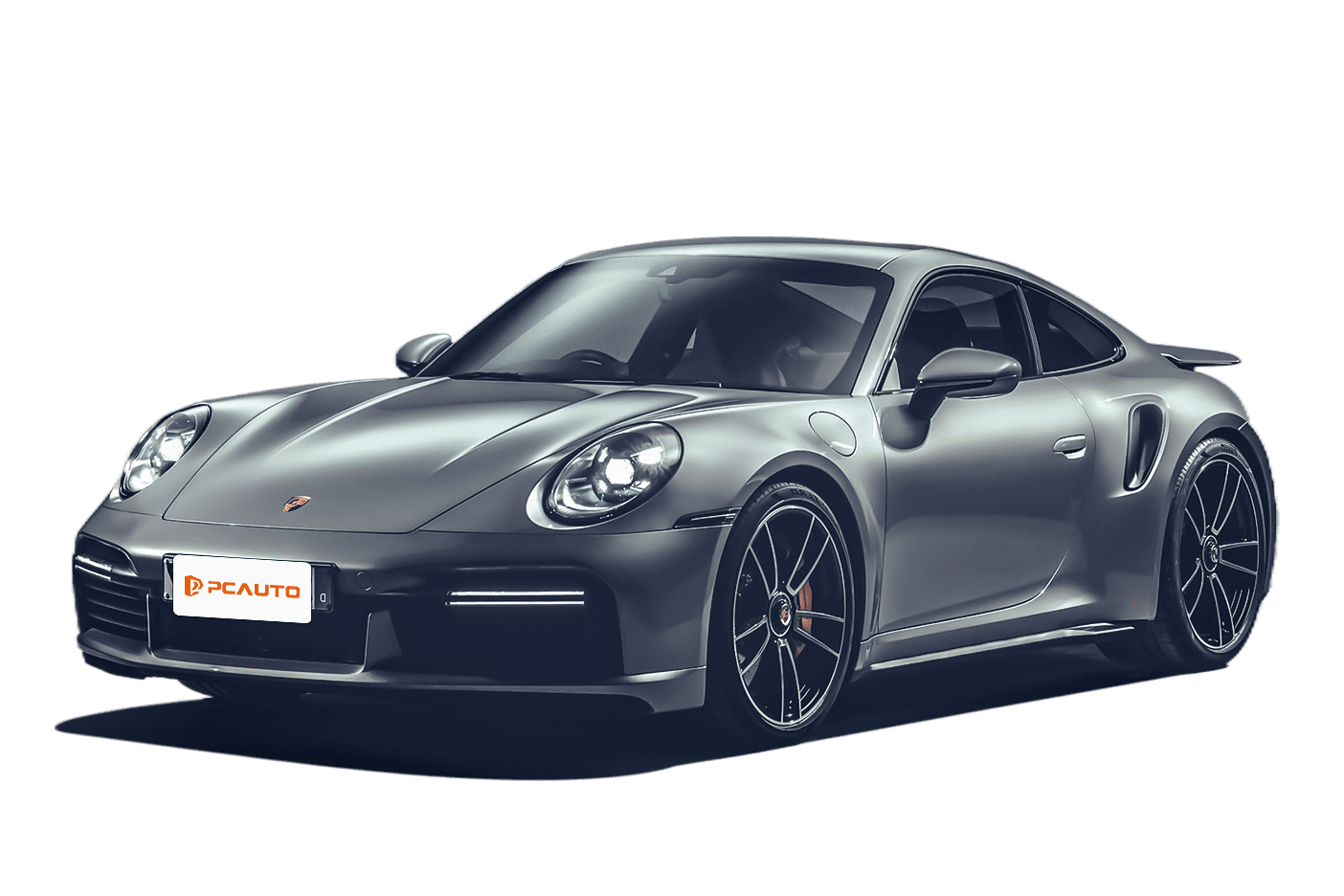
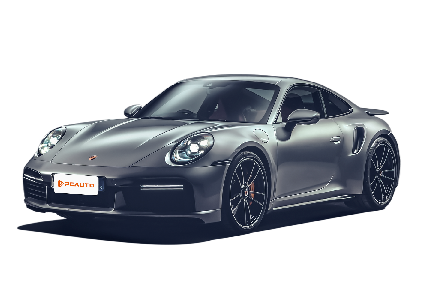
The 2025 Porsche 911 Carrera, as a classic entry-level coupe, features a 0-100 km/h acceleration in 3.9 seconds with its 3.0T+PDK performance, combining practical daily configurations and iconic design to balance track excitement with commuting convenience.
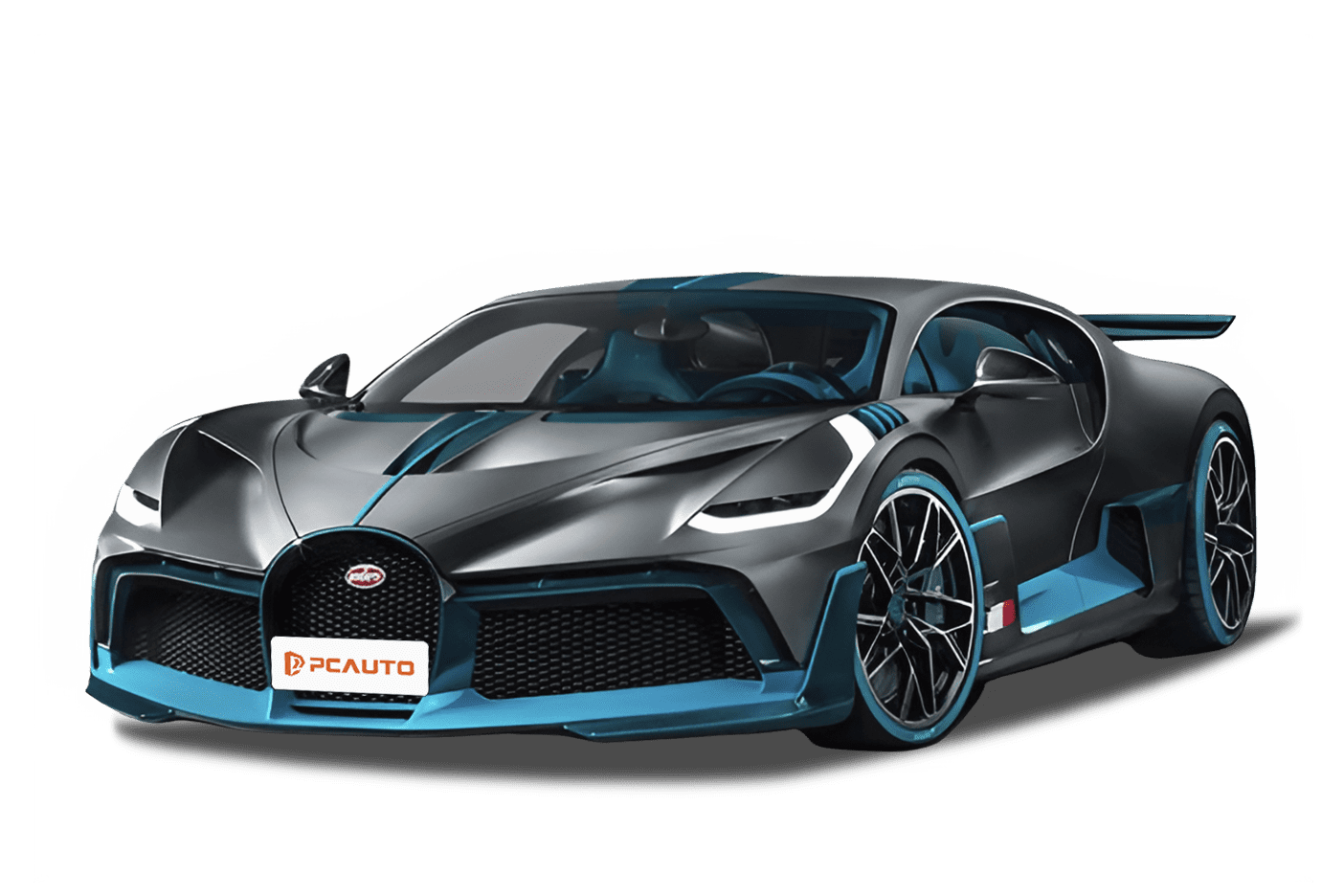
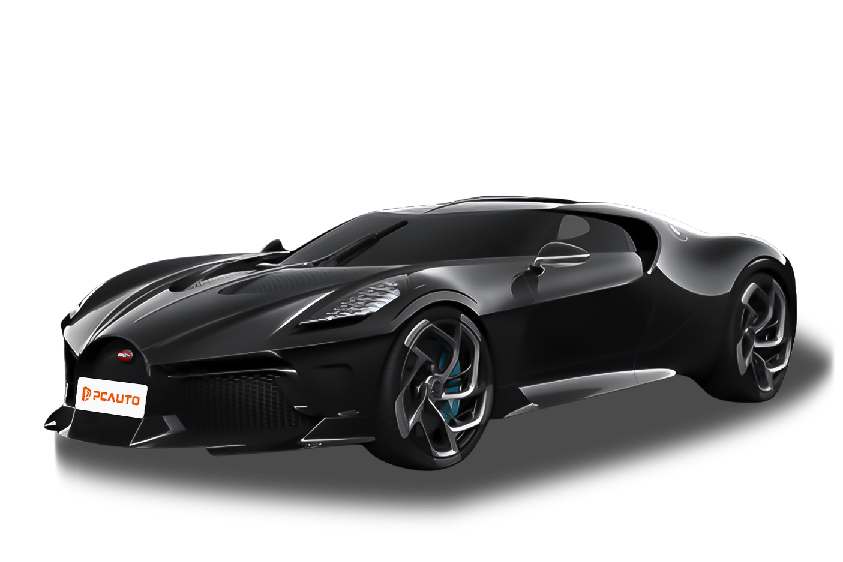
2023 Bugatti Divo, as a limited-edition hypercar and an advanced version of the Chiron, features track-focused aerodynamic design, 1520PS of brutal power, and precise handling, embodying the ultimate performance of being "born for the curves."