

Bugatti Veyron 2009 Review

 Share
Share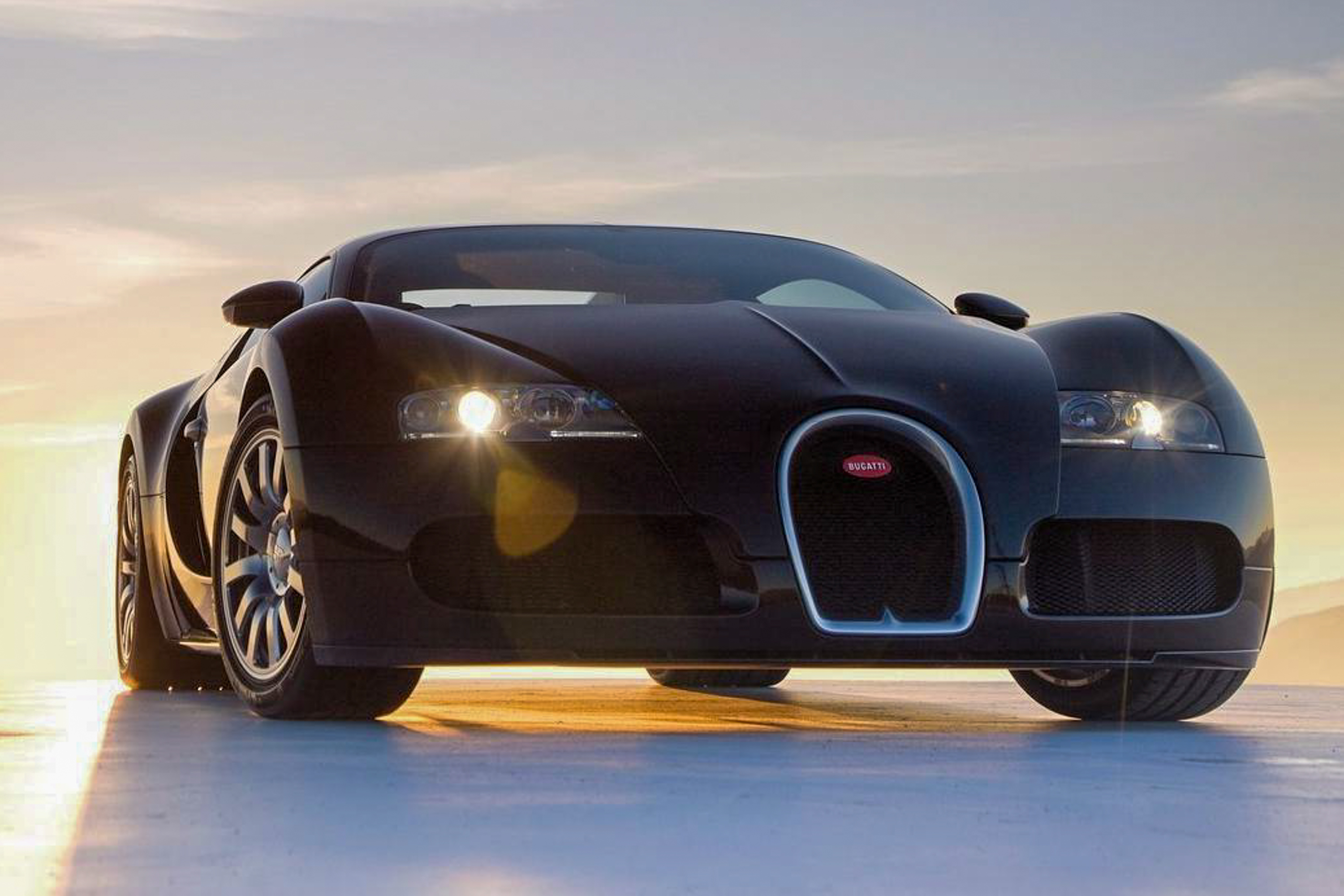
 Body Type
 Segment
 Capacity(L)
 Engine Power(PS)
 Engine Torque(Nm)
 Transmission
The silhouette of the 2009 Bugatti Veyron Public is considered "legendary" in Malaysia's supercar market — not because it is not well-known, but because it was the world's first mass-produced car that broke the 400km/h speed barrier. From the moment it was born, it raised the bar for top-tier supercars to a whole new level. Even in the Malaysian market of 2024, there are still very few models that can match it in terms of performance, craftsmanship, and rarity. This time, we had the privilege of encountering a well-maintained 2009 Veyron Public, and the core purpose was to verify: does this "speed king of a decade ago" still qualify as the pinnacle of supercars today?
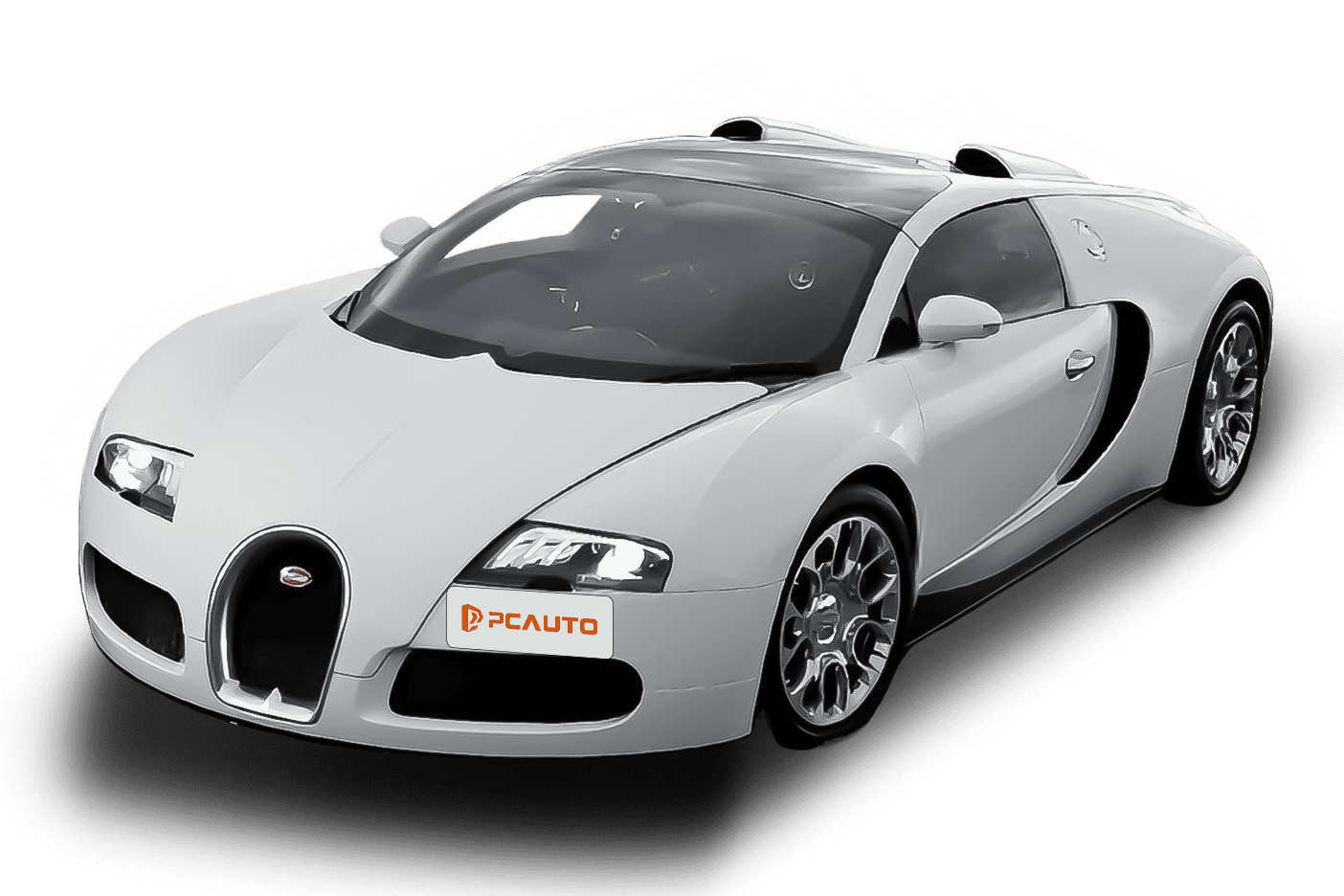
Starting with the exterior, the design of the 2009 Veyron Public is entirely in the service of aerodynamics, with no superfluous decorations. The front end is low and flat, with an oval-shaped grille embedded with Bugatti's classic horseshoe emblem. The sharp LED headlights on both sides are not only highly recognizable but also help cool the braking system during high-speed driving. The body has sleek lines, with a fastback design from the A-pillar to the rear that looks like a bullet. The 20-inch multi-spoke alloy wheels are paired with Michelin Pilot Sport 2 high-performance tires, and even the sidewalls of the tires are marked with "designed exclusively for Veyron." The most striking feature at the rear is the large retractable spoiler — it stays down during regular driving to reduce drag but automatically extends at speeds above 220km/h or when switching to sport mode. Paired with the rear diffuser at the bottom, it provides sufficient downforce. The taillights adopt a four-round design, complementing the quad exhaust layout at the rear. Overall, every detail is crafted to serve the word "speed."
Opening the car door, the luxury and technological feel of the interior were absolutely top-notch at the time. The center console is primarily composed of extensive carbon fiber and Alcantara materials, complemented by hand-stitched leather seats that feel exquisite to the touch. The center console lacks an abundance of physical buttons, with a single 7-inch LCD screen integrating navigation, multimedia, and vehicle status monitoring functions. While it may not seem advanced today, in 2009, this was a forward-thinking feature. The steering wheel features a three-spoke design, with the left side integrating buttons for drive mode selection and spoiler control, while the right side houses controls for cruise control and audio adjustments, with a clear and intuitive layout. The seats are bucket-style sports seats with excellent ergonomics — their cushioning and thigh supports can be manually adjusted, ensuring a comfortable experience even during long drives.
In terms of space, as a two-door, two-seat supercar, the Veyron Public is clearly not designed with practicality in mind. The car's dimensions are 4462mm×1998mm×1204mm, with a wheelbase of 2710mm. The front row space is just enough for passengers up to 180cm tall; there is about a fist's worth of headroom, and legroom doesn't feel cramped. Storage space is almost negligible — apart from a small storage compartment behind the seats that can fit a backpack, the central armrest compartment can only accommodate a few bottles of water. After all, those who buy this car are unlikely to use it for grocery runs.
Power is the core advantage of the Veyron Public. It is equipped with an 8.0L W16 quad-turbocharged engine, delivering a maximum horsepower of 1001 hp and a peak torque of 1250 N·m, paired with a 7-speed dual-clutch transmission and all-wheel-drive system. The official 0-100 km/h acceleration time is 2.5 seconds, with a top speed of 407 km/h. During actual driving, even with a light touch on the accelerator at the start, the thrust is instantly felt; switching to sport mode further quickens the transmission's shift speed, and when pressing the accelerator hard, the growl of the W16 engine transitions from a deep roar to a ferocious bellow, like a beast being awakened. Accelerating from 100 km/h to 200 km/h takes only 7.3 seconds, and such continuous acceleration capability remains unmatched by most vehicles even today.
In terms of handling, the Veyron Public performs beyond expectations. The steering response is precise with virtually no slack, and turning the wheel provides clear feedback from the road surface. The chassis uses a carbon fiber monocoque structure, and the suspension system features a double-wishbone independent suspension, which is tuned to be firm yet resilient. During test drives on the winding mountain roads near Kuala Lumpur, the vehicle showed excellent control over body roll when tackling a series of corners. The all-wheel-drive system efficiently distributes power to all four wheels, ensuring stability even when cornering at relatively high speeds. However, when driving in urban areas, the firm suspension tends to filter out some minor bumps, but speed bumps or uneven road surfaces can result in noticeable vibrations—an inevitable compromise for high-performance vehicles.
In terms of fuel consumption, as a thousand-horsepower supercar, its fuel efficiency is understandably low. In mixed driving conditions over 100 km, the average fuel consumption reached 22.5 L/100 km; with aggressive driving, fuel consumption easily exceeds 30 L/100 km. However, buyers of the Veyron are unlikely to be too concerned about fuel efficiency. Its braking performance is equally outstanding, with 6-piston front and 4-piston rear calipers paired with carbon-ceramic brake discs, allowing it to stop from 100 km/h to 0 in just 31 meters, with no noticeable fade during continuous braking.
In terms of driving comfort, the Veyron Public is more ‘friendly’ than expected. While the engine's growl is explosive in sport mode, in normal mode the cabin's sound insulation is quite good, keeping wind and road noise at acceptable levels at 120 km/h. The seats strike a great balance between support and cushioning, ensuring comfort during long drives. However, it’s worth noting that the visibility is not very expansive, with significant blind spots near the A-pillars and side mirrors, requiring extra caution when parking in urban areas.
In summary, even when compared to today's standards, the 2009 Bugatti Veyron Public remains a symbol of top-tier supercars. Its core strengths are evident: the extreme performance brought by its thousand-horsepower W16 engine, handcrafted luxury interior, and its historical achievement as the first production car to reach 400 km/h. Compared to other models in the same class (such as the Koenigsegg CCX or Pagani Zonda), the Veyron Public stands out with its more refined craftsmanship and more stable performance—after all, Bugatti conducted numerous tests on engine cooling and aerodynamics to ensure it could reliably reach 400 km/h.
This car is clearly targeted towards two types of people: either supercar culture enthusiasts and collectors, or wealthy players in pursuit of ultimate performance. It is not a car suited for daily commuting, but it is absolutely a weapon that allows you to experience the "Fast and Furious" on the track or highway. Even after more than a decade, the Veyron Public remains a milestone in the history of supercars — it proved the limits of human capabilities in automotive performance, which have yet to be easily surpassed.
Bugatti Veyron Car Compare

More Bugatti Reviews
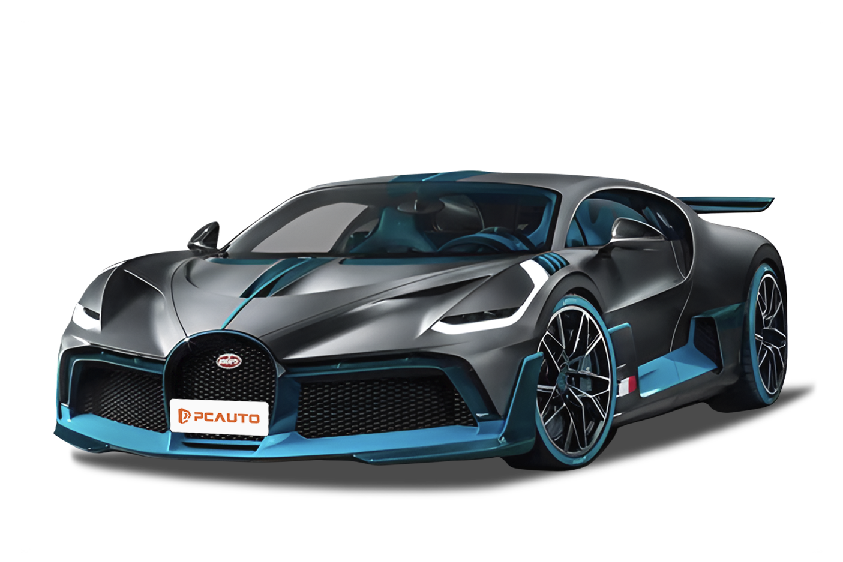
Cars With Similar Price And Features
1
Rank in Convertible
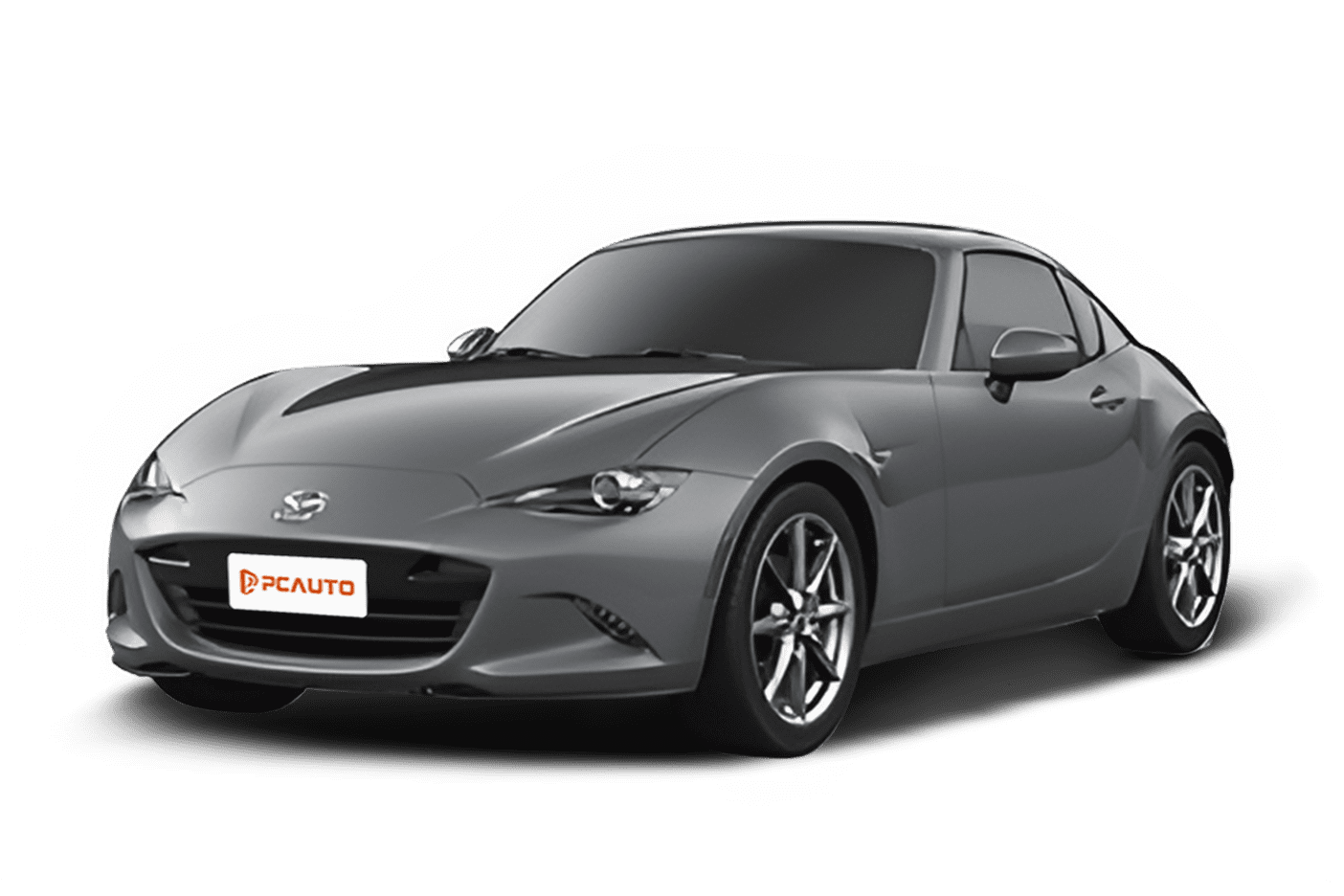
2025 Mazda MX-5 RF 2.0 MT is a hardtop manual sports car with precise handling and pure driving pleasure, balancing daily practicality with mountain road excitement, continuing the "Jinba Ittai" experience.
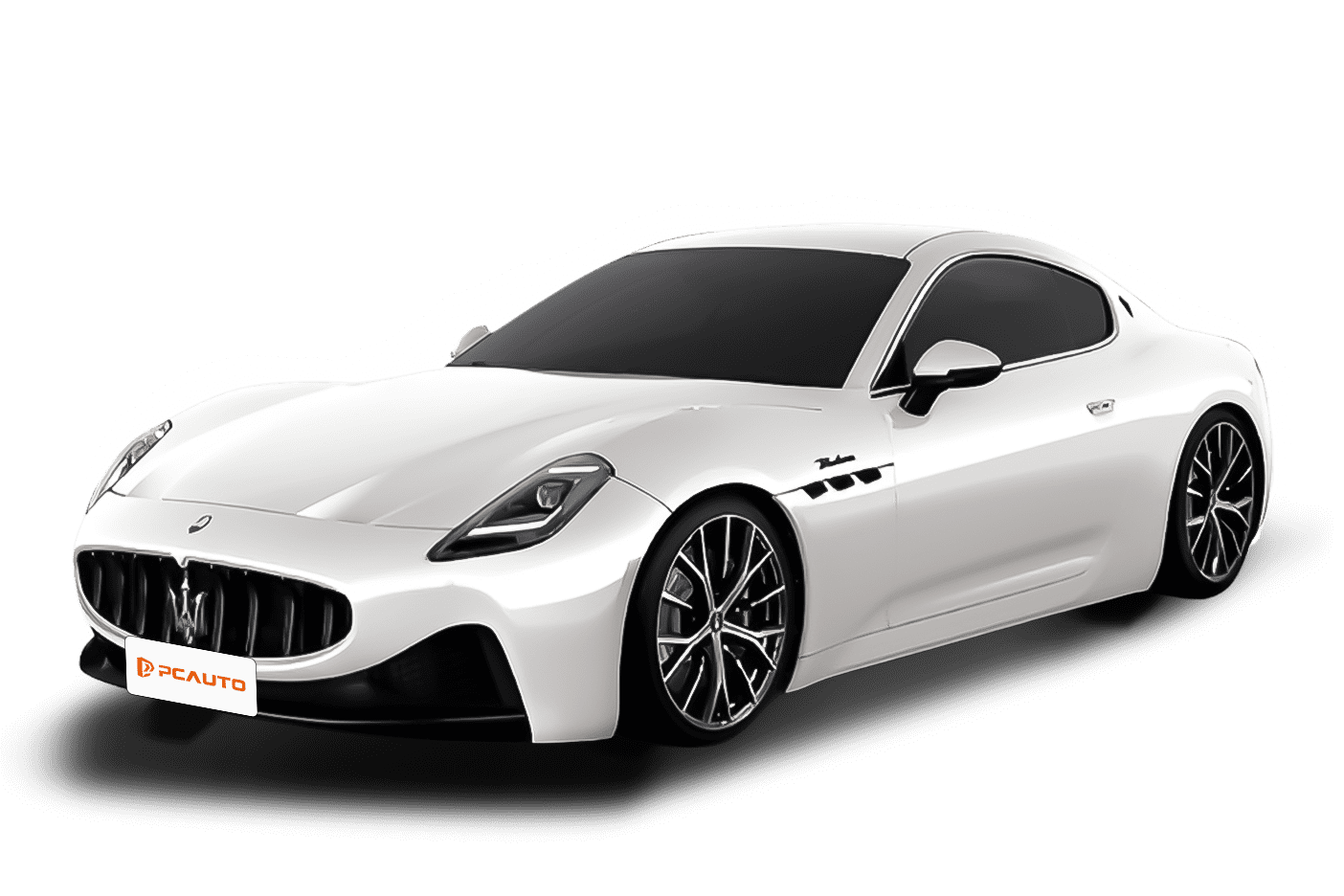
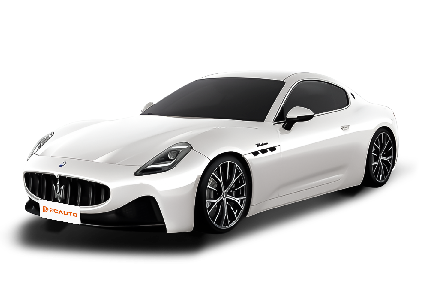
2024 Maserati GranTurismo Modena is a luxurious GT that combines 490PS performance, all-wheel drive, and practical space, defining a new experience for luxury two-door cars with a balanced performance suitable for daily driving.

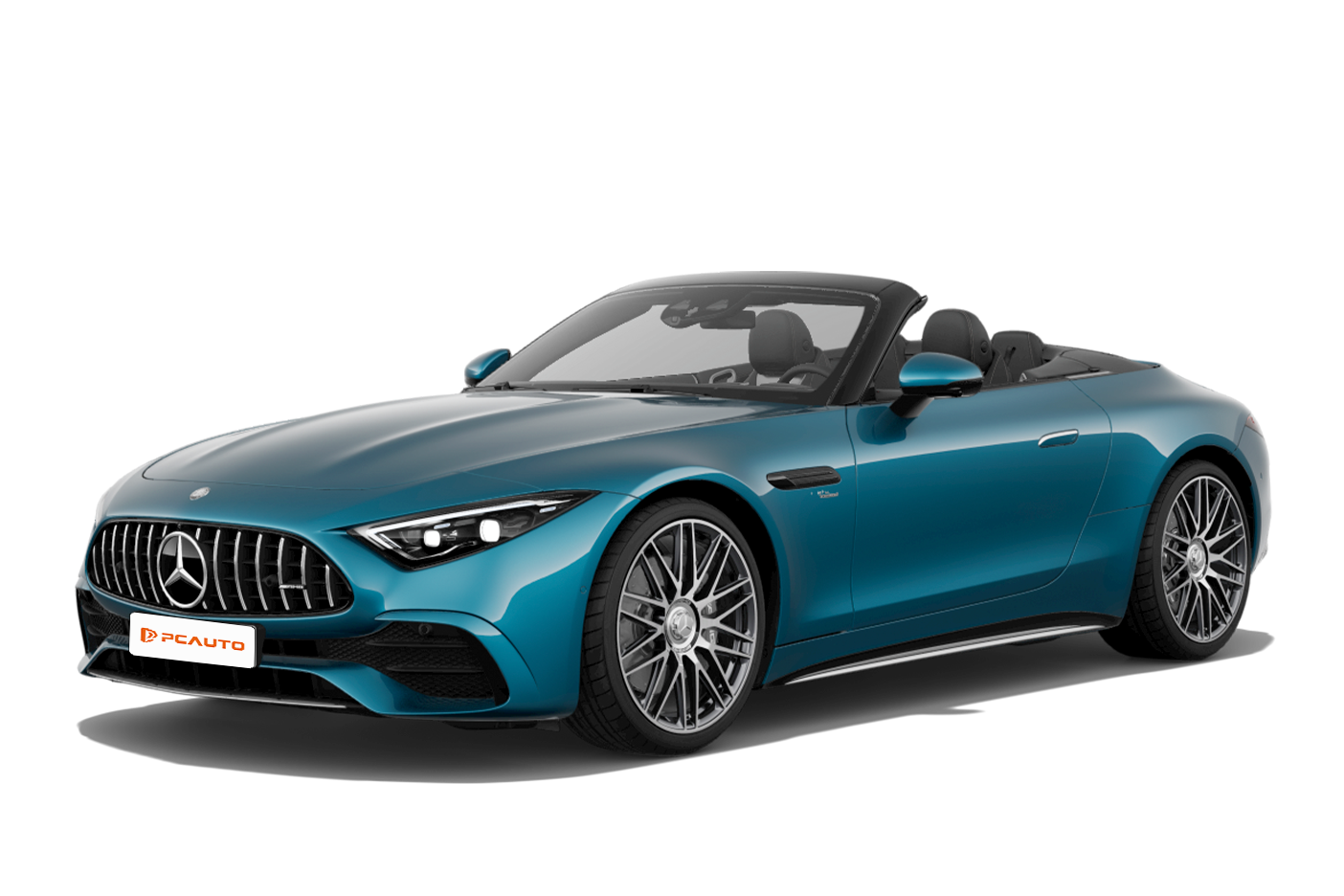
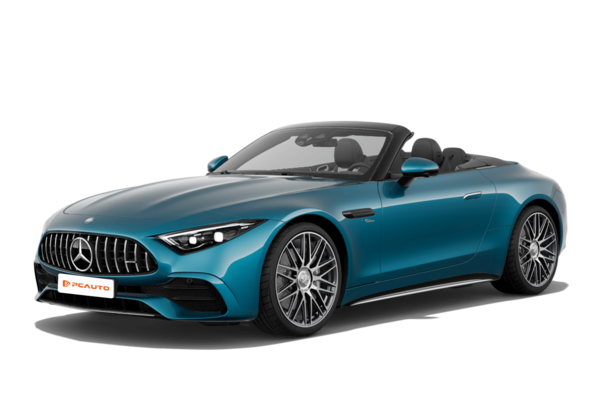
2025 Mercedes-Benz AMG SL-Class 63S E Performance achieves a super strong output of 816PS with a 4.0T V8 + plug-in hybrid system, balancing 2.9-second 0-100 km/h performance and short-distance pure electric commuting, setting a benchmark for luxury hybrid GT sports cars.
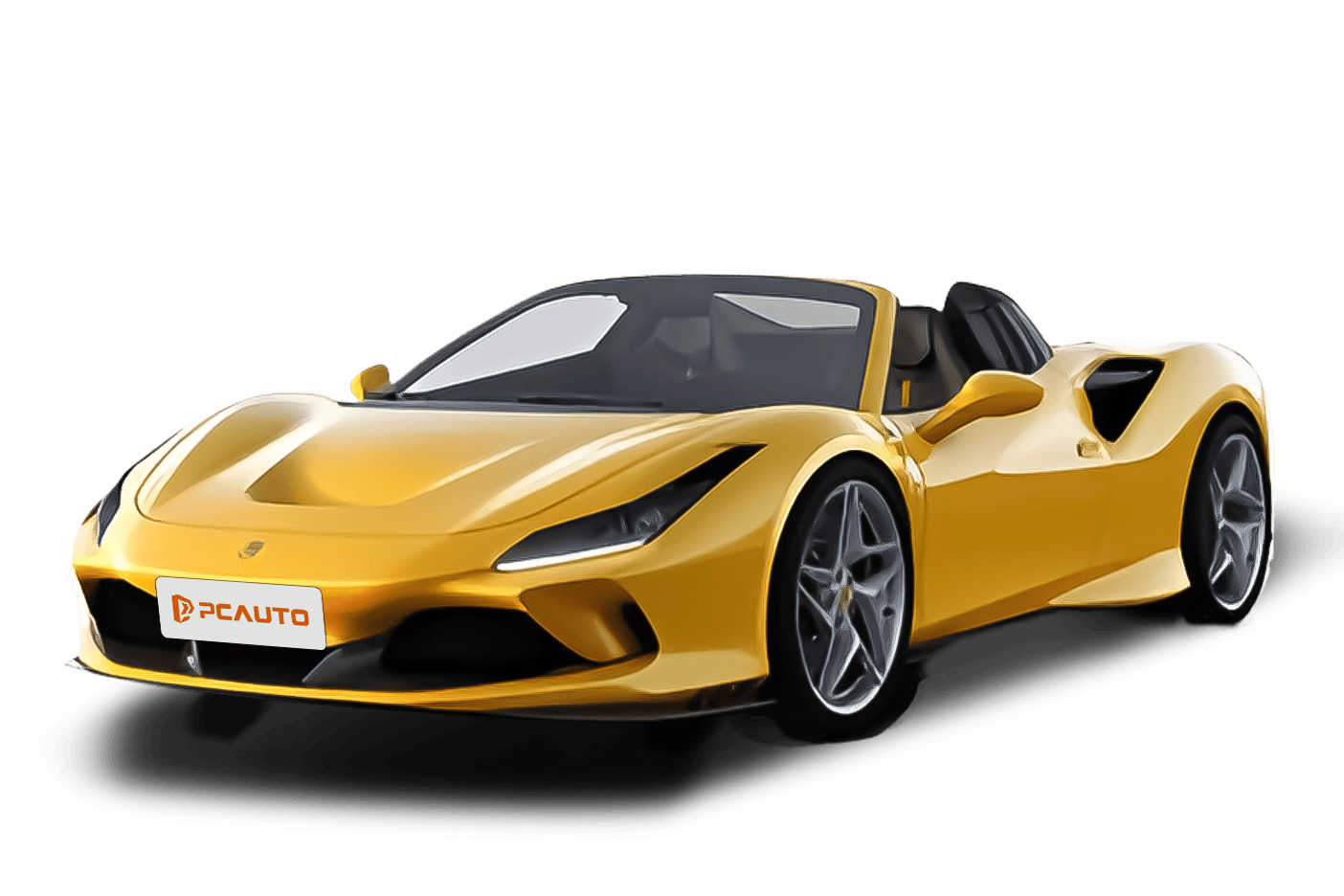
2020 Ferrari F8 Spider is a track-level supercar with 720 horsepower strong power and a hardtop convertible, balancing everyday practicality with track passion, featuring an eye-catching aerodynamic design.