

2023 Hyundai Tucson 2.0 Lite Review

 Share
Share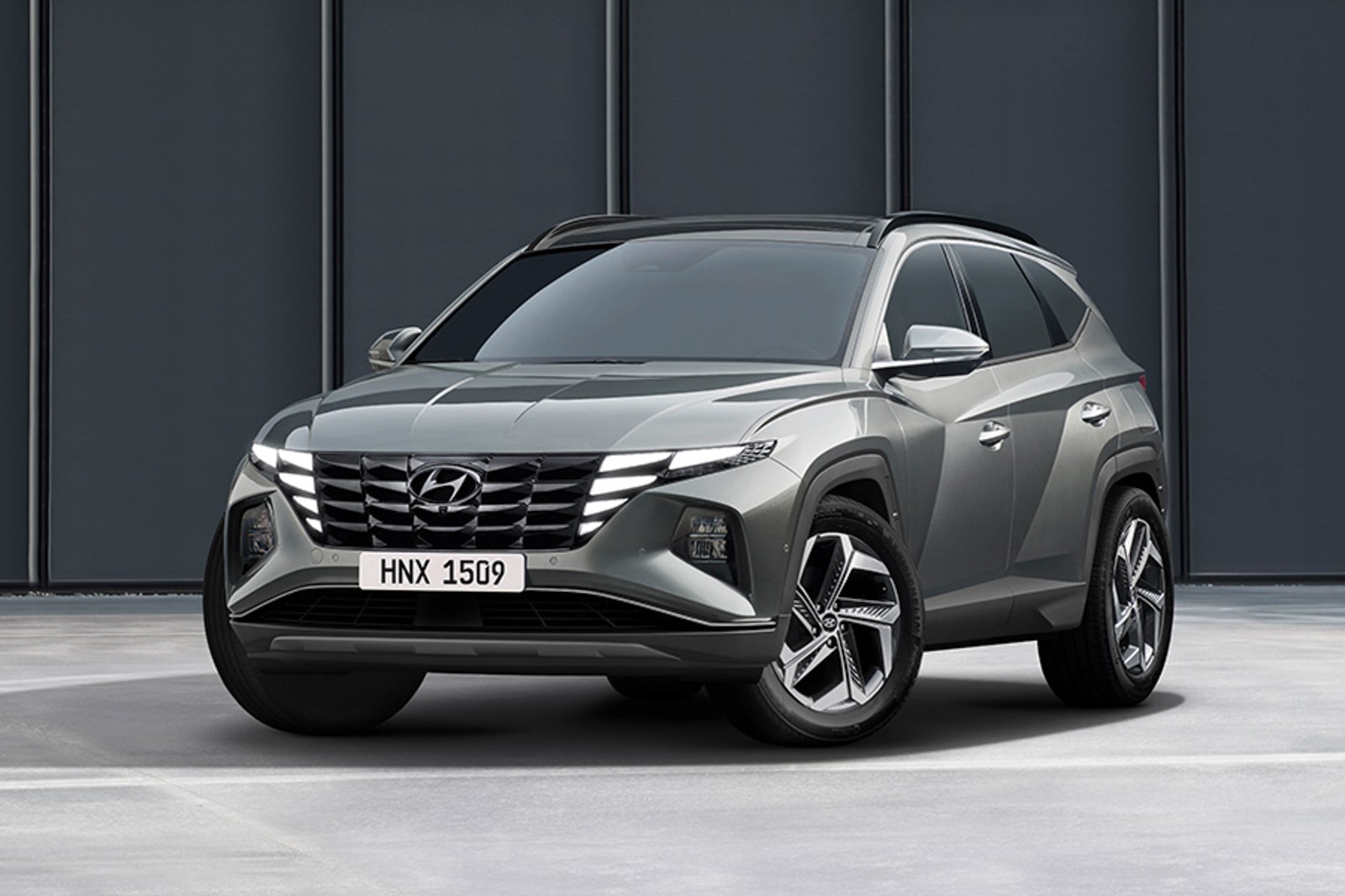
 Segment
 Body Type
 Capacity(L)
 Engine Power(PS)
 Engine Torque(Nm)
 Transmission
Currently, the competition in the C-Segment SUV market in Malaysia is intense. Consumers value both practicality of space and rich configurations. The 2023 Hyundai Tucson 2.0 Lite is aimed precisely at this market segment. As the entry-level model of the series, it not only continues the design language of the Tucson family but also makes several practical adjustments to the basic configuration. For instance, it comes standard with six airbags, Adaptive Cruise Control (ACC), and front and rear radar imaging, making it highly cost-effective. In this test drive, we focused on evaluating its daily driving performance, practicality of space, and whether its configurations truly meet the needs of a family, to determine if this entry-level Tucson is worth considering for family users.
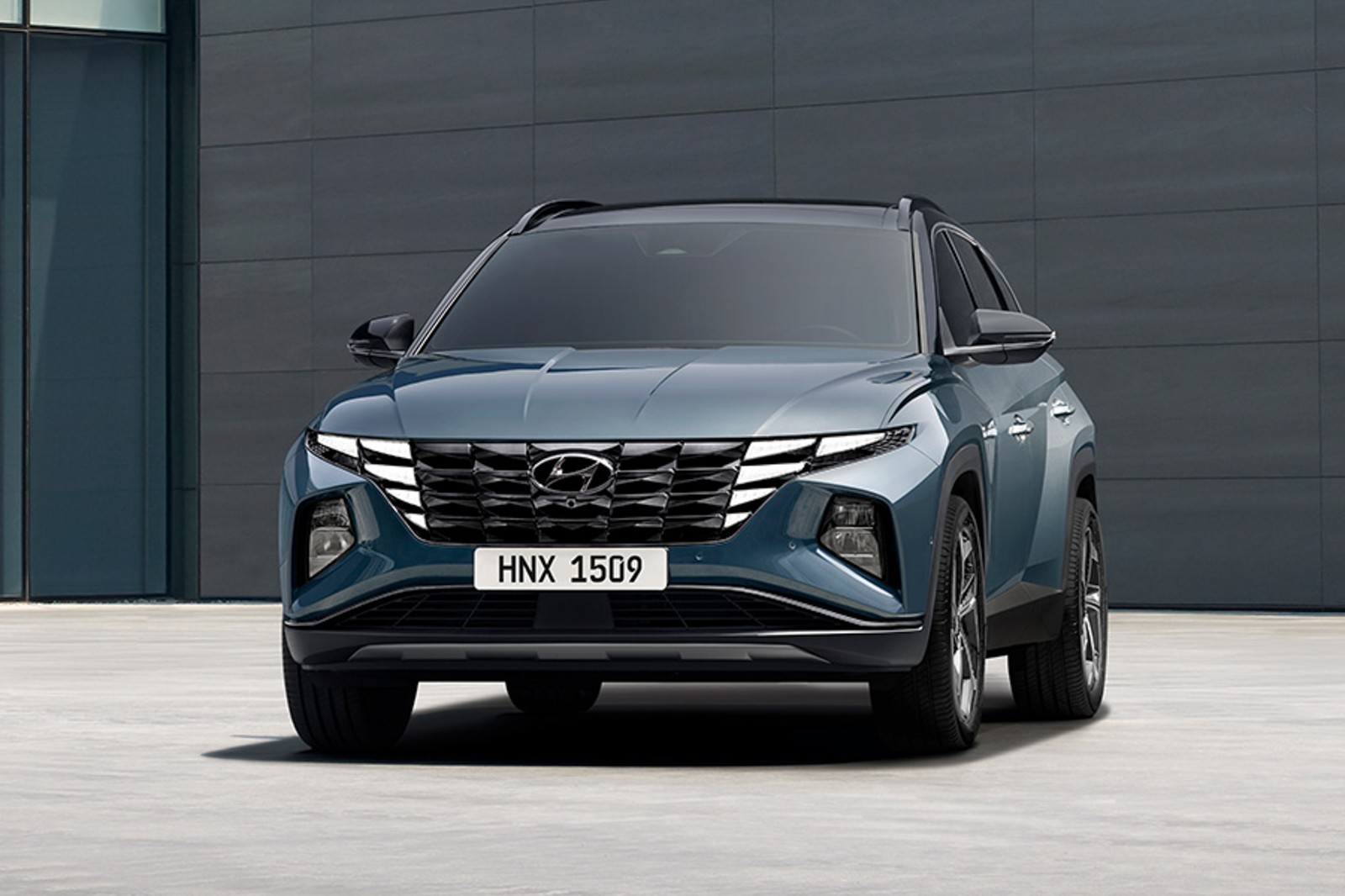
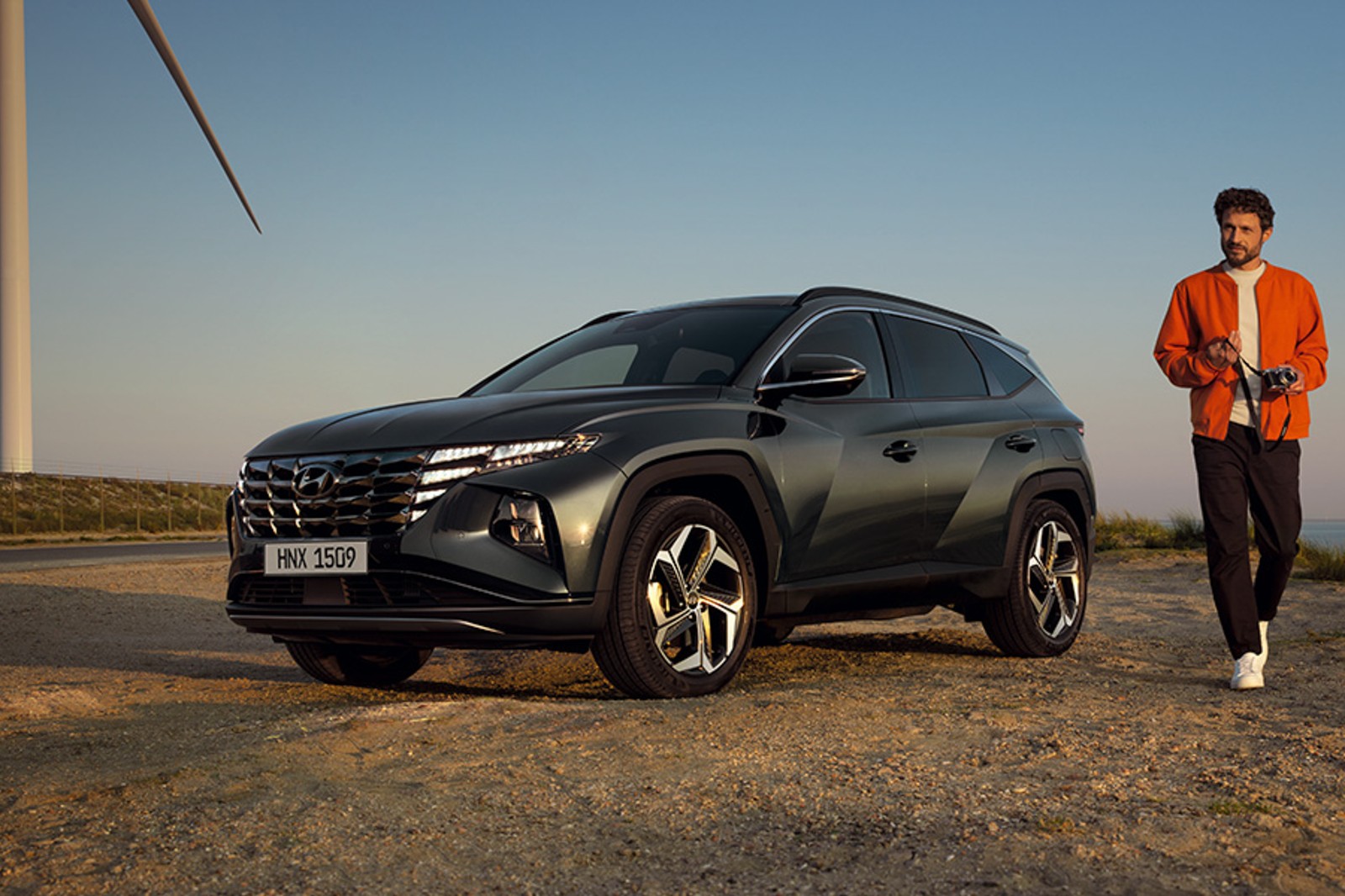
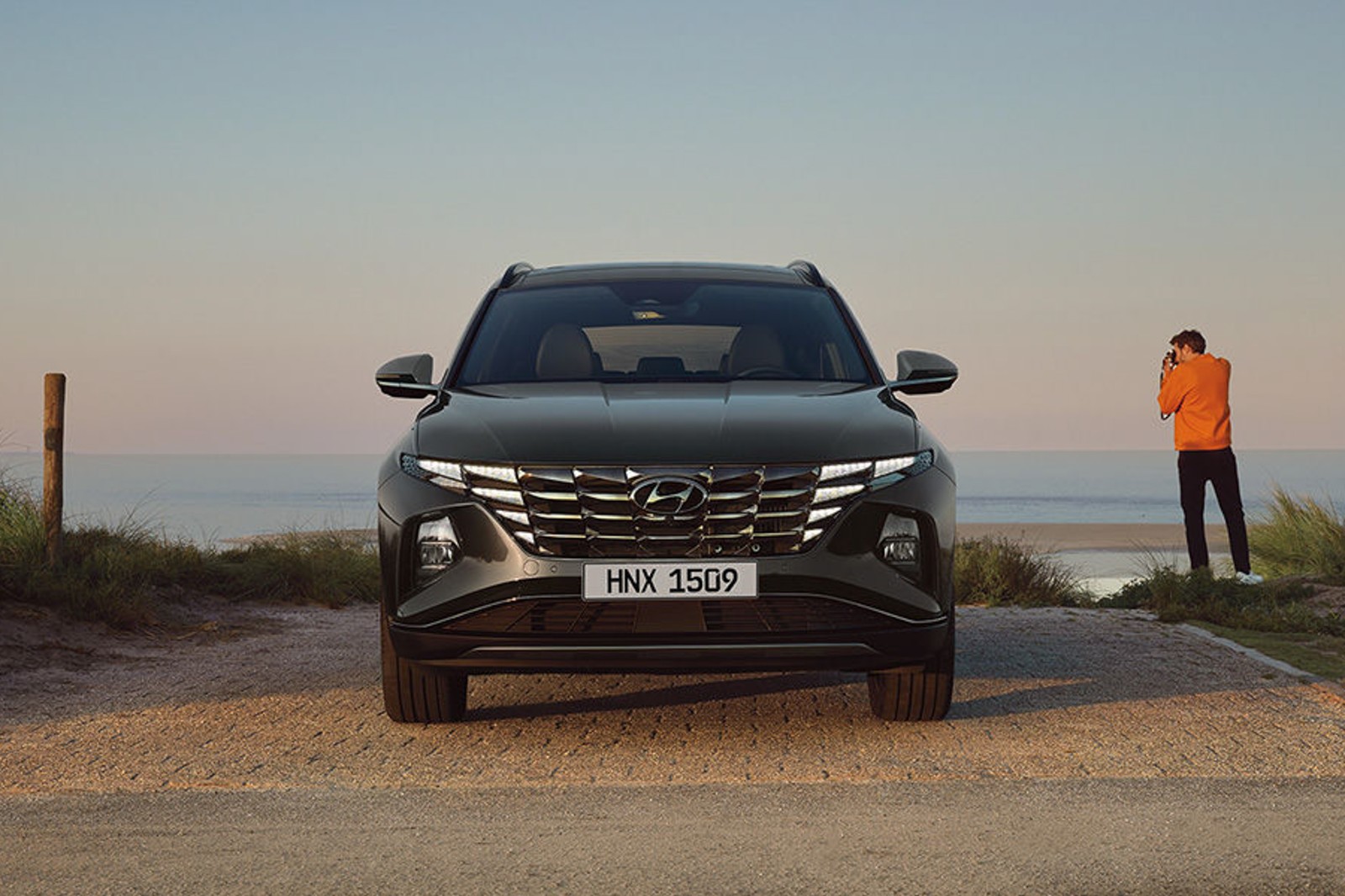
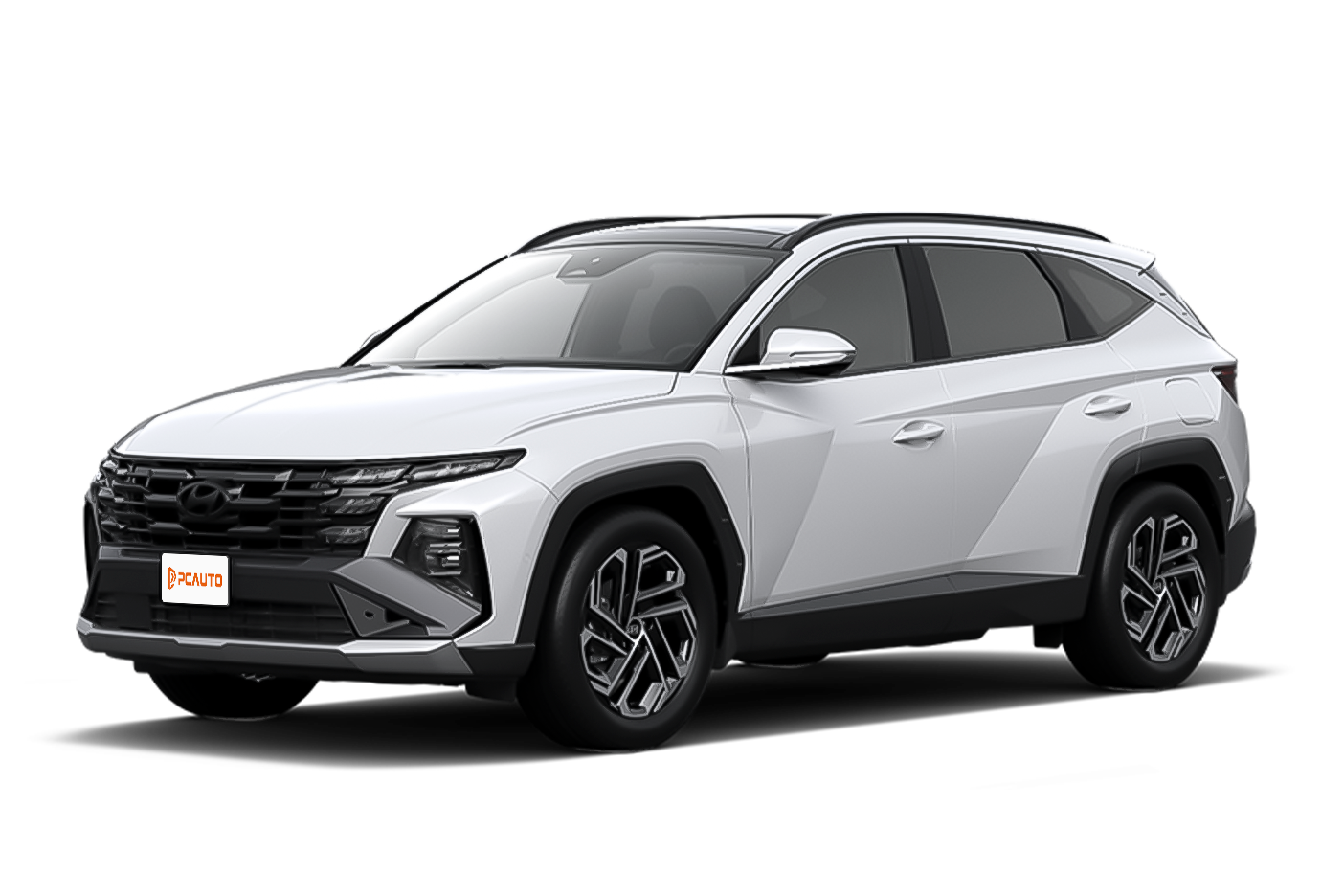
In terms of appearance, the 2023 Tucson 2.0 Lite continues the family-style "Sensuous Sportiness" design style, with overall lines that are sharp and layered. The front face features a large, parametric jewel-pattern grille, with black trim inside the grille connecting to the headlights on both sides, visually extending the width of the front. The headlight set consists of halogen main lights paired with LED daytime running lights, and auto headlamp functionality comes as standard, making daily use convenient. The side profile features a character line that runs from the front fender to the rear, complemented by a slightly upward-sloping window line, creating a sense of sportiness. The indented design at the lower part of the doors enhances the muscular feel. The 17-inch multi-spoke alloy wheels have a simple design, and the tire specifications are 225/60 R17, balancing comfort with durability. The rear features LED taillights running across the width, which are a visual focal point with high recognition when lit up. The black rear bumper trim and dual-exhaust design (actual exhaust is hidden) at the bottom give the rear a robust SUV look.
Stepping inside, the interior design of the Tucson 2.0 Lite leans towards practicality, with a symmetrical layout on the dashboard. The upper portion is covered in soft plastic material, providing a relatively refined touch. The central control screen measures 8 inches and is a touchscreen supporting the Sound Plus feature. The system is responsive and meets basic entertainment and navigation needs. The instrument cluster is an electroluminescent analogue type, displaying speed, RPM, and other information clearly at a glance. The multifunction steering wheel is wrapped in leather and supports audio controls and cruise system adjustments, making it ergonomic to use. The air conditioning system is a single-zone manual control, but rear air conditioning vents are standard, ensuring rear passenger comfort. The seats are upholstered in fabric, with manually adjustable front seats that offer decent support, suitable for long rides without causing much fatigue. The rear seats can be folded in a 60:40 split and manually reclined. When folded, the trunk capacity can expand from 488L, making it sufficient for daily items like strollers and suitcases. In terms of storage space, the front central armrest box and door storage compartments offer generous capacity, and the front row is also equipped with a 220V/230V power outlet, convenient for charging devices.
In terms of power, this vehicle is equipped with a 1.6L turbocharged engine, delivering a maximum output of 115kW (156PS) and a peak torque of 192N·m, paired with a 7-speed DCT transmission and a front-wheel-drive layout. The official 0-100km/h acceleration time is 11.4 seconds. During daily driving, the power response at the start feels relatively smooth, with a noticeable boost in power after the turbo kicks in (around 2000rpm). When overtaking, stepping harder on the accelerator prompts the transmission to downshift actively, providing adequate power for urban and highway scenarios. There are three selectable driving modes: Eco, Normal, and Sport. In Eco mode, the throttle response is slightly slower, making it suitable for fuel-efficient daily commuting. In Sport mode, the transmission stays in lower gears, delivering more direct power, which is ideal for occasional driving thrills.
Handling-wise, the steering wheel has a moderate turning effort and precise pointing, without noticeable slack. The chassis features a front MacPherson strut and rear multi-link independent suspension, tuned for comfort. It absorbs most of the fine vibrations when passing speed bumps or on bumpy roads, and the body does not have noticeable bouncing. The body stability is good when driving at high speeds; at 120 km/h, the steering wheel does not feel floaty. When cornering, body roll is within a reasonable range and does not cause discomfort to passengers. We also tested its fuel consumption: in urban conditions, it consumes about 8.5L per 100km, and on highways, about 6.8L, which is a moderate level for a C-Segment SUV.
In terms of ride comfort, the Tucson 2.0 Lite exhibits good noise control. At speeds below 80 km/h, both road noise and wind noise are negligible; once the speed exceeds 100 km/h, wind noise slightly increases but does not affect conversations inside the cabin. The fabric material of the seats has good breathability, making it comfortable to sit on even in summer. Regarding rear space, with a wheelbase of 2670mm, a 175cm passenger has about two fists of legroom when seated in the back, and headroom is about one fist, which does not feel cramped. Additionally, its ACC adaptive cruise control system is very convenient on highways, automatically keeping up with the car ahead and reducing the fatigue of long-distance driving.
In summary, the 2023 Hyundai Tucson 2.0 Lite's core advantages lie in its practical features, spacious interior, and 5-year/300,000 km extended warranty. Compared to competitors in the same class, such as the Honda CR-V 2.0L base model, the Tucson 2.0 Lite offers a richer standard configuration (such as ACC, six airbags, and front and rear radar cameras) at a more competitive price. Compared to the Toyota RAV4 2.0L, its turbocharged engine delivers more robust performance, which appeals to users who value power. This car has a clear positioning: it is suitable for practical family users who need ample space for children's necessities, desire complete basic features, prefer a fuel-efficient and easy-to-drive vehicle, and appreciate long warranties to reduce maintenance concerns.
If you are a household of 3-5 members and primarily use your car for city commuting and short weekend trips, the 2023 Hyundai Tucson 2.0 Lite is a well-balanced choice. It has no particularly glaring weaknesses, and its features, space, and power can meet family needs. Its cost performance is relatively outstanding among vehicles of the same class.
Hyundai Tucson Car Compare
Hyundai Tucson Loan Calculator
More Hyundai Reviews
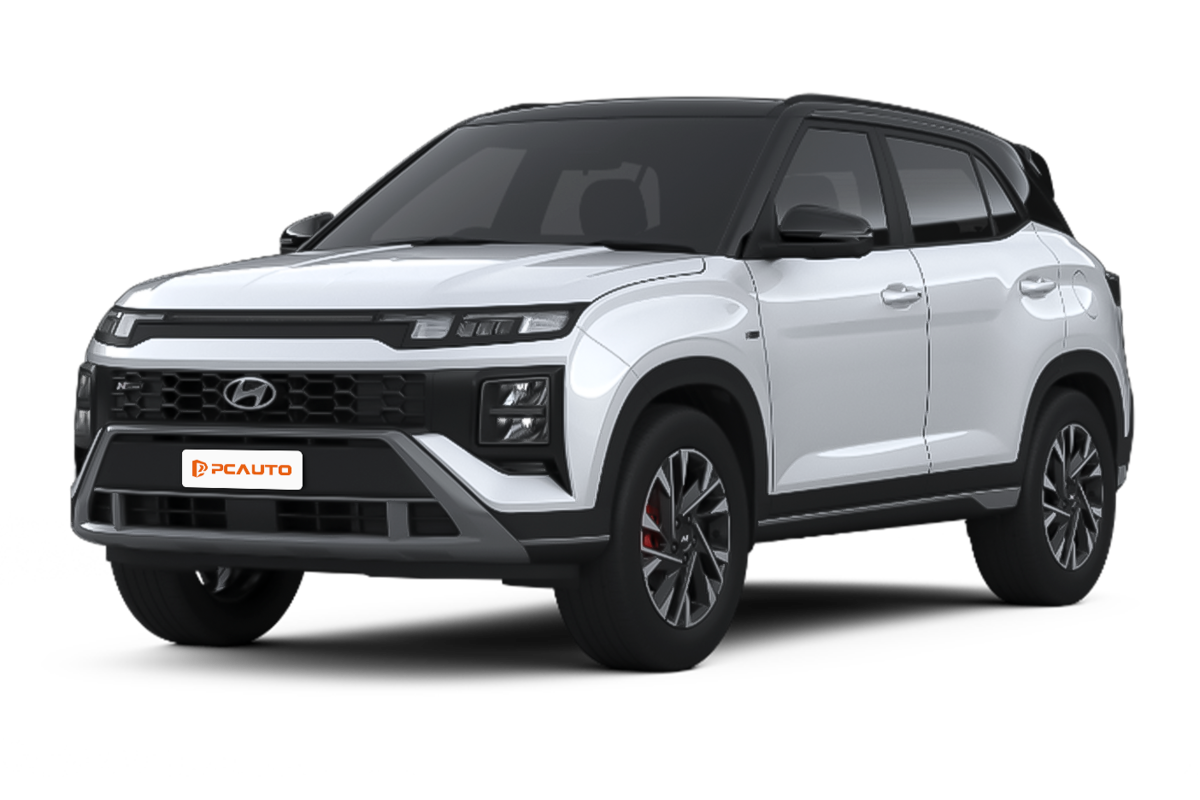
Cars With Similar Price And Features
8
Rank in SUV
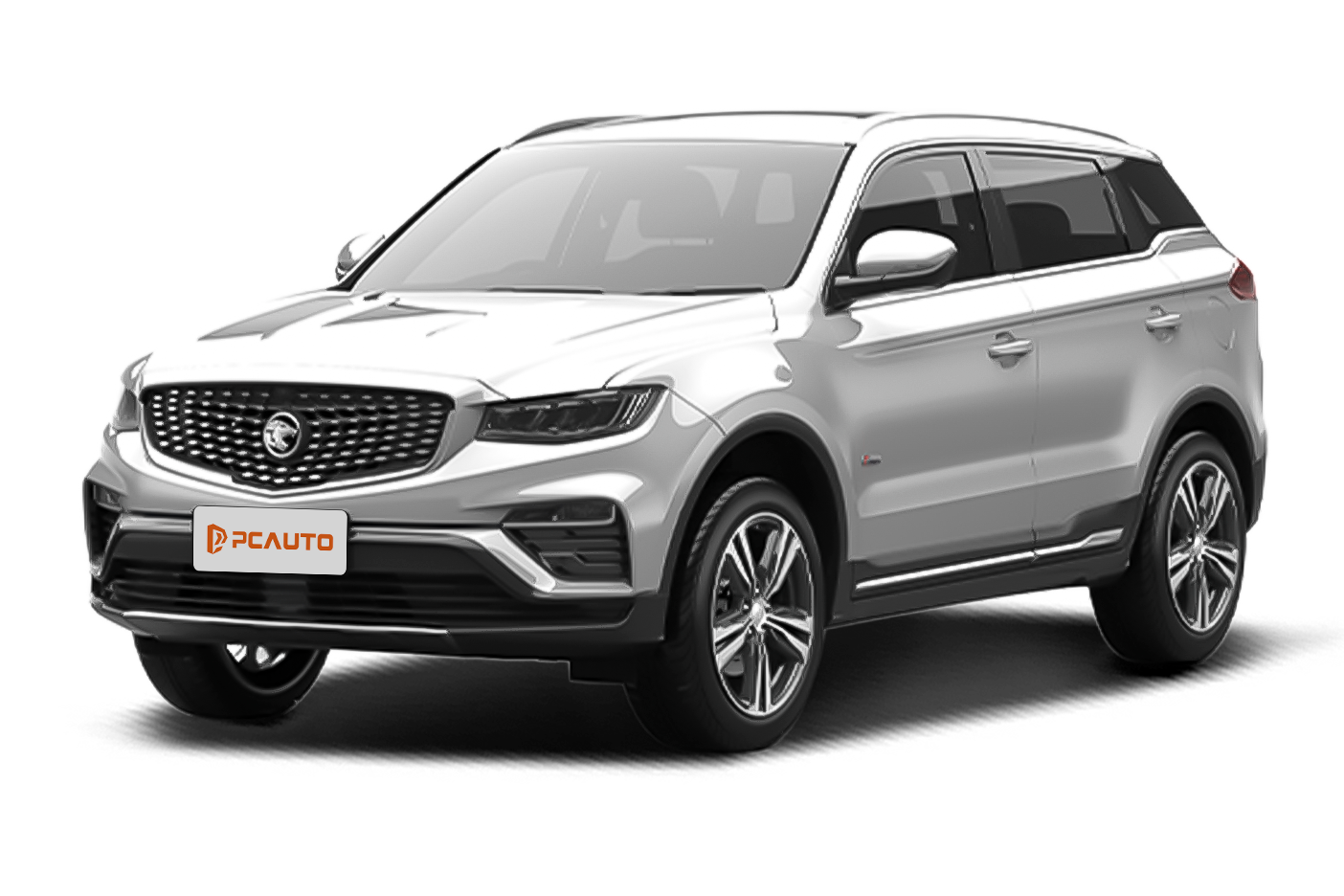
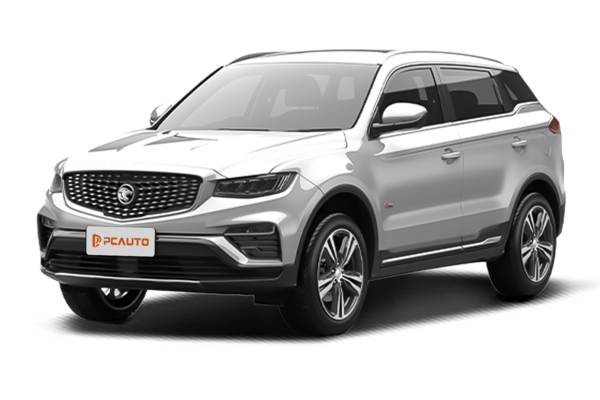
2026 Proton X70 1.5 TGDi Executive focuses on upgrading to a four-cylinder engine, practical configurations, and affordable pricing. It balances family commute practicality with value for money, making it a sensible choice among similarly priced C-segment SUVs.
10
Rank in SUV
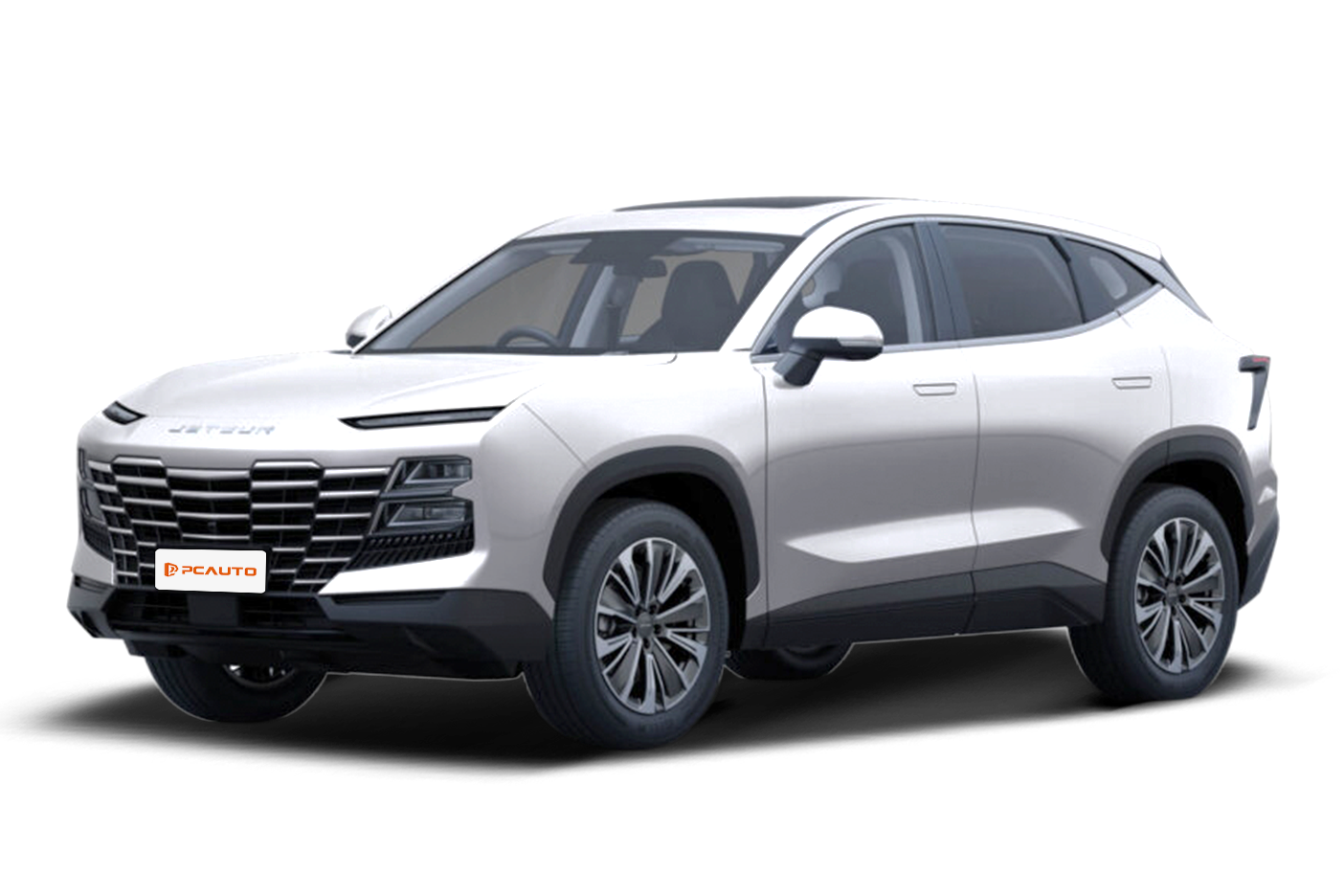
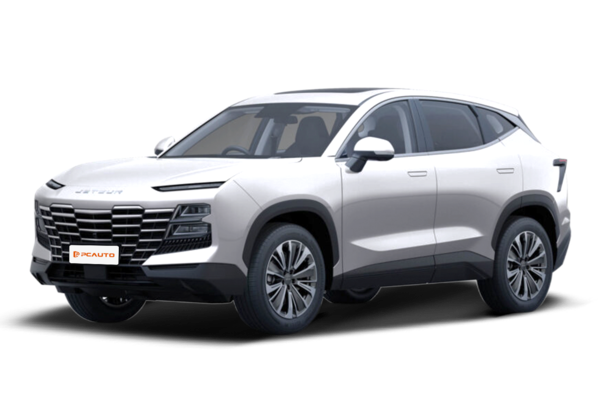
Jetour Dashing 1.5 TCI Comfort 2025 features a 2720mm long wheelbase and a 10.25-inch dual screen as its core, focusing on balanced cost performance to meet family practical needs.
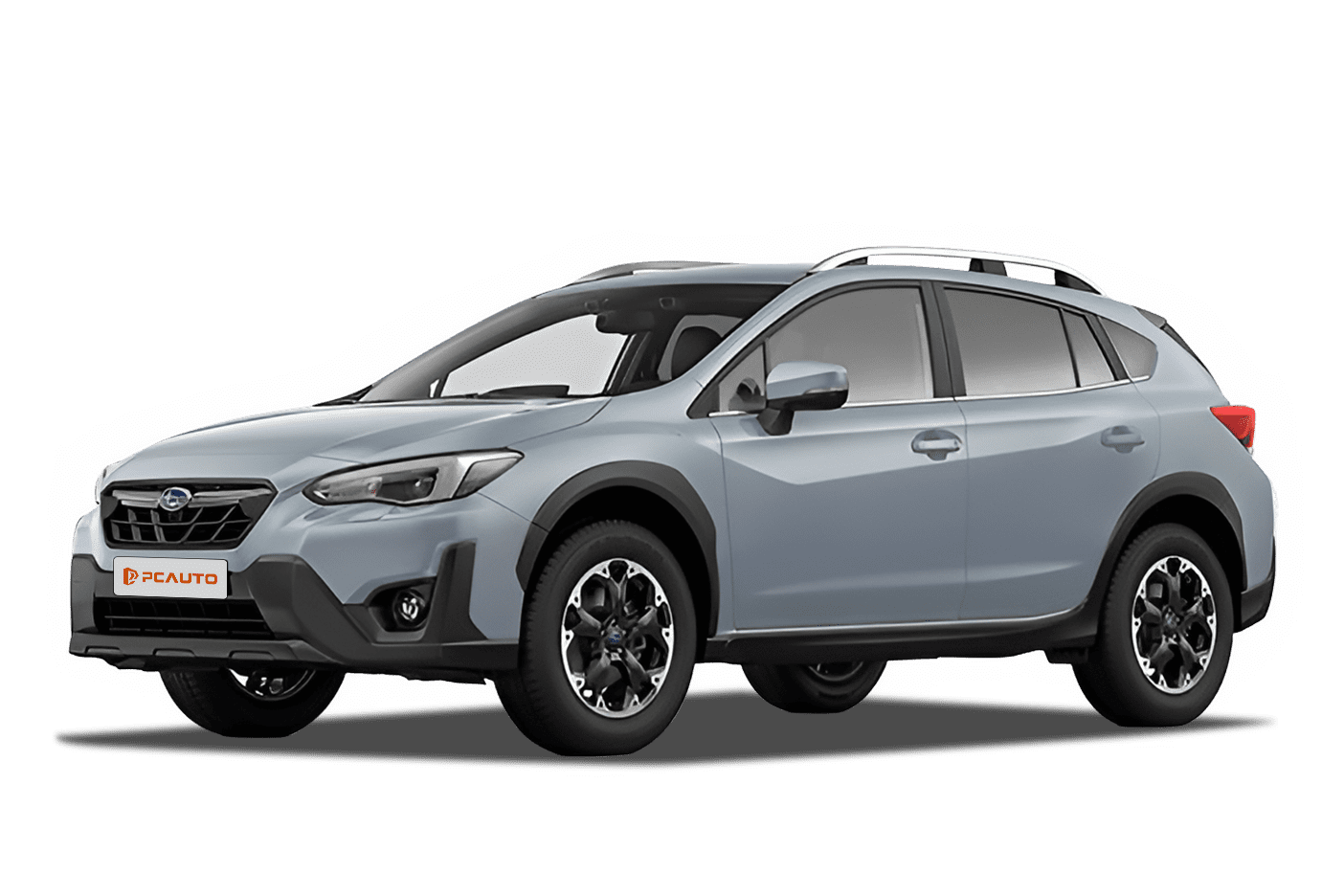
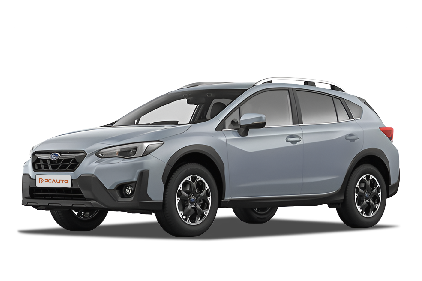
The 2021 Subaru XV 2.0i is a model targeting the C-segment crossover market, equipped with standard all-wheel drive and high safety features, balancing off-road capability and handling, with practical space.

2021 Hyundai Kona 2.0 Standard, as a high-value entry-level compact SUV, retains essential safety and practical features with an affordable price, meeting the daily commuting and loading needs of families.