

2023 Nissan Almera 1.0L Turbo VL Review

 Share
Share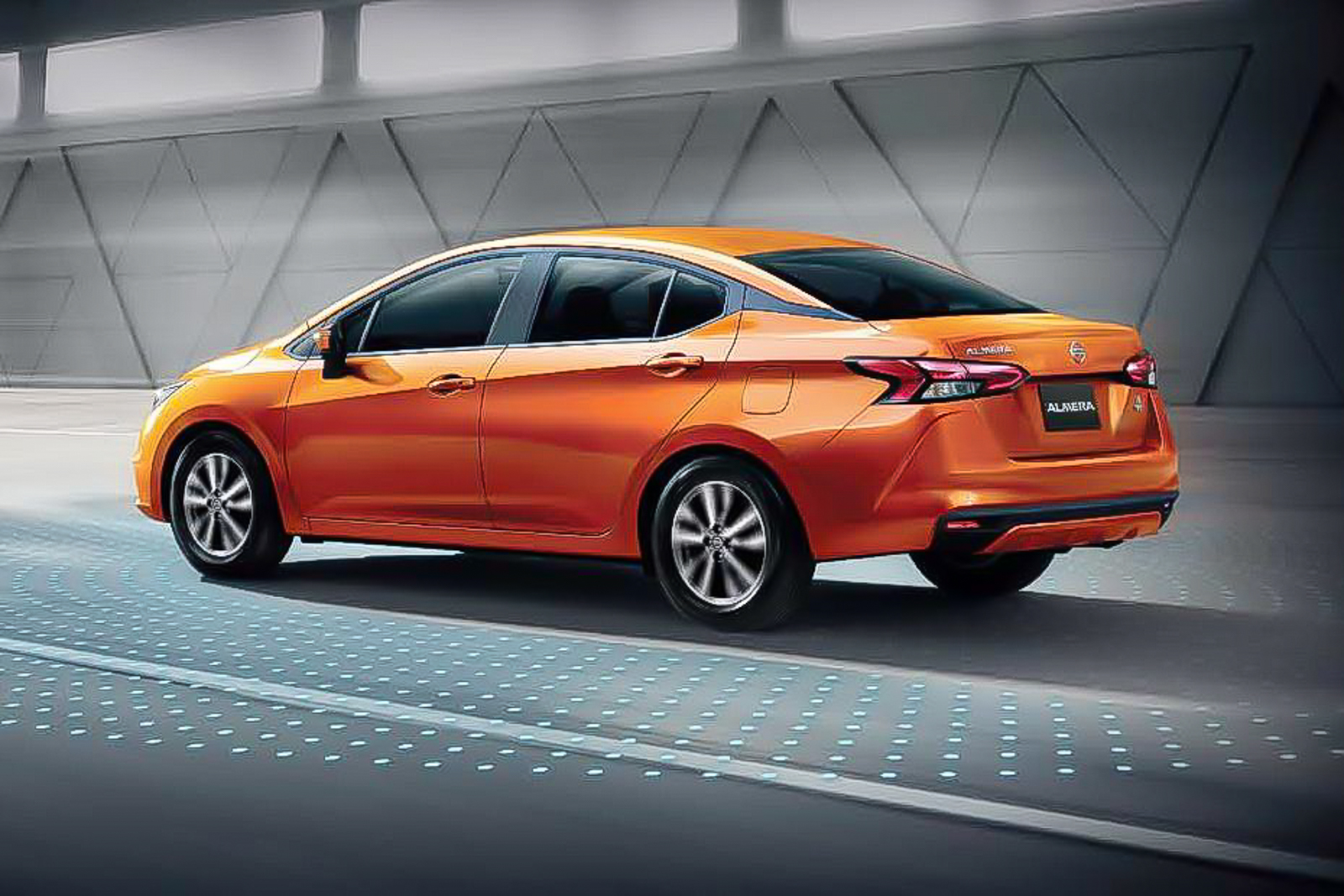
 Segment
 Body Type
 Capacity(L)
 Engine Power(PS)
 Engine Torque(Nm)
 Transmission
The B-segment sedan market in Malaysia has always been the top choice for family users and young office workers. This type of vehicle needs to meet the economic requirements of daily commuting while also catering to the spatial needs of family travel. The 2023 Nissan Almera 1.0L Turbo VL is a popular contender in this segment, focusing this time on the improved driving experience brought by turbocharged power and relatively rich active safety features in its price range. The main purpose of this test drive is to verify whether its performance can truly balance fuel efficiency and smoothness, while also evaluating its static experience and space to see if it meets the practical needs of local users.
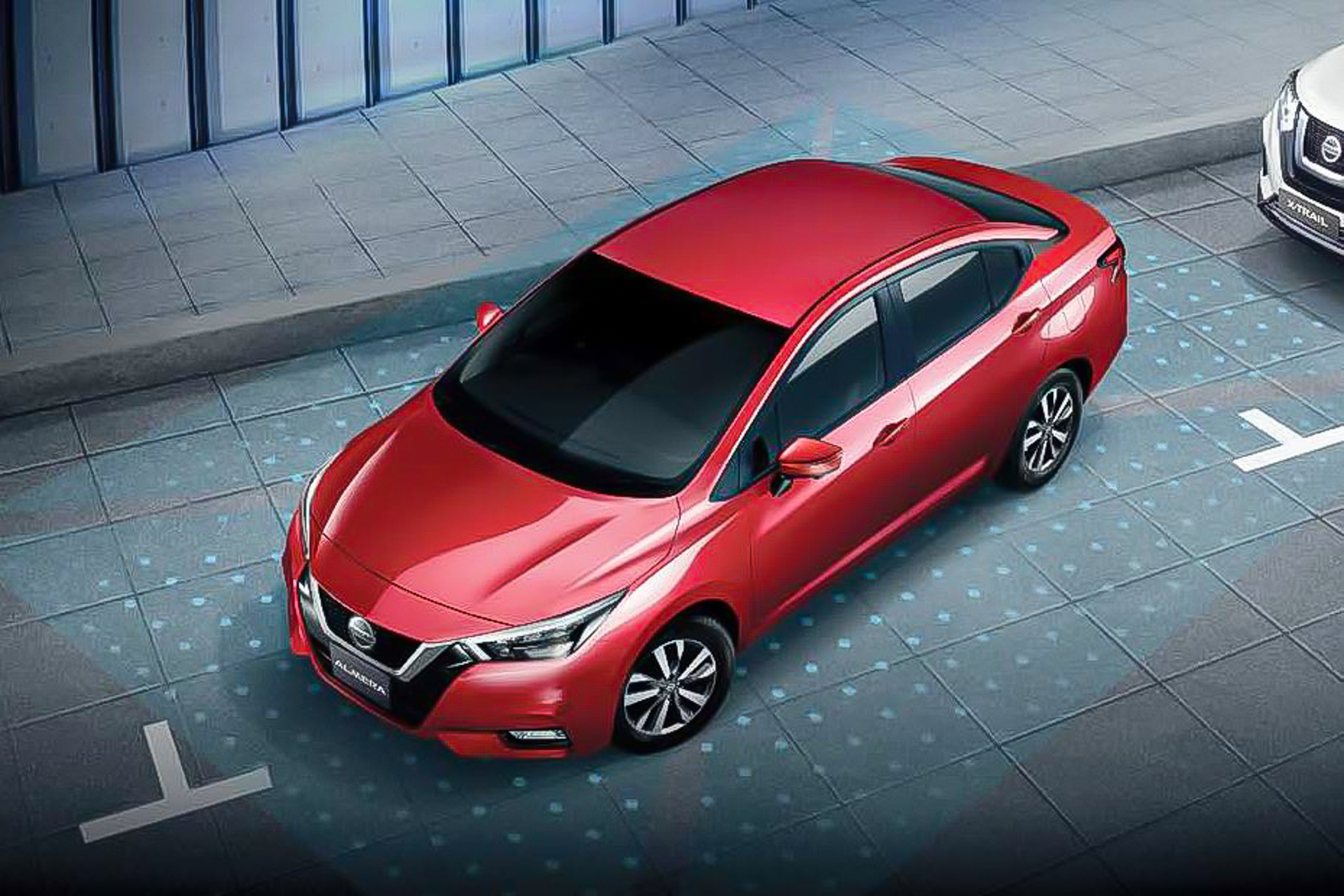
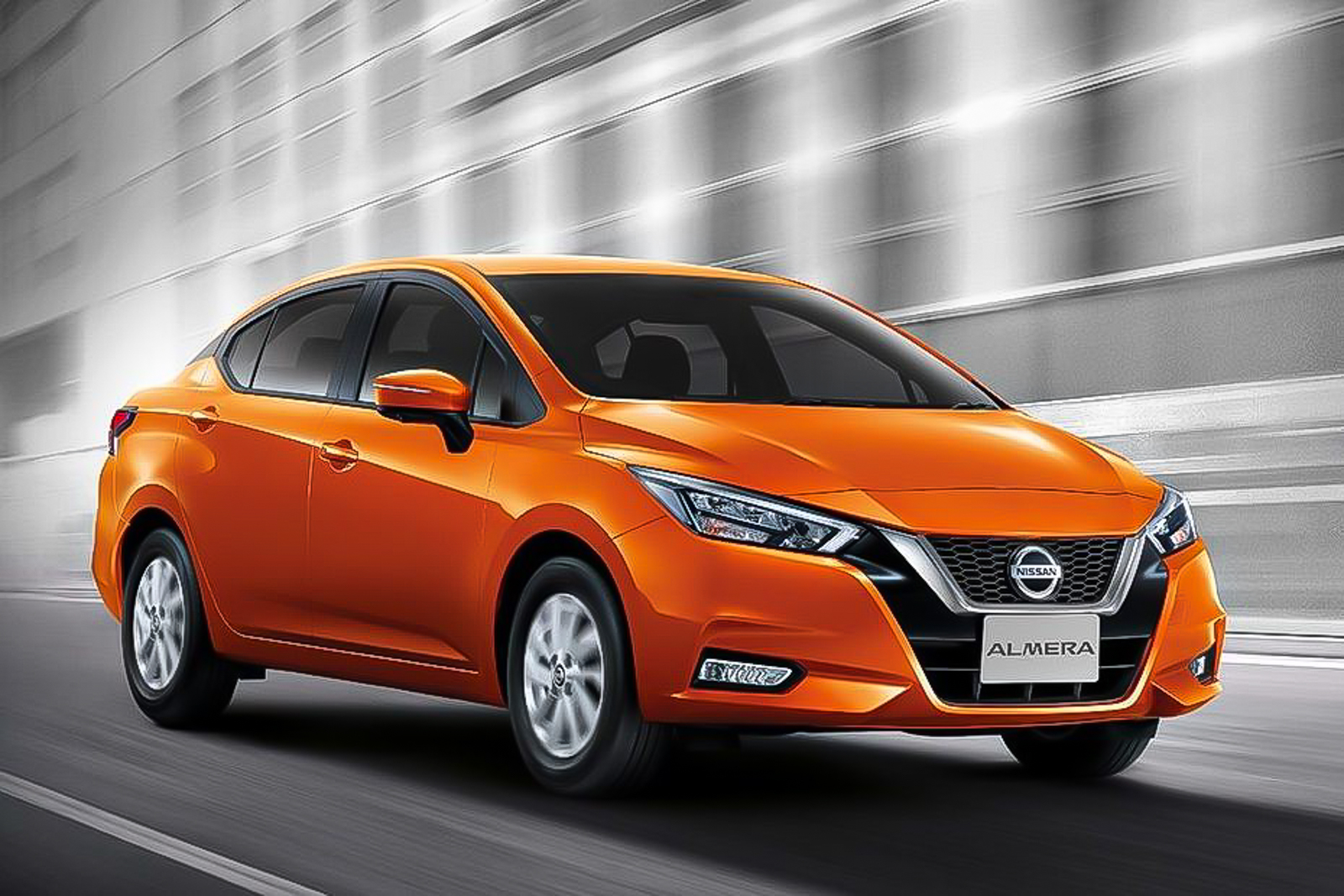
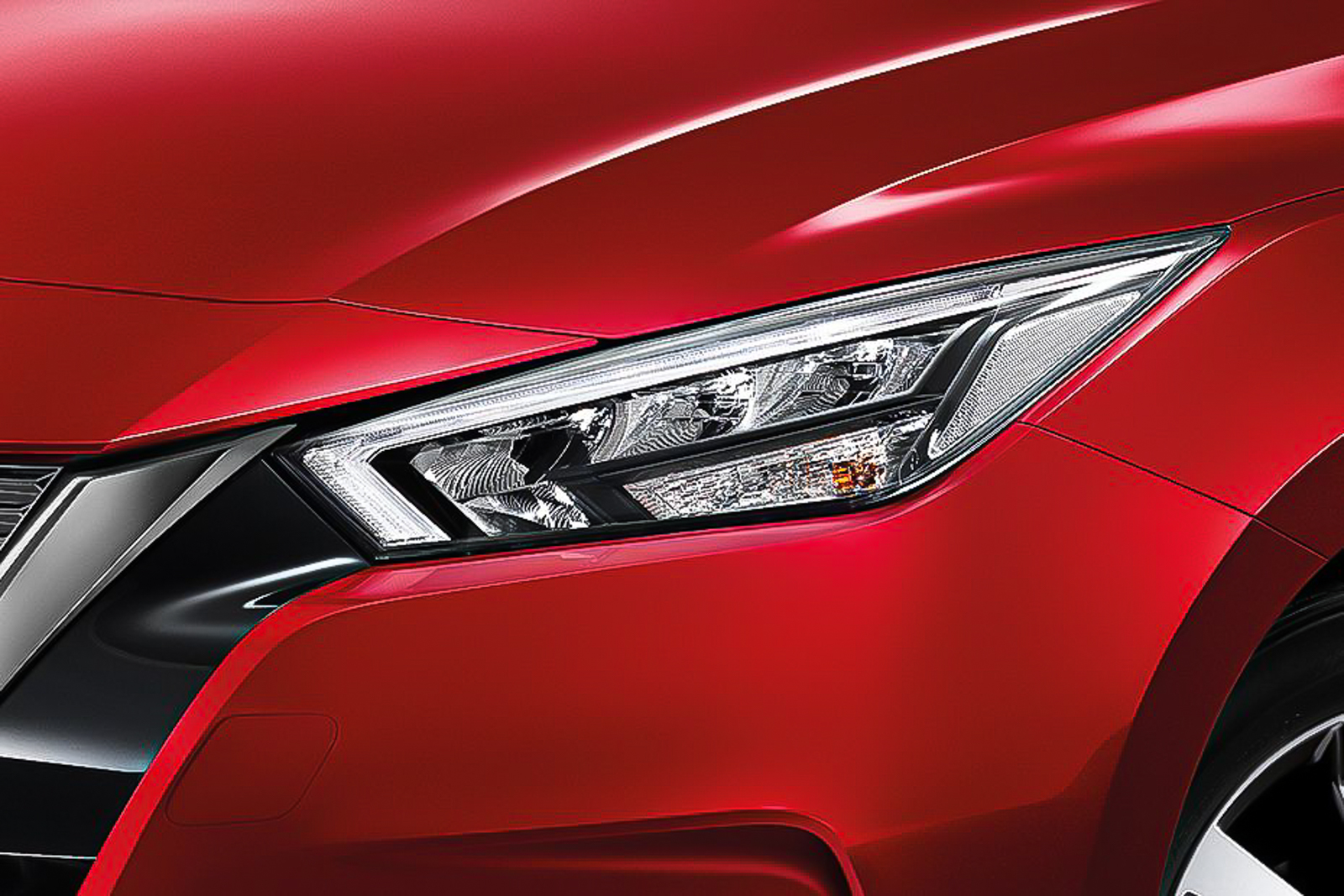
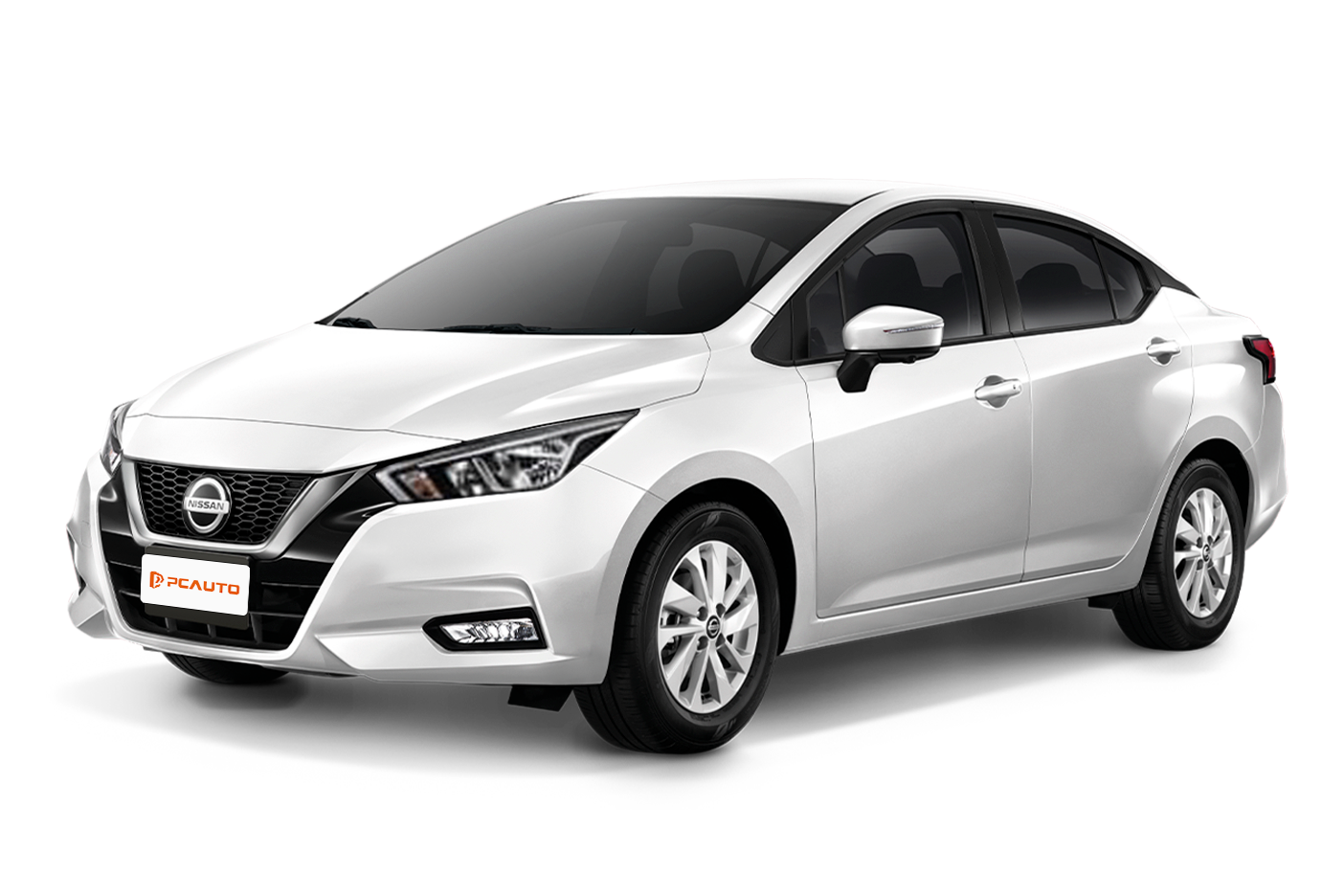
From an exterior perspective, the 2023 Almera 1.0L Turbo VL maintains the brand’s signature V-Motion front design, with a large chrome V-shaped trim connecting the halogen headlights on both sides, resulting in a design that is fairly recognizable. The car’s side profile is relatively simple, with a waistline running from the front to the rear, paired with 195/65 R15 tires for a proportional look, though it lacks much sportiness. The LED taillights are a highlight, with a long and sleek design extending towards the side of the body, creating a clear visual effect when lit at night. However, the use of halogen light sources for the front and side lamp units is slightly disappointing for a car priced near 80,000 MYR.
Inside the vehicle, the overall interior style leans towards practicality, with a symmetrical layout for the dashboard that is easy to operate. In terms of materials, most of the surfaces use hard plastic, but the detailing is handled neatly, avoiding an overly cheap appearance. The standard keyless entry and start functions are quite convenient and align with the needs of users at this price point. The instrument panel uses an electronic analog display, providing clear readings of basic data such as RPM, speed, fuel level, and water temperature, though it lacks the technological feel of a full LCD instrument cluster. The central screen is medium-sized, supporting basic multimedia functions with acceptable smoothness in operation. However, it lacks advanced configurations such as connectivity or smartphone integration. The front seats are manually adjustable, with good support for both the backrest and cushion, making long periods of sitting reasonably comfortable. The rear seats can be folded down 60:40 to expand trunk space, which is sufficient for carrying strollers or larger items during daily use.
Space performance is one of the Almera's strengths, with a wheelbase of 2620mm, putting it at the mainstream level for B-segment cars. After adjusting the front seats to a suitable driving position, the legroom in the rear still offers about two fists of space, and there is enough headroom. A passenger measuring 175cm tall will not feel cramped sitting inside. For storage space, the door panel compartments can fit two standard water bottles, and there is a small storage slot under the center console suitable for a phone or wallet. The trunk does not offer particularly large default capacity, but folding the rear seats can meet occasional needs for transporting bulkier items. The rear also features air conditioning vents and power outlets, which are very practical for family users, especially for ensuring rear passengers’ comfort during long trips.
In terms of performance, this car is equipped with a 1.0L three-cylinder turbocharged engine, offering a maximum output of 74kW (100PS) and a peak torque of 152N·m, paired with a CVT transmission. During daily commuting, the car accelerates smoothly from a standstill and at low speeds, with responsive throttle input that provides decent power output with a light press. On urban roads, pressing the accelerator harder for overtaking causes the transmission to slowly increase the revs, delivering a linear power output. While it doesn’t offer a strong sense of acceleration, it is absolutely sufficient for everyday needs. At high speeds, when exceeding 100km/h, the power reserve starts to feel slightly insufficient, requiring more substantial throttle input for further acceleration. There are only two driving modes, Eco and Normal; in Eco mode, the throttle response slows down, making it more suitable for fuel-efficient daily driving.
In terms of handling, the steering wheel feels light, making daily parking and U-turns very effortless. However, it tends to feel a bit vague at high speeds, lacking precise directional feedback. The suspension system adopts a front MacPherson and rear double-wishbone design, tuned for comfort. It effectively filters out most vibrations over speed bumps or uneven surfaces, so you won't feel obvious jolts inside the cabin. When cornering, the body roll is kept within reasonable limits. While it doesn't exhibit particularly aggressive handling, its stability is adequate for a family car. The braking performance is average, with a moderate brake pedal travel and linear braking force output, making it easy to control during daily driving.
Fuel efficiency is one of the highlights of this car, with an official combined fuel consumption of 5.4L/100km. During our test drive, which primarily took place on city roads with occasional highway stretches, the actual fuel consumption was approximately 6.0L/100km. This result is considered excellent among vehicles in the same category, making it very appealing for users focused on economy. In terms of noise control, the interior remains relatively quiet at low speeds, with wind and tire noise barely noticeable. At higher speeds, wind noise gradually increases but remains within an acceptable range and does not interfere with normal conversations.
Overall, the core strengths of the 2023 Nissan Almera 1.0L Turbo VL lie in its smooth power delivery, impressive fuel efficiency, spacious interior, and practical configuration. Compared to competitors like the Toyota Vios or Honda City, it offers more comprehensive active safety features (such as standard automatic emergency braking and forward collision warning) and better space performance. However, it slightly lags in interior tech and power explosiveness. This car is suitable for families prioritizing economy and practicality, meeting the needs of daily commuting as well as weekend family trips. For young professionals with limited budgets seeking balanced performance, it is also a good option.
On the whole, the 2023 Nissan Almera 1.0L Turbo VL is a well-rounded family sedan without any major shortcomings. Its smooth driving experience, fuel-efficient powertrain, and spacious interior precisely address the core needs of local users. Although it doesn't offer much surprise in terms of tech features and performance, its practical characteristics make it an excellent choice for a pragmatic family car.
Nissan Almera Car Compare
Nissan Almera Loan Calculator
More Nissan Reviews
Cars With Similar Price And Features
6
Rank in Sedan
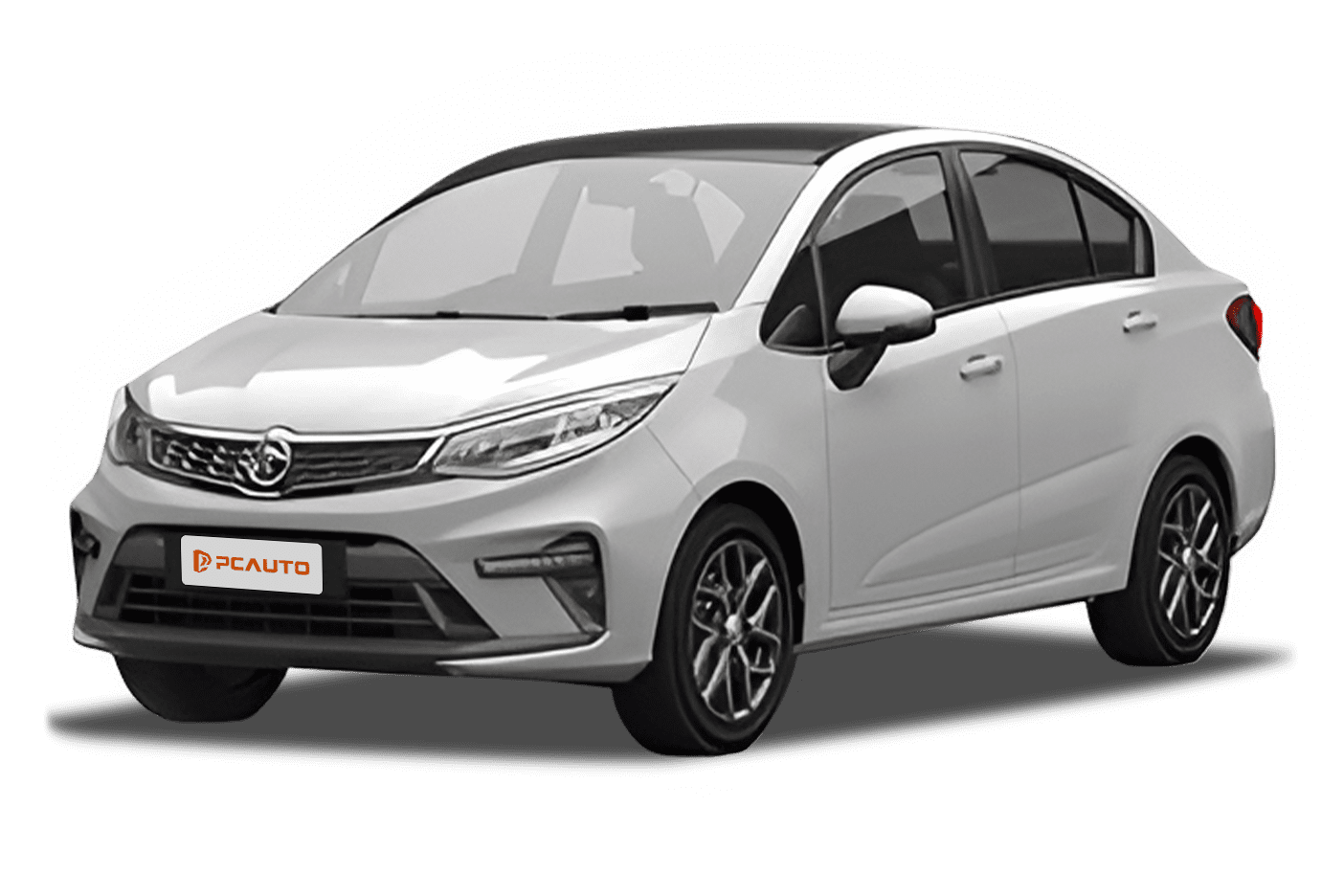
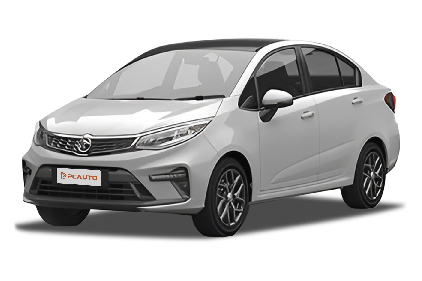
2023 Proton Persona 1.6 Standard CVT is an affordable, safety-configured entry-level family sedan with practical space, balancing daily commuting and family needs.
4
Rank in Sedan
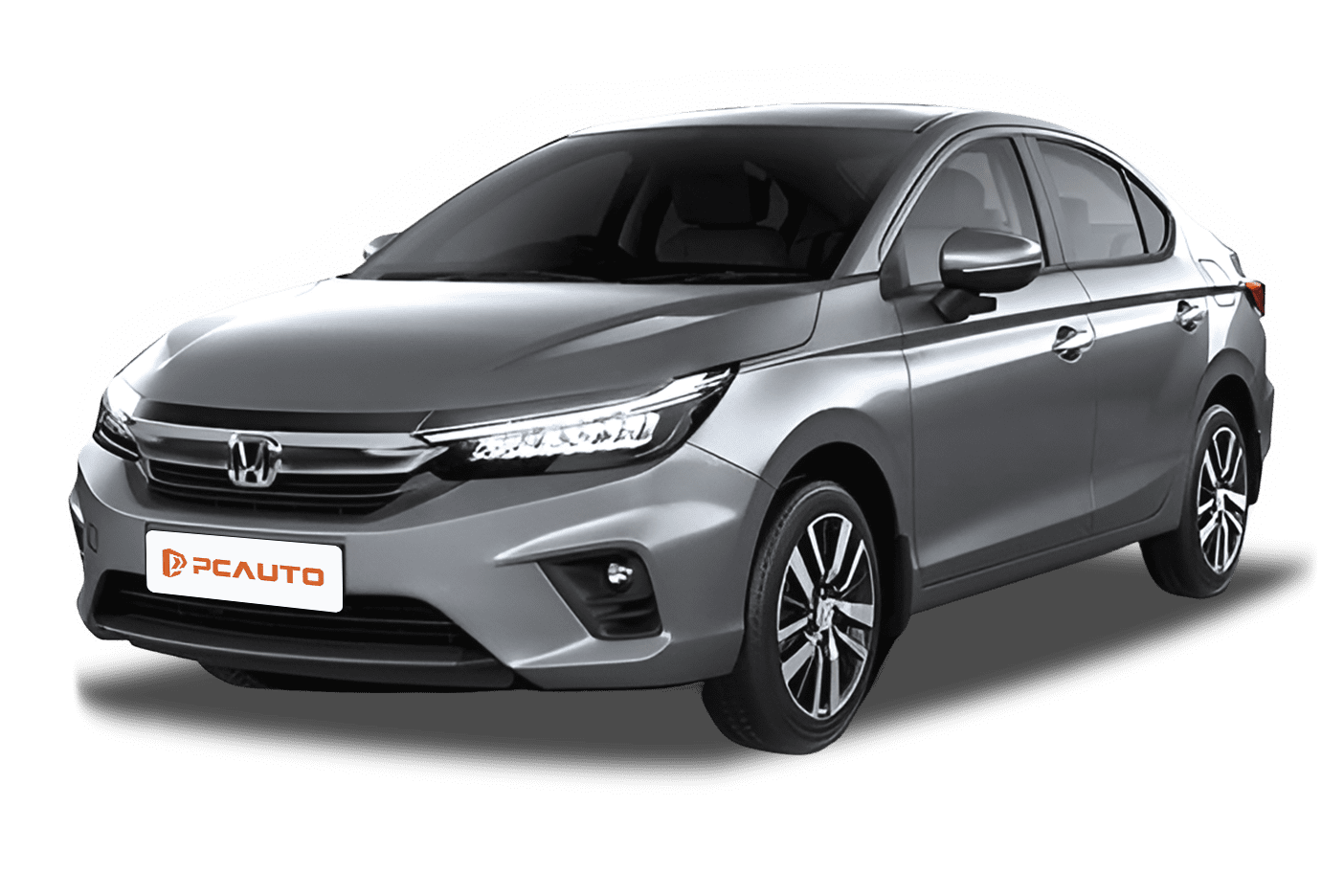
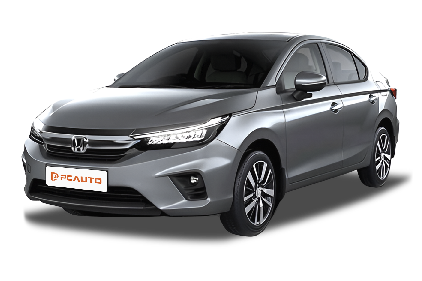
2023 Honda City 1.5 S, as an entry-level B-segment sedan, offers advanced L2 driving assistance and 6 airbags at an affordable price. With practical space and excellent fuel efficiency, it is a high-value choice for family users.
5
Rank in Sedan
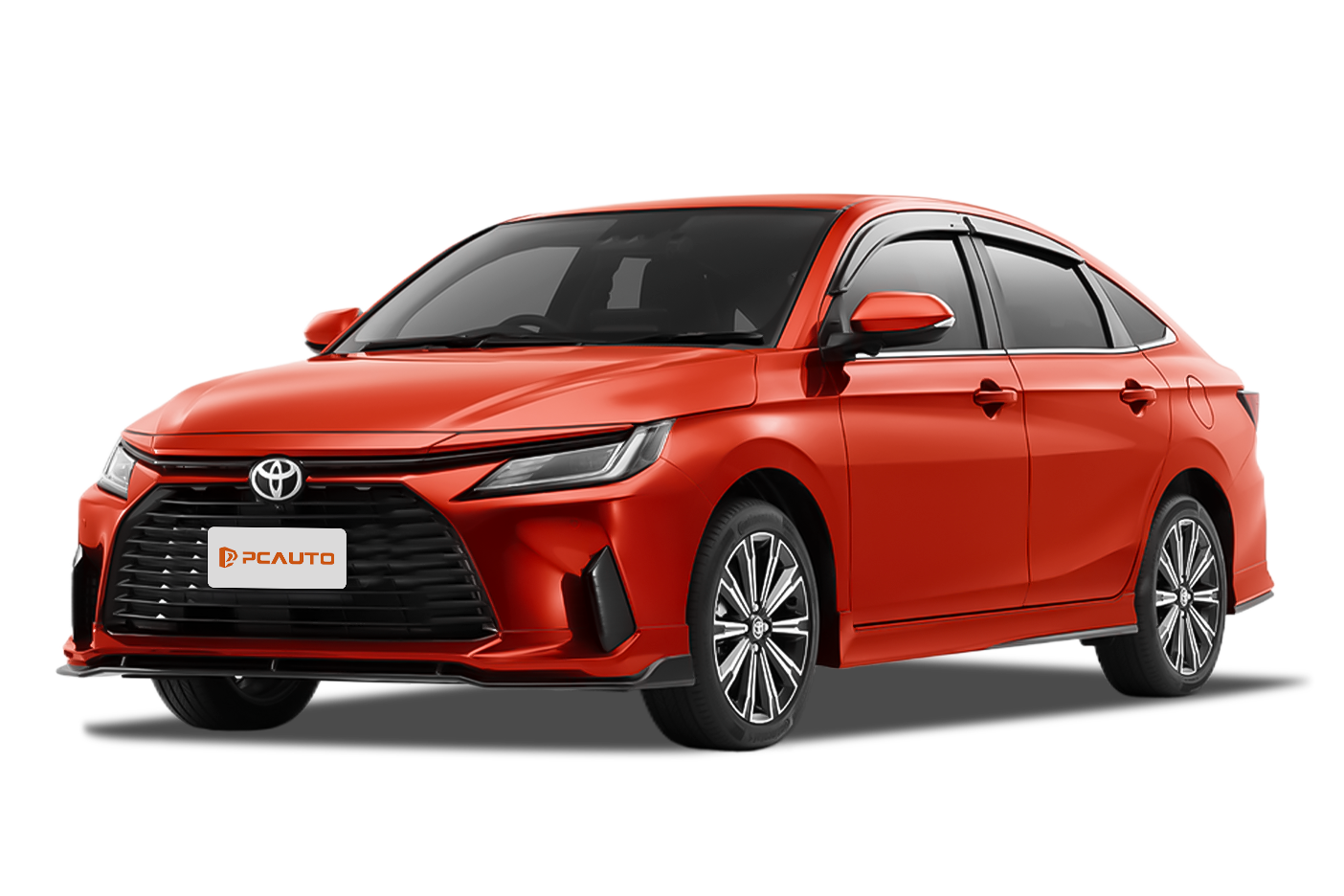
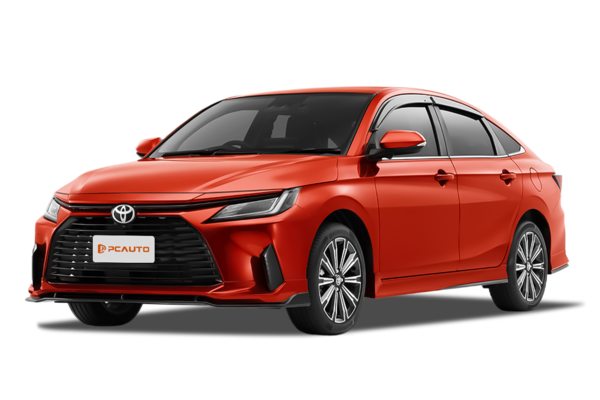
2023 Toyota Vios 1.5E AT, as a mid-range model in the facelift, with features such as the TSS Intelligent Safety System, HUD, and other high-end features being made available, along with balanced space and fuel efficiency, making it a high-value B-segment sedan choice in Malaysia.
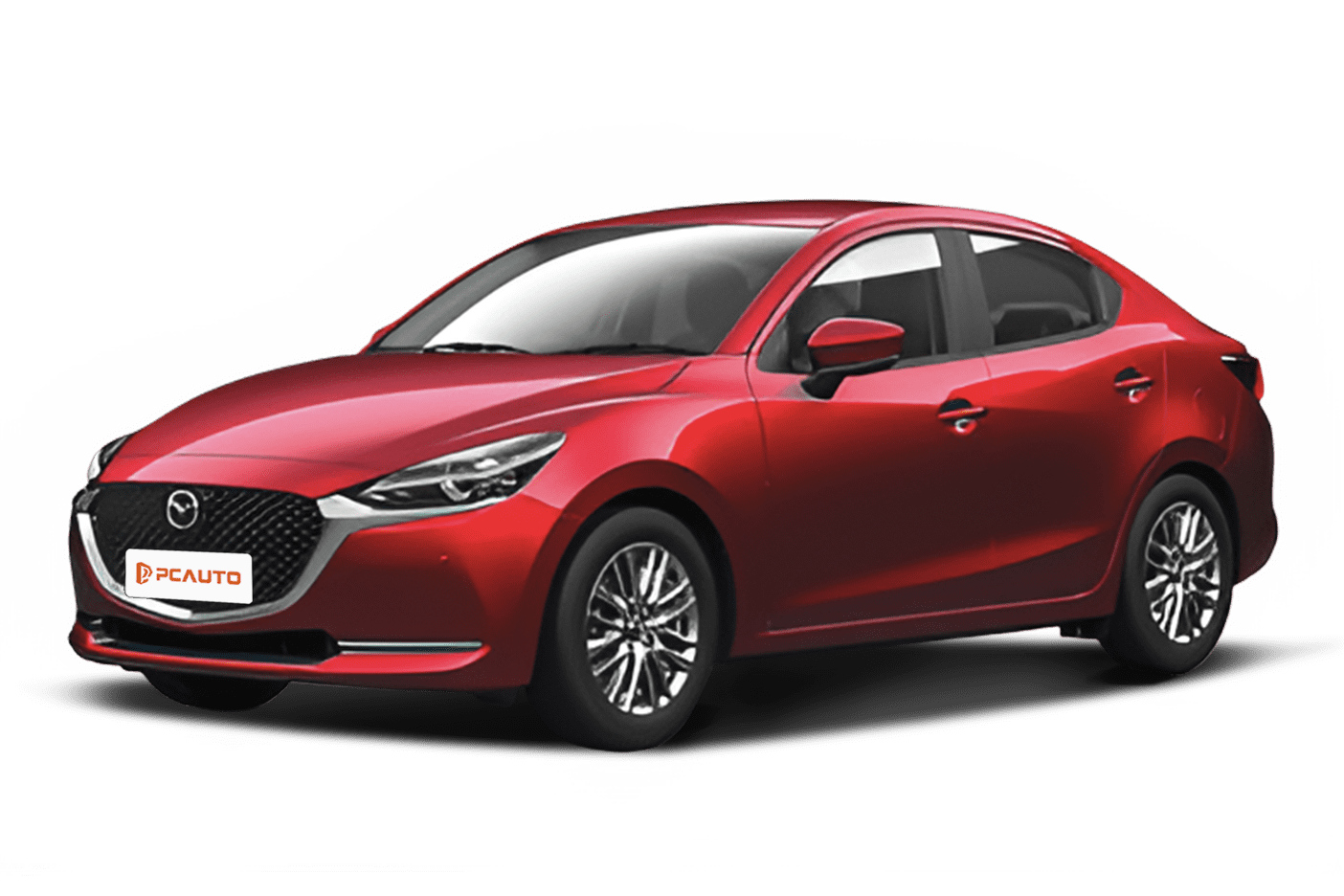
2023 Mazda 2 Sedan 1.5L is a family sedan that balances driving dynamics and practical features, with a price slightly over 100,000 MYR, making it suitable for urban commuting needs.