

2023 Nissan Almera 1.0L Turbo VLP Review

 Share
Share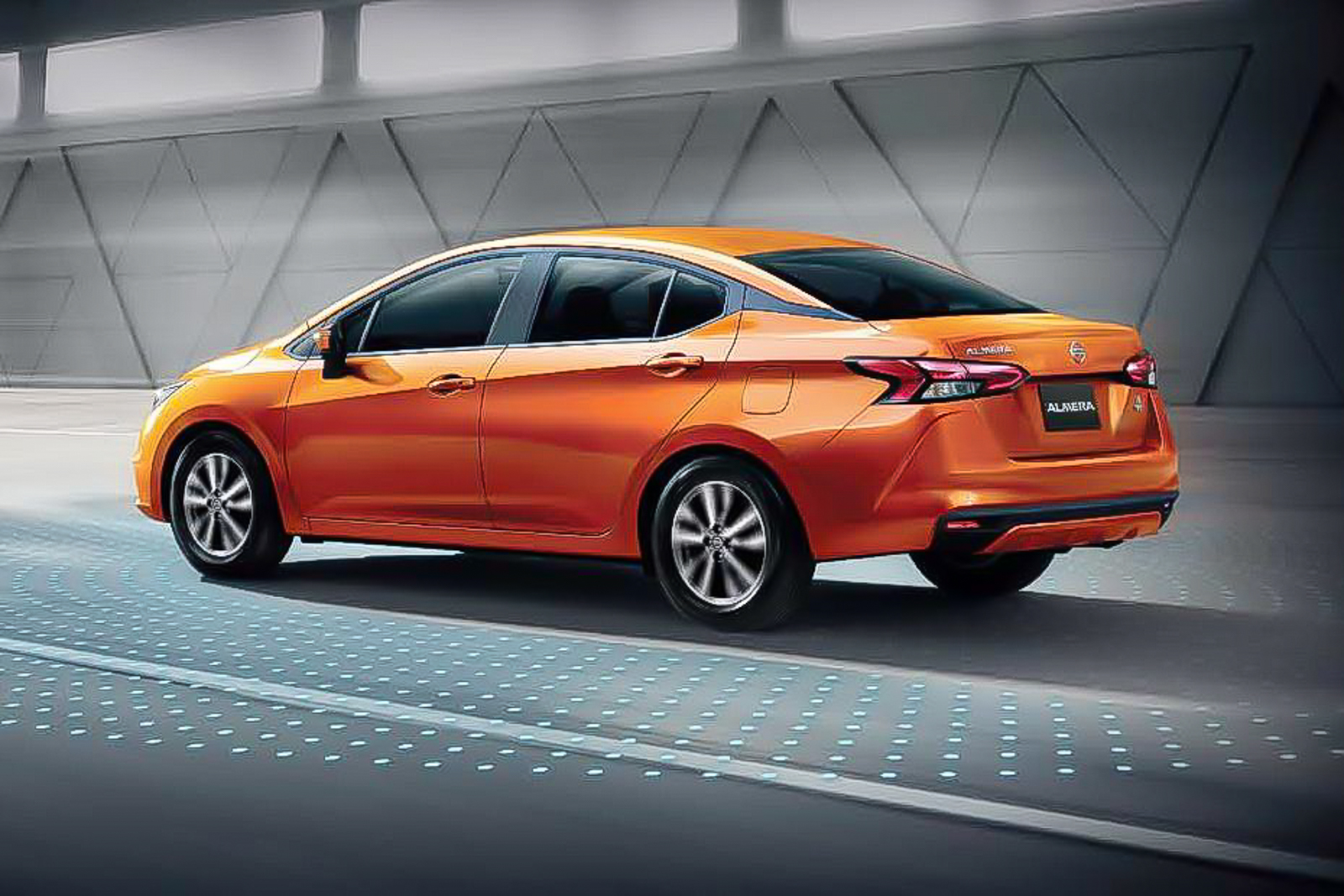
 Segment
 Body Type
 Capacity(L)
 Engine Power(PS)
 Engine Torque(Nm)
 Transmission
The B-segment sedan market has always been the main battlefield for Malaysian family users. Space, fuel efficiency, and cost-effectiveness are the core considerations for most people. As a popular choice in this segment, the 2023 Nissan Almera 1.0L Turbo VLP not only continues its previous powertrain configuration with this update but also features further upgrades in safety and comfort configurations. To verify whether it can meet the dual needs of daily commuting and family outings, we conducted a static review and dynamic test drive, focusing on practical space, power response, and fuel efficiency.
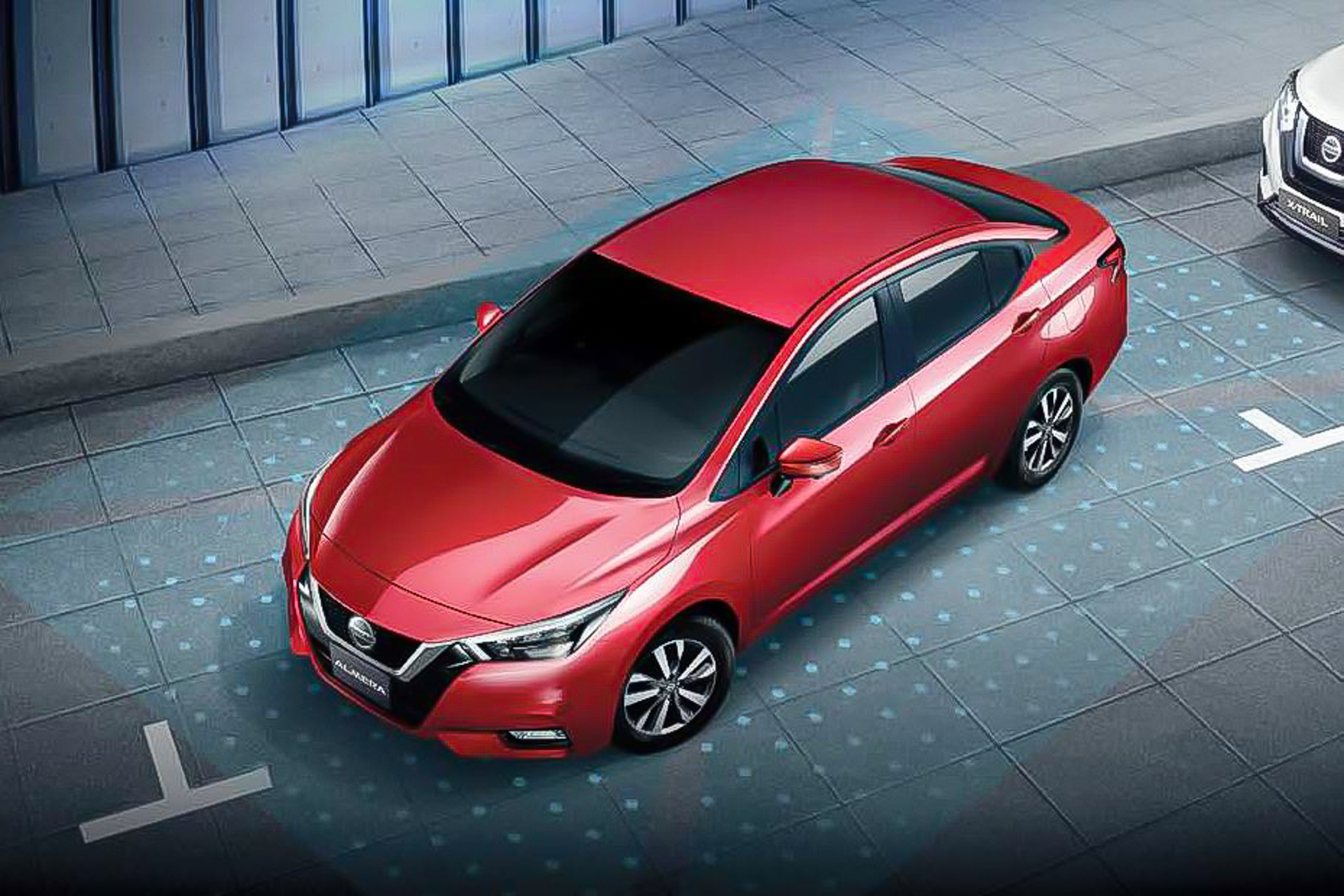
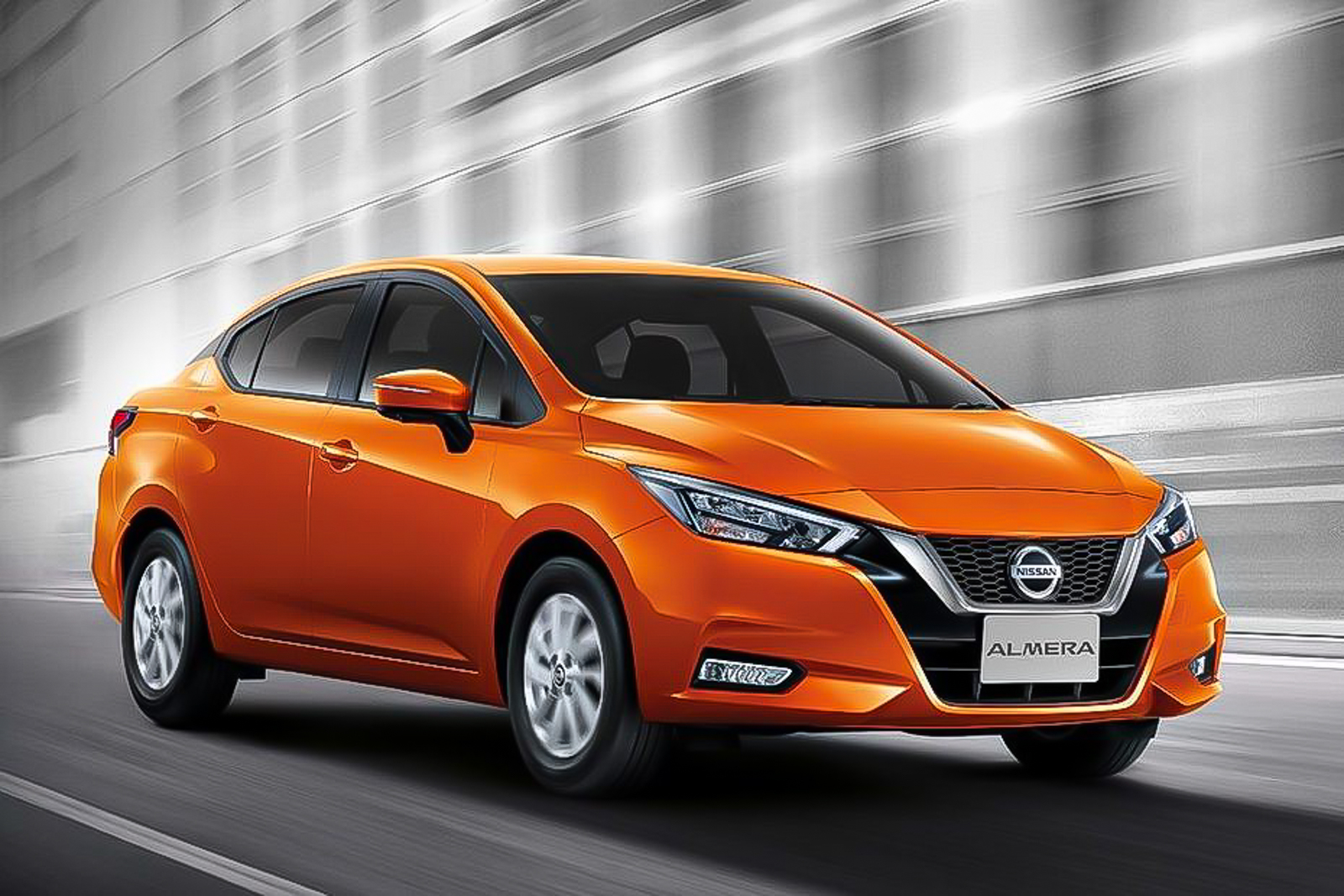
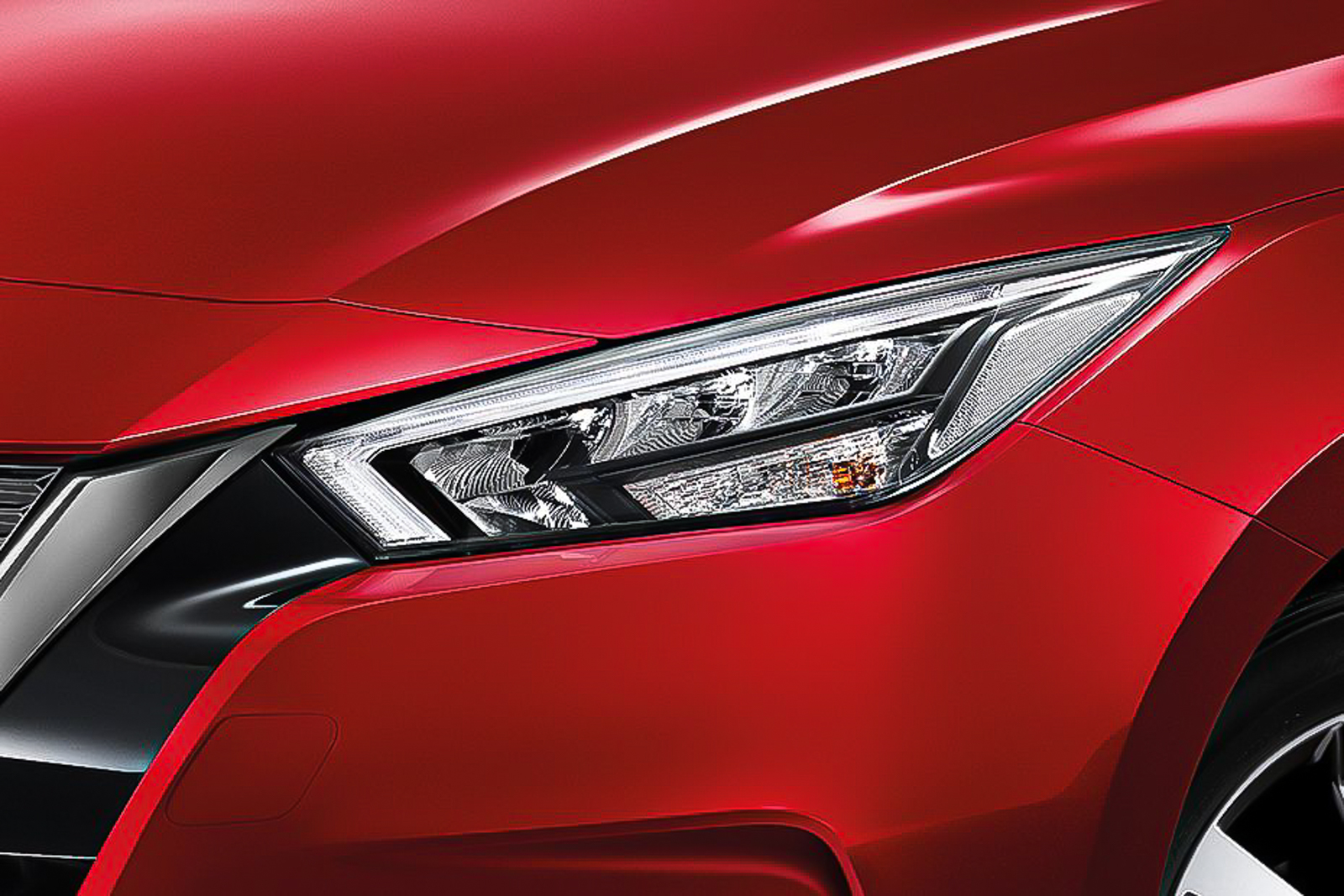
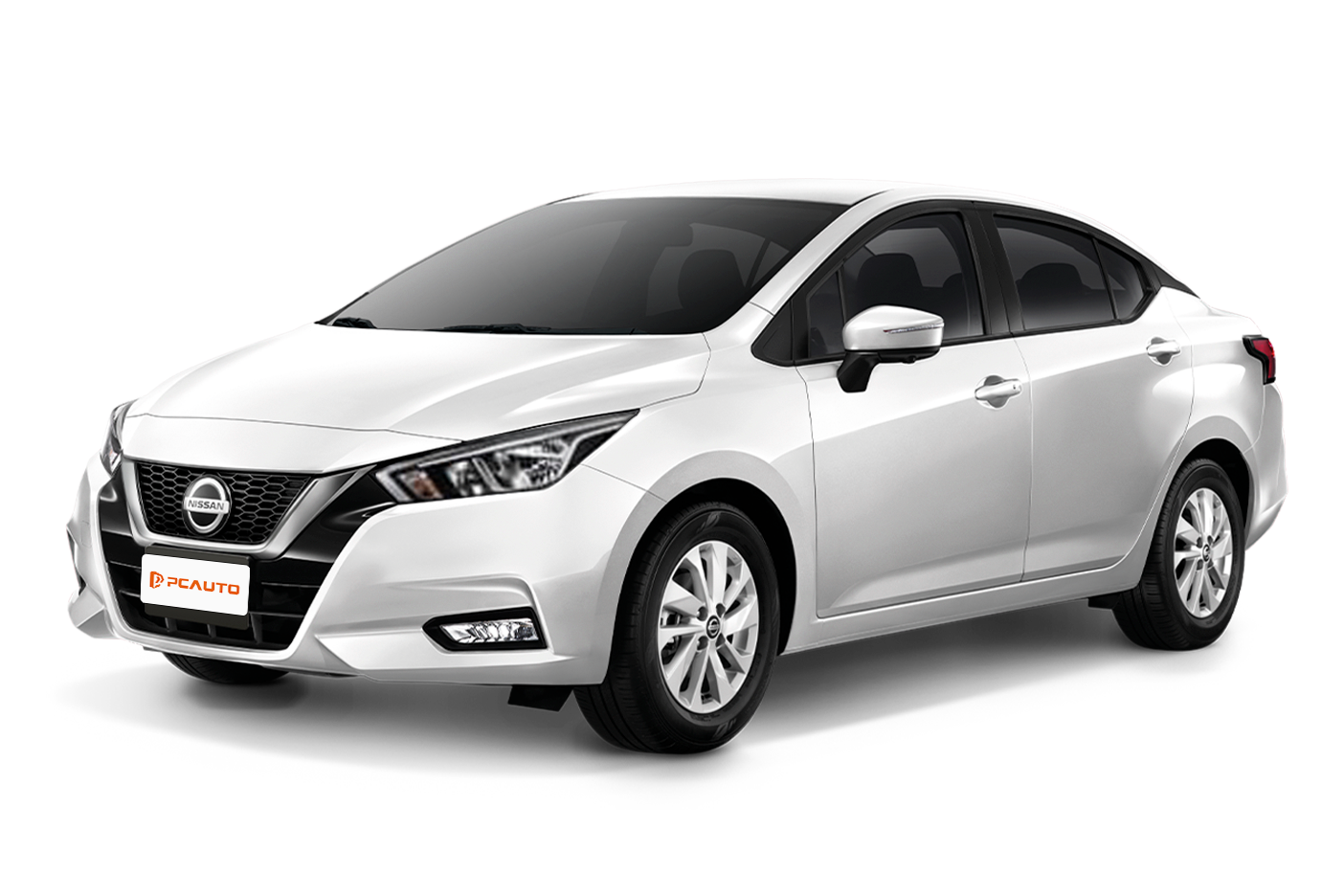
In terms of appearance, the Almera VLP retains Nissan's family-style V-Motion front design, with a large chrome strip running through the halogen headlights on both sides, complemented by a honeycomb grille below, giving it a highly recognizable look. The body side lines are smooth, and the waistline extending from the front fender to the rear makes the 4,495mm length appear more elongated. The 16-inch alloy wheels paired with 205/55 R16 tires are well-proportioned. At the rear, LED taillights feature a wrap-around design that offers clear visual effects when lit, while the chrome trim on the lower part of the rear bumper enhances its refined look. In terms of lighting configuration, in addition to automatic headlights and daytime running lights, both front and rear fog lights are standard, making daily use practical enough.
Stepping inside, the interior style of the Almera VLP leans towards simplicity and practicality. The dashboard is a mix of soft-touch plastic and piano black panels, providing a medium-level texture compared to peers in the same segment. The multifunctional steering wheel supports audio and phone control via buttons, making it convenient to operate. The instrument panel combines digital and analog elements, clearly displaying RPM, speed, fuel consumption, and other information. Although the 7-inch full-color central control screen is not very large, its interface is smooth and supports Bluetooth connectivity and reverse camera display. The seats are manually adjustable; the front seats offer moderate support, while the rear seats can be folded down in a 60:40 split, further expanding the trunk space. Features include automatic air conditioning, keyless entry/start, electrically folding side mirrors, and a six-speaker audio system that sufficiently meets daily music listening needs.
Space performance is one of the advantages of the Almera VLP, with a wheelbase of 2,620mm, which is considered above average for the B-segment. After adjusting the front seats to a comfortable position, a 175cm passenger still has a fistful of headroom remaining. The rear legroom offers up to two fists, and the headroom has a fist of space; even with three adults in the back, it doesn't feel overly cramped. In terms of storage space, the door panel storage slots can accommodate two bottles of mineral water, and the central armrest box and glove compartment have enough capacity for daily items. The standard trunk volume is sufficient for luggage needed for short family trips.
Regarding dynamic performance, the 1.0T three-cylinder engine delivers a maximum power of 74kW (100PS) and a maximum torque of 152N·m, paired with a CVT gearbox. The power response is relatively brisk at startup, with sufficient torque output at low speeds, making it suitable for following traffic in congested urban areas. After accelerating to 80km/h, power output becomes more gradual, and overtaking requires a heavier press on the accelerator. The gearbox will simulate shifting to increase the RPM, at which point engine noise becomes slightly pronounced. There is only a standard driving mode available, and the overall tuning is comfort-oriented. The chassis adopts a front MacPherson strut and rear torsion beam suspension setup, effectively filtering out minor bumps in the road. When driving over speed bumps, the vehicle's body does not bounce excessively, maintaining a good level of comfort. During cornering, lateral body roll is kept within acceptable limits, and steering precision is moderate, making it suitable for daily commutes.
In the fuel consumption test session, we drove 100km under mixed road conditions, with urban roads accounting for 60% and highways for 40%. The final displayed fuel consumption was 5.8L/100km, which is not significantly different from the official 5.4L combined fuel consumption, showing good fuel efficiency. In terms of braking, the combination of front ventilated discs and rear drum brakes provides a moderate pedal travel with linear braking force in the initial phase, and the vehicle maintains stable posture during emergency braking. For safety features, 6 airbags, active braking, forward collision warning, and other functions come as standard, which is quite competitive in its class.
In terms of driving and riding comfort, the seat padding of the Almera VLP is soft, making long-time sitting less tiring. The cabin insulation performs well at low speeds, while wind noise and tire noise slightly penetrate at high speeds but remain within an acceptable range. The manual air conditioning cools effectively and quickly reduces the interior temperature.
Overall, the core advantages of the 2023 Nissan Almera 1.0L Turbo VLP lie in its practicality, rich safety features, and good fuel economy. Compared to competitors like the Honda City or Toyota Vios in the same class, it offers more comprehensive safety features and a longer wheelbase, making it suitable for users who prioritize family use. However, its smaller central display screen and average interior finish are its shortcomings.
This car is more suitable for consumers with a budget of around 90,000 MYR who need a balanced and practical family sedan, especially for those with long daily commutes who value fuel efficiency and safety. If you're looking for a balance between features and space, the Almera VLP is a worthwhile option to consider.
Nissan Almera Car Compare
Nissan Almera Loan Calculator
More Nissan Reviews
Cars With Similar Price And Features
6
Rank in Sedan
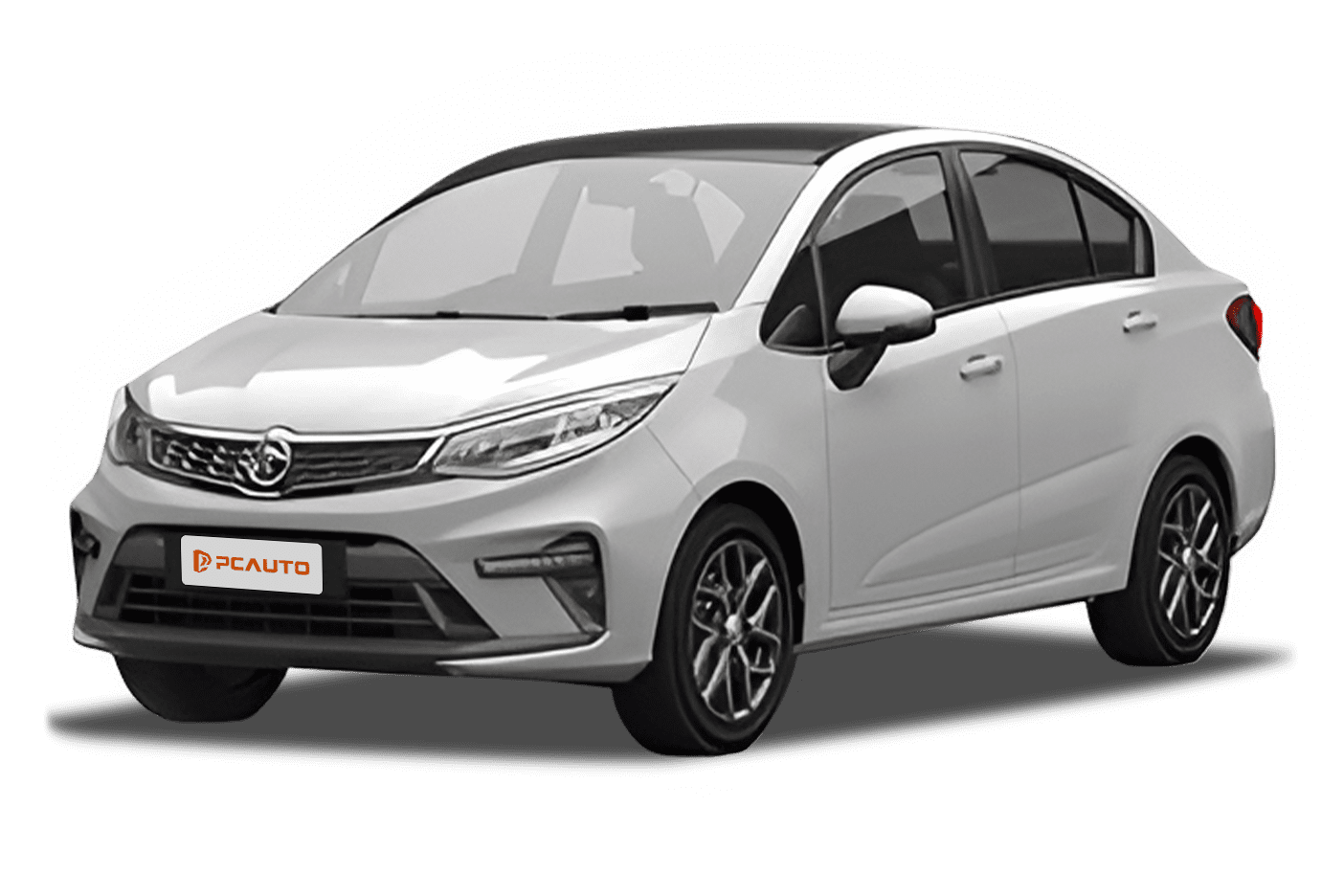
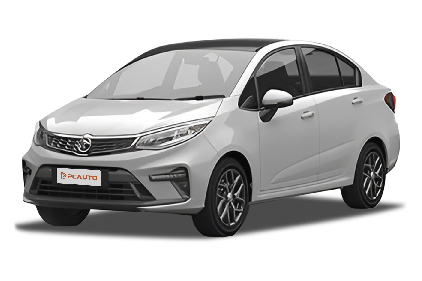
2023 Proton Persona 1.6 Standard CVT is an affordable, safety-configured entry-level family sedan with practical space, balancing daily commuting and family needs.
4
Rank in Sedan
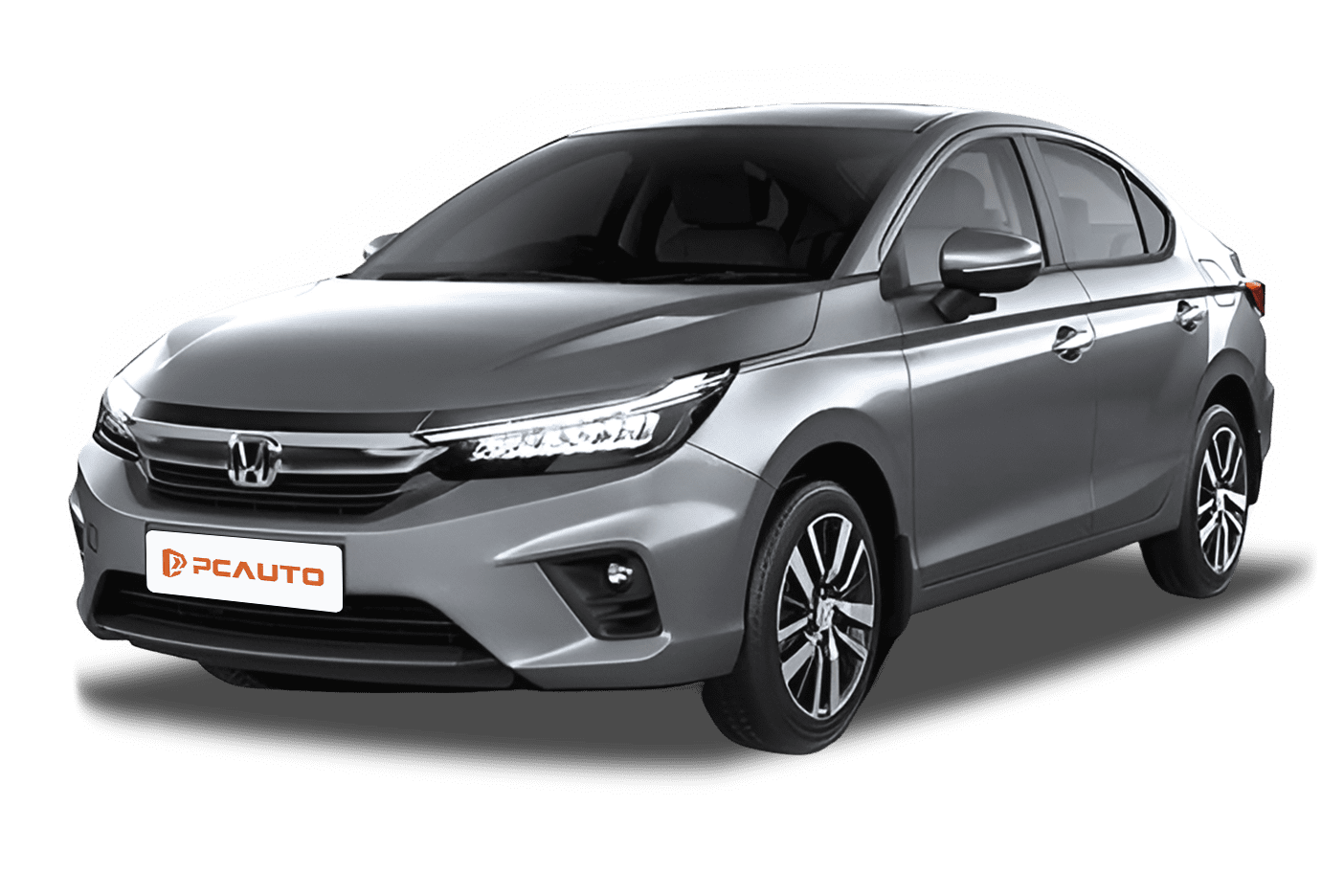
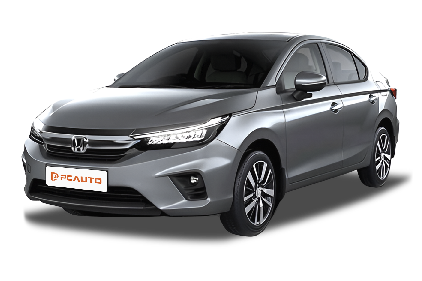
2023 Honda City 1.5 S, as an entry-level B-segment sedan, offers advanced L2 driving assistance and 6 airbags at an affordable price. With practical space and excellent fuel efficiency, it is a high-value choice for family users.
5
Rank in Sedan
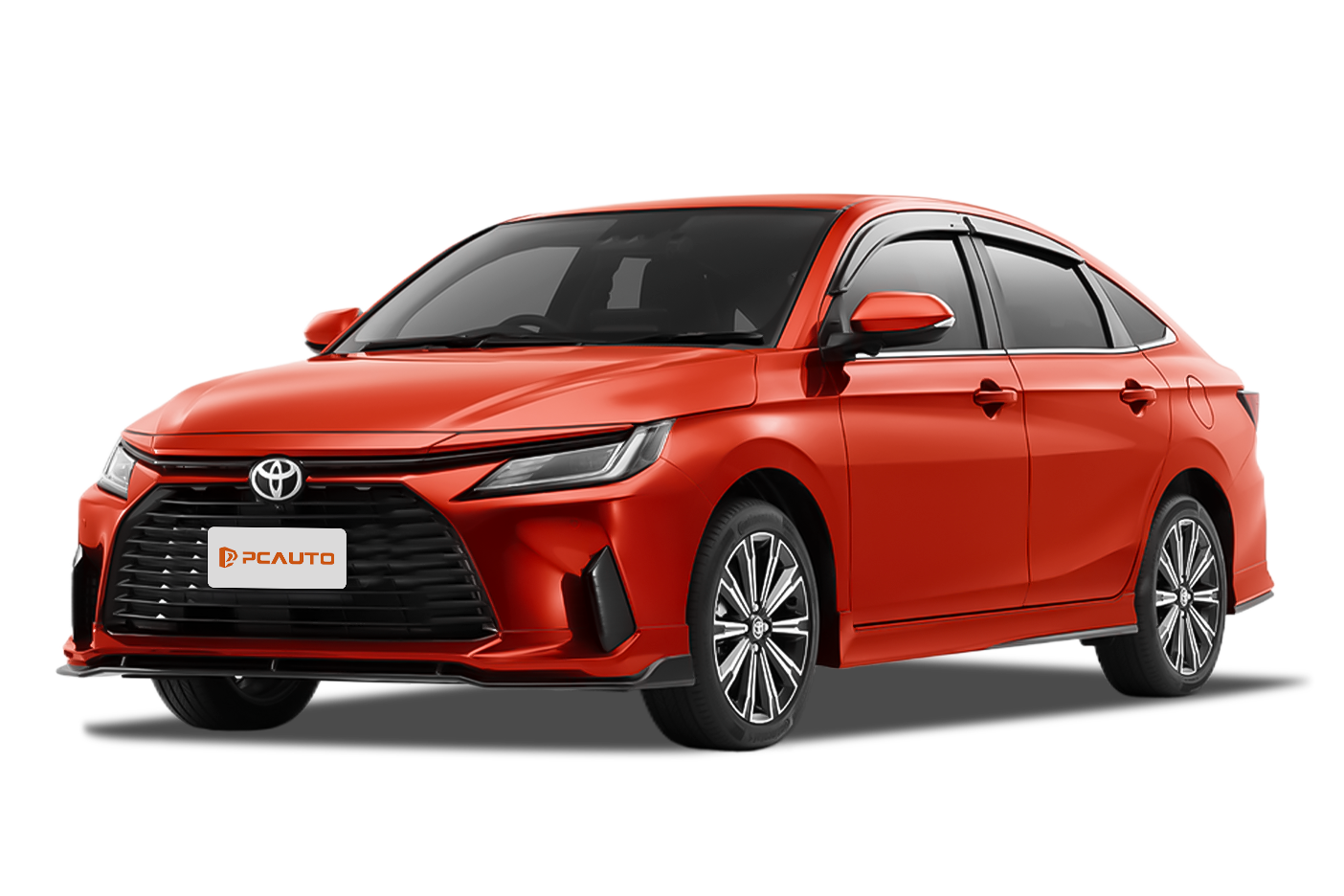
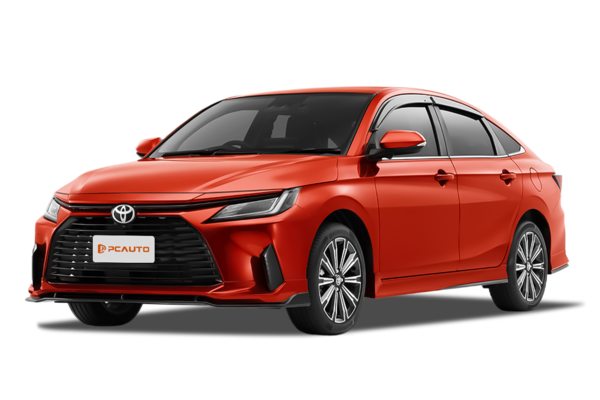
2023 Toyota Vios 1.5E AT, as a mid-range model in the facelift, with features such as the TSS Intelligent Safety System, HUD, and other high-end features being made available, along with balanced space and fuel efficiency, making it a high-value B-segment sedan choice in Malaysia.
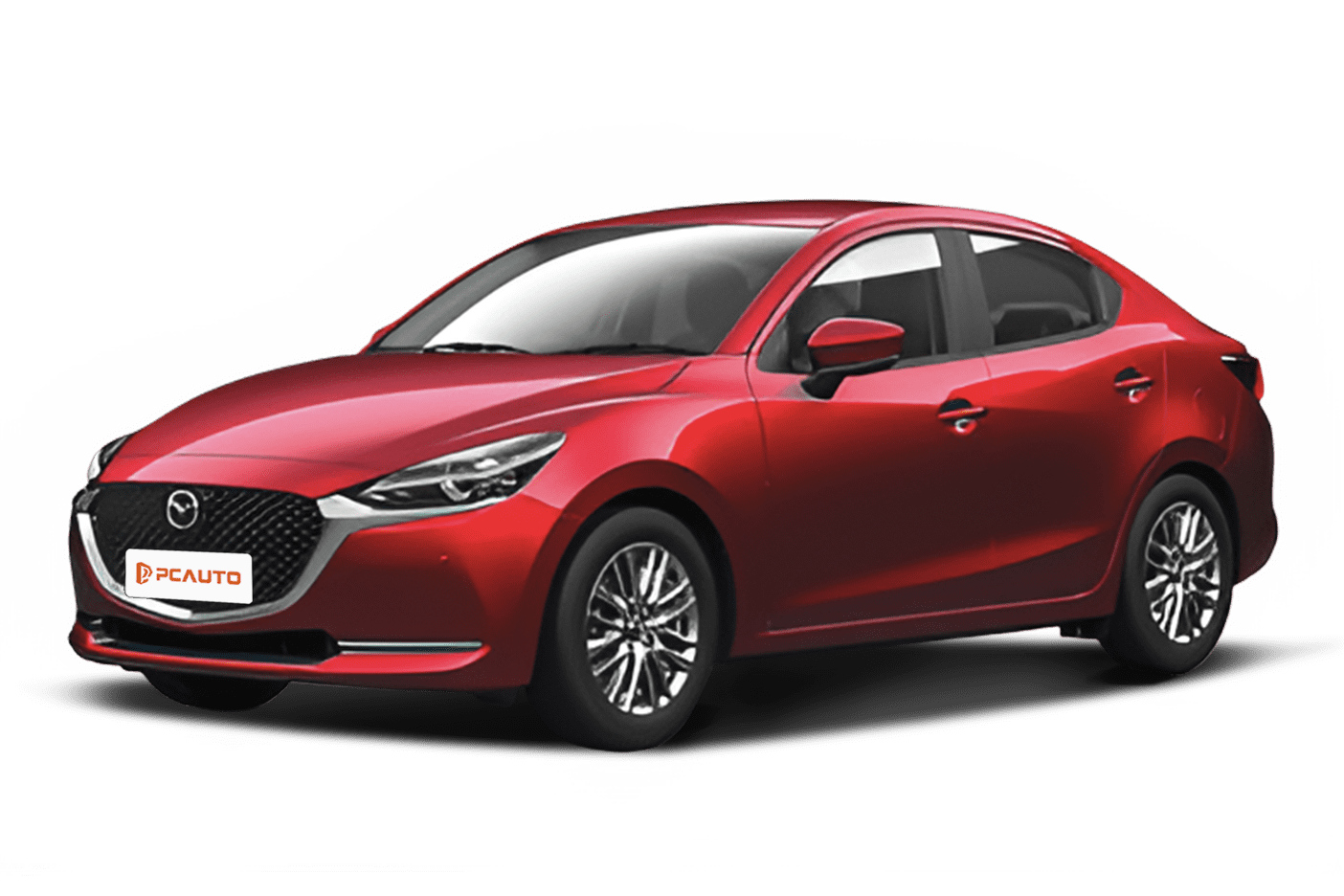
2023 Mazda 2 Sedan 1.5L is a family sedan that balances driving dynamics and practical features, with a price slightly over 100,000 MYR, making it suitable for urban commuting needs.