

2023 Perodua Aruz 1.5L H Review

 Share
Share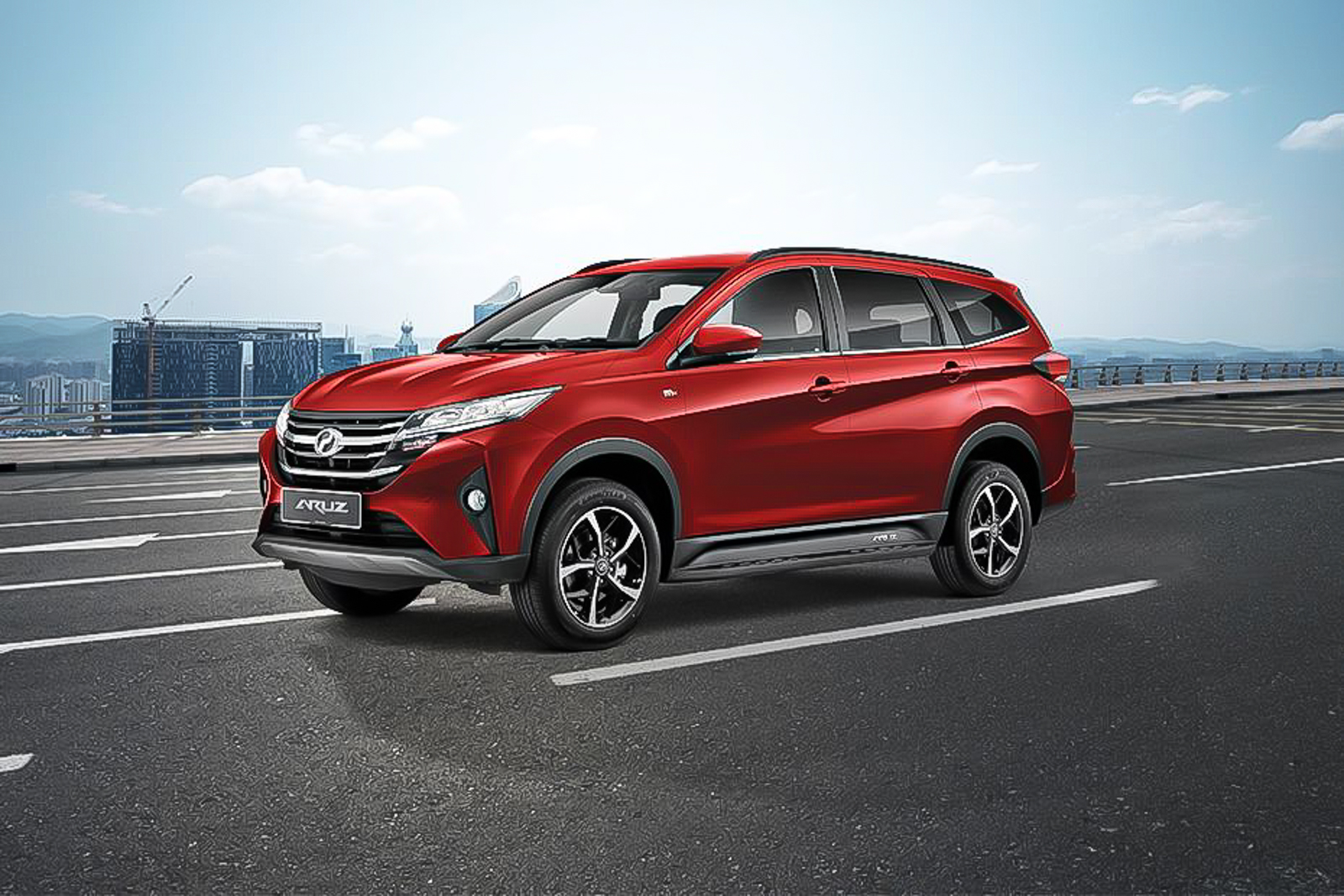
 Segment
 Body Type
 Capacity(L)
 Engine Power(PS)
 Engine Torque(Nm)
 Transmission
In Malaysia's B-Segment SUV market, 7-seater models have always been a core choice for family users—they need to meet the economic requirements of daily commuting while considering practicality for trips with multiple members. The 2023 Perodua Aruz 1.5L H, as a popular contender in this segment, has maintained a high level of attention since its launch, relying on standard Level 2 driving assistance, flexible 7-seating space, and affordable pricing. This time, through a real vehicle test drive, we focused on evaluating its space practicality, power matching, and the actual performance of safety features in daily driving to see if it can truly live up to its position as the "all-around family SUV."
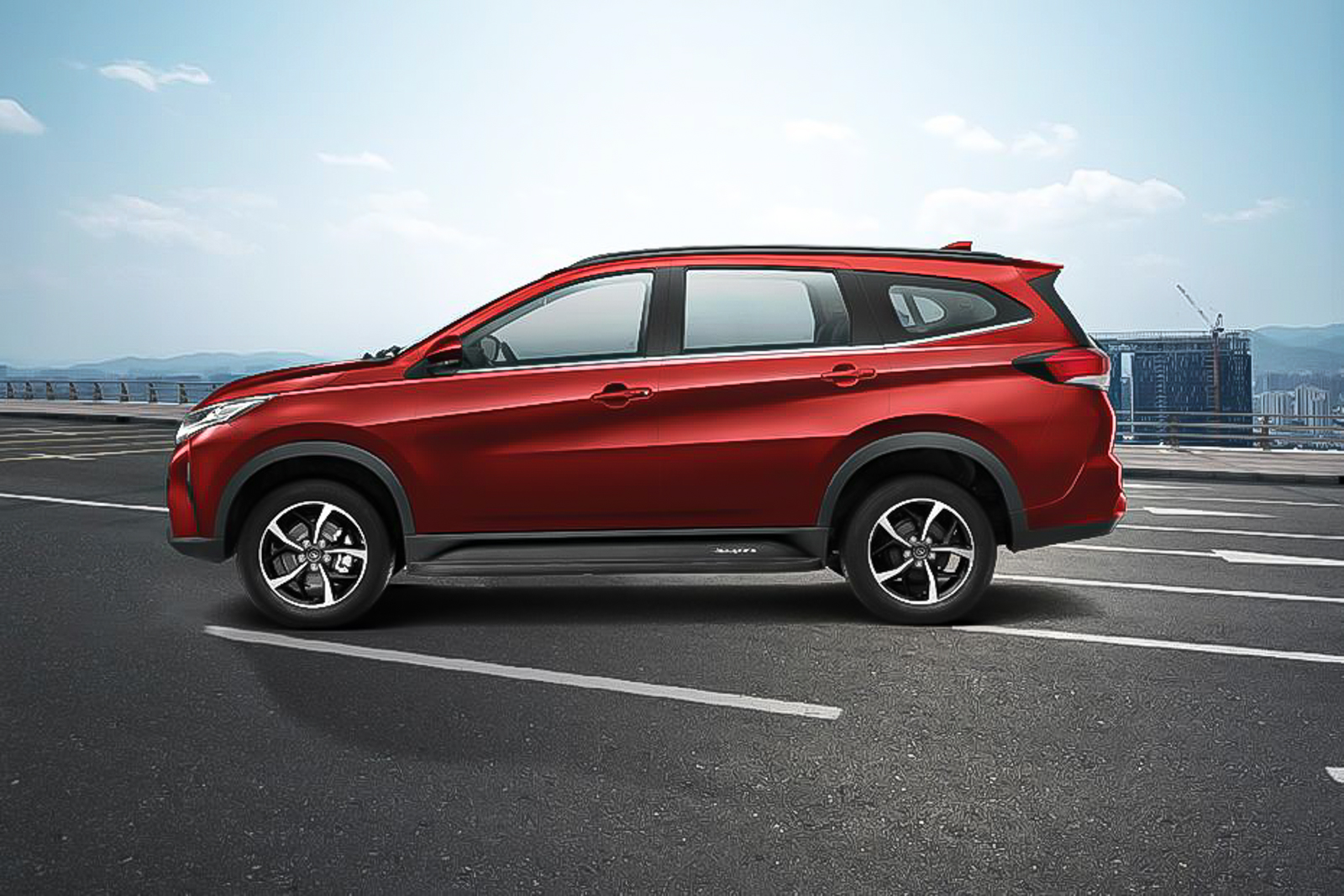
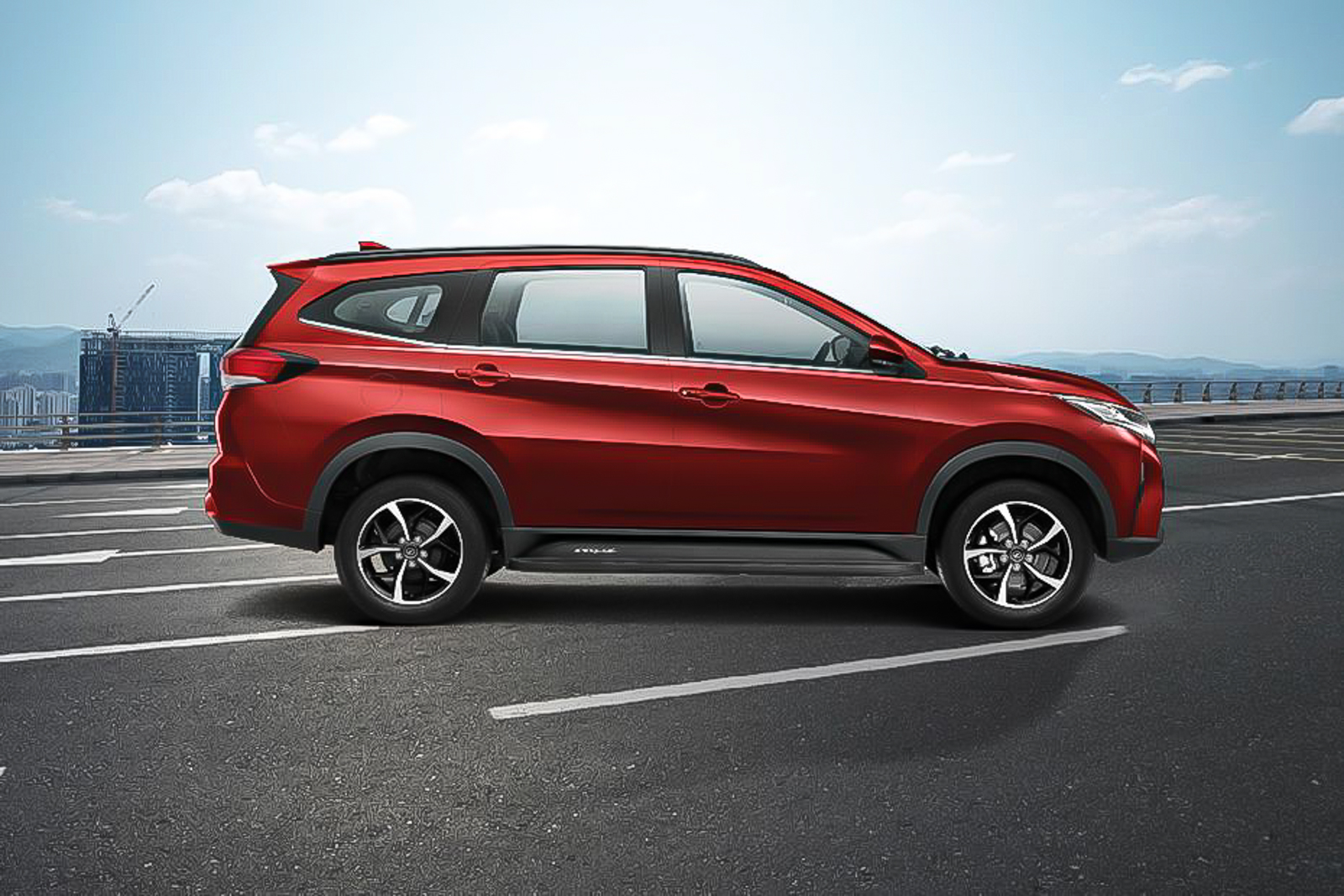
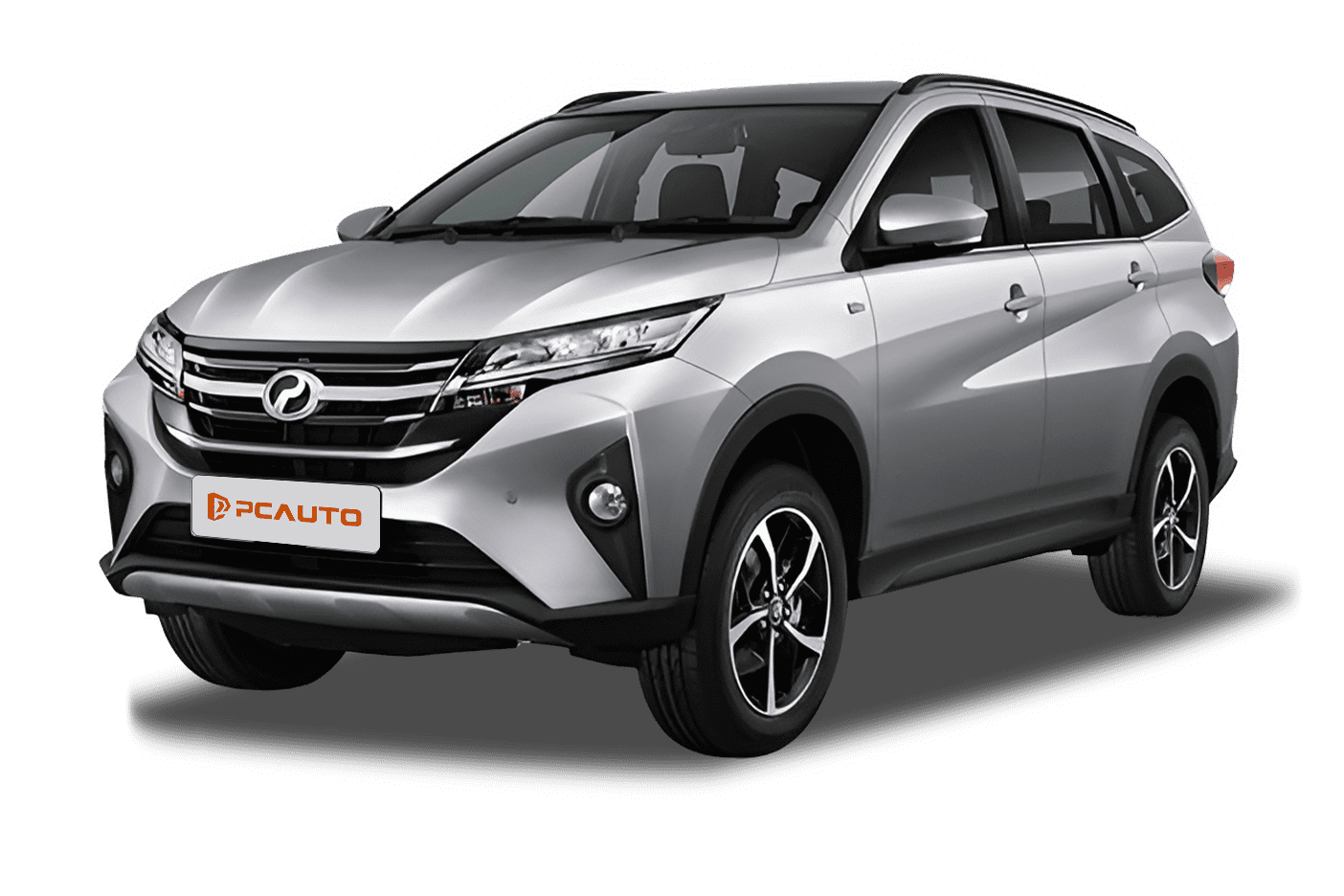
In terms of exterior design, the 2023 Aruz 1.5L H continues the tough style of the Perodua family, with overall lines tending towards a square shape, in line with the functional attributes of an SUV. The front fascia uses a large trapezoidal grille paired with chrome trim, and the LED headlights on both sides are connected to the grille. The daytime running lights are strip-shaped, providing good recognizability when lit. The body side has a straight waistline extending from the front to the rear. The 16-inch alloy wheels have a standard design without excessive decoration but are pleasing to the eye. At the rear, the LED taillights are arranged horizontally, echoing the silver skid plate on the rear bumper. The overall visual focus is lower, giving a stable appearance. The lighting system is a highlight, with all models coming standard with LED headlights and daytime running lights. The illumination was stable during night test drives, and the front fog lights are also capable of handling low-visibility road conditions during the rainy season.
Opening the door, the interior is dominated by a dark gray color scheme. The dashboard adopts a layered design, with the upper part covered in soft plastic and the lower part using hard materials, aligning with the material quality expected at this price range. A 9-inch touch-control central screen is located at the center of the dashboard, featuring a simple interface layout, supporting Bluetooth connectivity and smartphone mirroring, and offering decent operational smoothness. The instrument panel is a traditional illuminated analog type, clearly showing information such as RPM, speed, and fuel level, but it lacks the technological sense of a fully digital dashboard. In terms of features, keyless entry and start, a 6-speaker sound system, front-row manual air conditioning (with digital controls and memory function) are all standard. The independent rear air conditioning also takes care of the comfort of third-row passengers. Regarding the seats, the front-row seats are manually adjustable with firm cushioning but sufficient support. The middle row seats support 60:40 split-folding and one-touch flip, making it easy to access the third row, and also allow manual recline adjustment. The third row offers 50:50 split configurations – its space can accommodate children or adults for short trips, but extended seating may feel cramped. For storage space, the door panel storage slots can hold two water bottles, the center armrest box is moderately deep, and the trunk offers 137L of volume in the 7-seater mode, enough for a few backpacks. Folding down the third row significantly expands the space, suitable for loading large items.
In terms of dimensions, it measures 4425mm in length, 1730mm in width, and 1670mm in height, with a wheelbase of 2750mm, which places it in the mid-range among 7-seater SUVs in this class. For actual seating experience, a 175cm adult seated in the front row would have a headroom of a fist and two fingers; in the middle row, there is legroom equivalent to two fists and headroom of one fist; in the third row, there is barely any legroom, and the headroom is three fingers, making it more suitable for children.
In terms of powertrain, it is equipped with a 1.5L naturally aspirated engine, with a maximum horsepower of 106PS, a maximum power of 78kW, and a maximum torque of 138N·m, paired with a CVT gearbox and a rear-wheel-drive layout. During daily driving, the power output is smooth during the start-up phase, suitable for congested urban road conditions. When the accelerator is pressed hard, the engine speed needs to rise above 4000rpm for the torque to be fully released, resulting in a slight improvement in acceleration, but after exceeding 100km/h, further acceleration appears to be weak. The gearbox performs smoothly with no obvious shift jolts, and the CVT characteristic leans more towards fuel economy. There is only one normal driving mode available, with no sport or economy mode options, which feels somewhat monotonous.
In terms of handling, the steering wheel is light, making it suitable for female drivers. The steering has minimal slack and decent precision. The front suspension is a MacPherson independent suspension, and the rear suspension is a non-independent setup (although not explicitly labeled in the configuration table, the driving experience aligns with the settings of a rear-wheel-drive SUV). It performs moderately when handling speed bumps and small bumps in urban areas, with rear passengers feeling noticeable vibrations. During high-speed cornering, the body leans significantly, showing inadequate suspension support, requiring reduced speed to pass through. The braking system consists of front ventilated disc brakes and rear drum brakes. The brake pedal feels somewhat soft, with gentle brake force release in the early stage and sufficient braking power in the latter stage. The stability during emergency braking is acceptable, but the heat dissipation of drum brakes might underperform during prolonged downhill usage.
The fuel consumption test is a key focus. Officially, the combined fuel consumption is 6.41L/100km. During our mixed driving test of urban congestion (~40%) and highway cruising (~60%) over 100km, the actual measured fuel consumption was 7.2L/100km, slightly higher than the official data. However, considering the weight of a 7-seater model and the typical scenarios of 7-seater usage, this fuel consumption performance is within an acceptable range. The fuel tank capacity is 45L, and a full tank offers a range of about 600km, meeting daily commuting and short-distance travel needs.
Safety features are a core highlight of the Aruz 1.5L H model. It comes standard with 6 airbags (dual front airbags, side airbags, curtain airbags), ABS, Vehicle Stability Control, Lane Departure Warning, Autonomous Emergency Braking, Forward Collision Warning, and front and rear parking sensors. These features are relatively comprehensive within its class, especially the active safety systems, which can effectively assist driving during highway cruising and reduce fatigue. During the test drive, the Lane Departure Warning system emitted an alert when the vehicle crossed lines, and the Autonomous Emergency Braking system intervened promptly during a simulated emergency braking scenario in front, with a decent response speed.
As for ride comfort, the seats provide adequate support, but they feel somewhat firm for extended periods of sitting. Noise insulation is average; when driving above 80km/h, wind and tire noise become significantly noticeable inside the cabin, and engine noise at high RPMs is also quite prominent. The air conditioning performs well, and the rear air conditioning can quickly cool the third row's temperature. Additionally, the manual air conditioning system's memory feature is practical, allowing it to remember the last set temperature.
In summary, the 2023 Perodua Aruz 1.5L H's core strengths lie in the flexibility of its 7-seater configuration, comprehensive safety features, and affordable pricing (RM 68,000). Compared to the Proton X70 1.5T (higher price, primarily 5-seater) or the Honda BR-V (lower configuration), the Aruz offers stronger competitiveness in safety features and price; however, its performance in power and interior quality falls slightly short. It suits users who need a 7-seater vehicle for family trips, prioritize safety features, do not have high performance requirements, and have a budget around RM 70,000. If you are a family of three who occasionally needs to accommodate elderly relatives or friends, or frequently needs to shuttle multiple passengers for short trips, the Aruz is a practical choice. However, if you are seeking more powerful performance or more luxurious interiors, you might need to consider higher-priced models.
Overall, the Aruz 1.5L H is a "just enough" family SUV. It doesn't have particularly outstanding features, but it strikes a good balance between space, safety, and price, making it suitable for pragmatic family users.
Perodua Aruz Car Compare
Perodua Aruz Loan Calculator
More Perodua Reviews
Cars With Similar Price And Features
4
Rank in SUV
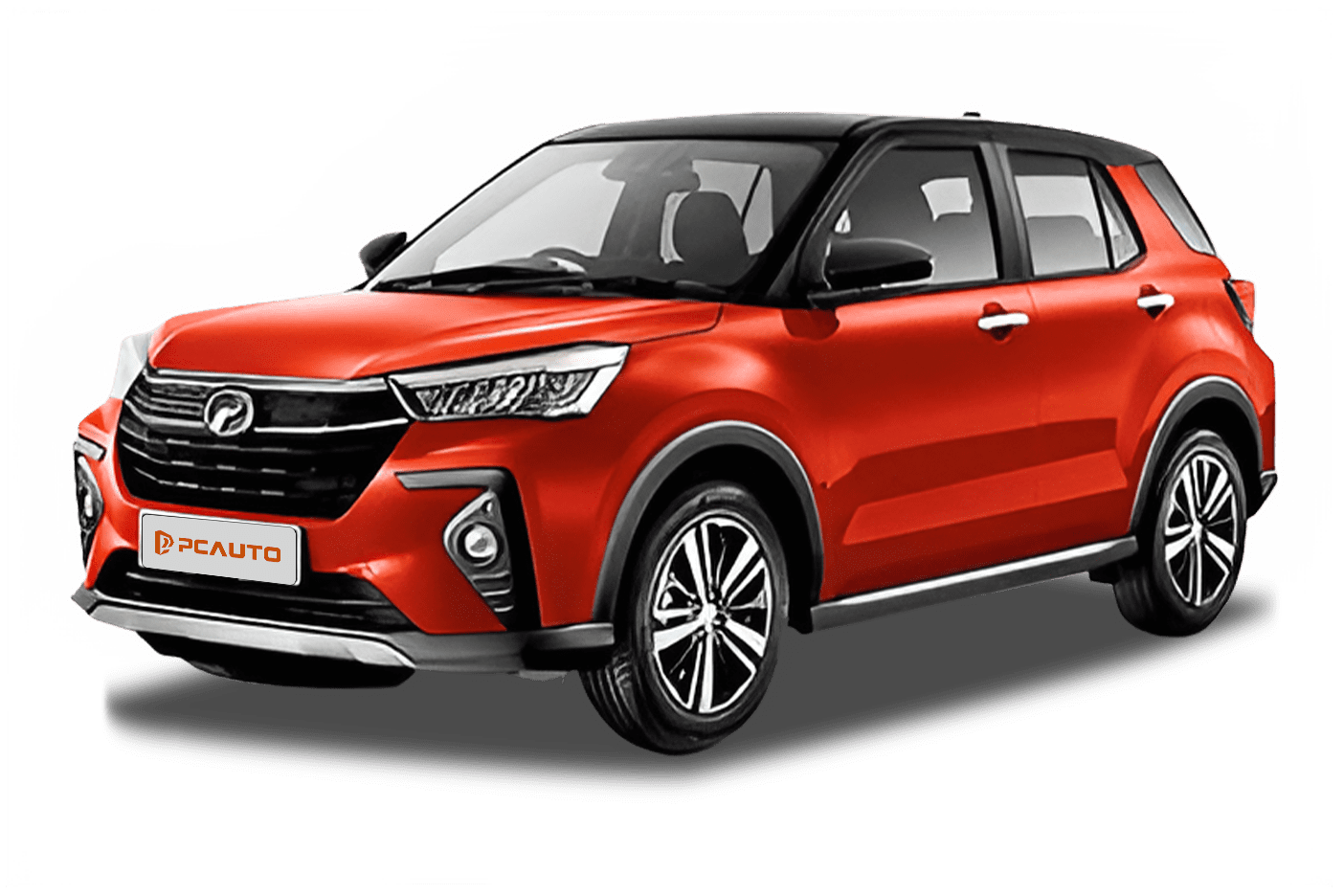
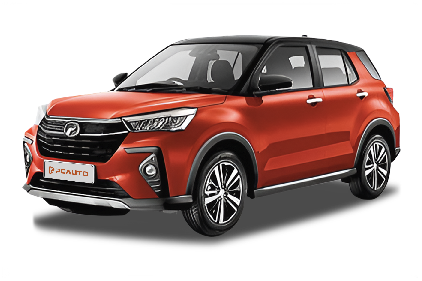
2023 Perodua Ativa 1.0L Turbo X, as a high-value-for-money entry-level B-SUV, meets the commuting and short-distance travel needs of family users with advanced safety features, practical space, and economical fuel consumption.
3
Rank in SUV
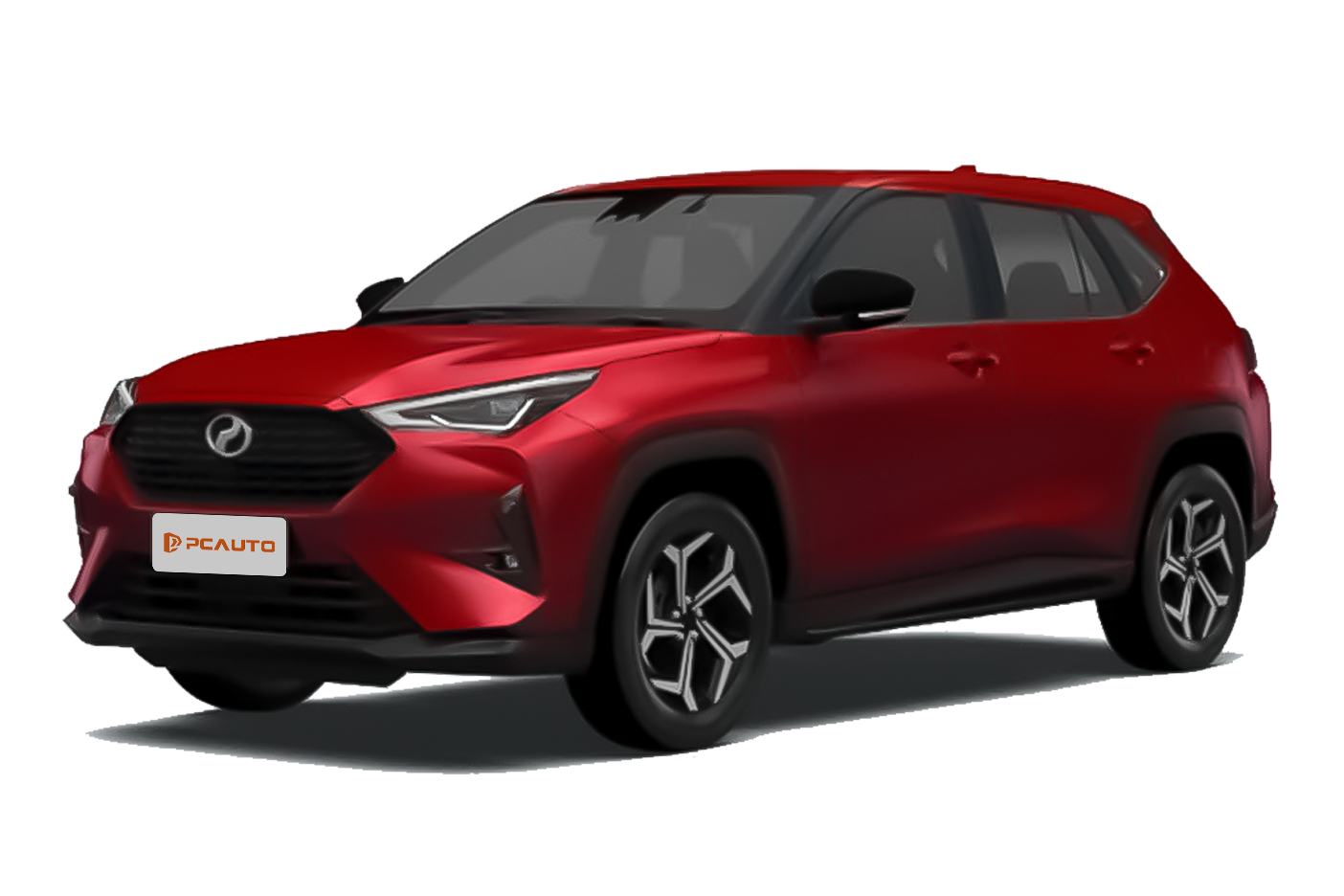
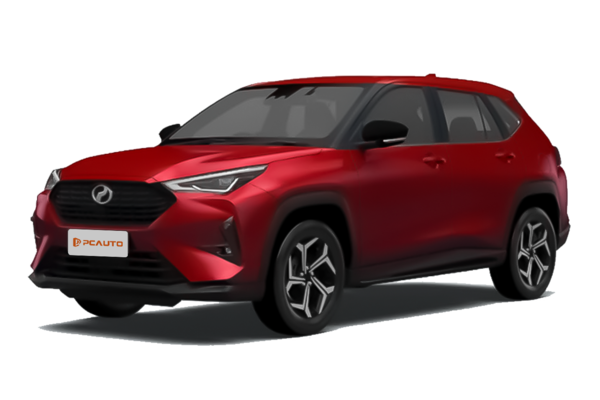
2025 Perodua Traz X, positioned as a B-segment SUV for family users, highlights advanced safety features, 210mm high ground clearance, and practical spaciousness as its main selling points, balancing flexibility and practicality.
2
Rank in SUV
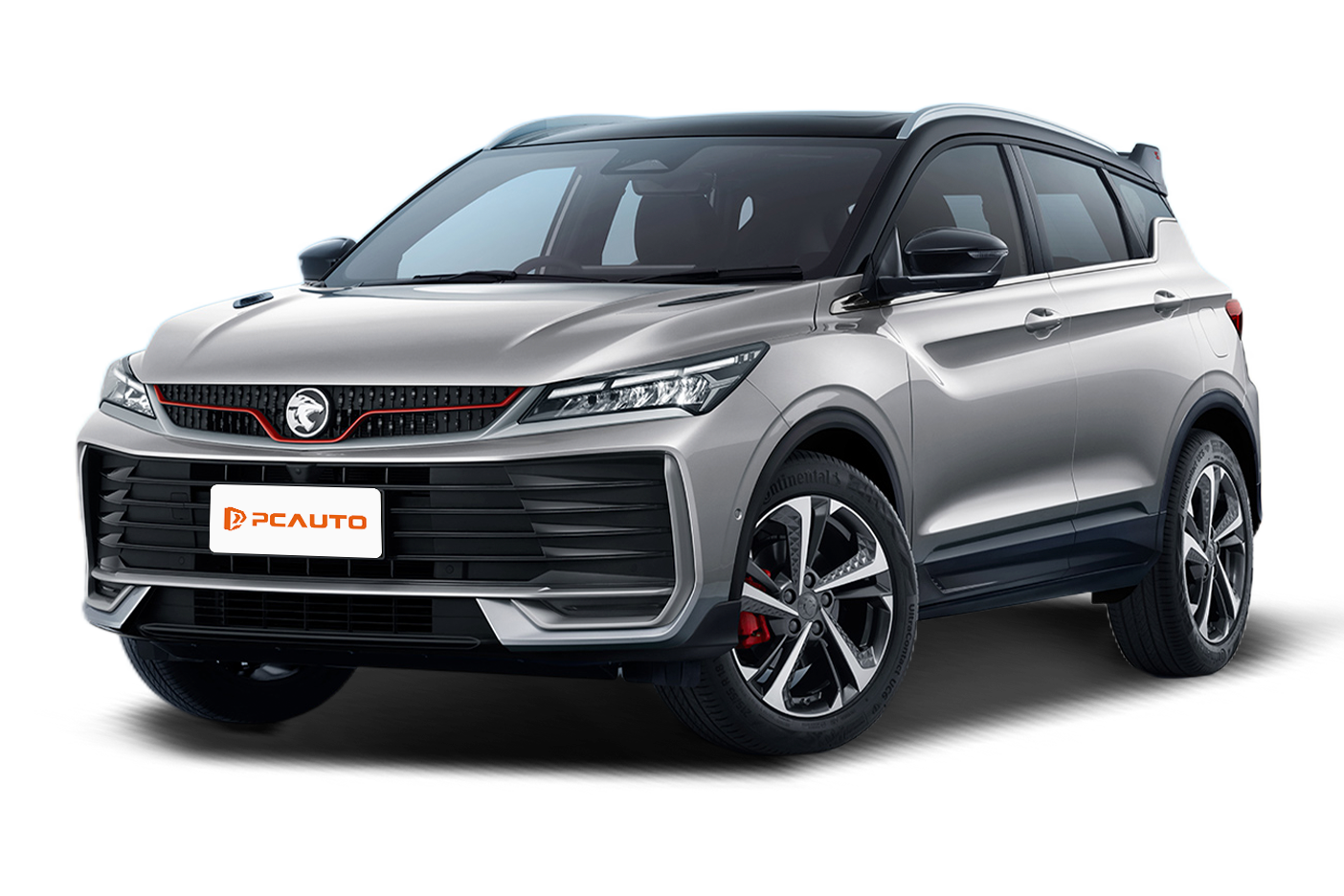
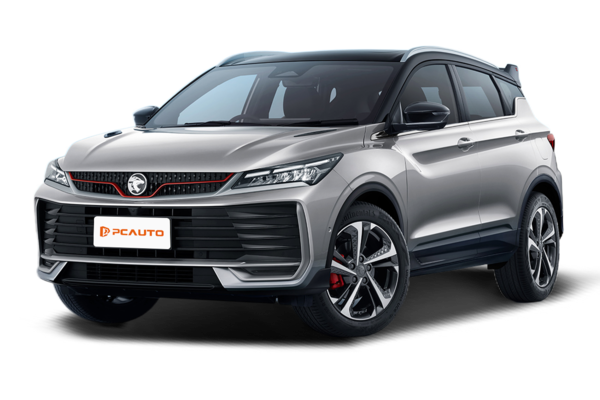
2025 Proton X50 Executive is an upgraded and price-reduced mid-size SUV that combines refined exterior, tech-savvy interior, powerful performance, and practical space, offering exceptional value for money.