
2023 Perodua Myvi 1.3 G with PSDA Review

 Share
Share.jpg)
.jpg)
.jpg)
 Segment
 Body Type
 Capacity(L)
 Engine Power(PS)
 Transmission
 Driven Wheels
The B-segment hatchbacks have always been the mainstay of the Malaysian market, with consumers pursuing both the economical aspect of basic transportation and increasingly valuing the practicality of features — the 2023 Perodua Myvi 1.3 G with PSDA is an updated model addressing such demands. It continues the high-value-for-money appeal of the Myvi series while incorporating the much-anticipated PSDA (Perodua Smart Drive Assist) system. The core objective of this test drive is to evaluate whether this system truly enhances everyday driving experiences and whether its strengths in aspects like space and performance remain competitive.
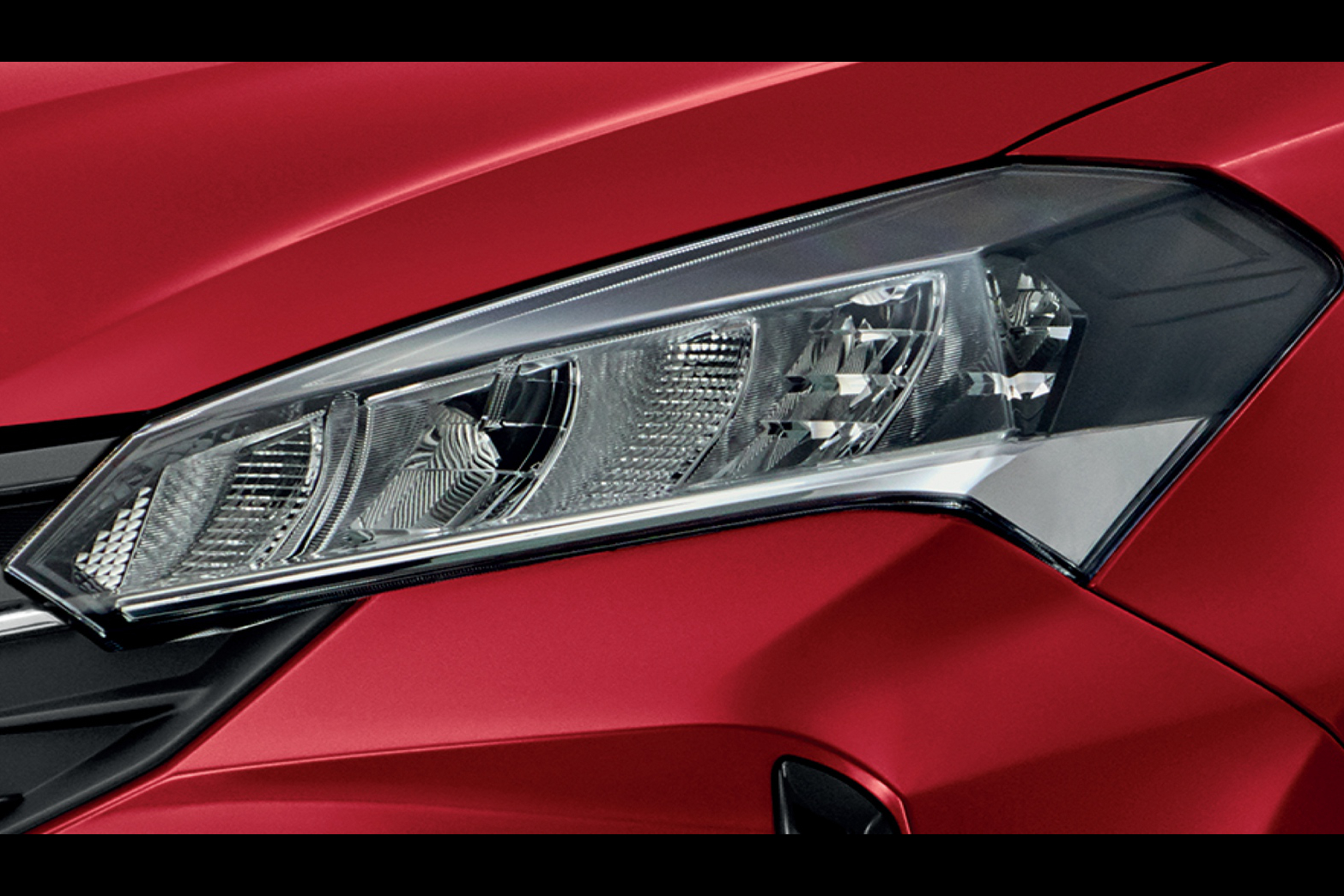
From the exterior, the overall design of the 2023 Myvi 1.3 G retains the rounded aesthetic of the Myvi family but gets plenty of detailed refinements. The front features a larger intake grille with a black honeycomb pattern, paired with sharp LED headlamp clusters on each side, providing higher recognition compared to the previous model. The side profile showcases smooth lines, with the 14-inch wheels sporting an ordinary but well-proportioned design. At the rear, the LED taillights adopt a prototype of a through-type design (with the left and right lamp clusters connected by a black trim), coupled with a slightly raised spoiler for a younger vibe. Notably, the standard full LED lighting system across the range offers sufficient brightness when lit at night, with decent road coverage, which is a pleasant surprise for those who frequently commute at night.
Inside, the interior layout is simple and practical, avoiding overly flashy designs. The center console uses large areas of hard plastic material, but the textured surface treatment prevents it from feeling cheap. The steering wheel comes with multifunctional controls: the left side manages multimedia and Bluetooth calls, while the right side houses PSDA system buttons. The operation logic is clear and easy to get used to. The instrument panel features backlit mechanical pointers with clear and intuitive data presentation. While it lacks the futuristic feel of a fully digital dashboard, it makes data reading effortless. The central screen isn't very large but supports Bluetooth connectivity and USB input, adequate for daily use. The seats are made of fabric material, with the front row supporting manual adjustments. The lumbar support is average, but there’s no noticeable discomfort during short trips. Regarding the rear space, its 2500mm wheelbase delivers a standard performance — for a 175cm passenger, there’s about a fist’s worth of legroom, while headroom does not feel cramped. The rear includes ISO FIX child seat anchors and air-conditioning vents, maximizing practicality. The trunk has a volume of 277L, ample for a few carry-on suitcases, and the rear seats can be split 60:40 and folded down to create more storage space, making it suitable for transporting small furniture.
In terms of performance, the 1.3L naturally aspirated engine delivers a maximum output of 95PS and a peak torque of 121N·m, paired with a CVT transmission. The power response during startup is generally smooth, with no noticeable jerking, ideal for urban traffic conditions. When pressing the accelerator hard for faster acceleration, the CVT transmission simulates gear shifts, and you can feel a significant power output once the engine revs reach around 4000 RPM. However, due to the limited engine displacement, overtaking at highway speeds requires planning in advance. There are two driving modes: Eco and Normal. In Eco mode, throttle response is slower but helps achieve lower fuel consumption. The suspension setup features MacPherson struts at the front and a torsion beam at the rear, tuned for comfort. It effectively filters out bumps when going over speed breakers, without feeling harsh. At higher speeds, the vehicle remains stable, with the steering offering precise direction control and minimal slack. The braking performance is also commendable, with a moderate brake pedal travel, sufficient braking force in the initial stage, and a stable body posture during emergency stops.
The PSDA system is the highlight of this test drive. This system includes automatic emergency braking, lane departure warning, lane keeping assist, and adaptive cruise control. On highways, the adaptive cruise control can precisely follow the car in front. Once the speed and following distance are set, the system will automatically adjust the speed, reducing fatigue during long-distance driving. The lane keeping assist system will slightly correct the steering wheel when the vehicle deviates from the lane, reminding the driver to stay focused. However, in congested urban traffic, the sensitivity of the automatic emergency braking is slightly high, occasionally leading to unnecessary braking, which requires some adaptation. Regarding fuel consumption, the official combined fuel consumption is 4.5L/100km. During the actual test drive, urban congested traffic showed fuel consumption around 5.5L, while highway driving reduced it to 4.2L, which meets expectations. In terms of noise control, the interior is relatively quiet at low speeds, while wind and tire noise become more noticeable at high speeds but remain within an acceptable range.
Overall, the core advantages of the 2023 Perodua Myvi 1.3 G with PSDA lie in its high cost-effectiveness and practical configurations. Compared to its counterpart, the Proton Iriz, the Myvi has lower fuel consumption, and its PSDA system is more comprehensive. Although it doesn't particularly excel in power and space, it stands out for its balance. This car is ideal for families prioritizing economy and practicality, especially for those frequently traveling with children, as the PSDA system provides additional safety assurance. If you have a limited budget but want a reliable, fuel-efficient, and adequately equipped vehicle for daily use, the 2023 Perodua Myvi 1.3 G with PSDA is definitely a great choice.
Perodua Myvi Car Compare

Perodua Myvi Loan Calculator
More Perodua Reviews
Cars With Similar Price And Features
4
Rank in Hatchback
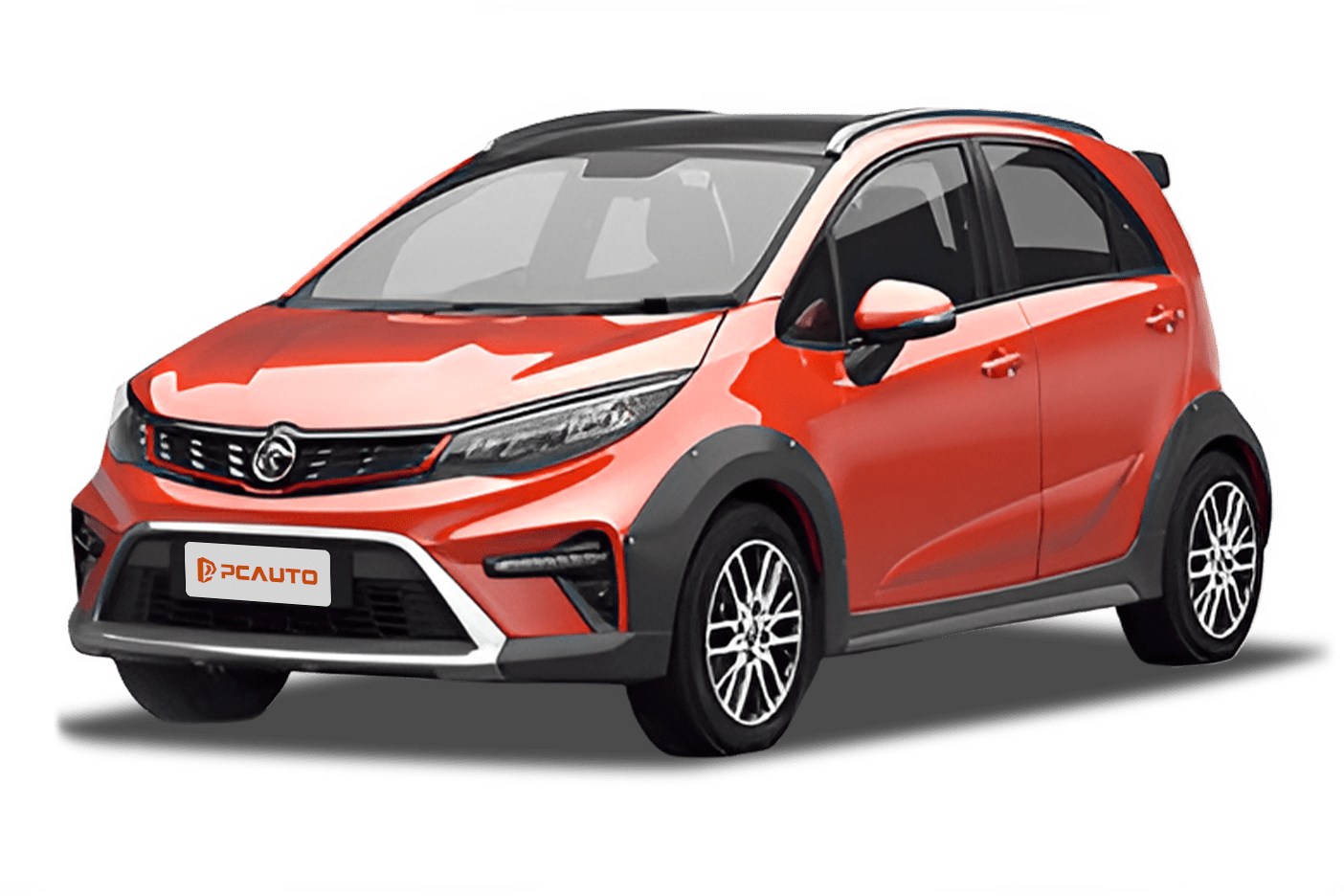
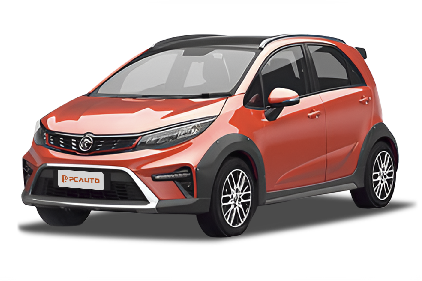
2023 Proton Iriz 1.3 Standard CVT is an affordable, well-balanced entry-level B-segment hatchback with safety features, suitable for budget-conscious families focusing on safety and practicality for daily commuting.

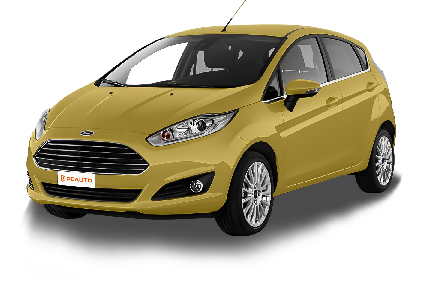
2022 Ford Fiesta public is a B-Segment model with responsive power, economical fuel consumption, and rich safety features, suitable for young families or individual users who prioritize driving experience and safety.
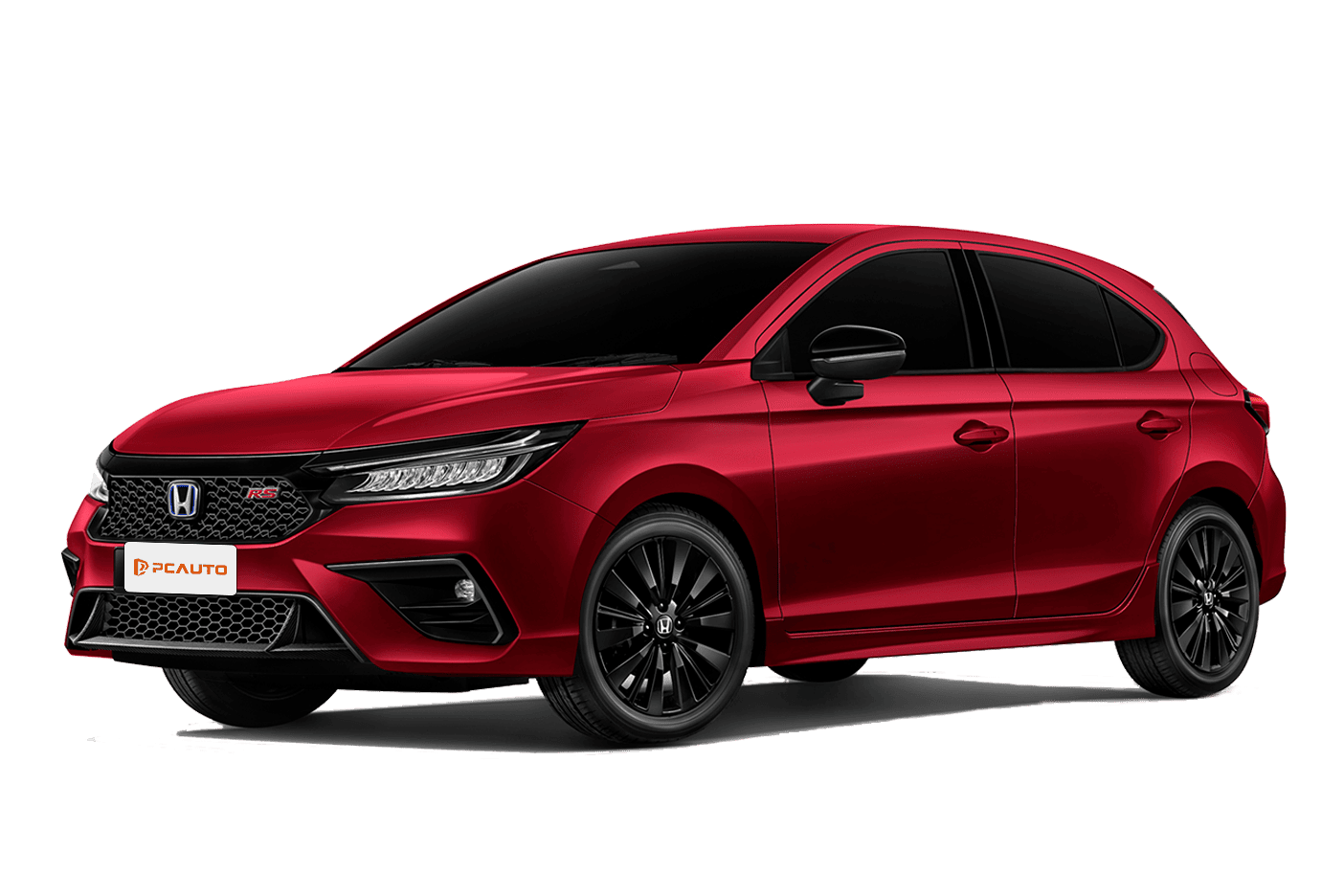
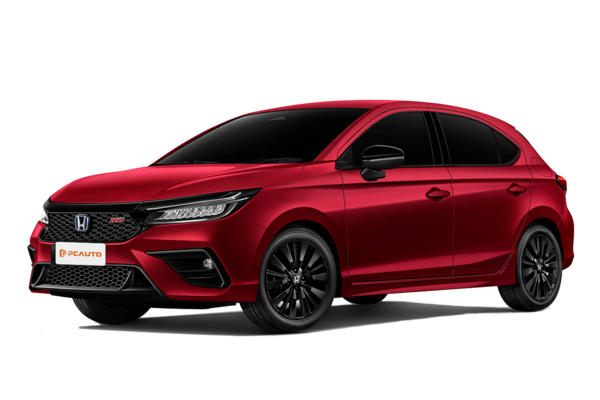
2024 Honda City Hatchback 1.5 S, as a high-value entry-level hatchback, comes standard with Honda Sensing and 6 airbags, offering practical space, economical fuel consumption, and balancing safety with daily commuting needs.
3
Rank in Hatchback
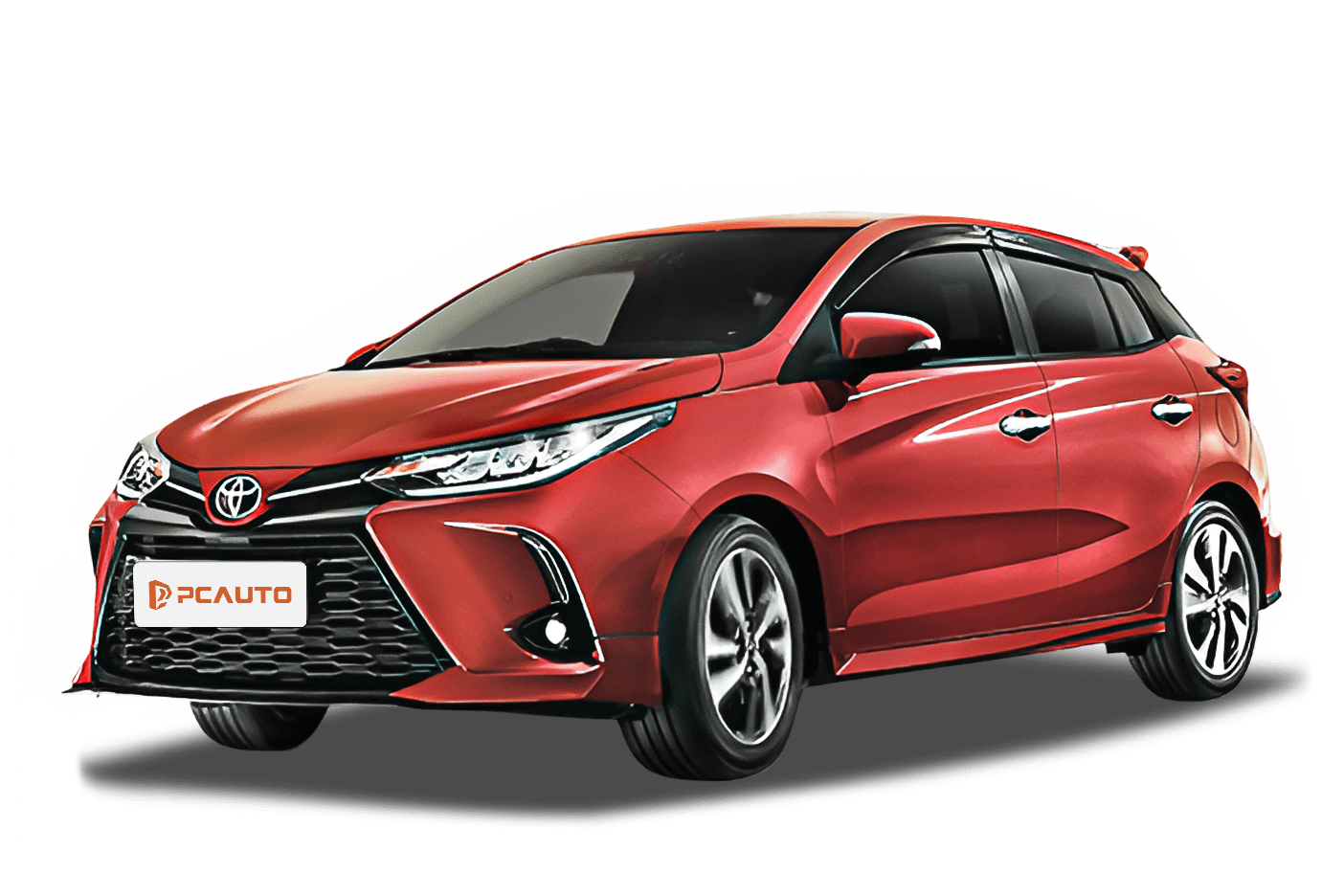
2024 Toyota Yaris 1.5E serves as the main entry-level household model, emphasizing durability, upgraded with a 360-degree parking camera and Optitron instrument panel. Its practical space, smooth power delivery, and high cost-performance ratio align well with family commuting needs.