

2023 Perodua Myvi 1.5 H Review

 Share
Share.jpg)
.jpg)
.jpg)
 Segment
 Body Type
 Capacity(L)
 Engine Power(PS)
 Engine Torque(Nm)
 Transmission
In Malaysia's B-segment hatchback market, high cost-performance and balanced configurations have always been the core needs of consumers—after all, most families need a reliable ride that accommodates daily commutes and weekend getaways. The 2023 Perodua Myvi 1.5 H, as the main variant of the lineup, now offers features like six airbags and active safety systems, which were previously only available on mid-to-high trims. Impressively, the price remains at an affordable range of RM 54,900. The main purpose of our test drive this time is to see whether it can truly live up to the label of the "upgraded national car" in both its static experience and dynamic performance.
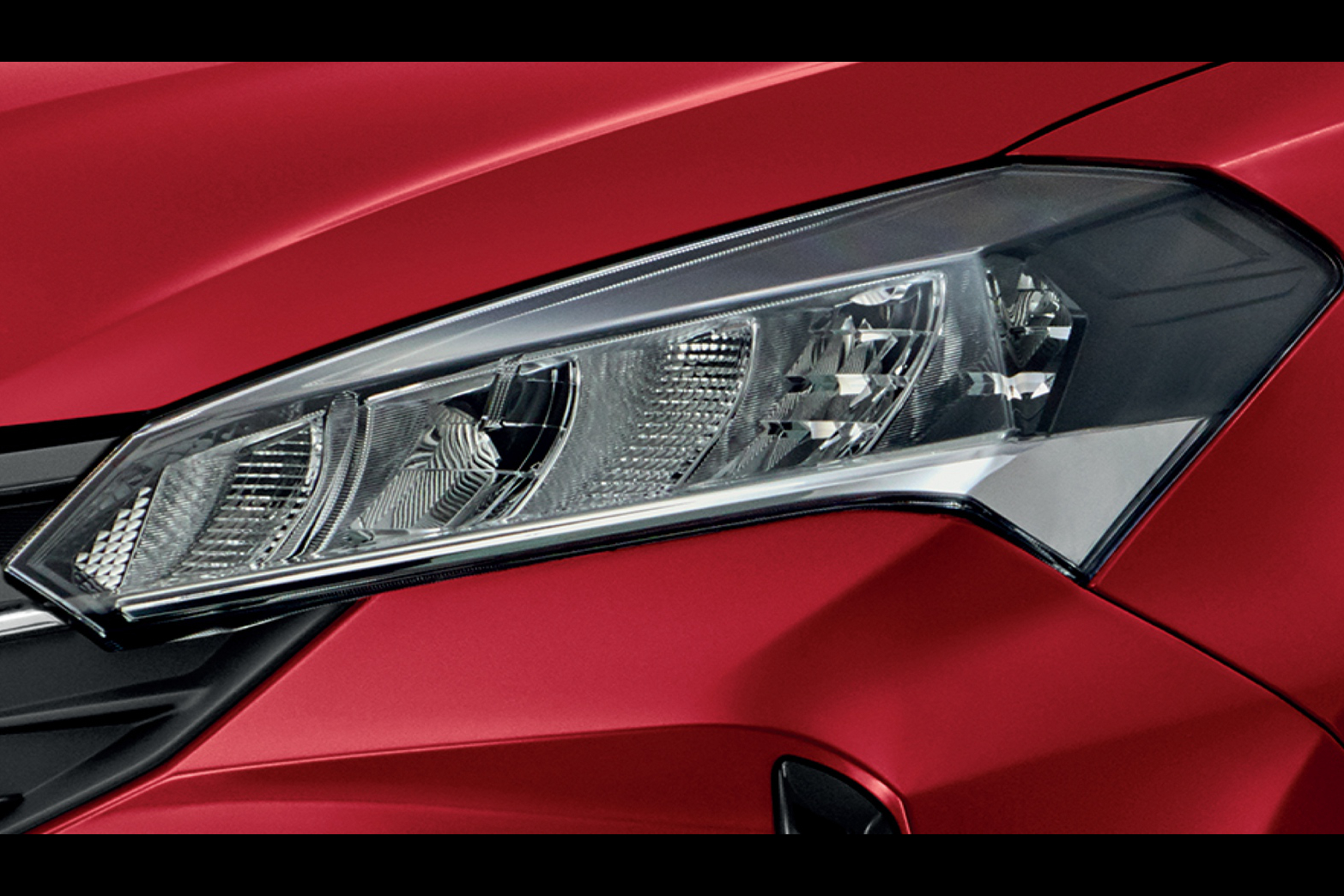
Starting with the exterior, the 2023 Myvi 1.5 H maintains a rounded hatchback design with body dimensions of 3895mm×1735mm×1515mm and a wheelbase of 2500mm, making it a standard size within its class. The most noticeable feature on the front is the large trapezoidal lower grille, complemented by sharp LED headlights on both sides. The headlights incorporate daytime running lights and support an automatic lighting function, making everyday use more convenient. The side profile has smooth lines, with 15-inch tires sized at 185/55 R15, and the wheel design is simple yet not monotonous. At the rear, the LED tail lights feature a horizontal design, echoing the front. The lower bumper is equipped with black plastic trim, adding a touch of sportiness. The overall design avoids excessive flashy elements, ensuring sufficient recognition while meeting the aesthetic preferences of most family users.
Sitting inside, the interior adopts a practical style, mainly in black. The upper part of the center console uses hard plastic, but the texture is relatively refined. Areas where touch is expected (such as the door armrests) are wrapped in soft materials. The center console layout is clear, with a 6.9-inch touchscreen as the visual centerpiece. It supports basic multimedia functions, and the operating fluency is decent. The instrument panel features a backlit analog design, with straightforward information display such as the tachometer, speedometer, fuel gauge, and water temperature gauge, all of which are easy to read. In terms of features, keyless entry and push-button start come as standard, eliminating the hassle of taking out the key. The front air conditioning system is manually controlled with single-zone settings but includes digital controls and memory functions, making adjustments more convenient. The multifunction steering wheel integrates audio controls and call answer buttons, offering a user-friendly handling experience. The seats are manually adjustable, provide decent support, and remain comfortable for long rides. The rear seats support a 60:40 split-folding mechanism, which expands the trunk capacity from 277L, making it sufficient for storing a baby stroller or large suitcase. Additionally, the rear row is equipped with an air-conditioning vent and two USB ports to meet the charging needs of rear passengers.
The overall space is on par with the standards of the B-segment. With a 2500mm wheelbase, a front passenger standing 175cm tall still has a fist-width of headroom after adjusting the seat posture. For a passenger of the same height in the back row, there’s about two fists of legroom and one fist of headroom, providing a non-cramped experience. In terms of storage space, the door panel storage slots can hold two bottles of water, the storage compartment below the center console is suitable for placing a phone or wallet, and the depth of the front armrest box is moderate, allowing for storage of small items.
When it comes to power, the 1.5L naturally aspirated engine delivers a maximum horsepower of 103PS and a maximum torque of 137N·m, paired with a CVT gearbox. During daily driving, the car accelerates promptly, the throttle response feels linear, and following traffic or overtaking within the city is effortless. Switching to sport mode increases throttle sensitivity, keeping the revs above 3000rpm for more direct acceleration. However, when accelerating in higher speed ranges (above 100km/h), the power reserve isn't particularly abundant, requiring heavier throttle input. The official 0–100km/h acceleration time is 10.2 seconds, which is average within the naturally aspirated models of the same class.
In terms of handling, the steering wheel has moderate resistance and precise direction, with no noticeable slack. The combination of front MacPherson independent suspension and rear torsion beam non-independent suspension is tuned for comfort. When passing speed bumps or bumpy roads, most of the subtle vibrations are filtered out, and the car body does not bounce excessively. When cornering, body roll is kept within an acceptable range, and passengers won’t feel uncomfortable. The braking performance is stable, with front ventilated discs and rear drum brakes. The brake pedal travel feels moderate, and the braking force is released linearly, instilling confidence during daily driving.
In terms of fuel consumption, we tested it on a route with 50% city and 50% highway driving. The combined fuel consumption was about 5.2L/100km, slightly higher than the official figure of 4.7L/100km. However, considering the congestion in the city, this result is still good and meets the fuel efficiency demands of family users. As for noise control, during low-speed city driving, both engine noise and tire noise are not noticeable. At highway speeds of 110km/h, wind noise becomes somewhat more apparent but does not interfere with normal conversations.
Safety features are a highlight of the Myvi 1.5 H. It comes standard with 6 airbags (dual front airbags, side airbags, and curtain airbags in the front and rear), vehicle stability control, lane departure warning, autonomous emergency braking, and forward collision warning. These features are rare in cars at this price range and provide more comprehensive protection for passengers.
In summary, the core advantage of the 2023 Perodua Myvi 1.5 H lies in its balance — adequate power, practical space, outstanding features (especially in safety), and a competitive price of RM 54,900, which offers high value for money within its segment. Compared to the Proton Iriz 1.6 Executive of the same class, the Myvi 1.5 H has more complete safety configurations and lower fuel consumption; compared to the Toyota Vios 1.5 J, it is nearly RM 10,000 cheaper but comes with more features.
This car is suitable for family users who value practicality and safety. It can meet the needs of daily commuting as well as weekend family outings. However, for users who are pursuing extreme performance or luxury, it may not be the best choice. But for most who need a reliable and worry-free family car, the Myvi 1.5 H is a great option.
In conclusion, the 2023 Perodua Myvi 1.5 H is a well-rounded vehicle with no obvious shortcomings. Its safety features are its greatest highlight, and its cost-effectiveness is outstanding, making it a pragmatic choice for family users.
Perodua Myvi Car Compare

Perodua Myvi Loan Calculator
More Perodua Reviews
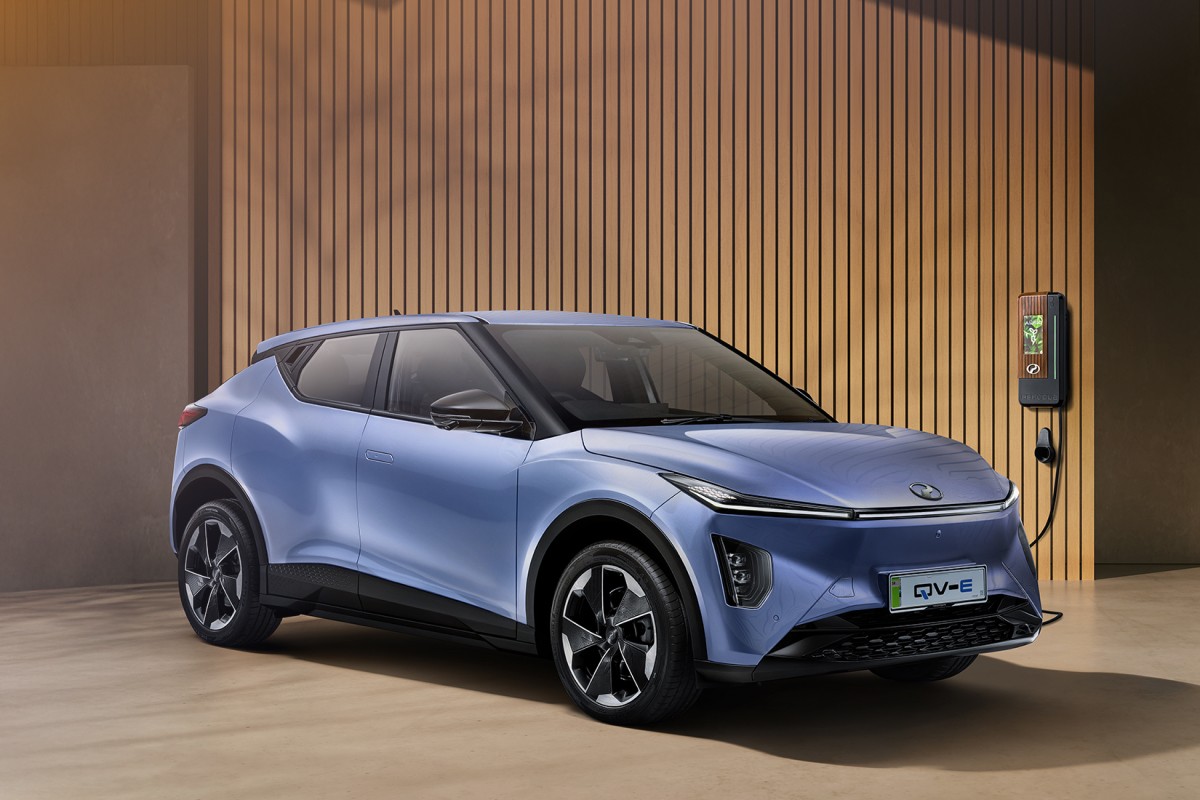
Cars With Similar Price And Features
4
Rank in Hatchback
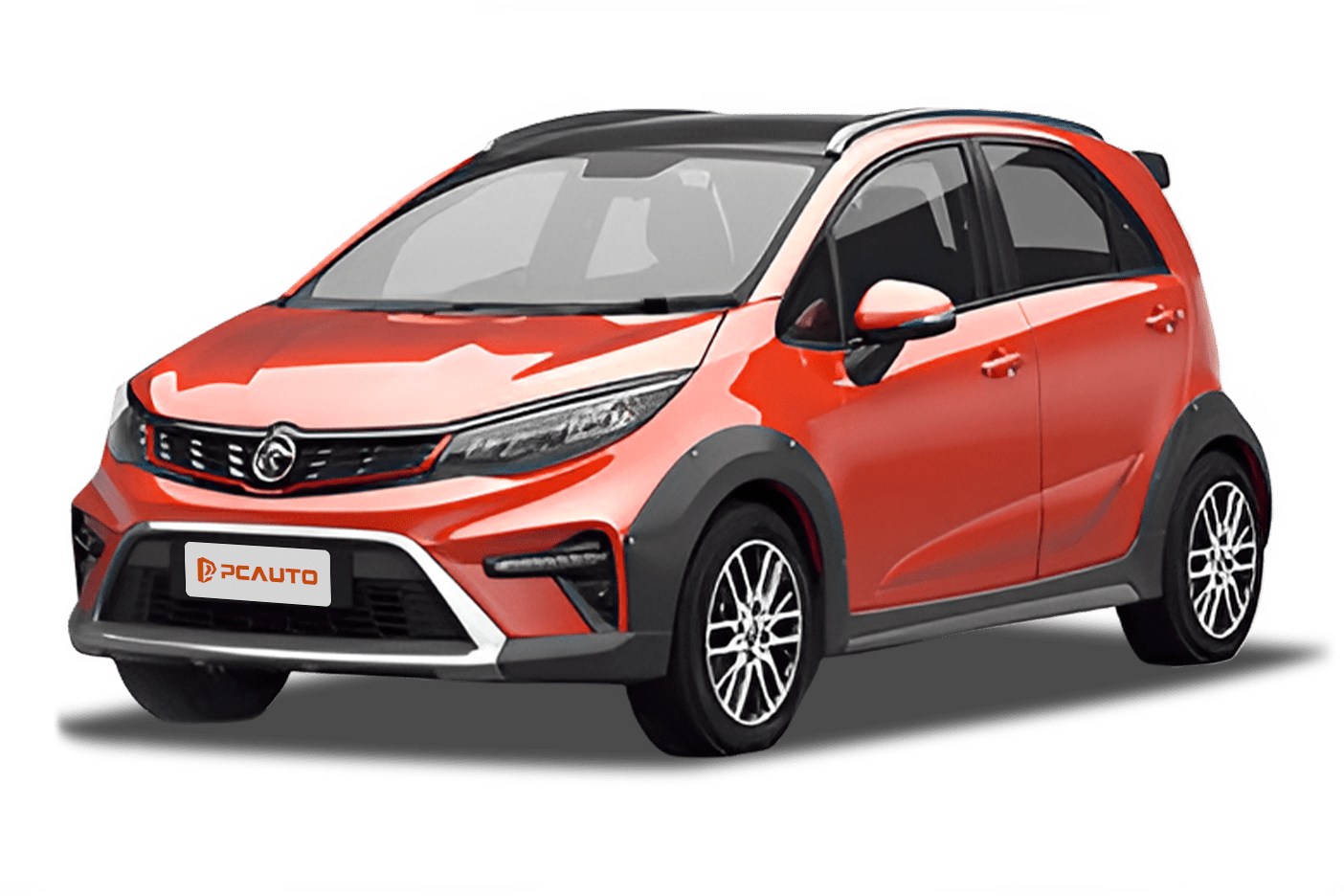
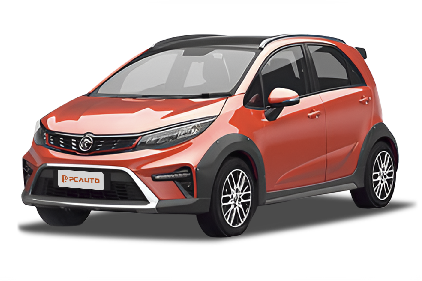
2023 Proton Iriz 1.3 Standard CVT is an affordable, well-balanced entry-level B-segment hatchback with safety features, suitable for budget-conscious families focusing on safety and practicality for daily commuting.

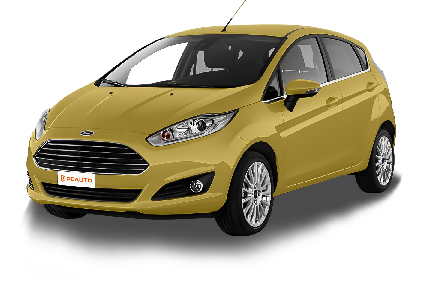
2022 Ford Fiesta public is a B-Segment model with responsive power, economical fuel consumption, and rich safety features, suitable for young families or individual users who prioritize driving experience and safety.
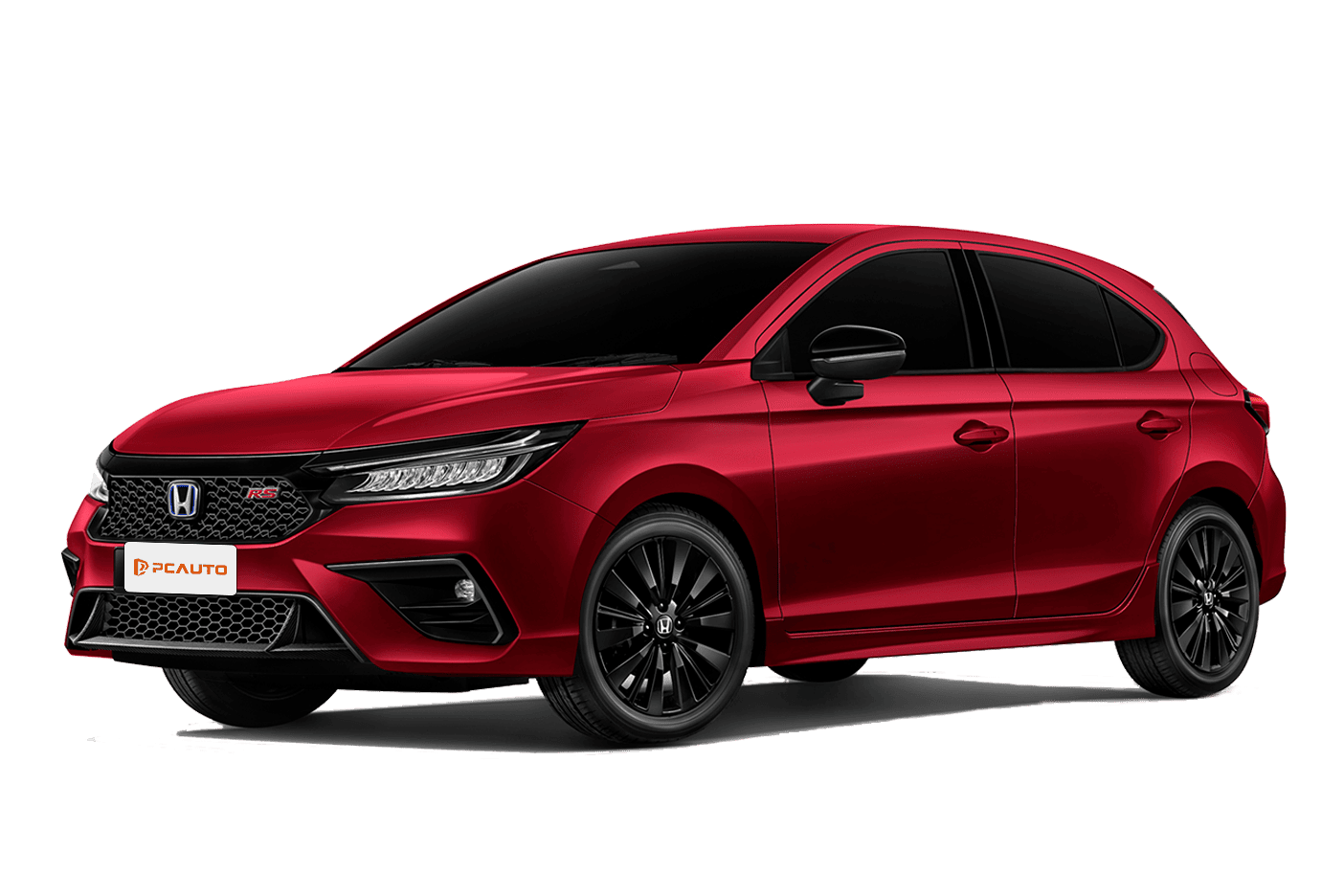
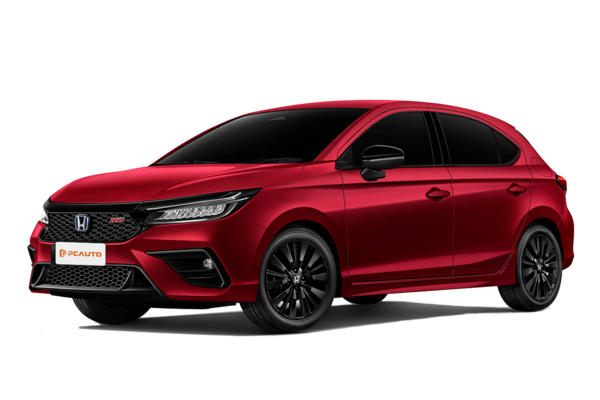
2024 Honda City Hatchback 1.5 S, as a high-value entry-level hatchback, comes standard with Honda Sensing and 6 airbags, offering practical space, economical fuel consumption, and balancing safety with daily commuting needs.
3
Rank in Hatchback
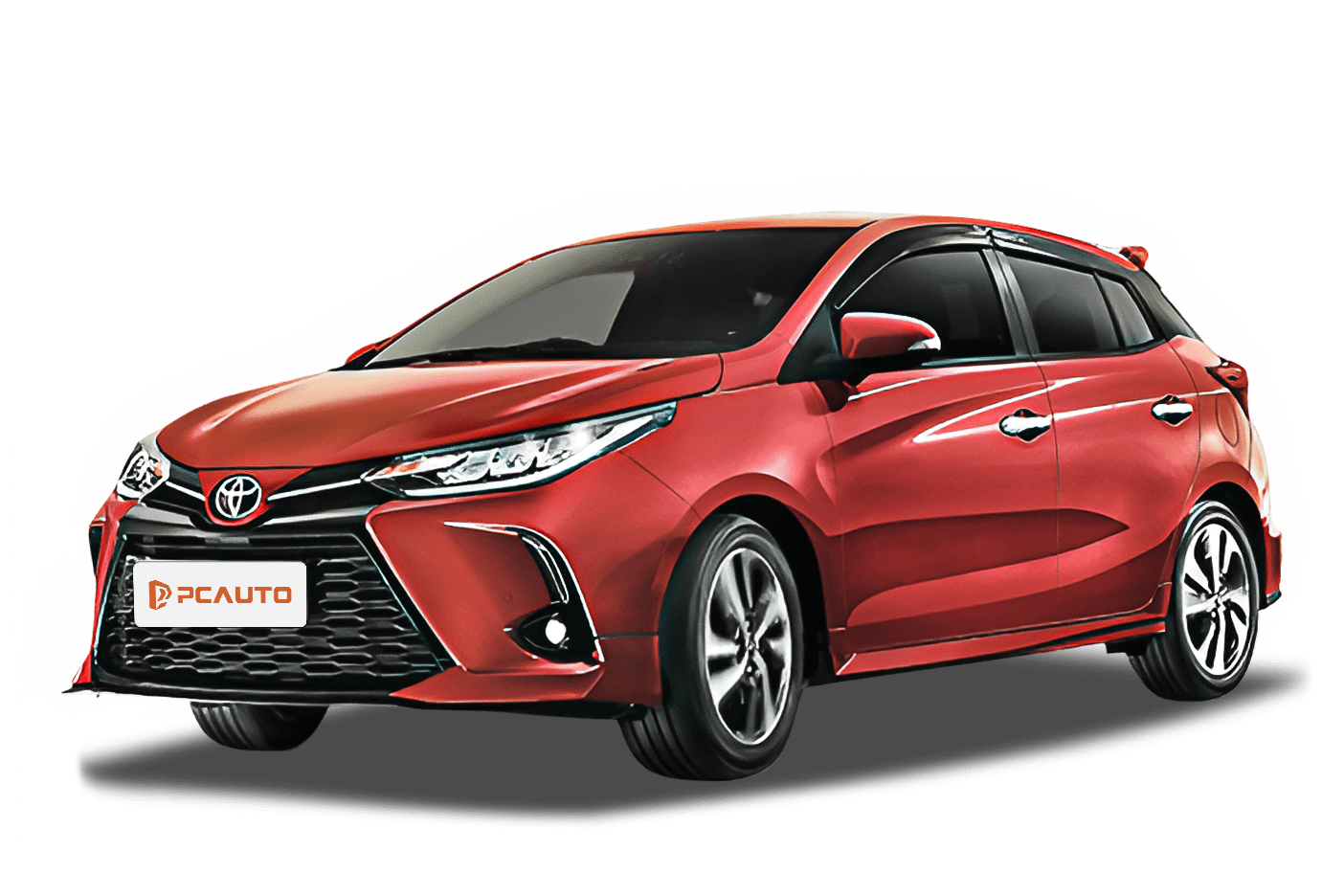
2024 Toyota Yaris 1.5E serves as the main entry-level household model, emphasizing durability, upgraded with a 360-degree parking camera and Optitron instrument panel. Its practical space, smooth power delivery, and high cost-performance ratio align well with family commuting needs.