
2023 Porsche 911 GT3 RS 4.0L Review

 Share
Share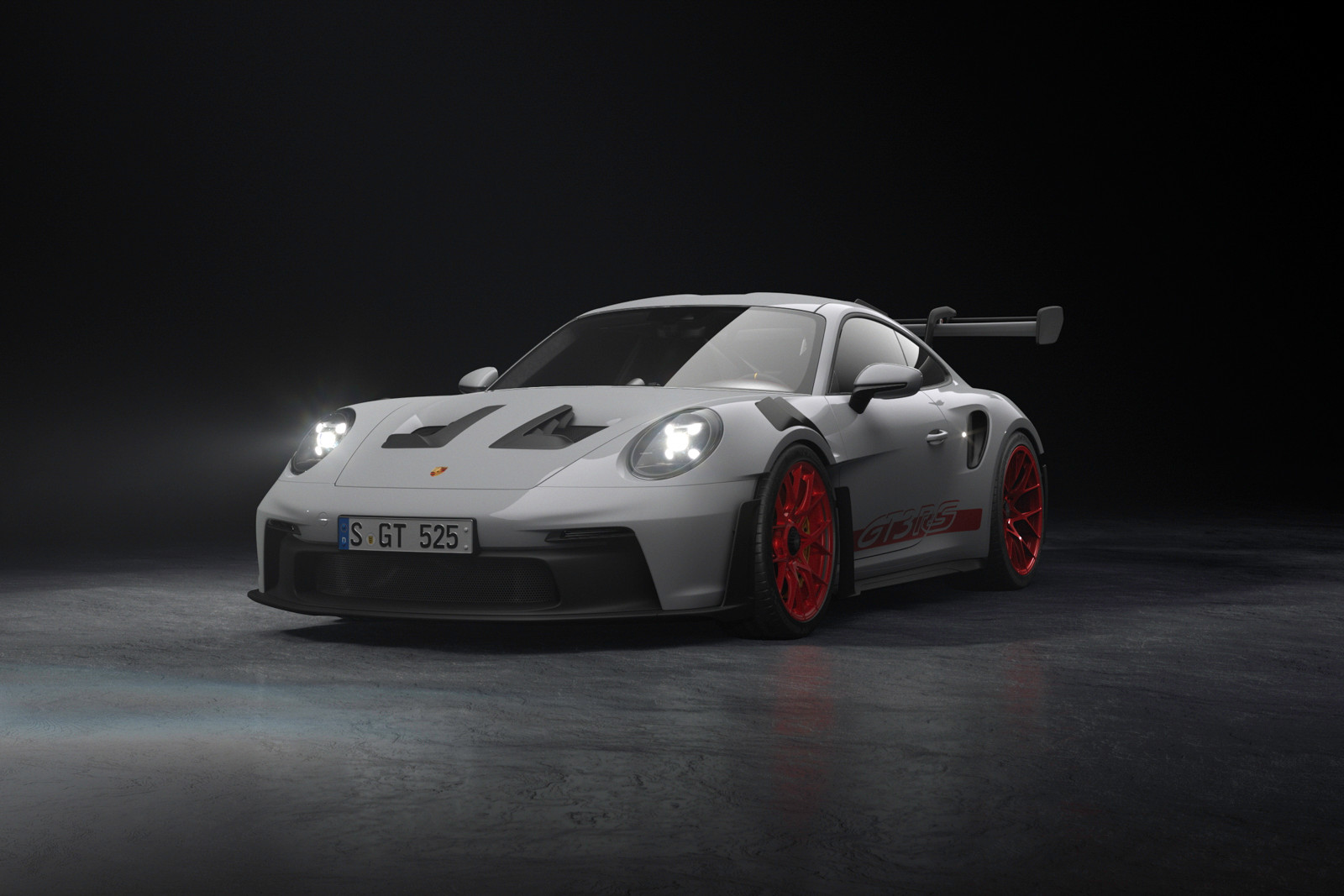
 Segment
 Body Type
 Engine Power(PS)
 Engine Torque(Nm)
 Transmission
 Driven Wheels
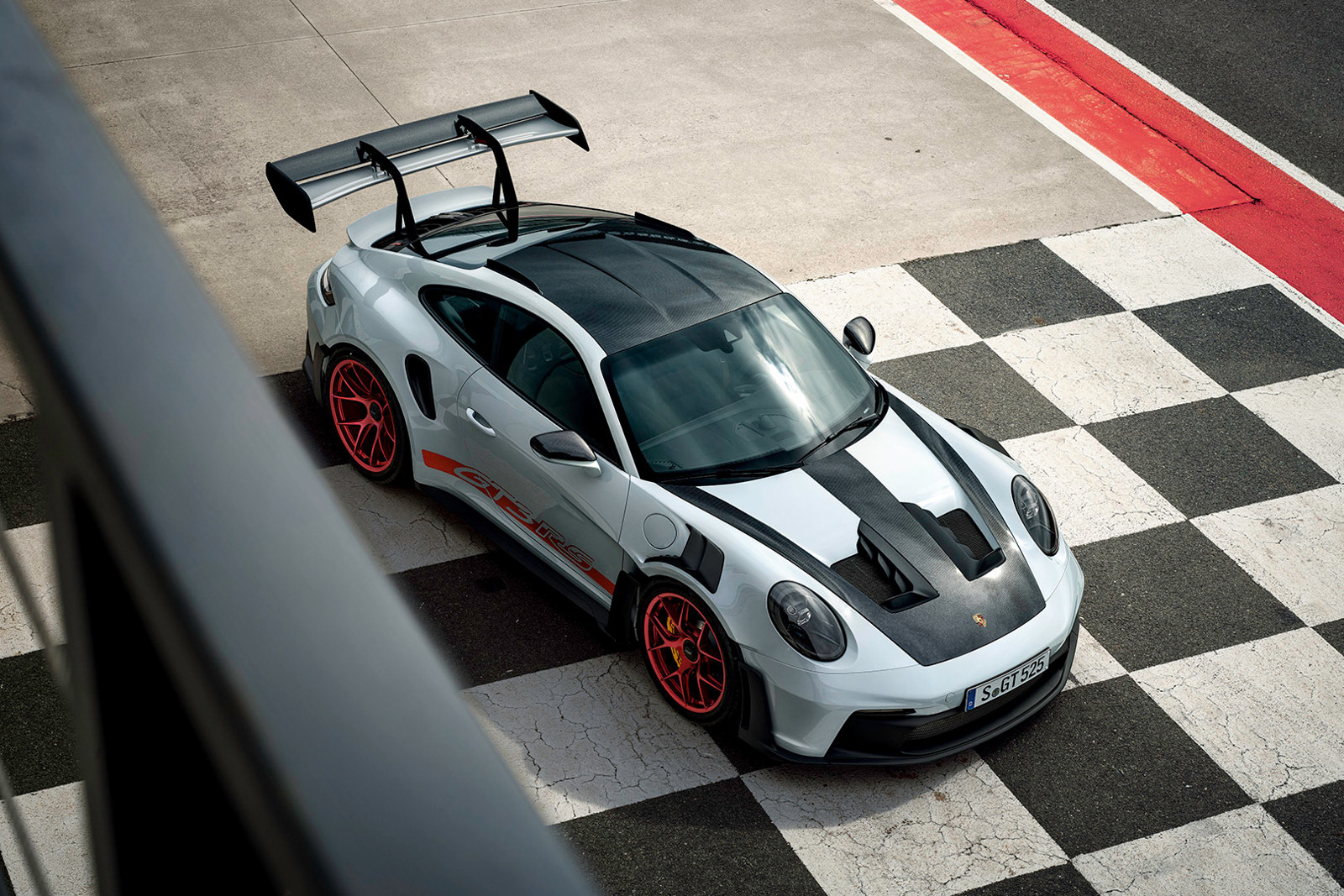
In 2023, Malaysia's supercar market continues to focus on the competition between performance and track genes. As the closest production model to a racing car in the Porsche 911 family, the arrival of the all-new 911 GT3 RS 4.0L is undoubtedly the highlight for performance enthusiasts. Positioned as a "track-level production supercar," this car not only continues the purity of a naturally aspirated engine but also incorporates track technology in aerodynamics and chassis tuning. This test drive will focus on its static design, dynamic performance, and daily practicality to let readers clearly understand whether this million-level supercar is truly a "dual-purpose car for street and track."
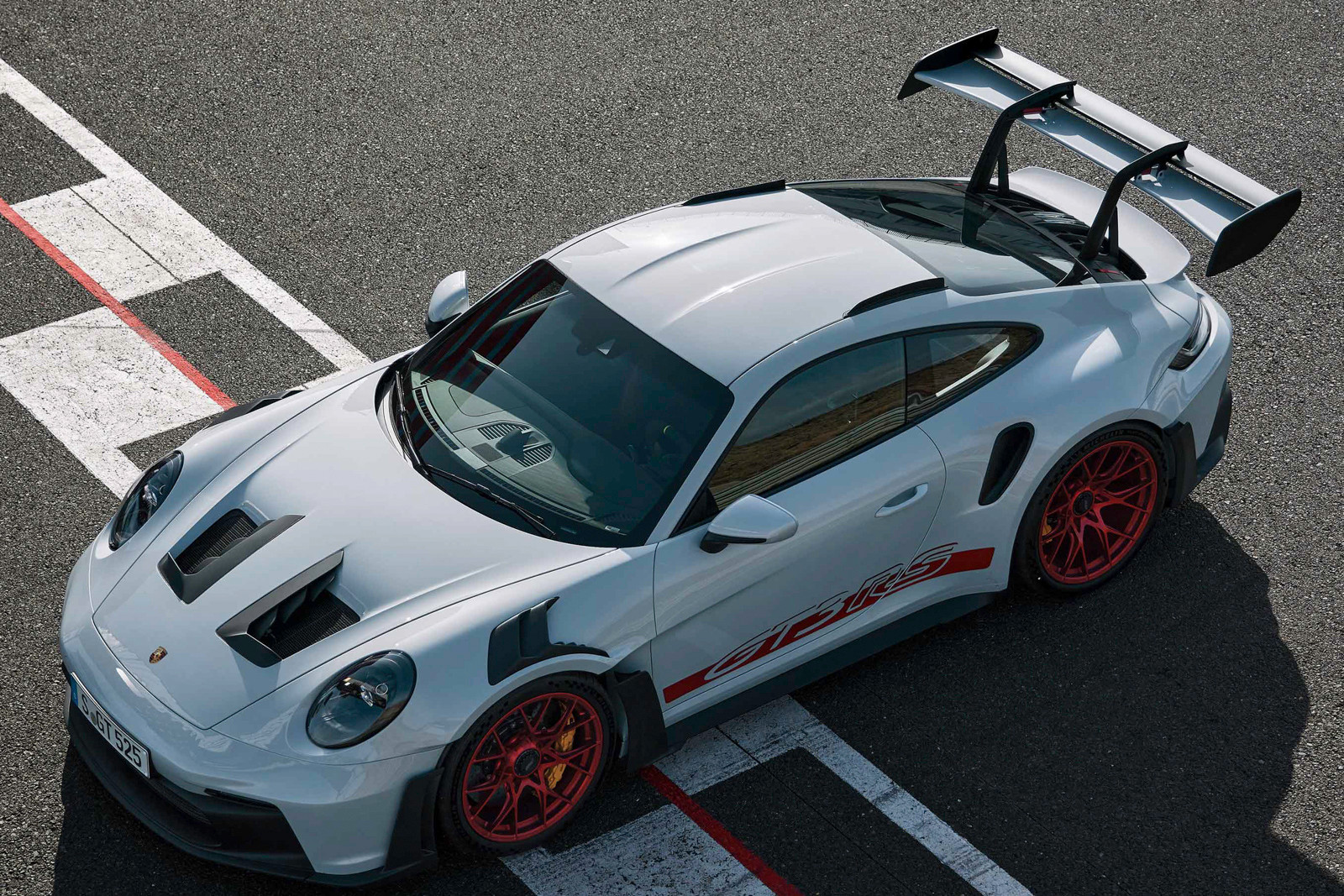
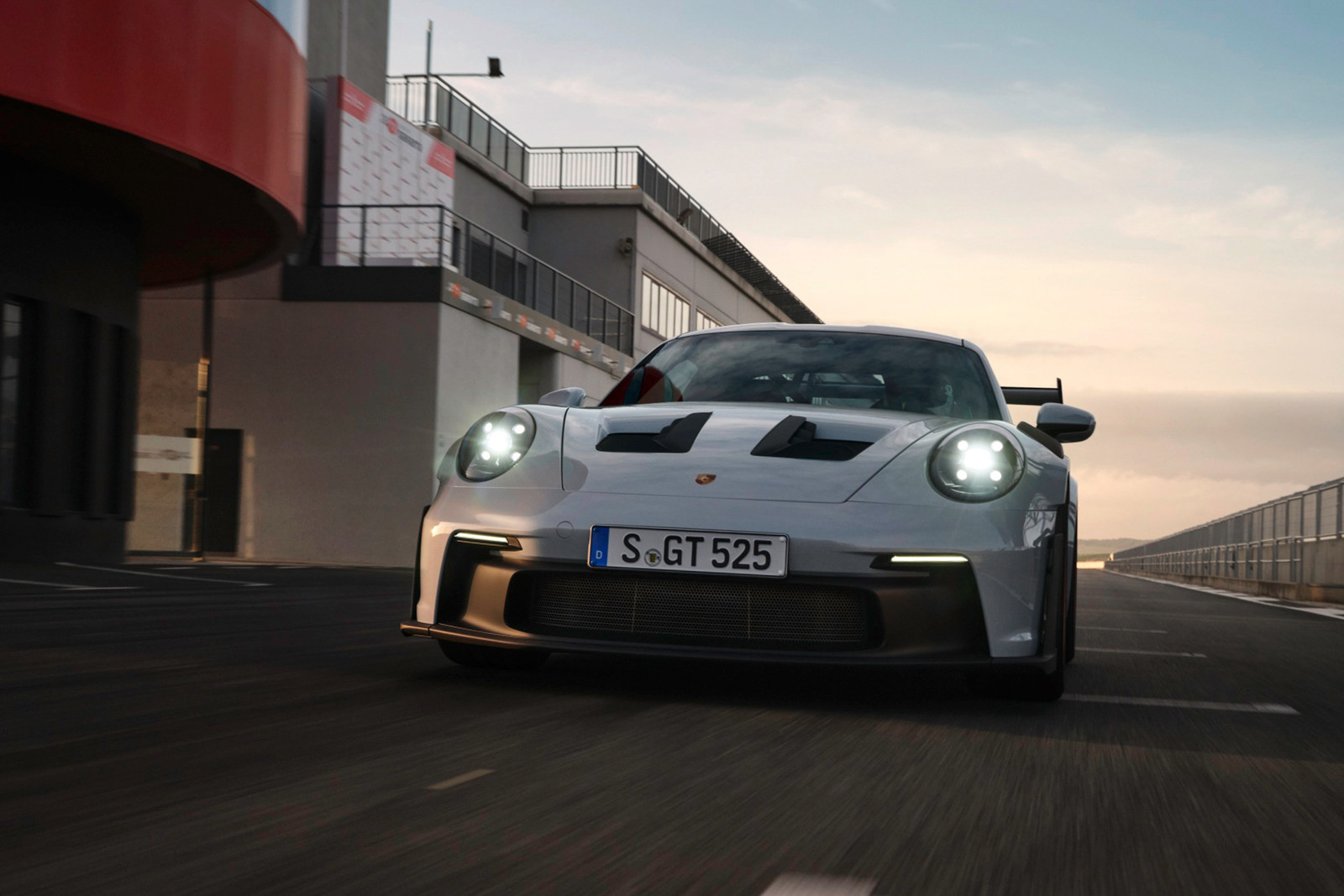
At first glance, the 911 GT3 RS clearly stands out from the standard 911. With body dimensions of 4572mm x 1900mm x 1322mm and a wheelbase of 2457mm, it has an overall lower stance. The most recognizable feature of the front is the large front splitter, paired with an adjustable front diffuser, which directly borrows the aerodynamic design of the GT3 R race car. The "swan neck" rear wing supports on the car's sides use lightweight materials, and the vents on the rear fenders are designed to optimize engine cooling. The dual-layer rear spoiler at the back can automatically adjust its angle according to speed, providing up to 860kg of downforce at high speeds — a figure that approaches the level of professional racing cars. The lighting system is fully equipped with LEDs, with automatic headlights and daytime running lights ensuring convenience for daily use, while front fog lights offer better visibility during rainy track conditions.
Stepping into the interior, the track-oriented cockpit design instantly replaces the luxurious feeling of standard supercars. The dashboard is primarily covered in Alcantara material, complemented by carbon fiber trims. The multifunctional steering wheel features racing mode buttons, while the HUD head-up display can be customized to show track speed, gear position, and more. The 12.3-inch fully digital instrument panel is specifically optimized for track mode display logic. In terms of core configurations, safety features such as front and rear radar, a reversing camera, and lane change assist are all included. However, the seating is limited to two carbon fiber bucket seats with strong side bolstering, only supporting manual adjustments. This emphasizes lightweight design but sacrifices some daily comfort. As for storage, the front trunk capacity is the same as that of the standard 911 and can fit a 20-inch carry-on suitcase. The rear seats have been completely eliminated, maintaining a two-seat layout.
The powertrain is the soul of the 911 GT3 RS: a 4.0L naturally aspirated flat-six engine delivering a maximum output of 525PS at 8500rpm and a peak torque of 465Nm at 6300rpm, paired with a 7-speed PDK transmission. When switched to "Sport+" mode at launch, the throttle response is exceptionally sharp, enabling a 0-100km/h acceleration in just 3.2 seconds. The redline of 8500rpm generates a pure and high-pitched engine sound without the abruptness of turbo lag. During track testing, the shift speed of the transmission is 20% faster than that of the standard PDK, and each downshift can be precisely controlled using the paddle shifters on the steering wheel. Combined with the active chassis tuning, body roll during cornering is minimized. In daily driving, switching to "Normal" mode results in relatively smoother power delivery, avoiding overly aggressive responses.
Handling performance is fully track-oriented. The steering ratio has been optimized for extremely high precision, and you can clearly feel the trajectory of the front wheels when turning the steering wheel; the suspension system adopts the Porsche Active Suspension Management system (PASM), with three-stage adjustable damping hardness. There is noticeable bumpiness when crossing speed bumps, but during consecutive track corners, the suspension's support keeps the car body extremely stable. The braking system comprises front six-piston and rear four-piston ceramic ventilated discs, providing extremely short braking distances with almost no thermal decay after repeated braking. In terms of fuel consumption, the official combined consumption is 13.4L/100km, which is slightly higher for daily urban driving, but still reasonable for this type of vehicle.
As for driving comfort, the carbon fiber seats provide strong support but can cause fatigue during long periods of seating; regarding noise control, the engine's roar in track mode is channeled into the cabin through a special acoustic duct, while in Normal mode, tire and wind noise are kept within the normal range for supercars. Regarding safety features, the car is equipped with six airbags (front side airbags, front and rear head curtains, and knee airbags) as standard, along with blind-spot assist, lane departure warning, and active braking systems, ensuring safety during daily driving.
In summary, the core advantage of the 911 GT3 RS 4.0L lies in its “track technology mass production”: the pure roar of the naturally aspirated engine, race-level aerodynamic design, and handling performance close to that of a race car, all of which are hard to replace by competitors such as the Ferrari 488 Pista or Lamborghini Huracán Performante. Its shortcomings are also evident: insufficient daily comfort and limited storage space, making it more suitable as a "second car." The target audience for this car is very clear—wealthy track enthusiasts or supercar collectors pursuing a pure driving experience. They need it to set lap times on the track and can also tolerate its minor inconveniences during daily commutes.
In conclusion: The 2023 Porsche 911 GT3 RS 4.0L is a supercar "born for the track but legal on the road." It does not compromise performance for daily comfort but instead maximizes racing technology for mass-market users. If you're looking for a pure performance car that can handle weekend track days while also occasionally serving as a commuter—and you can accept its RM 2,630,000 price tag and "less-than-friendly" daily usability—then this car is worth considering.
Porsche 911 Car Compare
Porsche 911 Loan Calculator
More Porsche Reviews
Cars With Similar Price And Features
8
Rank in Coupe
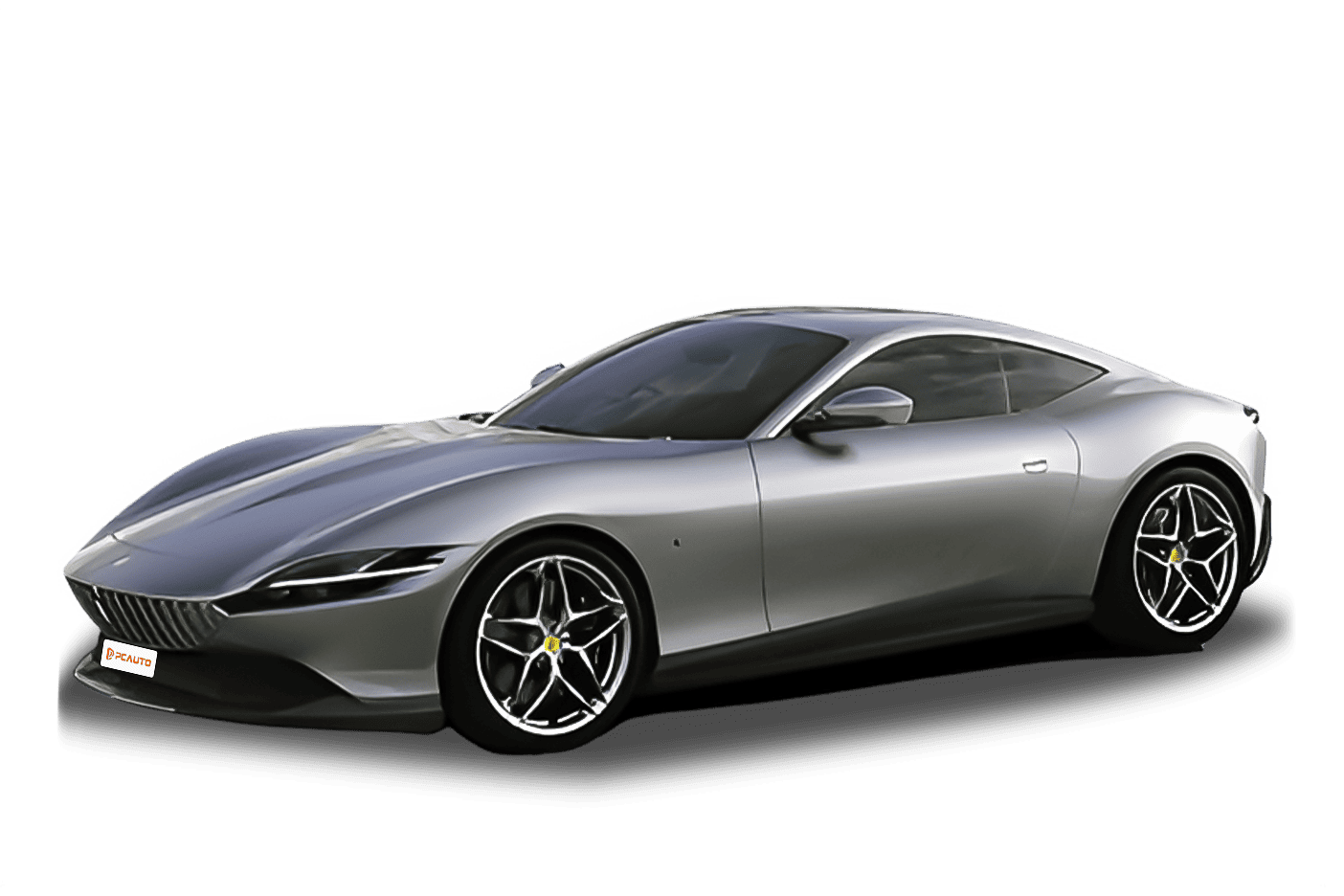
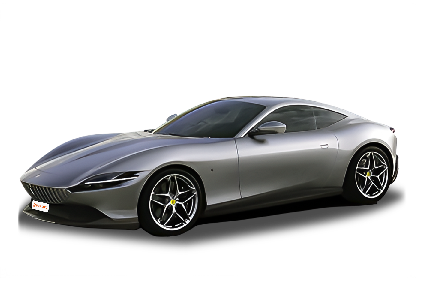
2023 Ferrari Roma Spider is a hardtop convertible GT supercar that combines elegant style with powerful performance, 13.5-second fast-opening soft top + 620PS power, practical for daily use and full of driving pleasure.

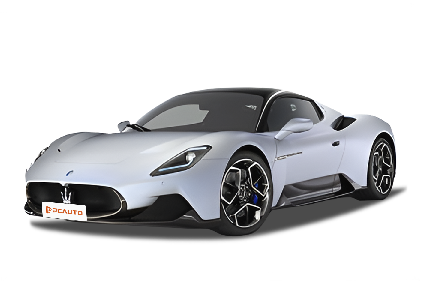
2023 Maserati MC20 Cielo is a two-seater supercar that combines track-level performance with convertible romance, equipped with a 630PS 3.0T V6 engine, a glass hardtop that opens and closes in 12 seconds, and accelerates to 100 km/h in 2.9 seconds.
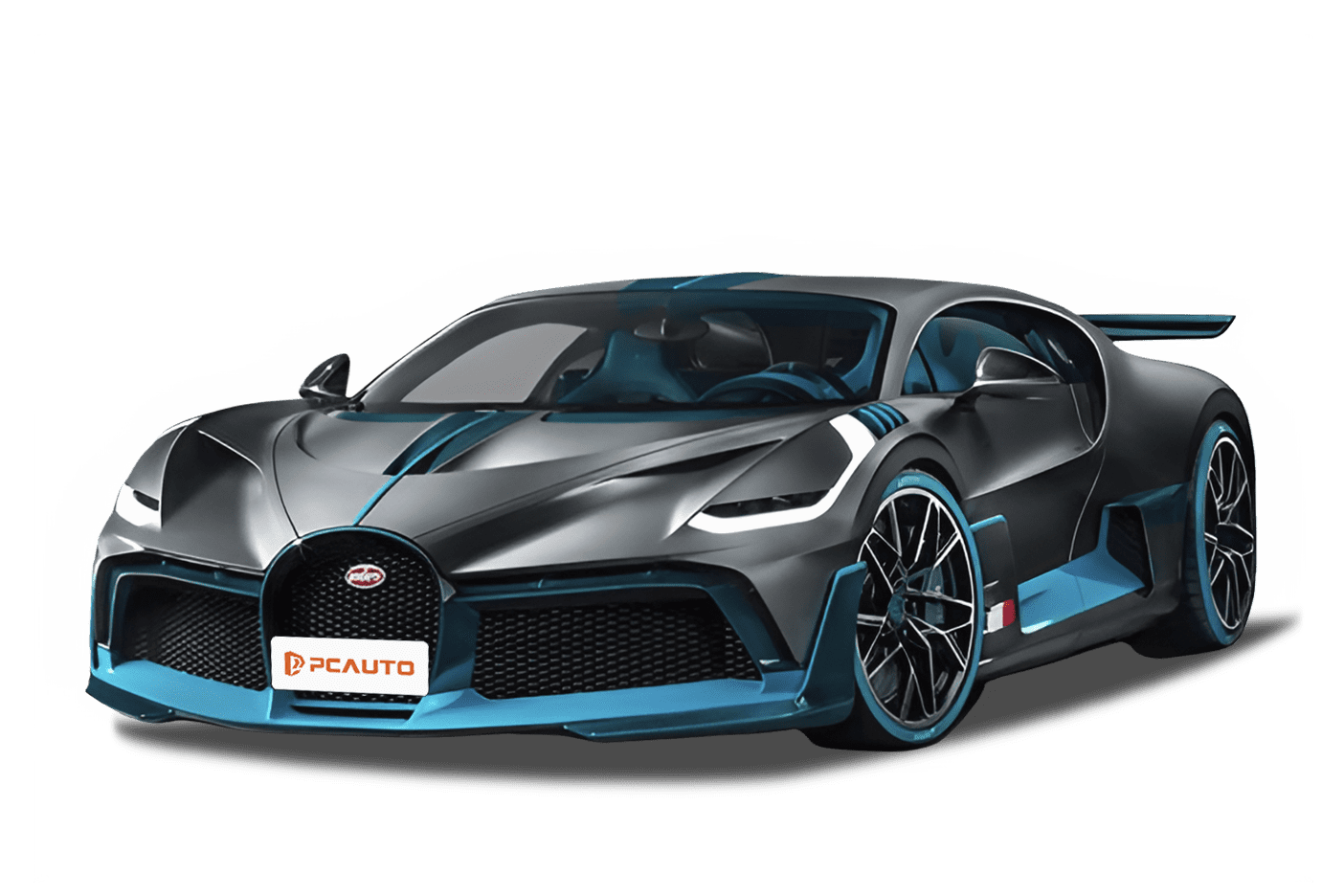
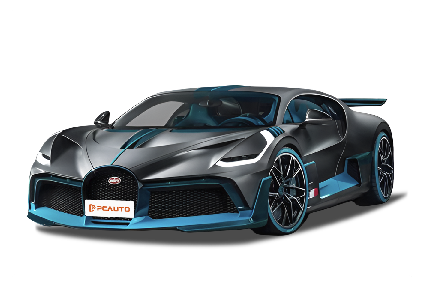
2023 Bugatti Divo, as a limited-edition hypercar and an advanced version of the Chiron, features track-focused aerodynamic design, 1520PS of brutal power, and precise handling, embodying the ultimate performance of being "born for the curves."
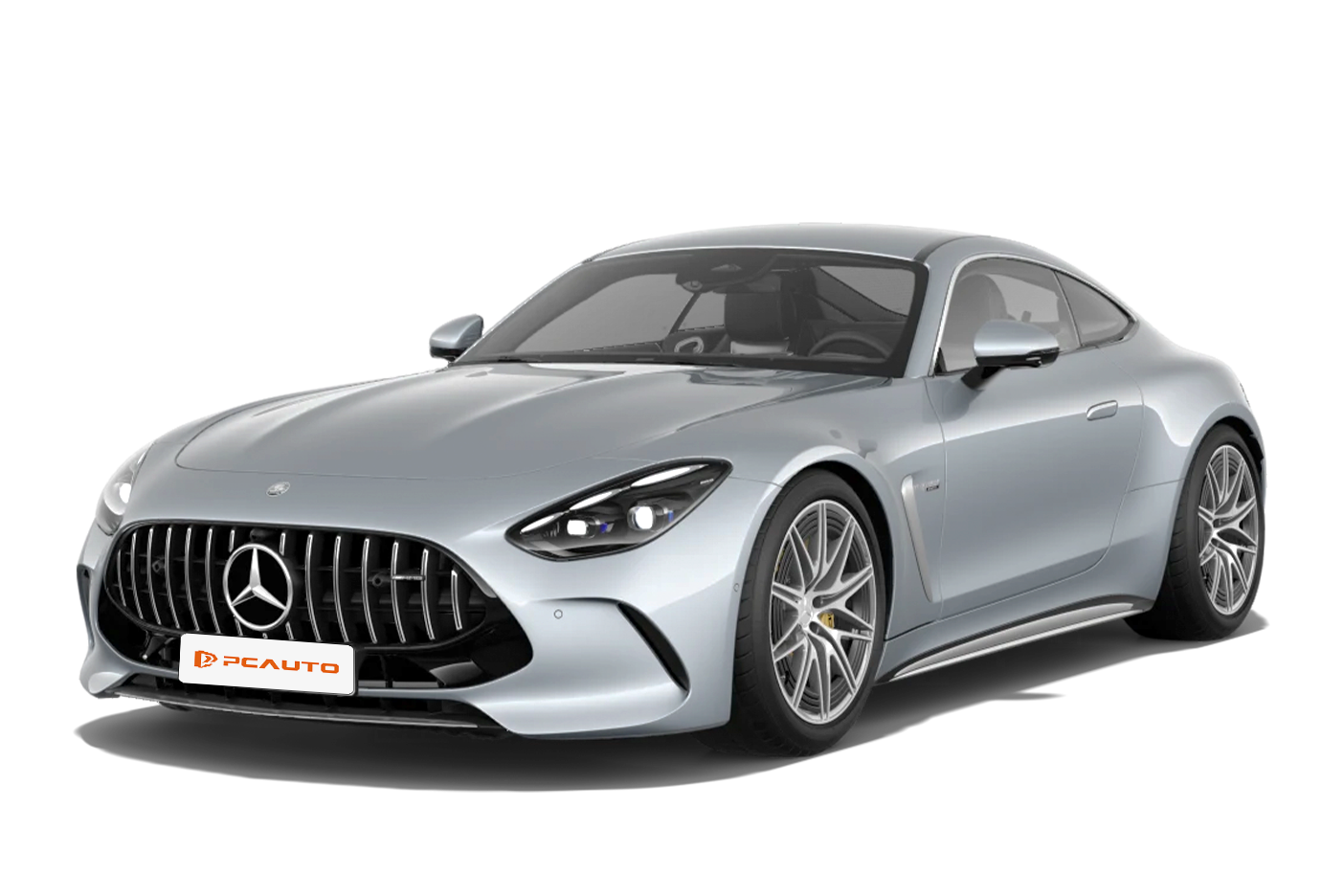
2025 Mercedes-Benz AMG GT 63 4Matic+ Coupe is a luxurious two-door sports car that combines 585PS 4.0T V8 performance (0-100 km/h in 3.2 seconds) with 351L of practical storage, balancing track excitement and daily commuting.