

2023 Toyota Harrier 2.0 Luxury Review

 Share
Share

 Segment
 Body Type
 Capacity(L)
 Engine Power(PS)
 Engine Torque(Nm)
 Transmission
In Malaysia's D-Segment SUV market, consumer demand for design sophistication, space practicality, and overall configuration continues to rise. The Toyota Harrier, with its consistently elegant positioning and balanced performance, has secured its place in the market. The 2023 Harrier 2.0 Luxury, as the top-tier model of the lineup, highlights upgraded safety features and a comfortable driving experience as its core selling points. Through a real-world test drive, we aim to verify whether it can strike a precise balance between "family use" and "luxury."
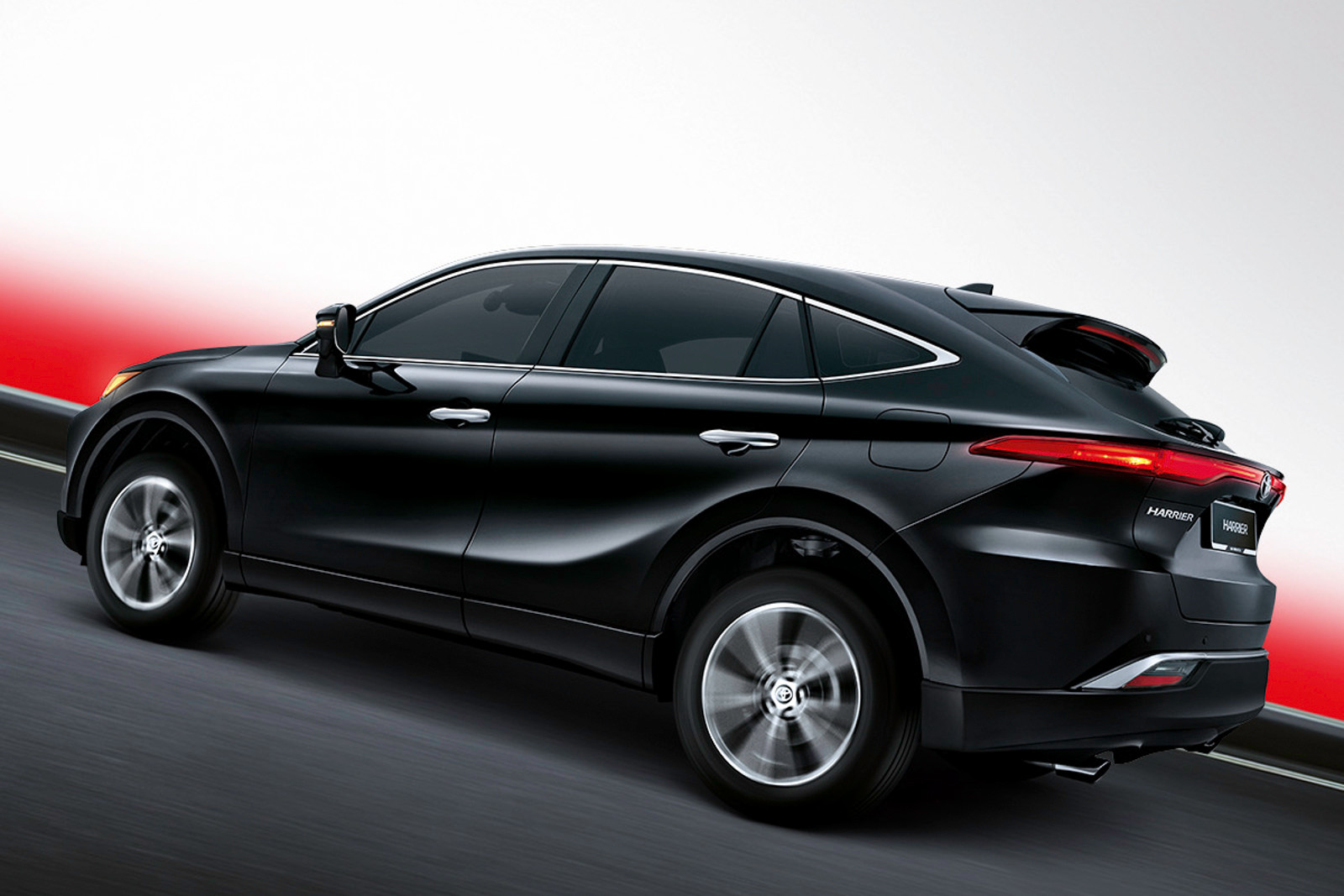
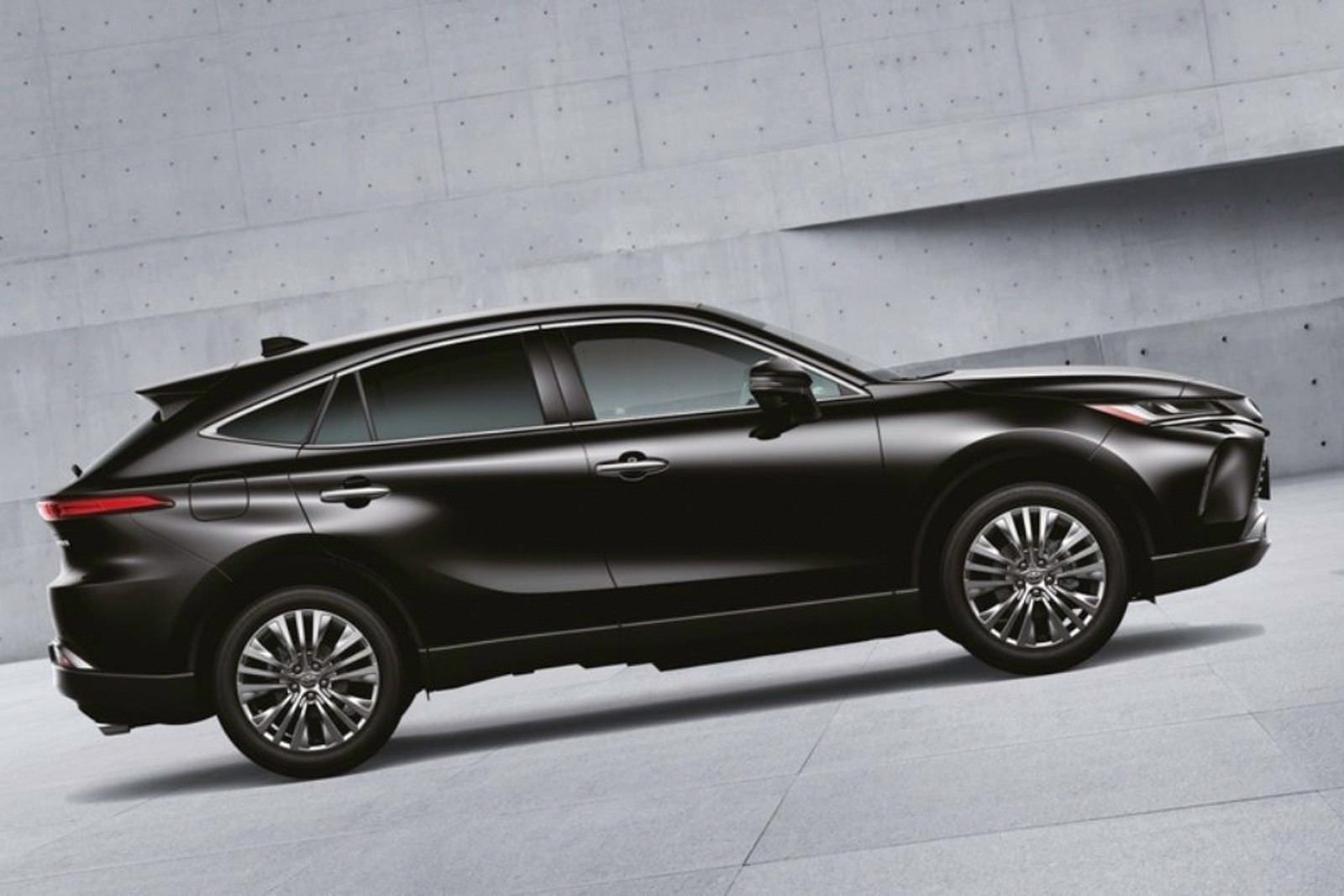
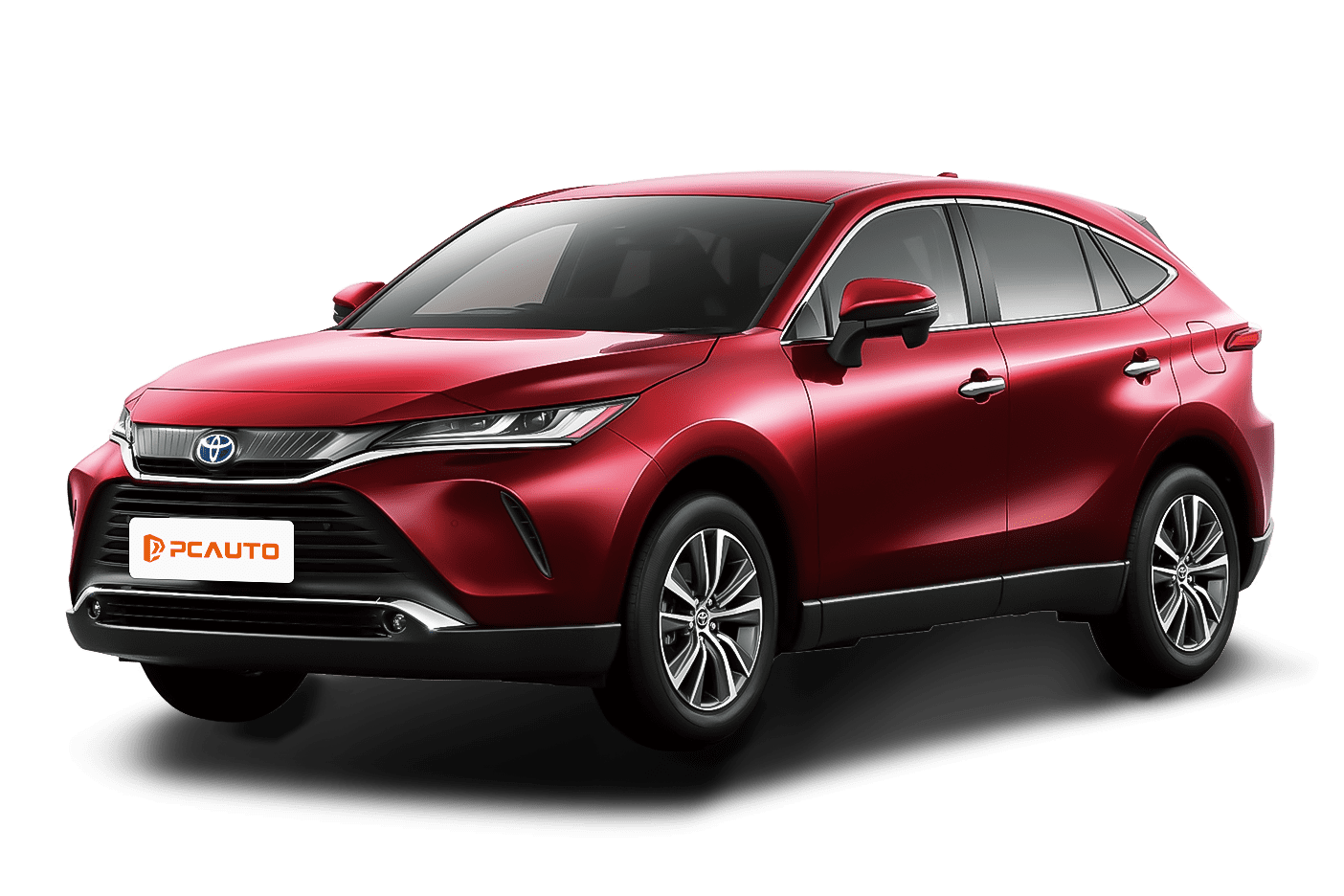
From afar, the silhouette of the 2023 Harrier maintains its signature coupe-style SUV fastback line. The overall style leans towards being steady and elegant, aligning with its D-Segment positioning. The front adopts a large trapezoidal grille, complemented by horizontal chrome trim, while the seamlessly connected LED headlights on both sides visually widen the appearance. The black plastic underbody cladding on the front bumper, along with chrome accents around the fog lamp area, adds a touch of sportiness. The side profile of the vehicle features simple yet stylish 18-inch multi-spoke aluminum alloy wheels paired with 225/60 R18 tires, achieving a well-proportioned look. The waistline runs from the front fenders to the rear, blending with the fastback roofline to downplay the SUV's bulkiness. At the rear, the LED taillights feature a through-style design, providing high recognition at night. The rear bumper is equipped with a silver protective plate, echoing the design of the front, presenting a simple yet refined overall style.
Once inside the car, the quality of the interior materials is immediately evident. The upper portion of the dashboard is covered with soft-touch materials, and the inside of the door panels is upholstered with leather, while most touchpoints are made of soft materials. The center console is driver-oriented, with an 8-inch touchscreen located at the top offering clear operation logic and supporting Apple CarPlay and Android Auto. Physical buttons are retained below for controlling air conditioning and volume, allowing for easier blind operation. In terms of features, the 12-way electrically adjustable driver’s seat includes lumbar support, and the 4-way electrically adjustable passenger seat can also meet the needs of different occupants. A Head-Up Display (HUD) projects vehicle speed, navigation, and other information to reduce the driver’s need to look down. The 7-inch color TFT instrument cluster displays information clearly and supports switching between different themes. Furthermore, dual-zone automatic air conditioning, rear independent air vents, keyless entry/start, and other features are all standard, ensuring convenience for daily use.
Regarding space, the vehicle's dimensions are 4740mm×1855mm×1660mm, with a wheelbase of 2690mm, placing it within the mainstream for D-Segment SUVs. The front row offers generous seating space, with a 175cm-tall passenger having one fist and two fingers worth of headroom after adjusting their seating position. The legroom in the rear row measures two fists, though the headroom is slightly compromised due to the fastback design, leaving one fist of space, which does not feel oppressive. In terms of storage, the central armrest box has a relatively deep internal space, the door panel storage slots can hold two water bottles, and the front cup holders come with restraining mechanisms. The trunk provides moderate storage capacity under normal conditions; folding down the rear seats (60:40 split) expands the space for family trips or transporting large items. Additionally, the rear row is equipped with USB charging ports and air vents, enhancing passenger comfort in the back seats.
In terms of power, the 2.0L naturally aspirated engine has a maximum power output of 173PS and a maximum torque of 203N·m, paired with a CVT transmission. The power output is smooth during start-up, without any noticeable jerkiness, making it suitable for urban commuting. During acceleration, the CVT transmission performs smoothly; when pressing the accelerator hard, it can simulate gear shifts, and the maximum torque can be unleashed when the engine speed rises to 4900rpm. When overtaking, it is necessary to plan a bit ahead. There are three driving modes available: ECO, Normal, and Sport. In ECO mode, the power output is softer, suitable for daily commuting, while in Sport mode, the throttle response is more sensitive, the engine speed is maintained at a higher range, and the power reserves are more abundant. In actual driving, the advantages of this powertrain lie in its smoothness and reliability, while the drawback is that it is slightly lacking in power for high-speed overtaking, requiring advance anticipation.
In terms of handling and chassis, the combination of front MacPherson struts and rear double wishbone independent suspension strikes a balance between comfort and handling. During daily urban driving, the suspension filters out most minor vibrations, and the impact when crossing speed bumps is relatively gentle. At high speeds, the chassis feels stable, without a noticeably floaty sensation. The steering wheel has moderate weight, minimal play, and offers precise control. When cornering, the body roll is kept within a reasonable range, without any significant wobbling. The braking system adopts ventilated disc brakes for both front and rear, with linear brake response and sufficient braking force. During emergency braking, the body remains stable.
In terms of fuel consumption, the official combined fuel consumption is 6.5L/100km. In actual tests, urban road fuel consumption is about 7.8L/100km, while highway fuel consumption is about 6.2L/100km, resulting in a combined average of around 7.0L/100km. This performance aligns with the level of a 2.0L naturally aspirated engine. As for noise control, the cabin remains relatively quiet at low speeds, while wind and tire noise become slightly more noticeable at speeds above 100km/h but remain within an acceptable range. Engine noise can be heard inside the cabin at high revs, but it is not harsh.
In terms of safety features, the Toyota Safety Sense system comes as standard, including features like ACC adaptive cruise control, lane departure warning, automatic braking, and forward collision warning. During actual use, the ACC adaptive cruise control performs well on highways with timely adjustments to maintain a safe following distance. The lane departure warning system issues an alert when changing lanes without using the turn signal and offers slight steering corrections. The automatic braking system intervenes promptly when obstacles are detected ahead, enhancing driving safety. Additionally, standard features like seven airbags, an electronic parking brake, and hill start assist provide comprehensive safety protection.
In summary, the 2023 Harrier 2.0 Luxury's core advantage lies in its balanced product capabilities—elegant exterior design, decent interior quality, abundant features, and reliable powertrain. Compared to class rivals such as the top-spec Honda CR-V 1.5T or the Mazda CX-5 2.5L version, the Harrier offers more comprehensive configurations (such as HUD and 12-way power seats), and its warranty policy (5 years/unlimited mileage) is also more competitive, making it highly cost-effective. However, the 2.0L naturally aspirated engine's performance is average, making it suitable for users who value smoothness and reliability. Consumers with higher demands for power may need to consider other models.
This car is primarily suitable for consumers who value family practicality and comfort, such as families with children or middle-aged consumers – they need spacious interiors, comprehensive safety features, and reliable quality, while also having certain expectations for design and refinement. Additionally, users who seek a smooth driving experience and low operating costs may also be interested in this vehicle.
Overall, the 2023 Toyota Harrier 2.0 Luxury is a well-balanced D-Segment SUV with no significant weaknesses. It performs well in terms of design, features, space, and reliability, making it suitable as a daily family vehicle or for long-distance trips. If you are looking for a mid-size SUV that combines practicality and sophistication, the Harrier 2.0 Luxury is worth considering.
Toyota Harrier Car Compare
Toyota Harrier Loan Calculator
More Toyota Reviews
Cars With Similar Price And Features
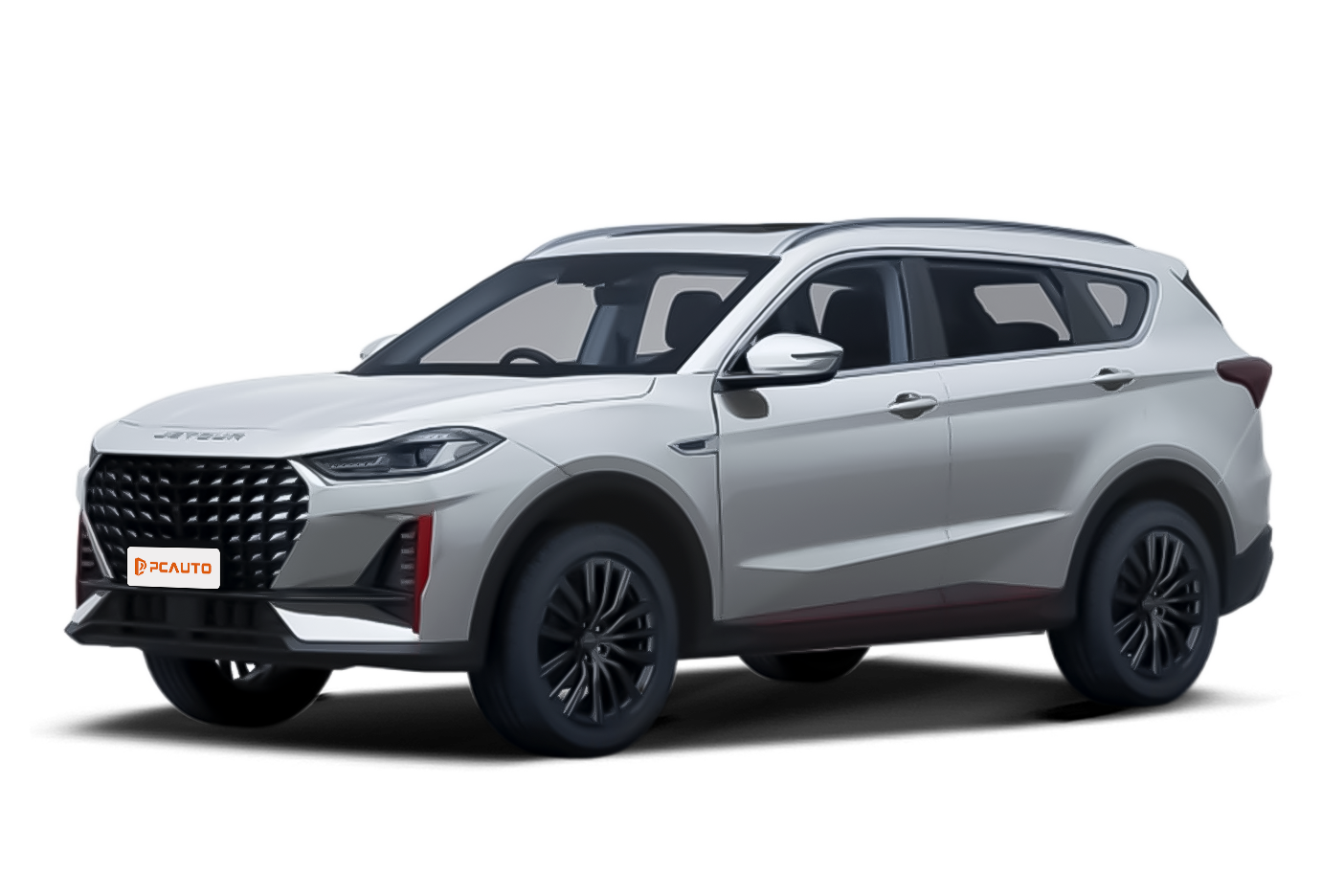
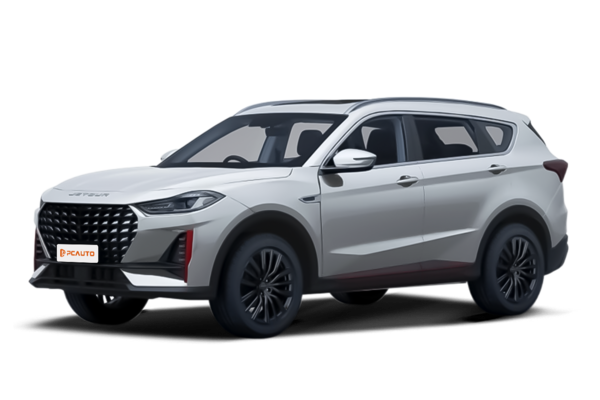
2025 Jetour VT 9 Comfort is a highly cost-effective 7-seater family SUV, featuring practical space, rich configurations, and balanced power, precisely meeting the needs of family short-distance travel.

11
Rank in SUV
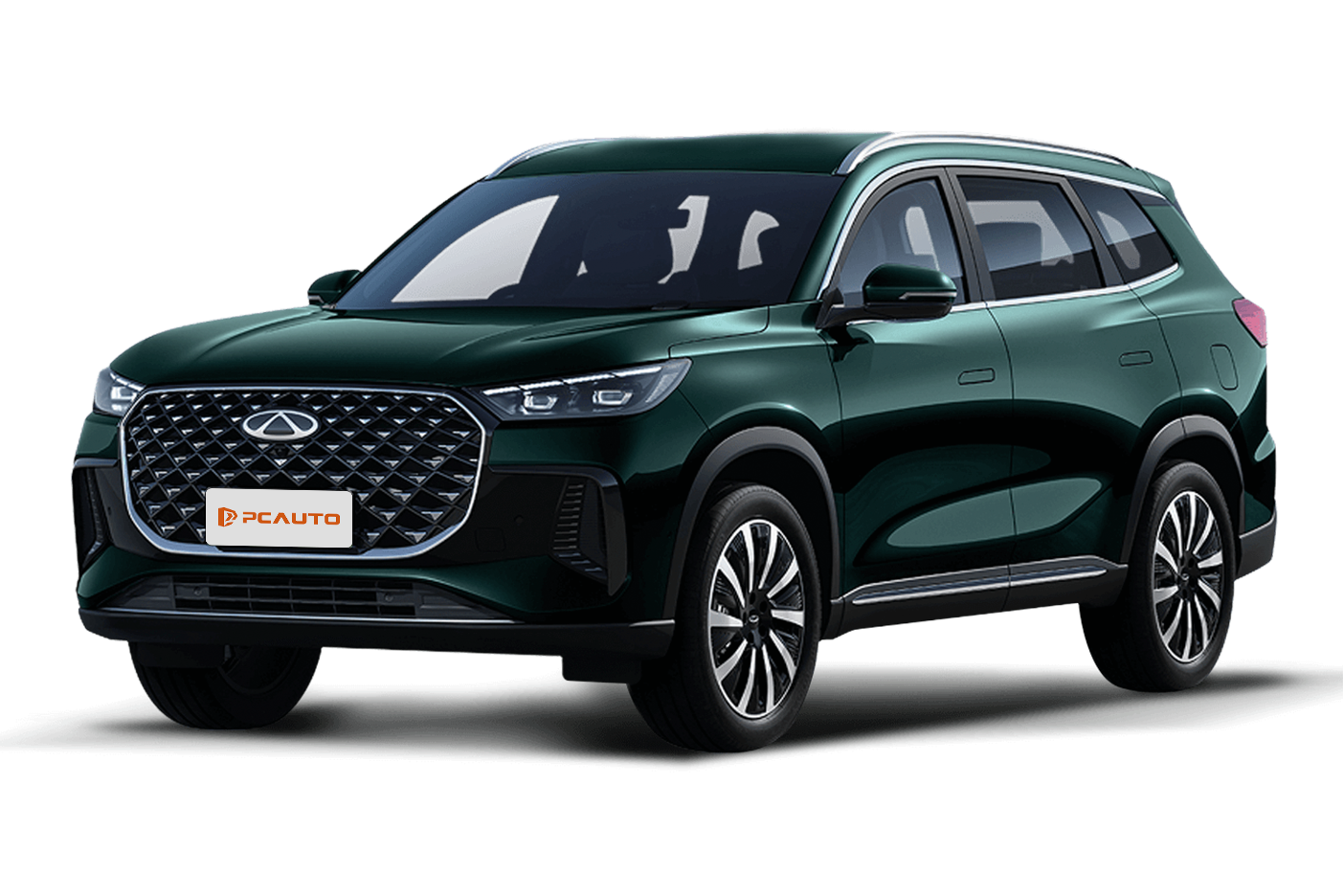
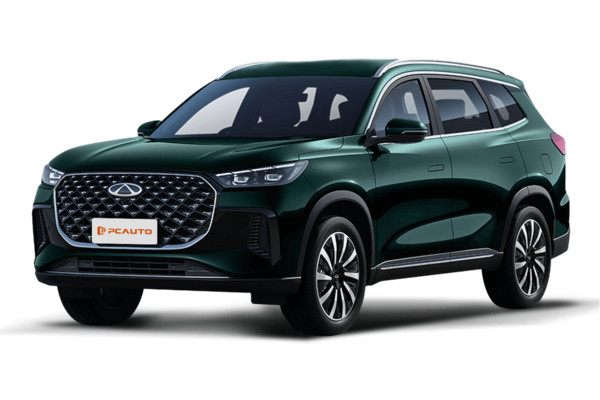
2026 Chery Tiggo 8 is a D-Segment SUV aimed at family users, offering superior configurations, practical space, and smooth power at a high cost-performance ratio, meeting both commuting and light off-road needs.
16
Rank in SUV

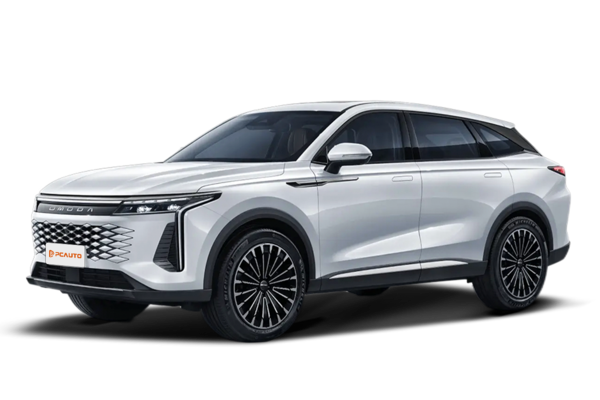
2024 Chery OMODA C9 2WD with 2.0T+8AT powertrain, L2 level assistance, and dual 12.3-inch screens, breaking the stalemate in the D-Segment market and becoming a high-value disruptor.
29
Rank in SUV
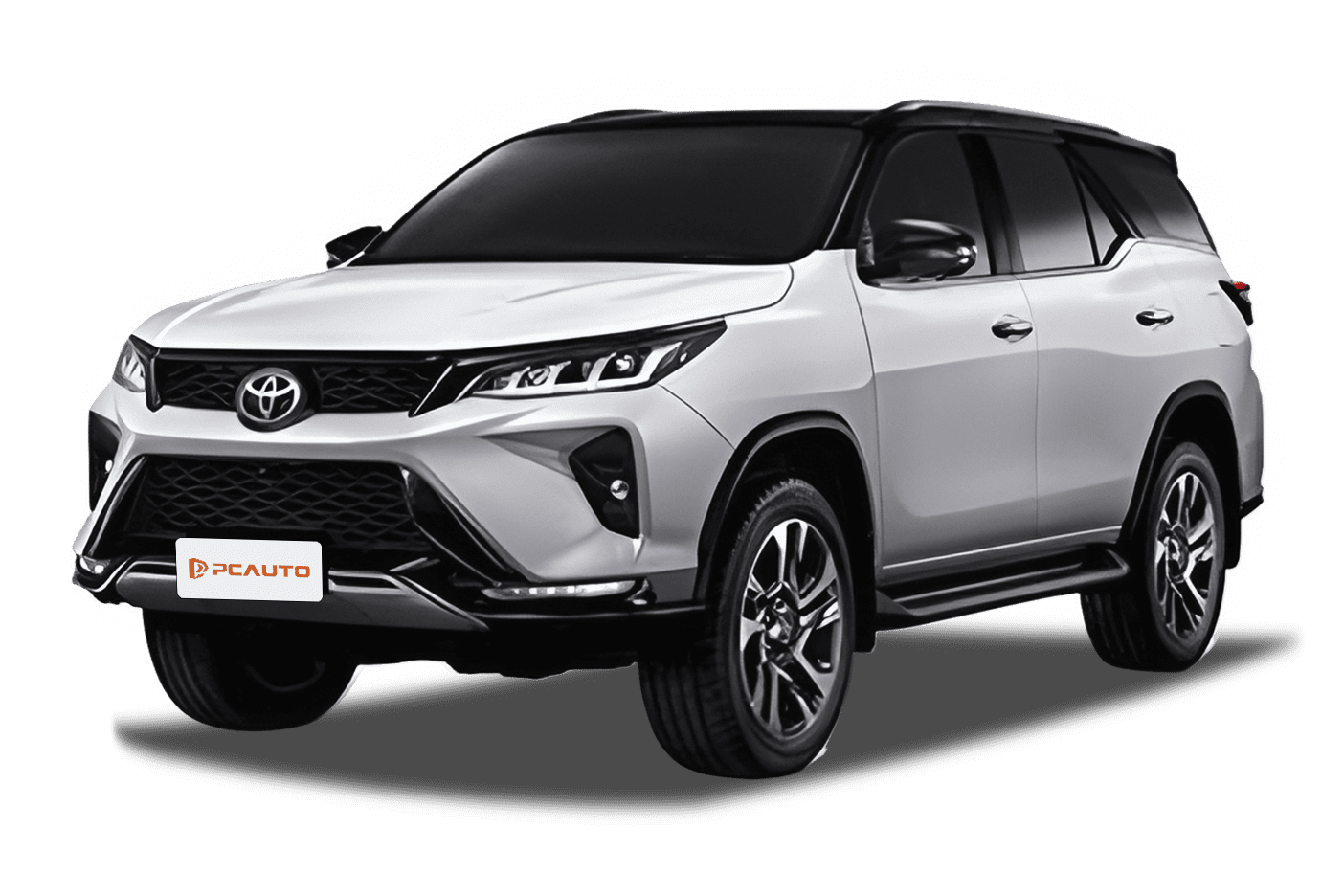
2021 Toyota Fortuner 2.7 SRZ AT 4x4 is a 7-seat SUV that balances family comfort and mild off-road capabilities, with smooth gasoline power and a practical 4x4 system, offering low maintenance requirements suitable for various family scenarios.