

2023 Toyota Harrier 2.0 Luxury SE Review

 Share
Share

 Segment
 Body Type
 Capacity(L)
 Engine Power(PS)
 Engine Torque(Nm)
 Transmission
Entering 2023, the competition in Malaysia's D-segment SUV market continues to intensify, as family users have become more explicit in their demands for space, configuration, and reliability. Toyota Harrier, a regular contender in this segment, has introduced the 2.0 Luxury SE version this time, focusing on the core selling points of "balanced configuration + comfortable experience" — equipped with luxurious features such as 12-way power seats, HUD head-up display, and 360-degree parking camera, while maintaining Toyota's consistent reputation for reliability. The main purpose of our test this time is to verify whether these configurations truly enhance daily usage and assess the real-world performance of its 2.0L gasoline engine under Malaysian road conditions.
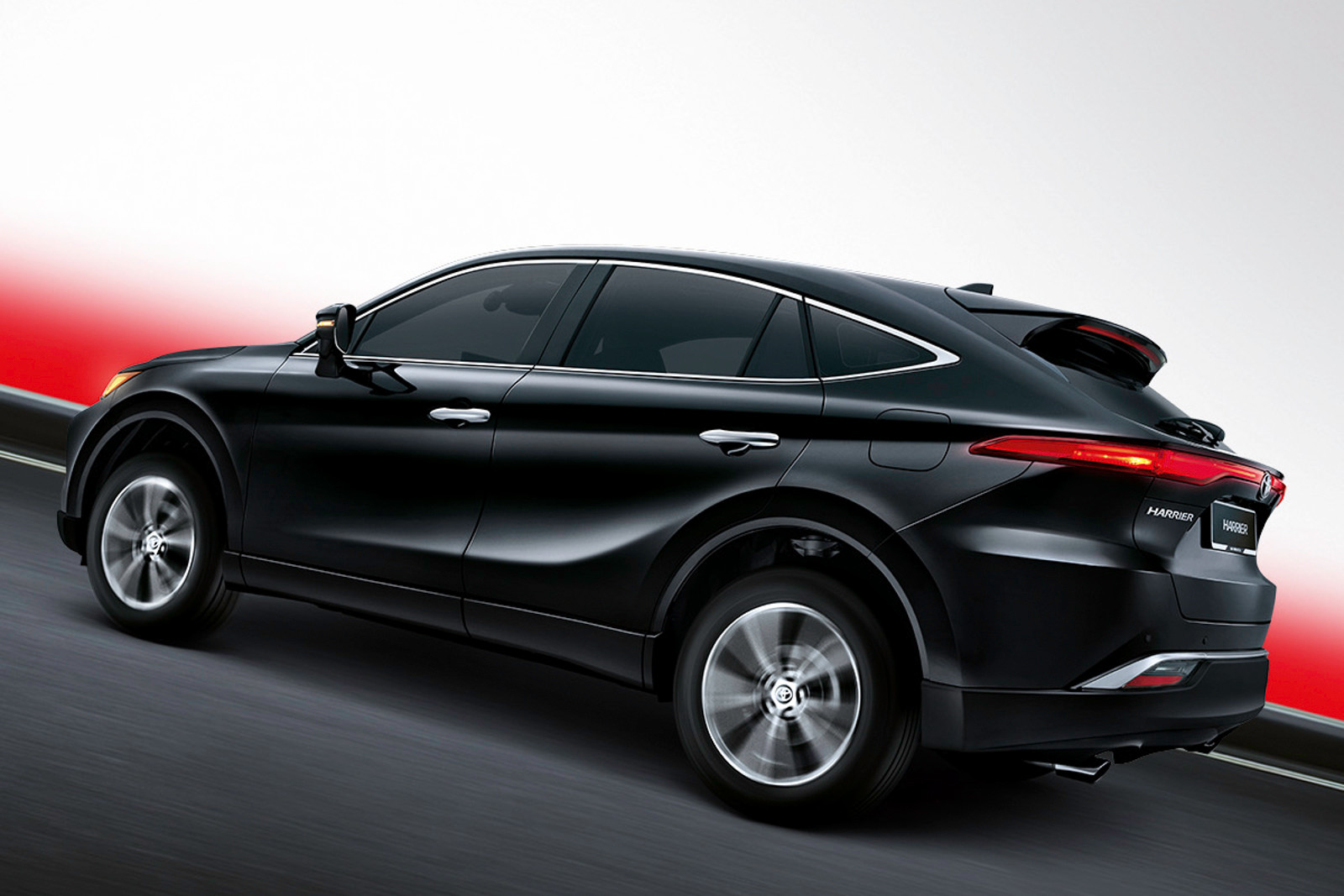
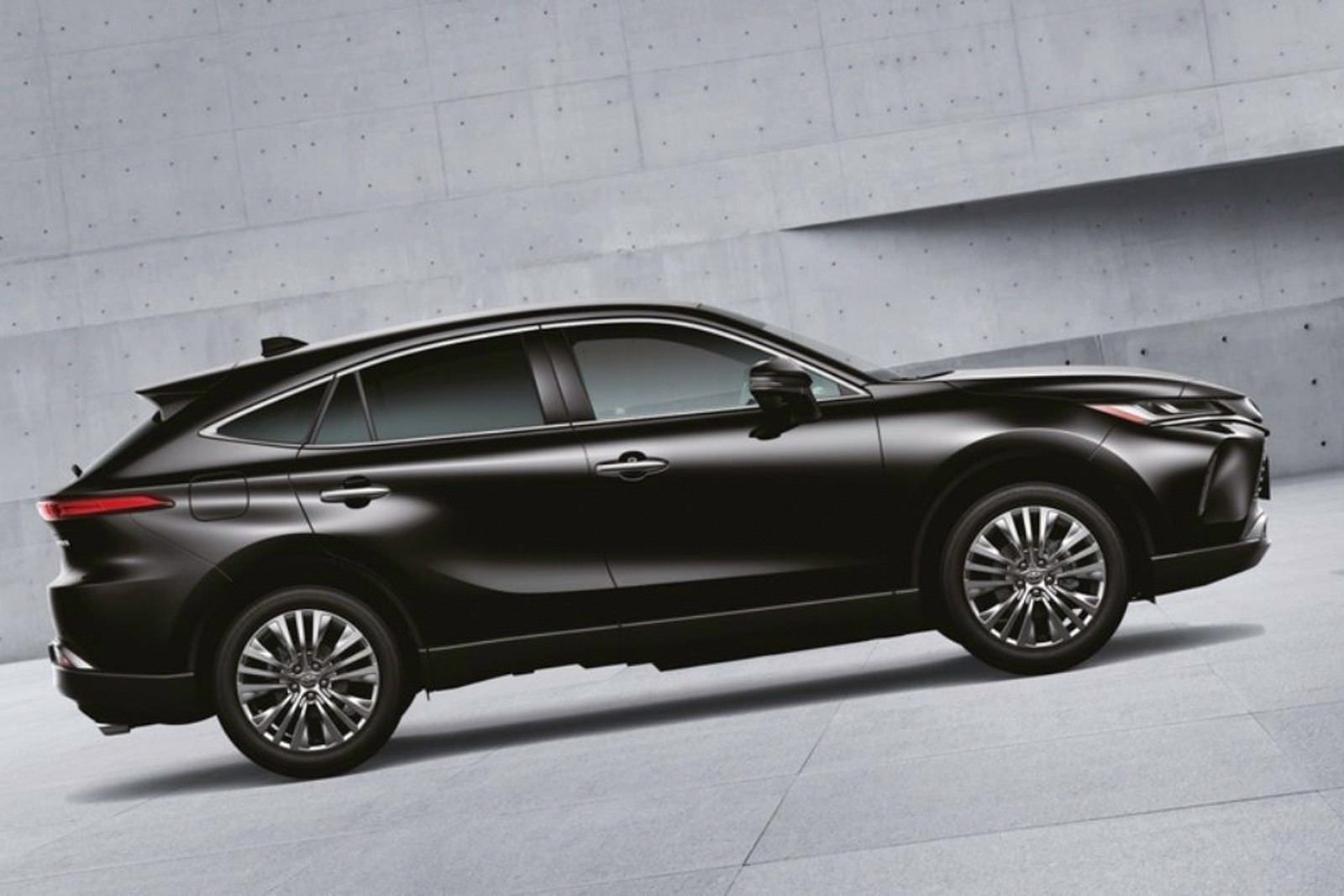
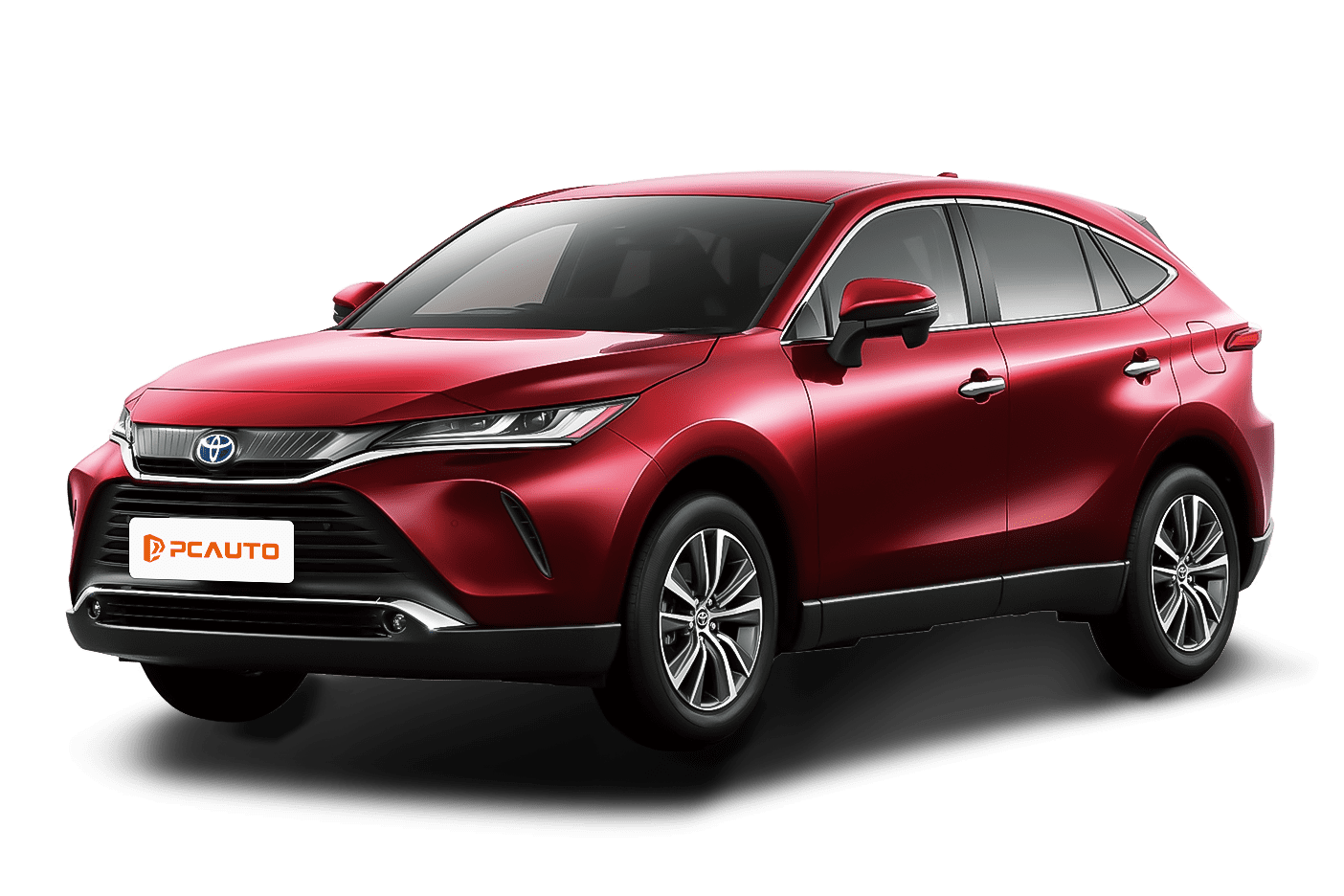
From a distance, the 2023 Harrier 2.0 Luxury SE exhibits an overall rounded and smooth style, without overly tough lines, aligning with its family-oriented positioning. The front features a large trapezoidal grille filled with a black mesh structure, paired with sharp LED headlight clusters on both sides, offering high visual recognition. The shoulder line on the side of the body stretches from the fender to the rear, combined with 18-inch alloy wheels, presenting a well-balanced proportion. At the rear, a through-type LED taillight is a design highlight with strong recognition when lit, and the chrome trim below adds a touch of sophistication. For the lighting system, all-LED light sources (including headlights, daytime running lights, and fog lamps) come as standard, and the automatic headlamp function can switch on and off automatically in tunnels or at dusk, making everyday use convenient.
Opening the car door, the interior primarily features a black color scheme, with the center console wrapped in soft materials that feel quite delicate to the touch. The central control layout is simple, with an 8-inch touchscreen in the center offering moderate operation smoothness and supporting Bluetooth connectivity and smartphone mirroring. The instrument cluster features a 7-inch color TFT screen that displays information like fuel consumption, speed, and driving assistance system status, with clear readings. Among its key configurations, the HUD head-up digital display projects information like vehicle speed and navigation onto the windshield, reducing distractions while driving; keyless entry and start functions come standard, making it convenient to get in and out of the car without taking out the key. For the seats, the driver's seat features a 12-way power adjustment option, while the passenger seat comes with 4-way power adjustment, offering good support for both the backrest and seat cushion, making long rides less tiring; the rear seats can be folded in a 60:40 split, with the trunk space extending from the standard 543L to 1606L when folded, making it easy to store strollers or large items. In terms of space, the wheelbase measures 2690mm, and when a 180cm tall passenger adjusts the front seat properly, there's a fist's worth of headroom left; with another 180cm passenger in the rear, there's two fists of legroom remaining and a fist of headroom, which is sufficient for daily family use. Regarding storage capability, the large central storage box in the front row has considerable capacity, the door panel storage compartments can hold two bottles of mineral water, and the rear row's central armrest comes with cup holders, offering practical convenience.
As for performance, this Harrier is equipped with a 2.0L naturally aspirated engine that delivers a maximum power of 173PS/6600rpm and a peak torque of 203N·m/4900rpm, paired with a CVT gearbox. During actual driving, the power response at the start is gradual, making it suitable for congested urban roads; during acceleration, the CVT gearbox performs smoothly without noticeable jerkiness. Upon pressing the gas pedal firmly, the engine speed rises above 4000rpm, and the power output becomes more apparent; when overtaking, it is necessary to leave ample distance in advance. There are three driving modes: Eco, Normal, and Sport. In Eco mode, the throttle response is gentler, making it suitable for daily commuting. In Sport mode, the gearbox maintains a higher RPM, and the power output becomes more aggressive, but fuel consumption slightly increases.
In terms of control and chassis performance, the steering wheel has moderate weight, minimal play, and precise directionality. The front MacPherson and rear multi-link independent suspension are tuned for comfort, effectively filtering most vibrations when passing over speed bumps or uneven roads. The bumpy sensation for rear passengers is minimal. When cornering, body roll is maintained within a reasonable range without causing excessive swaying, and stability is decent. Regarding fuel consumption, we tested it in urban congested conditions (about 30% idling time) and highway conditions (about 70% cruising time), with an average fuel consumption of about 7.2L/100km, slightly higher than the official figure of 6.5L/100km, but in line with the normal level of a naturally aspirated SUV.
As for the driving assistance system, the ACC adaptive cruise control performs stably on highways, automatically following vehicles and maintaining a safe distance. The lane departure warning and lane change assist functions provide real-time alerts about the vehicle's position, reducing the risk of accidents. The 360-degree parking camera delivers high clarity and, combined with front and rear parking sensors, is very practical for parking in tight spaces. In terms of noise control, the cabin remains relatively quiet at speeds below 60km/h; however, as the speed exceeds 100km/h, wind and tire noise gradually become more noticeable, though still within an acceptable range.
Overall, the core strength of the 2023 Toyota Harrier 2.0 Luxury SE lies in its balance: in terms of features, luxurious configurations like HUD, electric seats, and a 360-degree camera are all included, offering a richer package compared to similarly priced models like the Honda CR-V or Mazda CX-5. Its interior space can meet the needs of family users, and its reliability continues Toyota's well-known reputation. However, the performance is tuned for smoothness, so users seeking an aggressive driving experience may find it insufficiently dynamic.
The target audience for this car is very clear: family users who value features, space, and reliability, especially those who frequently commute with family members or go on short trips. It doesn't have any particularly significant shortcomings. Its overall performance meets the mainstream standard for family SUVs.
Final verdict: The 2023 Toyota Harrier 2.0 Luxury SE is a "can't-go-wrong" choice for a family SUV. Its balanced features and spacious interior, combined with Toyota's brand reliability, make it competitive in the D-segment market.
Toyota Harrier Car Compare
Toyota Harrier Loan Calculator
More Toyota Reviews
Cars With Similar Price And Features
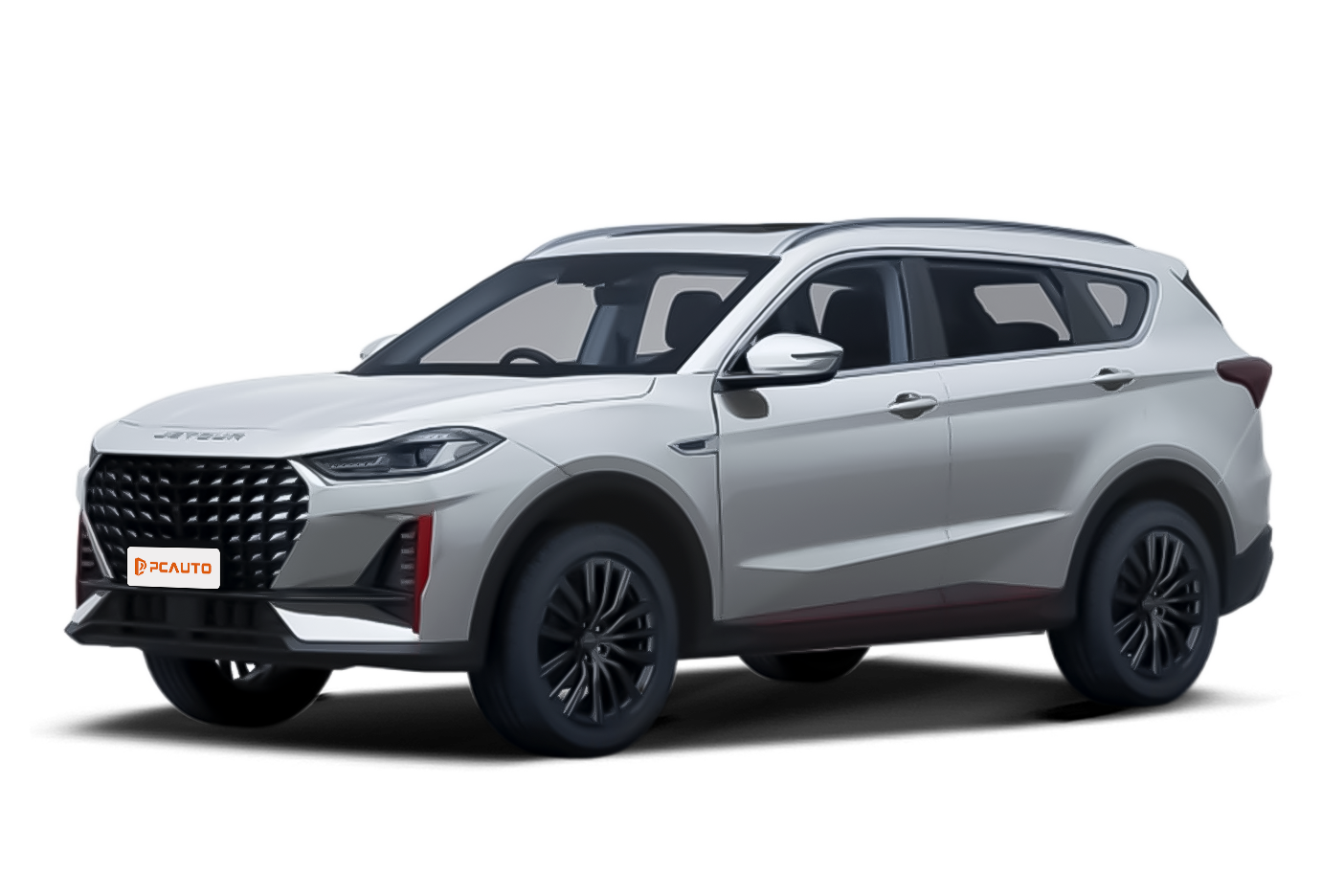
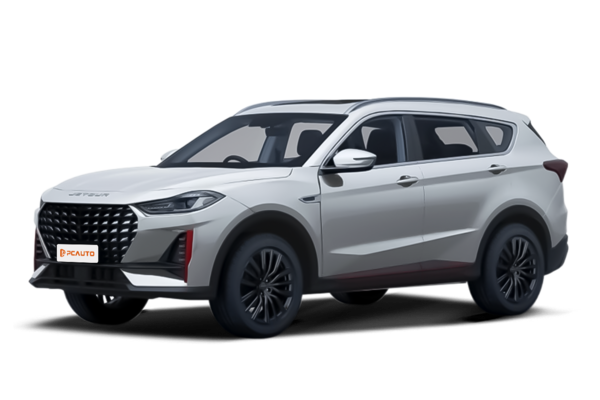
2025 Jetour VT 9 Comfort is a highly cost-effective 7-seater family SUV, featuring practical space, rich configurations, and balanced power, precisely meeting the needs of family short-distance travel.

11
Rank in SUV
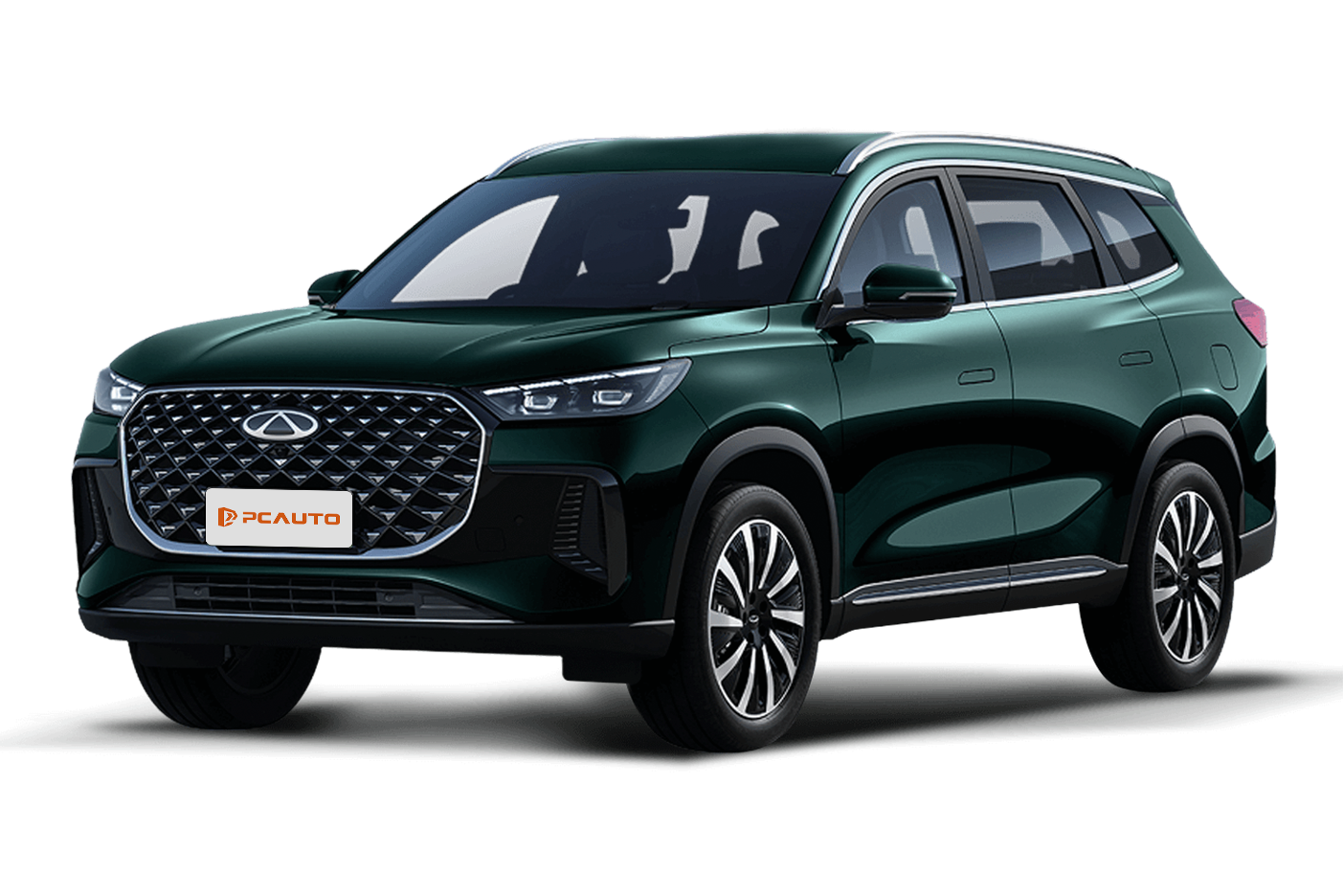
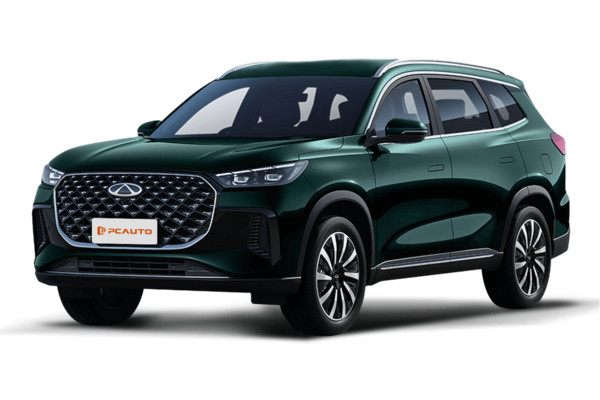
2026 Chery Tiggo 8 is a D-Segment SUV aimed at family users, offering superior configurations, practical space, and smooth power at a high cost-performance ratio, meeting both commuting and light off-road needs.
16
Rank in SUV

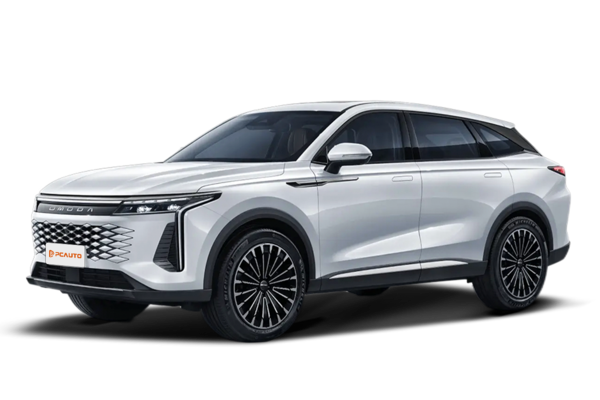
2024 Chery OMODA C9 2WD with 2.0T+8AT powertrain, L2 level assistance, and dual 12.3-inch screens, breaking the stalemate in the D-Segment market and becoming a high-value disruptor.
29
Rank in SUV
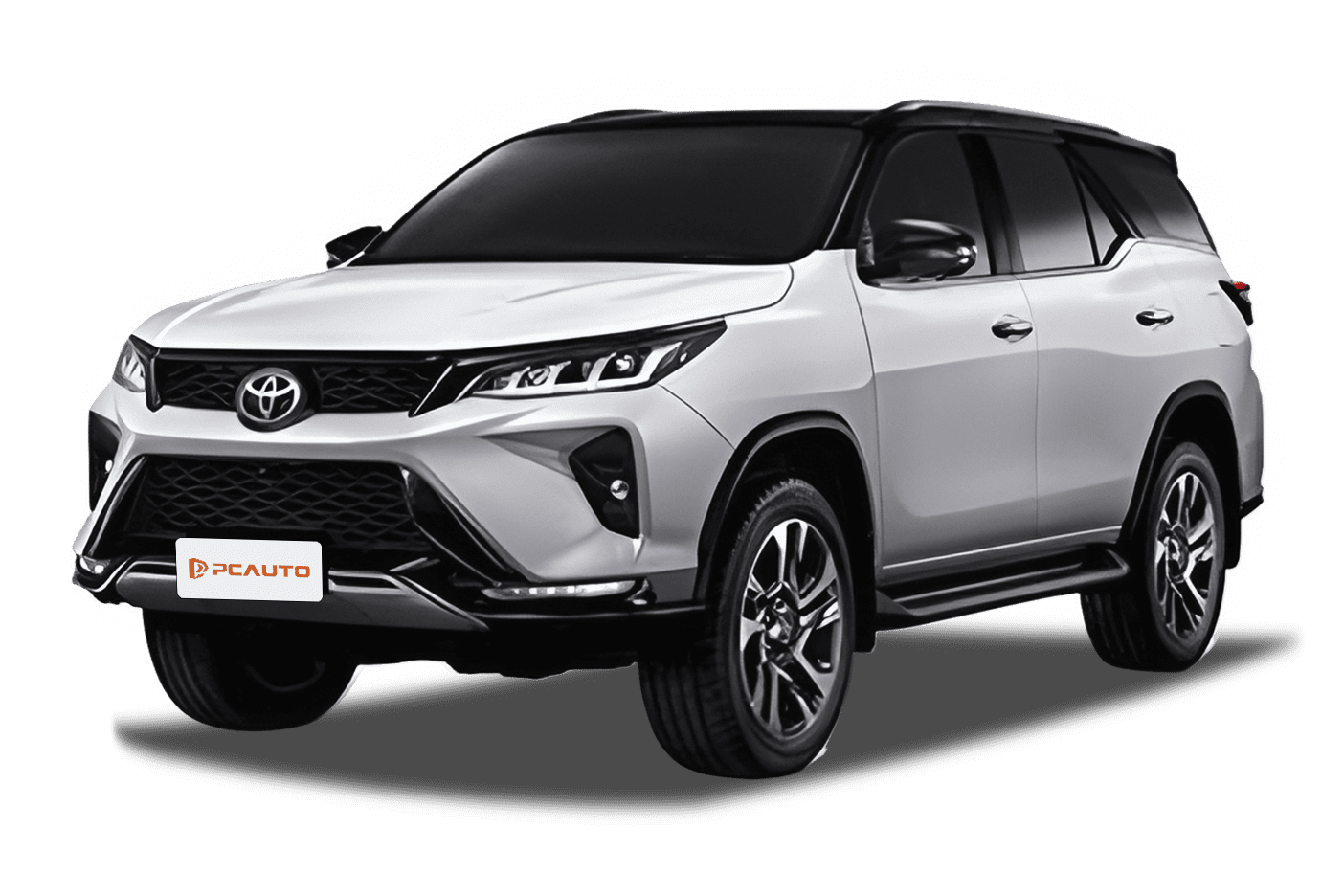
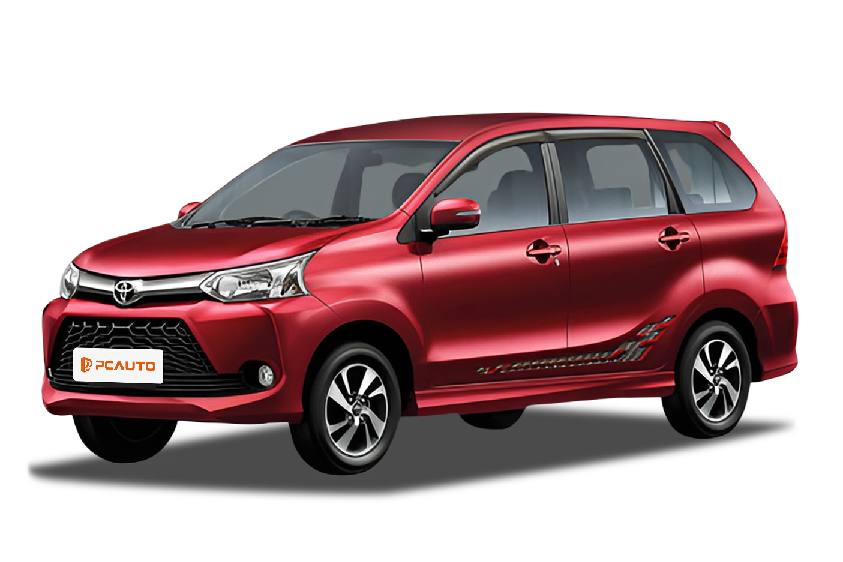
2021 Toyota Fortuner 2.7 SRZ AT 4x4 is a 7-seat SUV that balances family comfort and mild off-road capabilities, with smooth gasoline power and a practical 4x4 system, offering low maintenance requirements suitable for various family scenarios.