

2024 BYD Seal Performance AWD Review

 Share
Share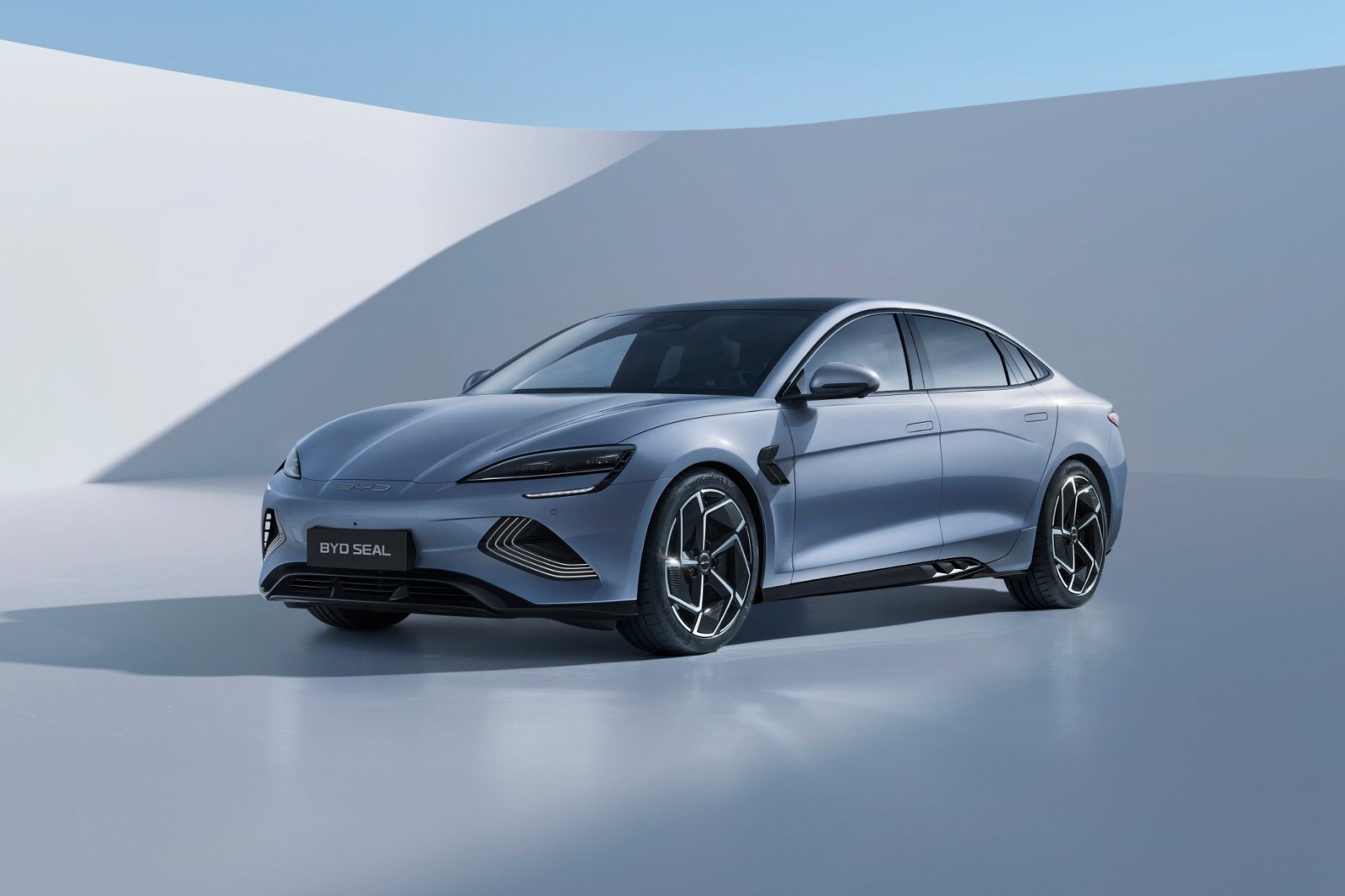
 Segment
 Body Type
 Motor Output(kW)
 Motor Torque(Nm)
 EV Range(km)
 Battery Capacity(kWh)
In recent years, the competition in Malaysia's D-segment electric vehicle market has been intensifying, and consumer demand for long range, high performance, and intelligent features has been steadily increasing. The BYD Seal Performance AWD, positioned as a mid-to-high-end pure electric sedan under the brand, has garnered significant attention since its launch in February this year, thanks to its 523PS combined horsepower and an official range of 580km. In this test drive, we focused on evaluating its daily practicality and performance to see if it justifies its RM199,800 price tag and whether it can stand out in its class.
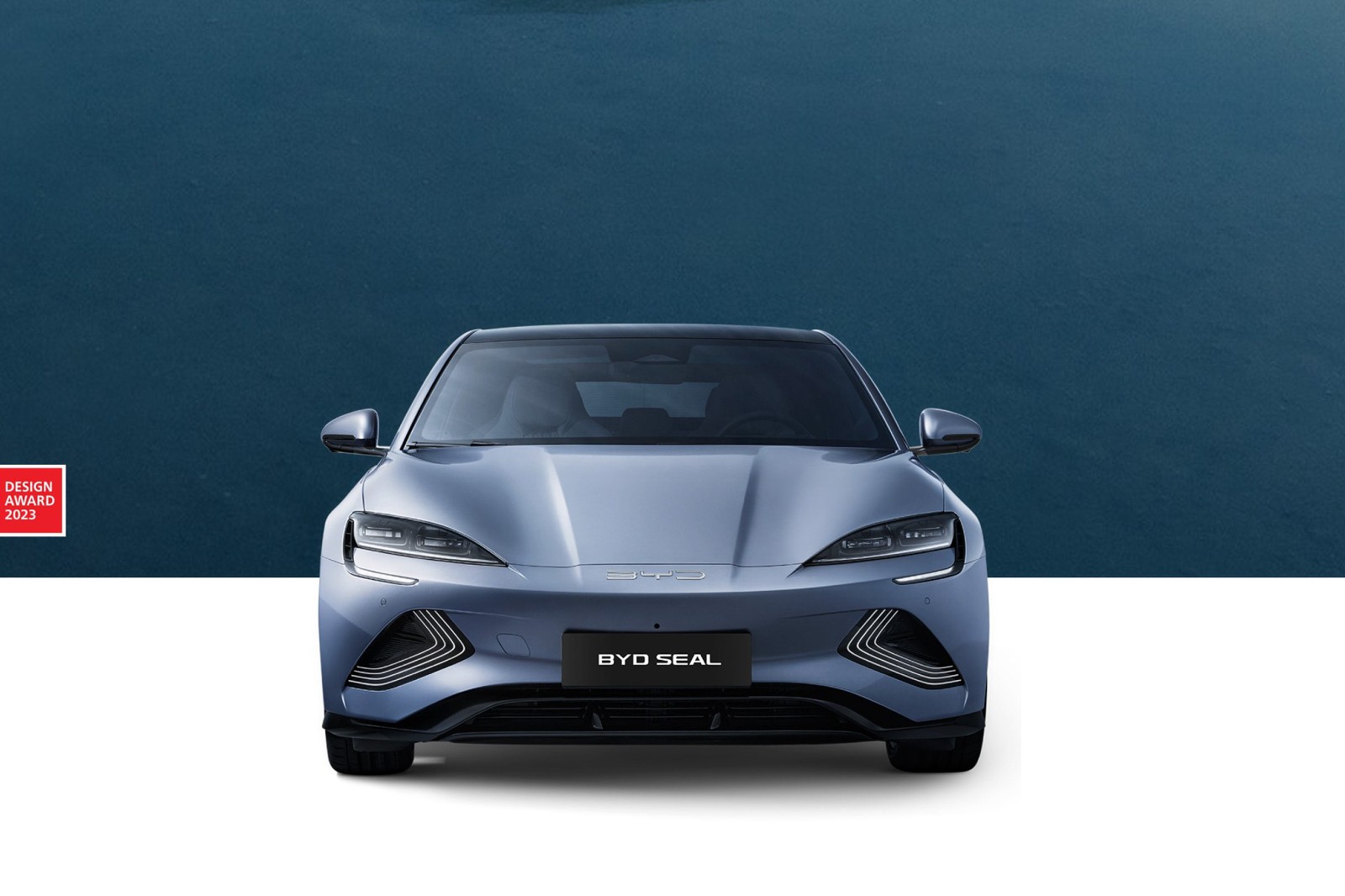
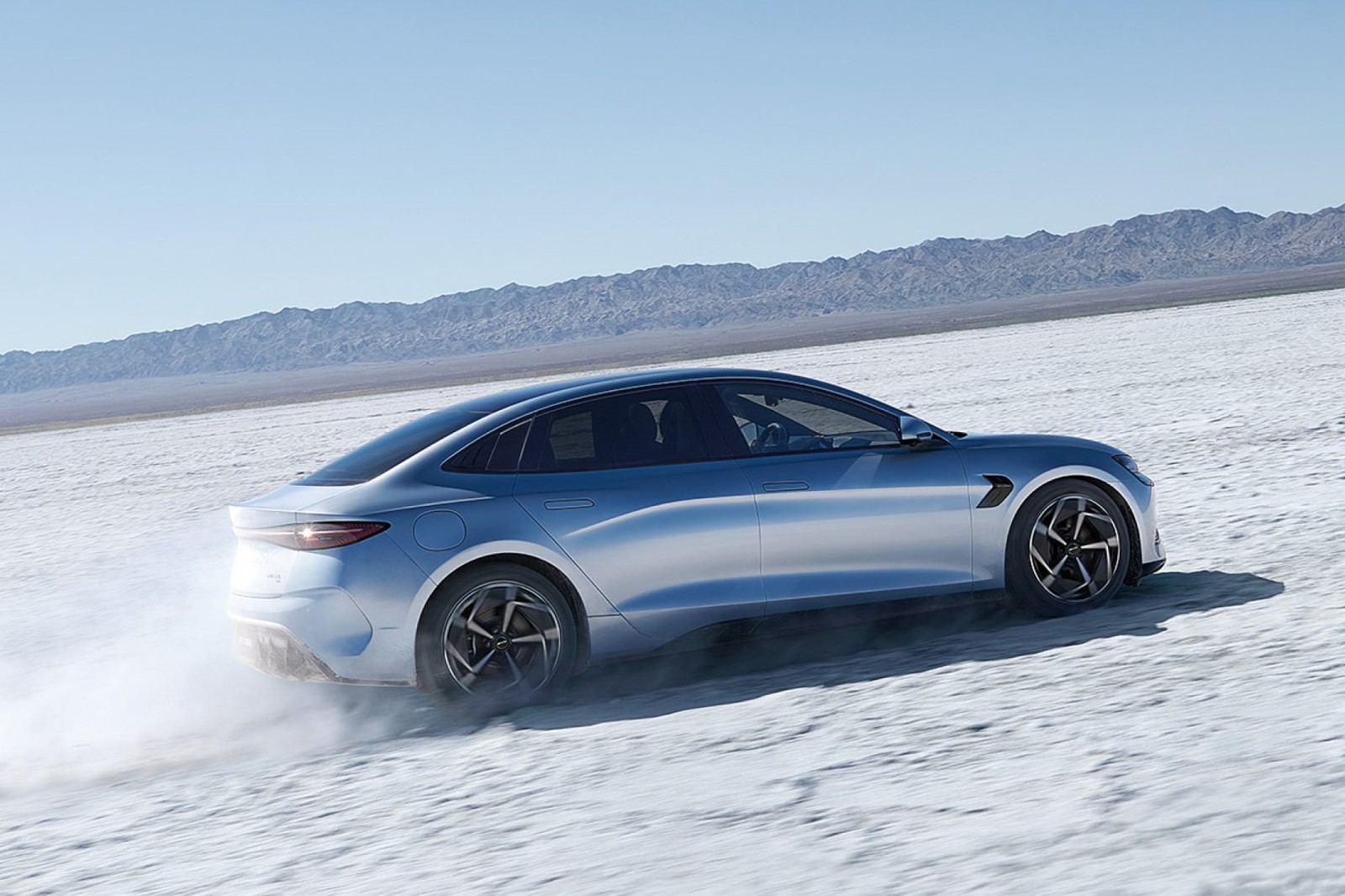
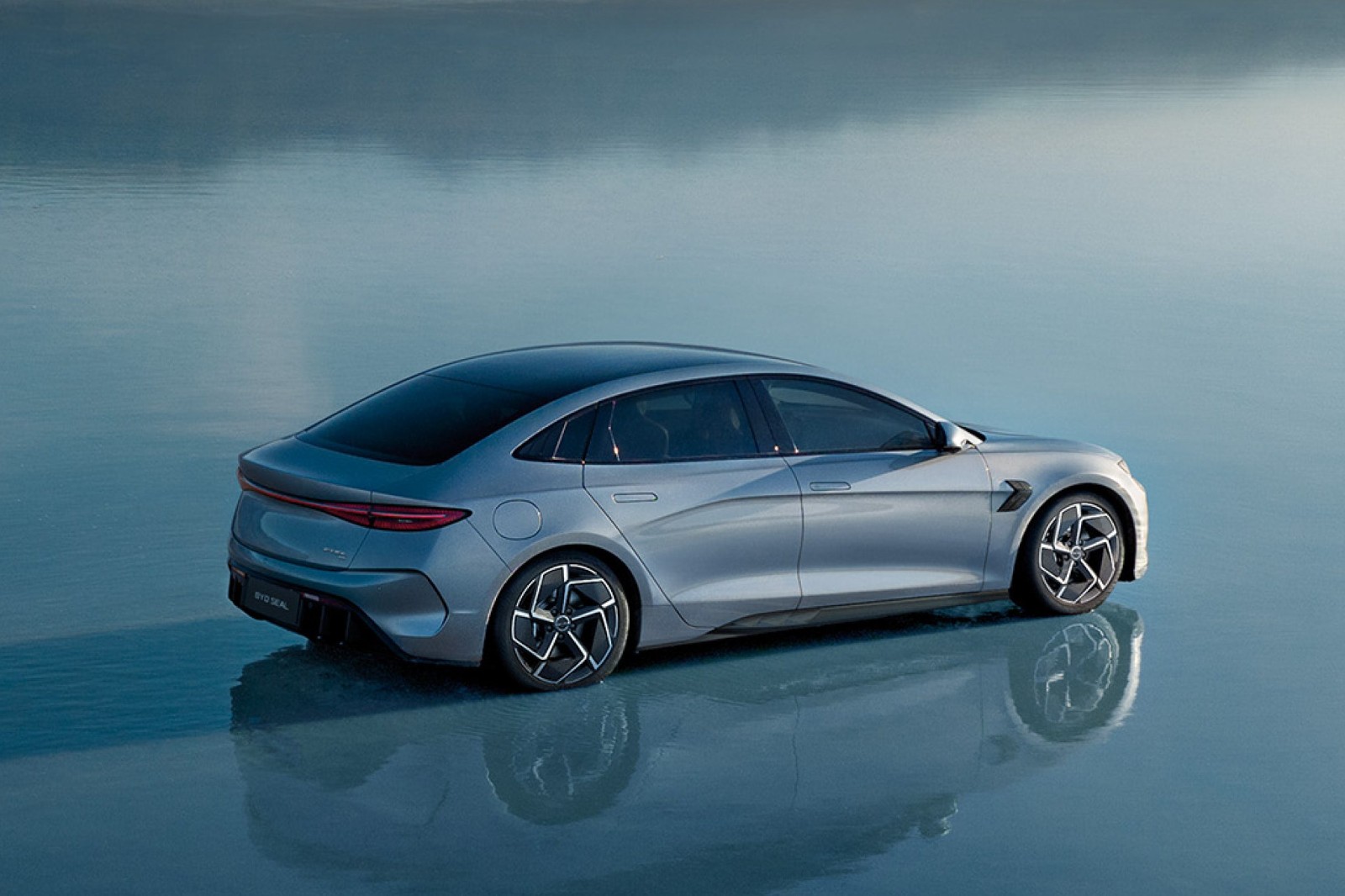
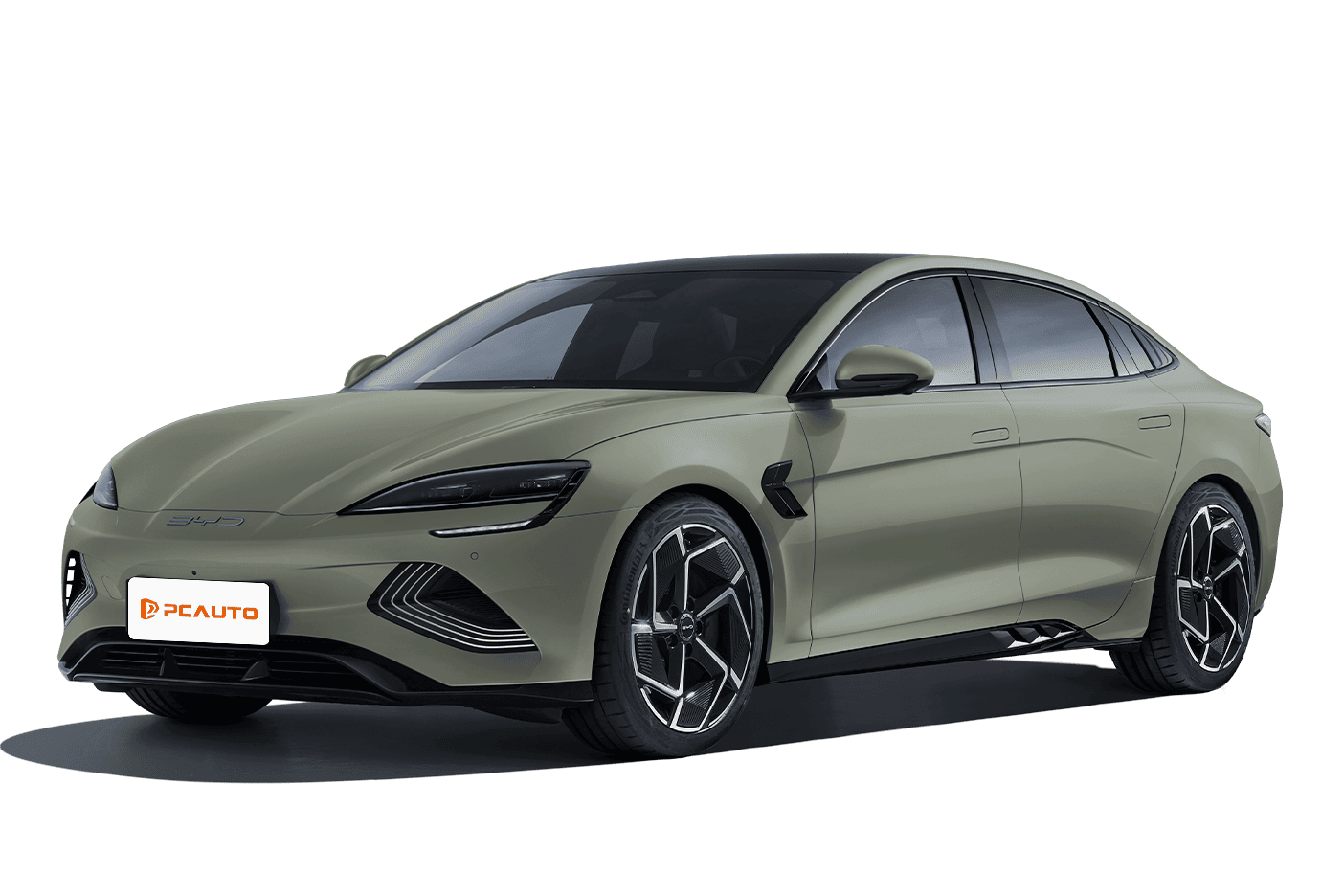
In terms of exterior design, the Seal Performance AWD adopts a sleek, coupe-like body shape, with an overall sporty yet understated style. The front face features a closed grille design, combined with sharp LED daytime running lights, offering high recognition; the bonnet lines extend from the A-pillar to the front, adding a muscular feel. The side profile features clean lines, with 19-inch wheels paired with 235/45 R19 tires, creating a harmonious proportion; the door handles are hidden, reducing air resistance while enhancing a sense of technology. The rear features a full-width LED tail light, which is a design highlight, and its illumination effect is striking, echoing the front; a small spoiler on the edge of the trunk reinforces the sporty appeal.
Inside the car, the interior is predominantly dark, accented with silver trim, delivering an overall premium feel. The most striking feature in the center console is a 15.6-inch rotatable touchscreen, which operates smoothly and supports commonly used functions such as navigation, music, and smartphone connectivity; some physical buttons are retained below for convenient blind operation. In terms of materials, the dashboard and inner side of the doors are wrapped in soft-touch materials, providing a comfortable feel. Standard features include a HUD head-up display, a full LCD instrument panel, a 220V power outlet, and the Dynaudio 12-speaker audio system that delivers impressive sound quality. The seats are leather-wrapped, with the driver’s seat supporting electric adjustments and the passenger seat offering 4-way manual adjustments. The front seats have a medium firmness that remains comfortable for long periods of sitting; the rear seats support a 60:40 split-fold, adding flexibility.
As for space, the car measures 4800×1875×1460mm, with a wheelbase of 2920mm, typical for a D-segment vehicle. The front seating area is spacious, with a 175cm tall passenger having a headroom of one fist and two fingers' width after adjusting the seat, and plenty of legroom. The rear seating area is equally roomy, with the same passenger enjoying two fists of legroom, though headroom is slightly compromised due to the coupe-like design, leaving about one fist of headroom, which is sufficient for everyday family use. In terms of storage, the front row has two cup holders, a central armrest box, and door storage compartments, with a visible wireless phone charging pad; the trunk offers a capacity of 400L, enough to fit two 28-inch suitcases, meeting daily shopping or short trips needs. The rear seats are equipped with independent air-conditioning vents and USB ports, showing thoughtful attention to detail.
For performance, the dual permanent magnet synchronous motors deliver a combined output of 390kW (523PS) and 670N·m, with an official 0-100km/h acceleration time of 3.8 seconds, and the actual experience is indeed robust. In Sport mode, pressing the accelerator pedal at the start instantly provides a strong pushback sensation, with powerful mid-to-late range acceleration that inspires confidence when overtaking; the Standard mode is smoother and more suitable for daily commuting. It features all-wheel drive, paired with front double-wishbone and rear multi-link independent suspension. The chassis tuning leans towards comfort without compromising support. When driving over bumpy roads, the suspension filters out most of the minor vibrations and keeps the body stable; when cornering, body roll is well-controlled, steering is precise with minimal slack, and its handling ranks among the best in its class of electric vehicles.
In terms of range and charging, we drove approximately 100km each in the city and on the highway, with the air conditioning set to 24℃ in automatic mode and an average speed of about 60km/h. The final displayed range achievement rate was about 85%, and overall performance met expectations. Fast charging from 30% to 80% takes 0.6 hours, while slow charging takes 15.2 hours, meeting charging needs in different scenarios. Noise control is well done, with minimal wind and tire noise during highway driving, and the sound of the motor under high load is also relatively mild; the energy regeneration system offers three adjustable levels. At the lowest level, it resembles the gliding feel of a fuel-powered car, and after some adaptation, you almost won't need to frequently use the brakes.
Overall, the core advantage of the BYD Seal Performance AWD lies in its balance: its 523PS performance is robust enough, its 580km range covers most daily scenarios, and standard configurations include HUD, Dynaudio sound system, and 8 airbags, making it more cost-effective compared to competitors in the same class. It is suitable for two types of users: first, families that value both performance and practicality, as its 2920mm wheelbase meets space requirements for household use while its acceleration capability offers occasional driving excitement; second, young people who pursue technological features and comfort, as the intelligent cockpit and quiet driving environment align well with daily usage habits.
In conclusion, the Seal Performance AWD offers no significant shortcomings in terms of power, range, and configurations, and its RM199,800 price tag is relatively reasonable. It's a worthy option to consider in the D-segment electric vehicle market.
BYD Seal Car Compare
BYD Seal Loan Calculator
More BYD Reviews
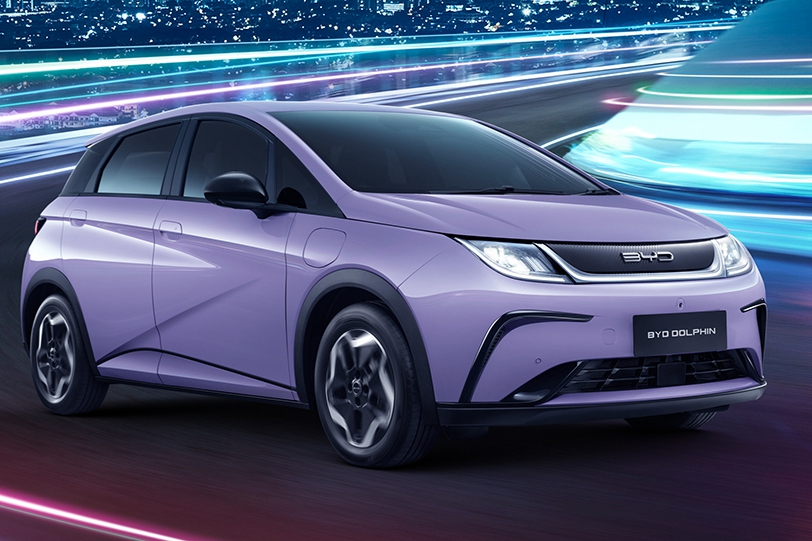
Cars With Similar Price And Features

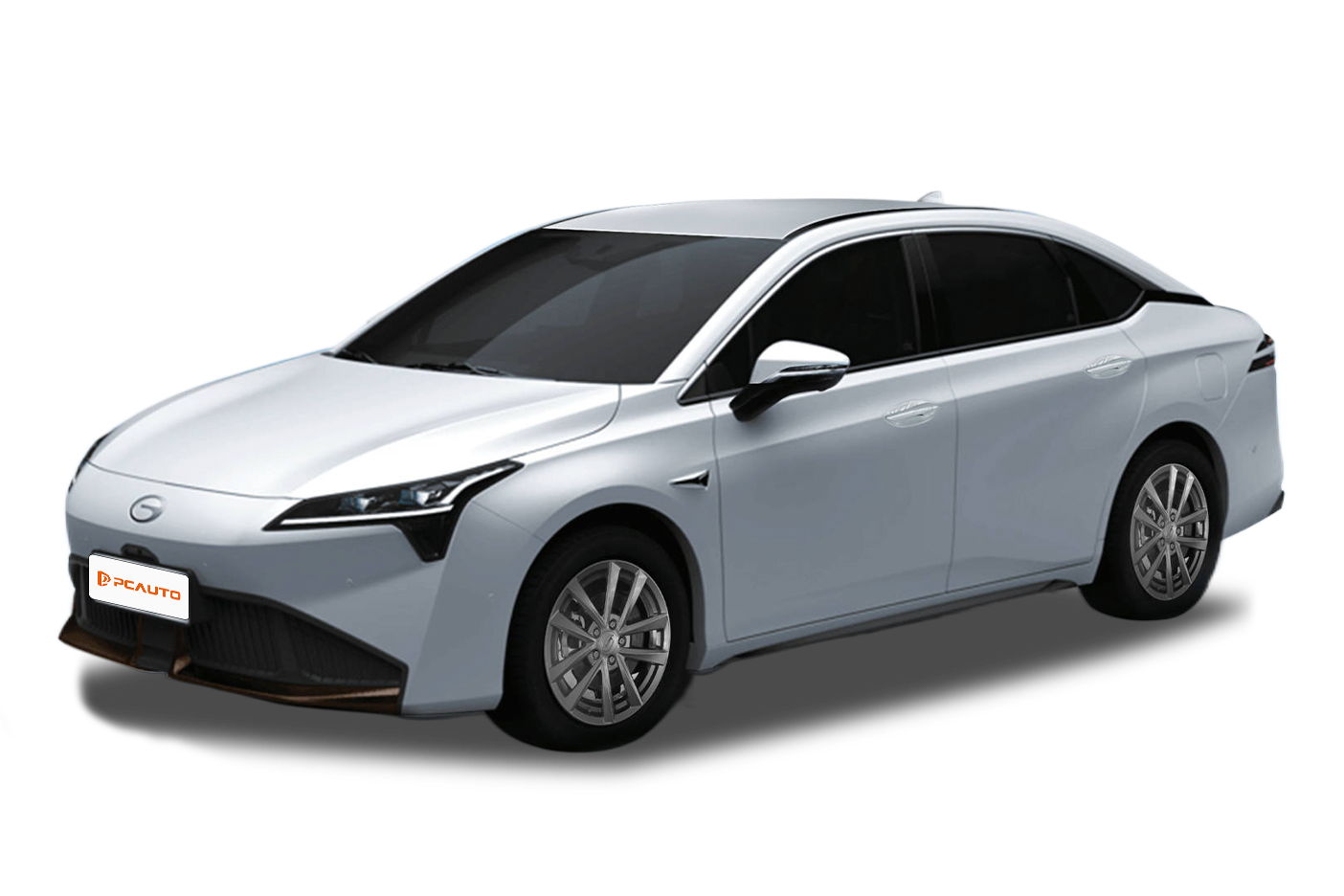
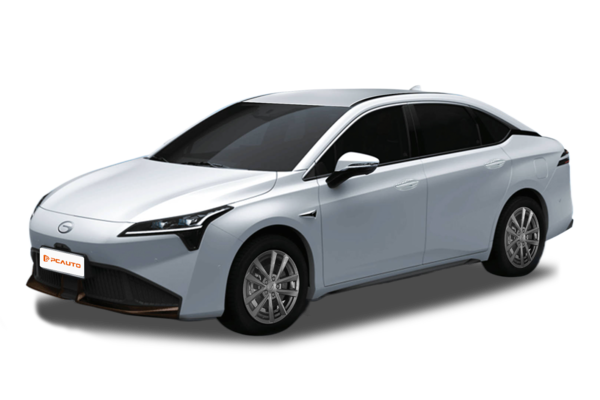
The 2024 GAC Aion ES EV is a cost-effective pure electric mid-size family car featuring reliable range, practical space, and balanced configuration, suitable for families focused on practicality.
20
Rank in Sedan

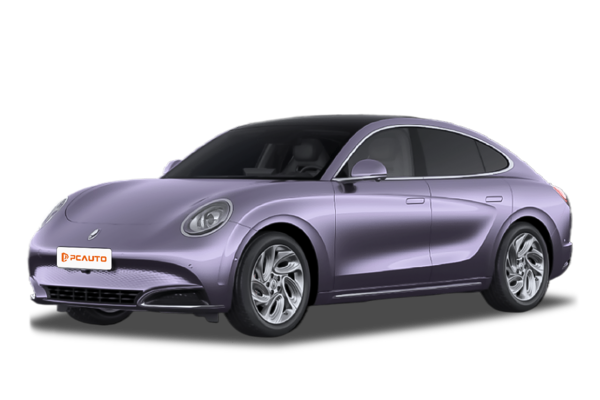
2024 ORA 07 Long Range Ultra with a core focus on 640km long range, paired with superior configuration and practical space, is a D-class electric coupe that balances household comfort and cost-effectiveness.
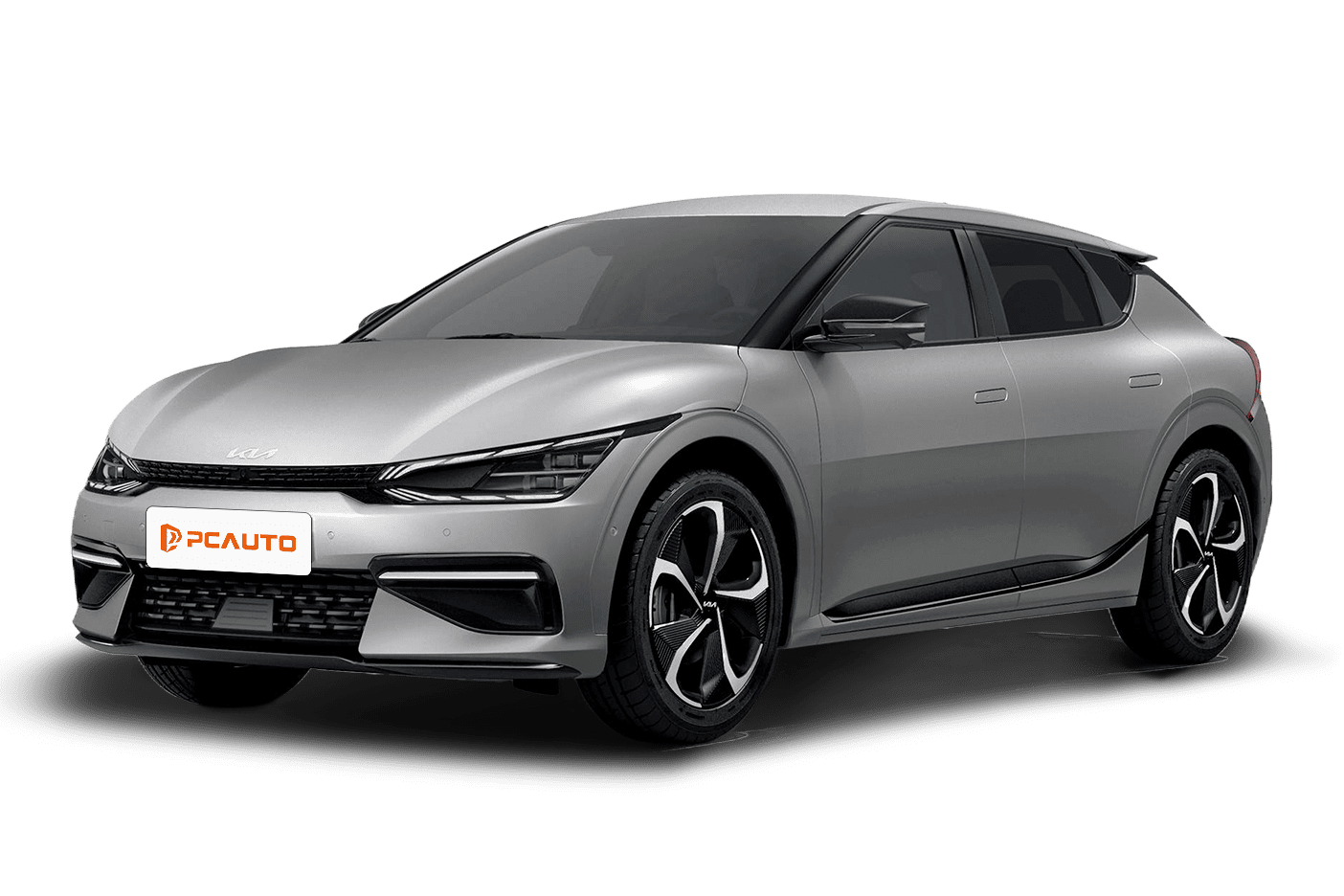
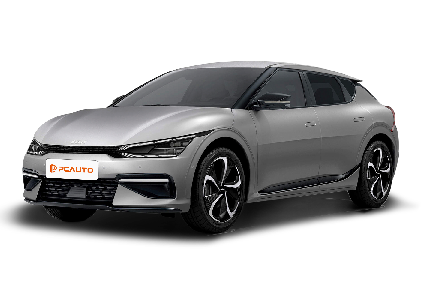
2022 Kia EV6 GT-Line AWD, as Kia's representative work on a pure electric platform, features a dual-motor with 325PS, a range of 506km, luxury configurations, and sporty design to create a well-balanced performance mid-size pure electric SUV.
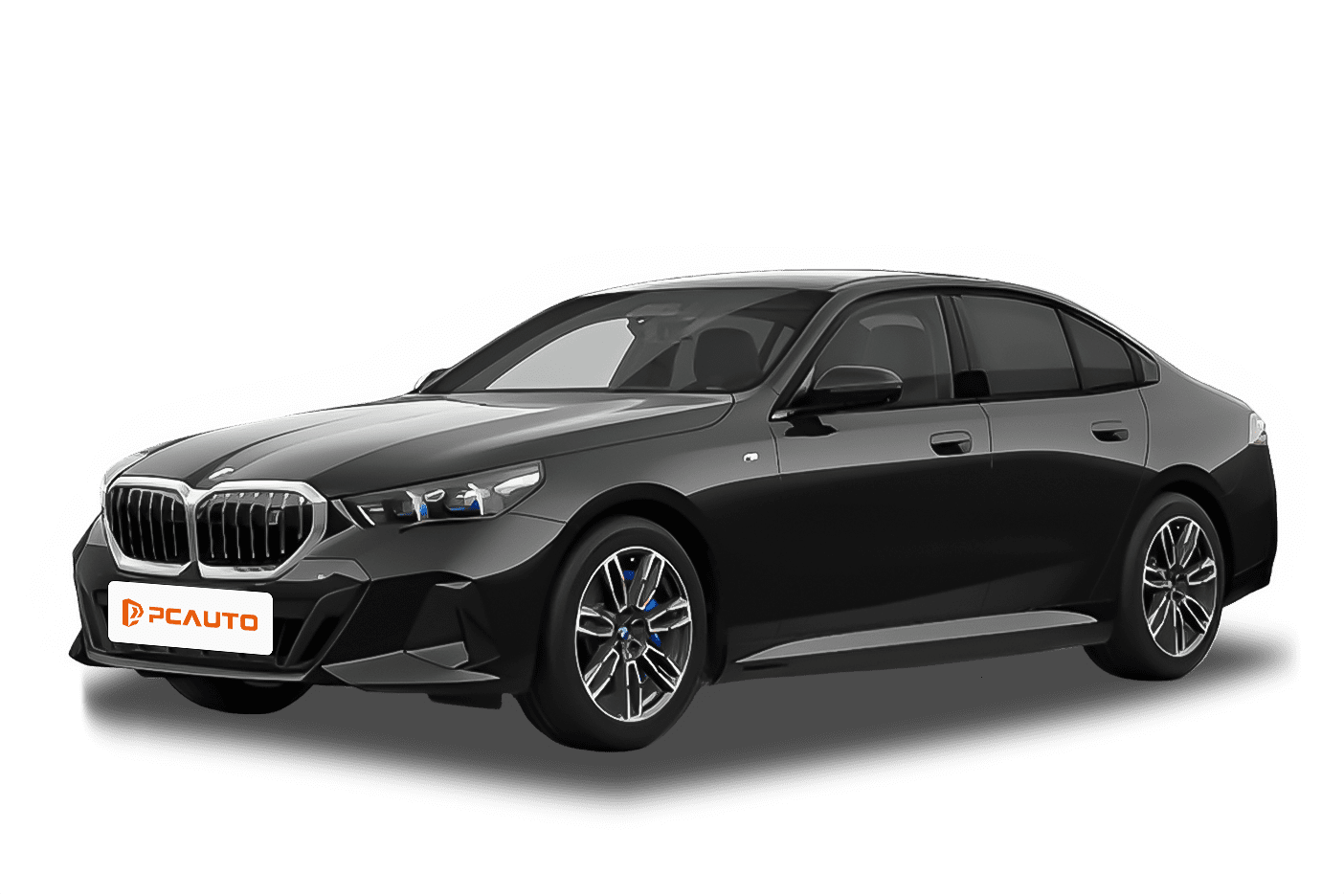
2024 BMW i5 eDrive40 M Sport is a pure electric sedan that combines sporty genes with executive-level luxury, featuring a sleek body, ample space, powerful performance, and precise handling to meet the needs of both family and business.