

2024 CR-V 2.0L e:HEV RS Review

 Share
Share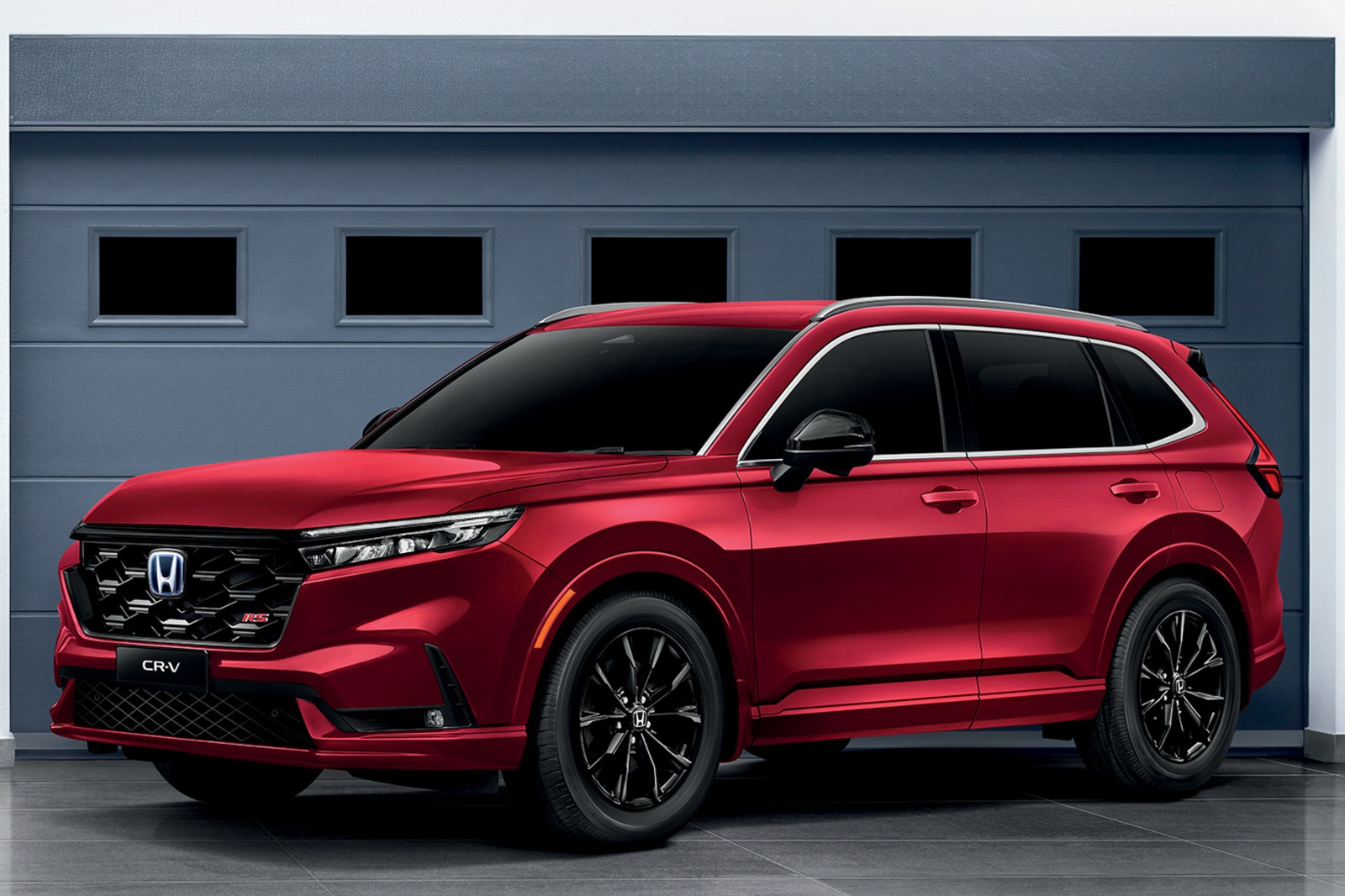
 Segment
 Body Type
 Capacity(L)
 Engine Power(PS)
 Engine Torque(Nm)
 Transmission
In Malaysia's C-Segment SUV market, the demand for "balanced performance + intelligent features" is continuously rising among family users and young consumers. Most models either come fully equipped but are priced high or offer outstanding value for money but compromise on detailed experiences. The 2024 Honda CR-V 2.0L e:HEV RS, as the hybrid top-spec version of the series, focuses on the fuel efficiency advantage of the hybrid power, the design recognition of the RS sports kit, and richer intelligent safety features compared to competitors in the same class. The core purpose of this test drive is to verify its actual power response, spatial practicality, and whether these features truly enhance the daily driving experience.
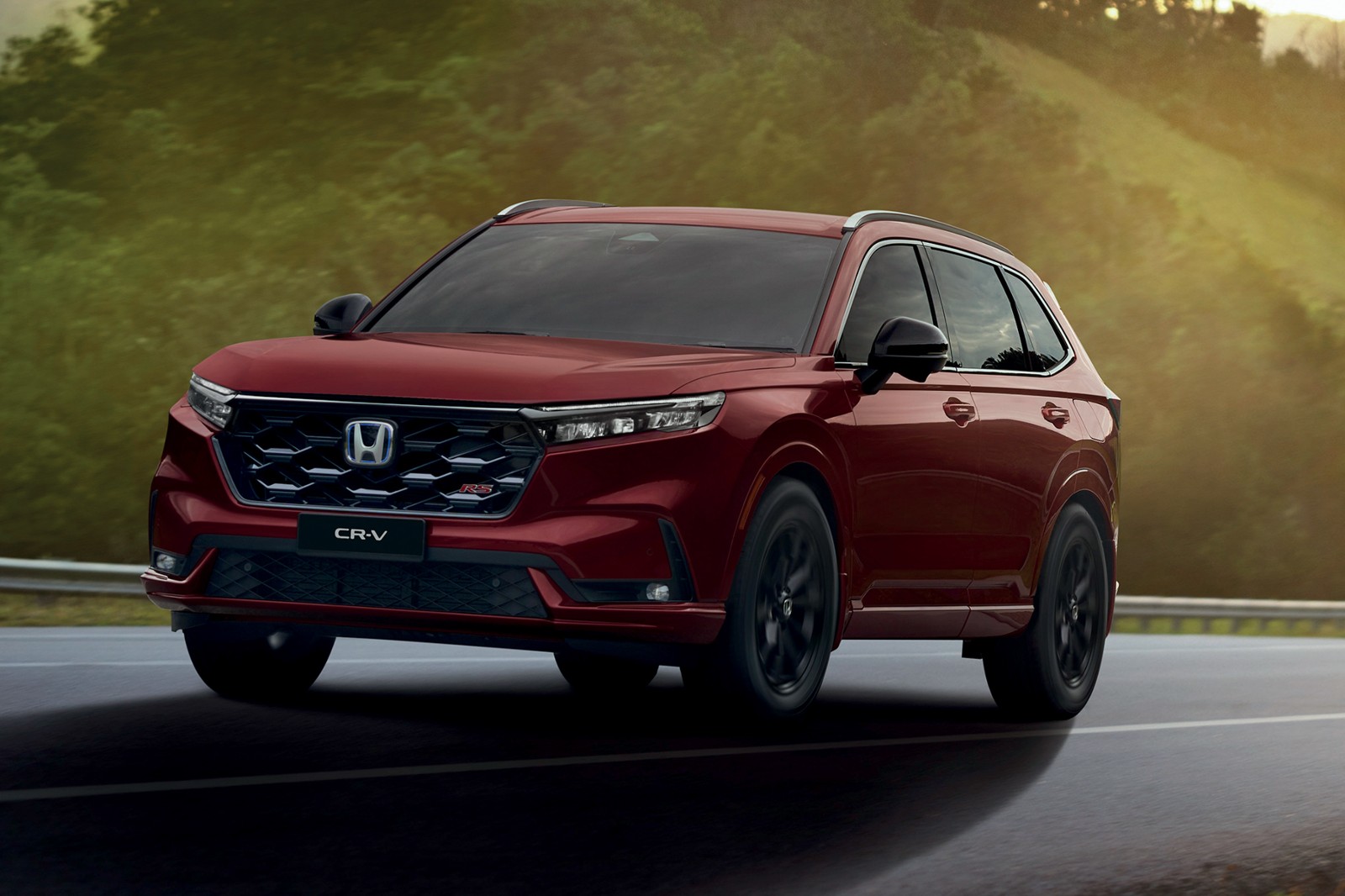
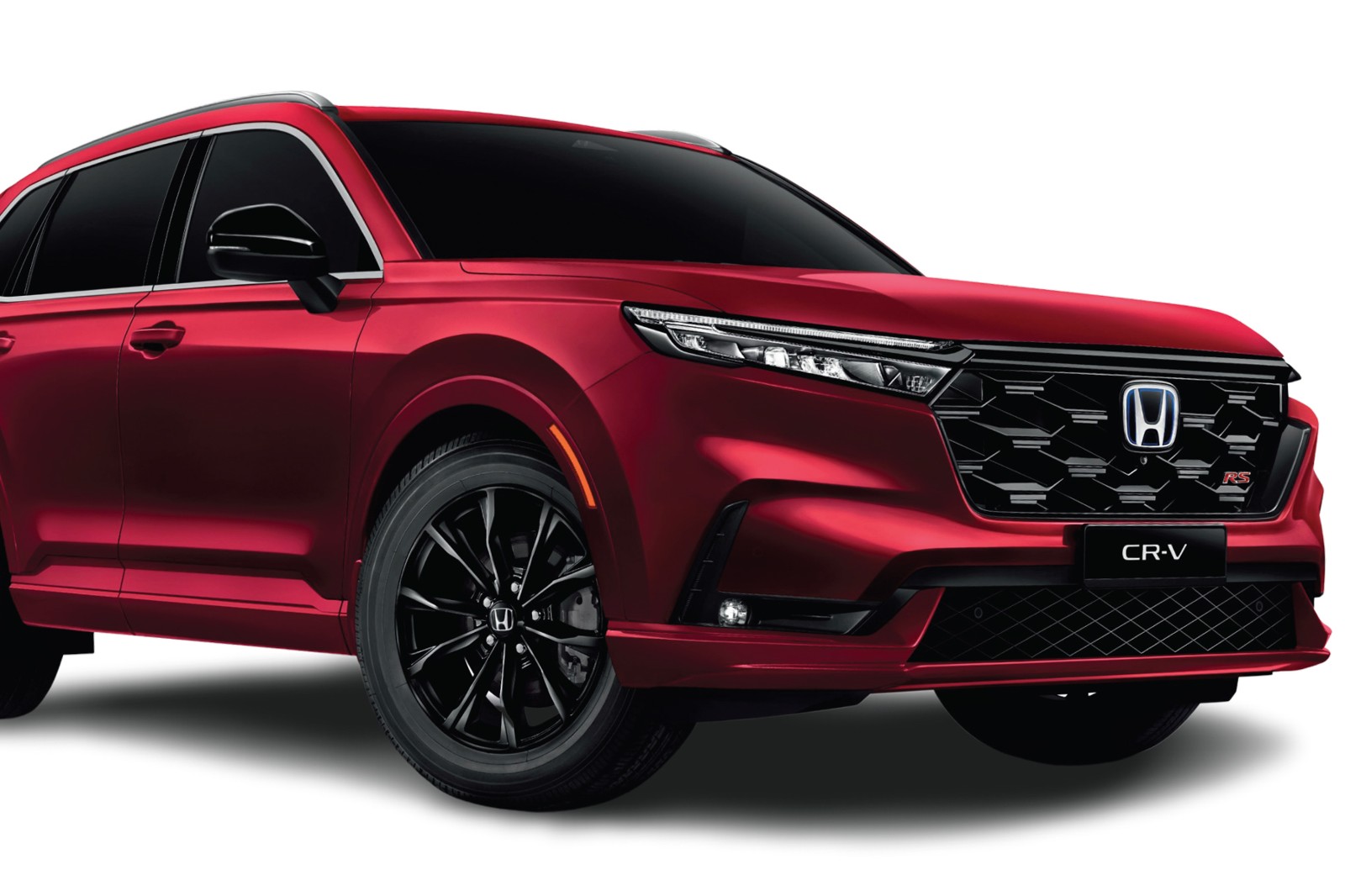
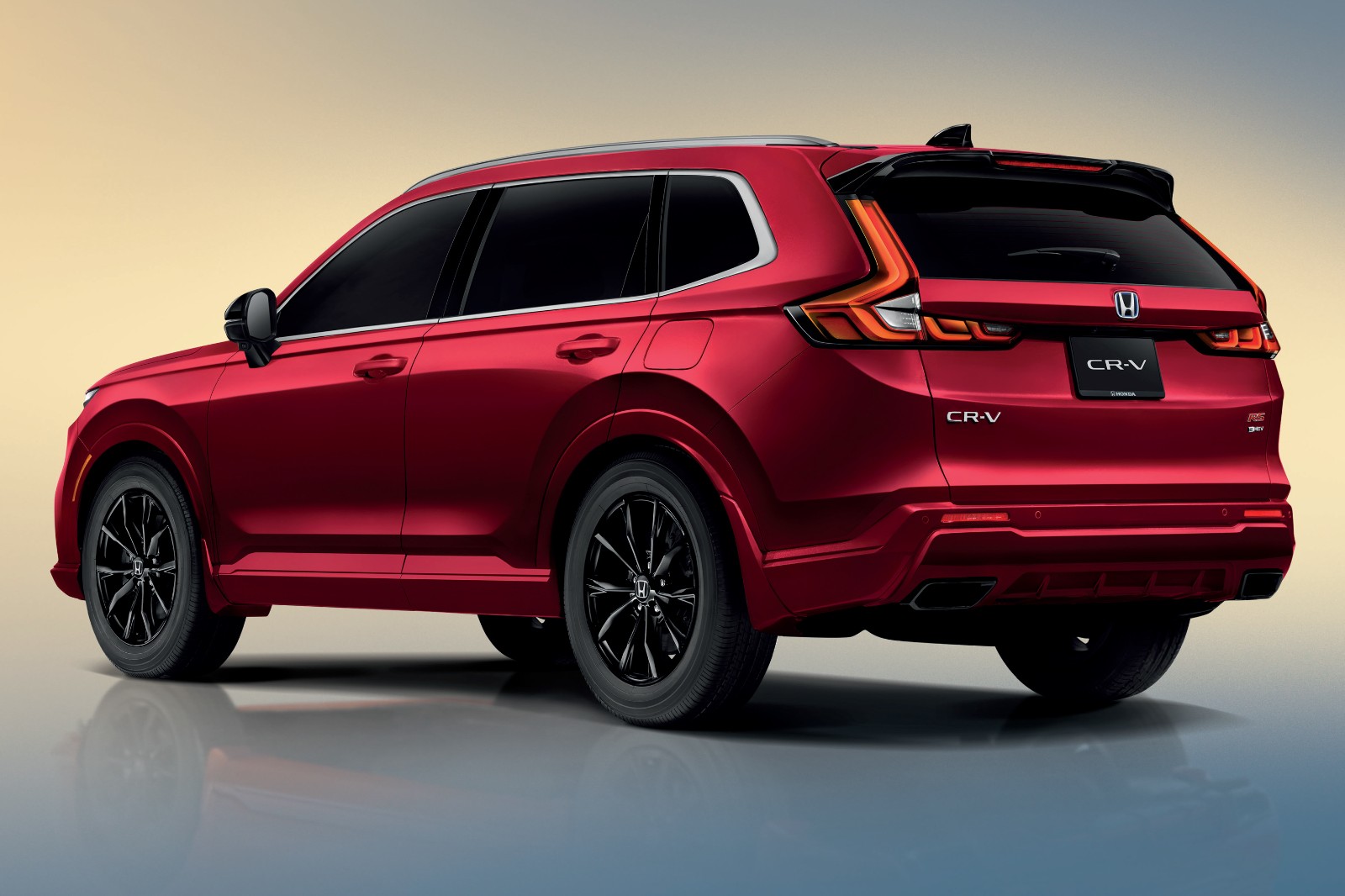
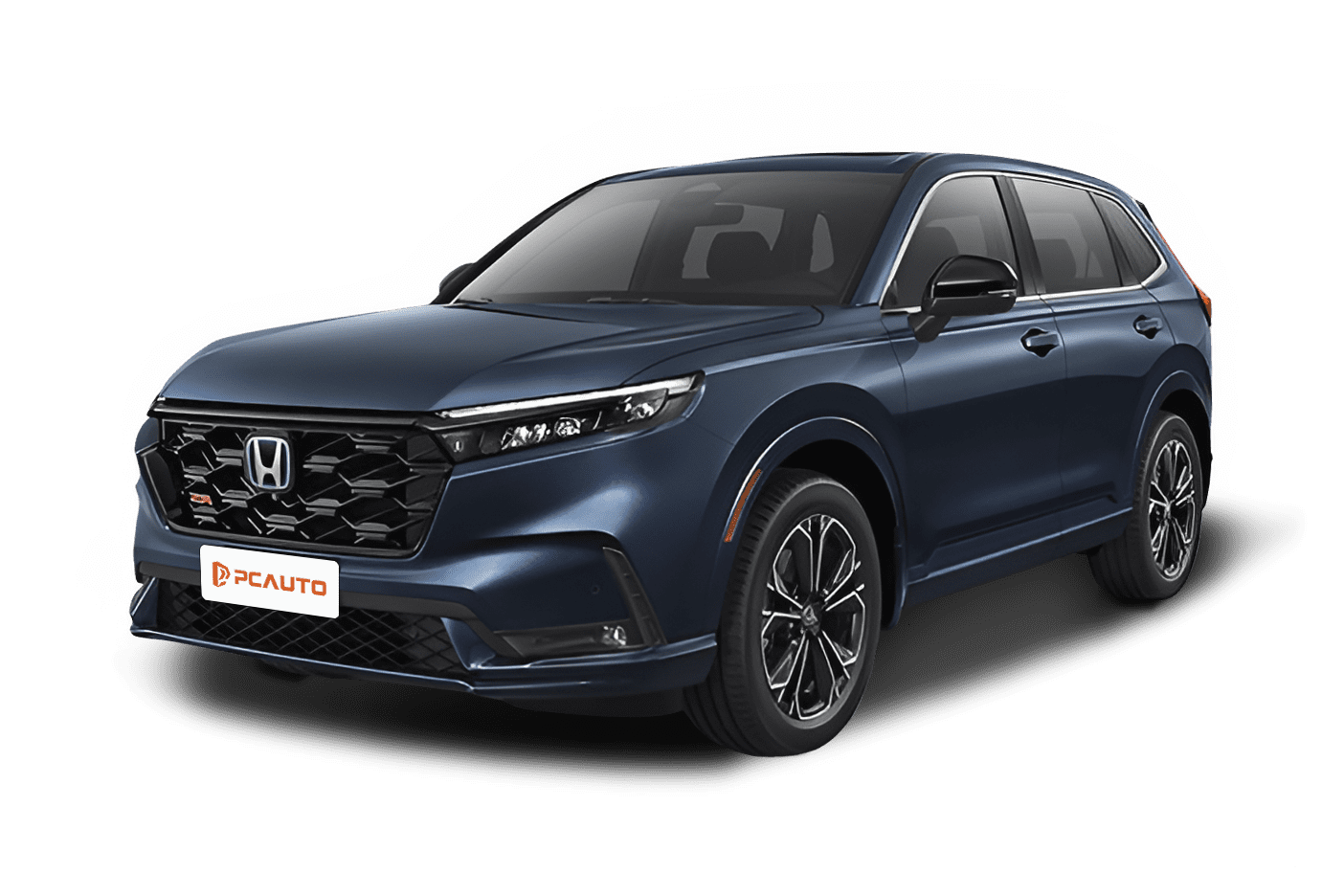
In terms of appearance, the CR-V 2.0L e:HEV RS adopts a sporty design language, with an overall style that is tougher than the standard version. The honeycomb blacked-out front grille, paired with black chrome trim, has high recognition; the clear internal structure of the LED headlights on each side connects seamlessly with the trim along the upper edge of the grille, widening the visual width of the front end. The side profile lines are smooth, with the waistline extending from the fenders to the rear, adding depth to the body. The chrome trim under the windows and the roof racks are treated with a blacked-out finish, complemented by 18-inch black multi-spoke wheels, enhancing the sporty vibe. The rear continuous LED taillights are a design highlight, offering a striking visual effect when illuminated. The silver skid plate below the rear bumper and the dual blacked-out exhaust garnishes further emphasize the identity of the RS model.
Sitting inside the car, the interior adopts a symmetrical layout with an overall black tone, accented by silver trims, noticeably enhancing the sense of quality compared to the previous model. The materials on the dashboard are solid, with soft-touch plastic covering areas frequently touched, providing a delicate feel. The 9-inch touchscreen is of a moderate size with a clear interface layout and decent responsiveness, supporting both Apple CarPlay and Android Auto connectivity. The Sound Plus feature and the 12-speaker system deliver audio quality that matches the expectations for this price range. The 10-inch full LCD instrument cluster provides rich information and can display real-time updates on the hybrid system's operational status, fuel consumption, navigation data, and more, making it highly practical. In terms of features, the 8-way power-adjustable driver's seat and 4-way power-adjustable passenger seat offer good support, and the front seats also come with a heating function, which is adequate for handling Malaysia's occasional cool rainy days. The front central armrest box and door storage pockets offer ample space, making it convenient for daily items like phones and water bottles.
Regarding space performance, the CR-V 2.0L e:HEV RS has dimensions of 4691mm×1866mm×1681mm and a wheelbase of 2701mm, which is at the mainstream level among C-Segment SUVs. The front-row seating area is spacious, providing a 175cm tall passenger with a headroom clearance of around one fist and two fingers after seat adjustment. The rear-row space is a highlight; a passenger of the same height sitting in the rear has legroom of up to two fists and headroom of one fist, ensuring comfort even during long trips. The rear floor is nearly flat, allowing the middle passenger to rest their feet naturally, which adds to the comfort. In terms of storage capacity, the regular trunk space can accommodate two 28-inch suitcases and a few backpacks. The rear seats support a 60:40 split-fold configuration, which can expand the cargo area significantly, making it fully suitable for family use. The rear row is also equipped with independent air vents and USB charging ports, reflecting thoughtful design details.
Powertrain-wise, the CR-V 2.0L e:HEV RS is equipped with a 2.0L naturally aspirated engine paired with a permanent magnet synchronous motor hybrid system. The engine delivers a maximum horsepower of 148PS, while the motor provides a maximum horsepower of 184PS, resulting in smooth system output. During daily driving, the vehicle primarily starts in pure electric mode, offering quick response. A light press on the accelerator is sufficient to achieve good acceleration, with an official 0-100km/h time of 9 seconds. Overtaking or pacing in city traffic is effortless. At medium to high speeds, the engine integration feels natural with almost no perceptible jerkiness. When pressing the accelerator deeply, both the motor and engine deliver power simultaneously, ensuring ample power reserves. There are three driving modes available: Normal, Eco, and Sport. In Eco mode, the power output is smoother, ideal for daily commuting; in Sport mode, throttle response becomes sharper, making it suitable for situations requiring rapid acceleration.
The handling and chassis performance align well with the positioning of a family SUV. The steering weight is moderate, with minimal slack and precise directionality, making it very convenient for daily driving. The combination of front MacPherson independent suspension and rear multi-link independent suspension is tuned for comfort. When driving over speed bumps or uneven road surfaces, the suspension effectively absorbs most minor vibrations, keeping the body stable. During cornering, the suspension provides adequate support, controlling body roll well without noticeable sway. The brake pedal feel is linear, and the braking distance is moderate, providing ample confidence for daily use.
In terms of fuel efficiency, the official combined fuel consumption is 5L/100km. During actual test drives, fuel consumption was around 5.5L/100km in congested urban traffic and dropped to 4.8L/100km during highway cruising. Overall, its fuel efficiency significantly outperforms other fuel-only vehicles in the same segment, making it suitable for users who frequently commute in urban areas. Noise control is well-executed; at speeds below 60km/h, almost no noticeable noise can be heard inside the cabin. When speeds exceed 80km/h, wind and tire noise gradually increase but do not affect normal conversation. The hybrid system's energy regeneration offers three adjustable levels. When set to the highest level, releasing the accelerator provides a noticeable deceleration effect, enabling nearly single-pedal driving that further reduces fuel consumption.
In conclusion, the 2024 Honda CR-V 2.0L e:HEV RS's core advantages are quite prominent: its hybrid system delivers excellent fuel efficiency, which is well-suited to Malaysia's high fuel price environment; its sporty exterior design is youthful and stylish, meeting current aesthetic trends; and its rich features, particularly its intelligent safety and comfort configurations, are more comprehensive compared to competitors like the Toyota RAV4 Hybrid and Nissan X-Trail e-Power. However, its drawbacks include the lack of power adjustment for the rear seats and an interior design that is less tech-savvy and luxurious compared to some competing domestic brands.
Overall, the CR-V 2.0L e:HEV RS strikes a balance between power, fuel efficiency, space, and features, making it highly suitable for families prioritizing balanced performance as well as young consumers seeking sporty looks and a comfortable experience. If you need an SUV that's fuel-efficient for daily commuting, can accommodate the family on weekends, and offers sufficient features, this car is worth considering.
All in all, the 2024 Honda CR-V 2.0L e:HEV RS is a family SUV with no glaring shortcomings. It uses practical design and features to meet the core needs of most users, making it a reliable choice in the C-Segment SUV market.
Honda CR-V Car Compare
Honda CR-V Loan Calculator
Cars With Similar Price And Features
8
Rank in SUV
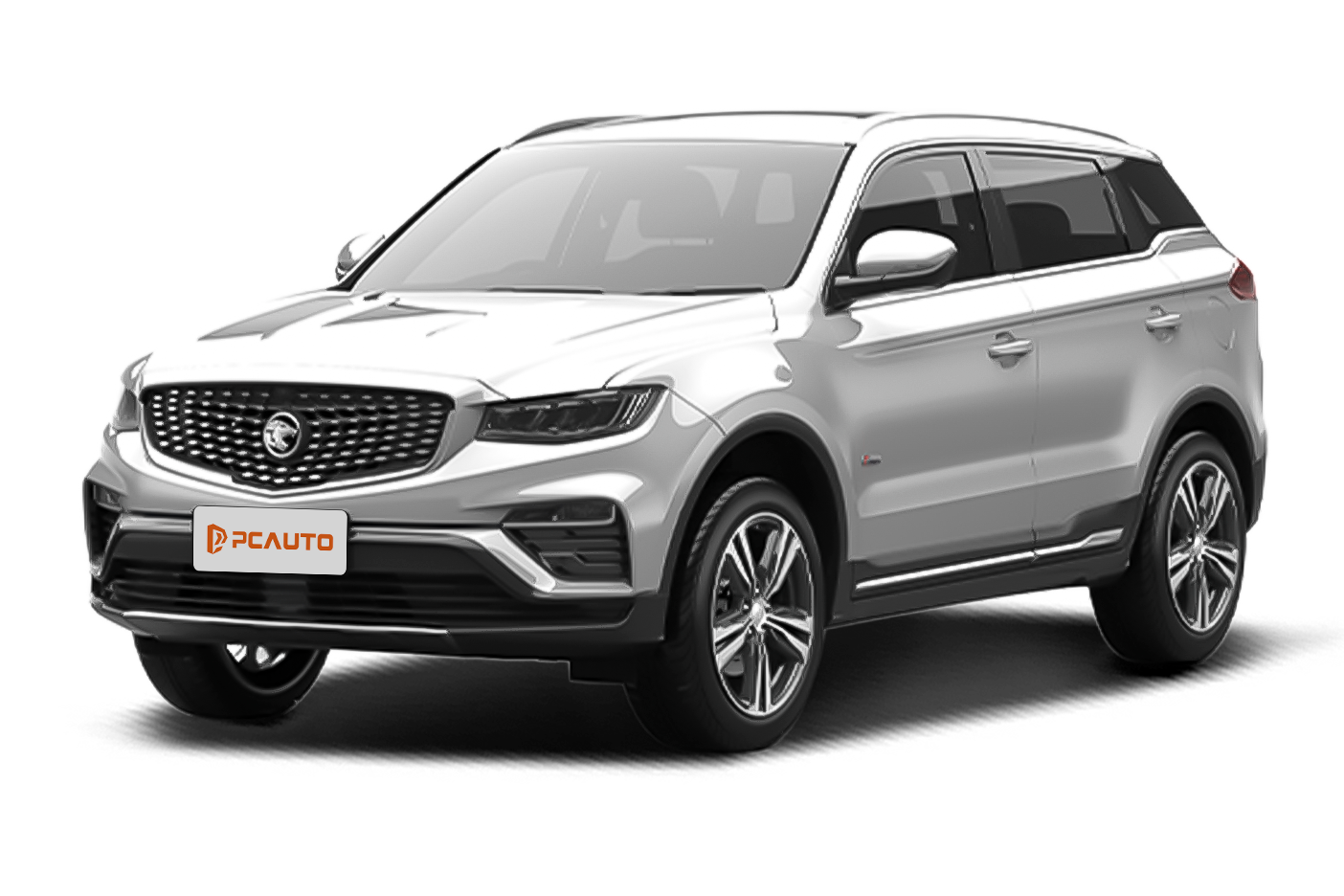
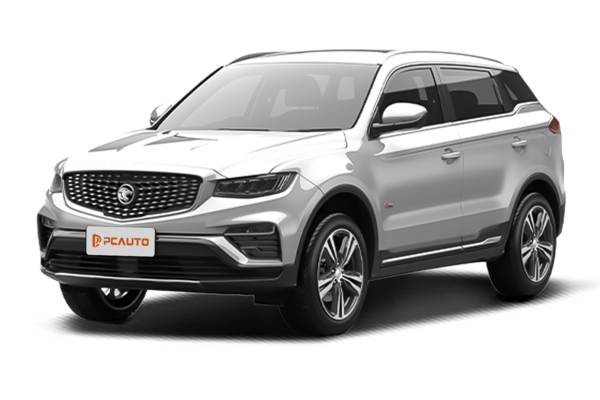
2026 Proton X70 1.5 TGDi Executive focuses on upgrading to a four-cylinder engine, practical configurations, and affordable pricing. It balances family commute practicality with value for money, making it a sensible choice among similarly priced C-segment SUVs.
10
Rank in SUV
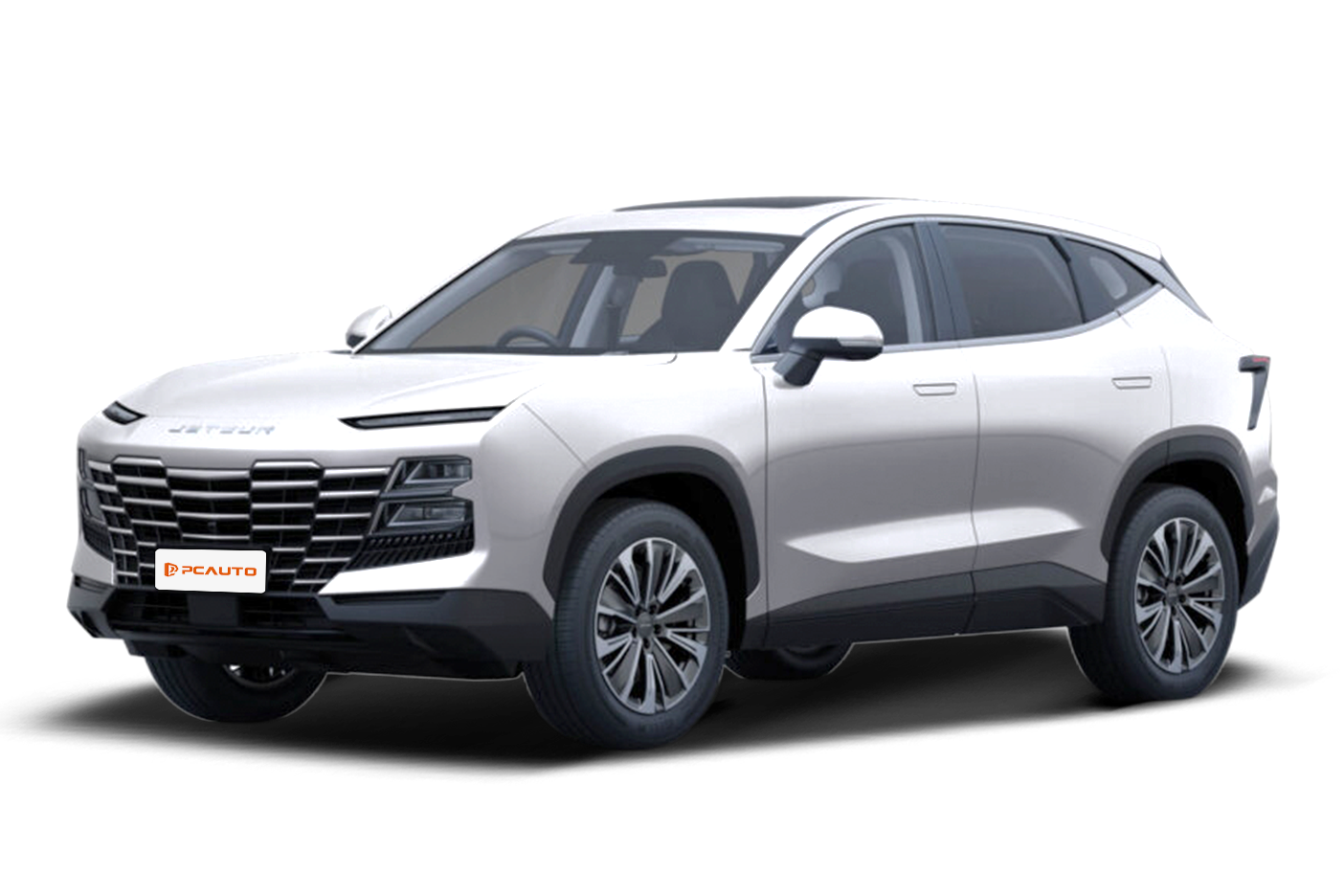
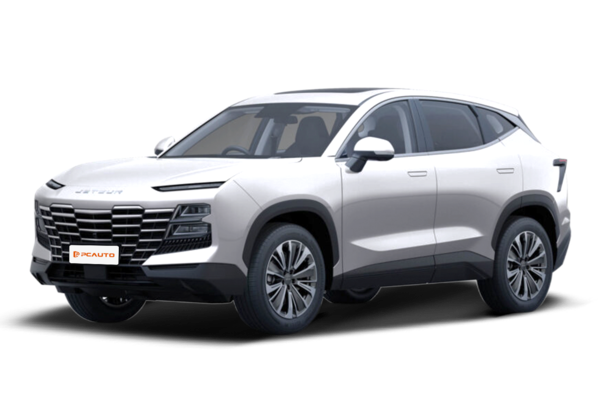
Jetour Dashing 1.5 TCI Comfort 2025 features a 2720mm long wheelbase and a 10.25-inch dual screen as its core, focusing on balanced cost performance to meet family practical needs.
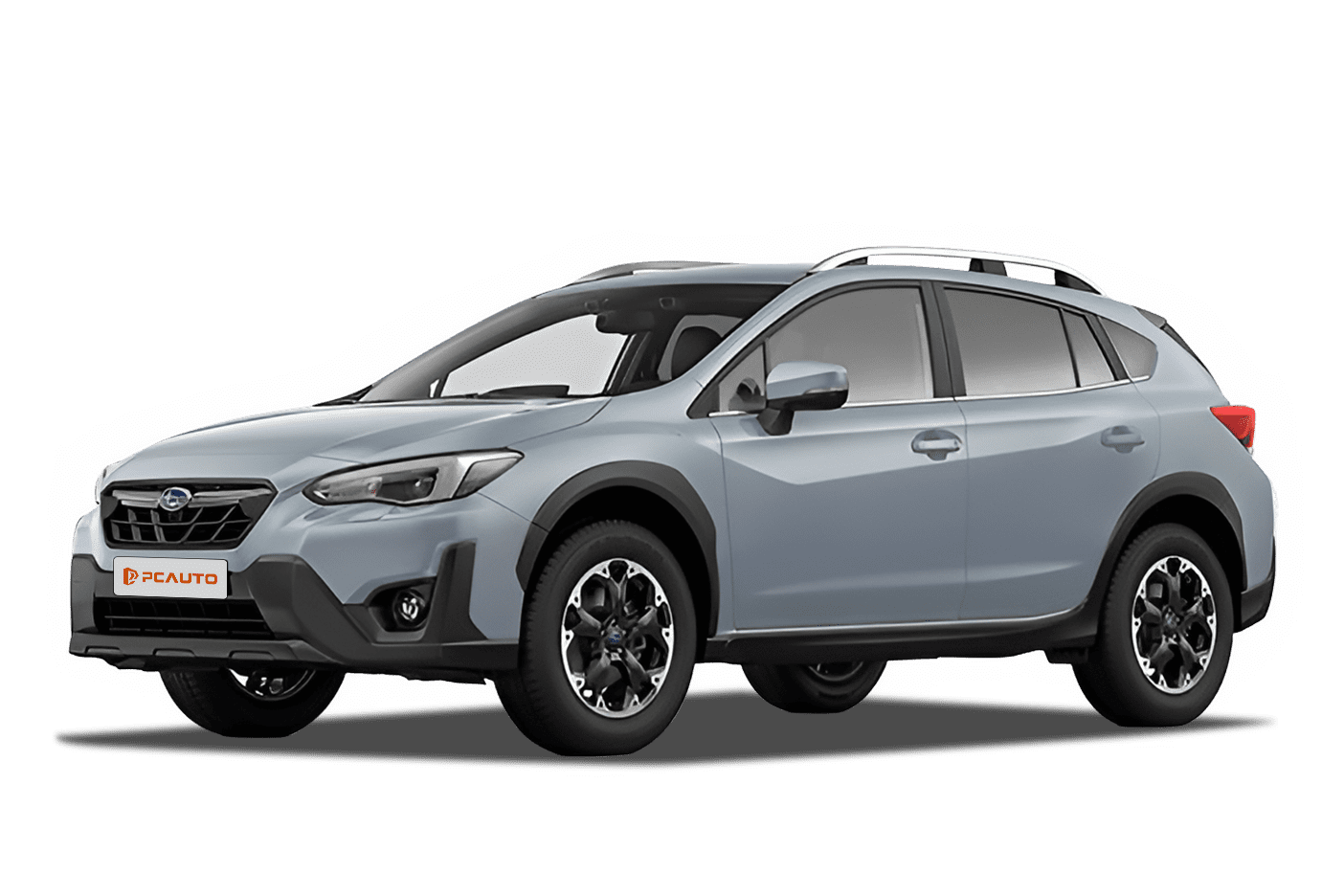
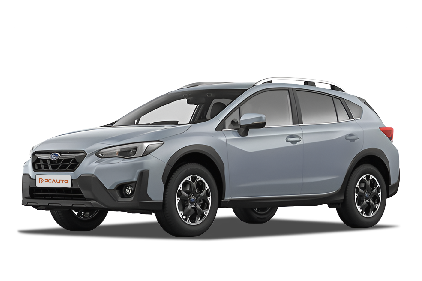
The 2021 Subaru XV 2.0i is a model targeting the C-segment crossover market, equipped with standard all-wheel drive and high safety features, balancing off-road capability and handling, with practical space.

2021 Hyundai Kona 2.0 Standard, as a high-value entry-level compact SUV, retains essential safety and practical features with an affordable price, meeting the daily commuting and loading needs of families.