

2024 GAC Aion ES EV Review

 Share
Share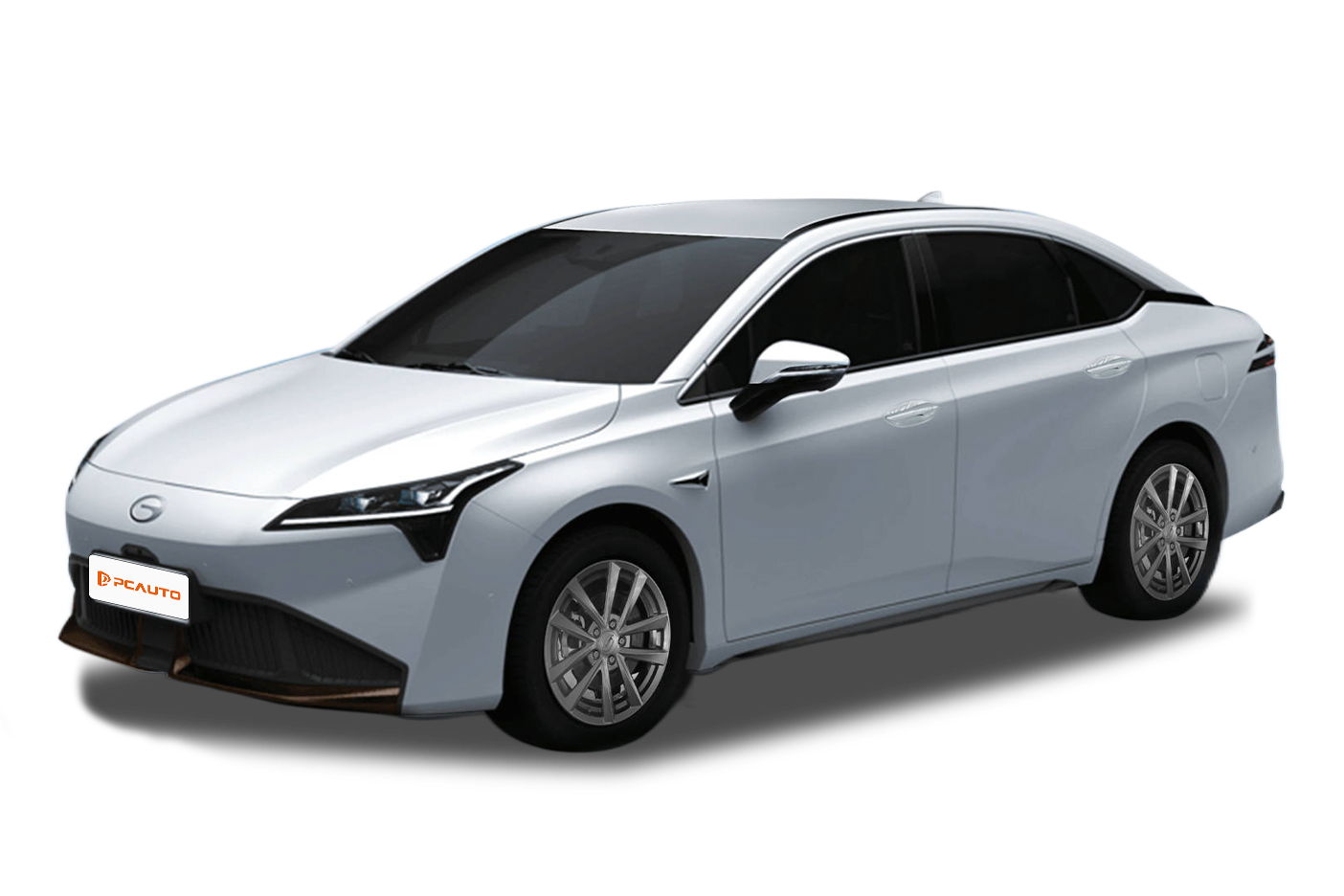
 Segment
 Body Type
 Motor Output(kW)
 Motor Torque(Nm)
 EV Range(km)
 Battery Capacity(kWh)
Recently, the selection of pure electric models in the D-segment sedan market in Malaysia has become increasingly diverse, and many family users are starting to pay attention to electric sedans that balance daily commuting and practical space. As a pure electric model launched under GAC in December 2024, the Aion ES EV enters the market with a price of RM 106,800. Its core selling points focus on a compact class price, a segment-leading wheelbase, and an official range of 442 kilometers, perfectly meeting the needs of budget-conscious consumers who pursue practicality. In this test drive, we focus on verifying whether its space performance truly meets the needs of family use, whether the power output is sufficient for daily commuting, and whether its features justify the price.
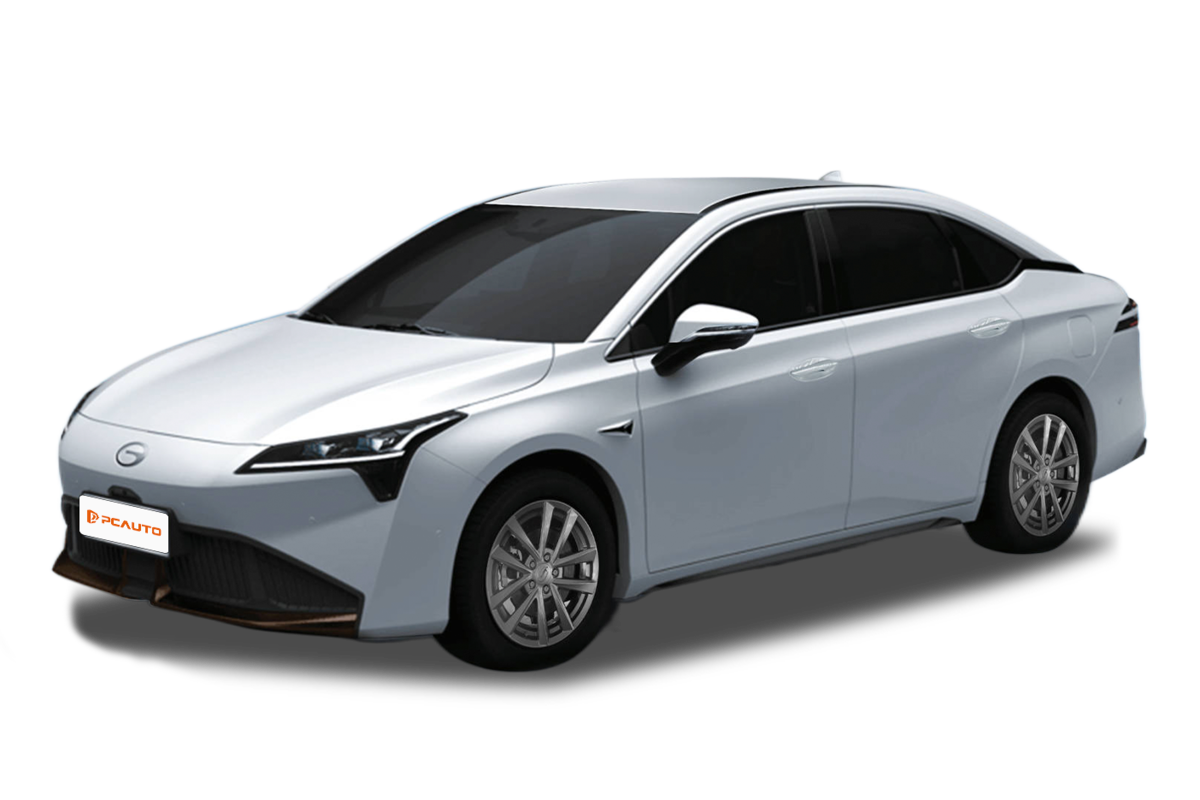
From the exterior perspective, the Aion ES EV adopts a minimalist and steady design style without overly exaggerated elements. The front end features a closed grille, paired with sharp LED headlamp assemblies on both sides. The daytime running lights are connected to a chrome strip at the top edge of the grille, enhancing horizontal visual width and providing decent recognition. The side profile of the vehicle exhibits smooth lines, with a waistline extending from the A-pillar to the rear of the car. The 17-inch wheels are standard in design, aligning with the positioning of a family car. At the rear, the LED taillights adopt the currently popular through-type design, delivering a clear effect when illuminated. While the diffuser shape under the rear bumper is decorative, it adds a touch of sportiness. Overall, the design has no obvious weaknesses and has a timeless appeal.
Stepping into the car, the interior style leans towards practicality, with a clean layout for the dashboard. The upper part of the dashboard is made of hard plastic, while the middle section is covered with soft materials, providing the necessary tactile support. An 8-inch central touchscreen is positioned in the middle of the dashboard, offering intuitive operation logic. It supports basic multimedia and Bluetooth connection functions, with a responsive speed at the mid-level for its class. The instrument cluster is a 3.5-inch LCD screen that displays core information such as range, speed, and battery level. Although its size is not large, the data is easy to read. A multifunctional steering wheel comes standard, with media controls on the left and cruise system controls on the right, providing clear feedback to the buttons.
The spacious interior is one of the advantages of the Aion ES EV. With a wheelbase of 2750mm, it ranks among the top in the D-segment pure electric sedan category. The front seats support 6-way manual adjustment. At a height of 175cm, adjusting to a suitable sitting position leaves a headroom of about one fist and two fingers. The rear space is even more surprising, with approximately two fists of legroom and one fist of headroom. Sitting three adults in the back does not feel too crowded. The rear row is equipped with air vents, and while it lacks USB ports, it is sufficient for daily use. The trunk has a capacity of 450L, easily accommodating two 28-inch suitcases and a carry-on bag. The rear seats can be folded down in a 60/40 split, making it convenient for carrying longer items occasionally.
In terms of power, the Aion ES EV is equipped with a front-mounted permanent magnet synchronous motor, delivering a maximum power of 100kW (136PS) and a peak torque of 225N·m, paired with a single-speed transmission. During daily commutes, the initial response is quick, with the power promptly following when the accelerator is pressed. It handles stop-and-go traffic in urban areas with agility. The acceleration process up to 60km/h is relatively smooth, and while the sense of push-back weakens after surpassing 80km/h, the power output is still sufficient for overtaking on highways as long as you prepare in advance. When switched to ECO mode, the power output becomes gentler, suitable for users prioritizing energy efficiency.
The handling performance is moderate, with the steering wheel being on the lighter side, making it easy for women to drive without much effort. The steering precision meets the standards within the realm of family cars. The chassis adopts a front MacPherson independent suspension and a rear torsion beam non-independent suspension. When dealing with common speed bumps in the city, the suspension can filter out most of the jolts, but when the rear wheels encounter larger potholes, there will still be slight vibrations transmitted into the cabin. The body roll during cornering is well-controlled, and there isn’t a noticeable sense of instability. The stability is sufficient for daily driving.
In terms of range and energy consumption, we tested under road conditions of 50% city and 50% highway. In a fully charged state, it managed to travel 402 kilometers, achieving a range fulfillment rate of nearly 91%, exceeding expectations. At a highway speed of 110 km/h, the energy consumption is approximately 14 kWh/100 km; in congested city sections, the energy consumption is around 12 kWh/100 km, with a combined energy consumption of roughly 13 kWh/100 km. Under fast charging mode, it can go from 30% to 80% in 1.5 hours, while slow charging requires 11 hours, making it suitable for users who charge at home overnight.
Regarding driving comfort, the noise insulation is commendable. At speeds below 60 km/h, you can barely hear any obvious tire or wind noise, and even at highway speeds over 100 km/h, the wind noise becomes slightly noticeable but doesn’t affect normal conversations. The seat padding is of moderate firmness, providing good support for the front seats, ensuring that your lower back doesn’t feel too fatigued during long drives. The energy recovery system only has a standard mode, and the drag feeling when releasing the accelerator pedal is not significant, making it similar to the coasting experience of a fuel car and easy to adapt to.
Overall, the core advantages of the Aion ES EV are clear: its 2750mm wheelbase provides a class-leading rear space, an official range of 442 kilometers with a high fulfillment rate, and for daily commuting, charging once a week is sufficient. Priced at RM 106,800, it offers outstanding value for a D-segment pure electric sedan. Compared with the entry-level BYD Qin PLUS EV of the same class, the Aion ES EV offers more space but is approximately RM 5,000 cheaper, making it suitable for budget-conscious families. However, it only has two airbags and the central control screen size is relatively small, which are the points to note.
If you are a family of three, primarily using the car for city commuting and weekend short trips, and value practicality in terms of space and range while keeping your budget between RM 100,000 and RM 110,000, the Aion ES EV would be a good choice. It doesn’t feature a particularly radical design or high-end smart configurations, but it addresses the essentials family users care about most—space, range, and value for money—making it a pragmatic pure electric family sedan.
GAC Aion ES EV Car Compare
GAC Aion ES EV Loan Calculator
Cars With Similar Price And Features

20
Rank in Sedan

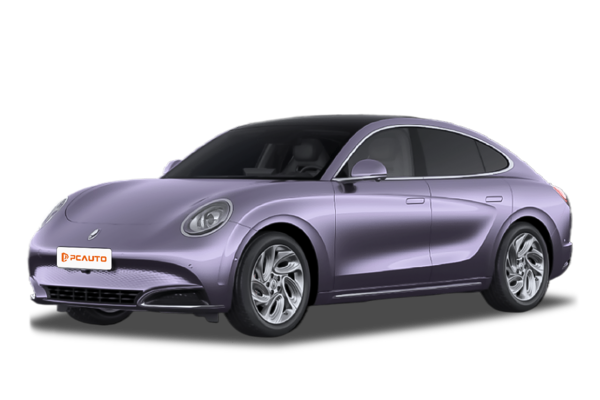
2024 ORA 07 Long Range Ultra with a core focus on 640km long range, paired with superior configuration and practical space, is a D-class electric coupe that balances household comfort and cost-effectiveness.
24
Rank in Sedan
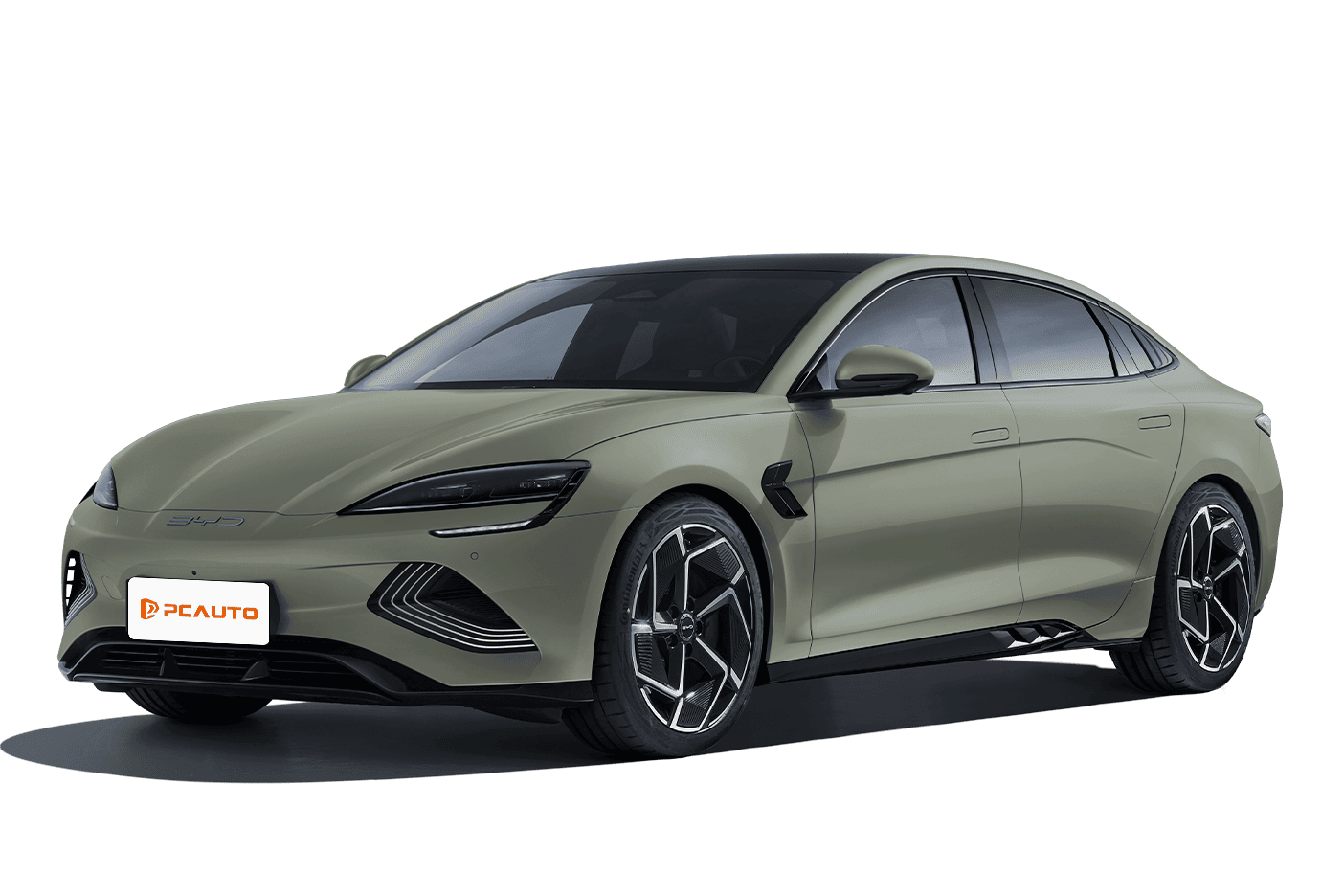
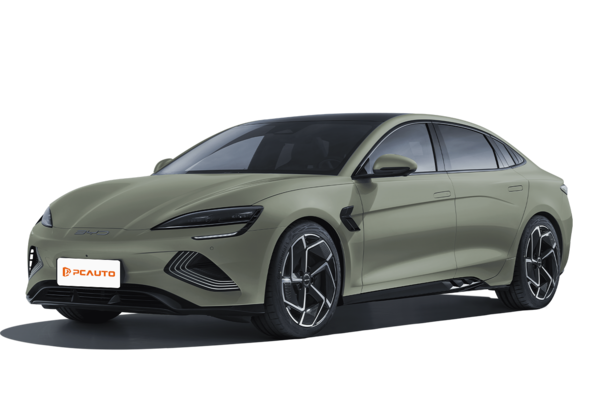
2025 BYD Seal Premium (Extended Range) is a high-value D-class electric coupe with a balanced 650km high-performance range, practical features, and comfortable space, suitable for family users and technology enthusiasts.
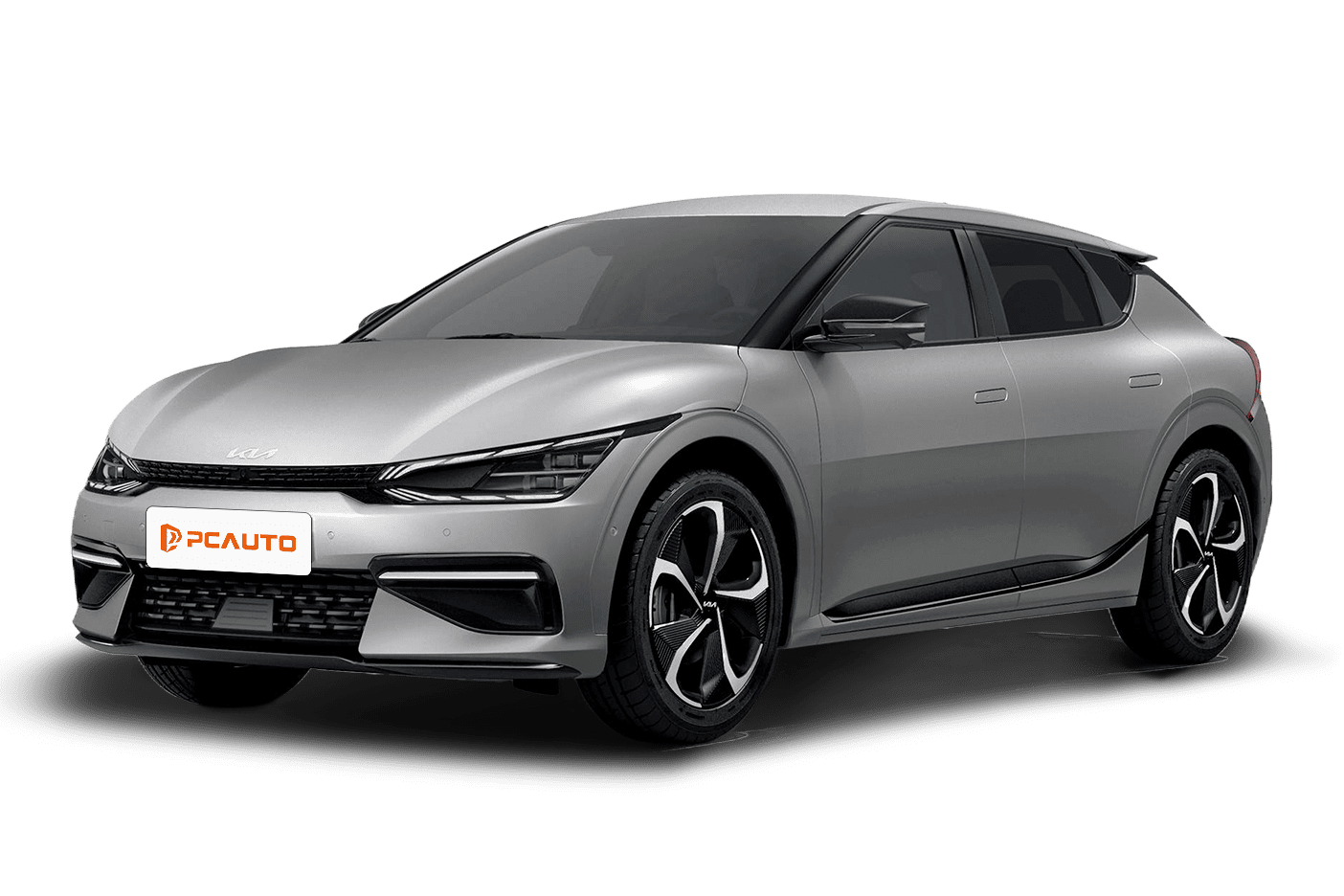
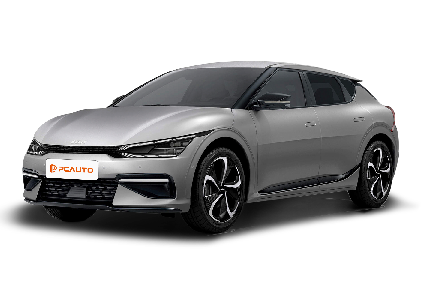
2022 Kia EV6 GT-Line AWD, as Kia's representative work on a pure electric platform, features a dual-motor with 325PS, a range of 506km, luxury configurations, and sporty design to create a well-balanced performance mid-size pure electric SUV.
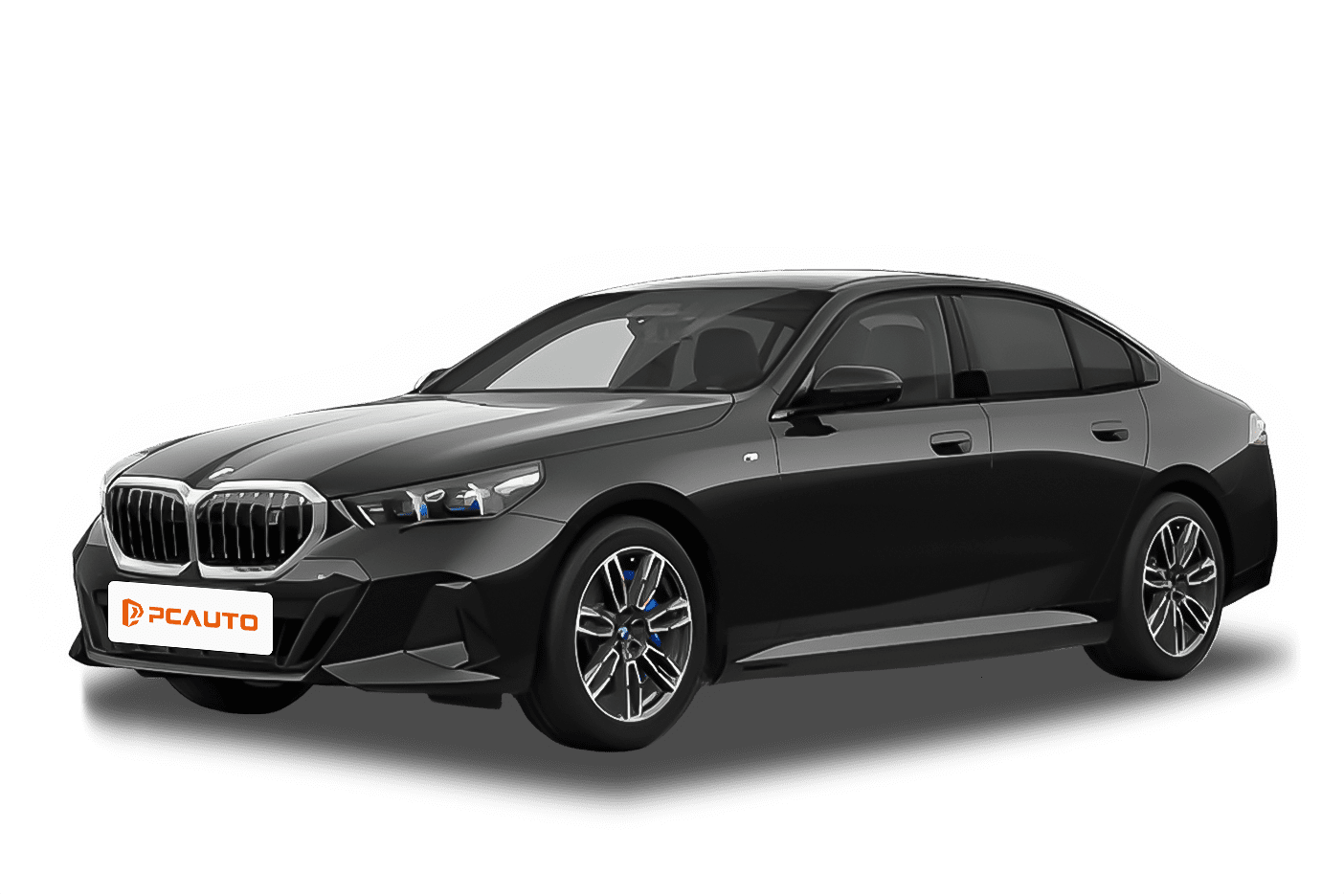
2024 BMW i5 eDrive40 M Sport is a pure electric sedan that combines sporty genes with executive-level luxury, featuring a sleek body, ample space, powerful performance, and precise handling to meet the needs of both family and business.