

GAC Aion ES EV 2024 Review

 Share
Share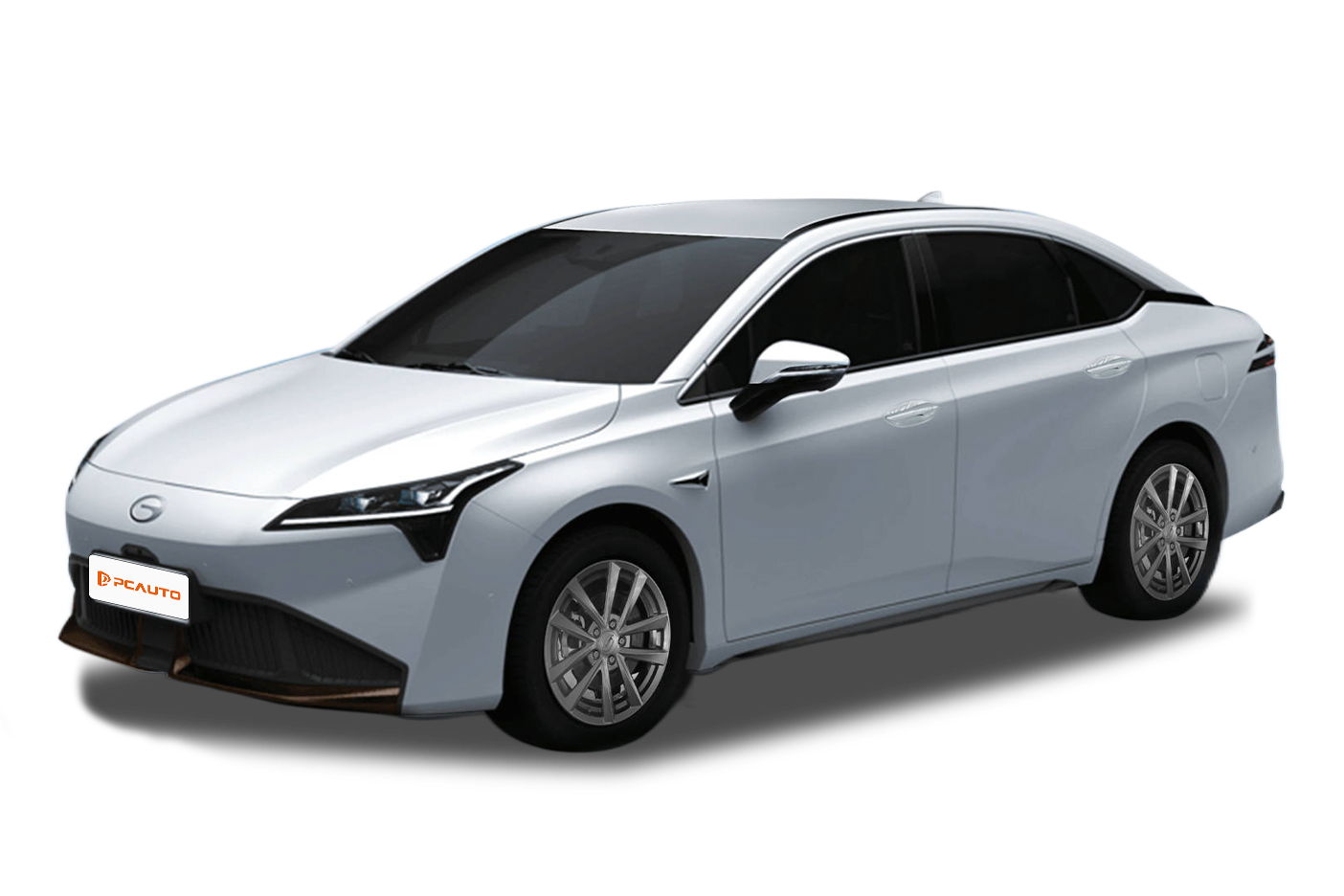
 Segment
 Body Type
 Motor Output(kW)
 Motor Torque(Nm)
 EV Range(km)
 Battery Capacity(kWh)
As Malaysia's new energy market continues to heat up, electric sedans priced around 100,000 MYR have become a key consideration for many family users—this price range needs to meet daily commuting range requirements while also taking into account space practicality and basic configuration experience. The 2024 GAC Aion ES EV targets this niche market. With its official range of 442 kilometers, a price of less than 110,000 MYR, and balanced configuration, many consumers are curious if it can become the "pragmatic choice" in this price range. This time, through a static experience and dynamic test drive, we focus on testing its space performance, power response, and range authenticity to see if it meets the core needs of family users.
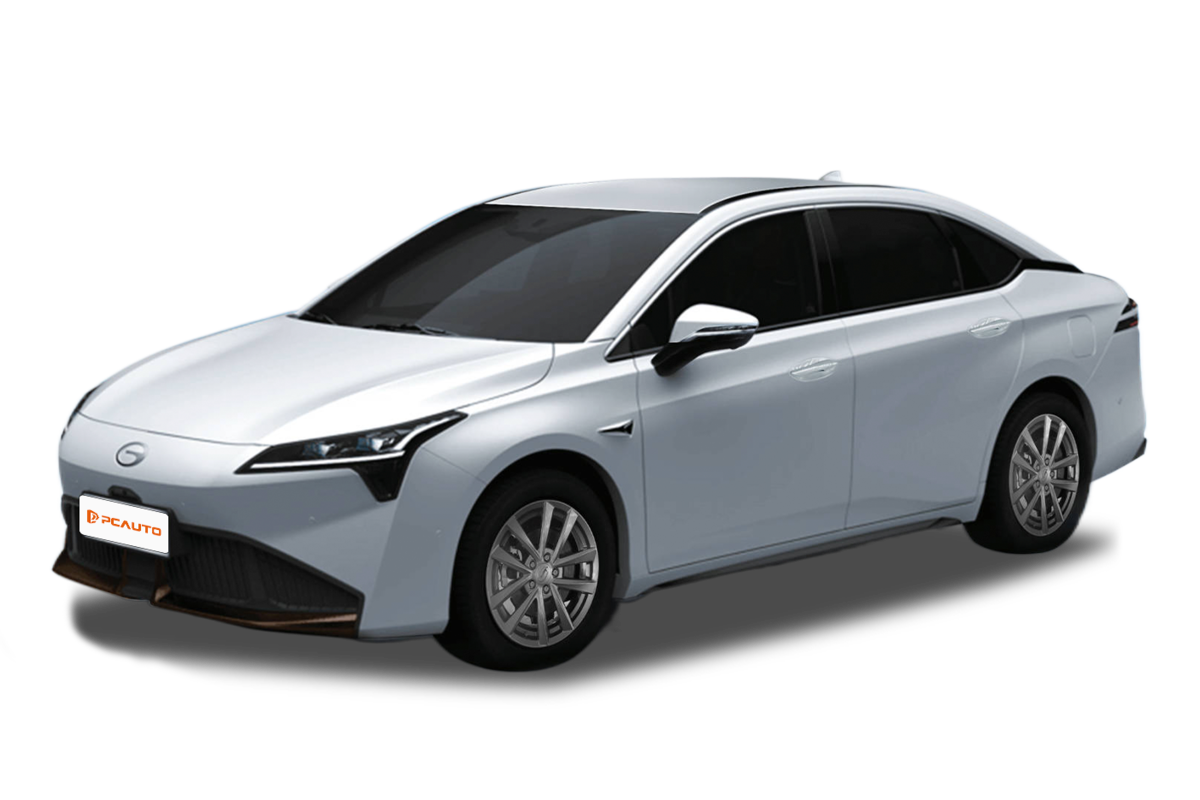
From the exterior, the Aion ES EV follows a simple, family-oriented design route. The overall lines are smooth without overly aggressive styling. The front features a closed grille paired with slim LED daytime running lights, which are connected to the headlamp group on both sides, visually widening the front. The waistline on the side of the car extends from the front fender to the rear, complementing the 17-inch multi-spoke wheels, giving a relatively stable appearance. The rear LED taillights adopt a through-type design, with the brand logo embedded in the middle, providing good recognition when lit at night. The lighting system features LED light sources across the entire lineup, along with automatic headlights and rear fog lights, ensuring convenience for daily use.
Upon stepping inside, the interior features a dark color scheme, with a floating 8-inch touchscreen design on the center console, and retains some physical buttons below for a clearer operational logic. In terms of materials, the upper part of the center console uses hard plastic, but the seams are reasonably well-finished. The multifunctional steering wheel supports basic functions such as volume adjustment and call answering. Although the 3.5-inch LCD instrument panel is not large, it can clearly display key information such as speed, range, and battery power. For configuration, keyless entry and one-button start are standard features. The front seats support 6-way manual adjustment, and the rear seats can be folded down in a 4/6 split to expand trunk space. There are also rear air vents and ISOFIX child seat anchors, which are practical for family users. In terms of body size, the car measures 4810/1880/1545mm in length, width, and height, respectively, with a wheelbase of 2750mm. In actual seating experience, a 175cm tall passenger sitting in the rear will have about two fists of legroom, and the headroom does not feel cramped. The trunk has a standard capacity of 450 liters, enough to fit two 20-inch suitcases and a few backpacks without any issues.
In the dynamic experience, the Aion ES EV is equipped with a front-mounted permanent magnet synchronous motor, delivering a maximum power of 100kW (136PS) and a peak torque of 225N·m, matched with a single-speed transmission. The power response is quite direct when starting off, with a good acceleration feeling achieved with a light press on the accelerator, making it easy to follow or overtake cars during daily urban commutes. Switching to Eco mode smoothens the power output, which is more suitable for congested roads. The chassis uses a front MacPherson and rear torsion beam suspension setup, tuned for comfort. When passing speed bumps or uneven roads, the suspension can filter out most small bumps, though the rear suspension exhibits slight rebounds when quickly passing larger bumps. The steering wheel has moderate weight, with minimal slack, making everyday handling relatively agile.
We conducted a range test under mixed road conditions: 70% in urban roads and 30% on highways, with the air conditioning running throughout the journey. The actual range reached approximately 380 kilometers, achieving about 86% of the claimed range. This performance is in line with the level of pure electric vehicles in this category. Fast charging takes 1.5 hours (from 30% to 80%), while slow charging requires 11 hours, which meets daily charging needs. In terms of noise control, the interior is fairly quiet at low speeds, while wind and tire noise gradually become noticeable after exceeding 80km/h, but they do not affect normal conversation. The seat padding is relatively soft, so long rides do not cause fatigue.
In terms of safety features, the Aion ES EV comes standard with ABS anti-lock braking, electronic stability control, seat belt reminder for front and rear passengers, dual airbags, and rear parking sensors. Although there are only two airbags, the basic safety features are fairly complete. Compared to the similarly priced BYD Dolphin (approximately RM 99,900), the Aion ES EV has a slight advantage in wheelbase and rear seat space, with a comparable range performance. However, the Dolphin has more advanced smart features (like the rotating center control screen). On the other hand, the Aion ES EV is more affordable, making it a more cost-effective option.
All in all, the 2024 GAC Aion ES EV's core strengths lie in its spacious interior, practical configurations, and reliable range performance. Priced at under RM 110,000, it offers strong competitiveness in the sub-RM 100k electric sedan segment. It is more suitable for families prioritizing practicality and cost-efficiency, and it can meet the demands of daily urban commuting or short weekend trips. If you don't need too many fancy intelligent features and just want a spacious, adequately ranged pure electric family car, the Aion ES EV is a choice worth considering.
GAC Aion ES EV Car Compare
GAC Aion ES EV Loan Calculator
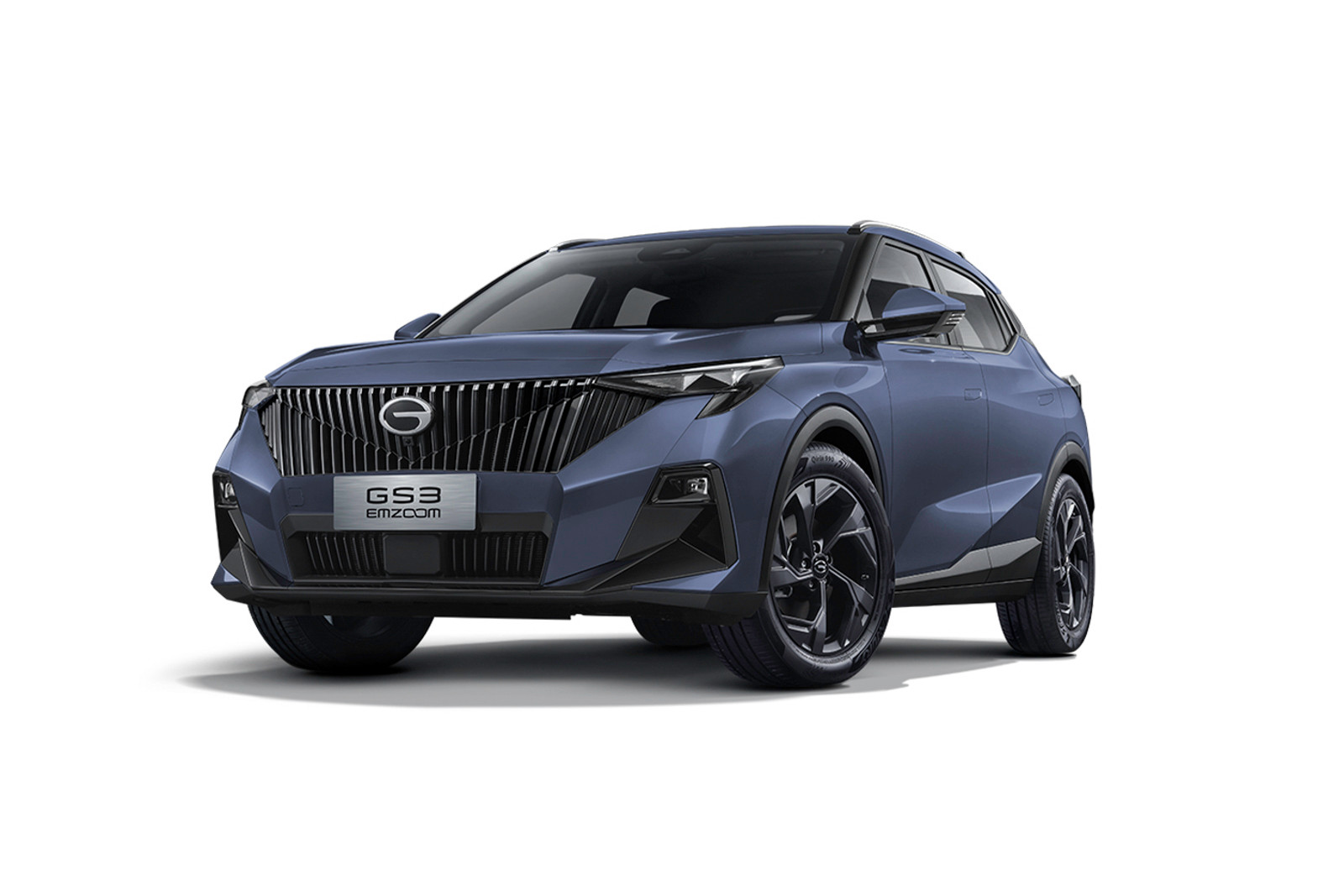
Cars With Similar Price And Features

20
Rank in Sedan

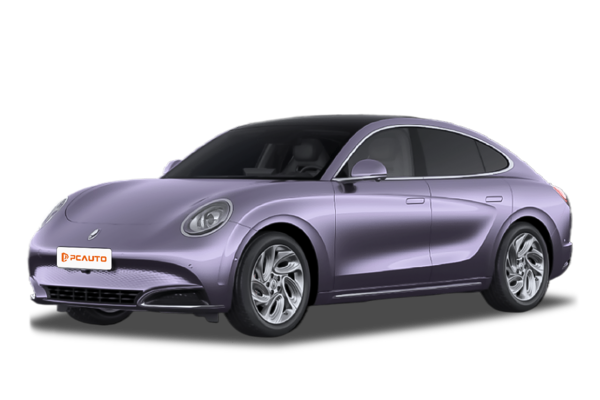
2024 ORA 07 Long Range Ultra with a core focus on 640km long range, paired with superior configuration and practical space, is a D-class electric coupe that balances household comfort and cost-effectiveness.
24
Rank in Sedan
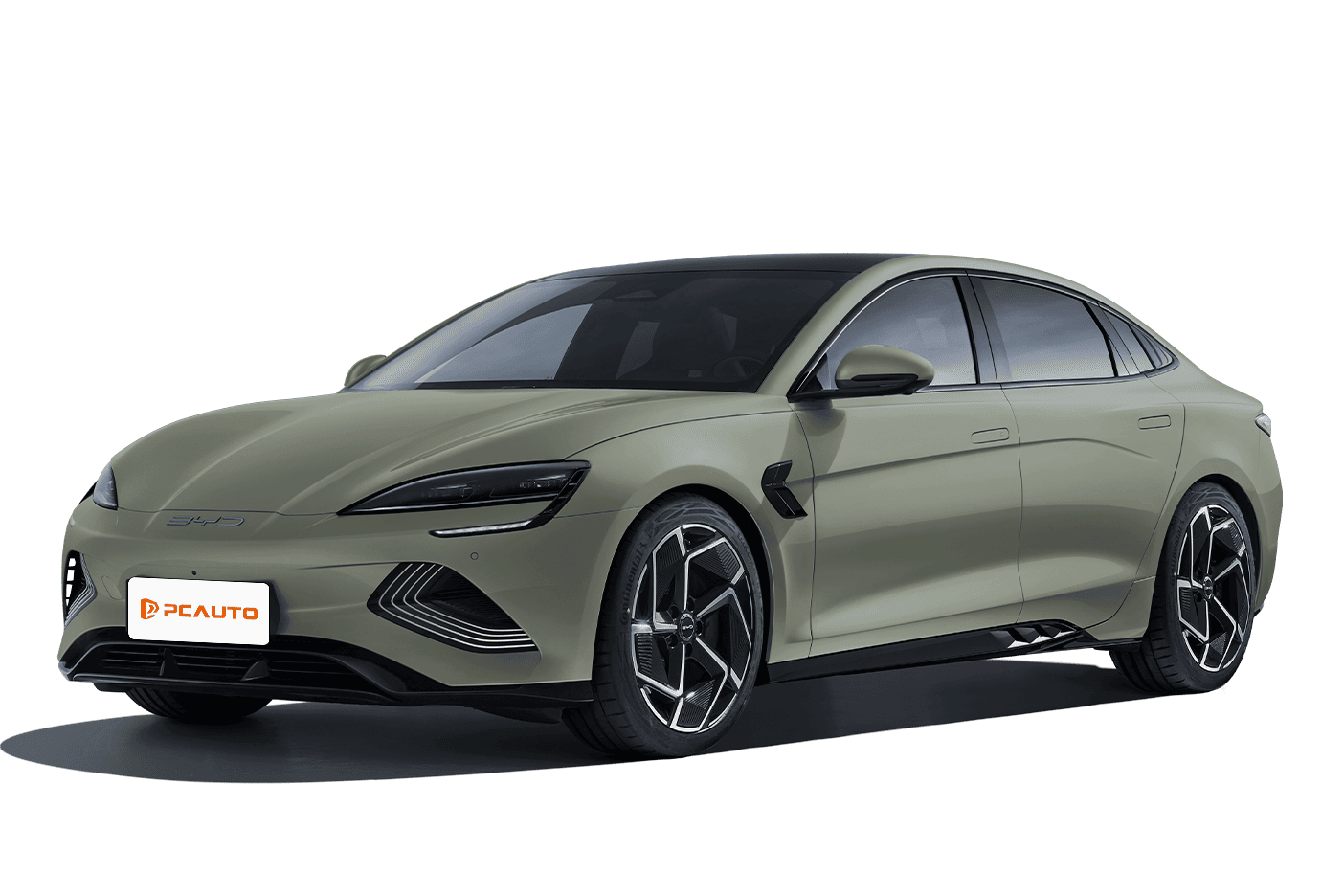
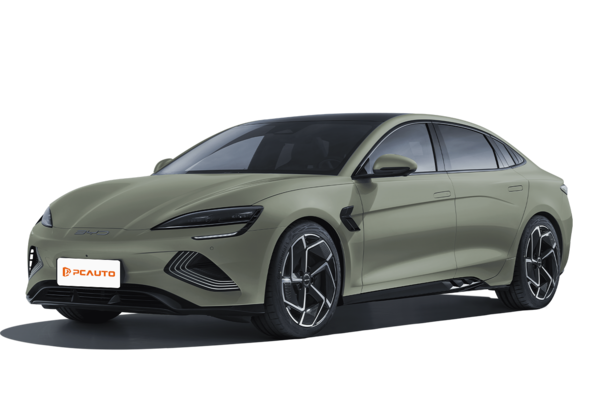
2025 BYD Seal Premium (Extended Range) is a high-value D-class electric coupe with a balanced 650km high-performance range, practical features, and comfortable space, suitable for family users and technology enthusiasts.
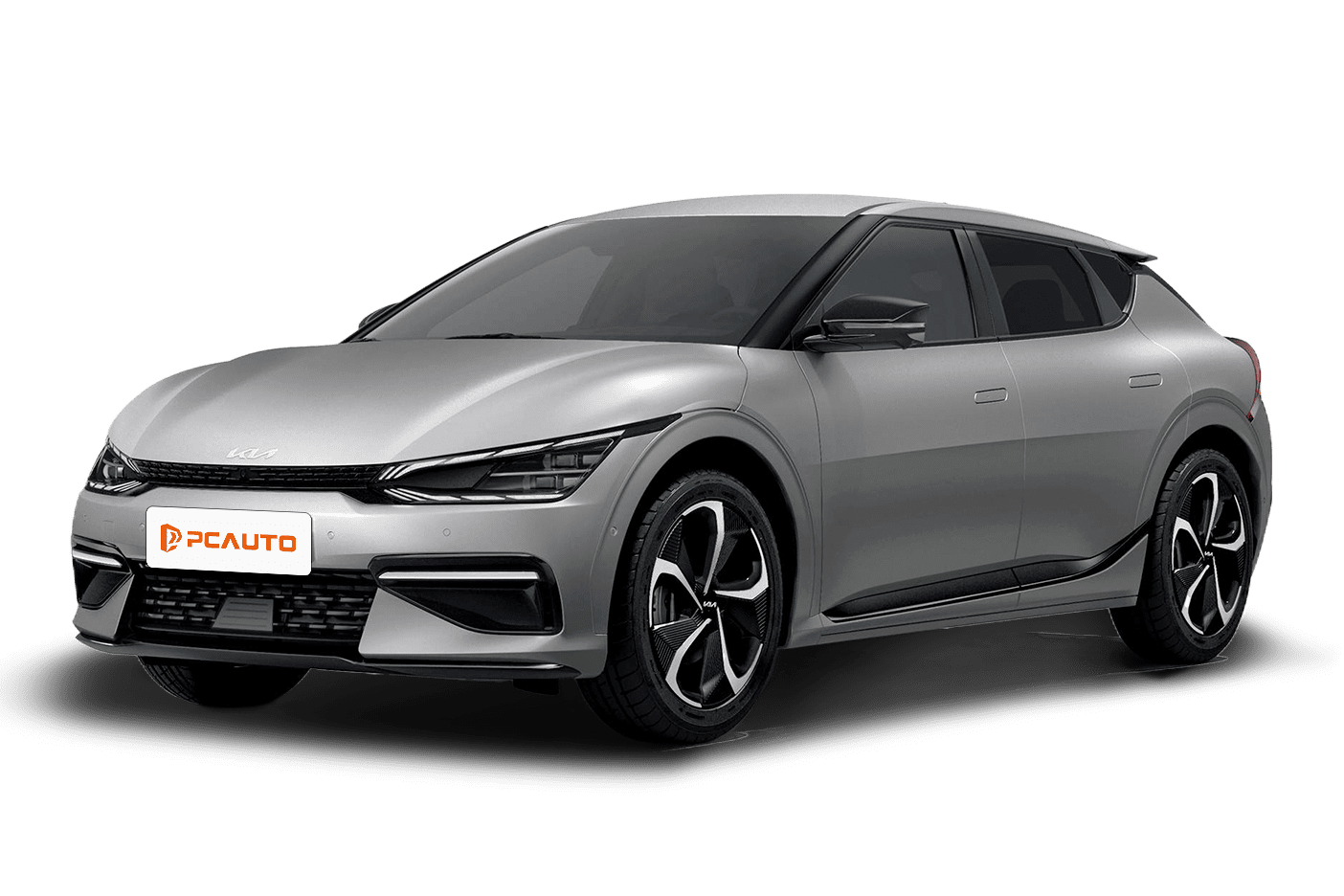
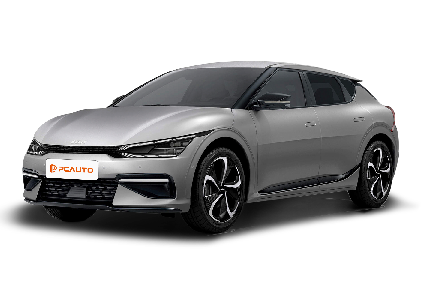
2022 Kia EV6 GT-Line AWD, as Kia's representative work on a pure electric platform, features a dual-motor with 325PS, a range of 506km, luxury configurations, and sporty design to create a well-balanced performance mid-size pure electric SUV.
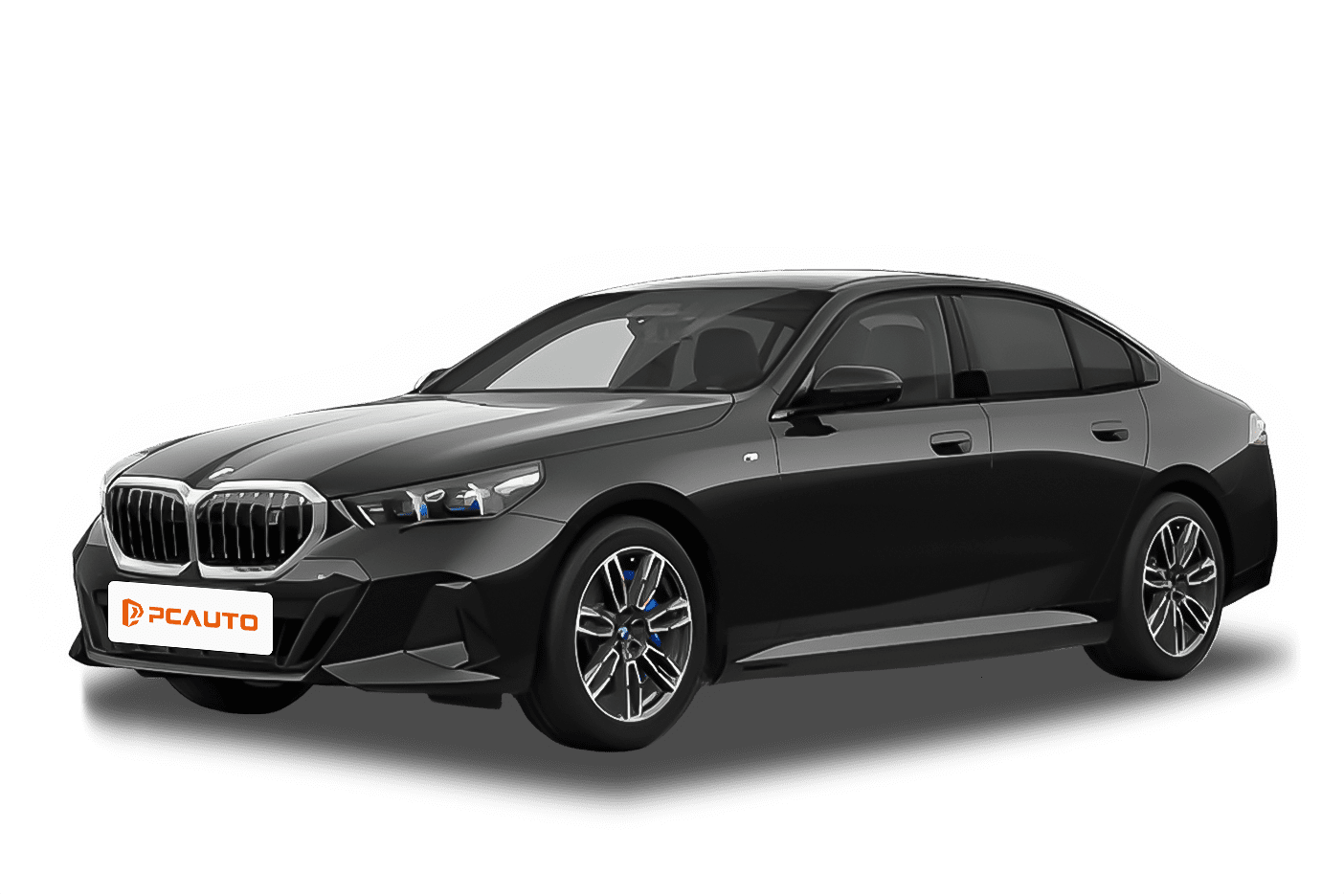
2024 BMW i5 eDrive40 M Sport is a pure electric sedan that combines sporty genes with executive-level luxury, featuring a sleek body, ample space, powerful performance, and precise handling to meet the needs of both family and business.