

2024 Hyundai Elantra public Review

 Share
Share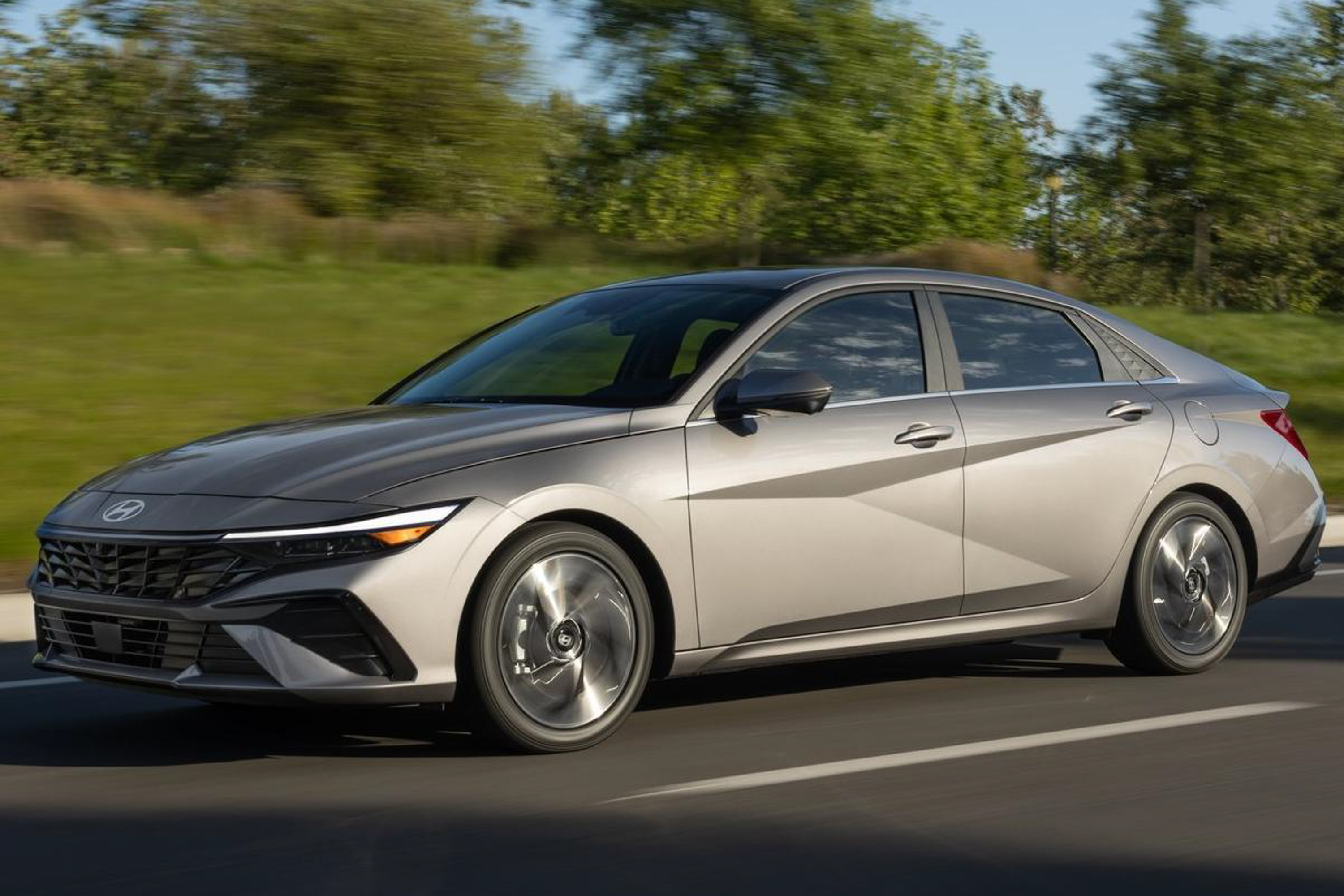
 Body Type
 Segment
 Capacity(L)
 Engine Power(PS)
 Engine Torque(Nm)
 Transmission
The compact sedan market has consistently been a stronghold for essential needs locally, where consumers value fuel economy for daily commuting while also emphasizing spatial practicality and smart configurations. As a new model in this segment, the 2024 Hyundai Elantra Public brings adjustments in design details and configuration upgrades, with core selling points centered around "a youthful and sporty exterior + upgraded smart cockpit + balanced performance." The purpose of this test drive is to verify whether these upgrades truly enhance the daily usage experience and whether it still holds sufficient competitiveness in its class.
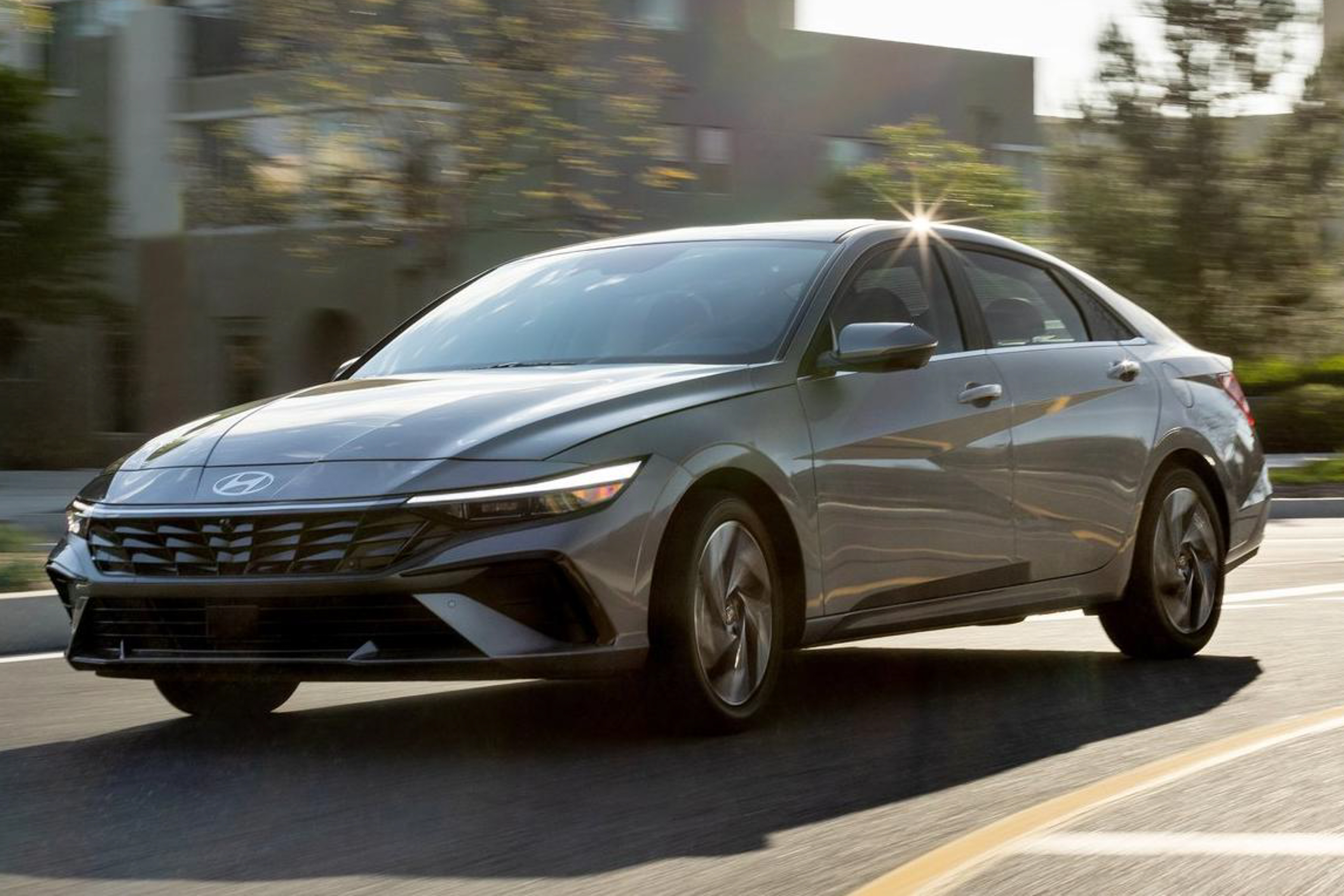
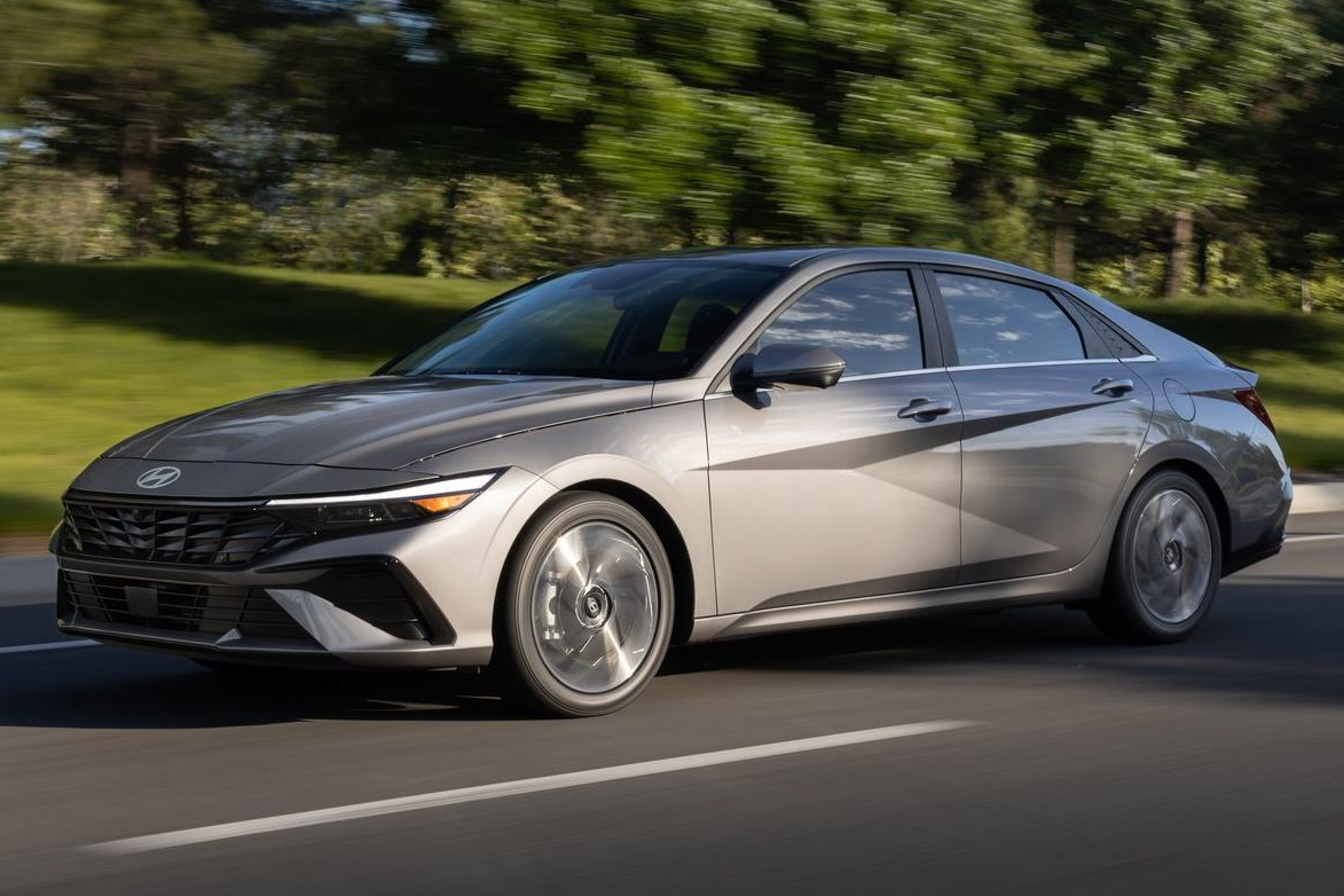
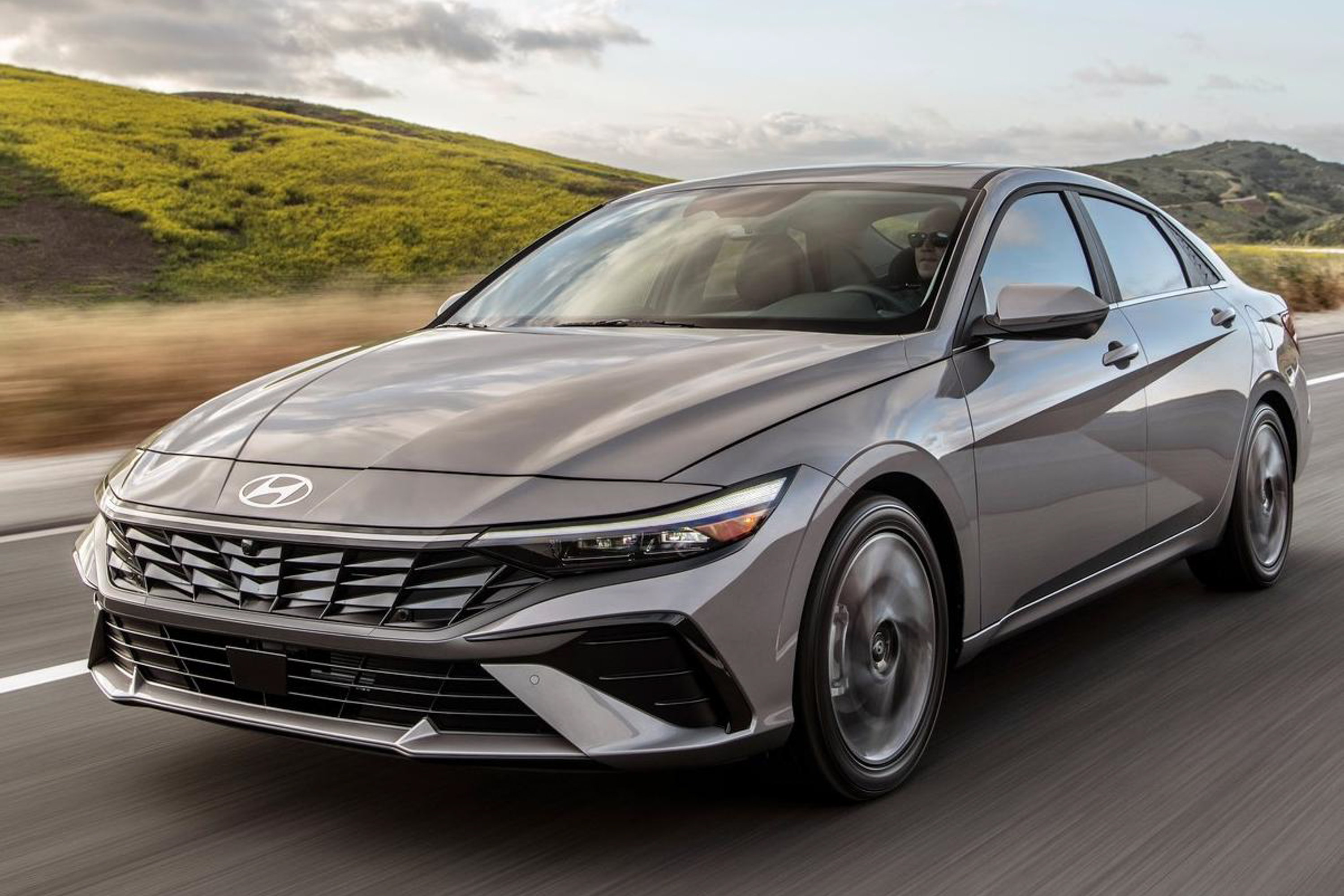
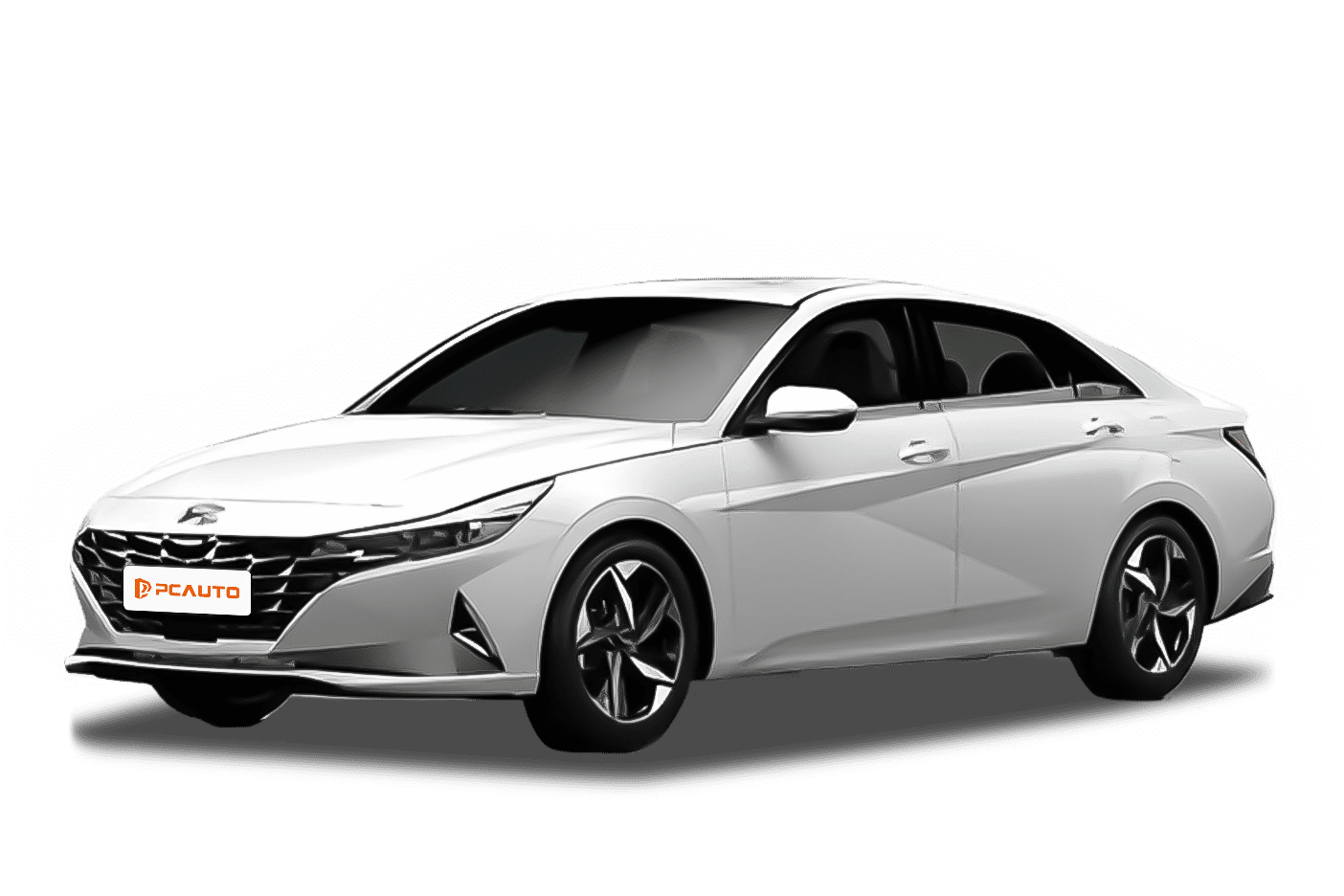
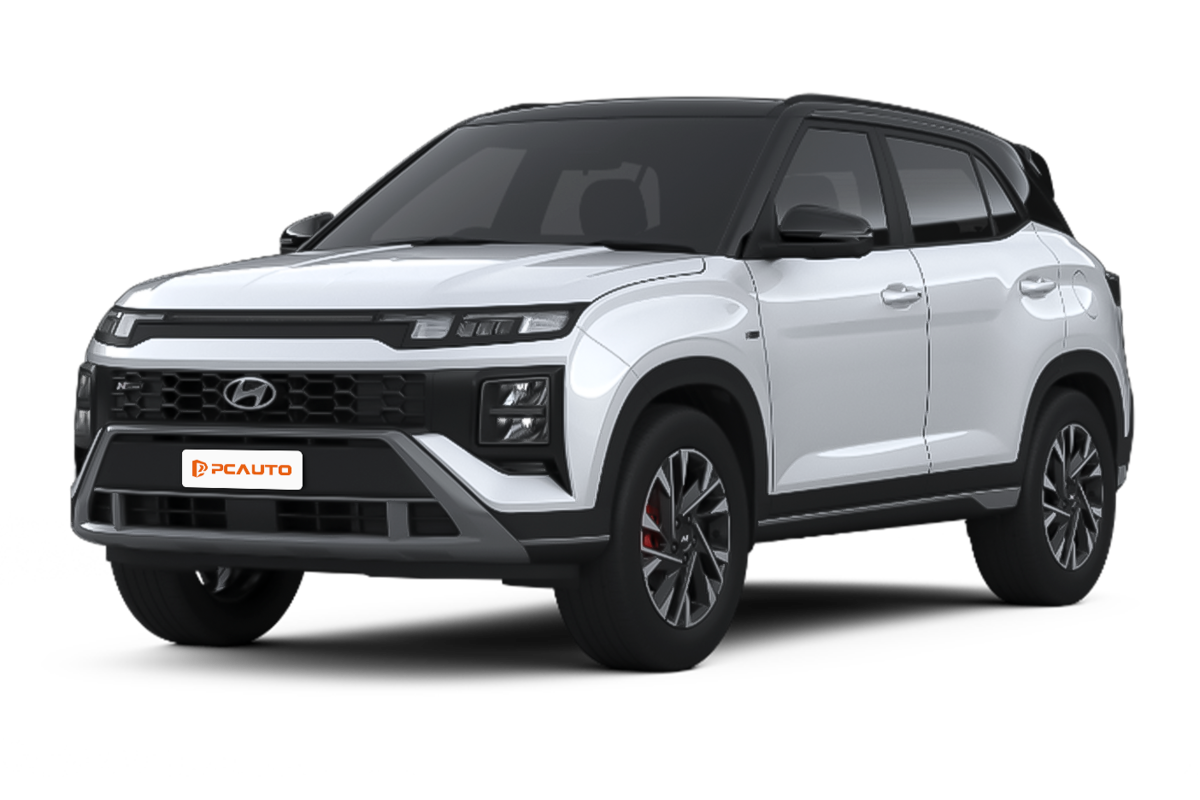
In terms of appearance, the 2024 Elantra Public continues the family-style "Sensuous Sportiness" design language, with sharp and layered lines throughout. The most noticeable change on the front is a slightly narrower grille with a denser black mesh structure inside, paired with sharply designed LED daytime running lights on both sides, making it more recognizable compared to the old model. The waistline along the side of the car extends from the front fender to the rear, complemented by 17-inch two-tone aluminum alloy wheels, further enhancing the sporty feel. At the rear, the through-type LED taillight remains the visual focal point, but the luminous units inside have been slightly adjusted, giving a more technological feel when illuminated. Additionally, the diffuser trim below has been updated from a single color to a dual-tone design, adding more layering to the rear. Notably, the new model offers six body color options, with the newly introduced "matte gray" being particularly popular among younger users.
Stepping into the interior, the layout of the 2024 Elantra Public remains largely unchanged, but the materials and configurations have been significantly upgraded. The center console continues to feature a symmetrical design, with a 10.25-inch dual-display integrating the central touchscreen and instrument panel as the visual centerpiece; the screen resolution and operational fluency are improved compared to the previous model. Beneath the central screen, some physical buttons remain, primarily to control the air conditioning and volume, which is convenient for blind operation. In terms of interior materials, frequently touched areas like the door armrests and central console armrest are wrapped in soft leather, offering a softer and more refined texture compared to the previous model. The seats use perforated leather, providing good breathability. The driver's seat supports 8-way electric adjustment, while the passenger seat offers 4-way manual adjustment. In terms of features, the new model adds wireless charging, front seat heating (for higher trims), and an upgraded Bluelink intelligent connectivity system, which supports remote control via smartphone, voice recognition, and other functionalities. Voice control covers common scenarios such as navigation, air conditioning, and music, with a high recognition accuracy.
In terms of space performance, the new car's body dimensions are 4620mm x 1800mm x 1450mm, with a wheelbase of 2720mm, consistent with the previous model. The front-row seating space is ample, with a 175cm-tall occupant still having a fist and two fingers of headroom after adjusting the seating position. The rear seating space remains an advantage in its class; a passenger of the same height in the rear seat has two fists of legroom and one fist of headroom. The low floor hump ensures that when three people are seated, the middle passenger's legroom isn't overly cramped. In terms of storage space, the central console compartment has a considerable volume, able to hold two 500ml water bottles. Door panel storage slots can accommodate three bottles, and the front cup holders support different-sized cups. The trunk has a standard capacity of 474L, with rear seats that can be folded down in a split format to expand it to 1220L, able to accommodate items like strollers or suitcases.
In terms of the powertrain, we test-drove the 1.6L naturally aspirated engine version, with a maximum power of 123 horsepower and a peak torque of 154N·m, paired with a CVT continuously variable transmission. During actual driving, the power response is relatively brisk during startup, the throttle pedal is tuned linearly, making it suitable for urban commuting; mid-to-low speed acceleration (30-60km/h) is smooth without noticeable jerking; when overtaking at high speed (80-120km/h), you need to press the accelerator deeply, and the power output will have a 1-2 second delay, but it is sufficient afterward, and the power remains stable after overtaking. The driving mode offers three choices: Eco, Normal, and Sport. In Sport mode, the throttle response becomes more sensitive, and the shifting logic of the gearbox becomes more aggressive, but the overall power performance doesn't undergo a qualitative change.
In terms of handling and suspension, the new car adopts a combination of front MacPherson independent suspension and rear torsion beam non-independent suspension. The steering wheel has moderate weight and is relatively precise with minimal play, making daily driving quite easy. The suspension is tuned for comfort; it filters out most vibrations on urban roads, and the body doesn't have noticeable jolting; when encountering speed bumps or significant bumps, the rear suspension feels slightly stiff, and rear passengers may feel some bounce. The cornering performance is average, with body roll controlled within a reasonable range, and while it doesn't exhibit particularly aggressive handling, it's more than sufficient for daily driving needs.
In our specialized performance tests, we focused on fuel consumption. In congested urban traffic conditions (with the air conditioning on), the fuel consumption was approximately 7.2L/100km; on highways (speed of 80-100km/h), the fuel consumption was about 5.8L/100km; the average fuel consumption under combined conditions was about 6.5L/100km, which is close to the official figure of 6.0L/100km, showing good fuel economy. As for braking performance, the brake pedal is tuned to provide a linear response, with a slight play at the initial stage; however, when pressed harder, the braking force output is sufficient, and during emergency braking, the car remains stable without significant nosedive.
Regarding driving comfort, the new car has good noise control, with almost no engine noise heard inside the cabin at low speeds, and tire noise and wind noise are also minimal; when the speed exceeds 100km/h, wind noise becomes increasingly noticeable but is still within an acceptable range. The seats offer good support, reducing lower back fatigue during long drives; the suspension effectively filters out road bumps, ensuring no significant discomfort during daily commutes.
In summary, the core advantages of the 2024 Hyundai Elantra Public lie in its youthful exterior design, spacious rear seats, upgraded intelligent configurations, and balanced fuel economy. Compared to competitors in the same class, such as the Toyota Corolla and Honda Civic, its rear-seat space and intelligent features stand out, while the price is on par with its rivals (expected price range: 110,000-150,000 MYR), making it highly cost-effective. This car is well-suited for families that prioritize practicality and daily commuting or young consumers looking for a sporty appearance and advanced features. Overall, the 2024 Elantra Public is a well-balanced compact car with no apparent shortcomings, and its upgraded features and attention to detail make it more competitive among vehicles in its class.
Hyundai Elantra Car Compare
More Hyundai Reviews
Cars With Similar Price And Features
5
Rank in Sedan
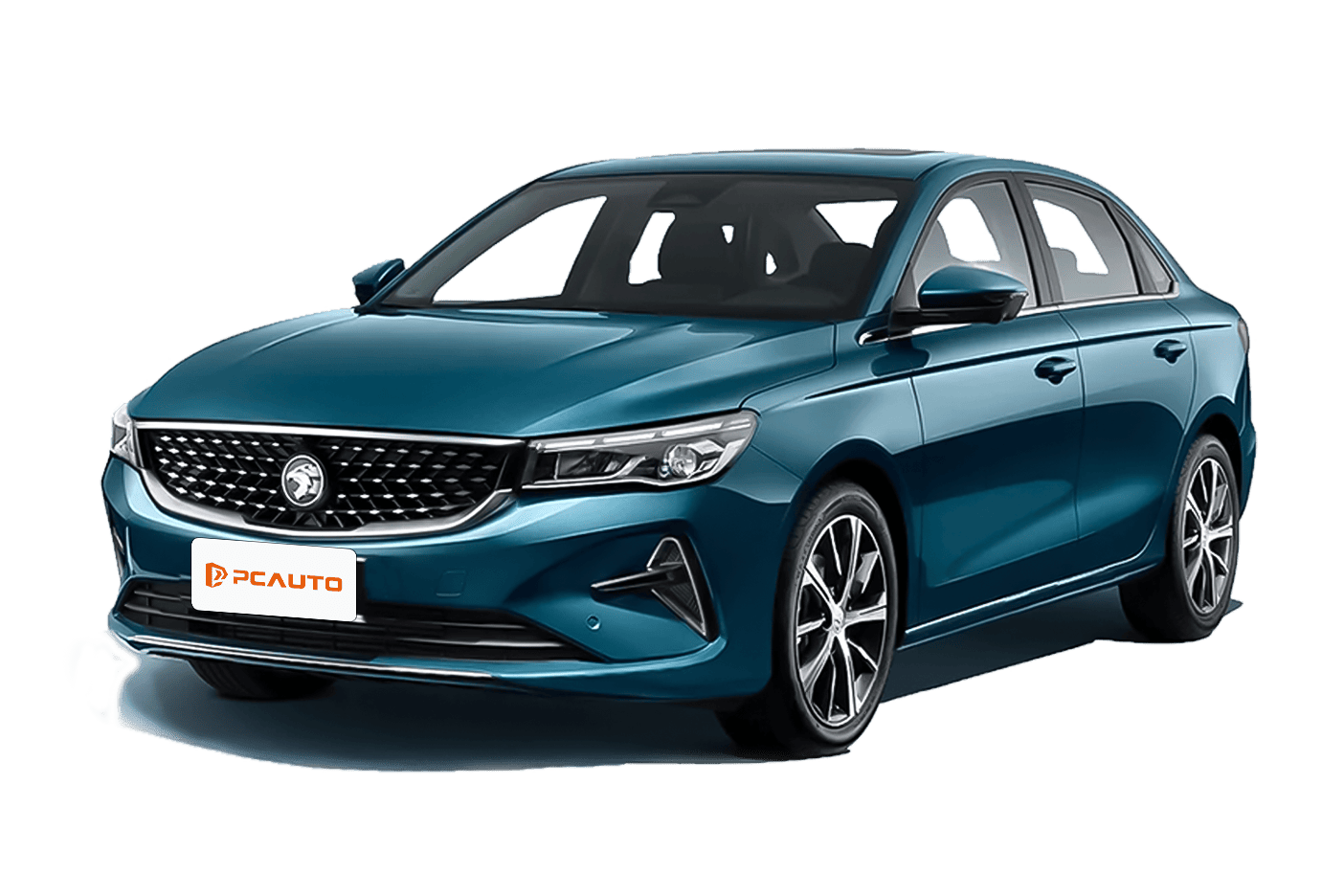
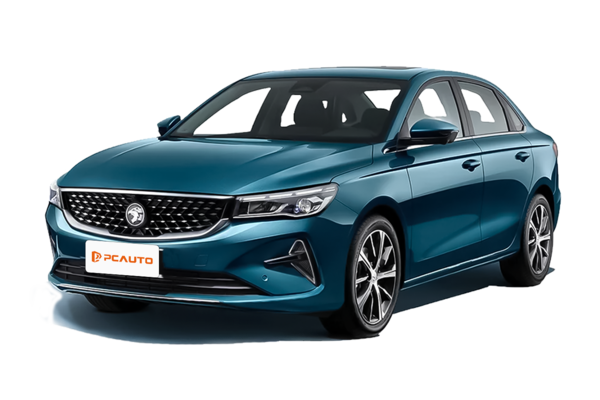
2024 Proton S70 1.5T Executive is an affordable entry-level family C-segment sedan with practical space and lively performance, balancing elegant design with basic safety features.
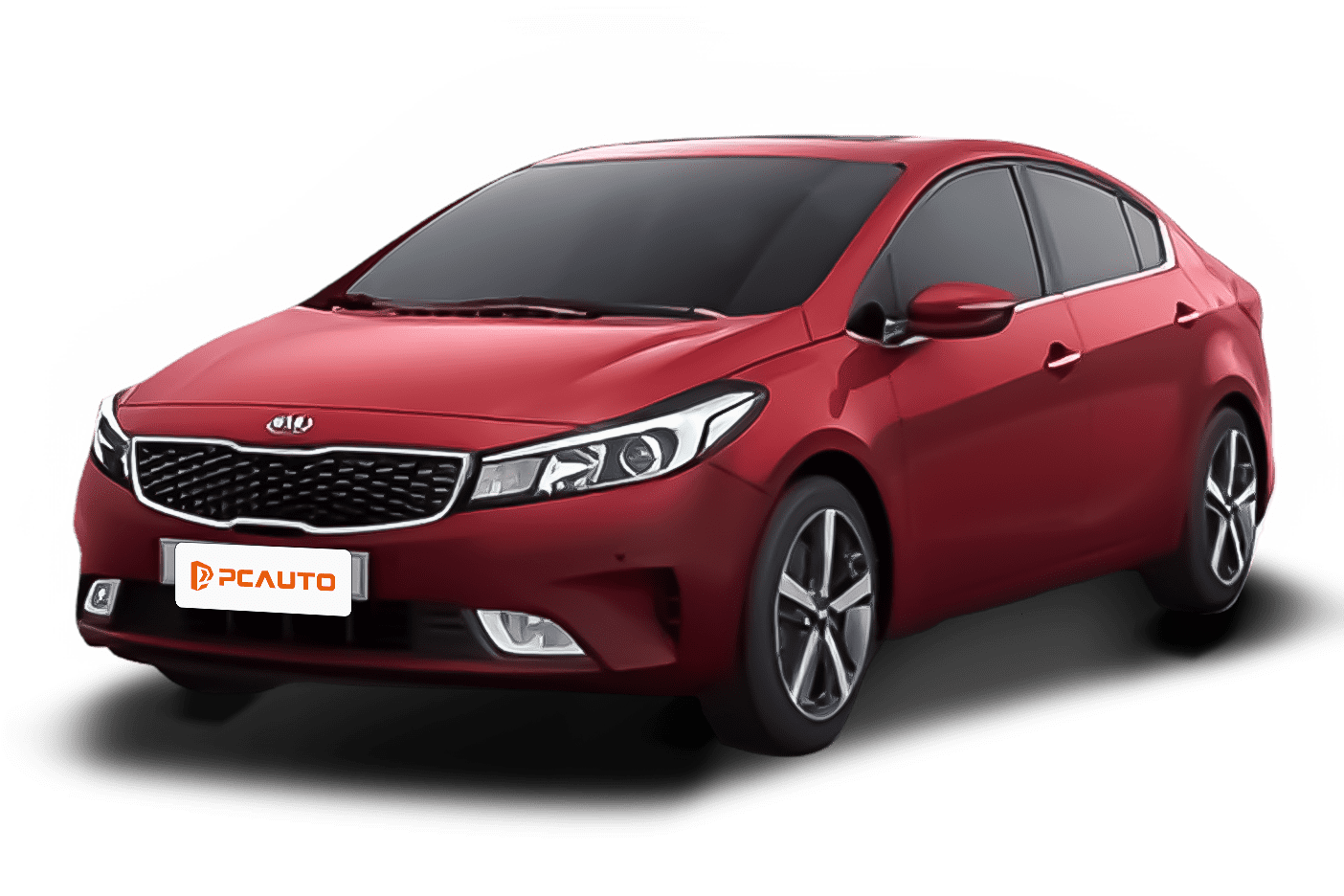
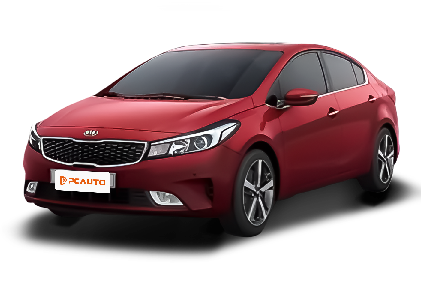
2020 Kia Cerato 1.6 SX is a high-value family sedan that retains core features at a lower price, offering practical space, reliable safety, and balancing the needs of commuting and family travel.
7
Rank in Sedan
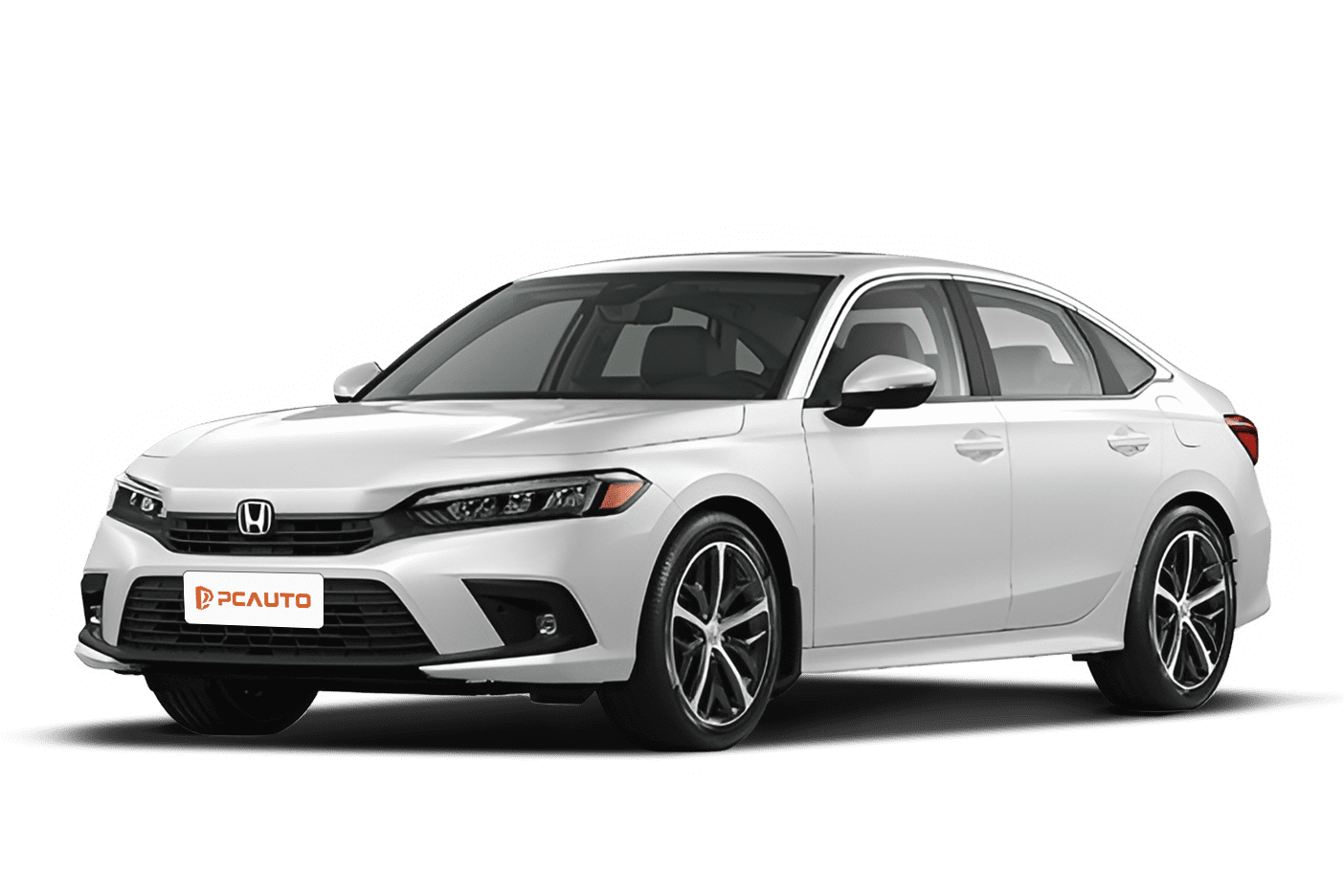
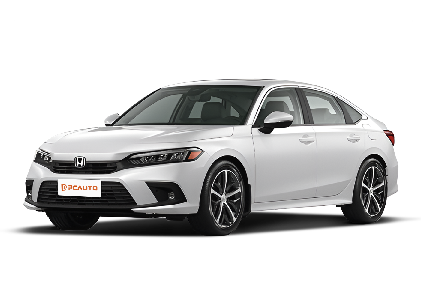
2025 Honda Civic 1.5L E is an entry-level family sedan that combines 1.5T power, a full set of active safety features, and practical space, suitable for city commuting and family outings.
14
Rank in Sedan
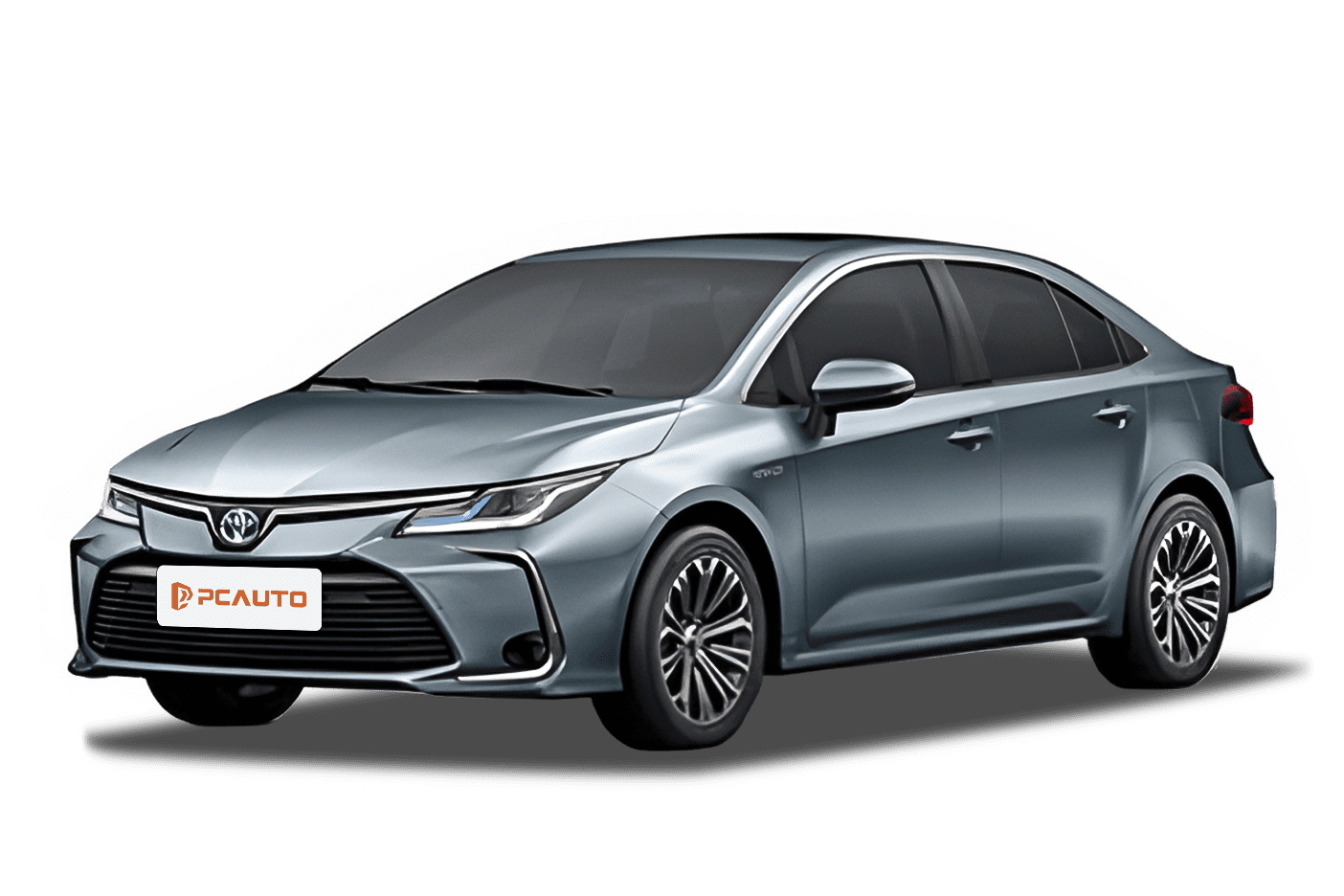
2025 Toyota Corolla GR Sport features a sporty design, upgraded intelligent configurations, and high cost performance, balancing practicality for family use and driving pleasure, making it an ideal choice for young families.