

2024 Nissan Almera 1.0L Turbo VLP Review

 Share
Share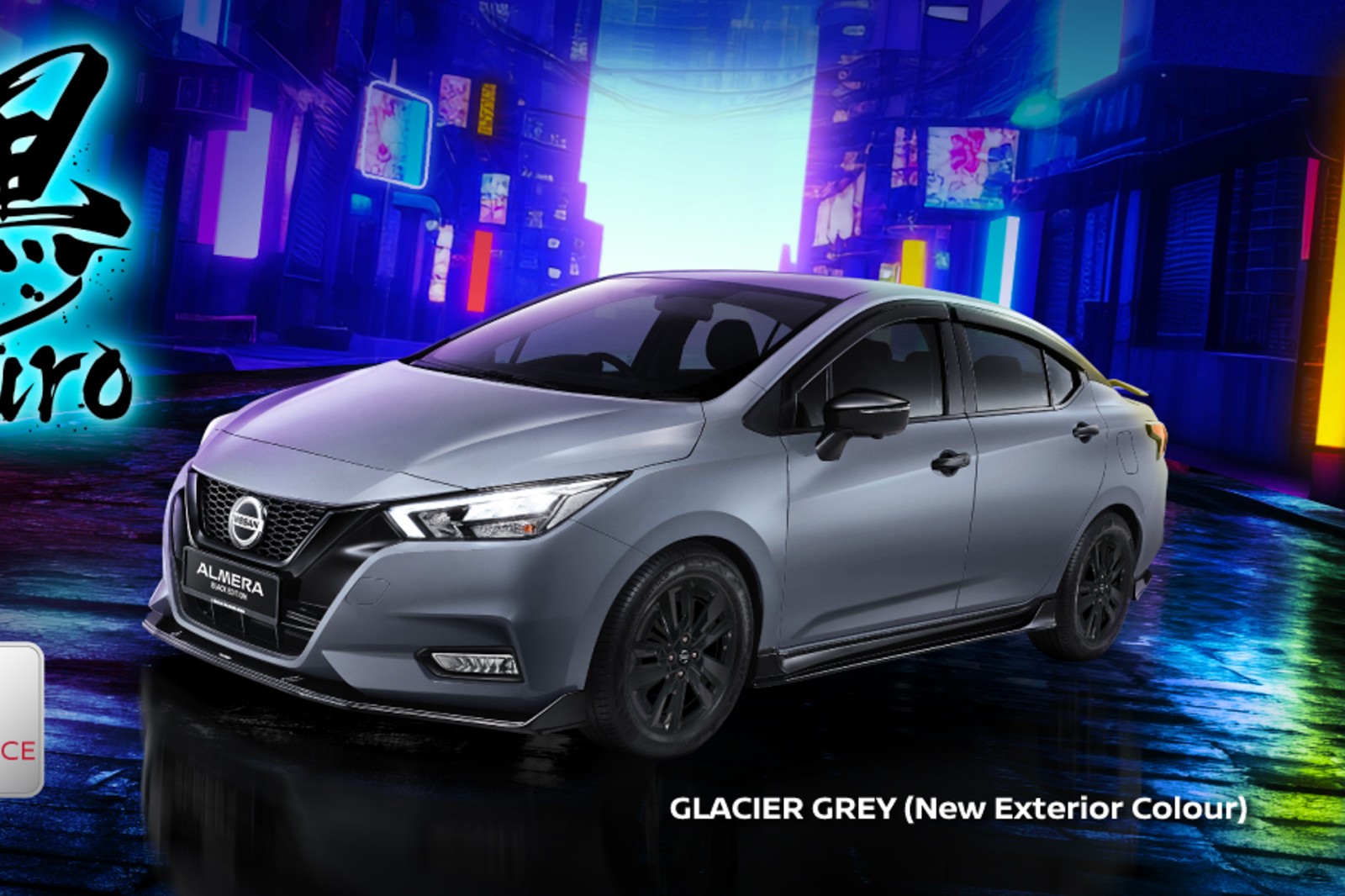
 Segment
 Body Type
 Capacity(L)
 Engine Power(PS)
 Engine Torque(Nm)
 Transmission
As competition in Malaysia's C-segment sedan market intensifies, consumers' demands for fuel economy, smart features, and practical space have become increasingly clear. The 2024 Nissan Almera 1.0L Turbo VLP, as a popular model in this segment, has sought to stand out in terms of value for money with its updated version (or new features) that combines a 1.0T turbocharged engine, 6 airbags + active safety features, and a standard sunroof. The core purpose of our test this time is to evaluate the performance of this powertrain in daily commuting, the practical usability of its features, as well as whether the space meets the needs of family users.
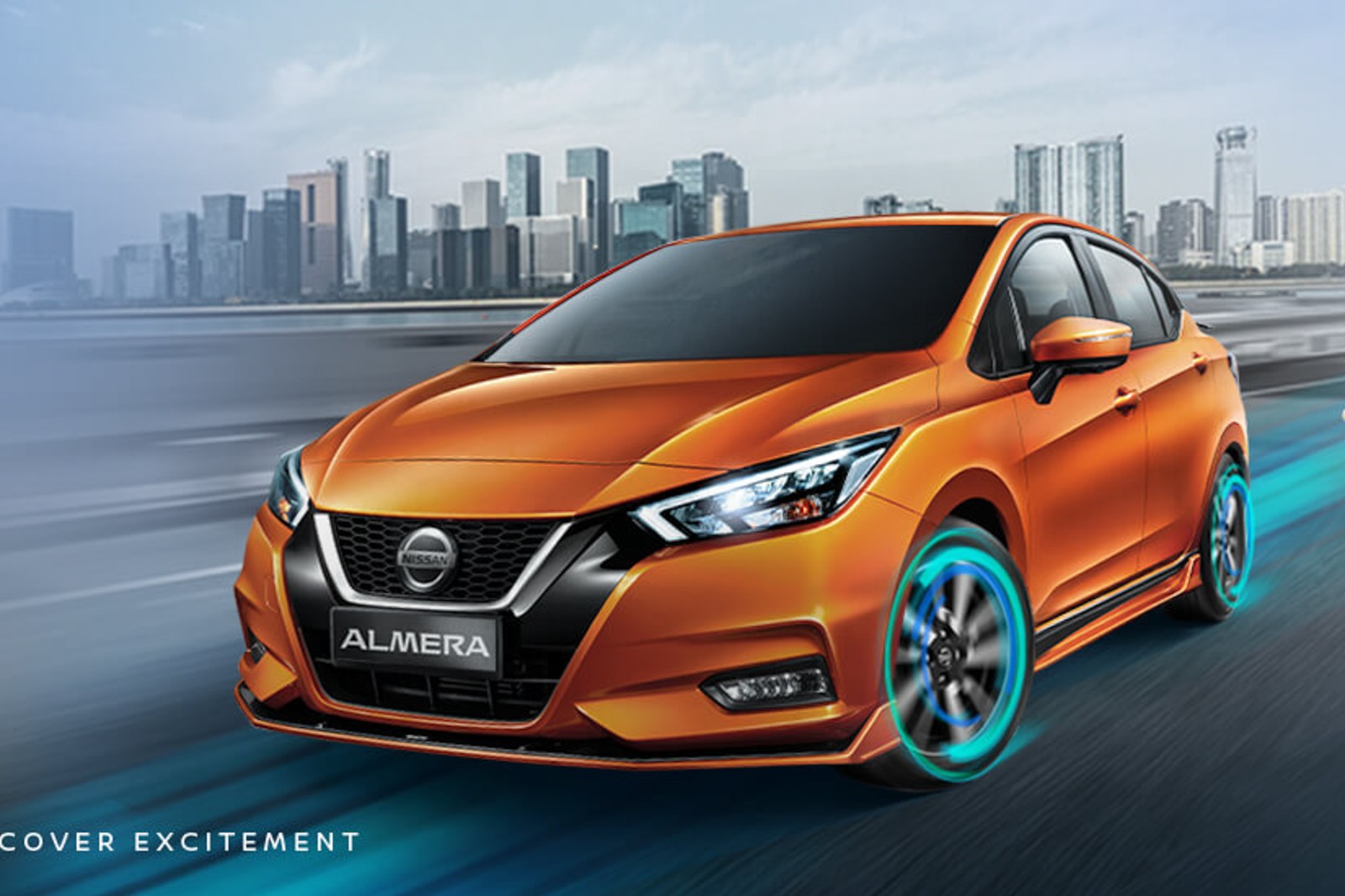
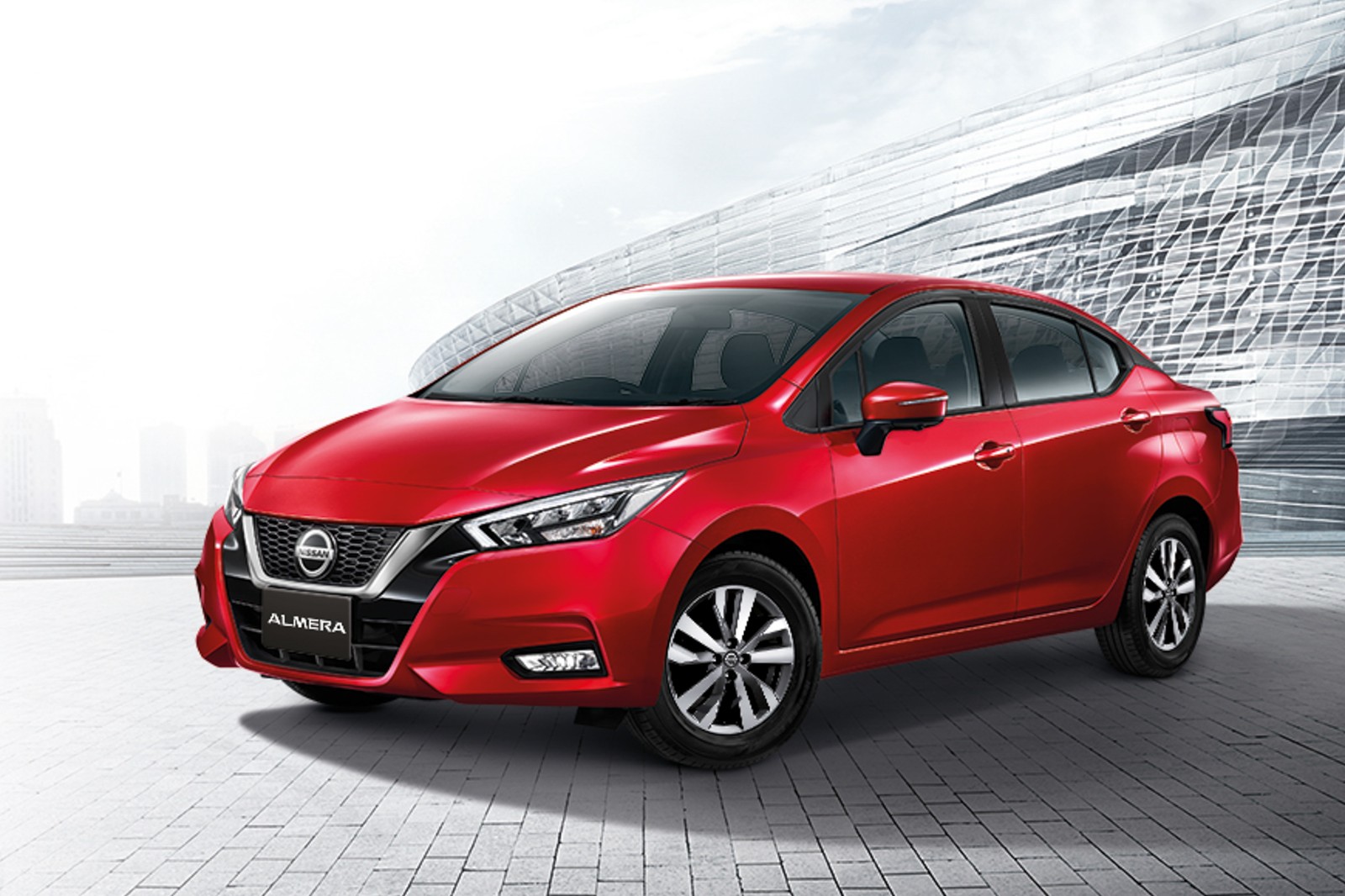
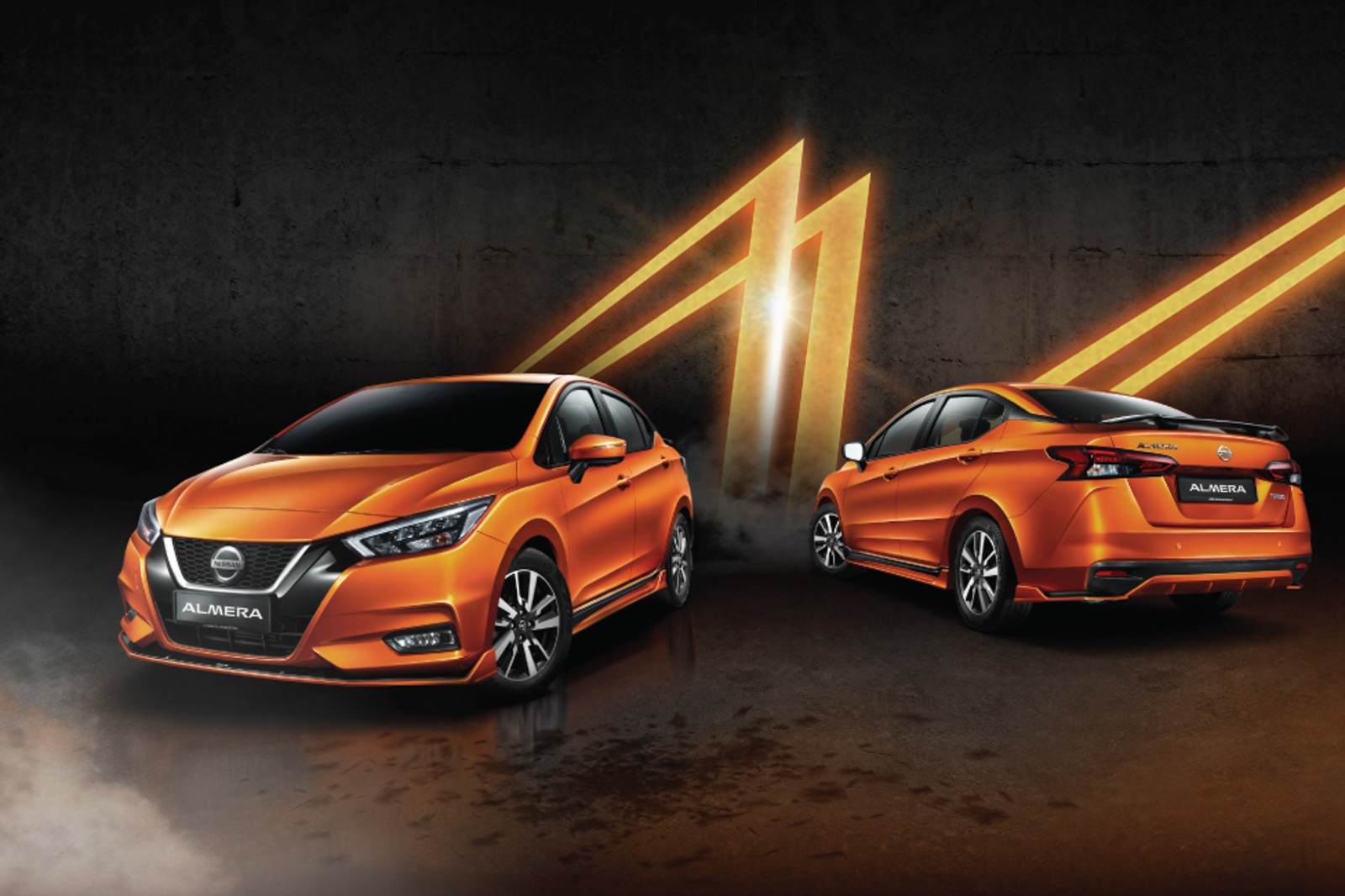
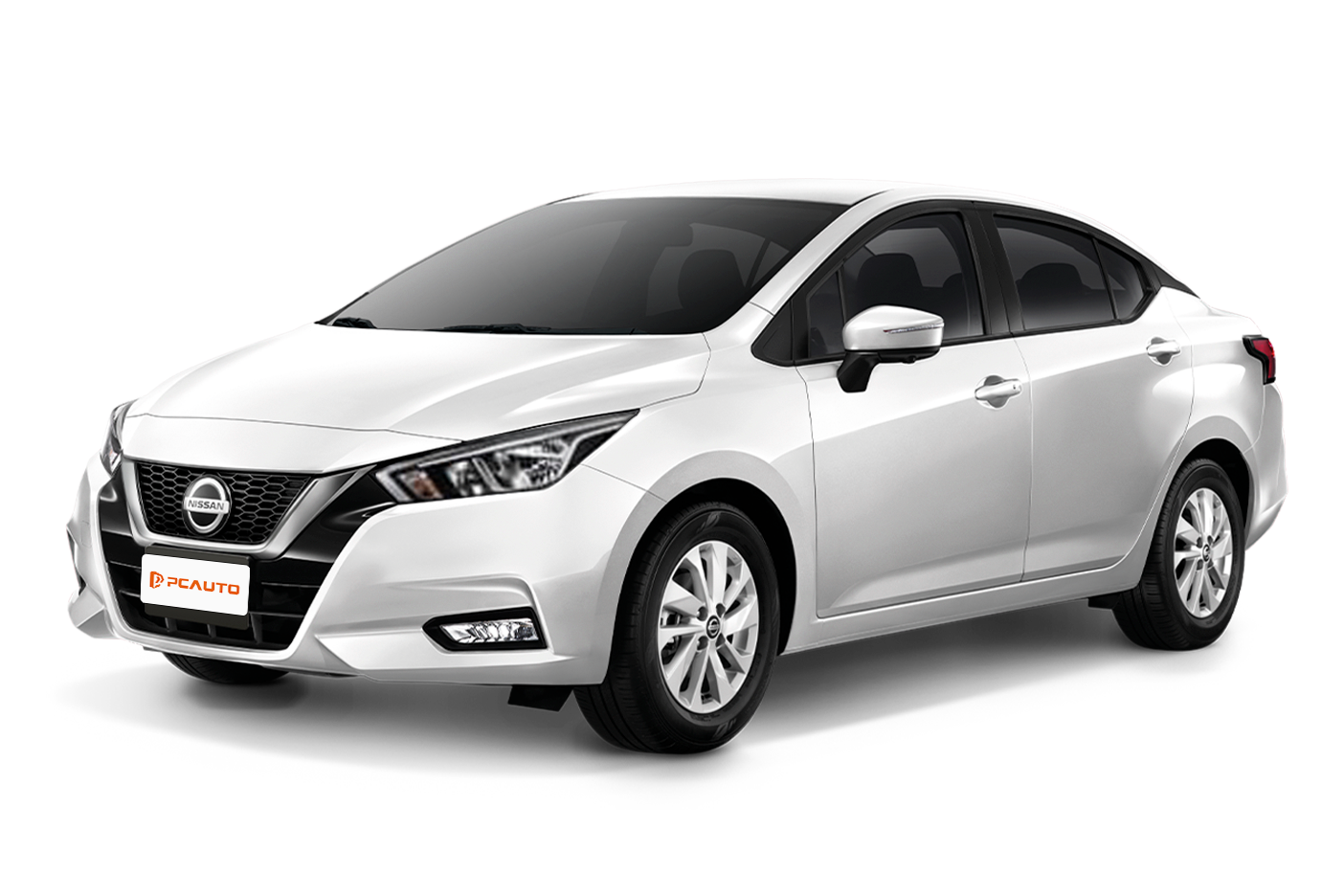
In terms of exterior design, the 2024 Almera VLP continues the family-style V-Motion front fascia, with a large chrome strip running through the halogen headlights on both sides, complemented by a honeycomb grille below, giving it a high level of recognizability. The car's sides feature smooth lines, with a length of 4495mm paired with 205/55 R16 tires, achieving balanced proportions; recessed lines and chrome trims on the lower doors enhance the refinement. At the rear, the LED tail lights adopt a continuous design (a visual connection, not fully connected in reality) and are paired with chrome accents on the rear bumper and a dual-exhaust layout (decorative only), giving it a youthful and sporty style. In terms of lighting, automatic headlights and daytime running lights come as standard, offering good convenience for daily use.
Inside the cabin, black serves as the main theme, with the dashboard covered in soft materials, providing a decent feel on areas where elbows frequently rest. The center console layout is straightforward, with a 7-inch semi-digital instrument cluster featuring a traditional pointer (for RPM and fuel level) on the left and a color display screen on the right, capable of showing fuel consumption, range, and other information. The 7-inch center touchscreen supports Bluetooth connectivity, with moderate responsiveness, but lacks CarPlay or Android Auto, which is slightly disappointing. Standard features include Keyless entry, one-button start, automatic climate control, and a multifunctional steering wheel, which are all convenient for daily use. The seats are manually adjustable, with moderate support in the front row, though lumbar support during long durations of seating is average. The rear seats support 60:40 split-folding, and with a wheelbase of 2620mm, passengers with a height of 175cm sitting in the rear can enjoy about two fist widths of legroom and one fist width of headroom, which is sufficient for daily family needs. For storage, the front center armrest box and door pockets offer considerable capacity, while the rear row is equipped with air conditioning vents and a USB port, ensuring practicality.
In terms of power, the 1.0L three-cylinder turbocharged engine delivers a maximum power of 74kW (100PS) and a peak torque of 152N·m, paired with a CVT transmission. Initial throttle response feels slightly sluggish, but when the turbo kicks in (around 2000 rpm), the power delivery becomes linear. Mid-range acceleration (60-100km/h) is decent, but overtaking requires preemptive throttle application. There are Eco and Normal driving modes available; the Eco mode offers smoother throttle response, ideal for city commutes, while the Normal mode provides more direct power output. At highway speeds of 120km/h, the engine runs at approximately 2500 rpm. The chassis features a front MacPherson and rear double-wishbone suspension setup, leaning towards comfort. It absorbs most vibrations when tackling speed bumps or rough city roads, although body roll is noticeable during sharp turns, resulting in average handling. Fuel efficiency is in line with expectations, with an urban fuel consumption of about 6.5L/100km, highway conditions around 5.0L/100km, and an average fuel consumption close to the official figure of 5.4L/100km.
The safety configuration is the highlight of the Almera VLP, featuring 6 airbags as standard (dual front airbags, side airbags, front and rear curtains), ABS, vehicle stability control, active braking, and forward collision warning, making its safety level rank among the upper-middle level in its class. In terms of noise control, engine noise is not noticeable during low-speed urban driving, but wind noise and tire noise slightly increase at 120km/h on the highway, though still within an acceptable range. Regarding seat comfort, the rear seat angle is relatively upright, which can be tiresome for long periods of use. However, the rear air conditioning vents help alleviate the heat issue.
In summary, the core advantages of the 2024 Nissan Almera 1.0L Turbo VLP lie in its balanced configuration (standard sunroof, automatic air conditioning, active safety), good fuel economy, and spacious rear seating. Compared to its peers such as the Toyota Vios (mid-range models lack active braking) and Honda City (higher price), it stands out for its cost-effectiveness. It is suitable for families focusing on practicality, safety features, and having a budget of around 90,000 MYR, especially for daily commuting and weekend short trips. If performance requirements are not high, and priority is given to configuration and space, the Almera VLP is a worthy choice.
Nissan Almera Car Compare
Nissan Almera Loan Calculator
More Nissan Reviews
Cars With Similar Price And Features
6
Rank in Sedan
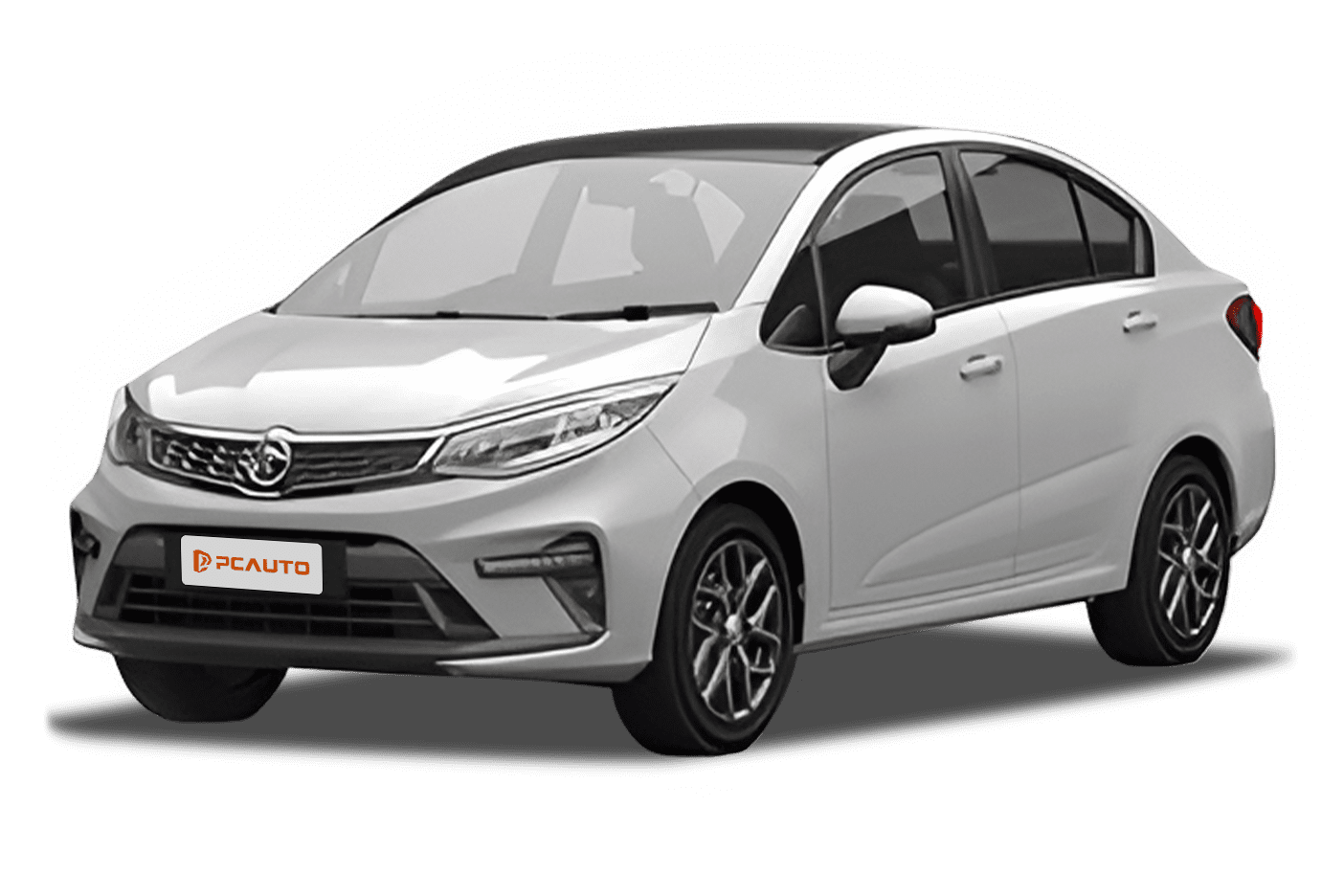
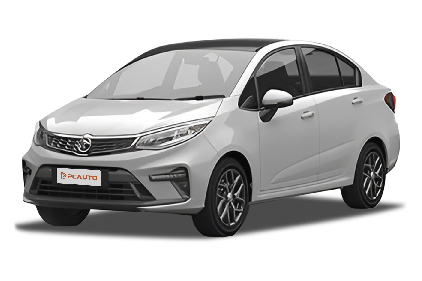
2023 Proton Persona 1.6 Standard CVT is an affordable, safety-configured entry-level family sedan with practical space, balancing daily commuting and family needs.
4
Rank in Sedan
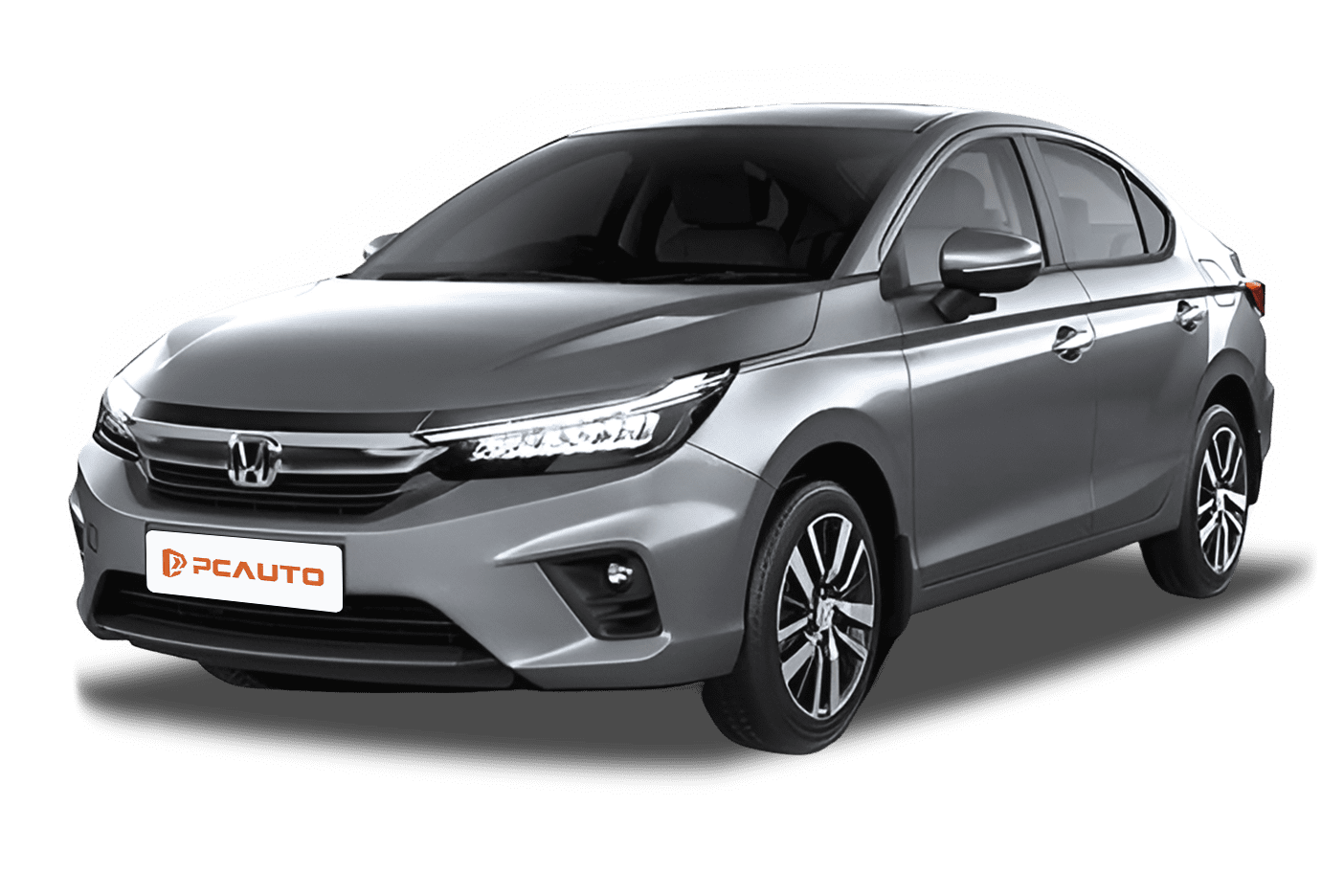
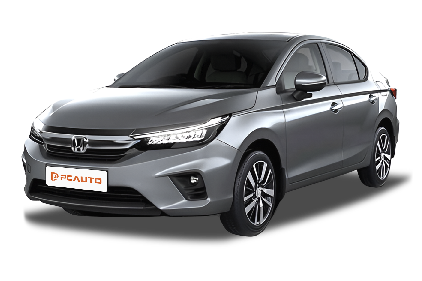
2023 Honda City 1.5 S, as an entry-level B-segment sedan, offers advanced L2 driving assistance and 6 airbags at an affordable price. With practical space and excellent fuel efficiency, it is a high-value choice for family users.
5
Rank in Sedan
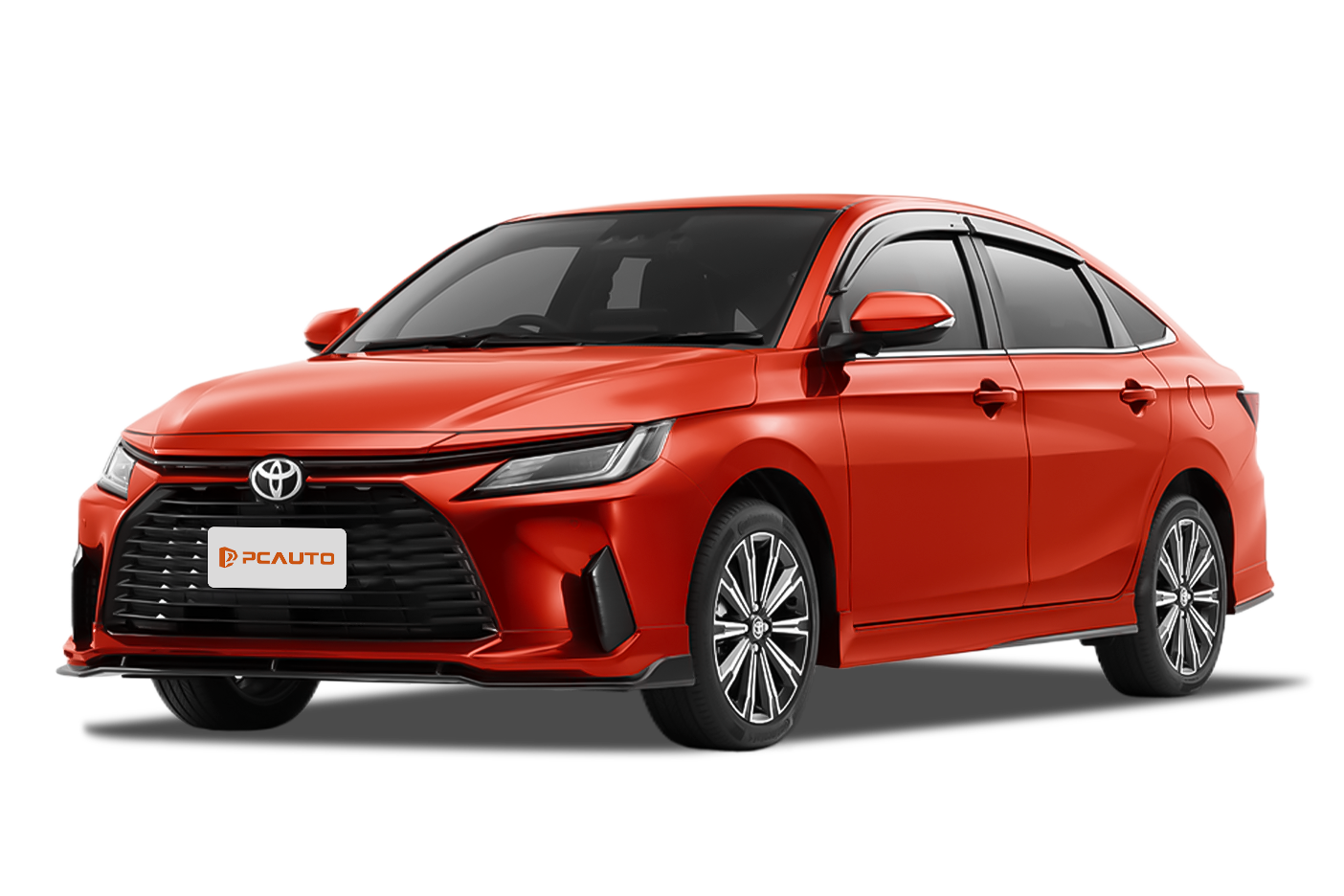
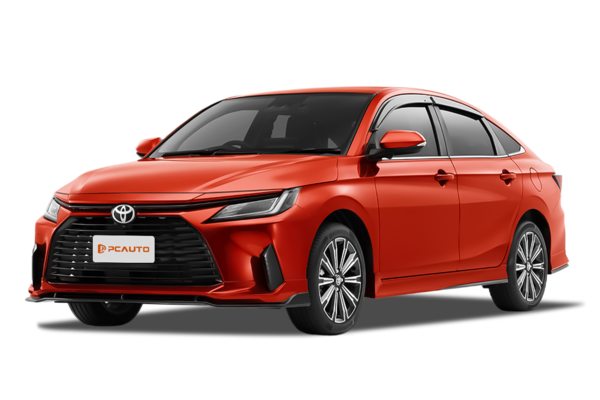
2023 Toyota Vios 1.5E AT, as a mid-range model in the facelift, with features such as the TSS Intelligent Safety System, HUD, and other high-end features being made available, along with balanced space and fuel efficiency, making it a high-value B-segment sedan choice in Malaysia.
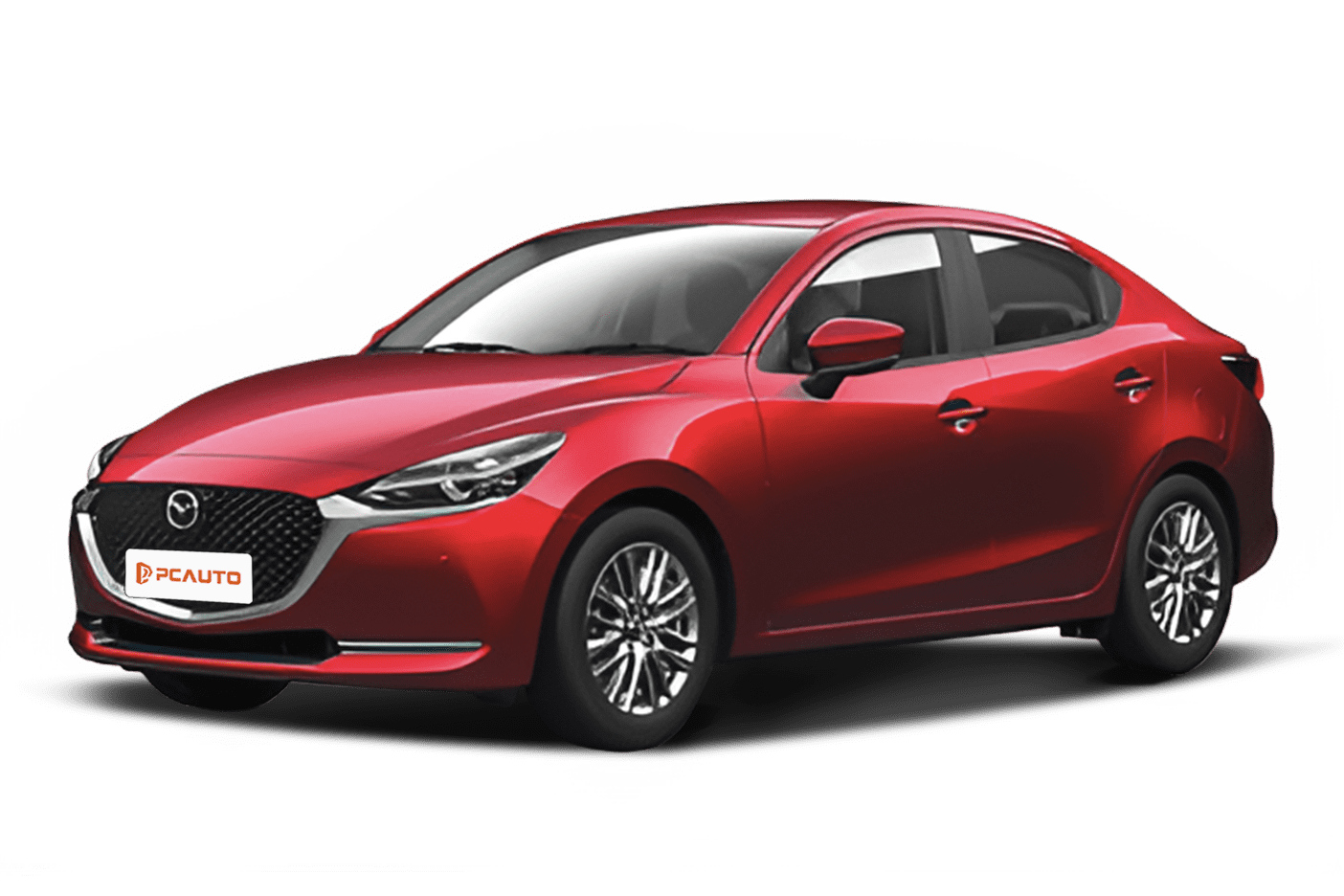
2023 Mazda 2 Sedan 1.5L is a family sedan that balances driving dynamics and practical features, with a price slightly over 100,000 MYR, making it suitable for urban commuting needs.