

2024 Toyota Yaris 1.5G Review

 Share
Share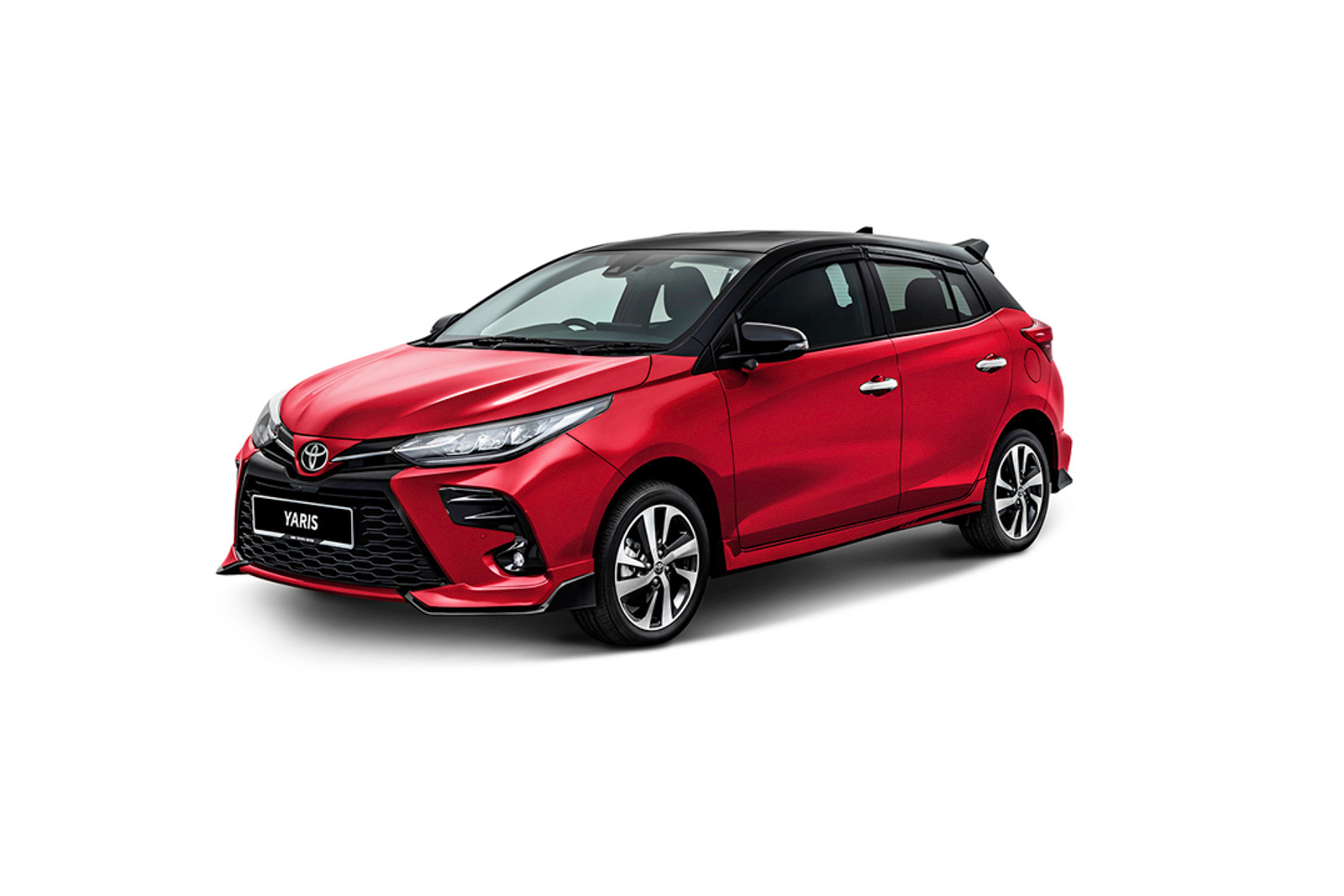
 Segment
 Body Type
 Capacity(L)
 Engine Power(PS)
 Engine Torque(Nm)
 Transmission
In today's compact hatchback market, consumers are demanding more balance — it needs to be fuel-efficient for daily commutes, have decent configurations, and safety assists must be up to modern standards. As a regular contender in this segment, the 2024 Toyota Yaris 1.5G version comes with upgraded features and a more comprehensive safety system this time. Let’s see if it can hold its ground against competitors. The focus of this test drive is to evaluate its power response, space practicality, and whether the new features are truly useful.
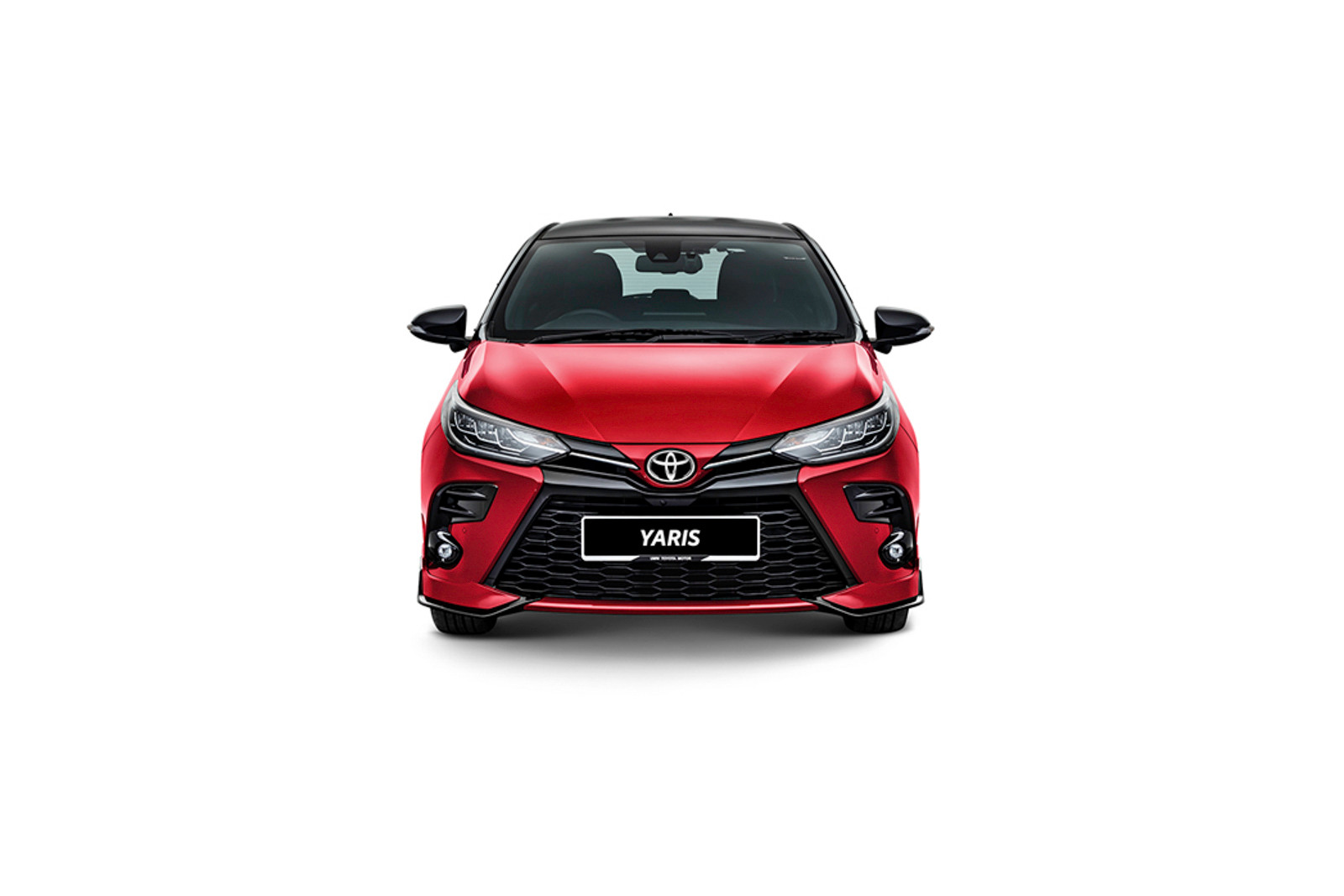
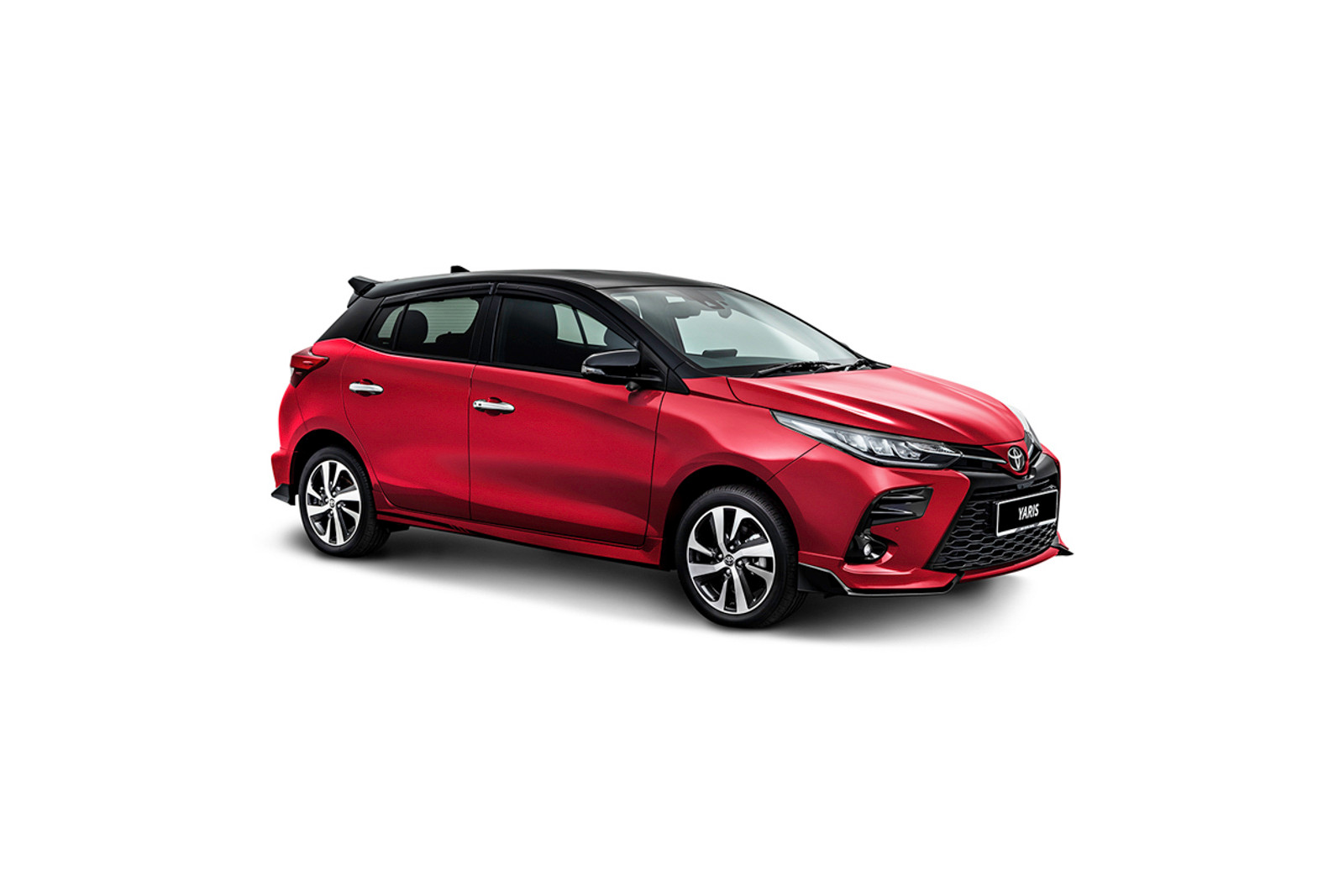
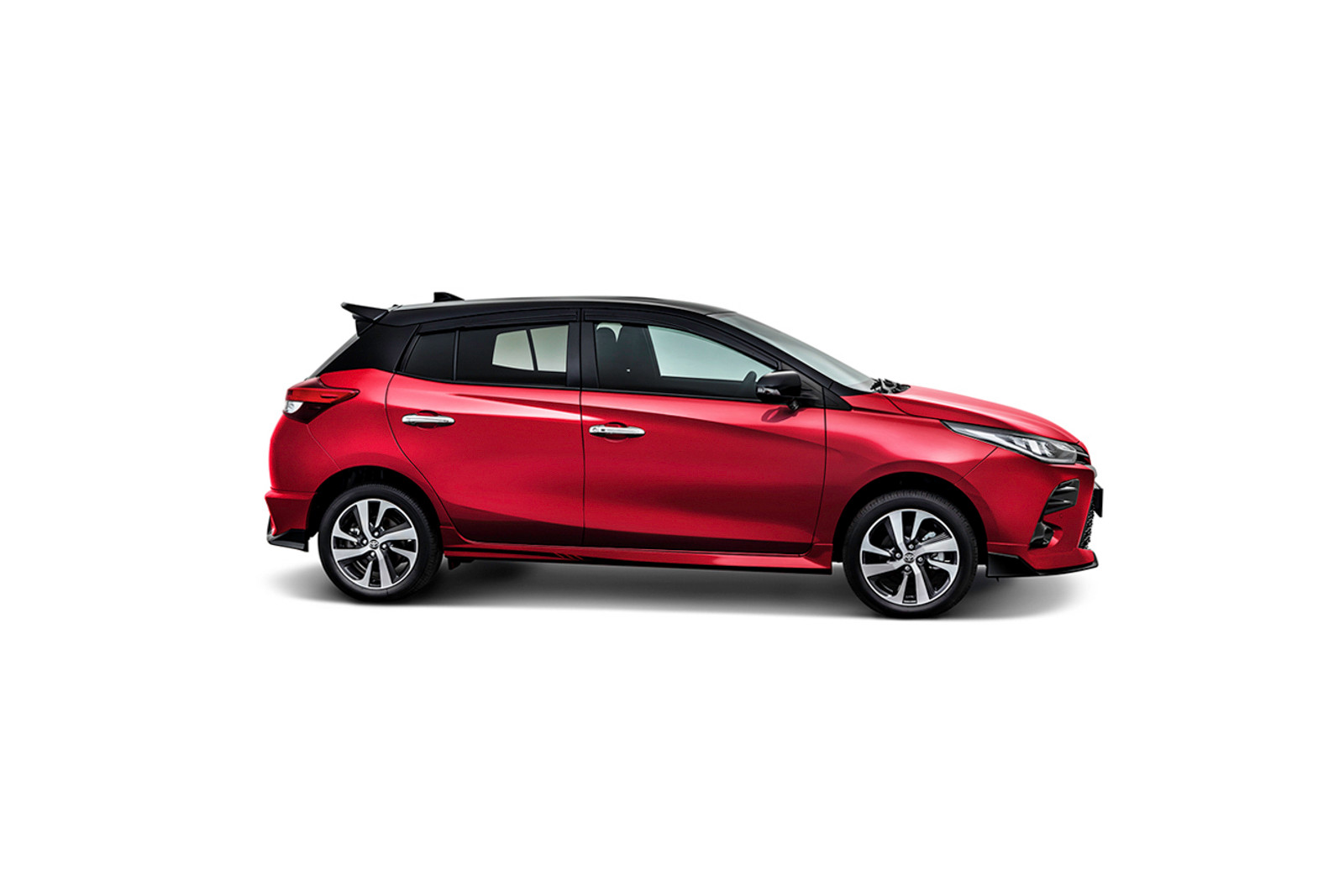
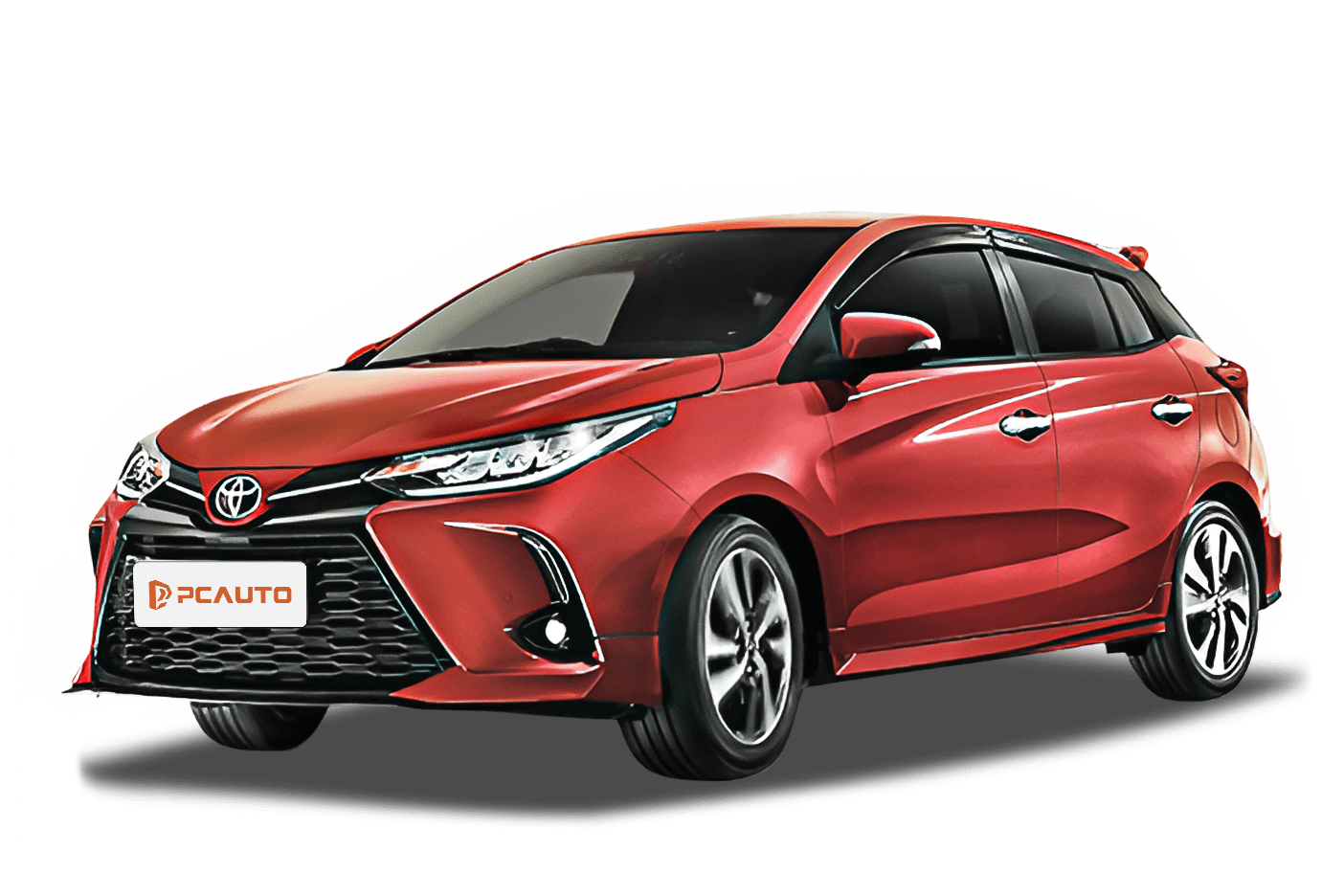
First, let’s take a look at the exterior. The 2024 Yaris 1.5G retains Toyota's youthful design style in recent years but places more emphasis on refined details. The trapezoidal front grille is adorned with black honeycomb-patterned trims, surrounded by chrome strips that extend from the headlights to the grille's edges, paired with sharp LED headlamp units on both sides, making it highly recognizable. The side profile of the car displays smooth lines, and the waistline runs from the front fender through to the taillights, which, though not exaggerated, makes the body appear more elongated. The 16-inch multi-spoke alloy wheels paired with 195/50 R16 tires are well-proportioned and do not look too thin. The rear design is relatively simple, with horizontally aligned taillight assemblies whose internal LED light bars are quite eye-catching when illuminated. The black protective panel under the rear bumper and reflective strips on either side add a slight sporty vibe to the rear. Overall, the design is not overly aggressive, but it aligns with the aesthetic preferences of most people, making it very suitable as a daily commuter car.
Sitting inside, the interior style of the 2024 Yaris 1.5G leans towards practicality, without too many fancy designs, but the materials and workmanship are quite solid. The upper part of the dashboard is covered with soft-touch materials, eliminating the feeling of cheapness in areas within reach. The central control screen is a 9-inch touchscreen, positioned relatively high, so you don't have to tilt your head down too much to check the navigation while driving, and the operation is fairly smooth. The multifunction steering wheel is leather-wrapped and provides a good grip—on the left are the multimedia control buttons, while the right side holds the buttons for the driving assist system. Additionally, there are paddle shifters which, although paired with a CVT transmission, allow for some driving fun when manually adjusting gears. The instrument cluster features the new Optitron display, which is clear and well-organized, making it easy to see information such as fuel consumption and range at a glance.
In terms of space, this car has a wheelbase of 2550mm, which is standard among its class. The front row seats offer decent support, and for passengers with a height of 175 cm, there is approximately a fist's worth of space for both headroom and legroom. The rear row space performs moderately; passengers of the same height sitting there will have about two fists' worth of legroom and less than a fist for headroom. It is adequate for everyday family use, but if three adults are seated for a long time, the middle seat occupant might feel a bit cramped. The trunk capacity is 286L, which can easily fit two 20-inch suitcases. The rear seats support a 60:40 split-fold configuration, which can create more space for longer items when folded down. As for storage space, the door panels' storage compartments can hold two water bottles, and the central armrest box is deep enough to store small items like phones and wallets.
In terms of power, the 2024 Yaris 1.5G is equipped with a 1.5L naturally aspirated engine, delivering a maximum horsepower of 107PS and a maximum torque of 140N·m, paired with a 7-speed CVT transmission. During daily driving, acceleration feels fairly nimble, and the throttle response is linear. Driving in urban areas, whether following traffic or overtaking, it doesn’t feel sluggish. When pressing the accelerator pedal harder, the transmission simulates the feel of shifting gears. Although it doesn’t have the explosive power of a turbocharged engine, the acceleration process is quite smooth, making it suitable for daily commuting. There are two driving modes, normal and sport. In sport mode, the throttle becomes more responsive, and the RPM stays in a relatively higher range. Power delivery is quicker, but fuel consumption will increase slightly as a result.
In terms of handling, the steering wheel of this car is very precise, with minimal play, making it very agile and convenient for urban driving, such as turning and parking. The suspension system consists of a front MacPherson independent suspension and a rear torsion beam non-independent suspension, which is tuned for comfort. It can absorb most of the minor vibrations when crossing speed bumps or bumpy roads, so you won’t feel too jolted. When driving on the highway, the car body remains relatively stable without feeling floaty. However, when making sharp turns, there is a bit of body roll, but it’s within a controllable range. As a family car, this performance is already quite good.
Safety features are one of the highlights of this car. It comes standard with 7 airbags, including front side airbags, rear side airbags, curtain airbags, and knee airbags, providing a strong sense of safety. In terms of driver assistance systems, it includes lane departure warning, forward collision warning, and active braking. When cruising on the highway, the lane departure warning provides timely alerts, and the active braking system can help you decelerate in case of an emergency, significantly improving driving safety. The 360-degree panoramic camera is also very practical, allowing you to clearly see your surroundings while parking, making it easy even for novice drivers.
Regarding fuel consumption, our test drive mainly involved a mix of city and highway driving, with an average fuel consumption of about 5.8L per 100 kilometers. It runs on regular 92-octane gasoline, which keeps daily operating costs low. Noise control is also good; wind and tire noise are not too noticeable when driving on the highway and won’t interfere with conversations among passengers inside the car. The seats are comfortable, and even long durations of sitting do not feel tiring. The car has automatic air conditioning, which cools effectively, and there are air vents for the rear seats as well, ensuring rear passengers stay cool during summer.
Overall, the 2024 Toyota Yaris 1.5G is a well-rounded family car. Its exterior design is stylish, the interior is practical, the space is adequate, the power delivery is smooth, fuel consumption is economical, and it boasts rich safety features. Compared to other models in the same class, its safety features and cost-effectiveness are significant advantages, making it suitable for families prioritizing practicality and safety. If you're looking for a daily commuter family car, this is one worth considering.
Toyota Yaris Car Compare
Toyota Yaris Loan Calculator
More Toyota Reviews
Cars With Similar Price And Features
4
Rank in Hatchback
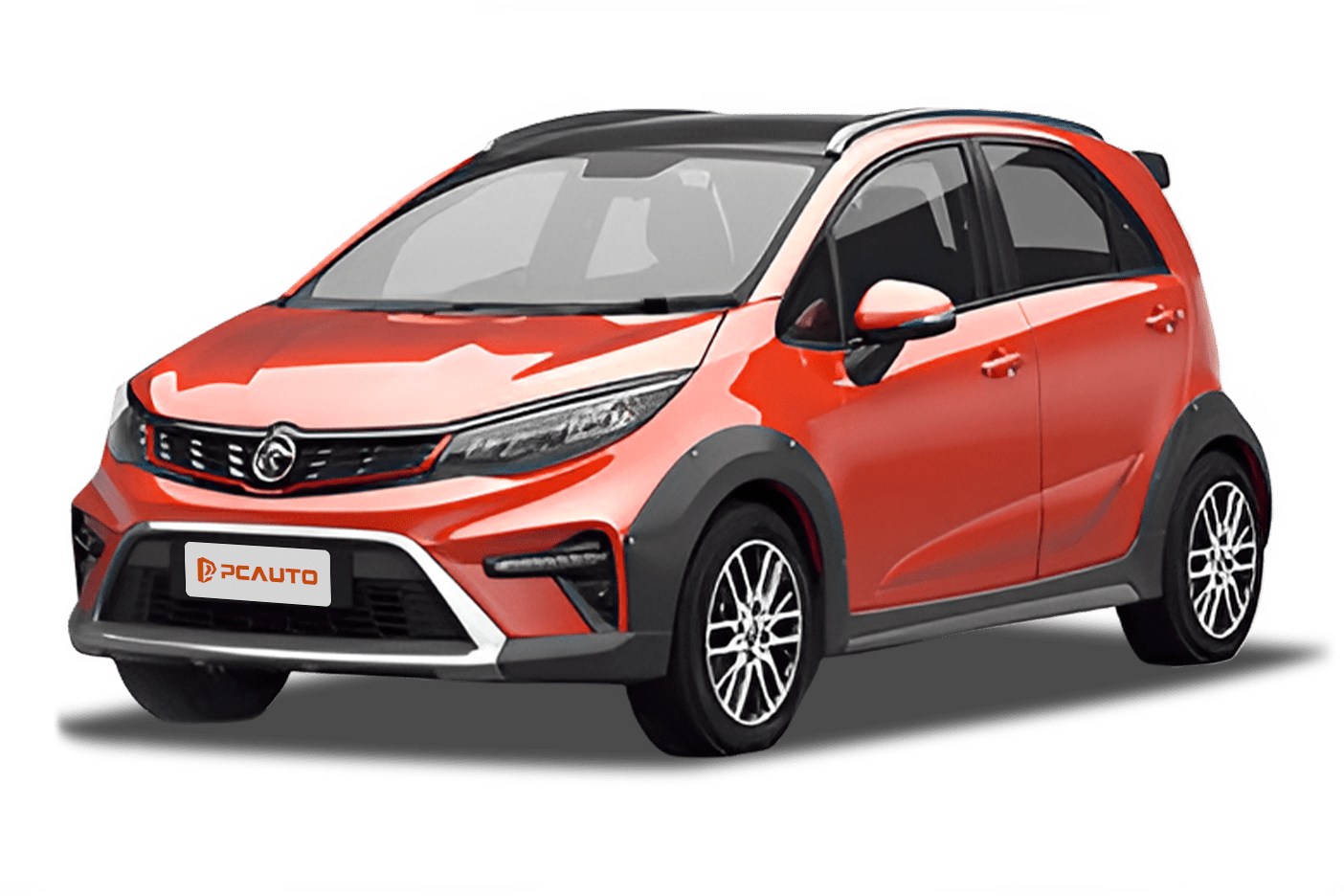
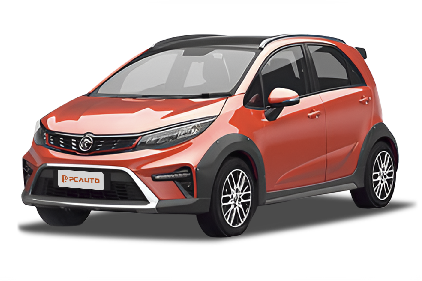
2023 Proton Iriz 1.3 Standard CVT is an affordable, well-balanced entry-level B-segment hatchback with safety features, suitable for budget-conscious families focusing on safety and practicality for daily commuting.
2
Rank in Hatchback

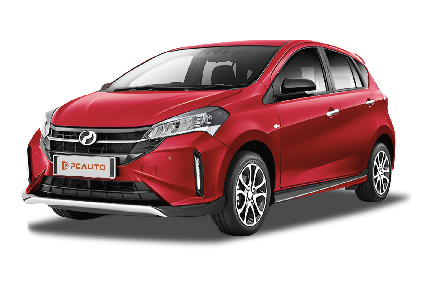
2023 Perodua Myvi 1.3 G with PSDA is an affordable B-segment hatchback, combining practical space, basic features, and PSDA safety assistance, suitable for family commuting.

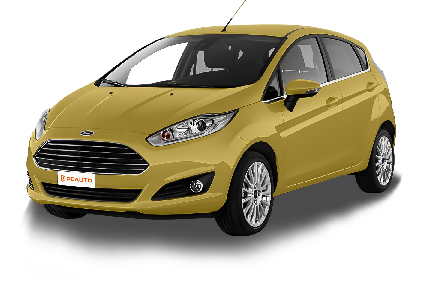
2022 Ford Fiesta public is a B-Segment model with responsive power, economical fuel consumption, and rich safety features, suitable for young families or individual users who prioritize driving experience and safety.
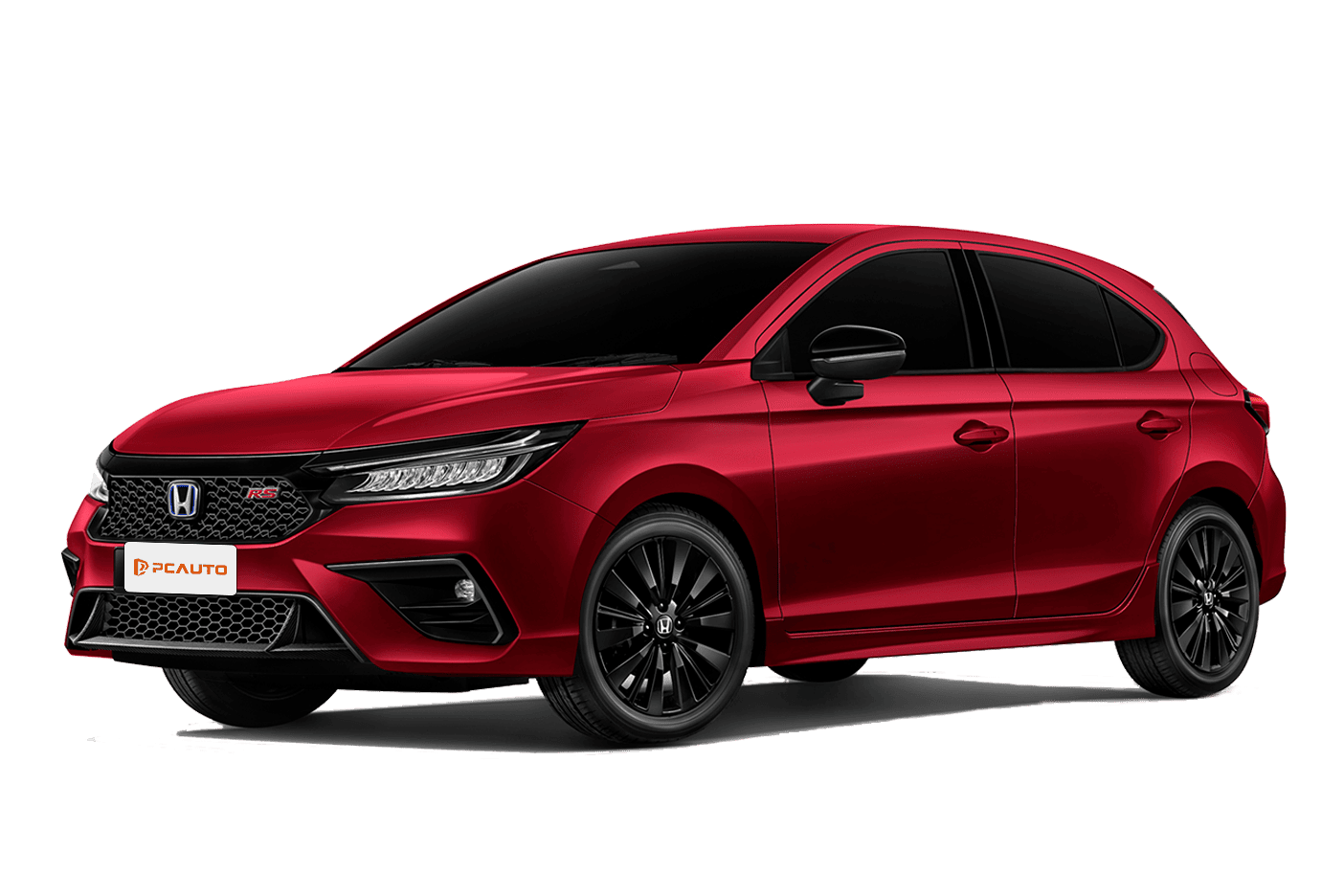
2024 Honda City Hatchback 1.5 S, as a high-value entry-level hatchback, comes standard with Honda Sensing and 6 airbags, offering practical space, economical fuel consumption, and balancing safety with daily commuting needs.