

2024 Toyota Yaris G Limited Review

 Share
Share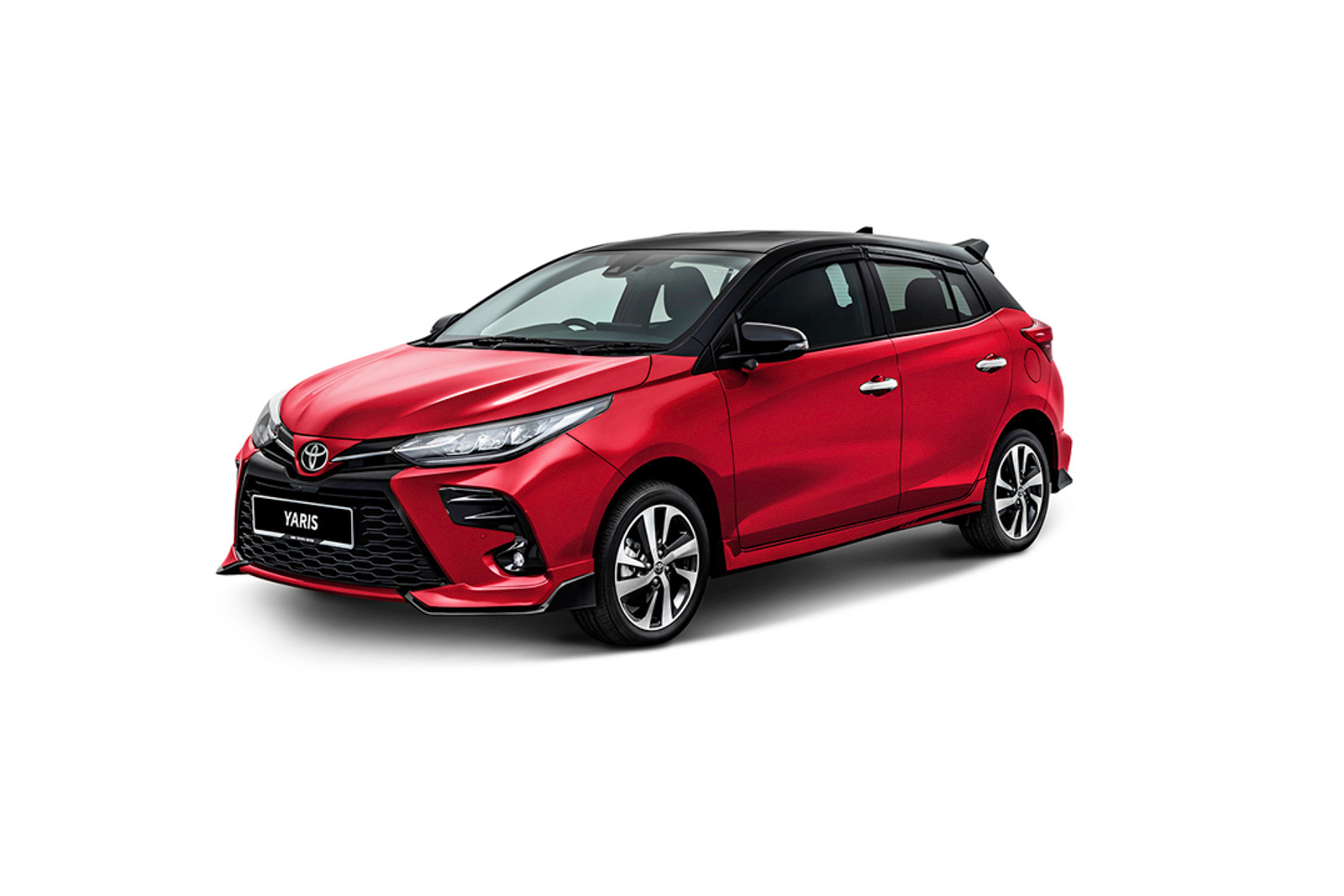
 Segment
 Body Type
 Capacity(L)
 Engine Power(PS)
 Engine Torque(Nm)
 Transmission
The competition in Malaysia's B-segment sedan market has been fierce in recent years. Consumers are not only concerned about the practicality for daily commuting but also demand higher safety features and intelligent functions. The 2024 Toyota Yaris G Limited, as a new option in this segment, boasts key features such as standard 7 airbags, Level 2 driving assistance, and a 360-degree panoramic camera. In this test drive, we will focus on verifying the configuration fulfillment and daily driving experience to see if it can meet the comprehensive needs of family users.
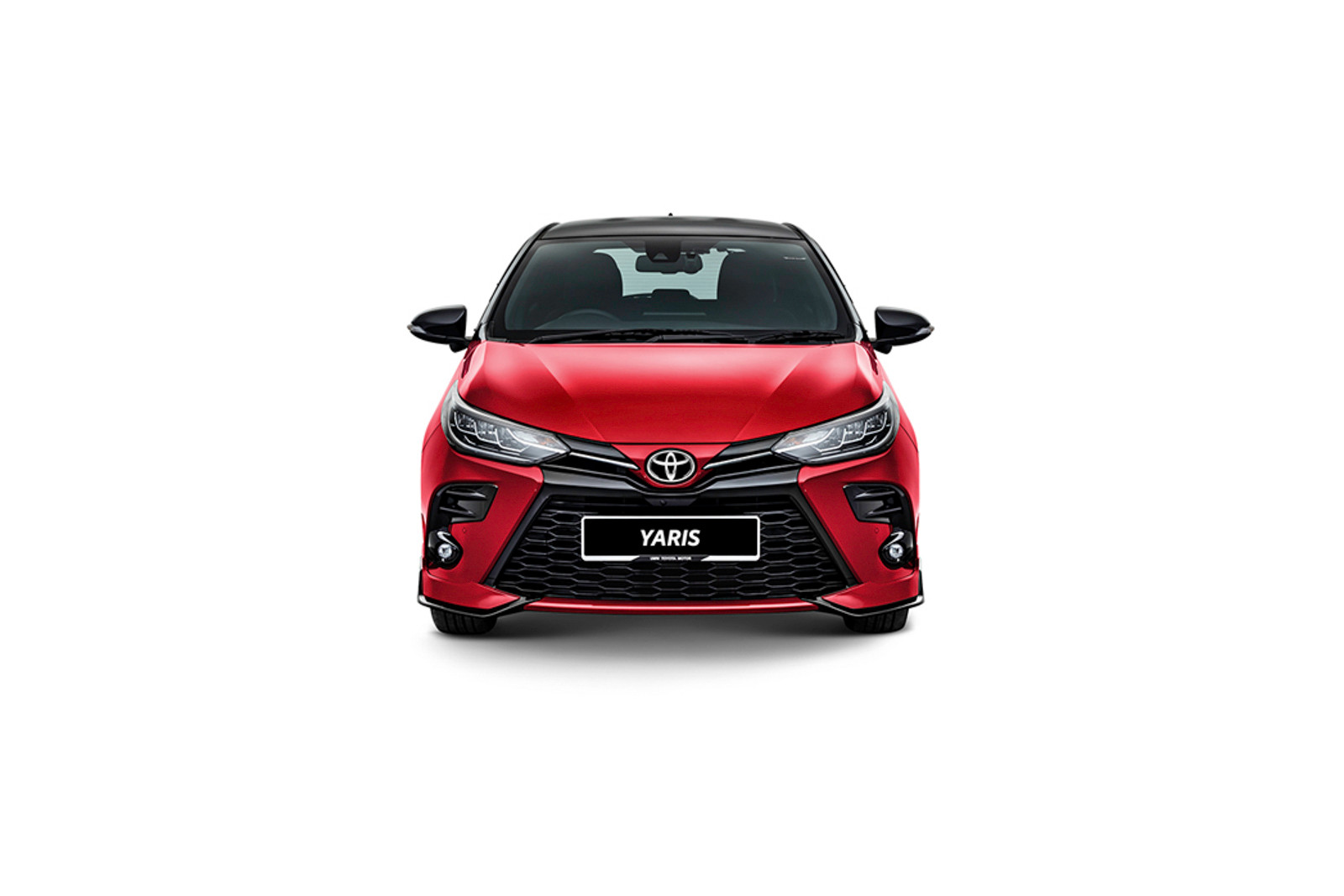
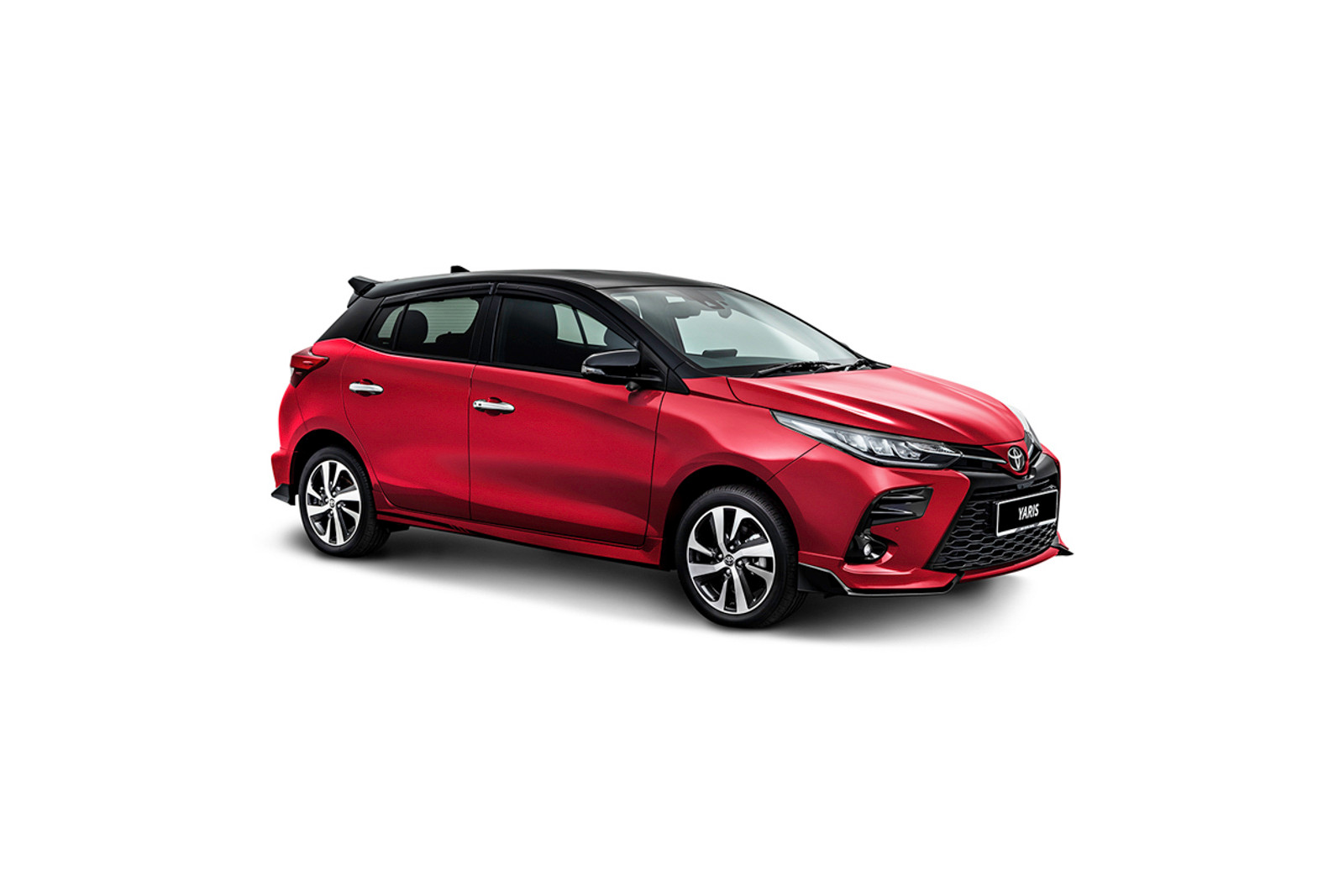
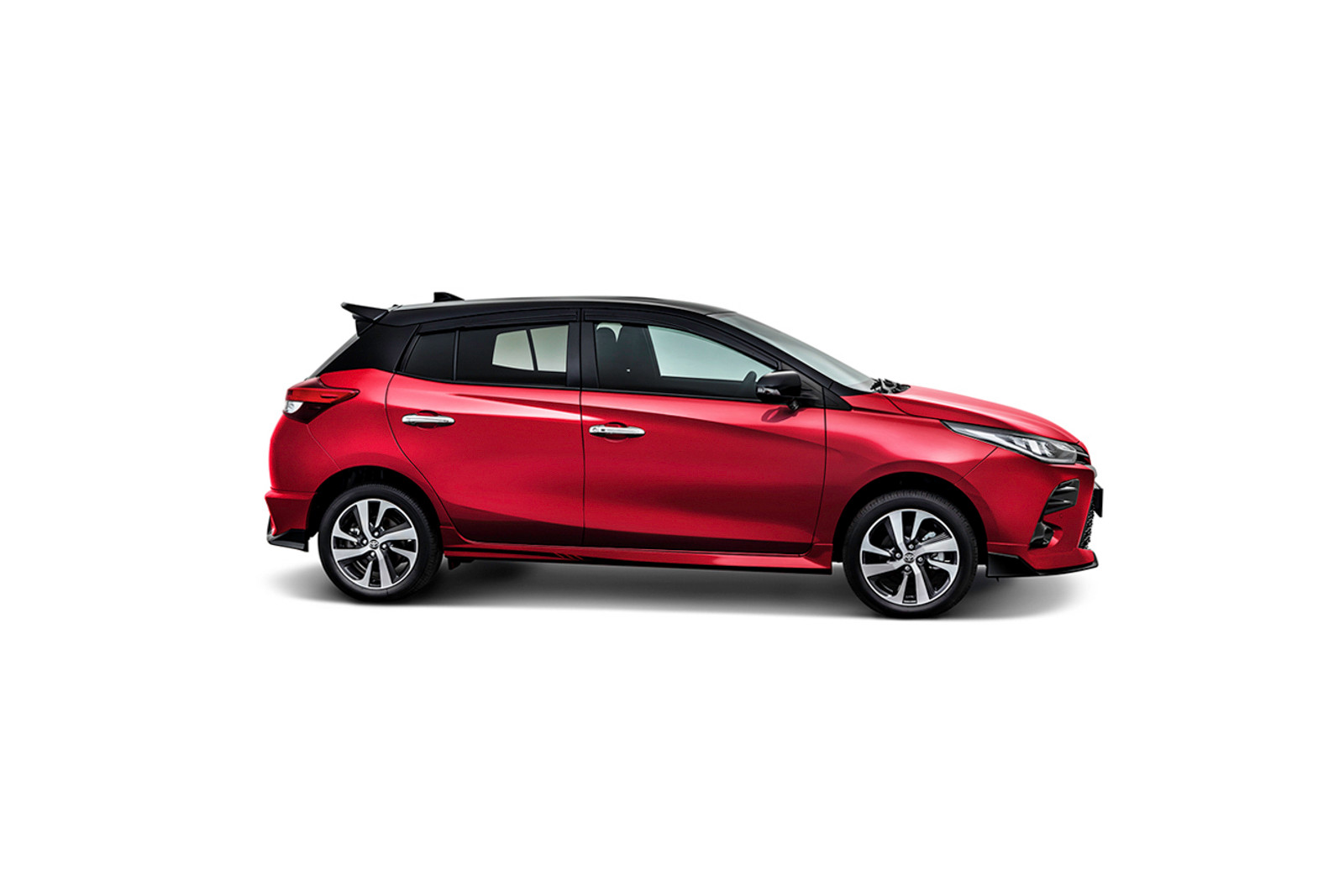
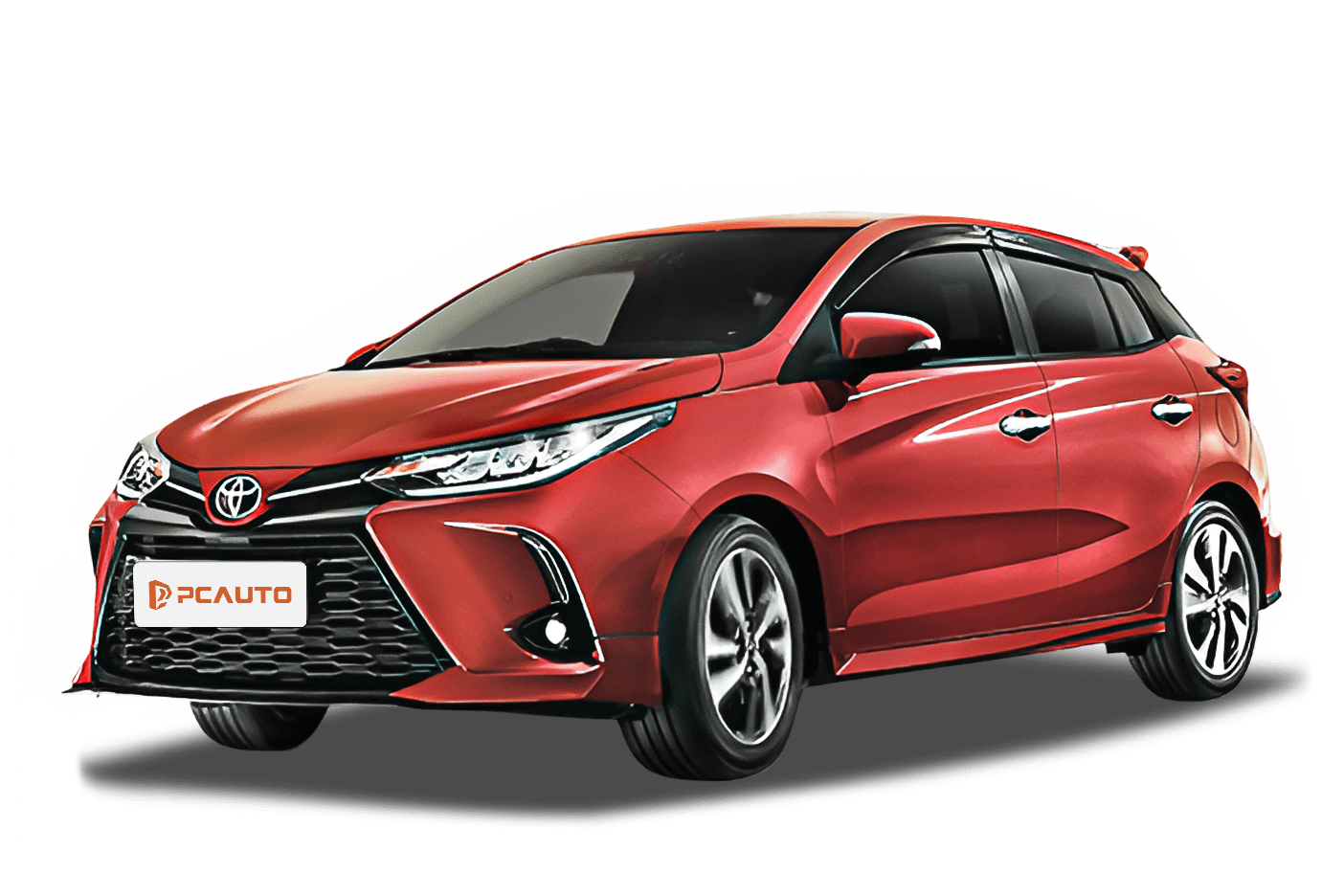
In terms of exterior design, the new car retains Toyota's youthful family-style look. The front features a large trapezoidal lower grille, paired with sharp LED headlight clusters. The daytime running lights wrap around the inner side of the lamp chamber in an L-shape, offering high recognition. The car's side profile features smooth lines, with a waistline that extends from the front fender to the rear, enhancing the muscular feel. The 16-inch alloy wheels have a simple design, paired with 195/50 R16 tires that balance grip and comfort. At the rear, the horizontal design of the LED taillight clusters connects with the chrome trim on the rear bumper, enhancing the overall visual width. The rear fog lamps are embedded on both sides of the bumper, meeting daily usage needs.
Step inside, and the interior is predominantly black, with the center console covered in soft-touch materials and accented with silver trim, offering a texture that ranks above average in its class. The 9-inch touchscreen infotainment system is positioned at the top of the center console, with decent operational smoothness, supporting Bluetooth and smartphone connectivity (requires additional connection). The instrument panel uses the New Optitron design, providing clear visibility of information such as RPM, speed, and fuel consumption. In terms of features, the Keyless entry and start function adds convenience for daily use, the front automatic air conditioning supports dual-zone adjustment, and the 6-speaker audio system provides adequate quality for everyday music listening. The seats are manually adjustable but offer decent support. The rear seats are equipped with a 60:40 split-folding design that can expand the trunk space. The trunk has a standard capacity of 286 liters, which can comfortably accommodate two 20-inch suitcases.
In terms of space, the car measures 4140mm×1730mm×1475mm, with a wheelbase of 2550mm, placing it among the mainstream dimensions for B-segment sedans. The front row offers ample space; a passenger with a height of 175cm will still have a fist's worth of headroom after adjusting the seat. The rear provides about two fists of legroom and one fist of headroom, sufficient for daily family use. The center seat has a low floor hump, making short-distance rides less cramped. For storage space, the door pockets can hold two bottles of water, the central armrest box has a moderate capacity, and the front row is equipped with two USB ports for convenient charging.
As for power, it is equipped with a 1.5L naturally aspirated engine delivering a maximum power output of 107PS and a maximum torque of 140N·m, paired with a 7-speed CVT transmission. During daily driving, the car starts smoothly, and the low RPM range provides sufficient power for urban commuting. However, when accelerating beyond 80km/h, power delivery becomes more gradual, and overtaking requires a heavier throttle, with the transmission actively downshifting to increase RPM. There are two driving modes: Normal and Eco. In Eco mode, throttle response is slightly slower, but fuel efficiency is improved. The steering wheel has a moderate weight with minimal play, providing nimble handling suitable for navigating narrow city streets. The suspension features front MacPherson independent suspension and rear torsion beam non-independent suspension, tuned for comfort. It absorbs most shocks when passing speed bumps or bumpy roads, ensuring rear passengers do not experience significant jolts. When cornering, the body roll is controlled within a reasonable range, offering decent stability.
Fuel consumption testing was conducted by driving 100km each on city roads (approximately 60% congested) and highways (approximately 40% at a constant speed), resulting in an average fuel consumption of 5.8L/100km, which is close to the officially claimed combined fuel consumption. The fuel economy performance is decent. In terms of safety features, 7 airbags, lane departure warning, active braking, and a 360-degree panoramic camera system are all standard. Among these, the 360-degree camera system provides clear visibility of the surroundings during reversing, reducing the risk of scratches and collisions. For noise control, at highway speeds (100km/h), wind noise and tire noise can slightly penetrate the cabin, but remain within an acceptable range and do not affect interior conversations.
Overall, the core advantages of the 2024 Toyota Yaris G Limited are the comprehensive safety features and practical space performance. Compared to competitors like the Honda City V and Mazda 2, it offers 7 airbags and Level 2 driving assistance as standard, while competitors might only include these features in higher trim levels. Additionally, features such as the 360-degree panoramic camera and automatic air conditioning enhance everyday convenience.
This car is suitable for families who value safety and practicality, especially those who need a vehicle for daily school runs or short trips. Young buyers with limited budgets who want a car with rich features can also consider it. Its downside is that its performance is rather average, requiring more distance when overtaking at high speeds. However, its overall balance makes it a worthwhile choice for a family sedan.
Toyota Yaris Car Compare
Toyota Yaris Loan Calculator
More Toyota Reviews
Cars With Similar Price And Features
4
Rank in Hatchback
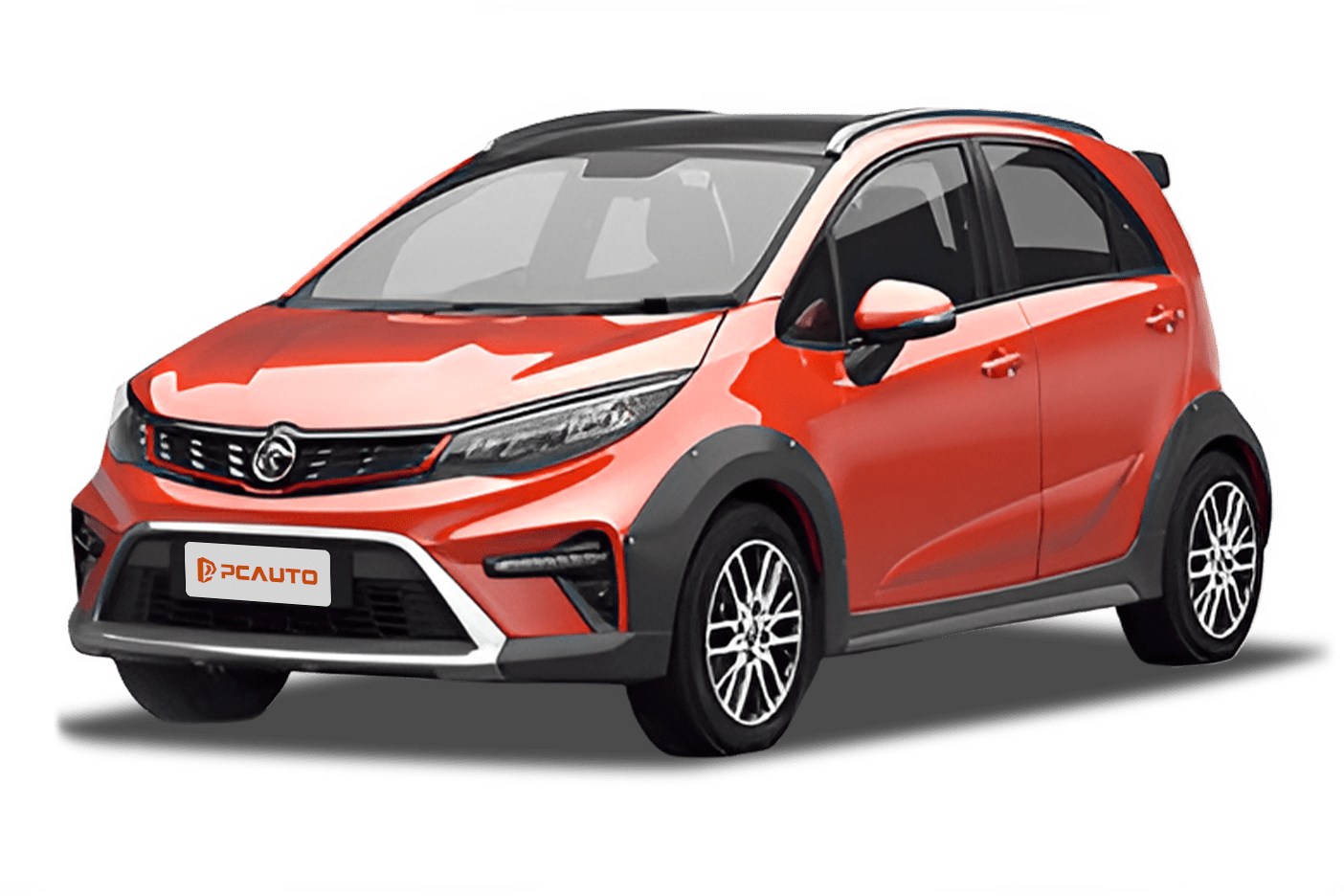
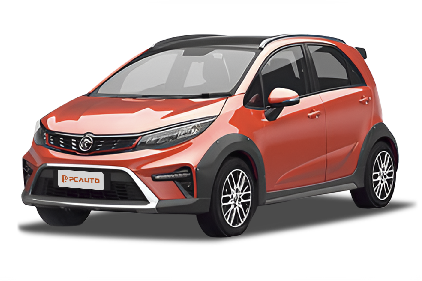
2023 Proton Iriz 1.3 Standard CVT is an affordable, well-balanced entry-level B-segment hatchback with safety features, suitable for budget-conscious families focusing on safety and practicality for daily commuting.
2
Rank in Hatchback

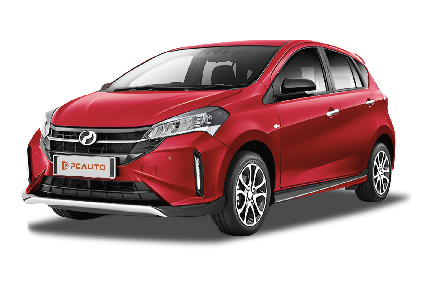
2023 Perodua Myvi 1.3 G with PSDA is an affordable B-segment hatchback, combining practical space, basic features, and PSDA safety assistance, suitable for family commuting.

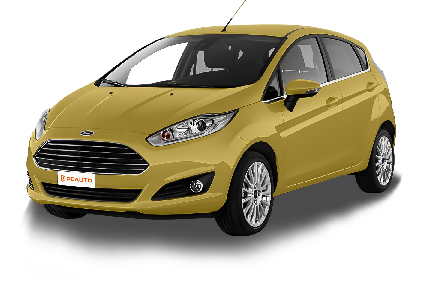
2022 Ford Fiesta public is a B-Segment model with responsive power, economical fuel consumption, and rich safety features, suitable for young families or individual users who prioritize driving experience and safety.
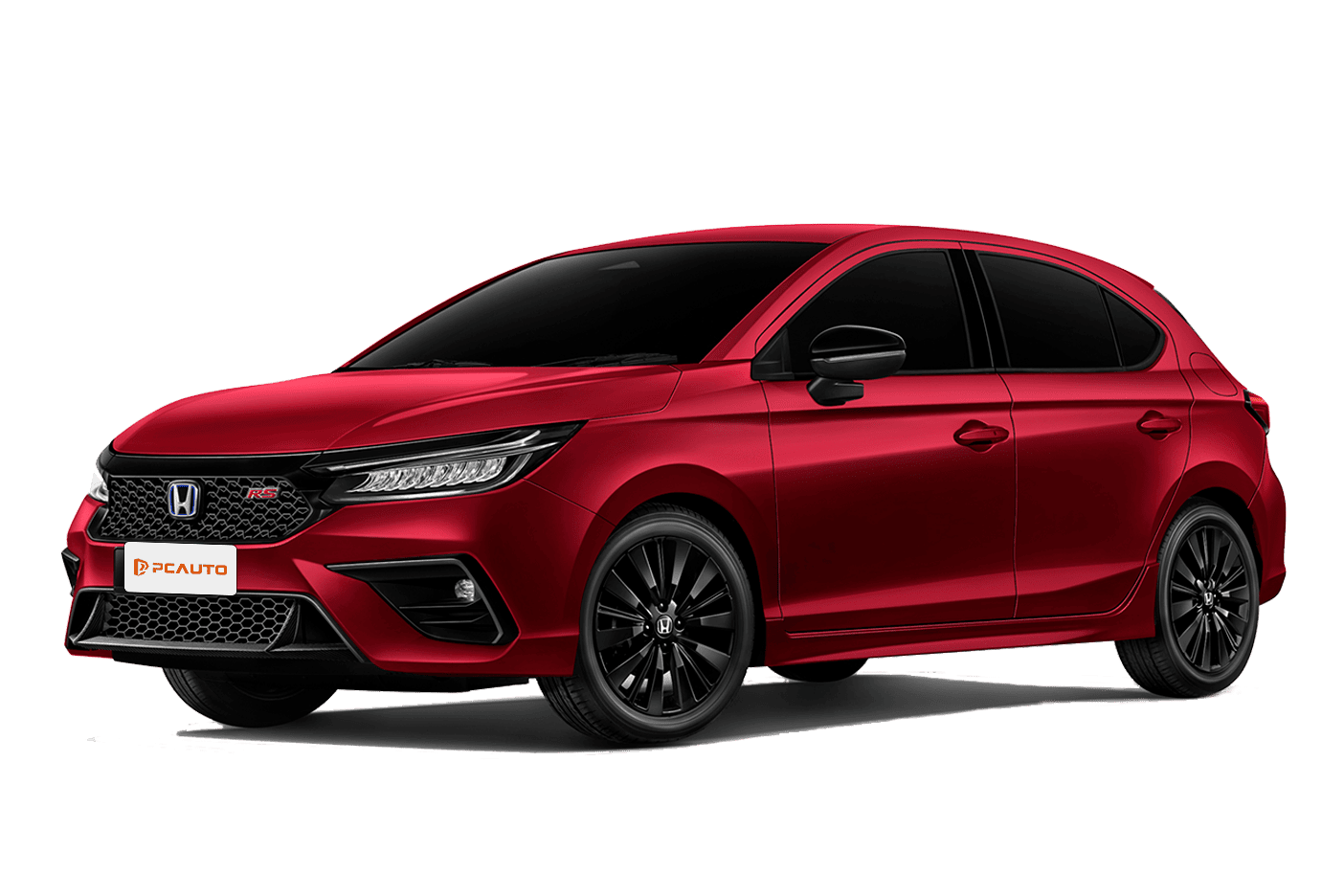
2024 Honda City Hatchback 1.5 S, as a high-value entry-level hatchback, comes standard with Honda Sensing and 6 airbags, offering practical space, economical fuel consumption, and balancing safety with daily commuting needs.