

2024 Volvo EX30 Ultra Review

 Share
Share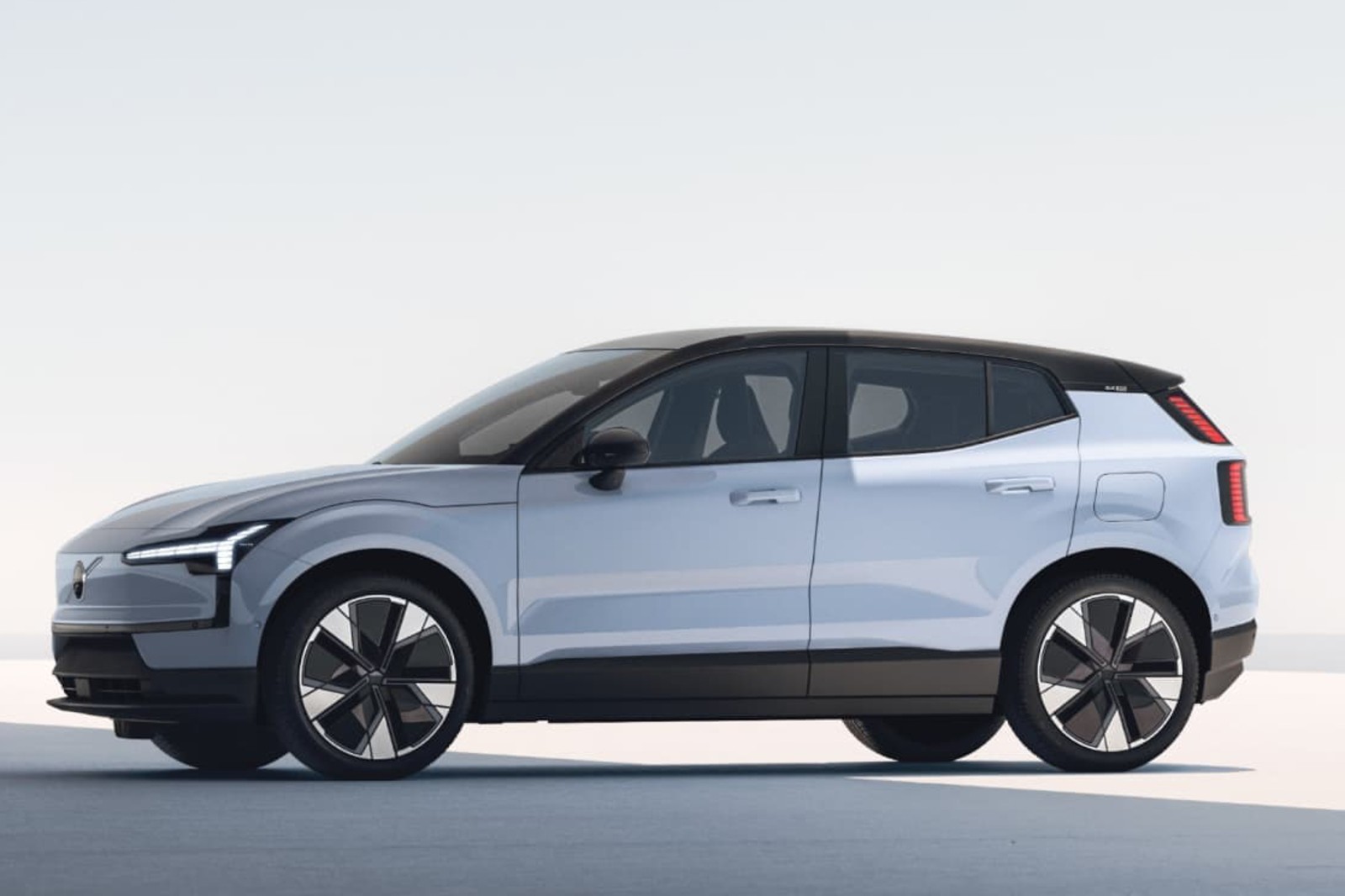
 Segment
 Body Type
 Motor Output(kW)
 Motor Torque(Nm)
 EV Range(km)
 Battery Capacity(kWh)
In recent years, Malaysia's electric vehicle market has gradually matured, with competition in the compact SUV segment particularly fierce — consumers are looking for the cost-saving benefits of electric vehicles for daily use, while also valuing a balance between spatial practicality and smart features. As Volvo's core model in this segment, the EX30 Ultra attracts many quality- and practicality-oriented family users with its key selling points including a long range of 476 kilometers, comprehensive safety features across the range, and exquisite Nordic design. In this test drive, we will focus on verifying its range performance, whether its spatial design meets user needs, and whether Volvo's signature safety and comfort experience continues to be carried over in this compact SUV.
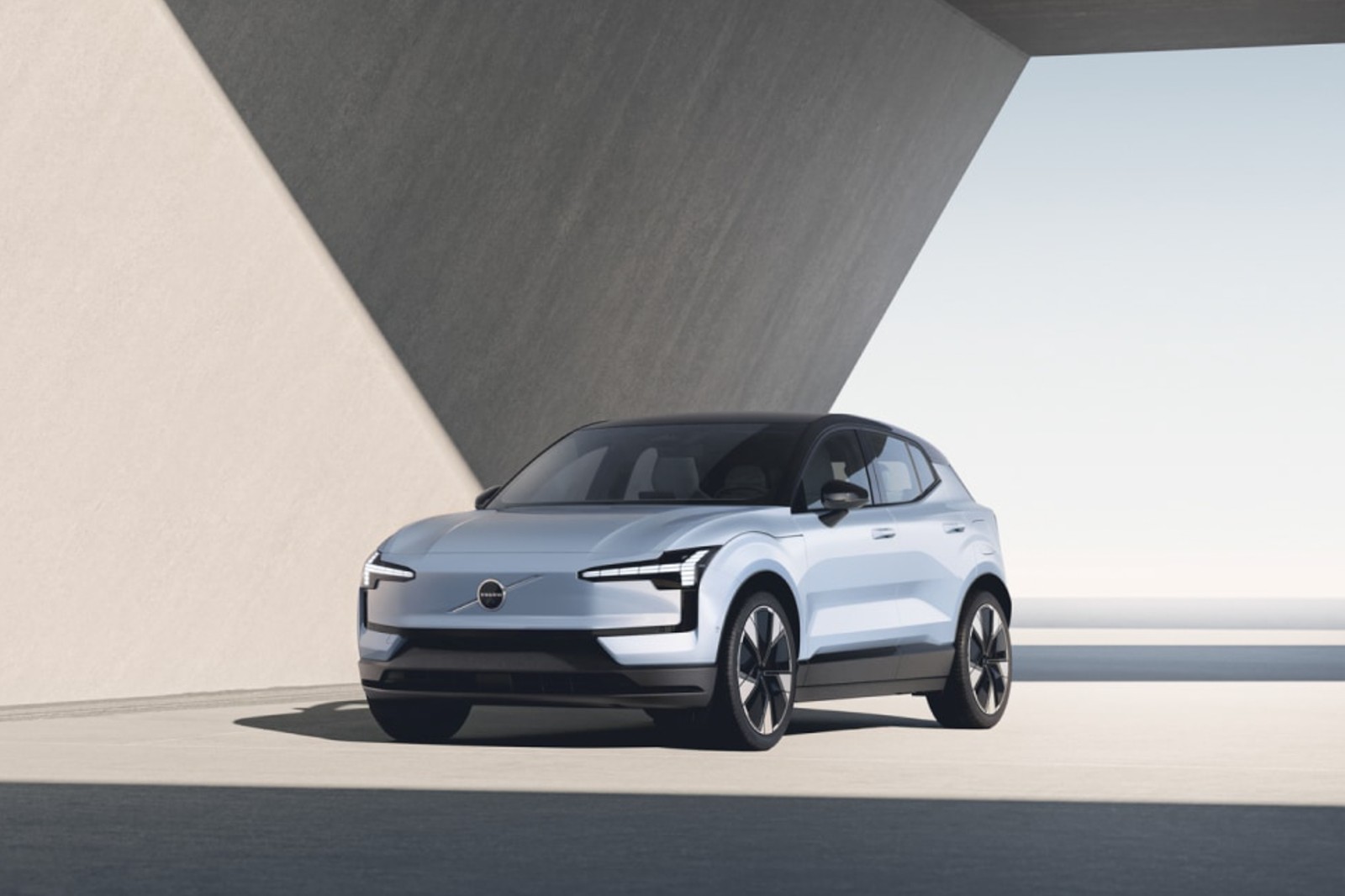
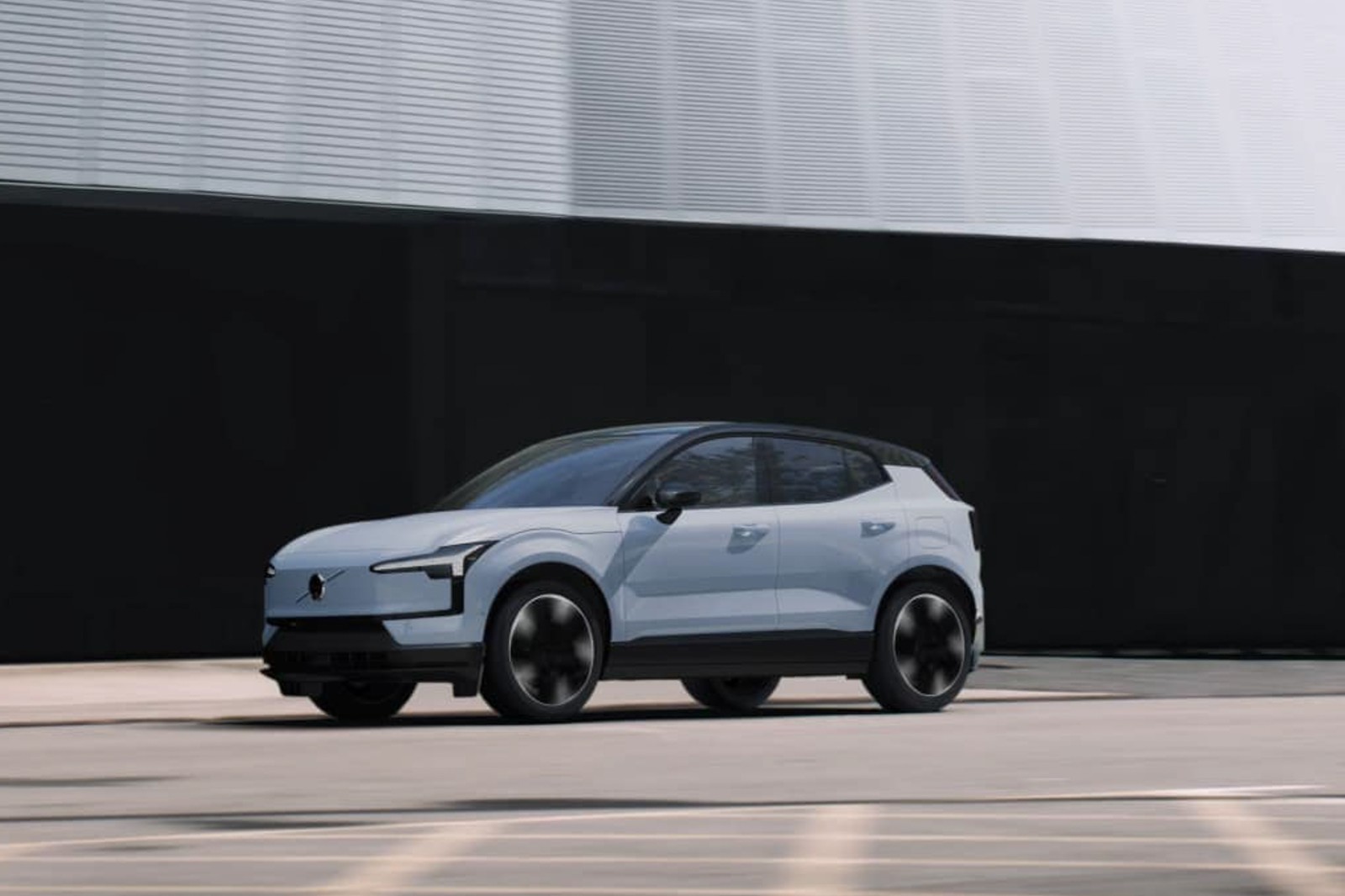
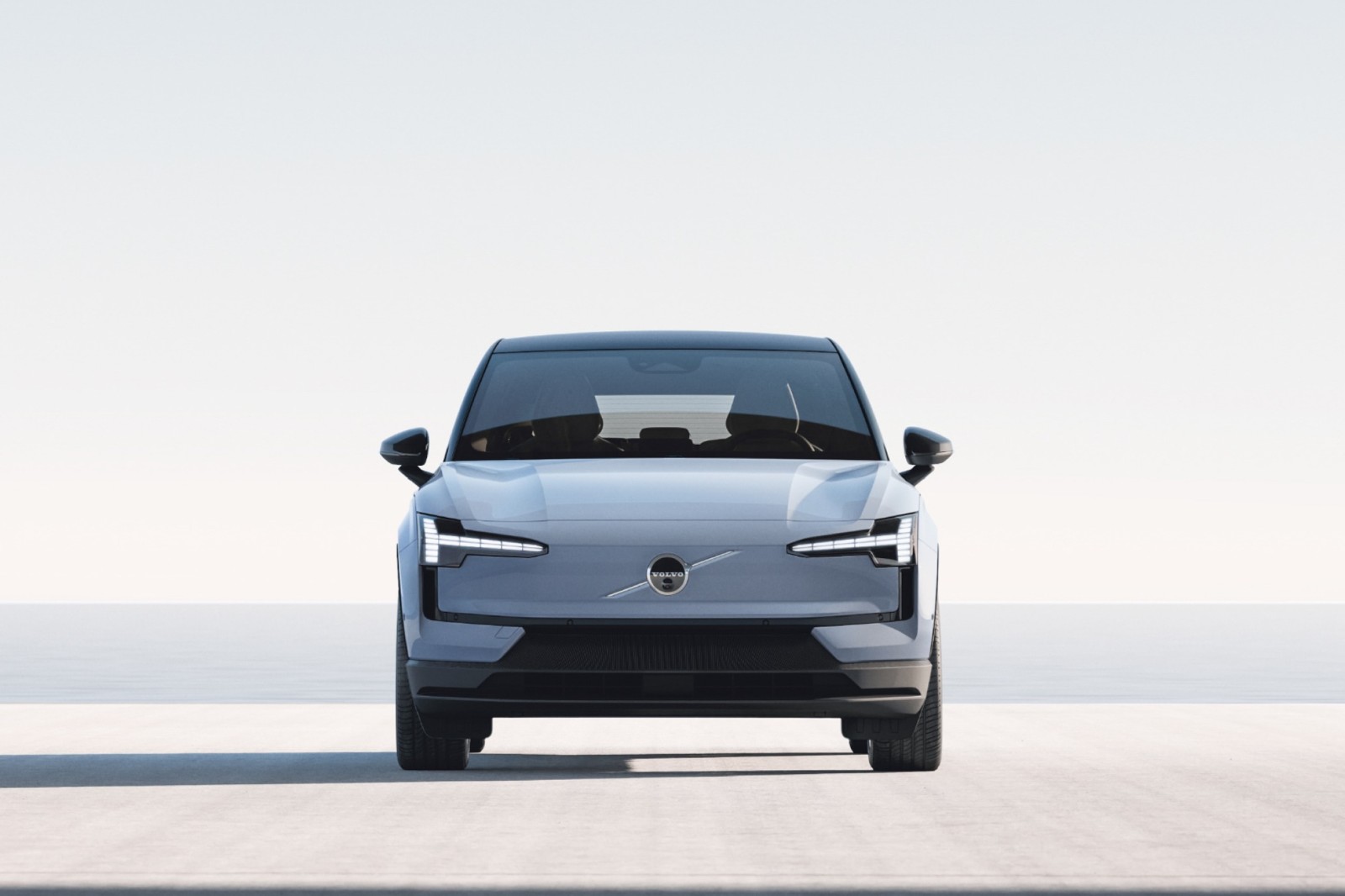
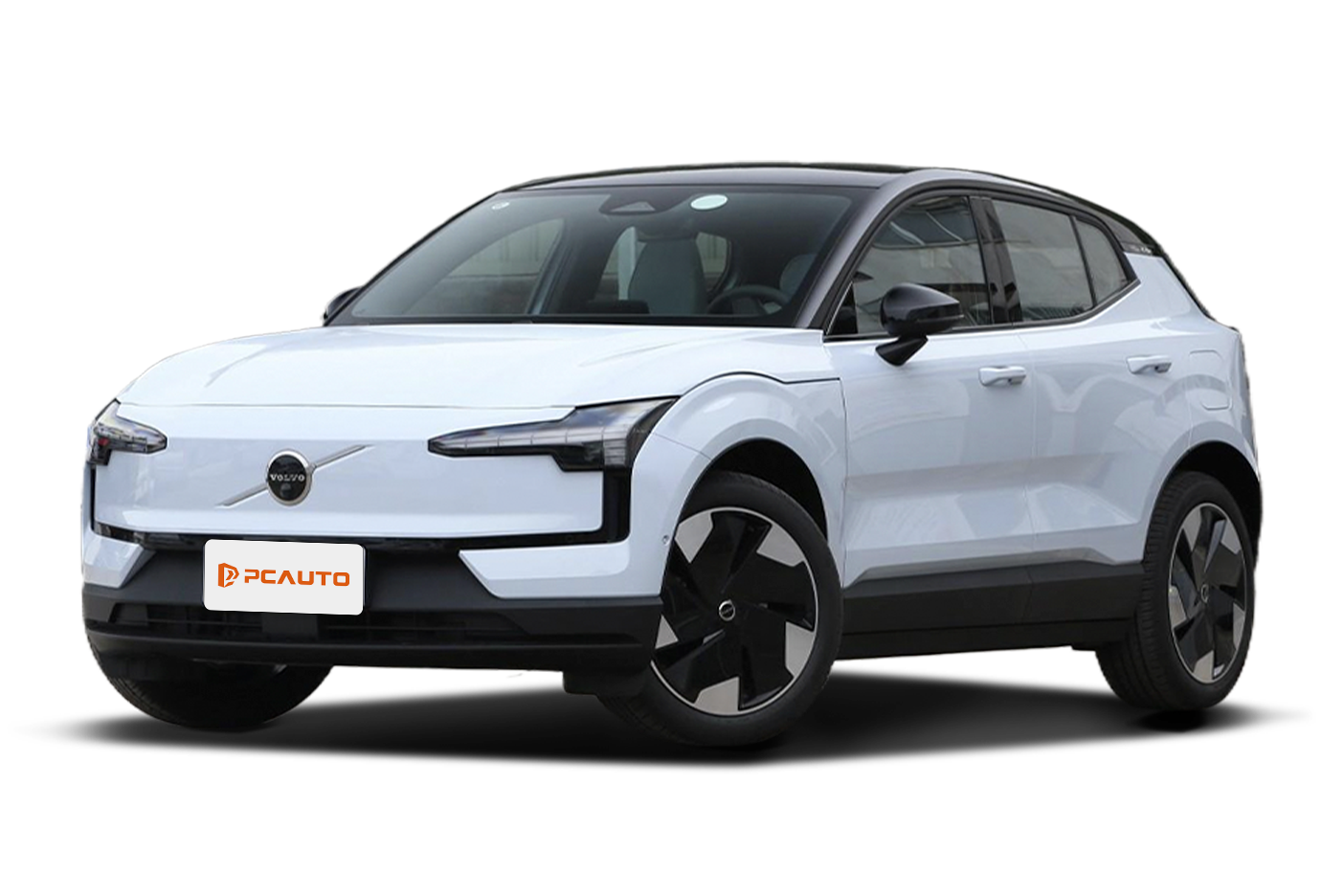
In terms of exterior design, the EX30 Ultra continues Volvo’s family-style minimalist design approach, with refined and distinctive lines. The front features a closed grille paired with "Thor's Hammer" LED daytime running lights; the folded line design within the light clusters illuminates sequentially upon startup, adding a sense of ceremony. The side profile is characterized by a waistline that extends from the front fender to the rear, complemented by 19-inch multi-spoke alloy wheels (optional for the test model), making the 4233mm length appear sleeker than it actually is. At the rear, the "Viking Axe" tail lights are a classic Volvo element, forming vertically aligned light strips when illuminated for high nighttime recognition. Black plastic cladding at the lower rear bumper adds a touch of crossover appeal to this urban SUV. Notably, the body comes in various color options, including Fjord Blue and Crystal White, catering to different aesthetic preferences.
Upon entering the interior, the simplicity of Scandinavian design is immediately apparent — the central console has almost no physical buttons, with all functions integrated into a 12.3-inch vertically oriented touchscreen. The screen boasts high resolution and smooth operation, and the built-in Google Automotive Services system supports real-time navigation, voice control, and app downloads, making it highly convenient for daily use. Regarding the interior materials, the upper parts of the door panels and central console are made of soft-touch plastic combined with fabric accents, offering a tactile experience that ranks on the high side among vehicles in the same class. The front seats are equipped with manual adjustments and 4-way electric lumbar support; the seat cushioning is plush with good lateral support, ensuring long drives won't cause fatigue.
For space performance, the EX30 Ultra’s 2650mm wheelbase is in line with mainstream standards for compact SUVs. The front seating area is spacious, with a height of 175cm; an occupant adjusting their seat will still have a headroom clearance of about a fist and two fingers. The rear seating space is adequate for family use. Passengers of the same height in the rear will have about a fist of legroom and approximately a fist of headroom; the nearly flat rear floor ensures that even three people sitting temporarily will not feel cramped. The trunk has a standard capacity of 318L, expandable to over 900L with the rear seats folded down, easily accommodating two 28-inch suitcases and several backpacks. Additionally, the center armrest box in the front and the storage compartments in the door panels are quite practical, providing suitable storage space for small items like phones and water bottles.
In terms of dynamic driving, the EX30 Ultra is equipped with a rear permanent magnet synchronous motor, delivering a maximum power of 200kW (272PS) and a peak torque of 343N·m. Officially, it accelerates from 0-100km/h in just 5.3 seconds. During actual driving, the power response is very immediate—switching to the "Dynamic" mode and pressing down on the accelerator pedal results in an instant sense of pushback; even in "Comfort" mode, the power output remains sufficiently linear, making it suitable for daily city commuting. The chassis suspension features a combination of front MacPherson struts and rear multi-link independent suspension, tuned for comfort. When passing speed bumps or bumpy roads, the suspension effectively filters out most of the jolts, ensuring that passengers in the car do not feel significant impacts. The steering feels light and precise, making low-speed parking effortless, while at high speeds, the steering wheel becomes gradually heavier, providing excellent stability.
As for range and charging, we conducted tests on mixed road conditions of Kuala Lumpur city and highways. At full charge, the instrument panel displayed a range of 476 kilometers. After driving 200 kilometers, the displayed remaining range read 268 kilometers, achieving a completion rate of approximately 91%, which outperforms most models in the same segment. During highway cruising at 110km/h, the power consumption was about 18.5kWh/100km, while in city traffic jams, power consumption was approximately 15kWh/100km. The overall consumption aligns closely with the official figure of 17kWh/100km. For charging efficiency, using a DC fast charger to go from 30% to 80% took only 28 minutes, fully meeting everyday recharging needs; slow charging takes 8 hours, which is more suitable for charging overnight at home.
Safety features are Volvo's forte, and the EX30 Ultra is no exception—all models come standard with the City Safety system, including features like automatic emergency braking, lane departure warning, and blind-spot monitoring. During the test drive, we simulated urban low-speed following scenarios, where the system was able to intervene quickly and smoothly when the car ahead suddenly braked. The 360-degree surround-view camera offered high clarity, and along with the front and rear parking sensors, even novice drivers can park the car with ease. Additionally, the car interior is equipped with seven airbags, ISO FIX child seat anchors, and other features to further enhance passive safety performance.
In terms of driving comfort, the EX30 Ultra performs commendably: the front seats provide excellent support, and the electric lumbar support helps relieve lower back fatigue. The rear seats are equipped with independent air conditioning vents and USB-C ports, catering to the needs of rear passengers. Regarding noise control, at speeds below 80km/h, wind and road noise are nearly inaudible inside the cabin; above 100km/h, wind noise from the A-pillars becomes noticeable but remains within an acceptable range. The Harman Kardon audio system offers clear sound quality and stable bass, satisfying everyday music needs.
Overall, the core strength of the Volvo EX30 Ultra lies in its "balance"—the 476-kilometer range covers most users' daily travel needs, and the comprehensive safety features across the lineup are unmatched by competitors in the same class. The Nordic-style interior design and comfortable driving experience further enhance the product's appeal. Compared to the similarly priced Model Y Rear-Wheel Drive version, the EX30 Ultra stands out in terms of safety features and interior quality. Meanwhile, compared to the BYD Atto 3, it offers better brand value and range performance.
This car is most suitable for families who value quality and safety. While the price of RM208,888 is not exactly affordable, considering Volvo's brand influence, the 8-year battery warranty, and the low operating cost of just 17kWh per 100 kilometers, it offers good value in the long run. If you're looking for a compact electric SUV that's easy to drive daily, reliable, safe, and has a touch of prestige, the EX30 Ultra is worth considering.
Overall, the Volvo EX30 Ultra, with its three core selling points of "safety, range, and comfort," offers a high-quality option in Malaysia's compact electric vehicle market—while it may not be the most radical, it is undoubtedly the one that inspires the most confidence.
Volvo EX30 Car Compare
Volvo EX30 Loan Calculator
More Volvo Reviews
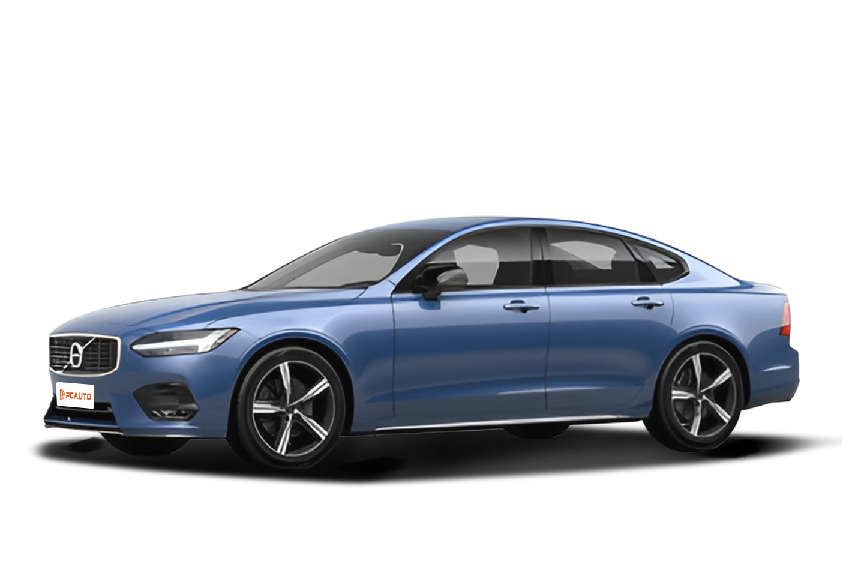
Cars With Similar Price And Features

1
Rank in SUV
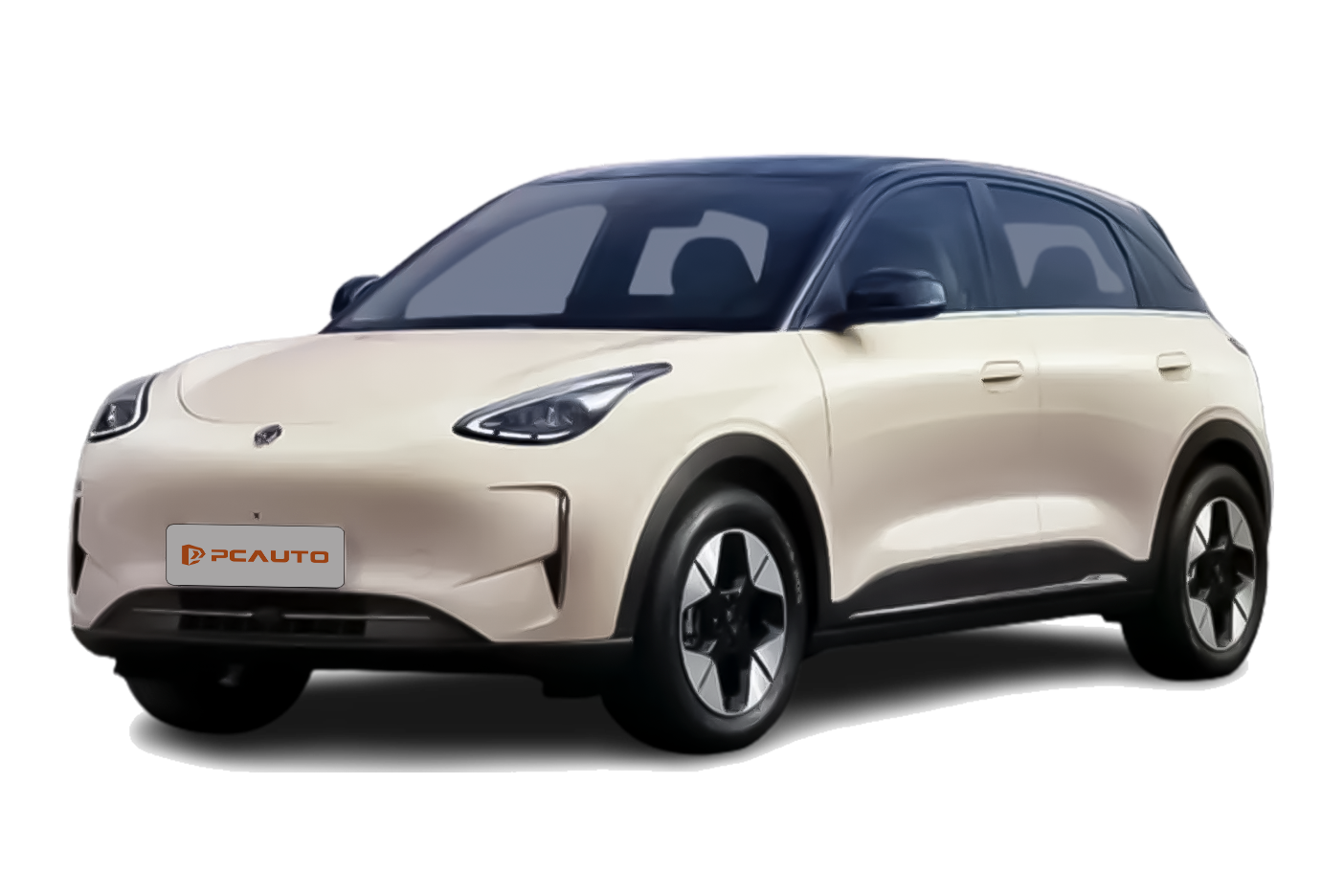
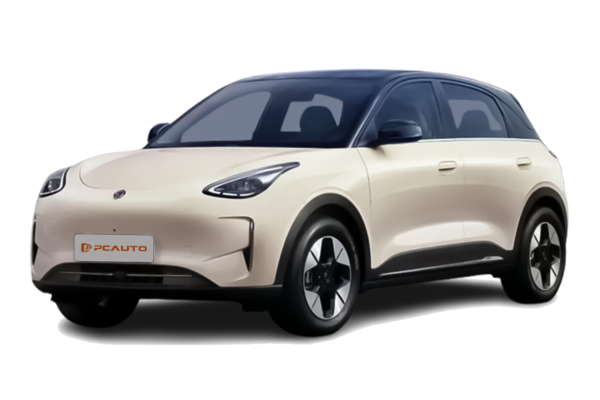
2025 Proton e.Mas 5 Prime is Proton's first entry-level pure electric C-Segment model, priced from 56,800 MYR to target the sub-100,000 MYR market, balancing practical features with commuting range.
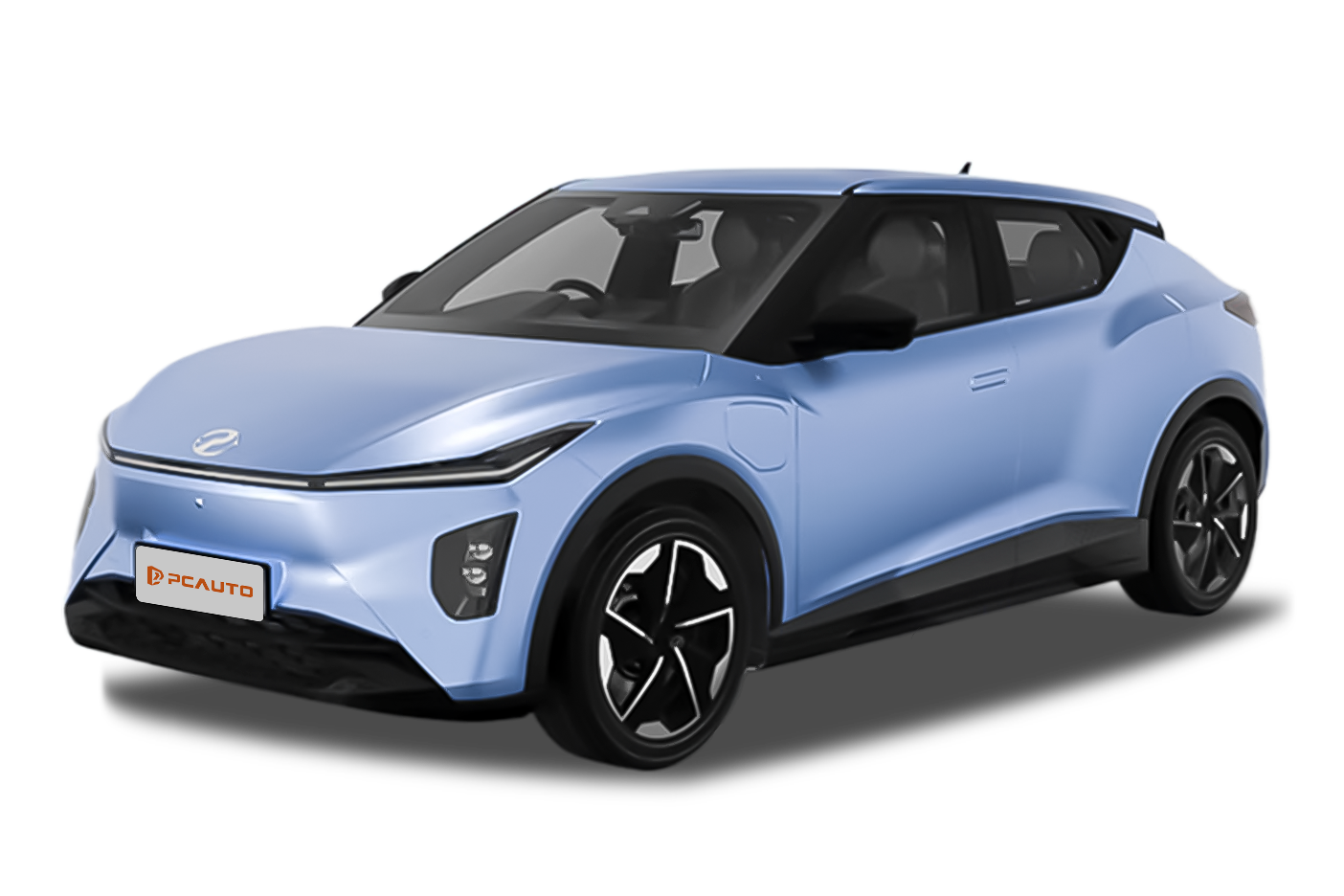
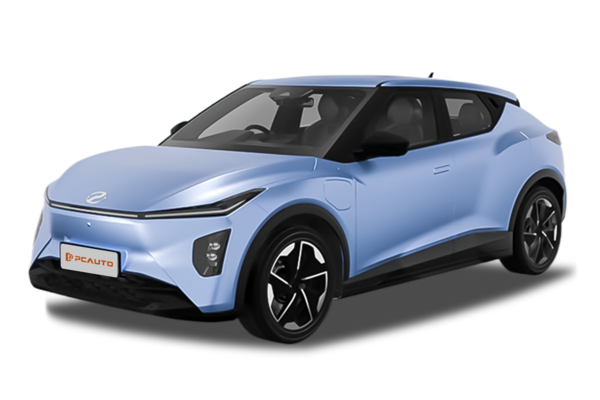
The 2025 Perodua QV-E is an affordably priced, practically ranged class-C pure electric vehicle, precisely tailored for family users and young commuters with its high safety features, spacious interior, and agile driving dynamics.
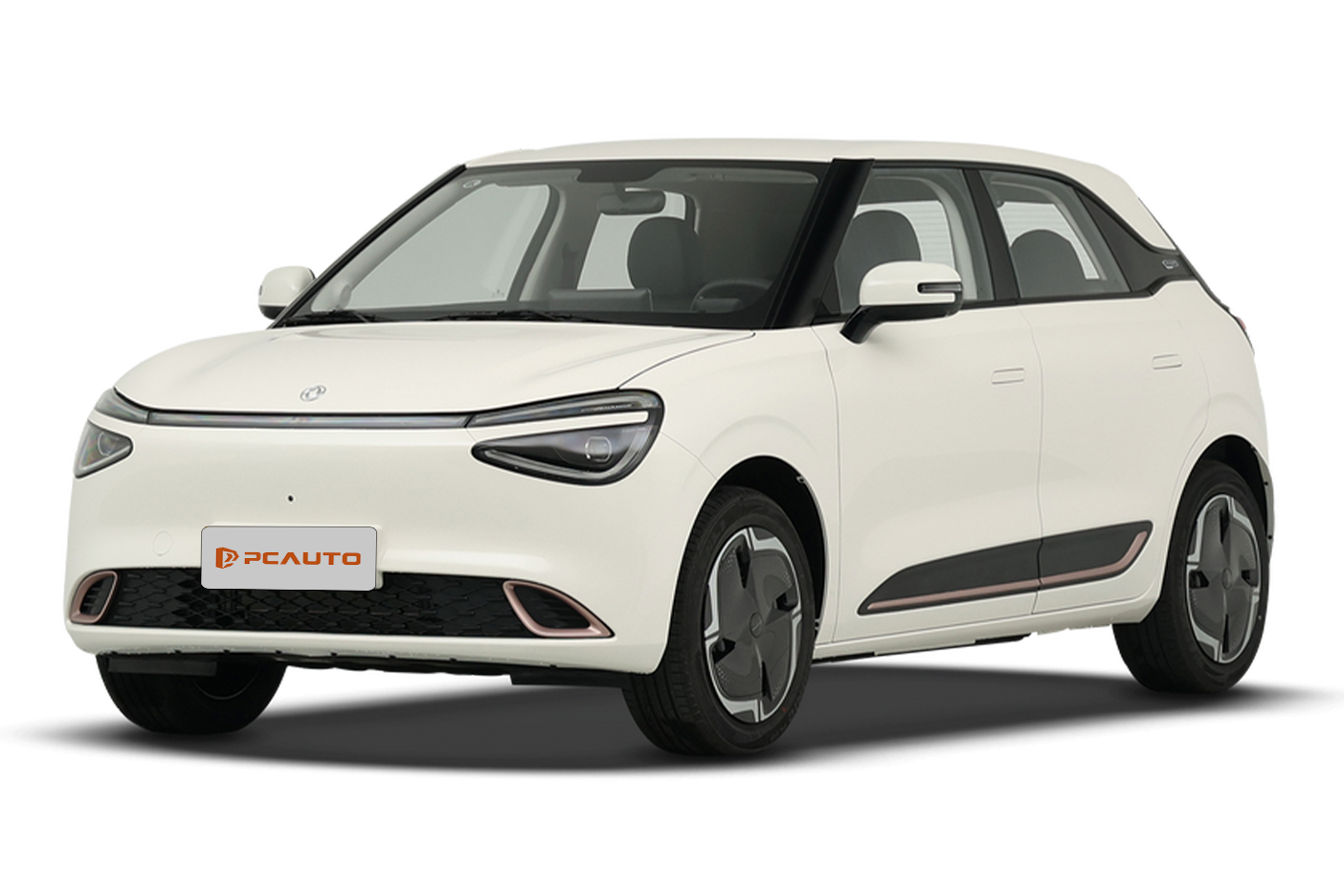
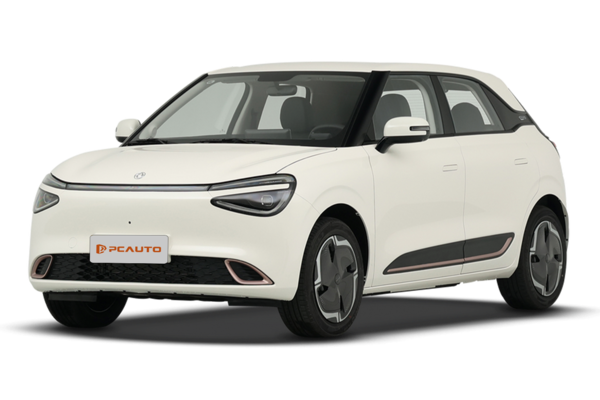
2024 DFSK Box E2 is a household pure electric vehicle in Malaysia priced at around 100,000 Ringgit, featuring a 330 km range, 12.8-inch large screen, and practical space as its main selling points, catering to both commuting and family needs.
30
Rank in SUV
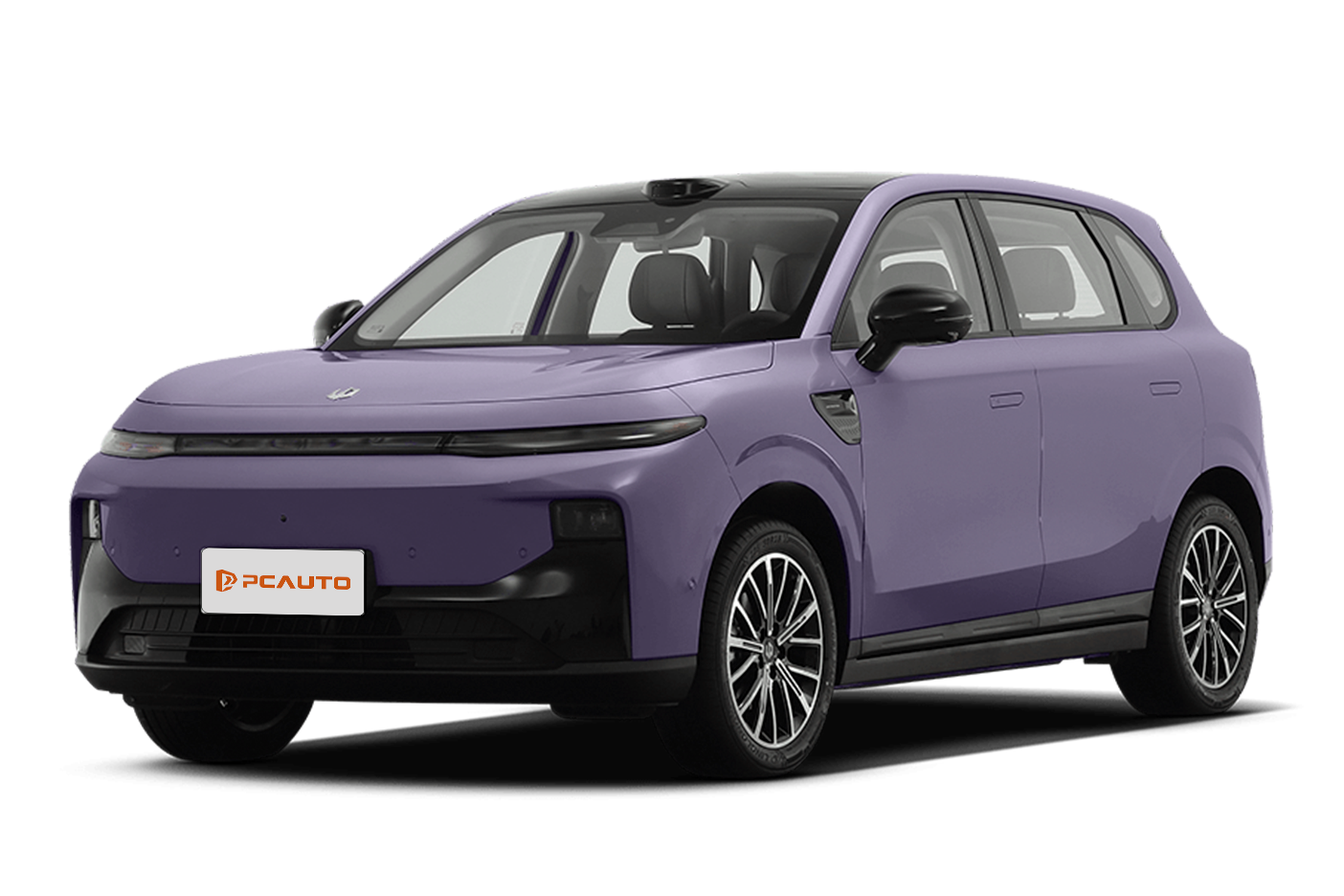
2025 Leapmotor B10 LIFE is a 100,000-level pure electric C-class SUV, equipped with standard L2 assisted driving and other practical features. It offers spacious interior and solid range, making it a go-to choice for family users.