

2024 Volvo EX30 Ultra Twin Performance Review

 Share
Share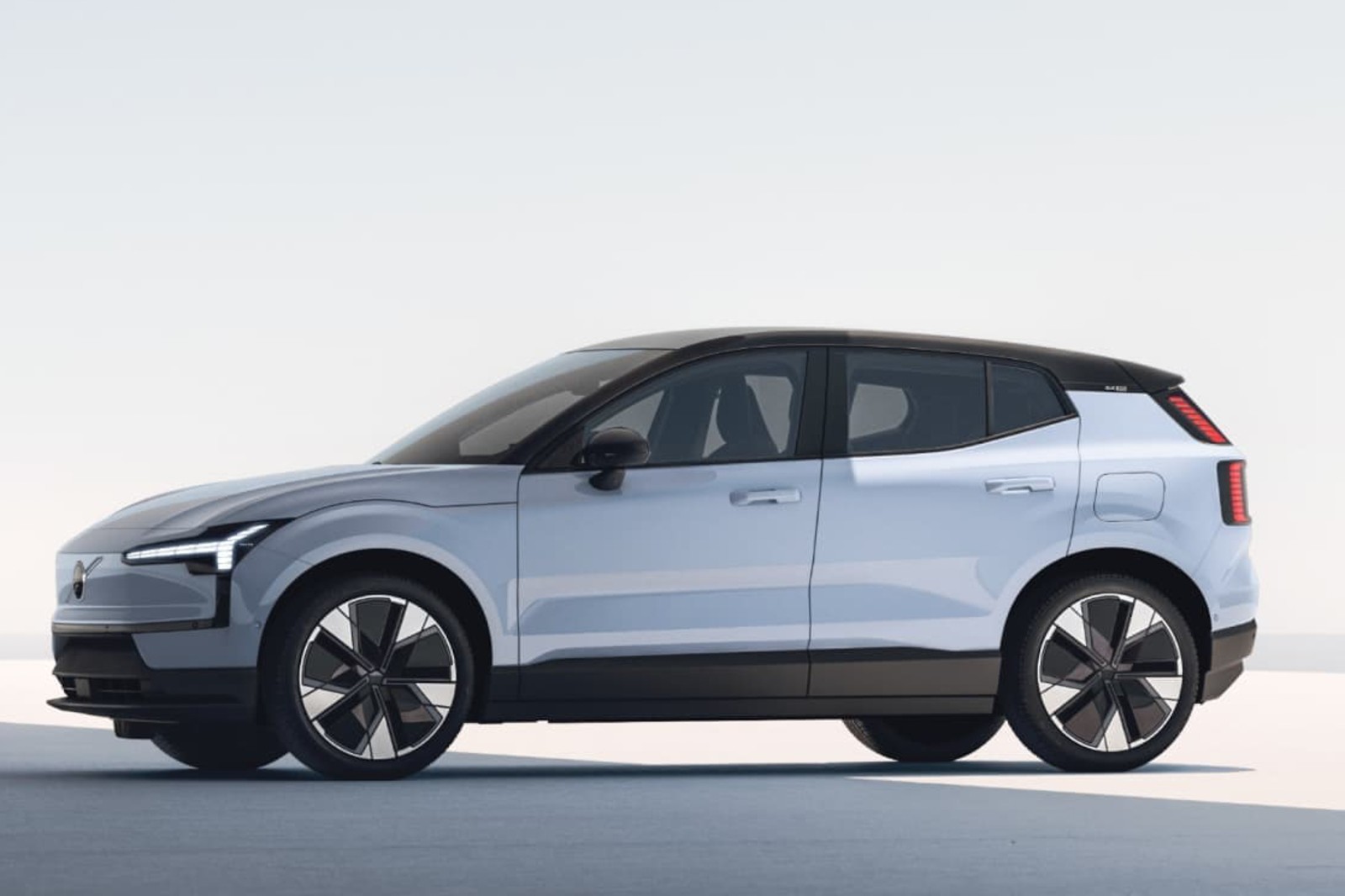
 Segment
 Body Type
 Motor Output(kW)
 Motor Torque(Nm)
 EV Range(km)
 Battery Capacity(kWh)
The competition in the compact electric SUV market in Southeast Asia is becoming increasingly fierce. Young families and urban commuters not only want the low cost of using an electric vehicle but also care about space practicality and brand safety—Volvo EX30 Ultra Twin Performance enters the market precisely under such demand. As Volvo's smallest pure electric SUV, its core selling points are straightforward: 0-100 km/h in 3.6 seconds, Volvo's iconic safety features, and a price of less than 230,000 MYR. In this test drive, we focused on verifying three things: whether its performance is truly "impressive," whether the space meets family needs, and the practicality of its safety features in daily driving.
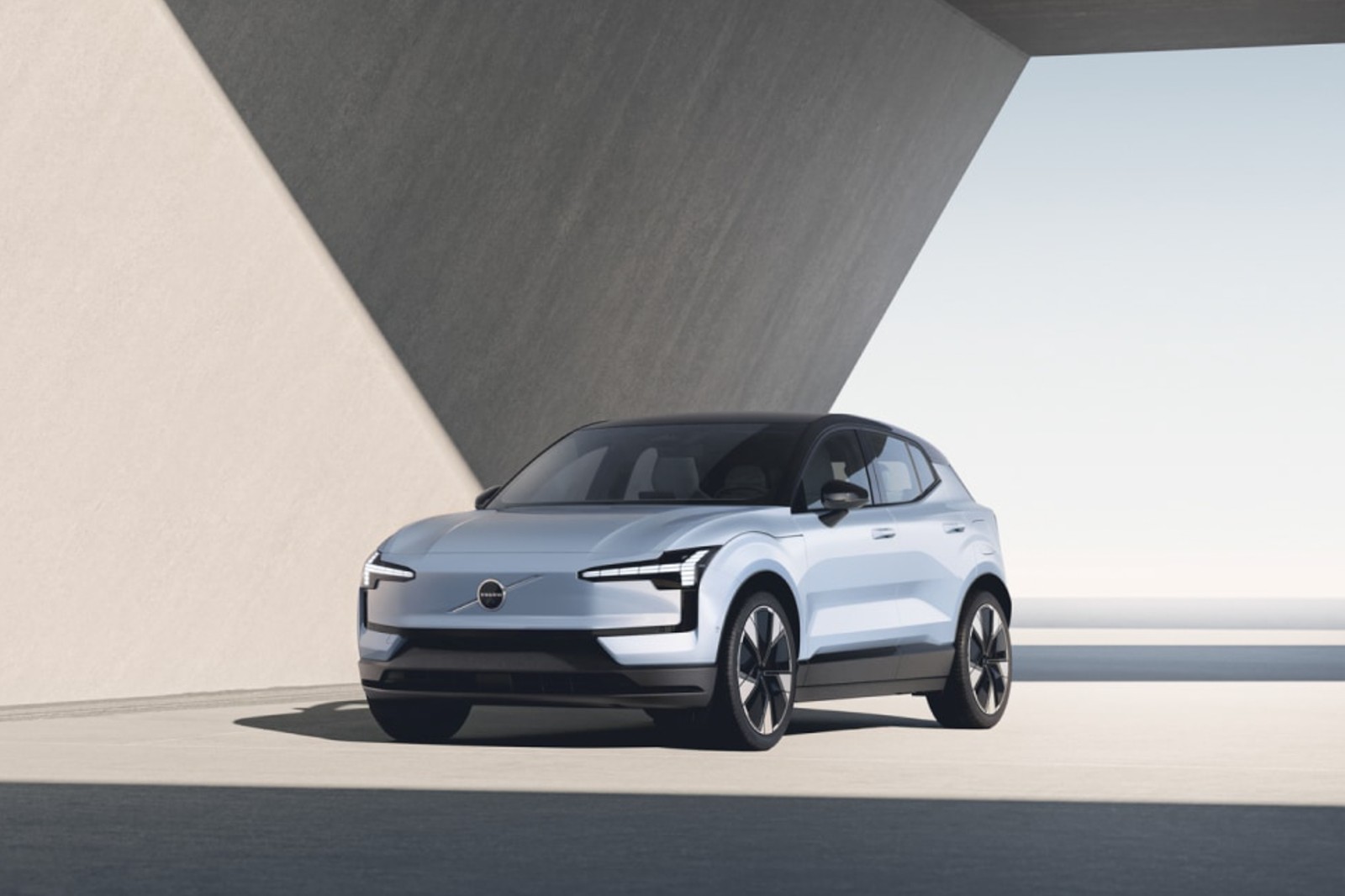
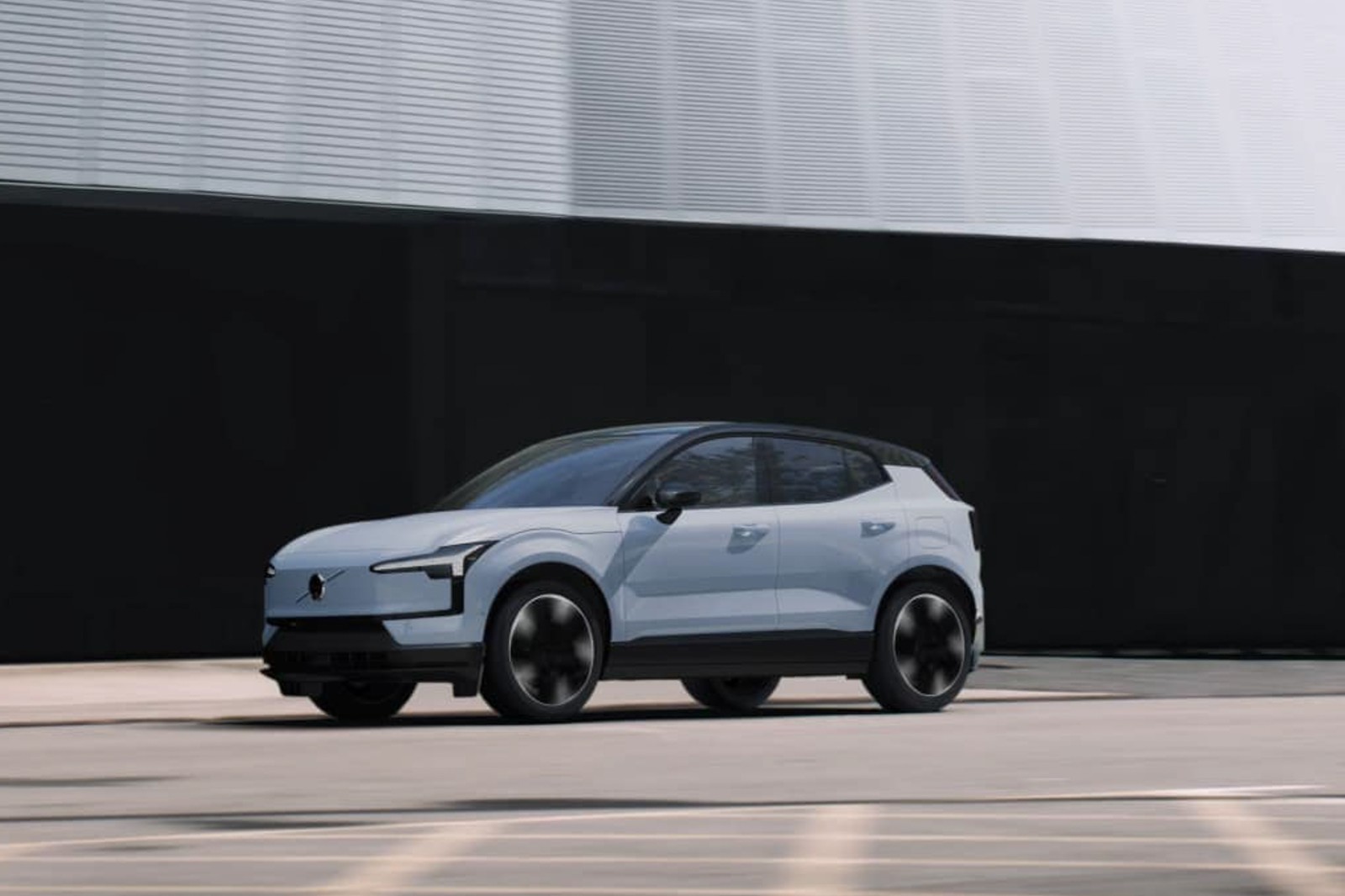
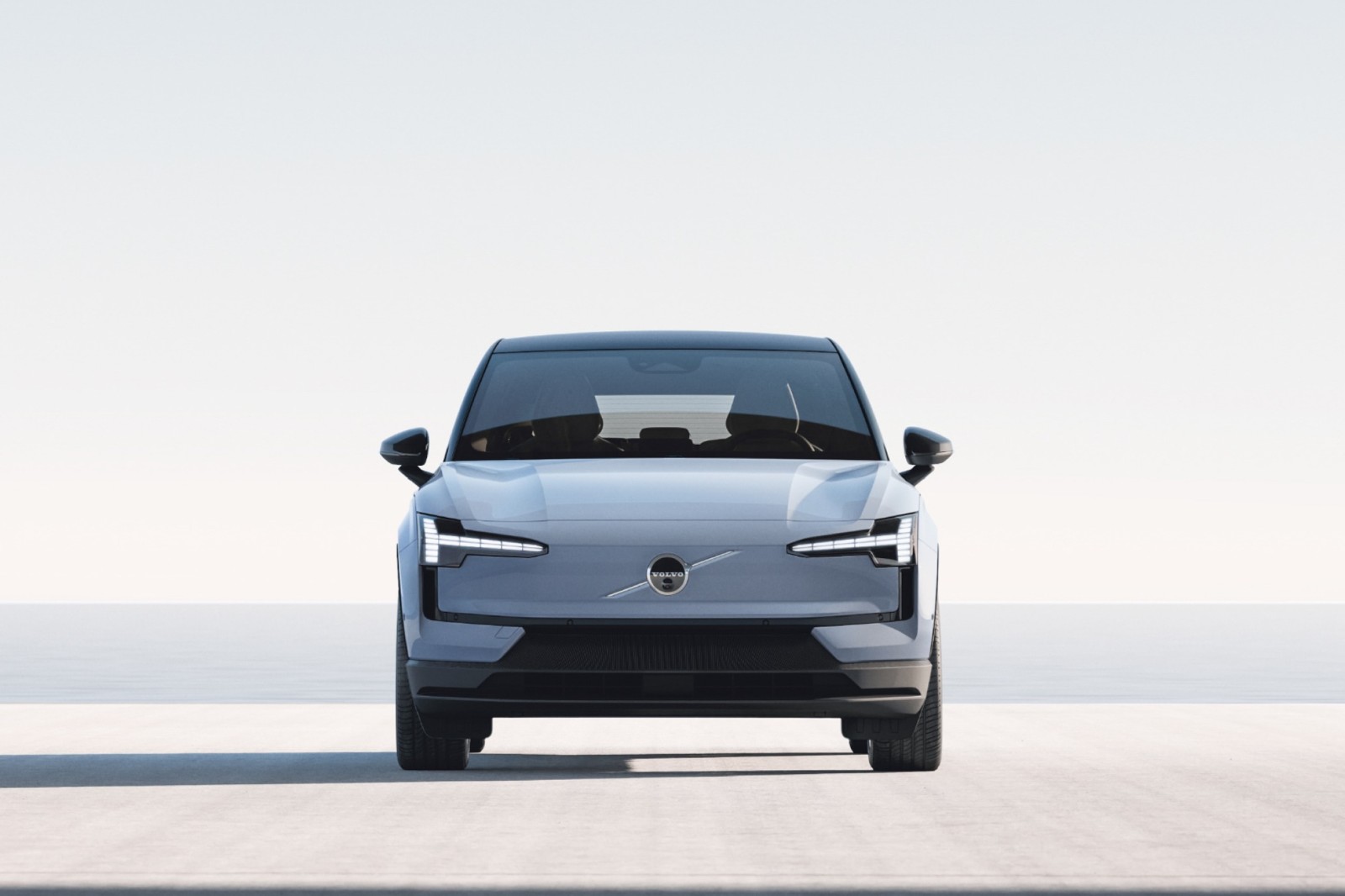
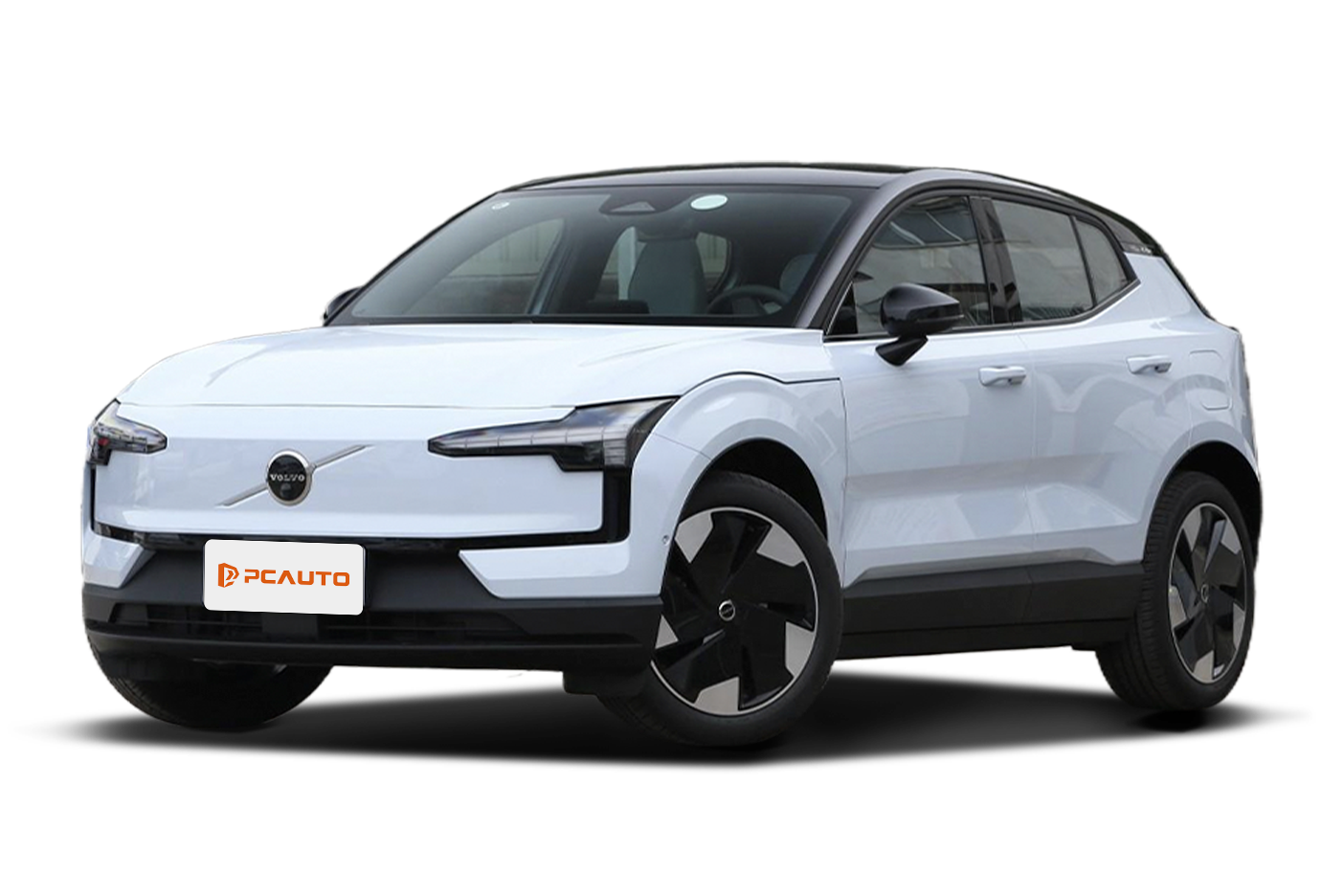
First, looking at the exterior, the EX30 continues Volvo's minimalist design but appears more youthful in details. The front lacks a traditional grille, replaced by a continuous LED daytime running light bar, paired with sharply styled LED headlights on both sides, giving it high recognition; the side body features compact lines, with a waistline extending from the fender to the rear, paired with 18-inch alloy wheels (standard on the Ultra version), maintaining balanced proportions without looking bulky. The rear design is more memorable, with vertically arranged LED taillights—a classic Volvo element—that light up like two "Viking Axes," complemented by a slightly upturned spoiler for just the right amount of sportiness. As for the paintwork, the fjord blue metallic paint on this test drive model has a good texture, with a fine pearlescent quality visible under sunlight.
Sitting inside, the first impression is "simple yet sophisticated." The central control area almost completely lacks physical buttons, with all functions integrated into the 12.3-inch vertical touchscreen, which shares an interface logic with other Volvo electric cars, making it very intuitive to use. Regarding materials, the dashboard and the inside of the door panels combine soft-touch plastic with fabric, which, although not leather, feels solid and fits this price range. As for features, the Ultra version comes fully loaded: the front seats have 4-way electric lumbar support, making long drives less tiring; rear air conditioning vents and two USB-C ports are essential for family users; the panoramic fixed sunroof, although not openable, provides better lighting for the rear. However, it's worth noting that the front seat adjustments are manual, as is the steering wheel adjustment, which is slightly disappointing for a car in the 230,000 MYR range.
Space performance is acceptable for a compact SUV. With a 2650mm wheelbase, I, at a height of 175cm, still had a fist and two fingers of headroom in the front seat; rear legroom had a fist, and headroom another fist. It would be a bit cramped for three adults in the rear, but it would work perfectly for a family with two children. The trunk has a standard capacity of 318L, just enough for two 20-inch suitcases, and can be expanded to about 900L by folding down the rear seats, making it sufficient for carrying larger items. The interior compartments are thoughtfully designed: the center armrest box is deep enough to hold four bottles of mineral water, the door pockets can fit a thermos, and there's also a wireless charging pad at the front (supporting 15W fast charging).
The performance is the highlight of the EX30 Ultra. Its dual-motor all-wheel drive system delivers a total power output of 315kW and 543N·m of torque, with an official 0-100 km/h acceleration of 3.6 seconds—on actual roads, the moment you step on the accelerator, you can feel a strong push-back sensation; overtaking on highways is a breeze, with instant, ample power that doesn't feel like a compact SUV at all. There are three driving modes: Comfort, Sport, and Eco. In Comfort mode, power output is smooth, suitable for daily commuting; in Sport mode, the pedal response becomes more sensitive, and steering feels heavier; Eco mode limits power but allows for about 20 kilometers more range.
In terms of handling, EX30's chassis tuning leans towards sportiness. The suspension is front MacPherson struts + rear multi-link; it absorbs most bumps when going over speed bumps and doesn't feel loose. When cornering, body roll is well controlled, the steering wheel is precise, and the vehicle is very agile when changing lanes. It is worth mentioning that, because the battery is positioned in the chassis, the center of gravity is lower compared to a fuel SUV, which greatly enhances high-speed stability. When cruising at 120km/h, the steering wheel remains steady.
The range and charging performance meet expectations. A 69kWh ternary lithium battery offers an official range of 450km. During this test drive, with the air conditioning on and in comfort mode, it covered 200km with 220km of indicated range remaining, achieving a range efficiency of nearly 90%. For urban commuting, charging once per week is sufficient. Regarding fast charging, using a 150kW charging station, it takes only 28 minutes to charge from 10% to 80%, which is consistent with the official claim of 0.46 hours. For slow charging with a 7kW home charger, it takes 8 hours to fully charge, suitable for overnight charging.
The driving and riding comfort is well-executed in terms of details. In terms of noise insulation, wind noise is almost inaudible below 60km/h, and tire noise is also minimal. At 120km/h highway speeds, there is slight wind noise from the A-pillar, but it doesn’t affect normal conversation. The energy recovery system has three levels of adjustability; at the highest level, releasing the accelerator can cause noticeable deceleration, allowing for almost one-pedal driving. At the lowest level, it provides a coasting experience similar to a fuel car, suitable for beginners. The breathable fabric upholstery of the seats ensures comfort even during long summer drives. The rear seat angles are well-optimized for comfortable long-distance travel.
To sum up: the core advantages of the EX30 Ultra Twin Performance are very clear—its acceleration performance of 3.6 seconds is almost unmatched in its class. Volvo’s safety features (lane-keeping assist, automatic emergency braking, 360-degree camera) come as standard across all variants, and its cost-performance is outstanding among luxury compact electric vehicles. Compared to its peers like the BMW iX1 and Mercedes-Benz EQA, it is 50,000 to 80,000 MYR cheaper, offers stronger performance, and comes with a more comprehensive feature set.
The target audience for this car is very well-defined: firstly, young families who value performance and safety, as it meets daily commuting needs while also providing the thrill of occasional fast acceleration. Secondly, urban users who like the Volvo brand but have a limited budget. Its compact size makes parking convenient, and its range is sufficient for daily use. If you don’t mind manually adjustable seats and are looking for a "small yet powerful" luxury pure electric SUV, the EX30 Ultra is definitely worth considering.
Volvo EX30 Car Compare
Volvo EX30 Loan Calculator
More Volvo Reviews
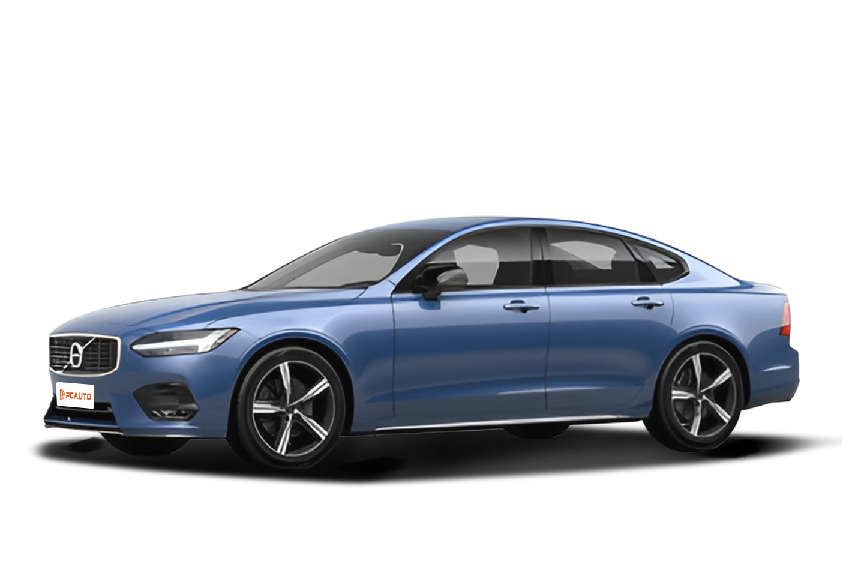
Cars With Similar Price And Features

1
Rank in SUV
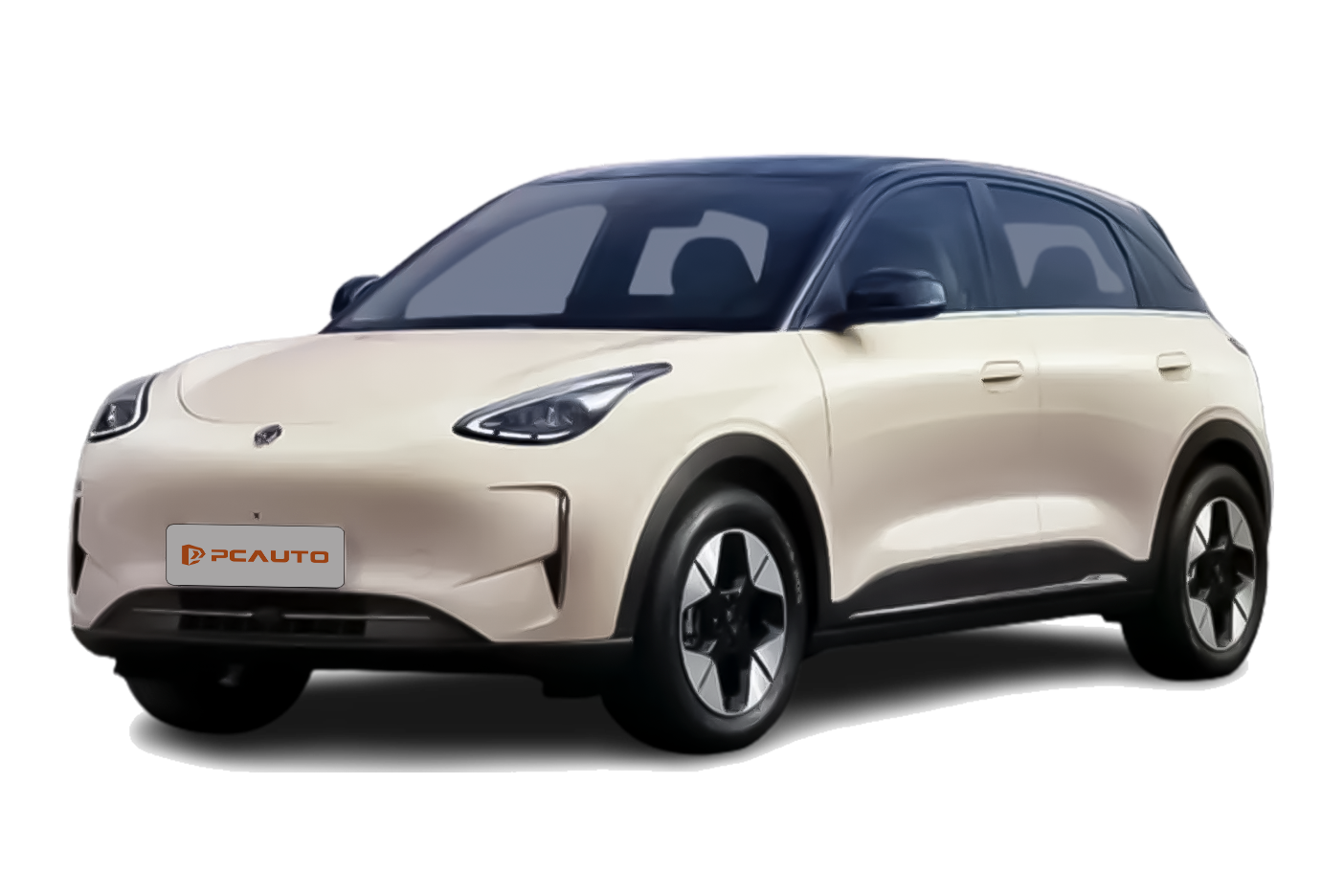
2025 Proton e.Mas 5 Prime is Proton's first entry-level pure electric C-Segment model, priced from 56,800 MYR to target the sub-100,000 MYR market, balancing practical features with commuting range.
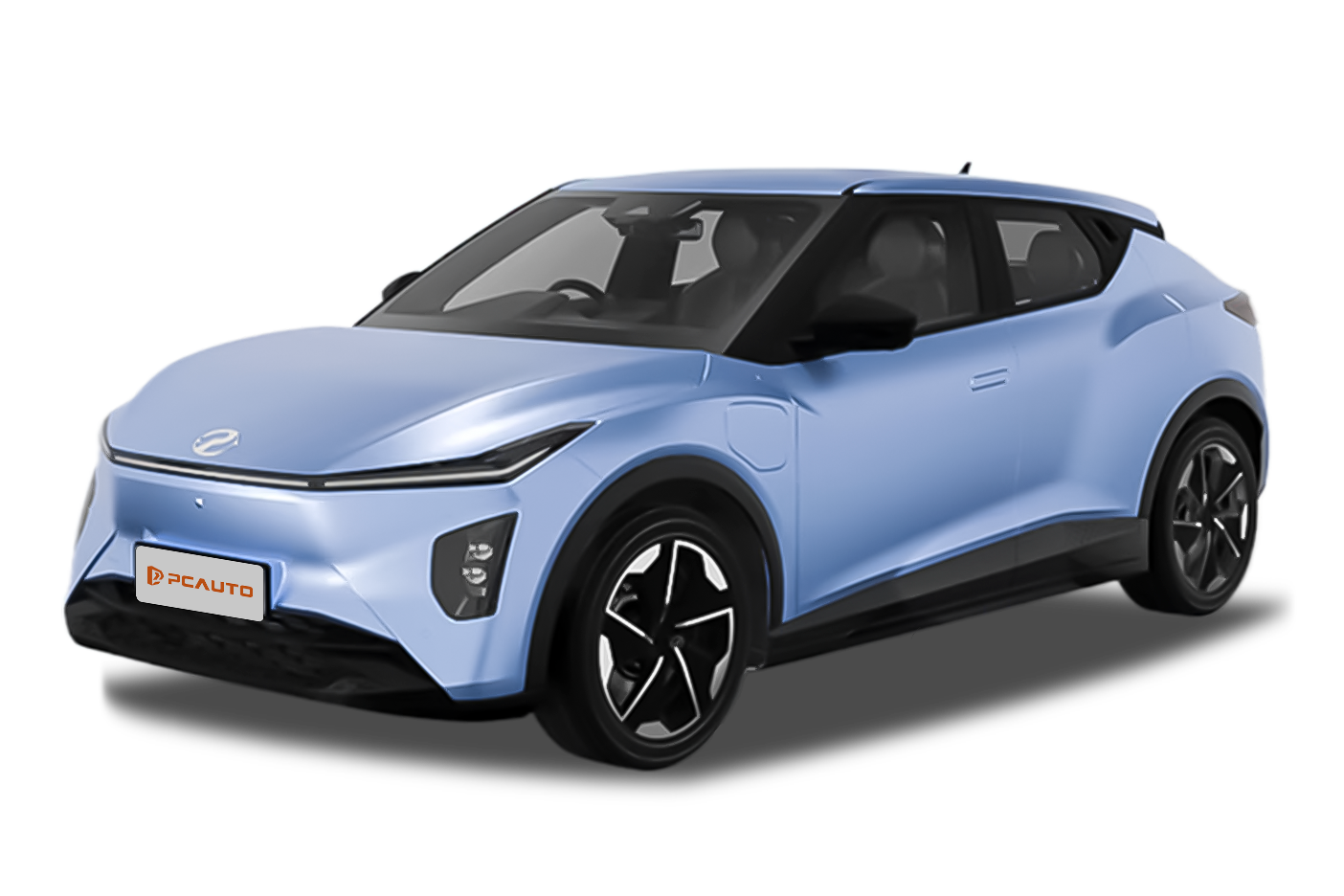
The 2025 Perodua QV-E is an affordably priced, practically ranged class-C pure electric vehicle, precisely tailored for family users and young commuters with its high safety features, spacious interior, and agile driving dynamics.
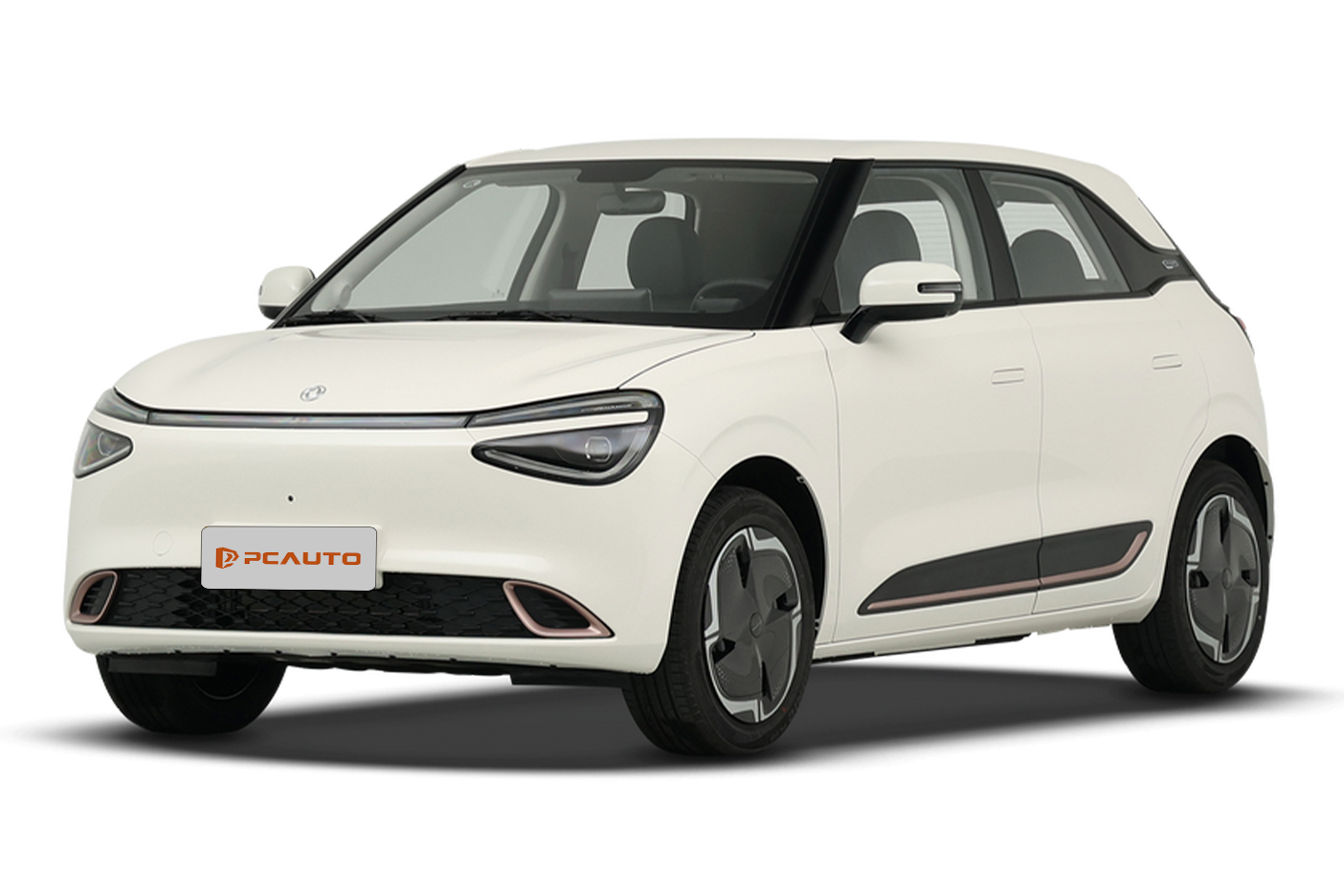
2024 DFSK Box E2 is a household pure electric vehicle in Malaysia priced at around 100,000 Ringgit, featuring a 330 km range, 12.8-inch large screen, and practical space as its main selling points, catering to both commuting and family needs.
30
Rank in SUV
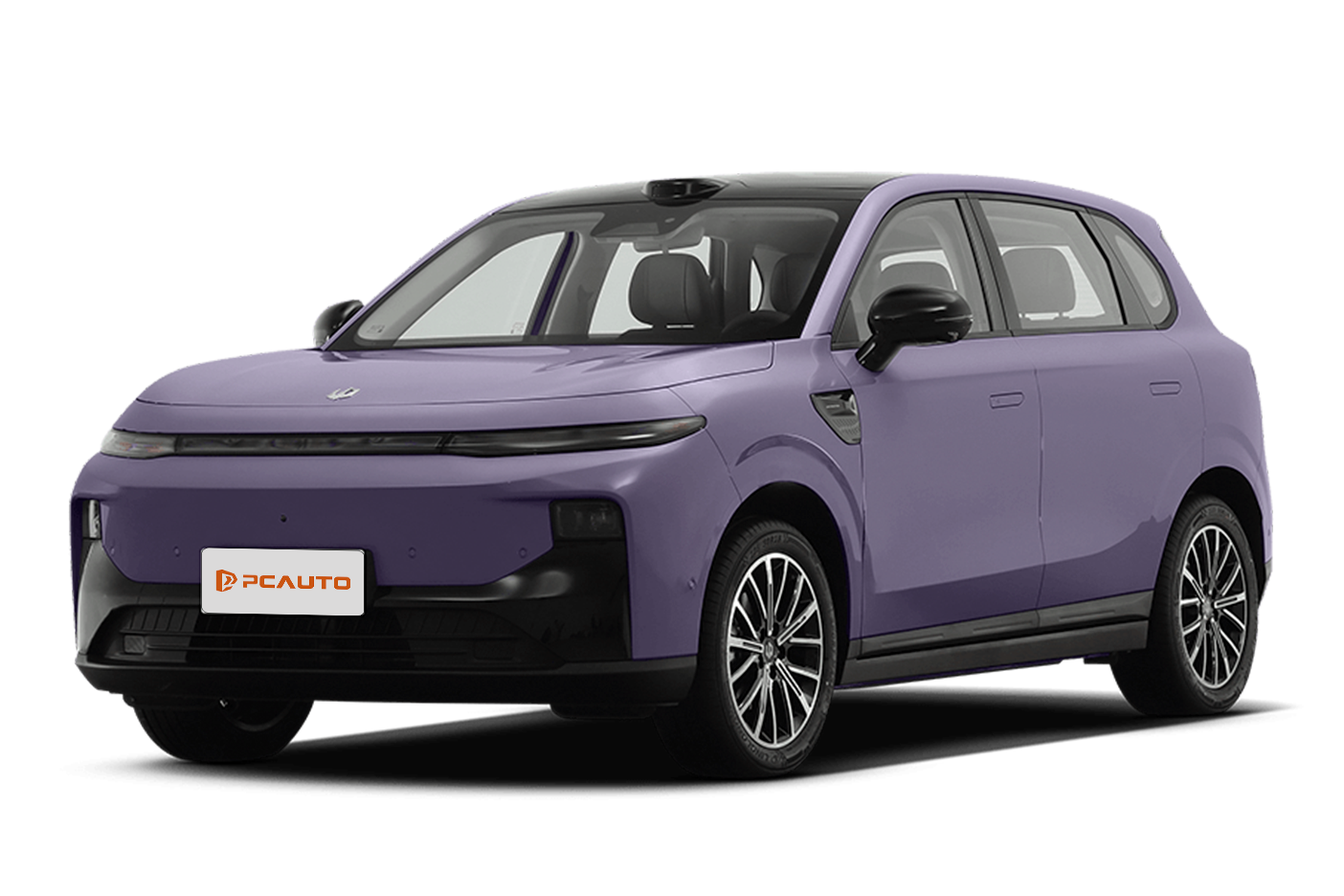
2025 Leapmotor B10 LIFE is a 100,000-level pure electric C-class SUV, equipped with standard L2 assisted driving and other practical features. It offers spacious interior and solid range, making it a go-to choice for family users.