

2025 BYD Seal Premium (Extended Range) Review

 Share
Share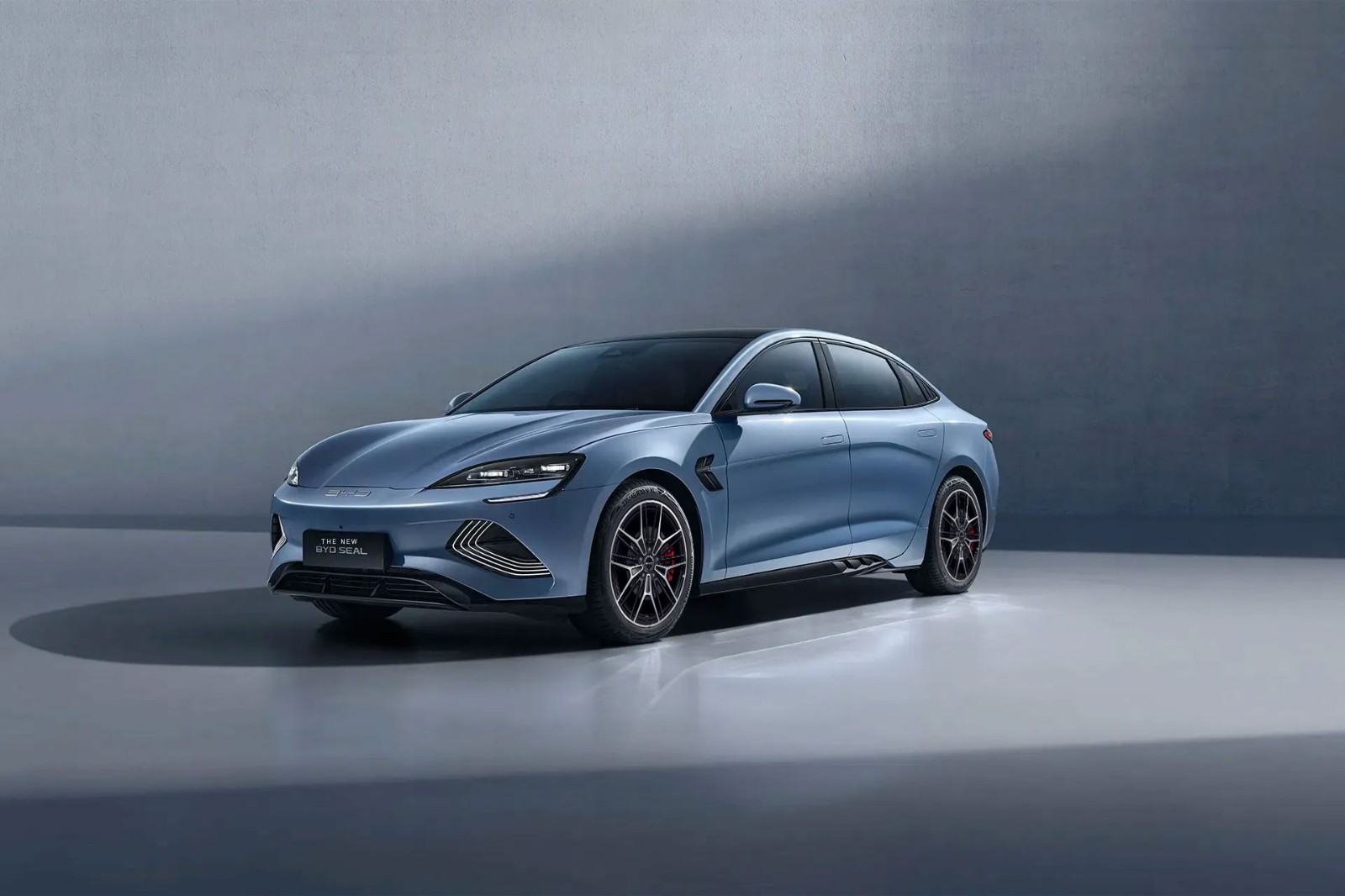
 Segment
 Body Type
 Motor Output(kW)
 Motor Torque(Nm)
 EV Range(km)
 Battery Capacity(kWh)
As the competition in Malaysia's D-segment electric vehicle market heats up, consumer demand for medium-sized pure electric sedans with long range and high configurations has become increasingly evident—they want vehicles that balance the economic efficiency of daily commuting without compromising on space and driving quality. The 2025 BYD Seal Premium (Extended Range) aims to address this pain point with its official range of 650km, 308PS rear-wheel drive power, and class-leading features. This time, through a test drive, we will see whether it can hold its ground in its class.
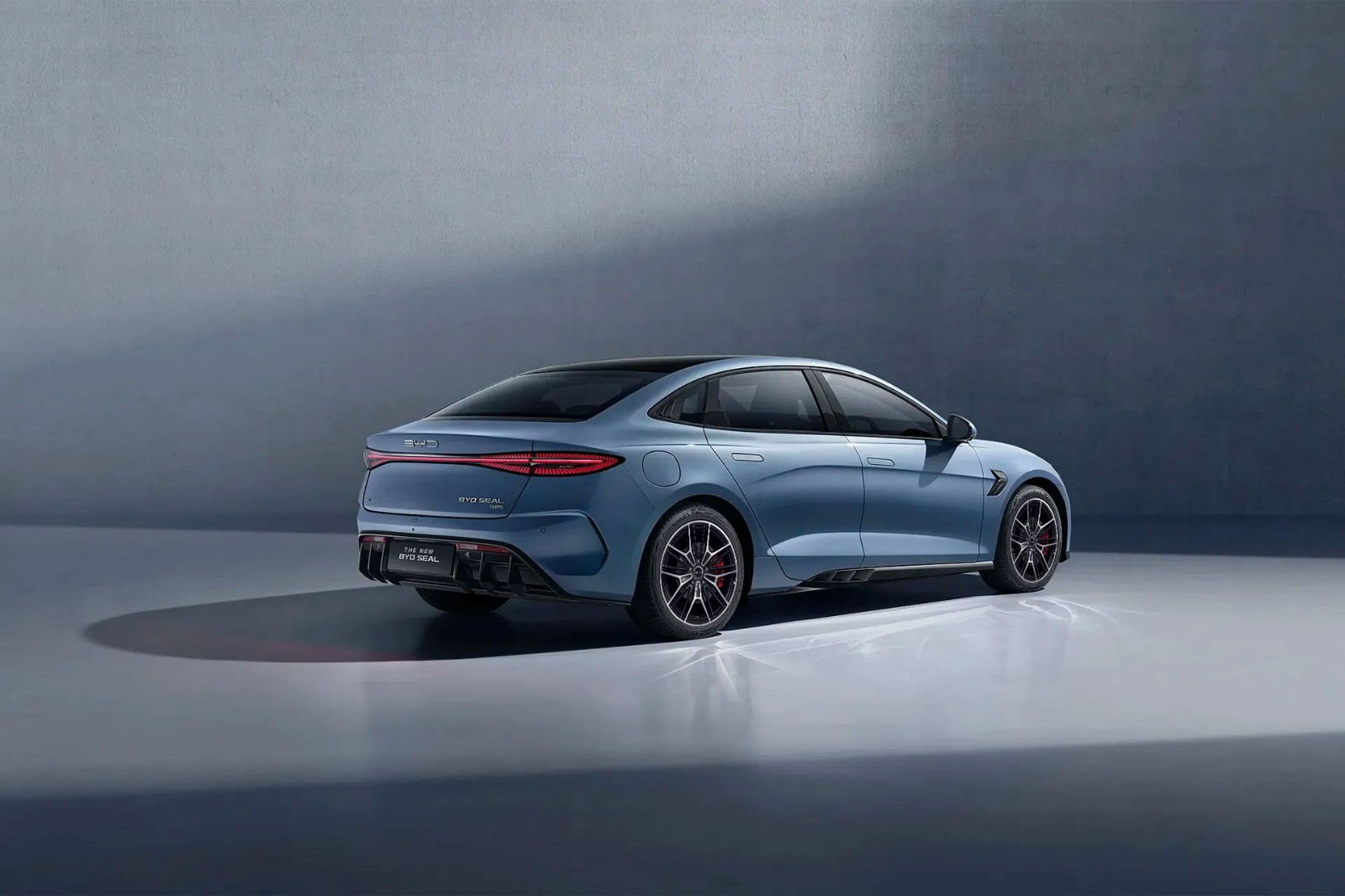
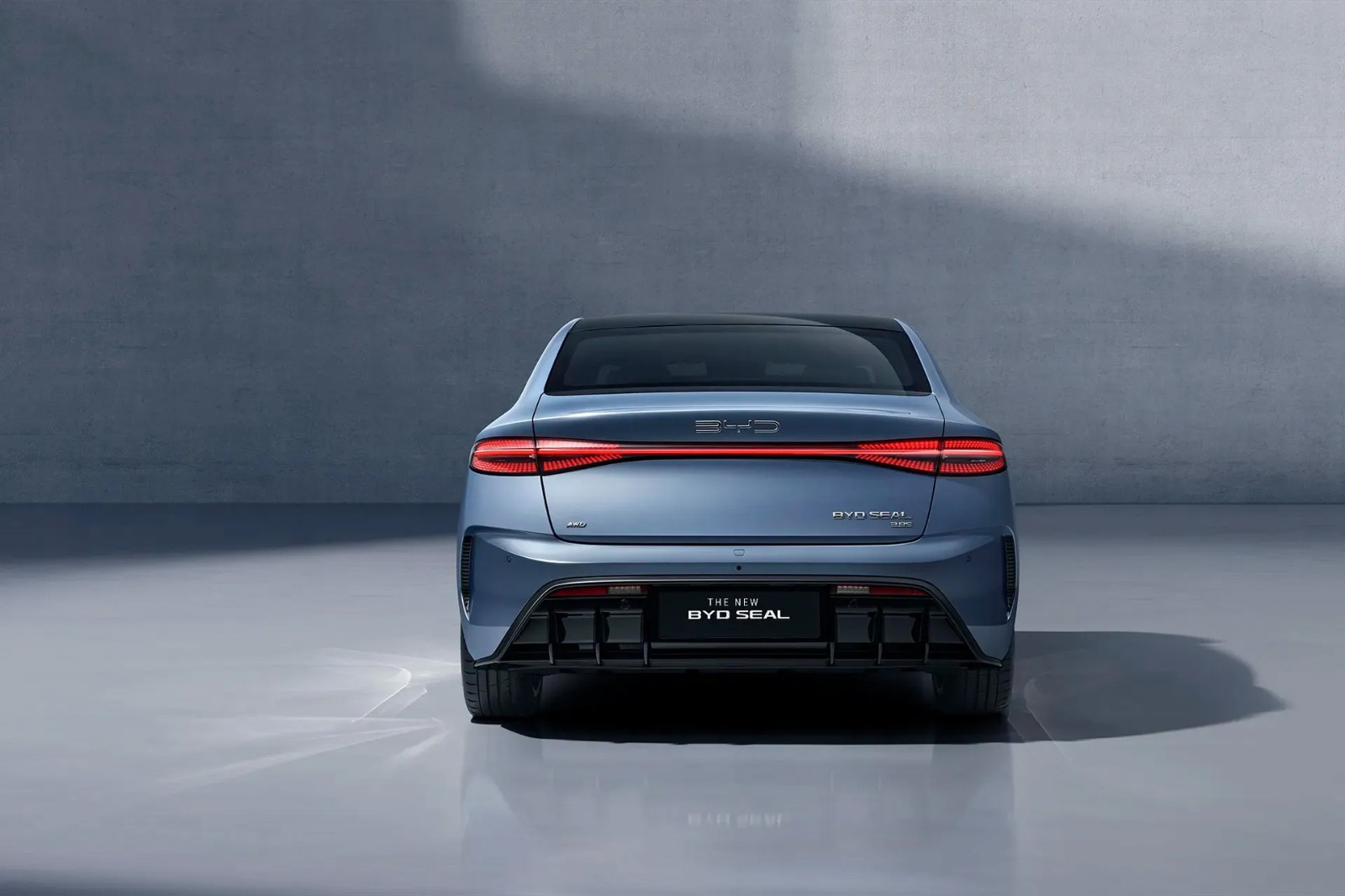
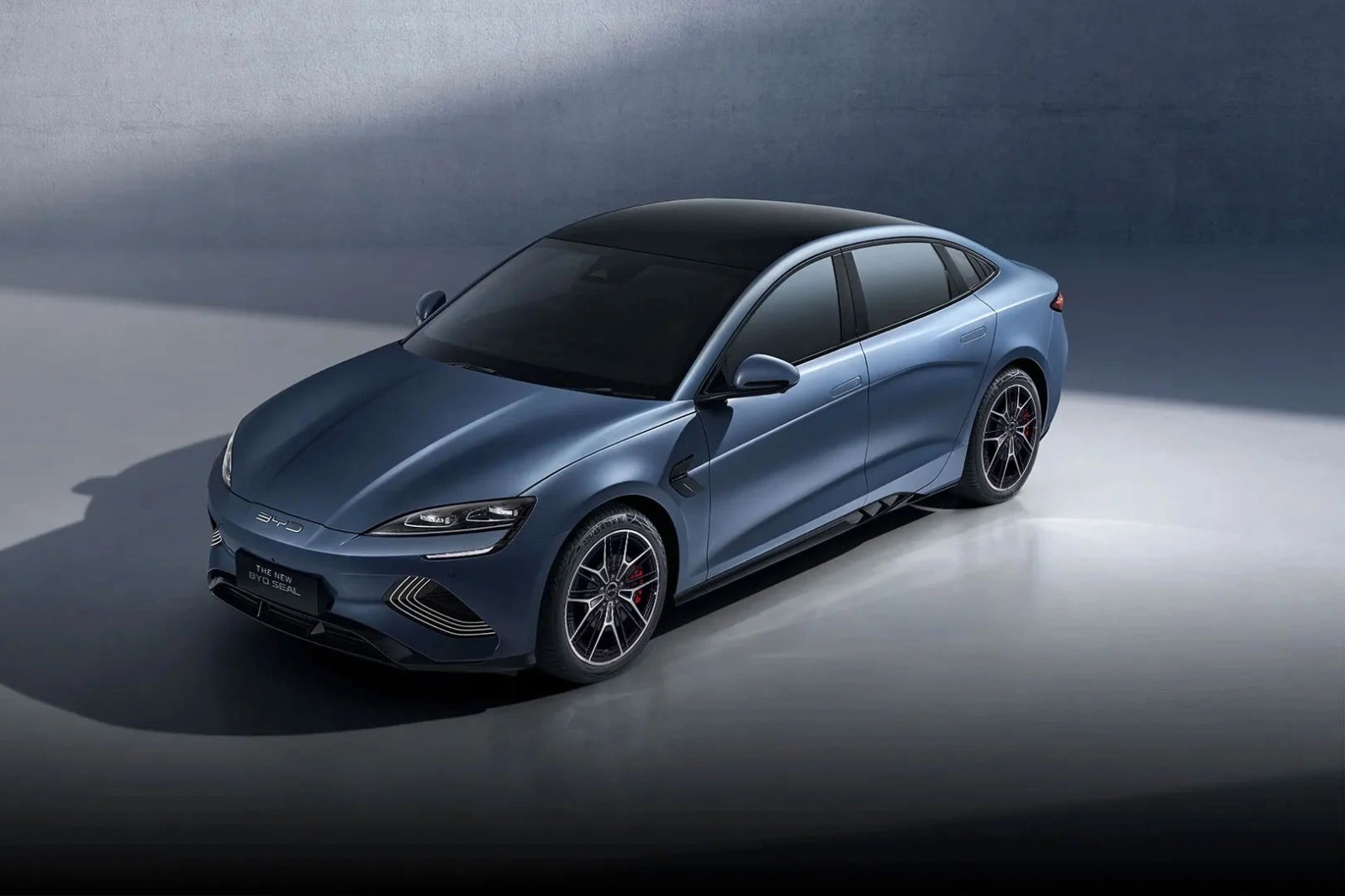
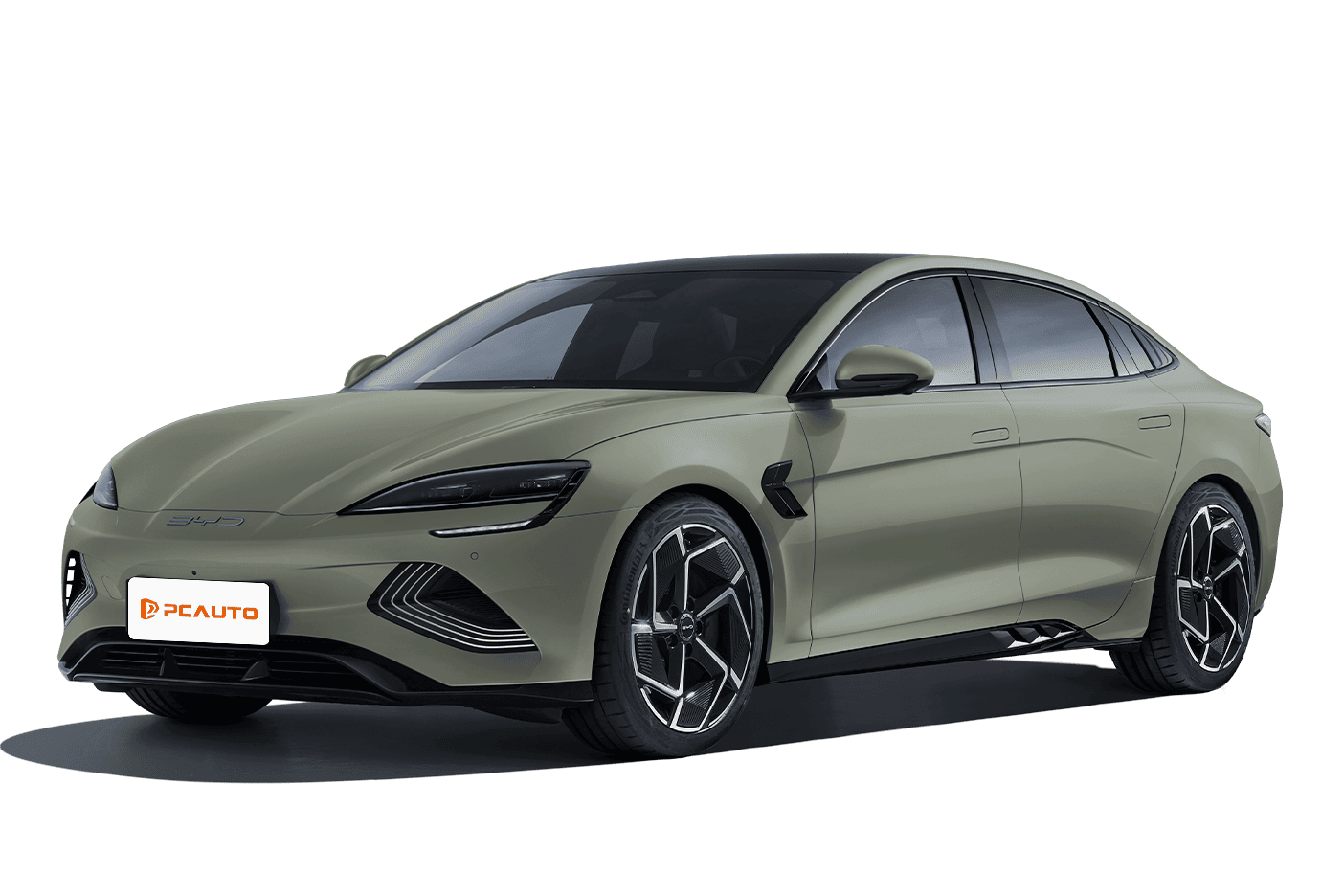
At first glance, the Seal Premium's exterior design maintains its sporty vibe while exuding refinement in its details. The front end features a closed grille paired with sharp LED headlights, where the lens structure in the light chambers enhances its recognizability. The hood's muscular lines stretch from the A-pillars to the front, creating a wider visual effect. The car's side profile boasts flowing lines, with a sloping roofline starting from the B-pillar, complemented by 19-inch multi-spoke wheels, giving the car a low and sporty stance. The recessed waistline at the lower part of the doors adds depth to the side view. At the rear, the standout feature is the full-width LED taillights that form a continuous light strip and are highly recognizable at night. Although the diffuser design beneath the rear bumper is decorative, it reinforces the sporty attributes of the vehicle. The lighting system comes standard with LED sources across the range, and the inclusion of automatic headlights and front fog lights enhances daily convenience.
Inside, the Seal Premium's interior style leans towards a minimalist, tech-savvy design. The dashboard is a combination of soft-touch materials, metal trim, and piano lacquer panels. Most of the touchpoints are covered with soft materials, placing its quality among the top tier in the segment. The standout feature in the center console is the 15.6-inch rotatable touchscreen. The screen has high resolution and operates smoothly. On the left side of the air conditioning control zone, some physical buttons remain for easier operation while driving. In terms of features, the HUD head-up display, fully digital instrument cluster, and multifunction steering wheel are standard, providing a direct display of speed, navigation, and other information. The front seats are electrically adjustable, with lumbar support for the driver’s seat, ensuring long trips won't lead to fatigue. Rear passengers are also considered, as the cabin includes rear air conditioning vents, a 220V power outlet, and USB charging ports.
In terms of space, the Seal Premium has a body size of 4800mm×1875mm×1460mm and a wheelbase of 2920mm, putting it at the typical level for D-segment sedans. Front-row seating space is generous, with a 175cm-tall passenger still having a fist-width of headroom after adjusting the seat. Rear legroom exceeds two fists, while the headroom is slightly tight due to the sloping roof design, but there are still four-finger-widths of space, making it suitable for daily family use. For storage, the trunk offers a capacity of 400L and has a regular shape, capable of holding two 28-inch suitcases. The rear seats can fold down in a 60:40 split to accommodate longer items. Door panel storage slots, the central armrest box, and the glove box all provide ample space for everyday small items.
As for power, the Seal Premium is equipped with a rear-mounted permanent magnet synchronous motor that delivers a maximum power of 230kW (308PS) and a maximum torque of 360N·m. The official 0-100km/h acceleration time is listed as 5.9 seconds. During the actual drive, the power responds quickly from a standstill, providing a noticeable push-back feeling with just a light press on the accelerator. Mid-to-high-speed acceleration remains strong; when overtaking and applying more throttle, the motor quickly delivers torque, making overtaking actions smooth and efficient. The car offers three driving modes: Eco, Standard, and Sport. In Eco mode, the power output is relatively smooth, suitable for daily commutes, while Sport mode enhances power responsiveness, catering to users seeking driving excitement.
The handling and chassis performance are among the highlights of the Seal Premium. The front double-wishbone + rear five-link independent suspension combination is relatively rare in the same class. When facing bumpy roads, the suspension can quickly filter out fine vibrations, and the impact when passing over speed bumps is well suppressed; during high-speed cornering, the body roll is well-controlled, and the suspension provides sufficient support, giving the driver ample confidence. The steering wheel is precise with minimal play; it feels light at low speeds and gradually heavier at high speeds, aligning with the tuning logic for family cars.
In terms of range and charging, we conducted actual tests: In congested urban conditions, power consumption is about 16kWh/100km; when cruising at 110km/h on the highway, power consumption increases to 19kWh/100km. Under mixed conditions, the range achievement rate is about 85%, which means that based on the official 650km range, the actual driving distance is around 550km, sufficient for a week of commuting. In fast-charging mode, charging from 30% to 80% takes only 0.6 hours (36 minutes), while slow charging requires 15.2 hours, making it suitable for home charging stations.
In terms of driving comfort, the performance of the Seal Premium is commendable. The vehicle effectively controls tire and wind noise; at a high speed of 120km/h, in-car conversation remains clear. The noise from the electric motor is almost negligible. The energy recovery system offers three adjustable levels: at the lowest setting, the drag feeling is minimal, resembling the driving experience of a fuel vehicle; at the highest setting, it can achieve a single-pedal mode, suitable for congested urban traffic. The seat cushions are soft yet provide adequate support, making long driving sessions less likely to cause back pain or fatigue.
In terms of safety features, the Seal Premium comes standard with 8 airbags, ABS, vehicle stability control, lane change assist, lane departure warning, and active braking functions. The 360-degree panoramic view camera and front/rear parking sensors also make parking much easier. These features are at the mainstream level within the same class, providing sufficient security for daily driving.
To sum up, the core advantages of the 2025 BYD Seal Premium lie in its long range, strong performance, and rich configuration. Compared to the Tesla Model 3 RWD in the same class, the Seal Premium has a longer wheelbase, more spacious rear seats, and comes standard with an HUD, Dynaudio sound system, and rear side airbags, offering better value for money. Compared to the Xpeng P7i, it is priced lower while offering comparable range performance. However, its rear headroom is slightly compromised due to the fastback design, and the piano lacquer finish on the interior panels can easily collect fingerprints, which are small drawbacks to note.
This car is suitable for two groups of people: first, family users who value range and space. The 2920mm wheelbase meets the travel needs of the entire family, and the official 650km range reduces concerns about recharging. Second, young people who seek power and tech configurations. The 308PS rear-wheel-drive power provides a satisfying driving experience, and the 15.6-inch rotating screen and HUD cater to young consumers' pursuit of technology.
Overall, the 2025 BYD Seal Premium is a well-balanced D-segment pure electric sedan that performs well in terms of range, power, and configuration, making it a good choice for most family users and young consumers.
BYD Seal Car Compare
BYD Seal Loan Calculator
More BYD Reviews
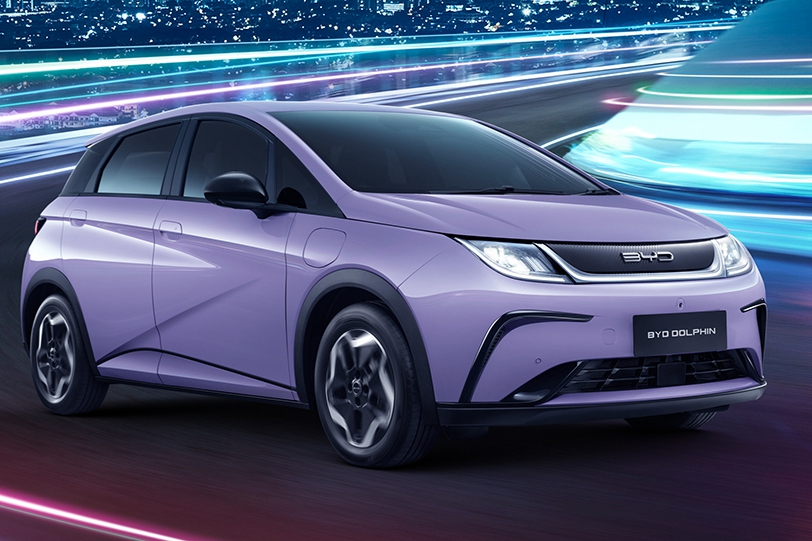
Cars With Similar Price And Features

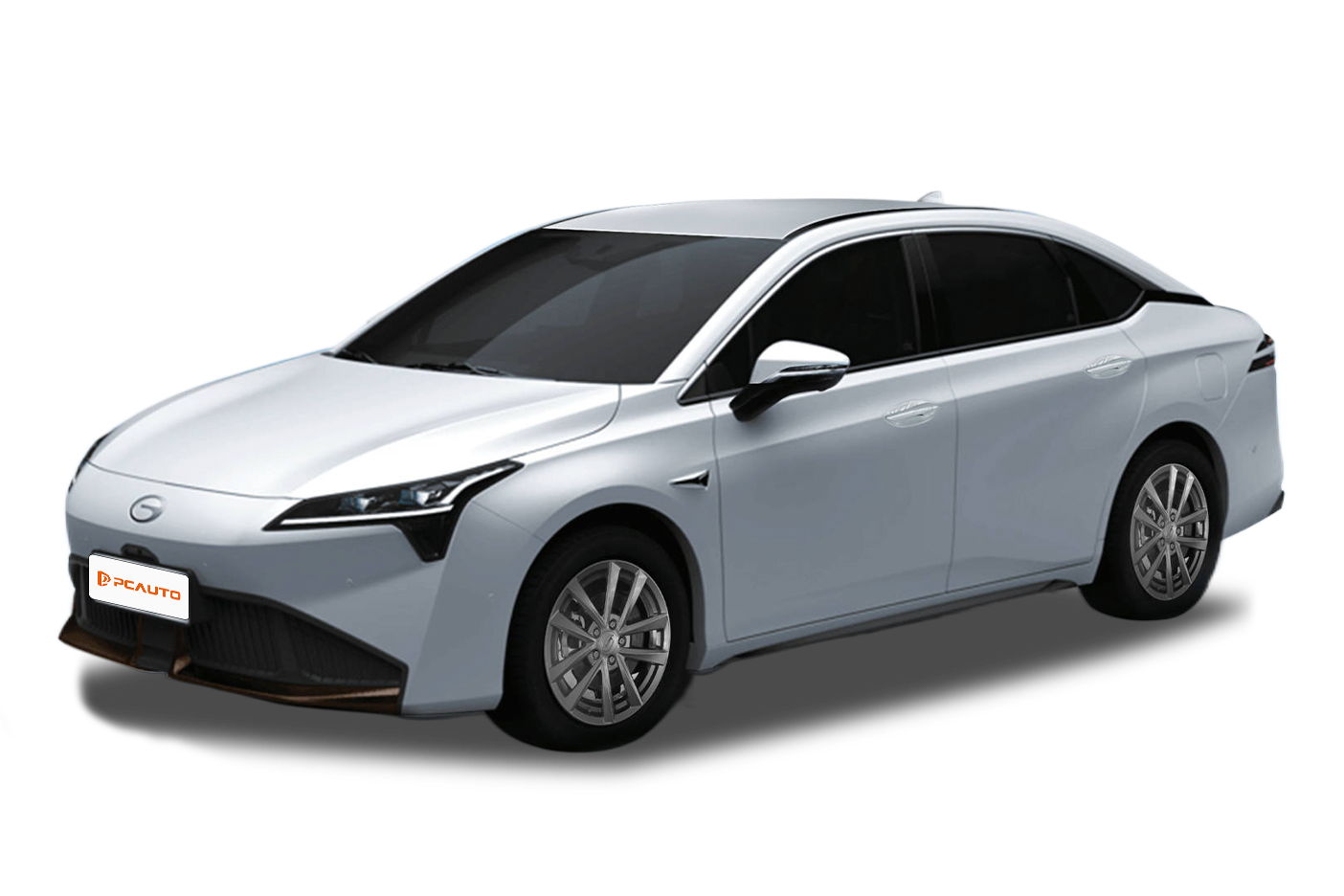
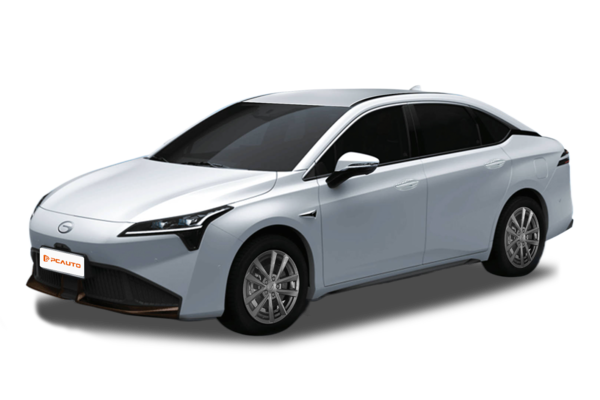
The 2024 GAC Aion ES EV is a cost-effective pure electric mid-size family car featuring reliable range, practical space, and balanced configuration, suitable for families focused on practicality.
20
Rank in Sedan

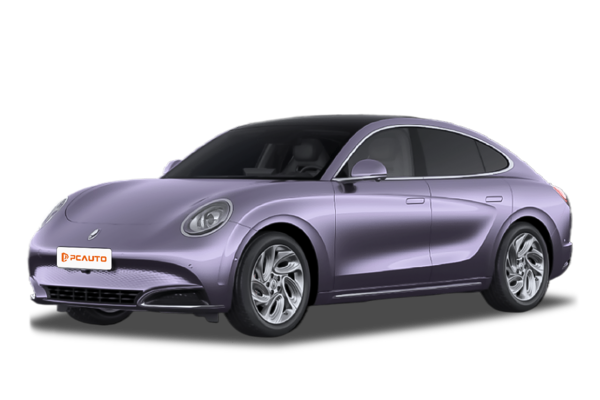
2024 ORA 07 Long Range Ultra with a core focus on 640km long range, paired with superior configuration and practical space, is a D-class electric coupe that balances household comfort and cost-effectiveness.
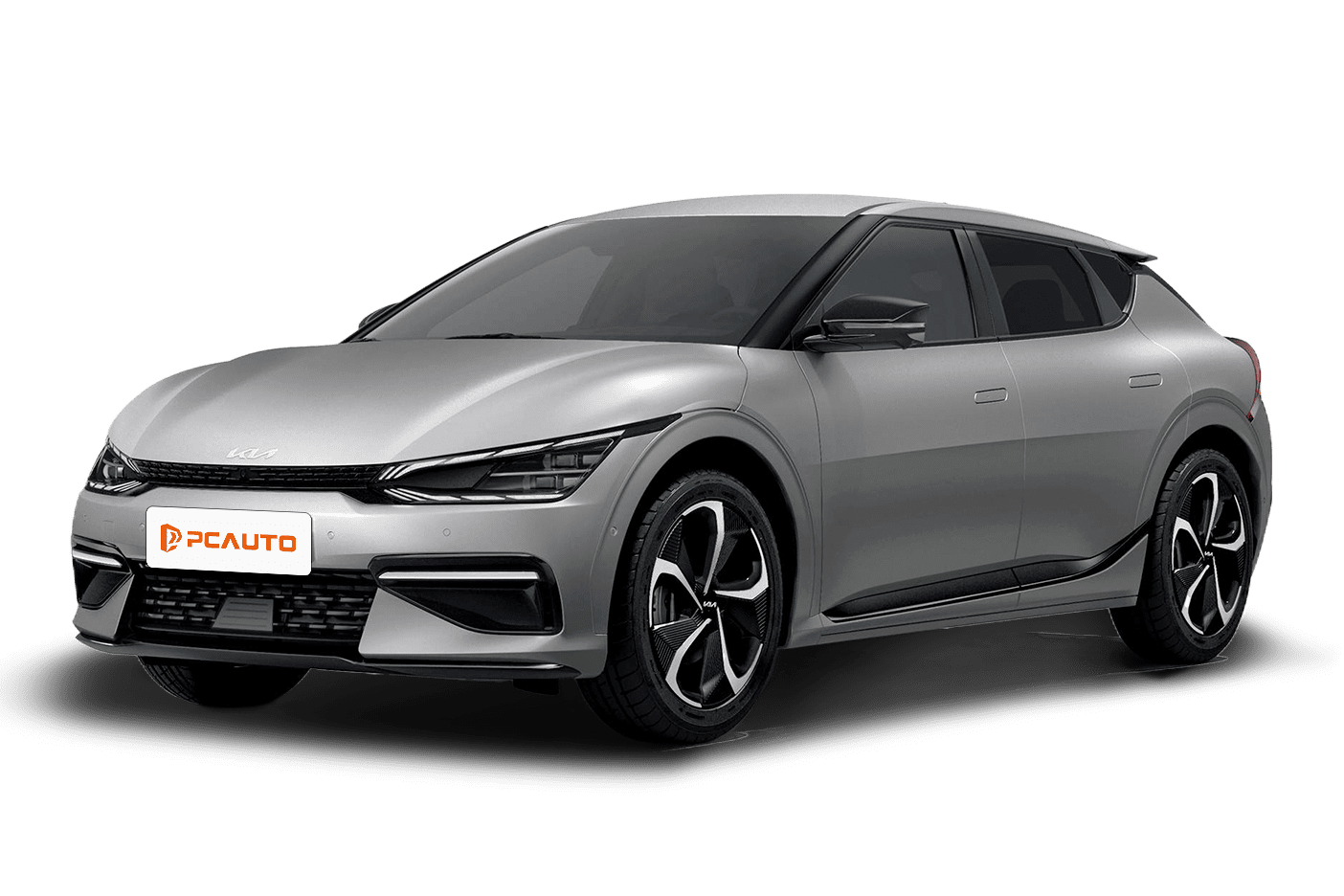
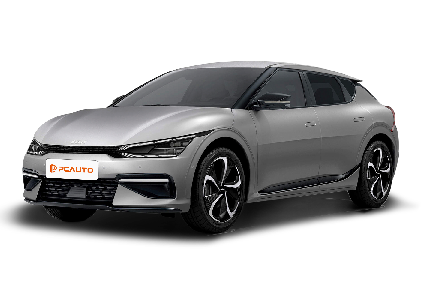
2022 Kia EV6 GT-Line AWD, as Kia's representative work on a pure electric platform, features a dual-motor with 325PS, a range of 506km, luxury configurations, and sporty design to create a well-balanced performance mid-size pure electric SUV.
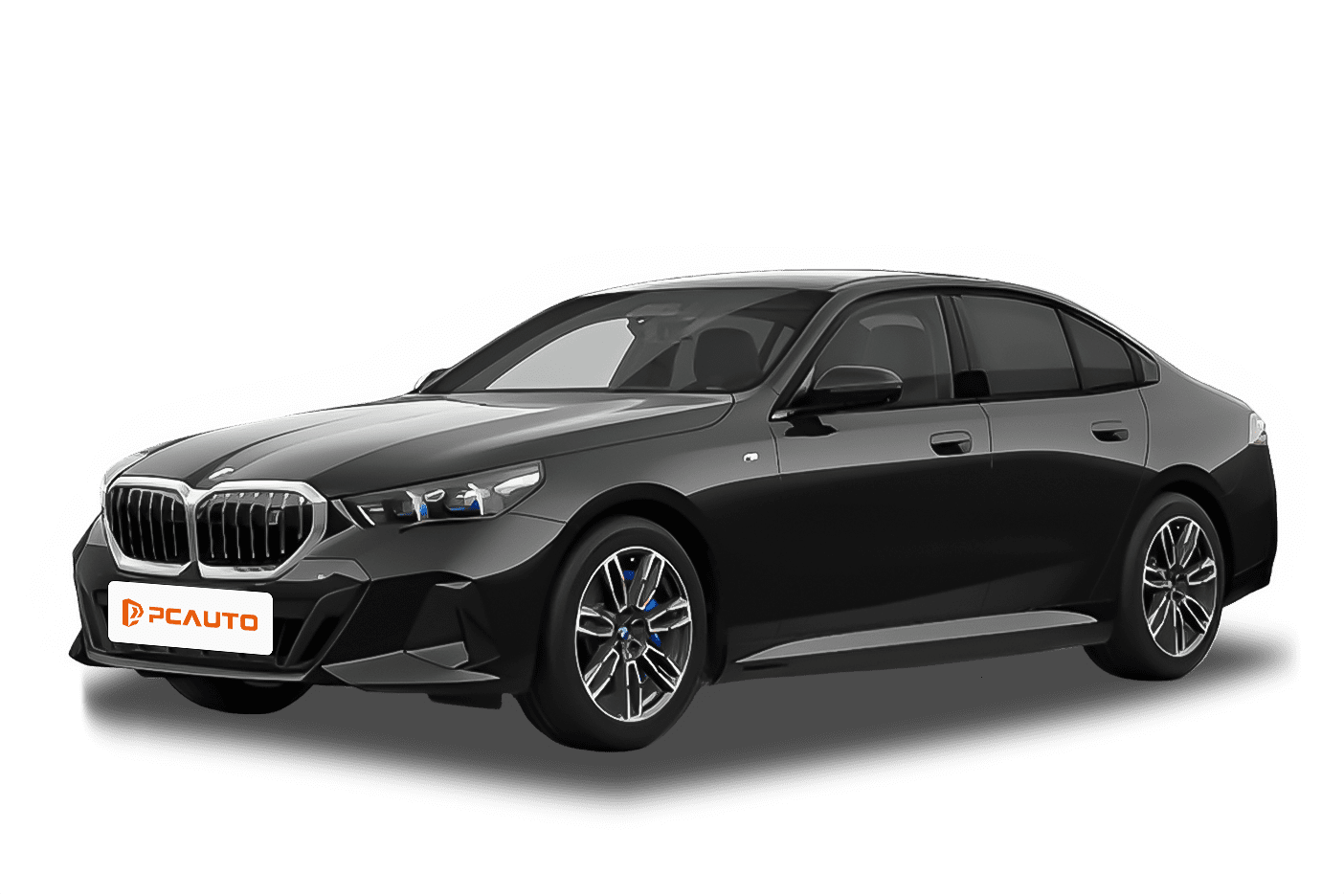
2024 BMW i5 eDrive40 M Sport is a pure electric sedan that combines sporty genes with executive-level luxury, featuring a sleek body, ample space, powerful performance, and precise handling to meet the needs of both family and business.