

2025 iCaur 03 2WD EV Review

 Share
Share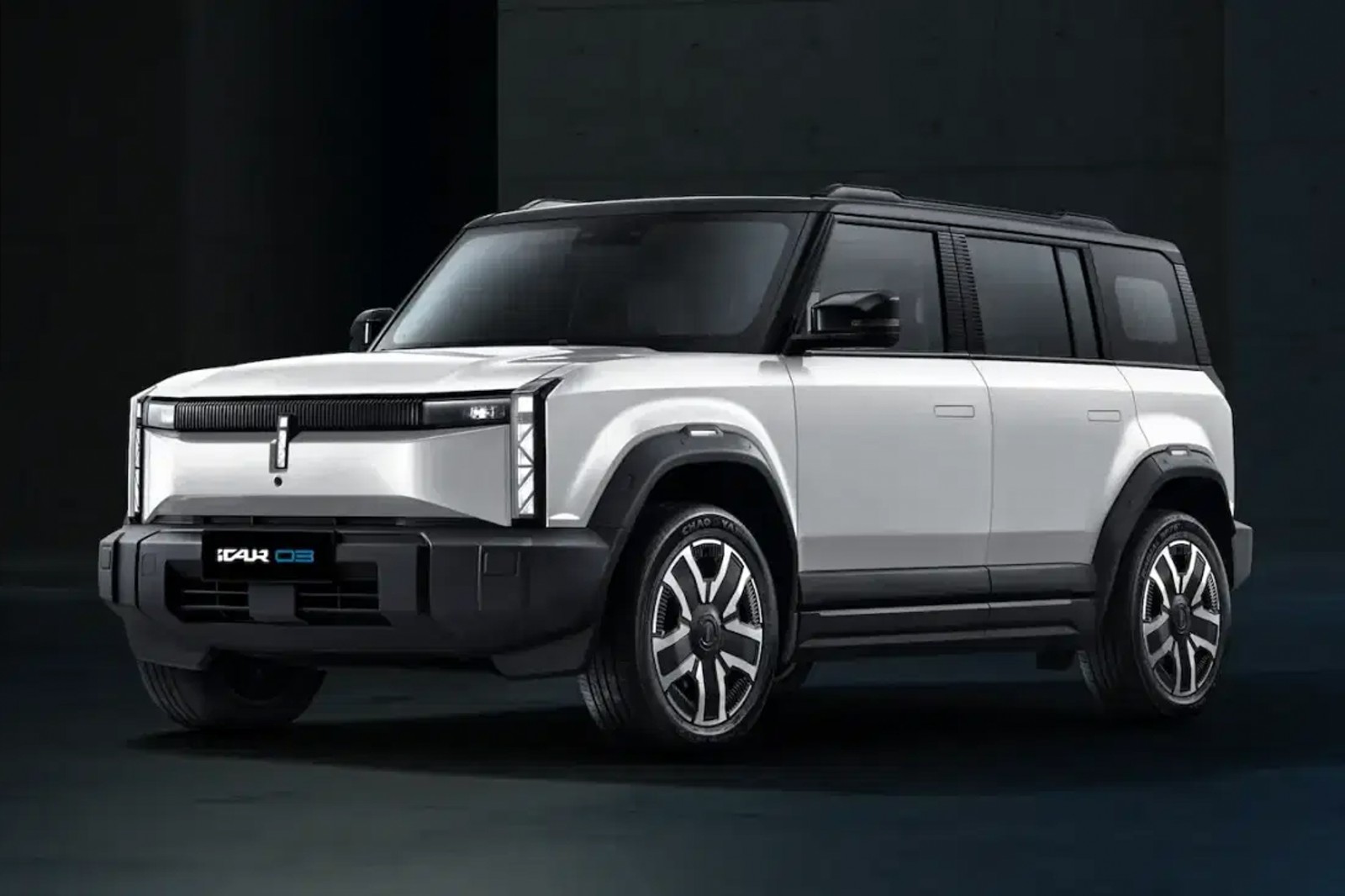
 Segment
 Body Type
 Motor Output(kW)
 Motor Torque(Nm)
 EV Range(km)
 Battery Capacity(kWh)
As the competition in Malaysia's C-segment pure electric SUV market heats up, consumers are becoming clearer about their demands for practicality, smart features, and range performance — needing to fulfill the economy of daily commuting without compromising on family travel comfort. The 2025 iCaur 03 2WD EV, as a new contender in this segment, aims to strike a balance between cost-effectiveness and configurations with a price tag of RM 119,800, standard Level 2 driving assistance, and a 15.6-inch large screen as core selling points. This test drive will focus on verifying whether its static experience meets family needs, whether its dynamic performance can handle urban and highway scenarios, and whether its range meets the official claims.
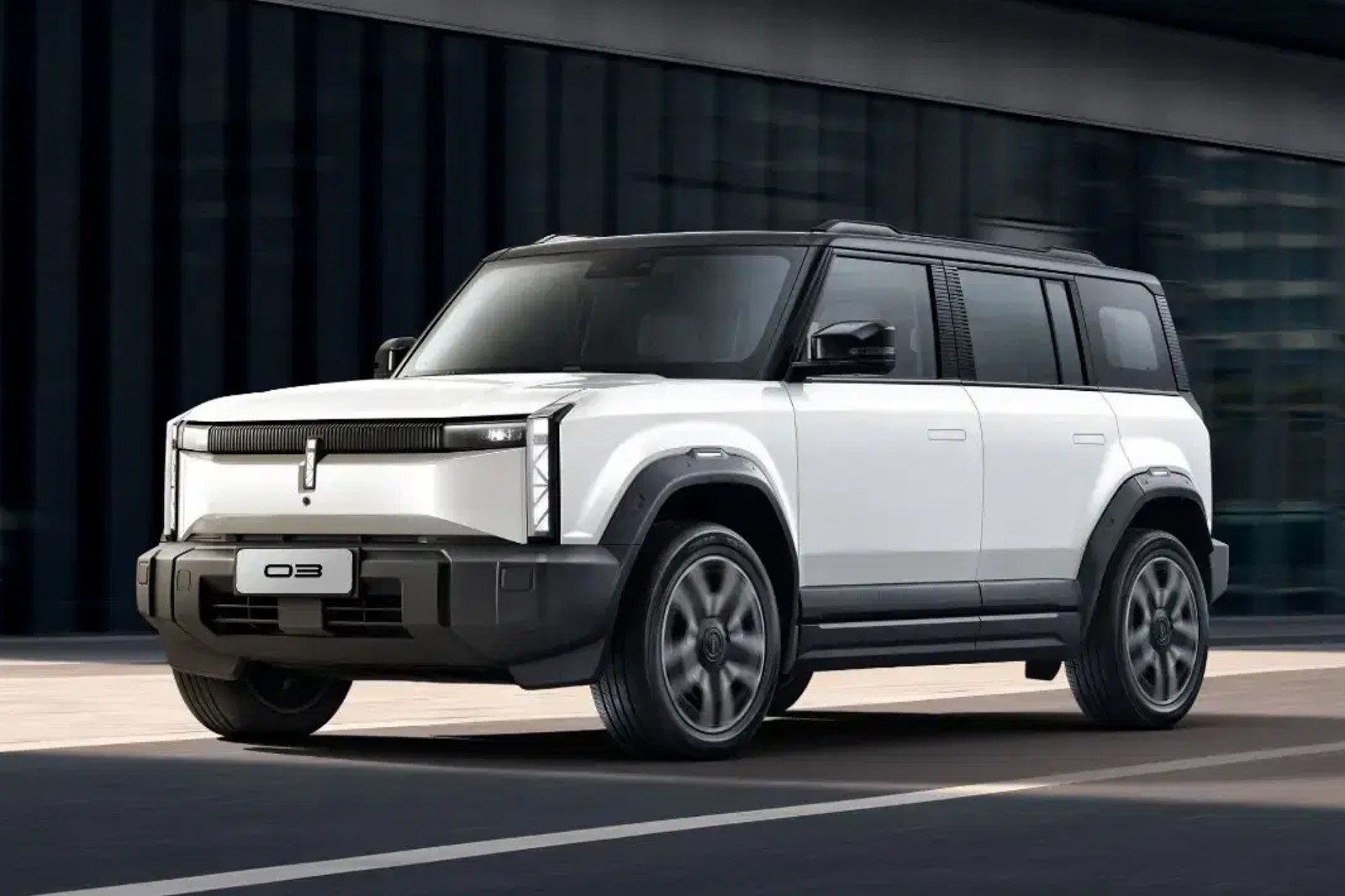
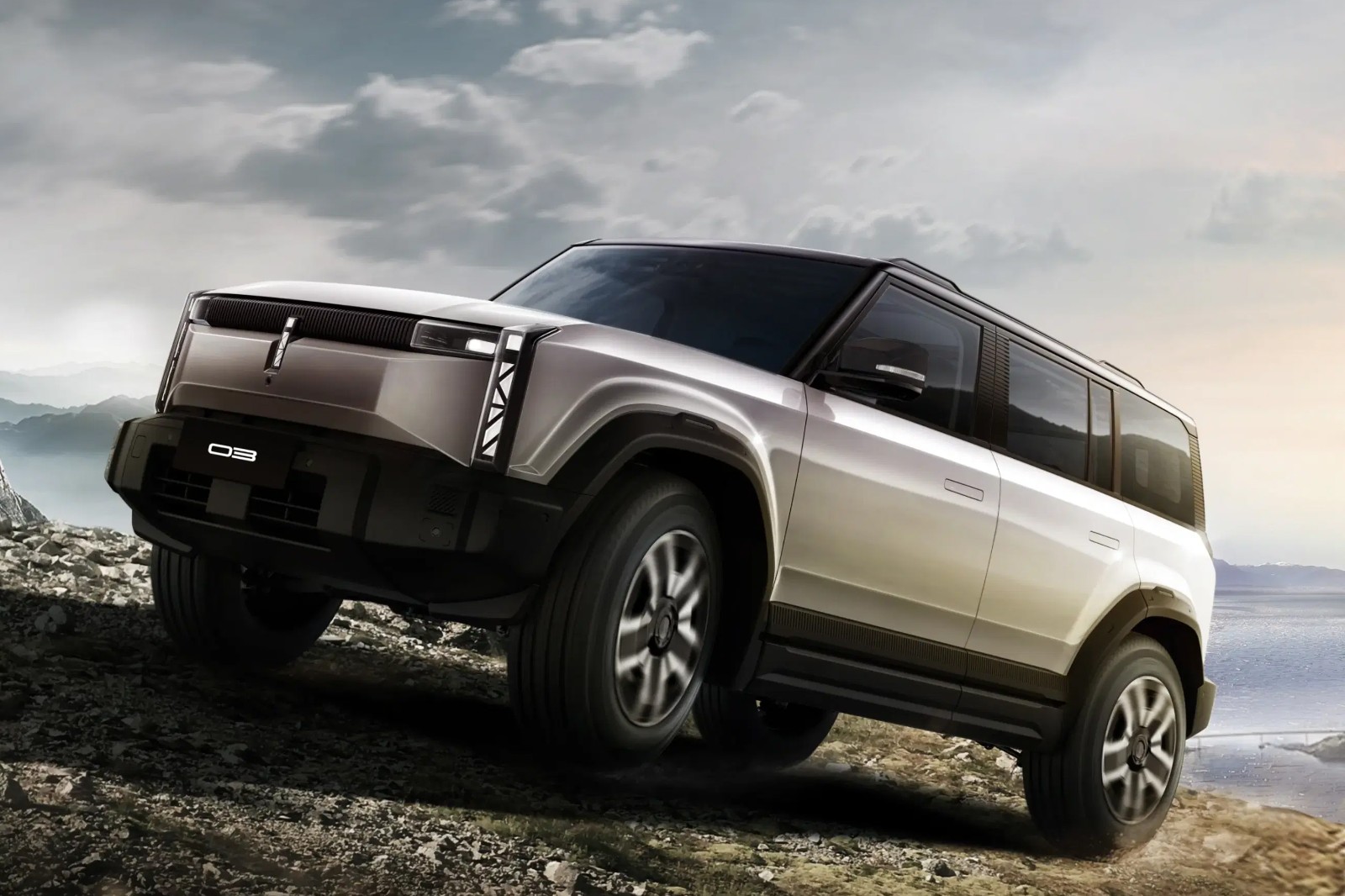
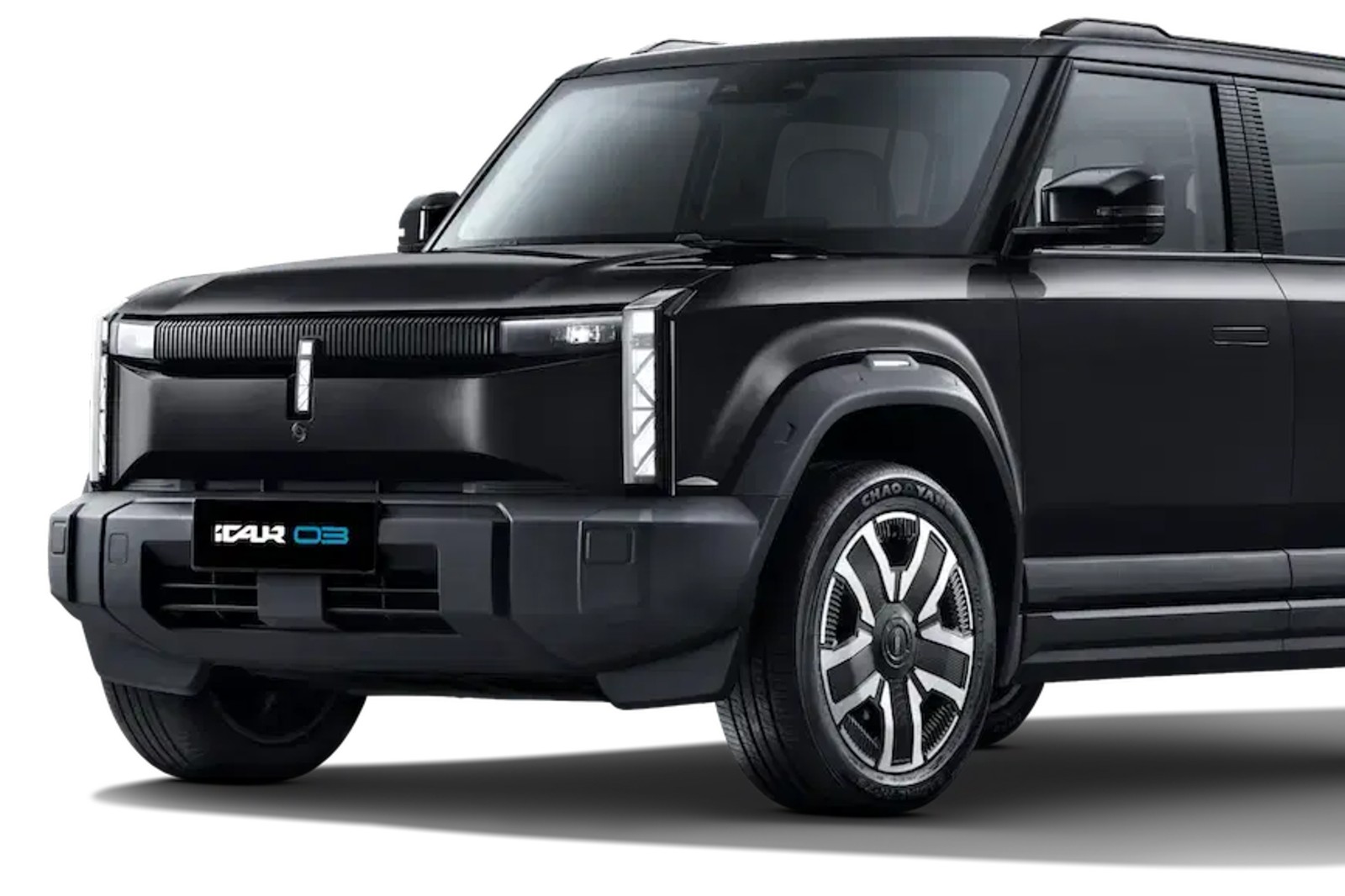
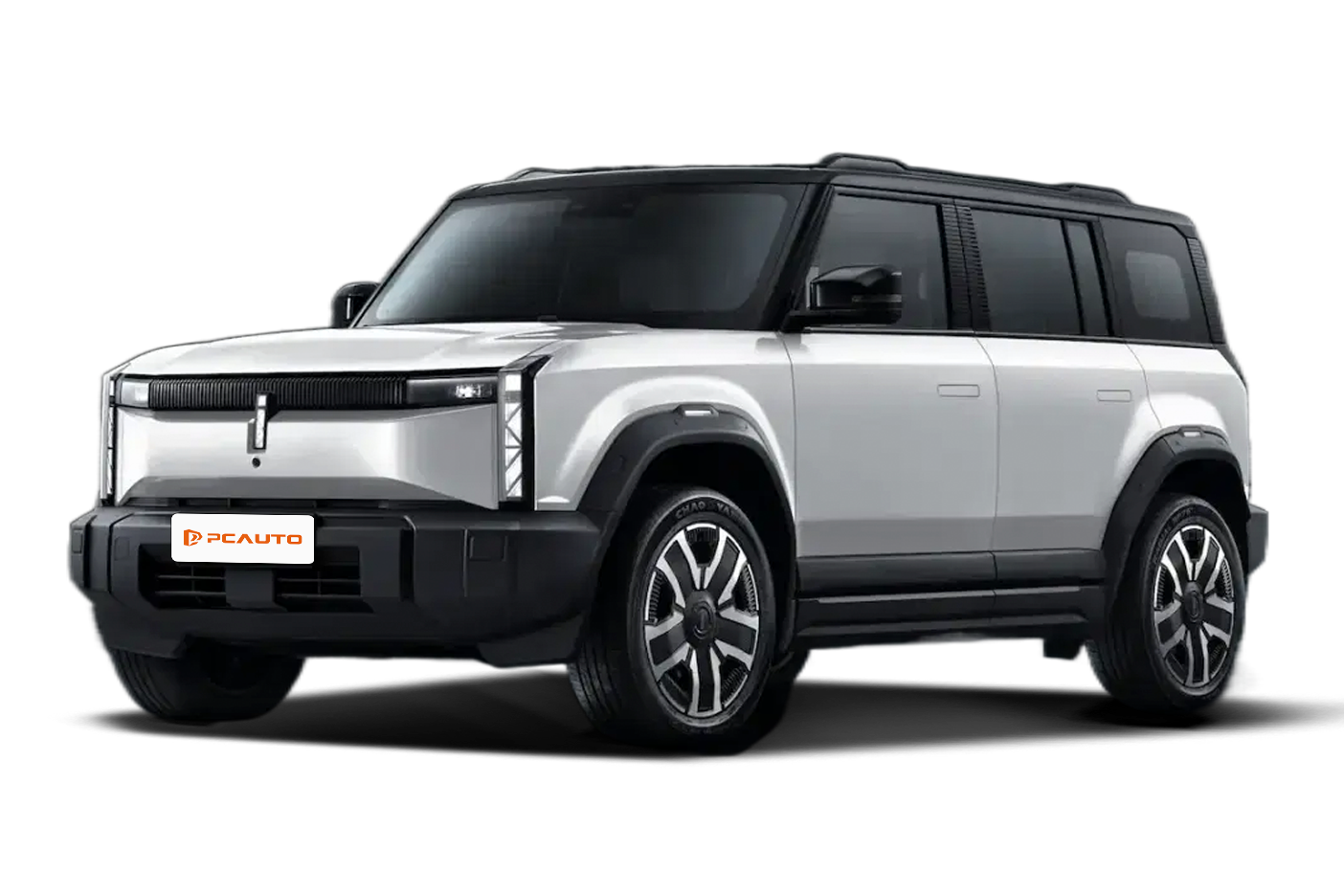
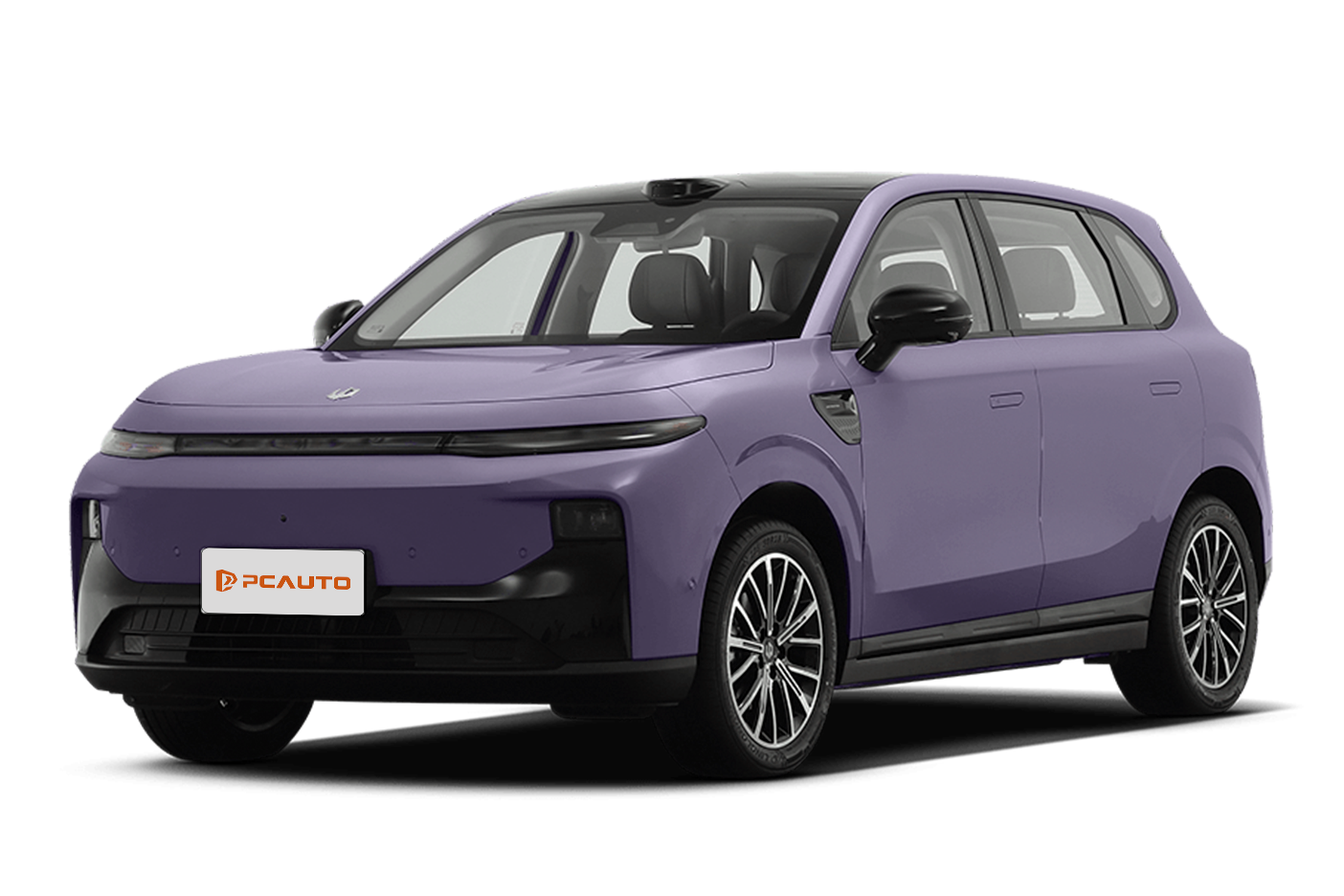
From the exterior, the iCaur 03 2WD EV adopts a simplistic pure-electric design language, with body lines that are smooth yet retain a sense of strength. The front features a closed grille paired with slim LED daytime running lights, delivering high recognition; the lower trapezoidal air intake with fog lights adds layers to the front design. The side profile features a waistline extending from the fender to the rear, complemented by 225/60 R18 tires and 18-inch wheels, achieving visual balance; the 170mm minimum ground clearance ensures passability on mild unpaved roads. At the rear, the LED light bar echoes the front design, while the black skid plate under the rear bumper enhances the SUV's ruggedness. The overall design is not aggressive but aligns with the aesthetic preferences of most family users.
Inside, the cabin adopts a dark color scheme, accented by silver trims, presenting a moderate sense of quality. The centerpiece of the dashboard is a 15.6-inch Full HD touchscreen, featuring a clear interface layout and good operational smoothness; a few physical buttons are retained below for convenience during driving. The instrument cluster is a 9.2-inch fully digital display, capable of switching between different display modes, providing intuitive presentation of range, speed, and driving assistance information. In terms of features, the front seats support electric adjustment, lumbar support, and memory functions, while the passenger seat also comes with electric adjustment. The rear seats are split 60:40 and foldable; the standard fixed panoramic sunroof and rear air vents further enhance passenger comfort. Regarding space, the 2715mm wheelbase provides ample rear legroom, allowing a passenger of 175cm seated in the rear to have two fist-widths of space between knees and the front seat. The trunk offers a standard capacity of 450L, expandable to 1238L after folding the rear seats, easily accommodating strollers or large luggage. As for storage, the center armrest console, door-side compartments, and front cup holders provide practical capacity, meeting daily usage requirements.
For the powertrain, the vehicle is equipped with a front-mounted permanent magnet synchronous motor, delivering a maximum power of 135kW (184PS) and a peak torque of 220Nm, with rear-wheel drive. In Eco mode, the start-up acceleration is relatively smooth, suitable for congested urban roads; switching to Sport mode brings noticeably faster power response, with an official 0-100km/h acceleration time of 10.5 seconds. In real-world experiences, while the mid-to-high-speed acceleration isn't aggressive, there is enough reserve power for overtaking. The steering wheel feels moderate in weight with minimal slack, offering good stability during high-speed driving. The chassis employs a front MacPherson and rear multi-link independent suspension system, tuned towards comfort. When driving over speed bumps or rough roads, the suspension effectively absorbs vibrations without any noticeable stiffness; when cornering, the body roll is kept within a reasonable range. Overall, the handling performance meets the expectations for a family-oriented SUV.
Range and charging are the core focus areas for pure electric models. The official NEDC range is given as 426km. In this test drive, with 50% city and 50% highway scenarios, and air conditioning turned on throughout, the actual range achievement rate was approximately 85% — meaning after driving about 362km, the displayed remaining battery was 0. For fast charging, it takes 0.5 hours to charge from 30% to 80%, which basically meets emergency charging needs. In terms of energy consumption, the energy consumption in city conditions is about 15.2kWh/100km, and about 18.5kWh/100km on highways, with a combined energy consumption of 16.8kWh/100km, which is at a medium level compared to vehicles in the same class.
In terms of driver assistance systems, the iCaur 03 2WD EV comes standard with L2-level functions, including ACC adaptive cruise control, lane departure warning, active braking, and lane change assist. In actual tests, the ACC system could steadily follow the vehicle ahead on highways, with smooth deceleration and acceleration; the lane-keeping assist system can accurately correct the steering, reducing fatigue during long-distance driving. Noise control performance is good. At speeds below 60km/h, almost no significant motor noise can be heard in the cabin; after reaching a speed of 100km/h, wind and tire noise slightly increase but remain within acceptable limits. Regarding seat comfort, the front seats are relatively soft, and lumbar support effectively alleviates fatigue during long drives. The rear seat angles are moderate, making long journeys comfortable for passengers as well.
Overall, the core advantages of the 2025 iCaur 03 2WD EV lie in its balanced configuration and value for money — at a price of RM 119,800, you get features like L2-level driving assistance, a 15.6-inch large screen, electric seats, and a panoramic sunroof. Compared to similar-level models such as the BYD Atto 3 or MG ZS EV, it has more competitive features in terms of smart technology and space. Its static experience is well-suited to the needs of family users, while its dynamic performance is stable and comfortable, with a range achievement rate that meets expectations. However, the 10.5-second acceleration performance is not outstanding among pure electric vehicles, making it more suitable for users who do not have high performance demands.
This vehicle is better suited for family users who value cost-effectiveness and balanced configurations, especially those who frequently travel with family members and are focused on safety and comfort. Additionally, its standard HUD head-up display and large central control screen can meet the needs of younger users who value smart technology. If your budget is around RM 120,000 and you're looking for a spacious, well-equipped, and adequately ranged pure electric SUV, the iCaur 03 2WD EV is worth considering.
iCaur 03 Car Compare
iCaur 03 Loan Calculator
More iCaur Reviews
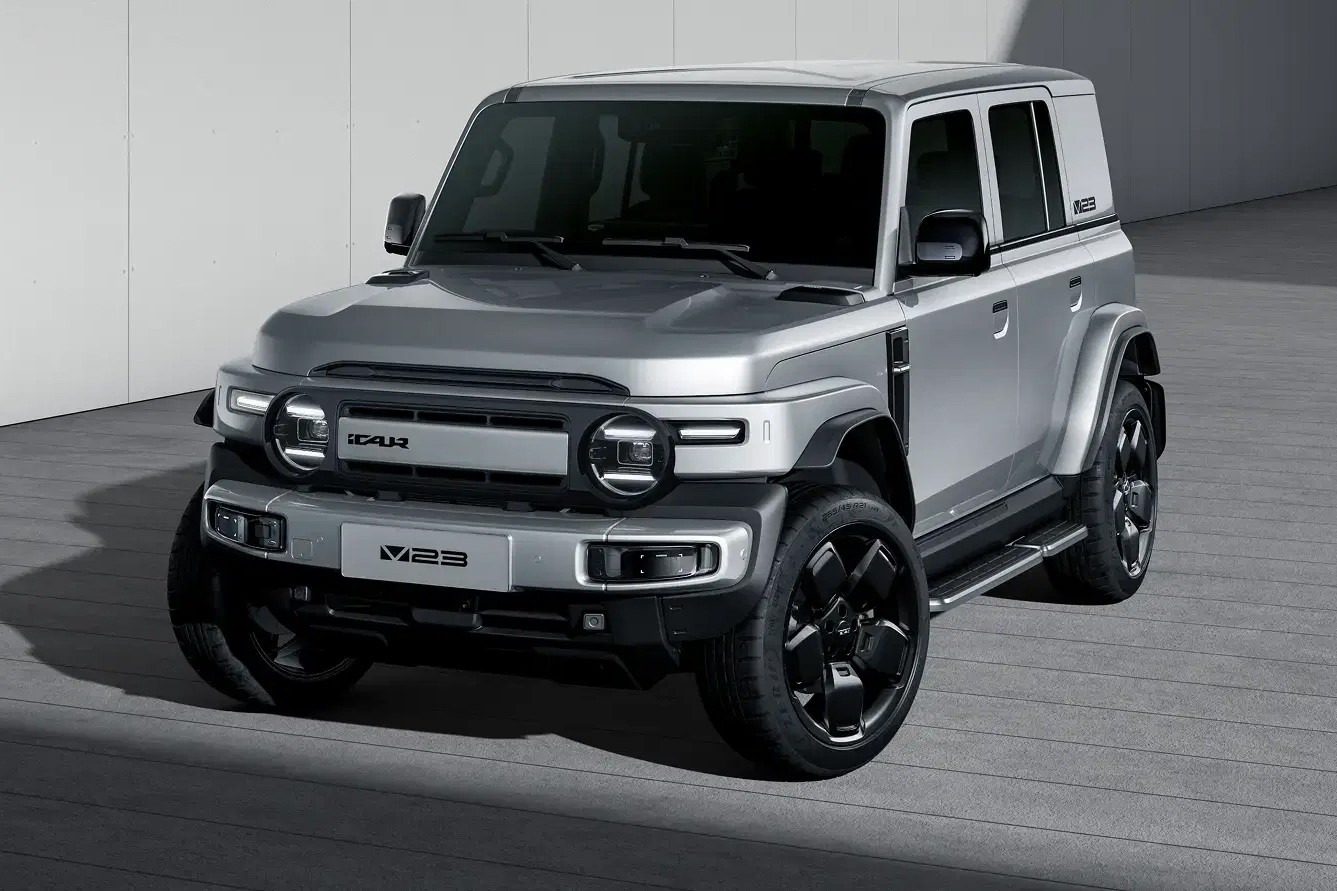
Cars With Similar Price And Features

1
Rank in SUV
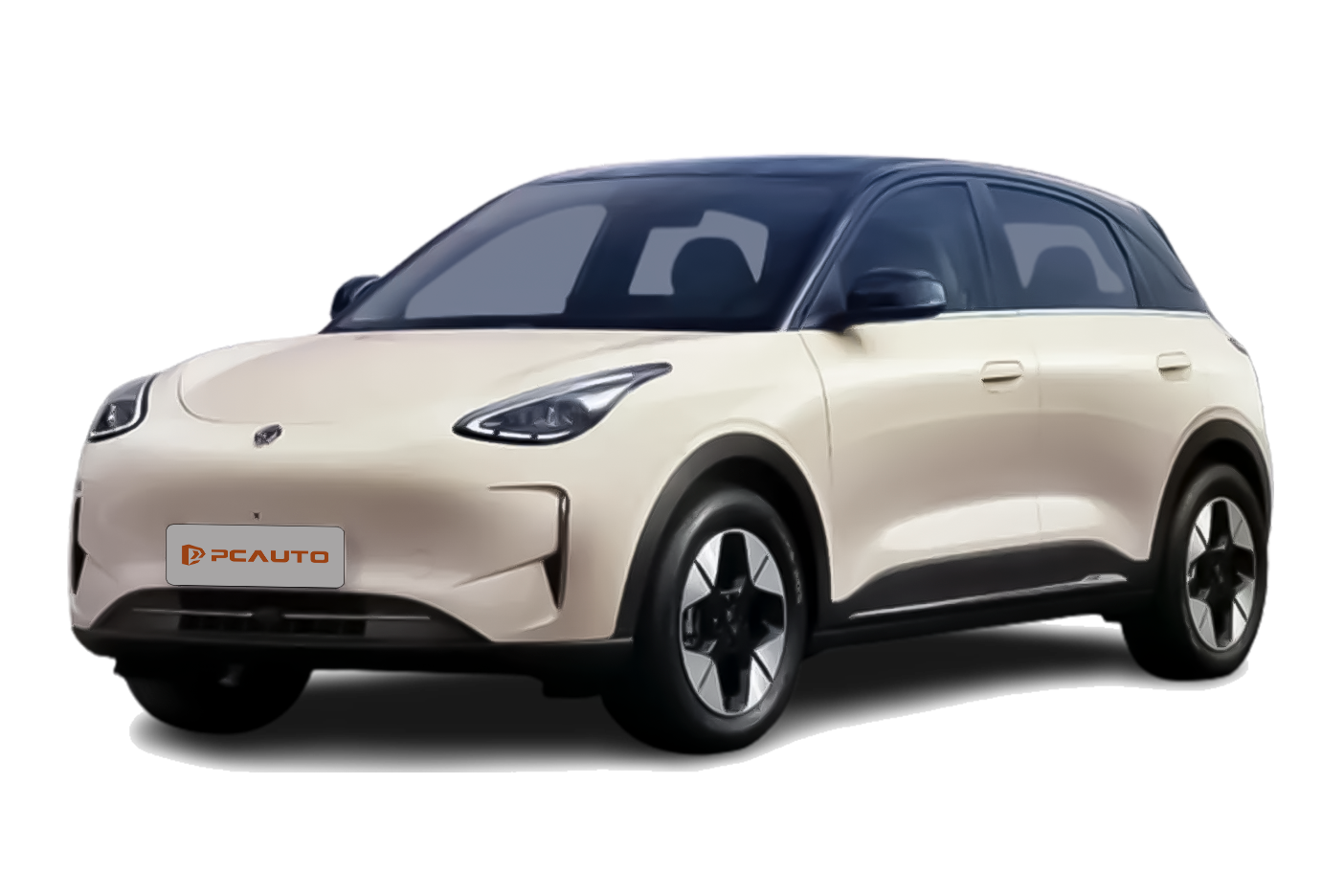
2025 Proton e.Mas 5 Prime is Proton's first entry-level pure electric C-Segment model, priced from 56,800 MYR to target the sub-100,000 MYR market, balancing practical features with commuting range.
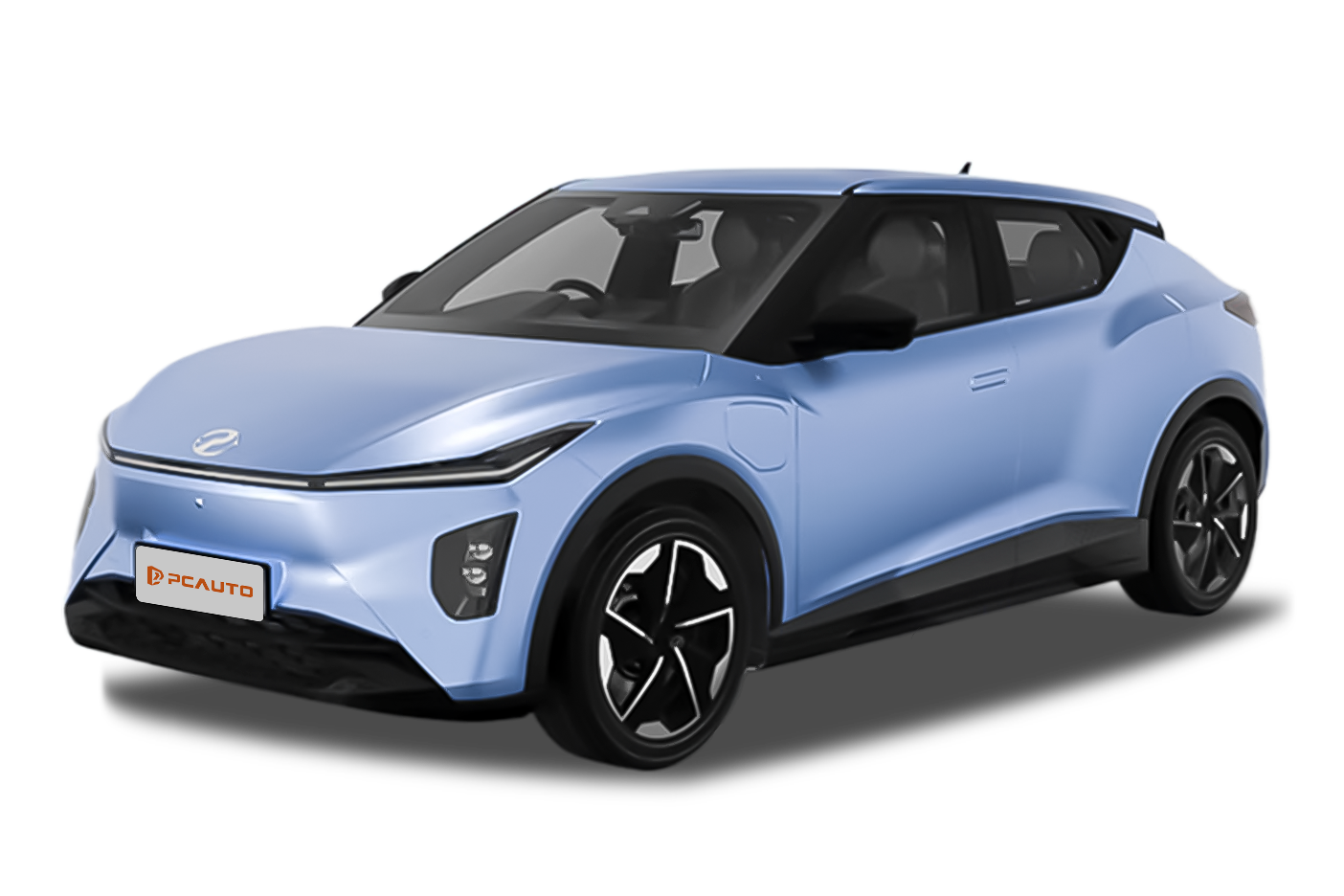
The 2025 Perodua QV-E is an affordably priced, practically ranged class-C pure electric vehicle, precisely tailored for family users and young commuters with its high safety features, spacious interior, and agile driving dynamics.
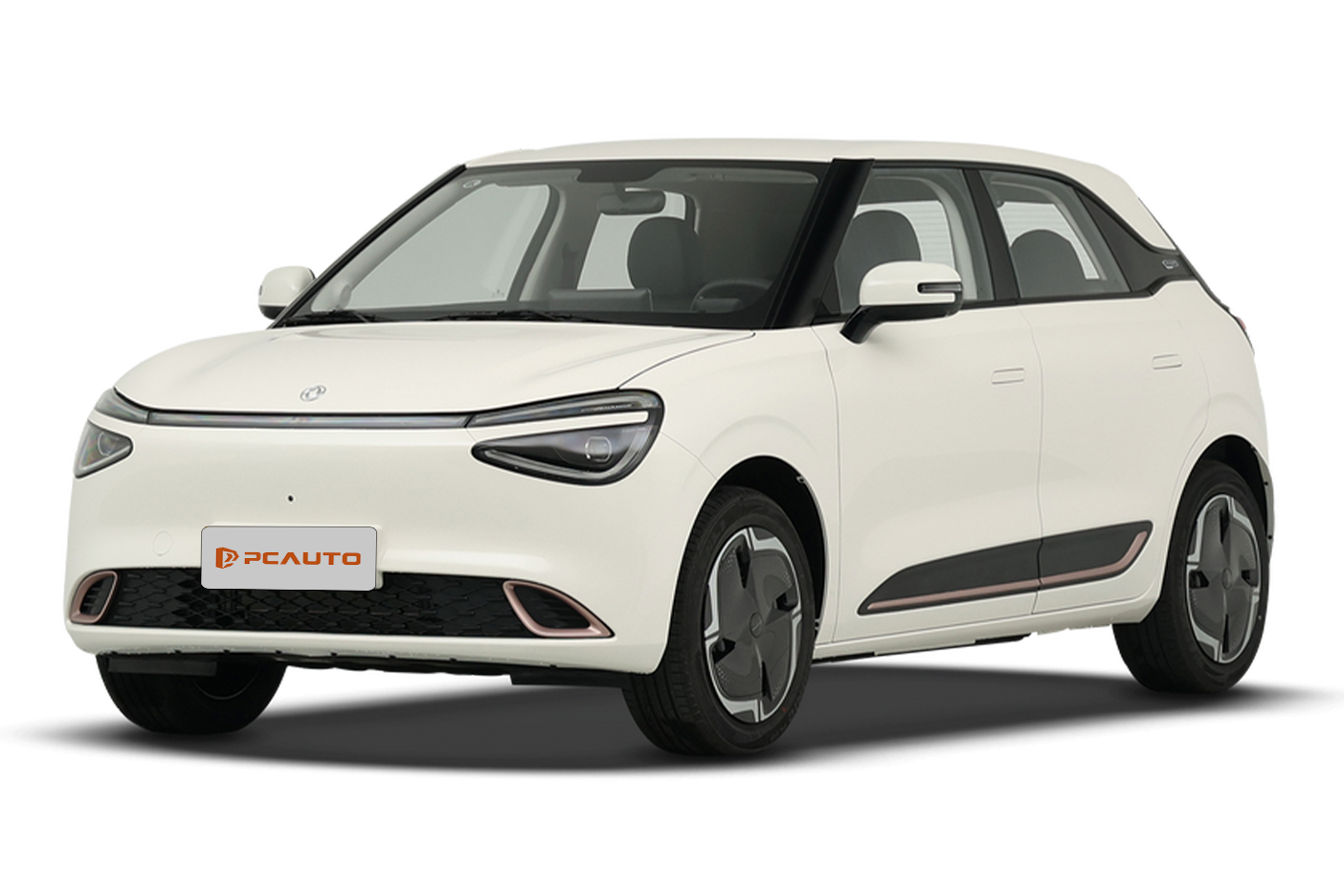
2024 DFSK Box E2 is a household pure electric vehicle in Malaysia priced at around 100,000 Ringgit, featuring a 330 km range, 12.8-inch large screen, and practical space as its main selling points, catering to both commuting and family needs.
30
Rank in SUV
2025 Leapmotor B10 LIFE is a 100,000-level pure electric C-class SUV, equipped with standard L2 assisted driving and other practical features. It offers spacious interior and solid range, making it a go-to choice for family users.