
2025 Porsche 911 Carrera Review

 Share
Share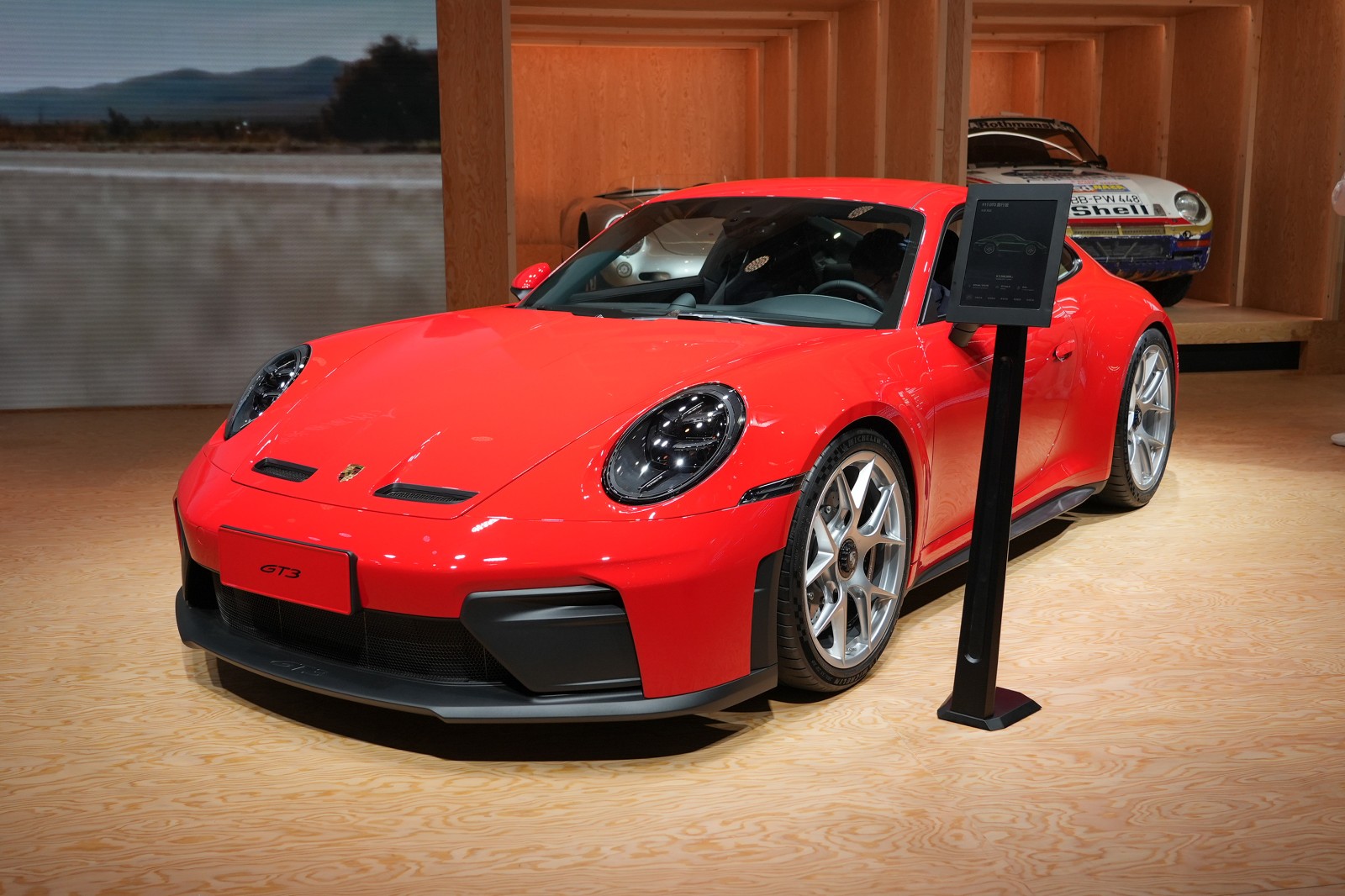
 Segment
 Body Type
 Capacity(L)
 Engine Power(PS)
 Engine Torque(Nm)
 Transmission
The competition in Malaysia's supercar market has always focused on balancing performance, brand heritage, and daily practicality—consumers want the thrill of track-grade driving but also need it to be compatible with urban commutes. The 2025 Porsche 911 Carrera, as the entry-level model of the family, is now equipped with a 3.0T turbocharged engine, rear-wheel-drive layout, and more refined configuration upgrades. Its core selling point is to "retain the essence of the 911 while making daily driving more convenient." The purpose of this test drive is simple: to see if it can truly balance "weekend fun" and "weekday commuting," and live up to its RM 1,430,000 price tag.
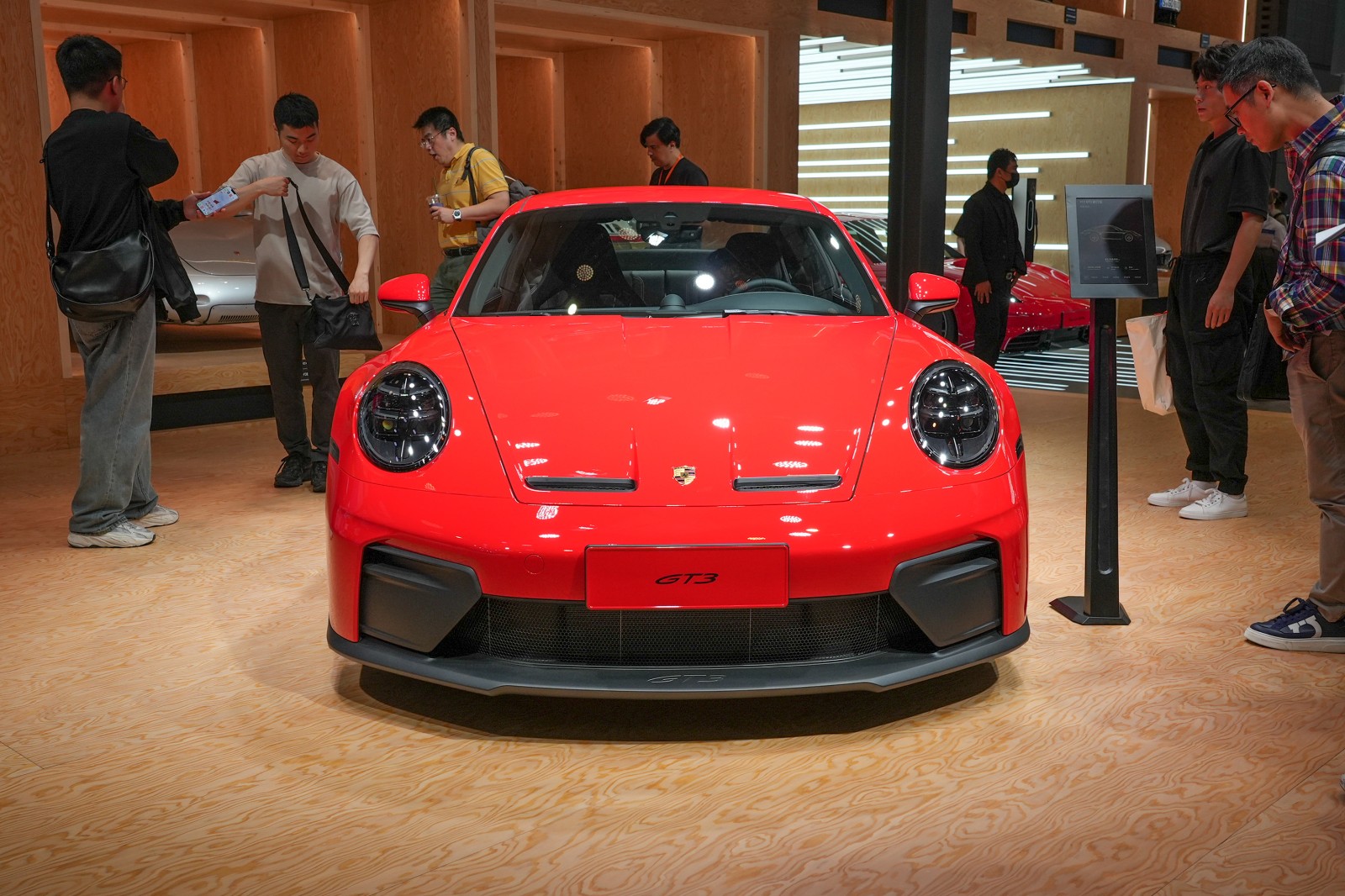
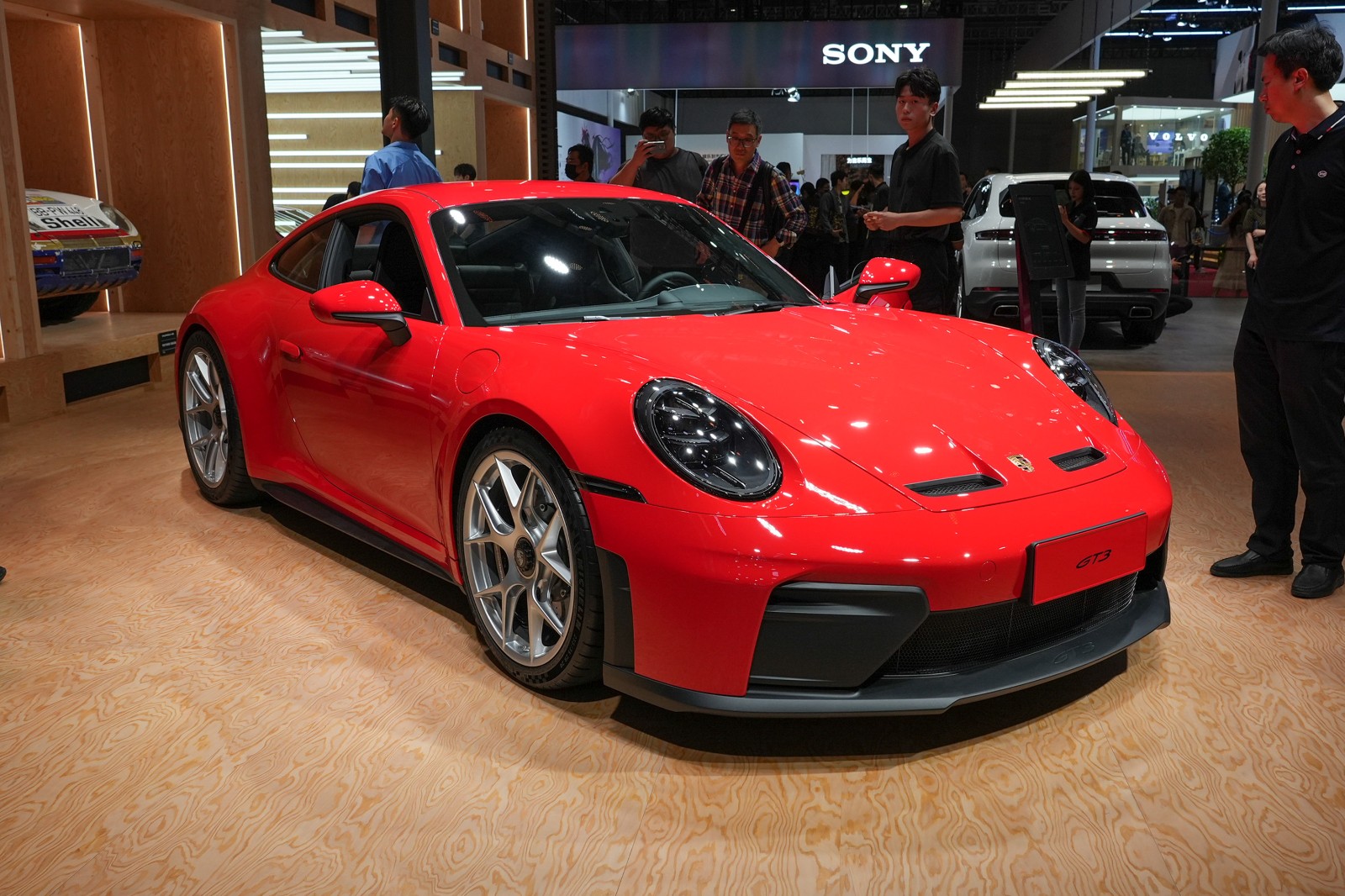
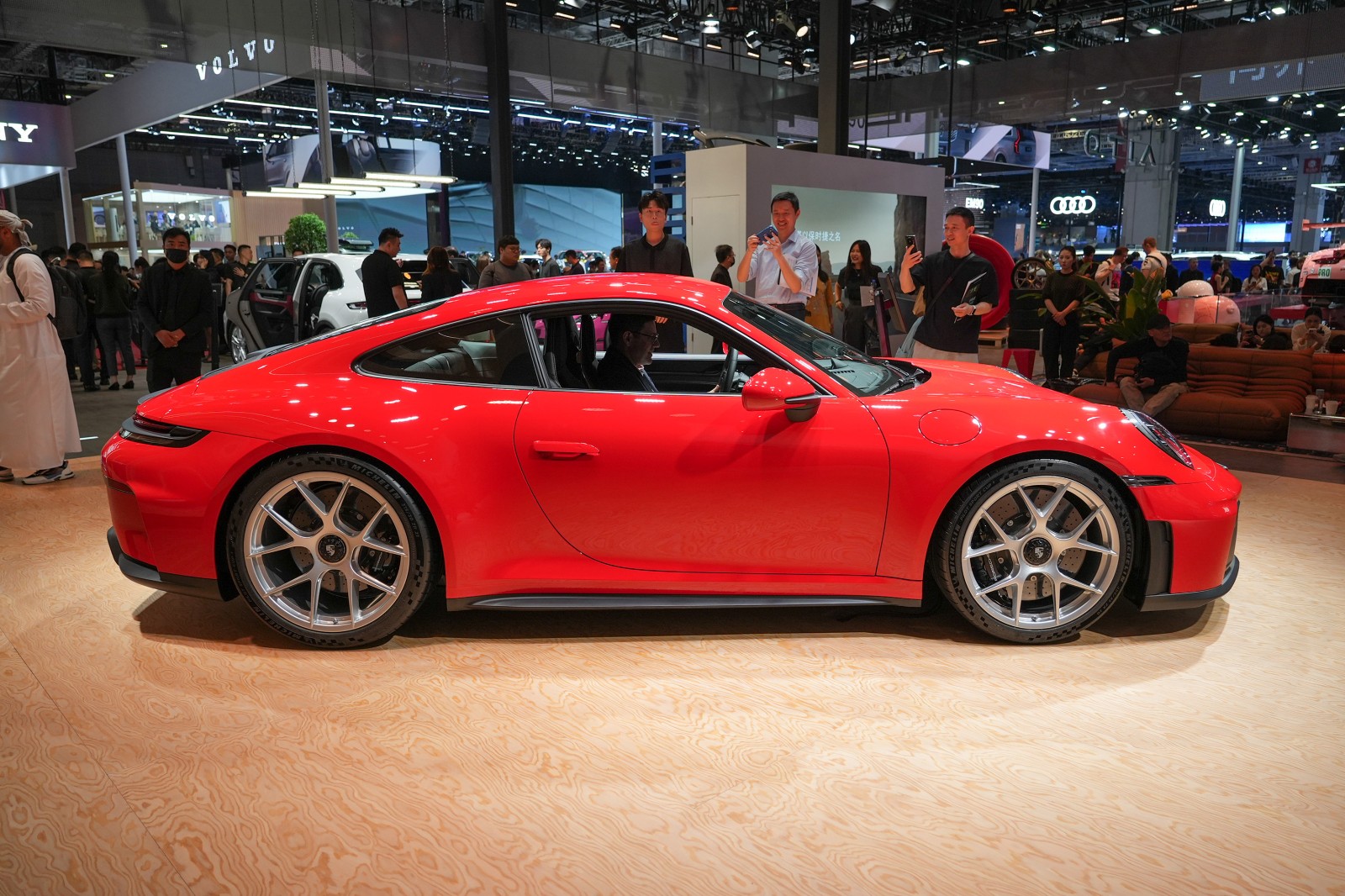
At first glance, the 2025 911 Carrera continues the family’s iconic fastback design with sleek and compact lines overall. At the front, the trapezoidal blacked-out air intake grille is wider than the previous model, paired with sharp LED daytime running lights on both sides, delivering a striking level of recognition. The two raised muscle lines on the hood extend from the A-pillar to the front bumper, enhancing its sporty feel. On the sides, the pairing of 19-inch front wheels and 20-inch rear wheels is very balanced, with tire sizes of 235/40 ZR19 for the front and 295/35 ZR20 for the rear. The wide tire design directly hints at its grip performance. The most noticeable changes are at the rear, where the slim, through-style LED taillights are even narrower compared to the previous model, presenting Porsche's classic four-point light signature when illuminated. The dual-outlet exhaust setup on either side of the lower rear bumper may appear understated, but the roaring sound when the pedal is pressed is more than penetrating. The entire exterior design eliminates unnecessary decorations, with every detail serving aerodynamic functions and brand recognizability, falling into the “instantly recognizable as a 911” category.
Stepping into the interior, the first thing you’ll notice is the layout—classic five-dial instrument clusters have been replaced by a 12.6-inch full-digital display. It retains analog needles for water temperature and fuel levels on the left, while the central screen can toggle between tachometer, speedometer, navigation, and other information, making it easy to read. The center console features a 10.9-inch touchscreen, which shares the same interface logic as other Porsche models, offering quick responsiveness and support for CarPlay and Android Auto. Beneath the screen are physical buttons for climate control, ensuring ease of use even while driving. As for materials, soft leather covers the dashboard and door interior panels, while the seats are a blend of Alcantara and leather, providing strong support. In terms of configuration, the front seats are electrically adjustable, and the steering wheel is electrically adjustable and comes with paddle shifters. Keyless entry, a 360-degree parking camera, and automatic parking are all standard features. These configurations are uncommon in supercars but undoubtedly enhance daily usability. For storage space, the front trunk offers a volume of approximately 132 liters, enough to fit two carry-on suitcases. The central armrest compartment and door storage pockets are not large but sufficient for storing small items like phones and wallets.
The space performance aligns with the positioning of a two-door supercar—the 2450mm wheelbase provides generous front-row seating space, where a 180cm-tall passenger can enjoy more than a fist-width of headroom and legroom. The seats offer excellent wrap-around support, securely holding the body in place via lumbar and lateral reinforcements. The rear row essentially consists of two "emergency seats," suitable only for children or as storage for bags, as adults would find them too cramped. In terms of storage capability, the front trunk is more practical than expected, sufficient for grocery shopping or short trips. The central armrest compartment is of average depth but can still hold everyday essentials. In terms of details, there are two USB-C ports up front, and the car features dual-zone automatic climate control, with rear air vents ensuring convenience for daily use.
In terms of power parameters, the 2025 911 Carrera is equipped with a 3.0T turbocharged horizontally opposed six-cylinder engine, delivering a maximum horsepower of 394PS and a maximum torque of 450N·m, paired with an 8-speed DCT transmission and rear-wheel drive. When driving, pressing the accelerator at startup results in almost no delay in power response. The turbo engages early, reaching maximum torque at 1950 rpm, so it doesn't feel sluggish when following in slow traffic. Switching to sport mode makes the throttle pedal more responsive, the shifting speed quicker, and pressing the accelerator deeply brings an immediate push-back sensation. The official 0-100km/h acceleration is 3.9 seconds, and in actual tests, using the launch mode can achieve an even quicker time. When overtaking, the gearbox actively downshifts, transitioning from 8th gear to 4th gear almost instantly, with ample power reserves.
Handling is one of the fortes of the 911. The precision of the steering wheel is very high, with almost no slack; the wheels turn exactly as much as the steering wheel does. When cornering, you can clearly feel the feedback from the road. The suspension system consists of front McPherson and rear multi-link independent suspension. In normal mode, the suspension is slightly softer, absorbing vibrations effectively over speed bumps or uneven roads without being overly bumpy. However, switching to Sport+ mode stiffens the suspension, reducing body roll significantly during cornering, enabling the car to remain stable even when taking ramps quickly. The chassis has great overall rigidity, and during high-speed driving, the car feels firmly planted without any sense of floating. The test drive was conducted with the rear-wheel-drive version, and on dry roads, the grip was excellent, with no easy slipping even under hard acceleration. On wet roads, throttle input needs to be moderated slightly, but the electronic stability system engages promptly, ensuring safety.
Regarding fuel consumption, our actual tests showed that the urban fuel consumption is approximately 12L per 100 km, while on highways, it drops to about 8L per 100 km, with an overall average of roughly 9.5L per 100 km. For a 3.0T supercar, these figures are quite decent. The braking performance is also outstanding, with a 100-0km/h braking distance of approximately 35 meters. The brake pedal feel is very linear, offering a strong sense of confidence as it precisely matches the pressure applied. As for noise control, the car interior is very quiet at low speeds, with tire noise and wind noise both minimal. At high speeds, wind noise becomes slightly more noticeable but remains within acceptable limits. The calibrated engine roar when pressing the accelerator is not overly loud but retains a sporty presence, striking a balance between being noticeable when desired and quiet when not. The seat comfort is also worth mentioning. Although the seats provide strong support, they remain comfortable even for long drives (e.g., over 2 hours), with adequate lumbar support.
Overall, the core advantages of the 2025 Porsche 911 Carrera are clear: first, it retains the classic handling genes of the 911, with power and chassis performance reaching supercar levels; second, it offers a richer configuration compared to competitors in the same class (such as the Chevrolet Corvette and Jaguar F-Type), with features like 360-degree panoramic imaging, automatic parking, and electric seats making it more suitable for daily driving than other supercars; third, its brand heritage, as Porsche enjoys a high resale value and excellent after-sales service in the Malaysian market. Of course, it has minor shortcomings as well, such as the almost negligible rear seat space and a front trunk that, while practical, is slightly smaller than that of the 911 Turbo.
This car is most suitable for those consumers who "want both supercar performance and everyday practicality"—such as middle-class families aged 30-45. They can use it for commuting to work, grocery shopping during the week, taking family on short trips over the weekend, and occasionally enjoying some fun on the track. Or for those who love the Porsche brand and want a "classic supercar that can last a lifetime." Unlike some purely track-focused supercars that are difficult to handle, or luxurious GT cars that prioritize comfort, it strikes a great balance between performance and practicality.
In conclusion: The 2025 Porsche 911 Carrera is a "supercar with no obvious shortcomings." It combines the iconic handling and performance of the 911 with sufficient features and practicality, making it suitable for those who want "a car that fulfills all needs." If your budget is around 1.4 million Malaysian Ringgit and you're looking for a supercar that both elevates your status and is suitable for daily use, it is definitely worth considering.
Porsche 911 Car Compare
Porsche 911 Loan Calculator
More Porsche Reviews
Cars With Similar Price And Features
8
Rank in Coupe
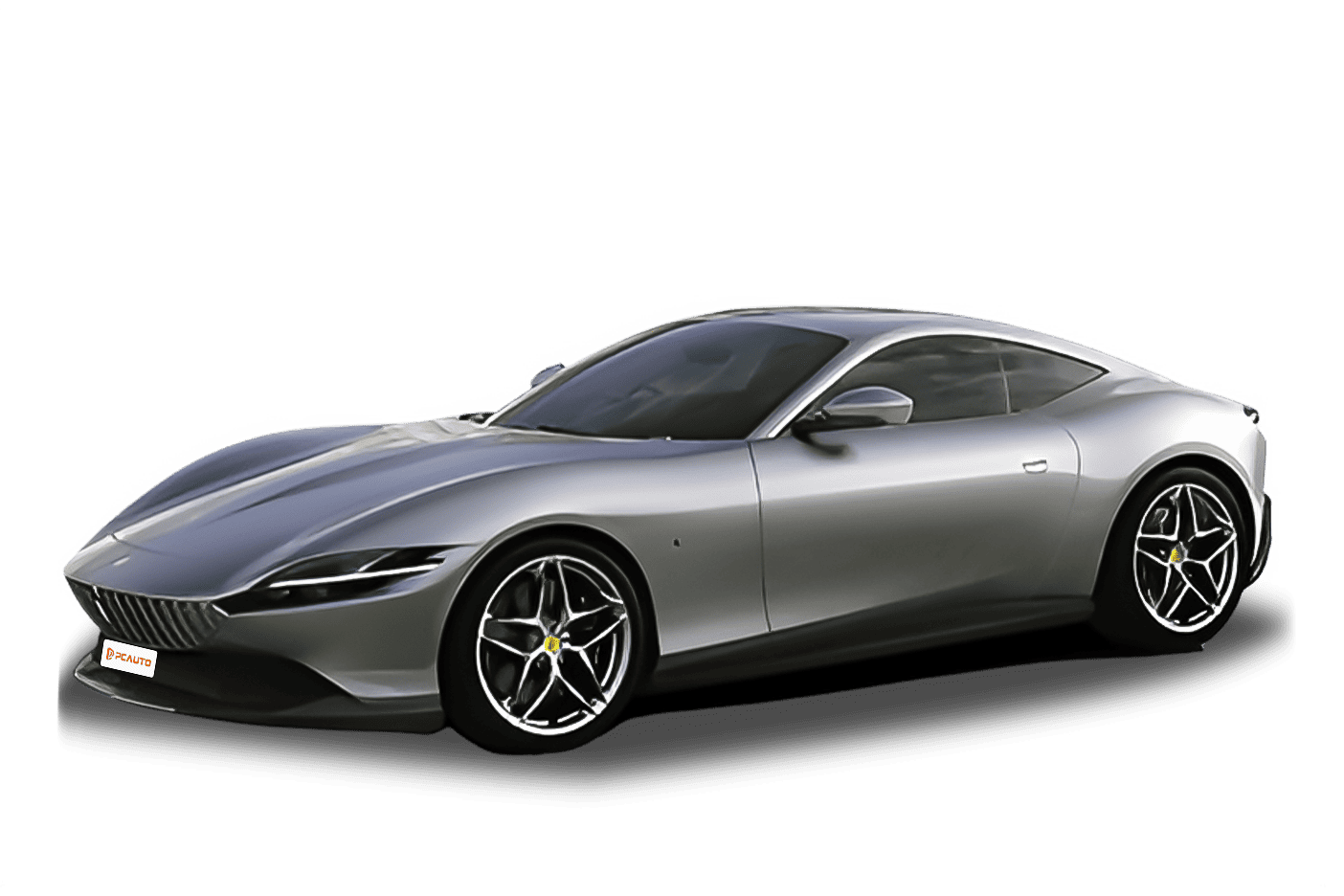
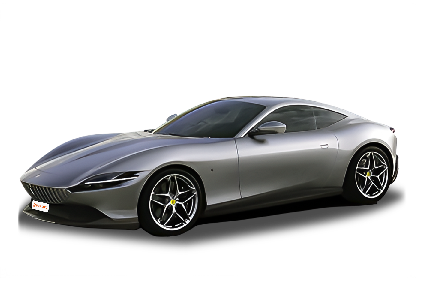
2023 Ferrari Roma Spider is a hardtop convertible GT supercar that combines elegant style with powerful performance, 13.5-second fast-opening soft top + 620PS power, practical for daily use and full of driving pleasure.

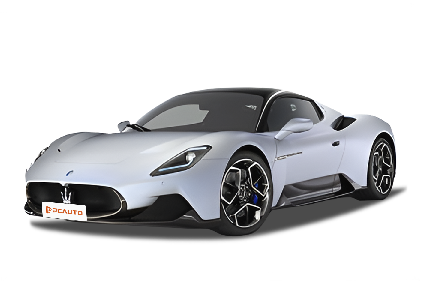
2023 Maserati MC20 Cielo is a two-seater supercar that combines track-level performance with convertible romance, equipped with a 630PS 3.0T V6 engine, a glass hardtop that opens and closes in 12 seconds, and accelerates to 100 km/h in 2.9 seconds.
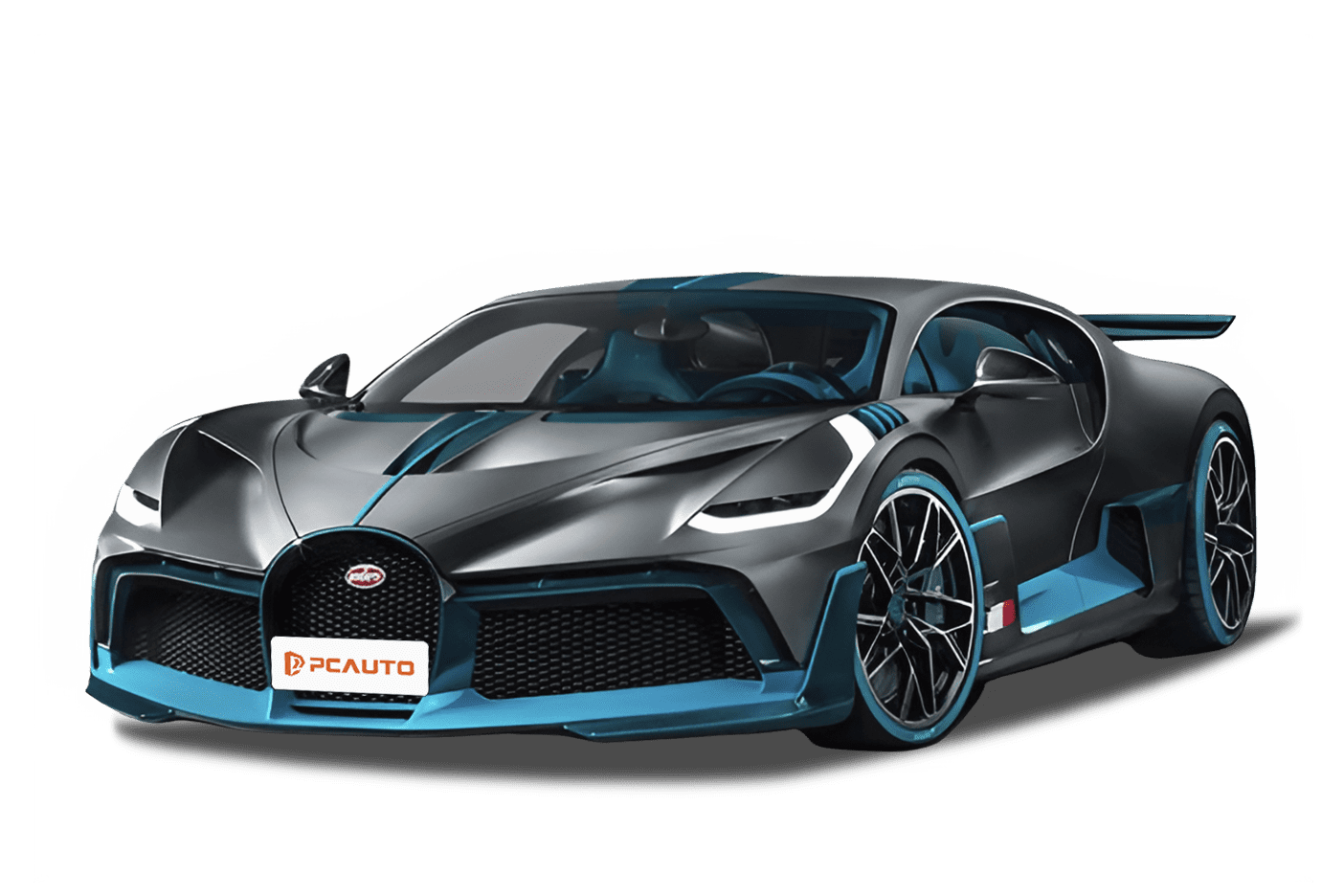
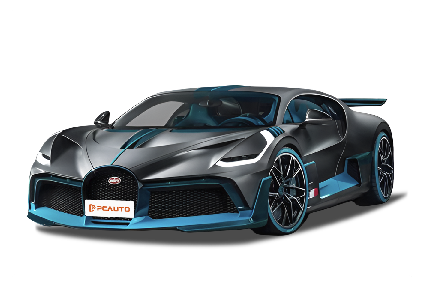
2023 Bugatti Divo, as a limited-edition hypercar and an advanced version of the Chiron, features track-focused aerodynamic design, 1520PS of brutal power, and precise handling, embodying the ultimate performance of being "born for the curves."
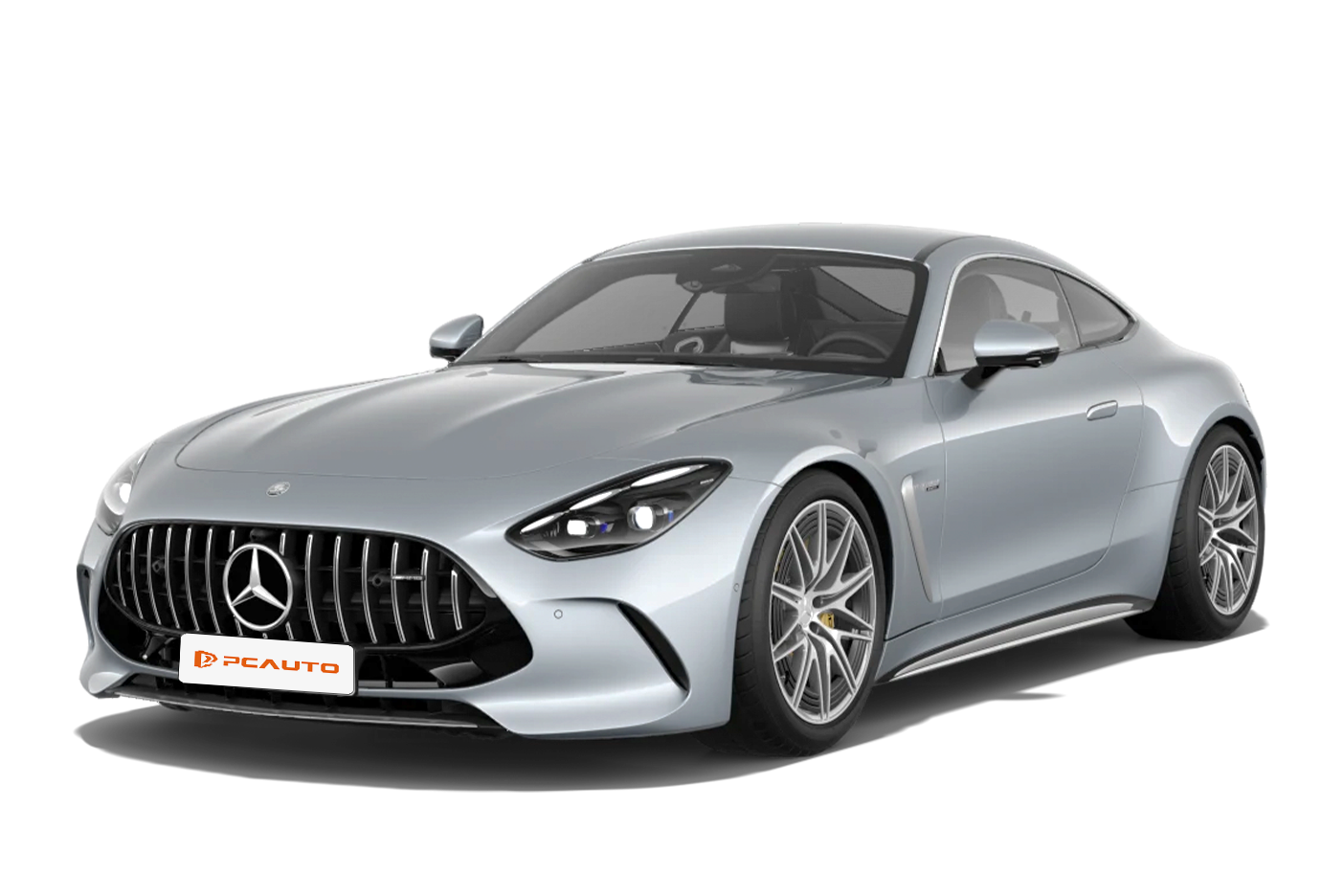
2025 Mercedes-Benz AMG GT 63 4Matic+ Coupe is a luxurious two-door sports car that combines 585PS 4.0T V8 performance (0-100 km/h in 3.2 seconds) with 351L of practical storage, balancing track excitement and daily commuting.