

2025 Toyota Camry 2.5 V Review

 Share
Share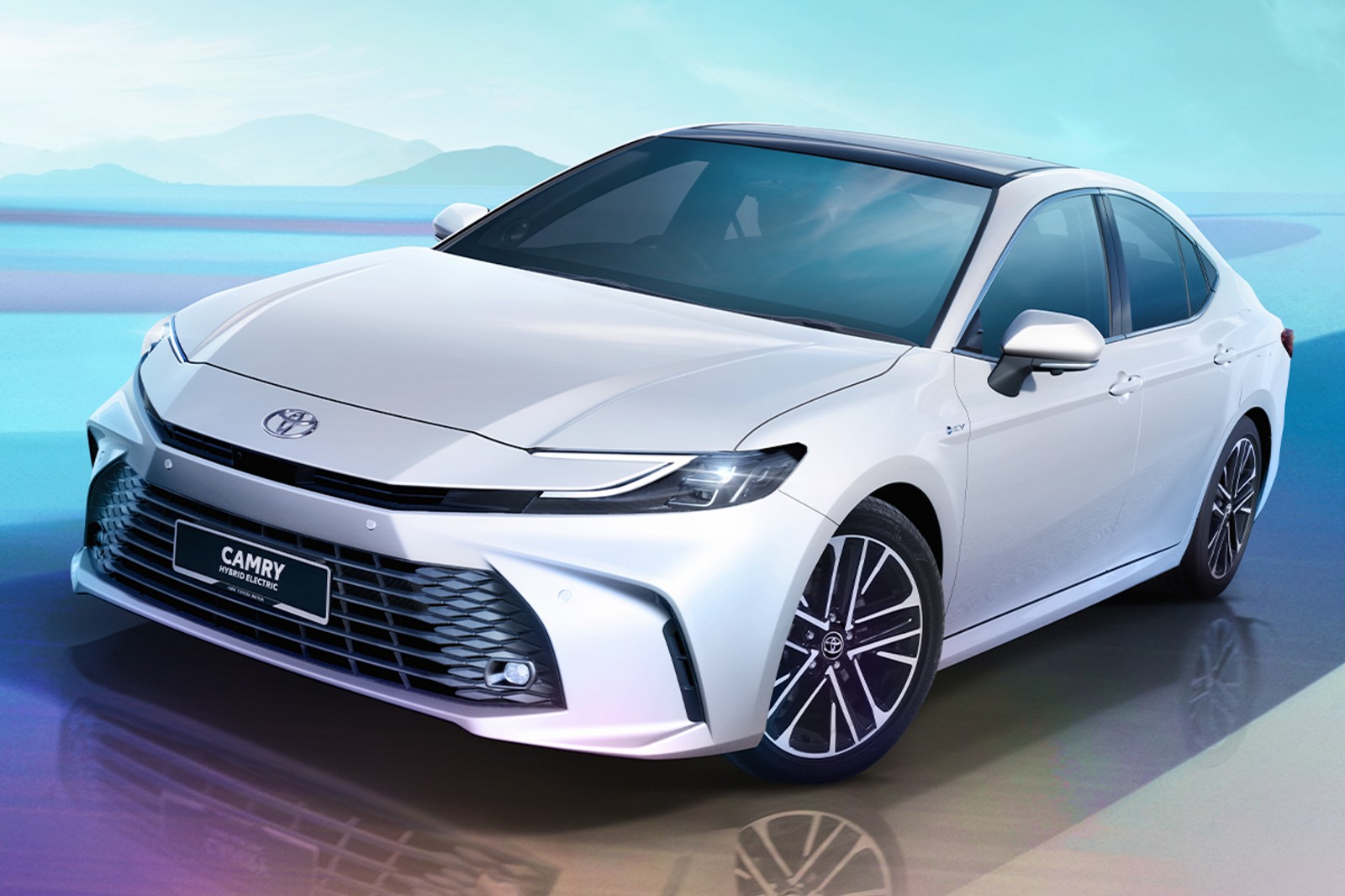
 Segment
 Body Type
 Capacity(L)
 Engine Power(PS)
 Engine Torque(Nm)
 Transmission
Malaysia's D-segment sedan market has always been a competitive arena where practicality and driving comfort are perfectly balanced. Consumers value not only space and comfort but also have clear expectations for features and performance. The 2025 Toyota Camry 2.5 V, as a popular contender in this segment, returns with a naturally aspirated 204PS engine, standard L2 driving assistance across all variants, and a larger intelligent screen, attracting the attention of many family users and buyers who emphasize quality. The core focus of our test drive this time is to verify whether it can meet the expectations of target users for a well-rounded mid-size car in scenarios such as daily commutes and family outings.
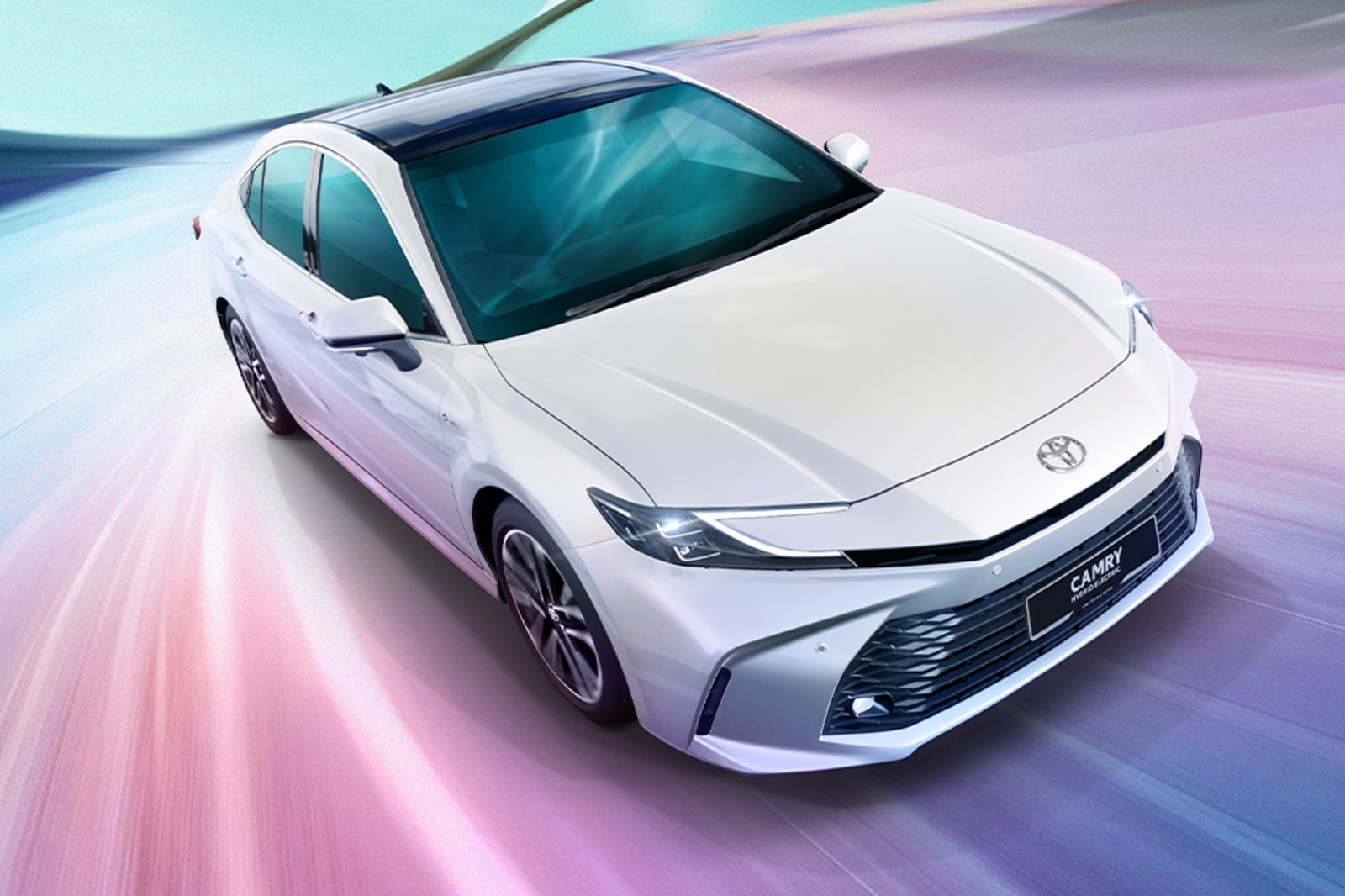
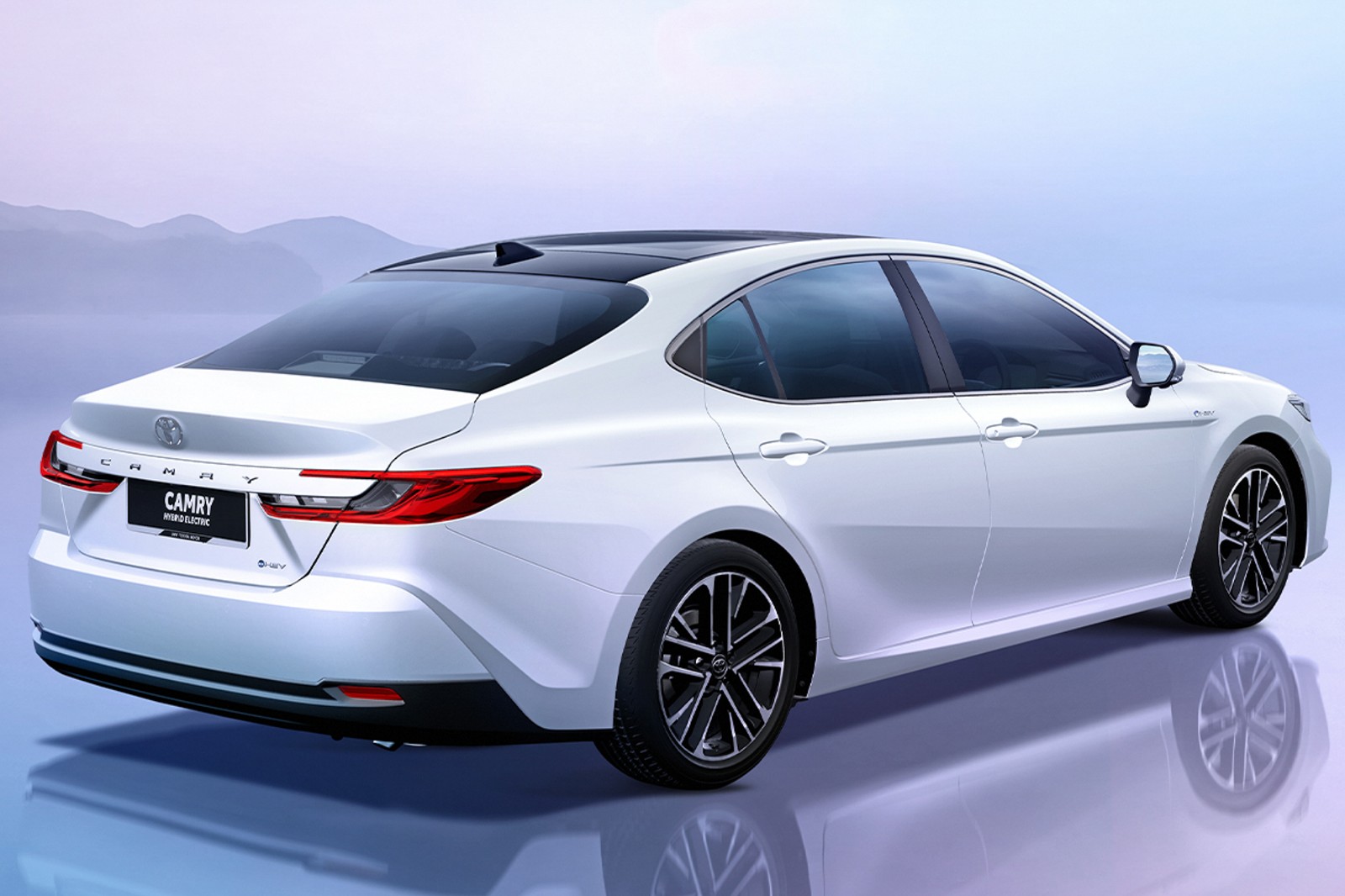
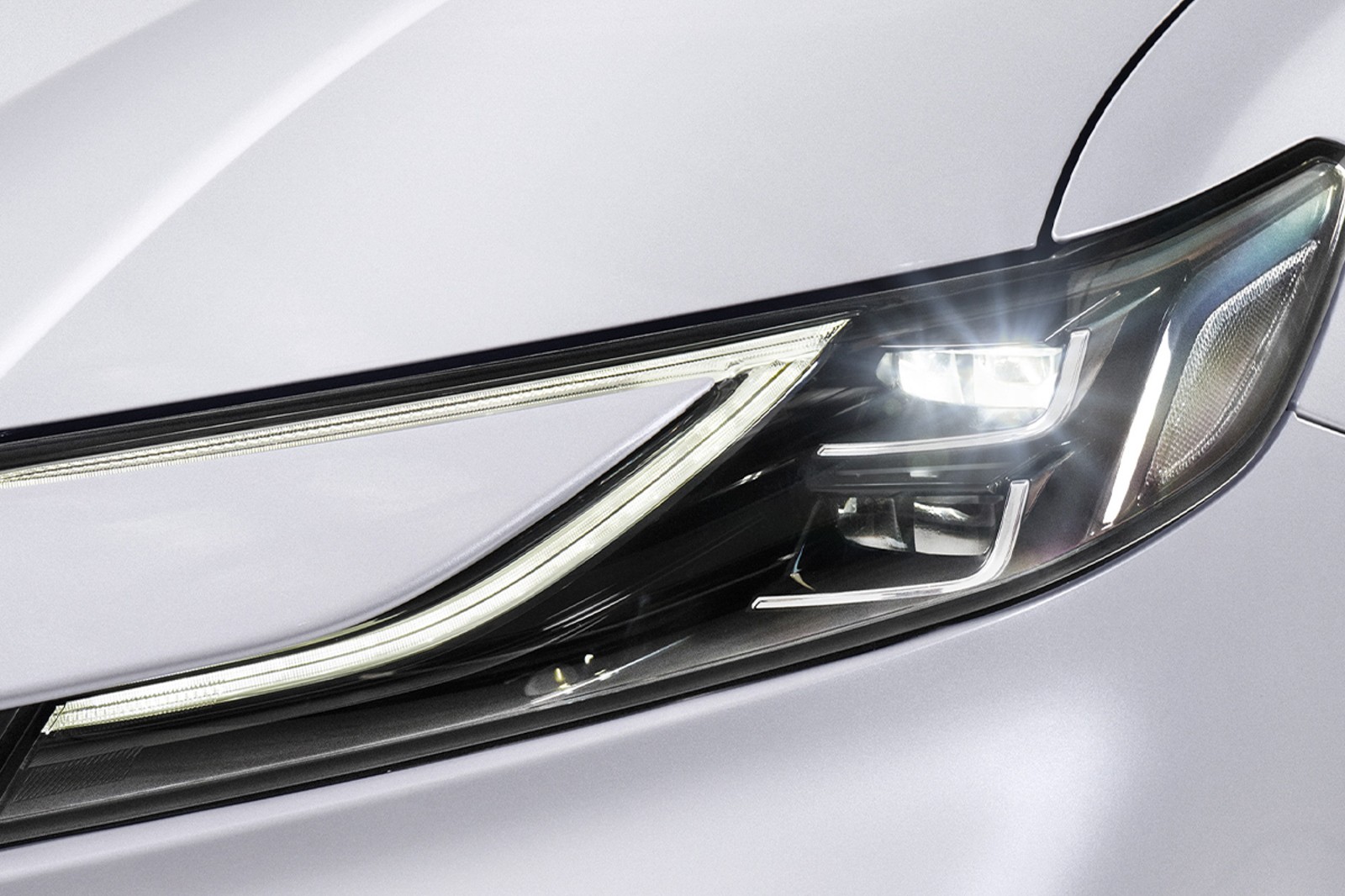
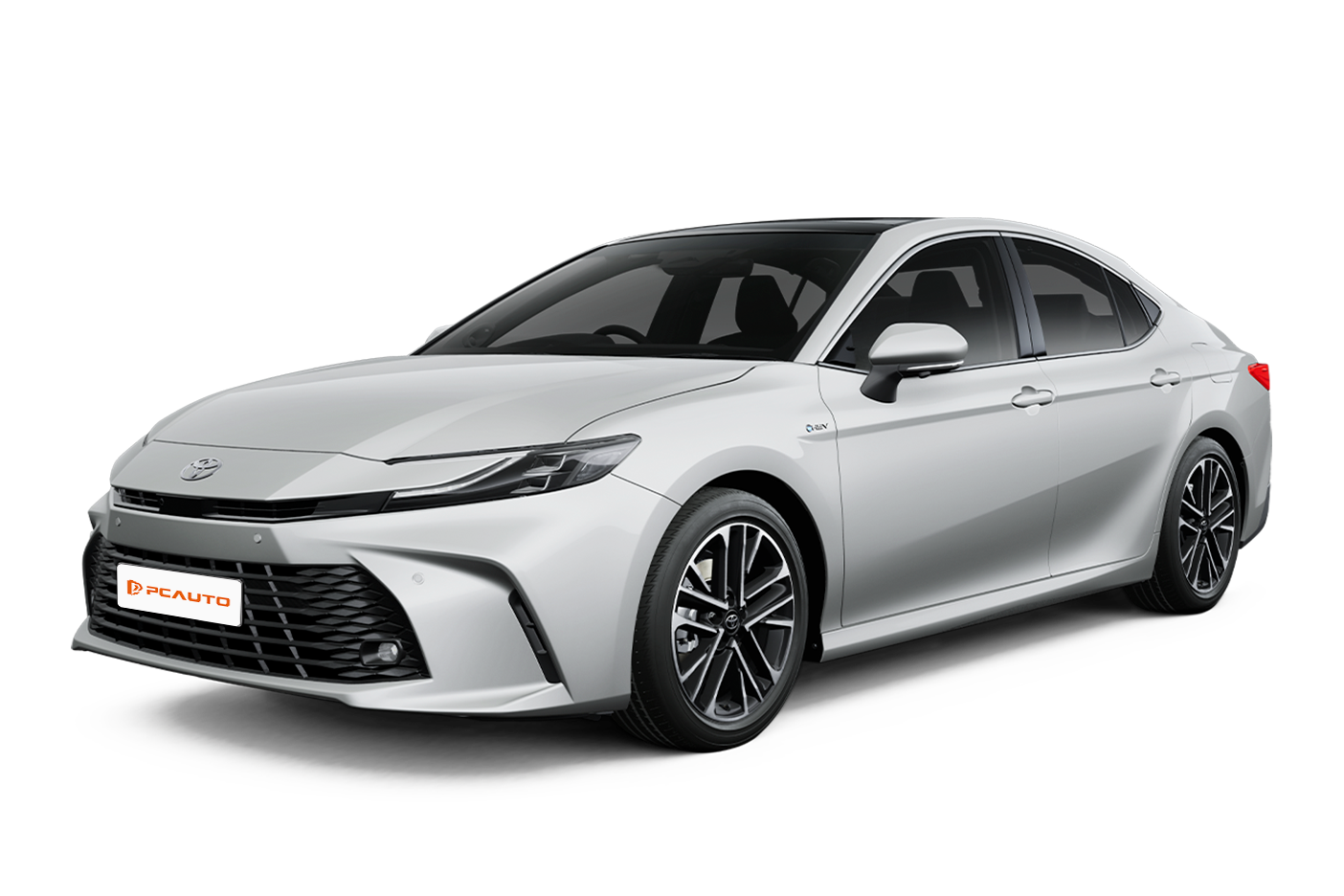
The vehicle measures 4920mm in length, 1840mm in width, with a 2825mm wheelbase, showcasing an overall stance that is more elegant than the previous model. The front features a large trapezoidal grille with a black mesh structure, while the two sides are connected by chrome trim and equipped with LED headlights, creating a broader visual width and a clear sense of recognition. The side profile features smooth lines, with a waistline stretching from the front fender to the rear. It is not overly aggressive but paired with 18-inch multi-spoke wheels, it presents a stable yet sporty look. The rear incorporates continuous LED tail lights with a uniform lighting effect when illuminated. Chrome trims on the lower rear bumper and the concealed exhaust design align well with the D-segment's family-oriented position.
Stepping inside, the dashboard adopts a layered design, with the upper layer made of soft-touch materials accented by silver trim in the middle. The overall materials match the standards of vehicles in this price range. The 12.3-inch center console screen is tilted towards the driver's seat, with simple operating logic, supporting wireless CarPlay and Android Auto, making daily use very convenient. The instrument panel is also a 12.3-inch fully digital screen with rich information display and various themes available. The standard HUD (Head-Up Display) shows speed, navigation, and driving assistance information, eliminating the need to frequently look down at the instrument panel. The front seats are 8-way power adjustable, and the leather-wrapped cushions provide good support, remaining comfortable even during long drives. The rear compartment is a highlight; the 2825mm wheelbase ensures that a 175cm-tall passenger sitting in the back has more than two fists worth of legroom. The floor's central hump is not high, ensuring comfort for the middle passenger as well. The rear seats have independent air conditioning vents and USB ports and can be folded down in a 4/6 split configuration. The trunk can typically hold three 20-inch suitcases, and when the seats are folded, it can accommodate longer items, offering strong practicality.
In terms of performance, the 2.5L naturally aspirated engine delivers a maximum of 204PS and a peak torque of 246N·m, paired with an 8-speed automatic transmission. The power delivery is smooth at startup, responding immediately upon pressing the accelerator, without turbo lag issues. For daily commutes, the normal mode is sufficient, offering linear acceleration, while overtaking in the 60-100km/h range is brisk. Switching to sport mode delays gear shifts, keeping the revs above 3000 rpm to provide more power reserves. The steering wheel feels moderately weighted with minimal slack, and it accurately points the car during cornering. The suspension system consists of a front MacPherson strut and a rear double-wishbone setup, tuned for comfort. It does an excellent job of absorbing bumps when driving over speed bumps or uneven roads, showing minimal vehicle sway. During high-speed cornering, the suspension provides adequate support, keeping body roll under control and balancing family comfort with a certain level of handling.
In terms of fuel consumption, we drove 50km each in congested urban roads and highways, with an average fuel consumption of around 7.2L/100km, slightly higher than the official 6.6L, but considering the traffic conditions in the city, this performance is considered normal. Noise control is well-handled; at a highway speed of 120km/h, wind and tire noise are not significant, and only a faint engine sound can be heard inside the cabin, which does not affect conversations among passengers. The driving assistance features are comprehensive. The ACC adaptive cruise control maintains stable following on the highway, and the lane-keeping system has moderate correction force without feeling abrupt. The 360-degree panoramic camera provides clear visuals when reversing or parallel parking, making it very user-friendly for new drivers.
In summary, the core strengths of the 2025 Camry 2.5 V are clear: balanced power output, spacious interior, and comprehensive features, especially the standard L2-level driving assistance and dual 12.3-inch screens across the lineup, which make it stand out for its value in its class. Compared to the Honda Accord 2.0VTi-L in the same segment, the Camry offers richer features at a similar price; compared to the Nissan Teana 2.5XV, it has better power parameters and a more solid chassis tuning. It is suitable for families who value space, features, and reliability, or for office workers in need of a balanced vehicle for commuting—fuel-efficient and easy to drive daily, spacious enough for family trips, and with features that meet most needs.
If you are looking for a D-segment sedan without any significant shortcomings, the 2025 Camry 2.5 V is worth considering. With its balanced performance, it meets the core needs of a family vehicle.
Toyota Camry Car Compare
Toyota Camry Loan Calculator
More Toyota Reviews
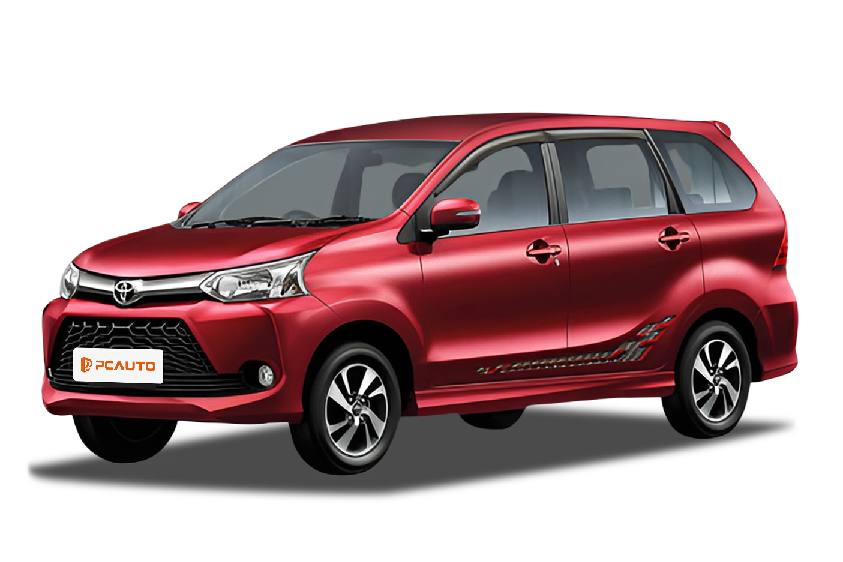
Cars With Similar Price And Features
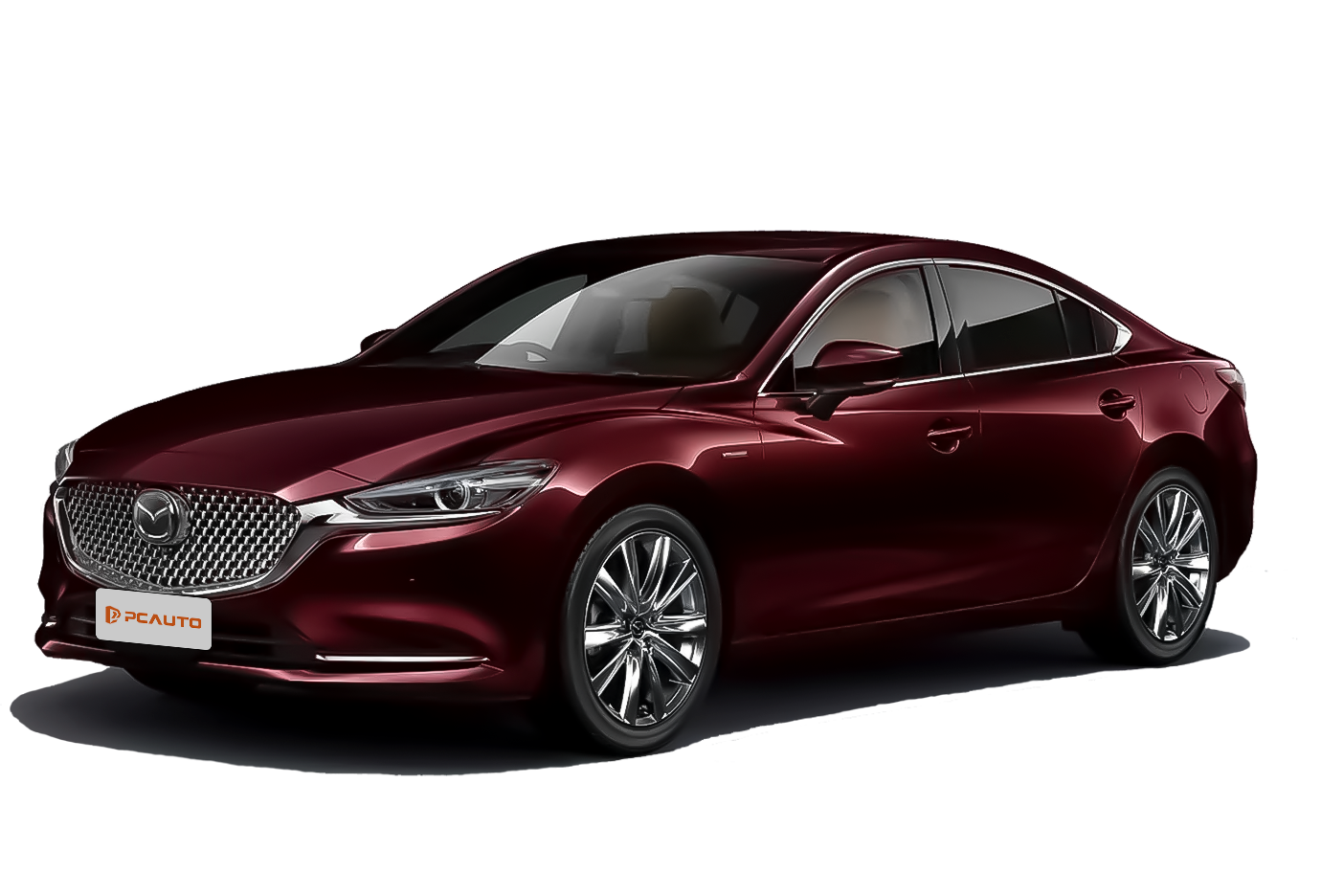
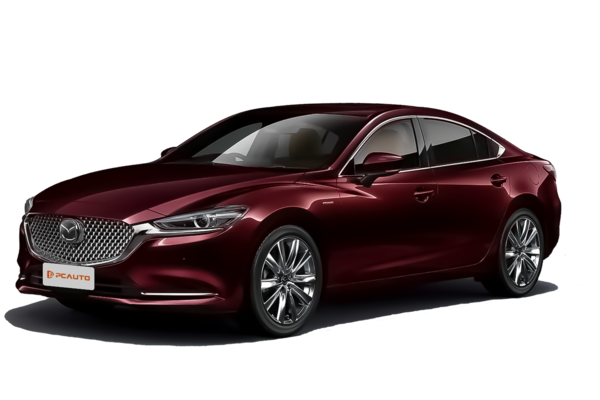
2023 Mazda 6 Sedan 2.0 SkyActiv-G meets the rational needs of family users for joint-venture quality, comfortable configurations, and fuel economy with its KODO design, practical space, and balanced driving control.

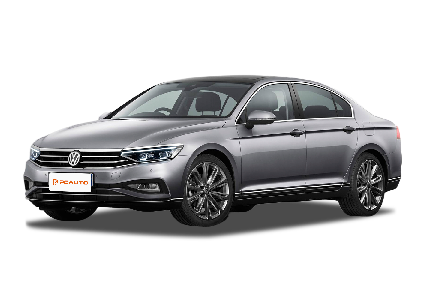
2022 Volkswagen Passat 2.0 TSI R-Line combines business elegance with sporty personality, featuring 220PS power, 14-way massage seats, and Harman Kardon audio system to meet the diverse needs of families and young professionals.
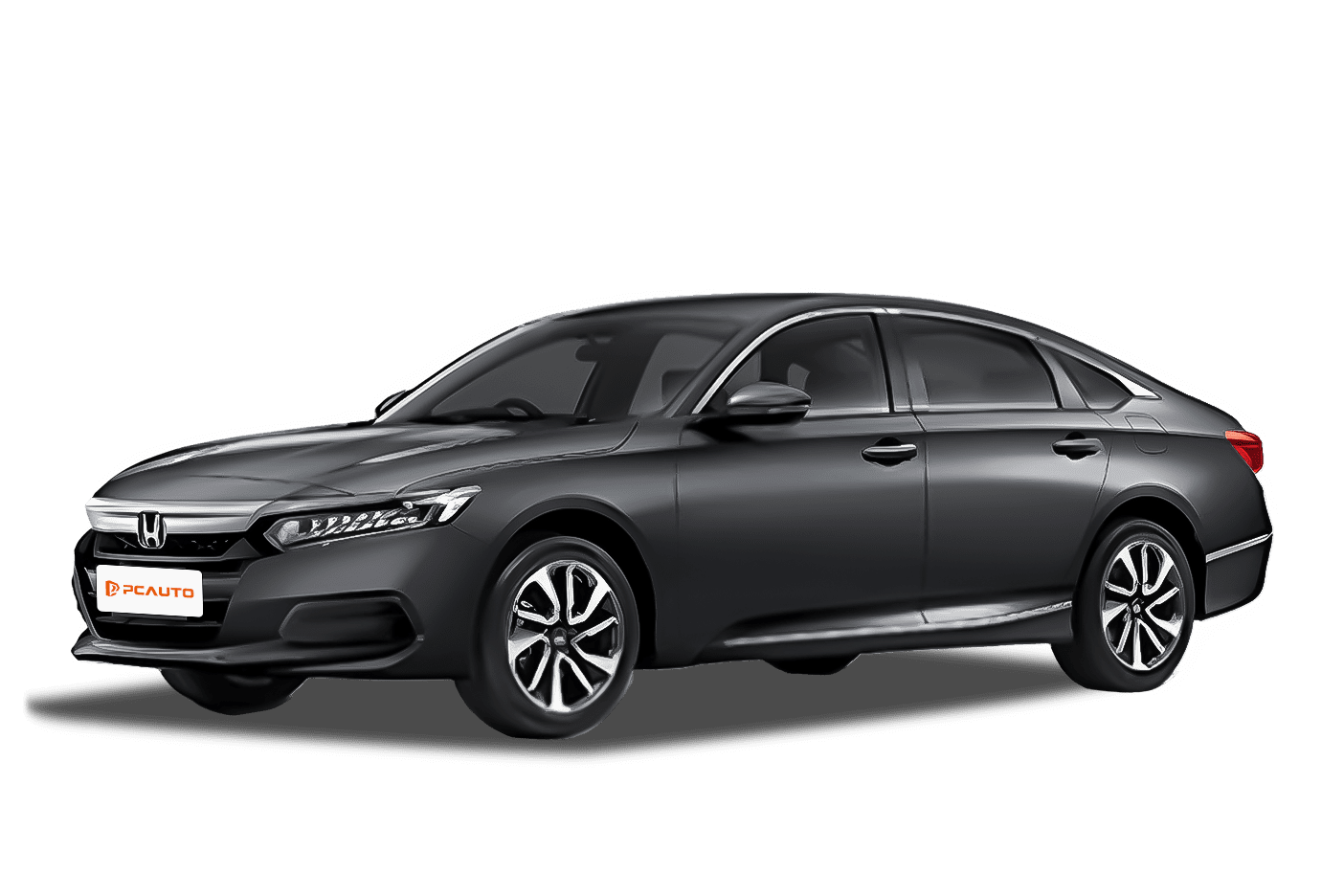
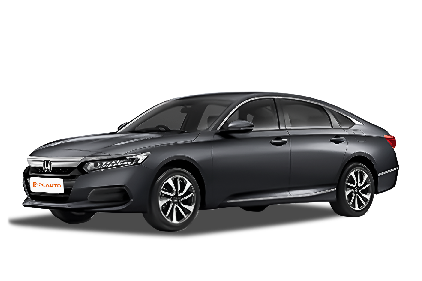
The 2023 Honda Accord 1.5 TC is a D-segment sedan that balances both business and family use, with core selling points of spacious interior, comfortable driving, and efficient performance, making it suitable for practical family users.
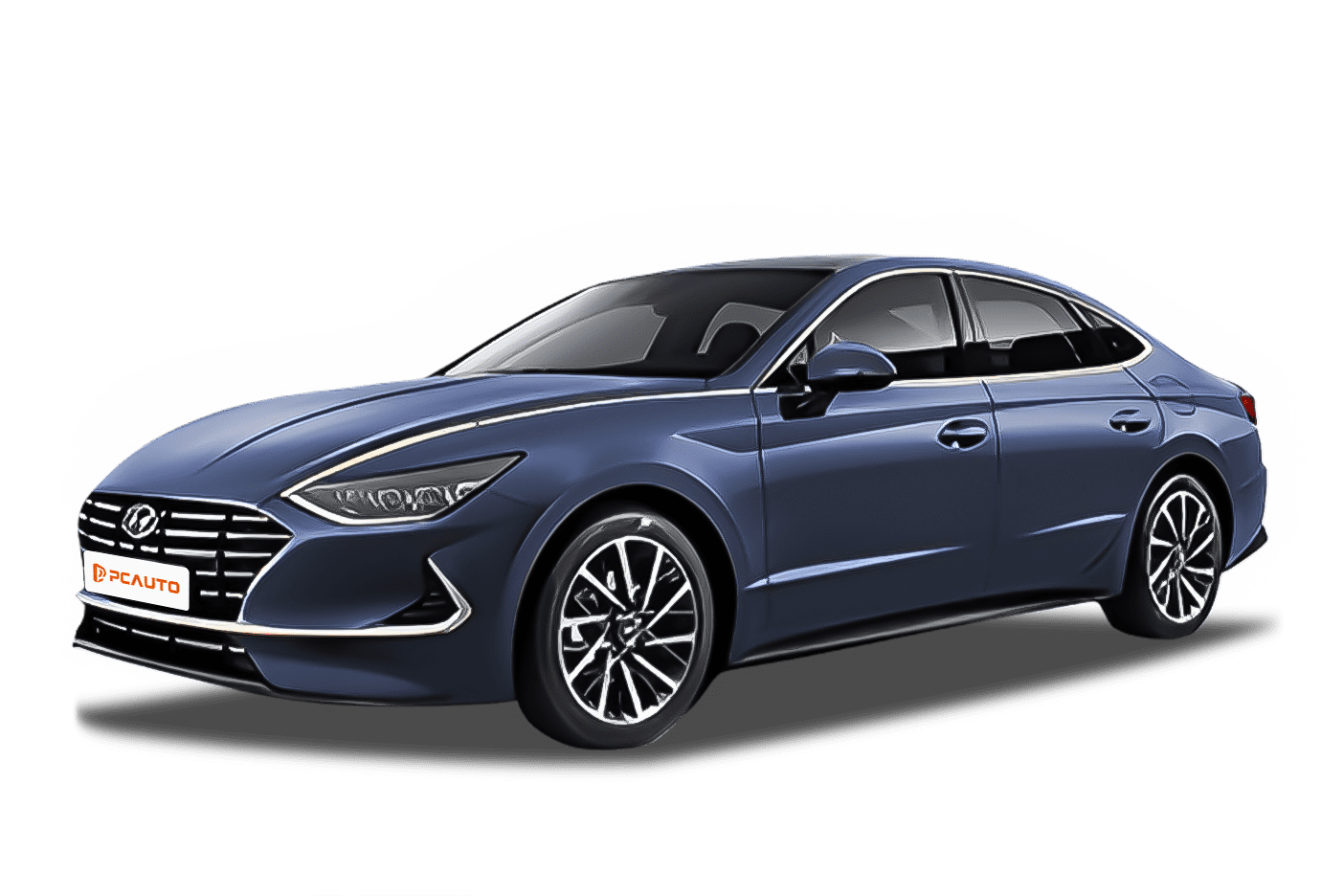
2024 Hyundai Sonata public is positioned as a D-Segment family and business sedan, combining dynamic design, practical configurations, and spacious space, balancing power and fuel consumption, safe and reliable.