

BMW X1 2023 Review

 Share
Share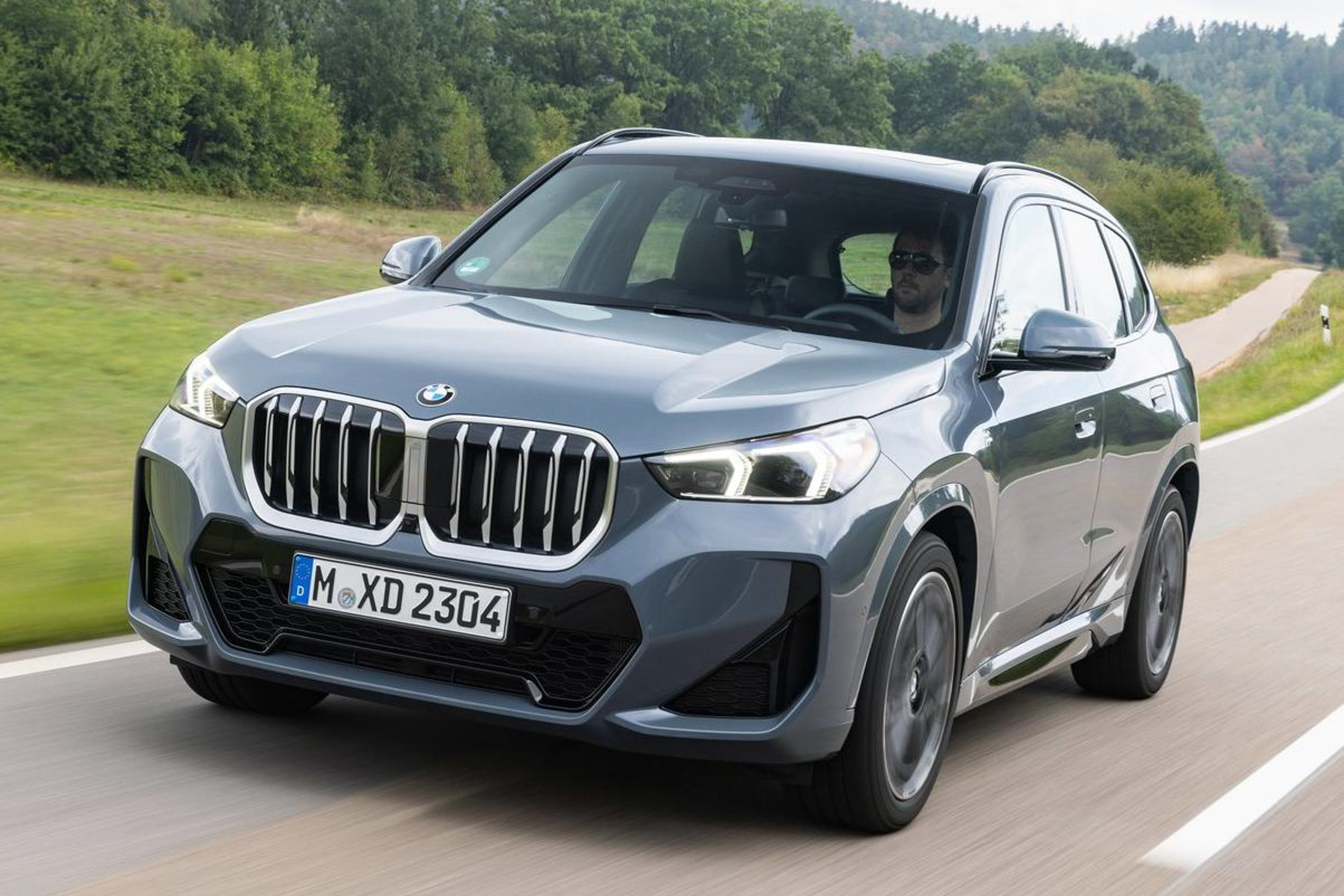
 Segment
 Body Type
 Capacity(L)
 Engine Power(PS)
 Engine Torque(Nm)
 Transmission
The competition in the Malaysian C-segment SUV market is fierce, and consumers value both the texture of luxury brands and the practicality of space and intelligent configurations — the 2023 BMW X1 sDrive20i xLine is precisely aimed at this niche market. It not only continues BMW's sporty genes but also targets upgrades in configuration and space. For example, the standard Harman Kardon sound system, electrically adjustable seats, and 540L trunk volume make it particularly noteworthy among models in the same price range. In this test drive, we mainly wanted to verify whether its performance is sufficient for daily use, whether the space can meet family needs, and whether the luxurious feeling it exudes lives up to its name.
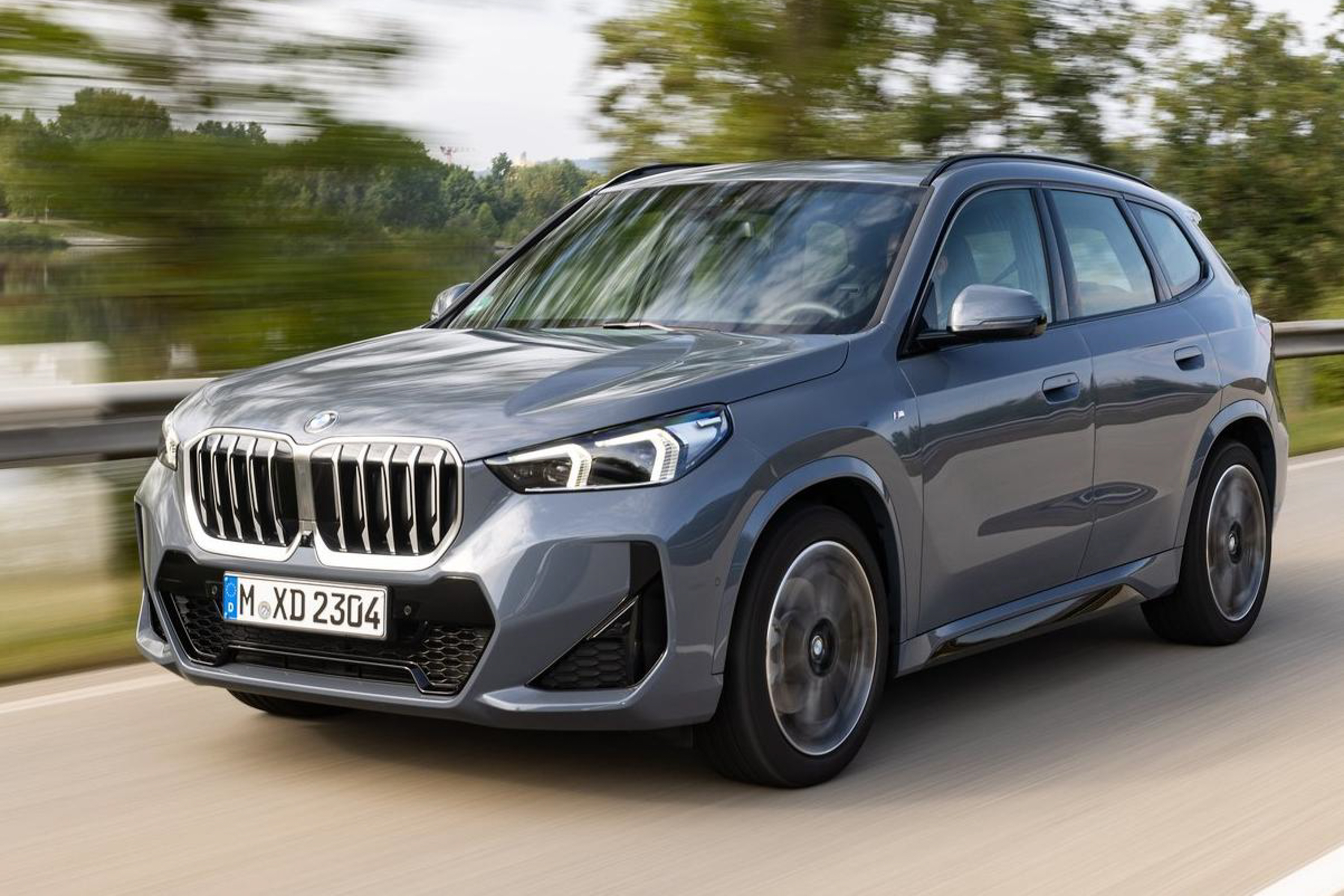
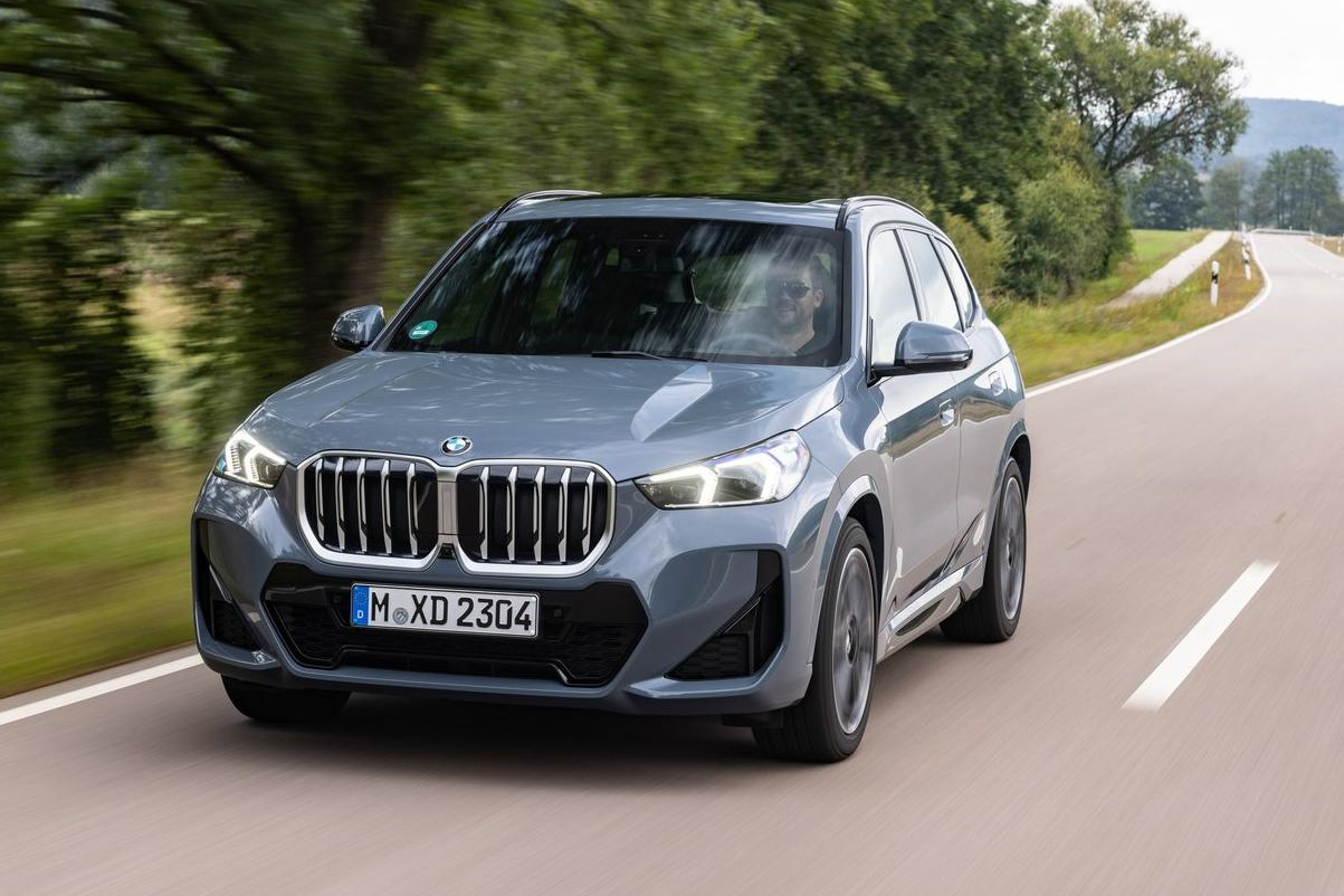
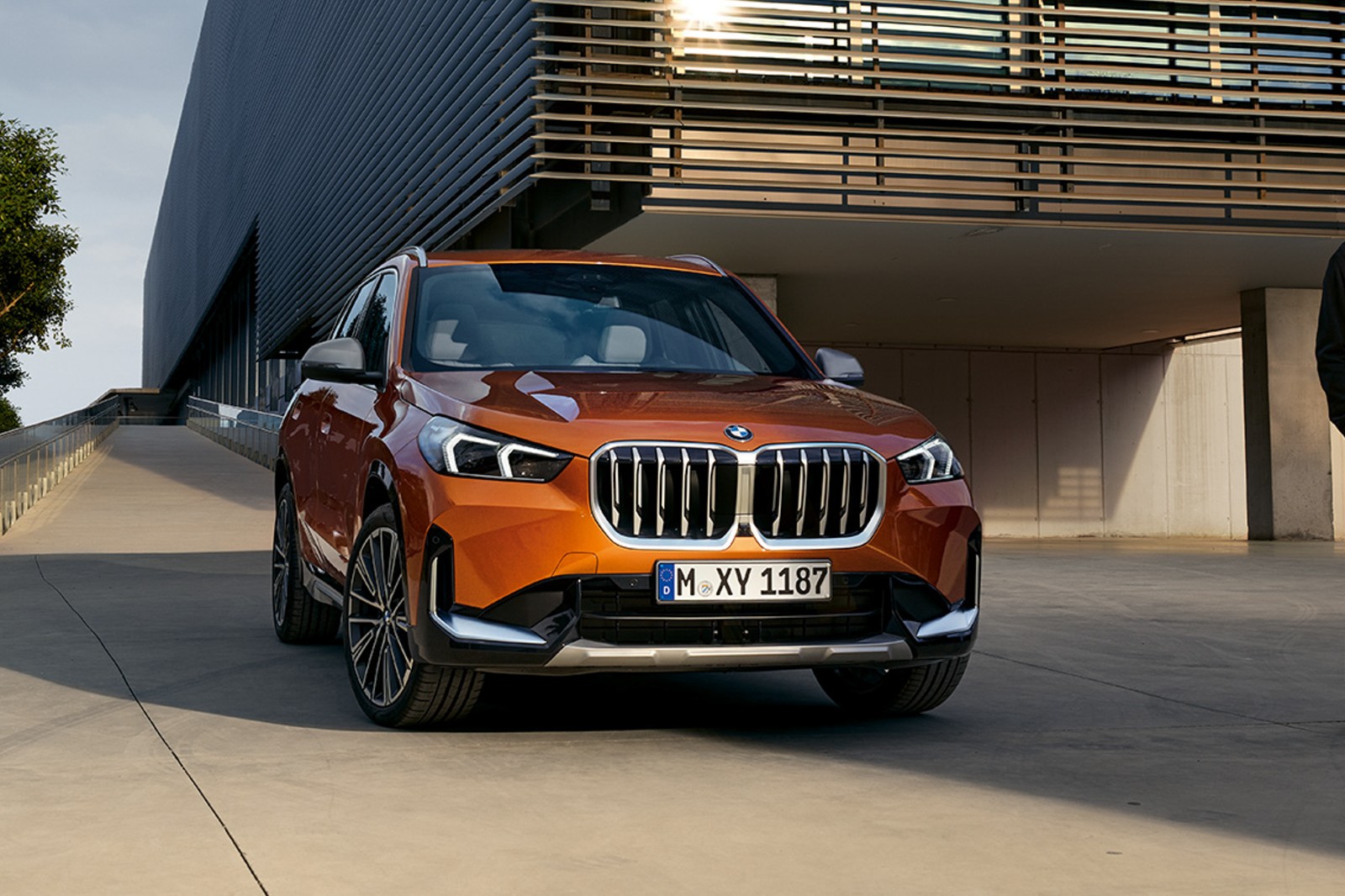
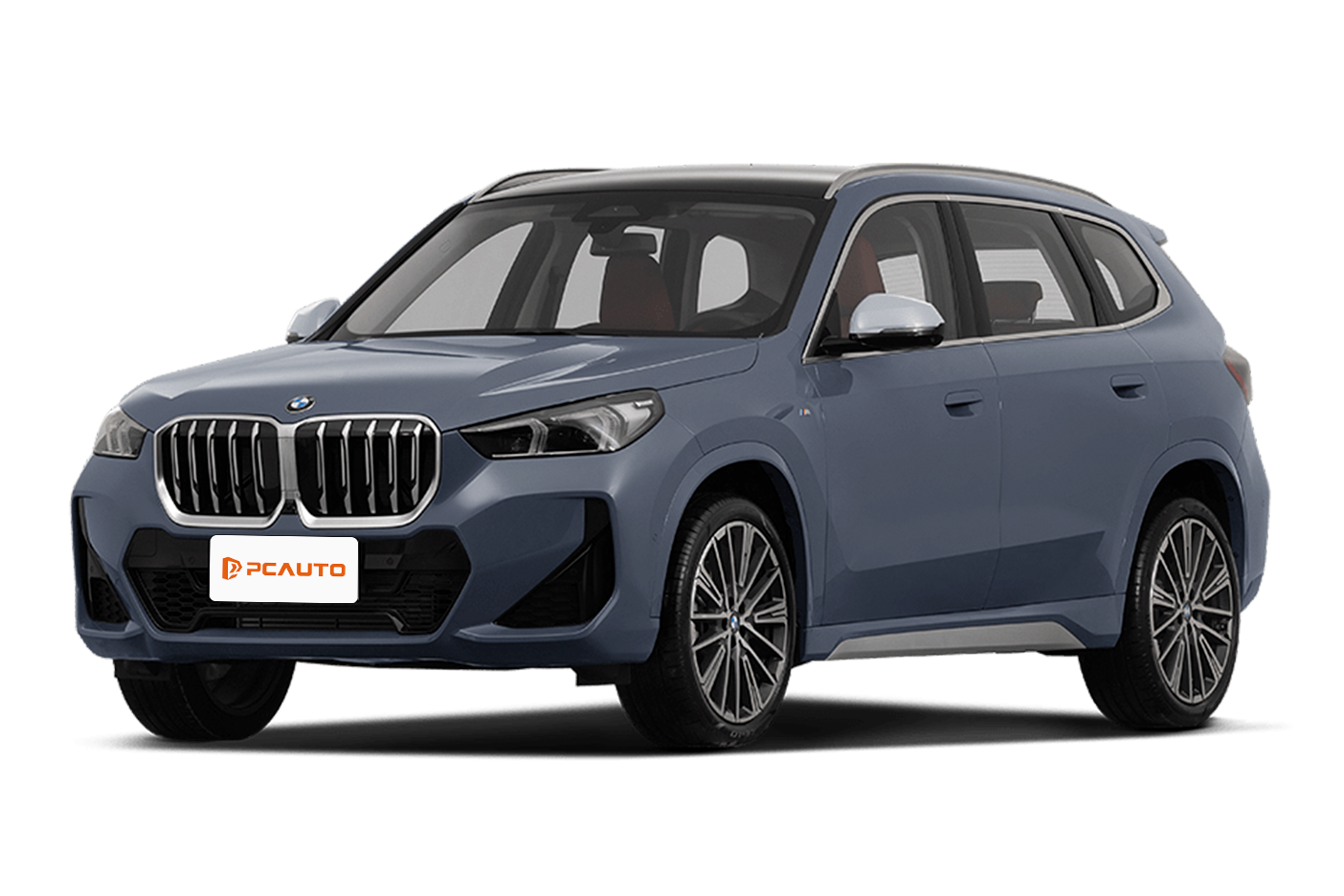
In terms of appearance, this X1 retains BMW's family design, with an overall style inclined towards youthful sportiness. The dual kidney-shaped grille on the front is appropriately sized and paired with sharp LED headlights on both sides, giving it high recognition; the trapezoidal air intake underneath the front bumper and the silver skid plate add a touch of ruggedness typical of an SUV. The side profile has smooth lines, with the waistline stretching from the A-pillar to the rear, making the body appear longer. The 19-inch multi-spoke wheels paired with 245/45R19 tires not only enhance its visual appeal but also ensure good grip. At the rear, the LED tail lights feature a smoked finish, complementing the design of the headlights, while the rear bumper also includes a silver skid plate, achieving a harmonious and unified overall design. Whether for daily commutes or weekend trips, the exterior is versatile enough to look the part.
Once seated inside, the interior's sense of luxury and technology is quite prominent. The center console is wrapped in soft-touch materials and accented with silver trim, providing both a pleasant tactile and visual experience. The 8.8-inch touch-sensitive central control screen is located at the top of the center console, offers smooth operation, and supports functions such as Bluetooth and CarPlay. Next to it, the 5.7-inch TFT instrument panel provides clear displays of information such as speed and fuel consumption. Regarding configurations, the front seats support electric adjustment with memory functions, while the rear seats are equipped with independent air conditioning vents, ensuring comfort even for rear passengers during family outings. The standard Harman Kardon sound system, though offering only six speakers, delivers impressive audio quality that’s more than adequate for everyday music listening. Additionally, features like keyless entry, automatic parking, and ACC adaptive cruise control are all included, enhancing daily convenience.
The space performance is a major highlight of this vehicle. The body dimensions are 4500mm in length, 1845mm in width, and 1642mm in height, with a wheelbase of 2692mm, putting it at the mainstream level among C-segment SUVs. Front-row seating space is ample, with a passenger of 175cm height having a spare headroom of about a fist and a half after adjusting the seat; the rear space also performs well, offering more than two fists of legroom and about a fist of headroom, ensuring that even three adults can sit comfortably without feeling cramped. The trunk offers 540L of storage capacity, easily accommodating two 28-inch suitcases along with some smaller items. If larger items need to be stored, the rear seats can be folded down (albeit in a fixed ratio), providing good expandability. The interior storage spaces are also plentiful, with the front center armrest box and door panel storage compartments capable of holding various small items, maximizing practicality.
In terms of power, this X1 is equipped with a 2.0T turbocharged engine, delivering a maximum power of 150kW (204PS) and a peak torque of 300N·m. It is paired with a 7-speed dual-clutch transmission, allowing an official 0-100km/h acceleration time of 7.6 seconds. During actual driving, the start is very brisk, the throttle response is active, and when driving on urban roads, a light press on the throttle yields decent power output. Mid to high-range acceleration is also strong, and pressing the accelerator for overtaking results in quick downshifts by the transmission, providing power on demand; even when accelerating at 100km/h on highways, it doesn't feel struggling. There are three driving modes: Comfort, Sport, and Eco. In Comfort mode, the power output is smooth and suitable for daily commuting; in Sport mode, the throttle and transmission respond more sensitively, providing some driving excitement.
The handling and chassis performance are also consistent with BMW's tuning style. The steering wheel offers precise control with minimal play, and during turns, the road feedback is apparent. The suspension system adopts a front MacPherson strut and rear multi-link independent suspension, with tuning more focused on comfort while still retaining a certain level of support. When driving over speed bumps or uneven roads, the suspension effectively absorbs vibrations, ensuring passengers inside the car don't feel too jostled. At high speeds, the vehicle’s body stability is commendable, maintaining steadiness even at 120km/h without any feeling of floating. In terms of fuel consumption, the official combined fuel consumption is 7.2L/100km. During our test drive, the fuel consumption in urban areas was about 8.5L, while highway fuel consumption dropped to 6.8L. Such performance is mediocre for a 2.0T SUV, meaning daily use shouldn't lead to significant fuel expenses.
As for driving comfort, this car performs commendably. The cabin's sound insulation is excellent; wind and tire noise are well-controlled during highway driving and won’t interfere with conversations among passengers. The seats offer good support and contouring, making long drives comfortable without causing fatigue. Additionally, the automatic parking function is very practical and user-friendly, especially for novice drivers. The ACC adaptive cruise control feature on highways works well to reduce driving fatigue, making long-distance trips more relaxing. However, one thing to note is that the steering wheel adjustment is manual, which might not be as convenient as electric adjustment for drivers of different heights.
Overall, the 2023 BMW X1 sDrive20i xLine has clear core strengths: the quality feel of a luxury brand, ample space, rich configurations, and reliable power performance. Compared to competitors in the same class, such as the Mercedes-Benz GLA and Audi Q3, it offers more space and better overall configurations, boasting a higher cost-effectiveness. Against non-luxury C-segment SUVs, it delivers a superior brand feel and driving experience. This car is suitable for consumers who value family practicality while enjoying the luxury brand experience—whether for daily commuting or weekend family outings, it meets the needs well. If you’re looking for a balanced, well-rounded C-segment luxury SUV, this X1 is worth considering.
BMW X1 Car Compare
BMW X1 Loan Calculator
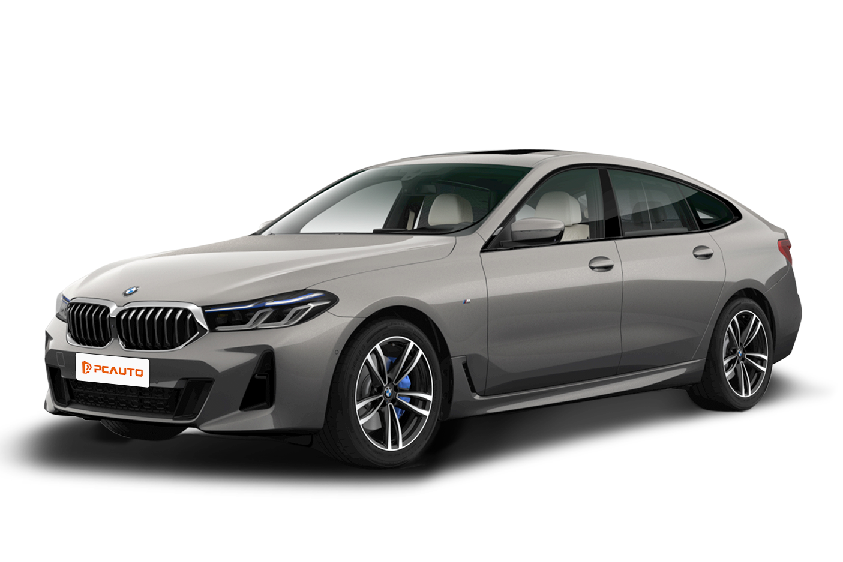
Cars With Similar Price And Features
8
Rank in SUV
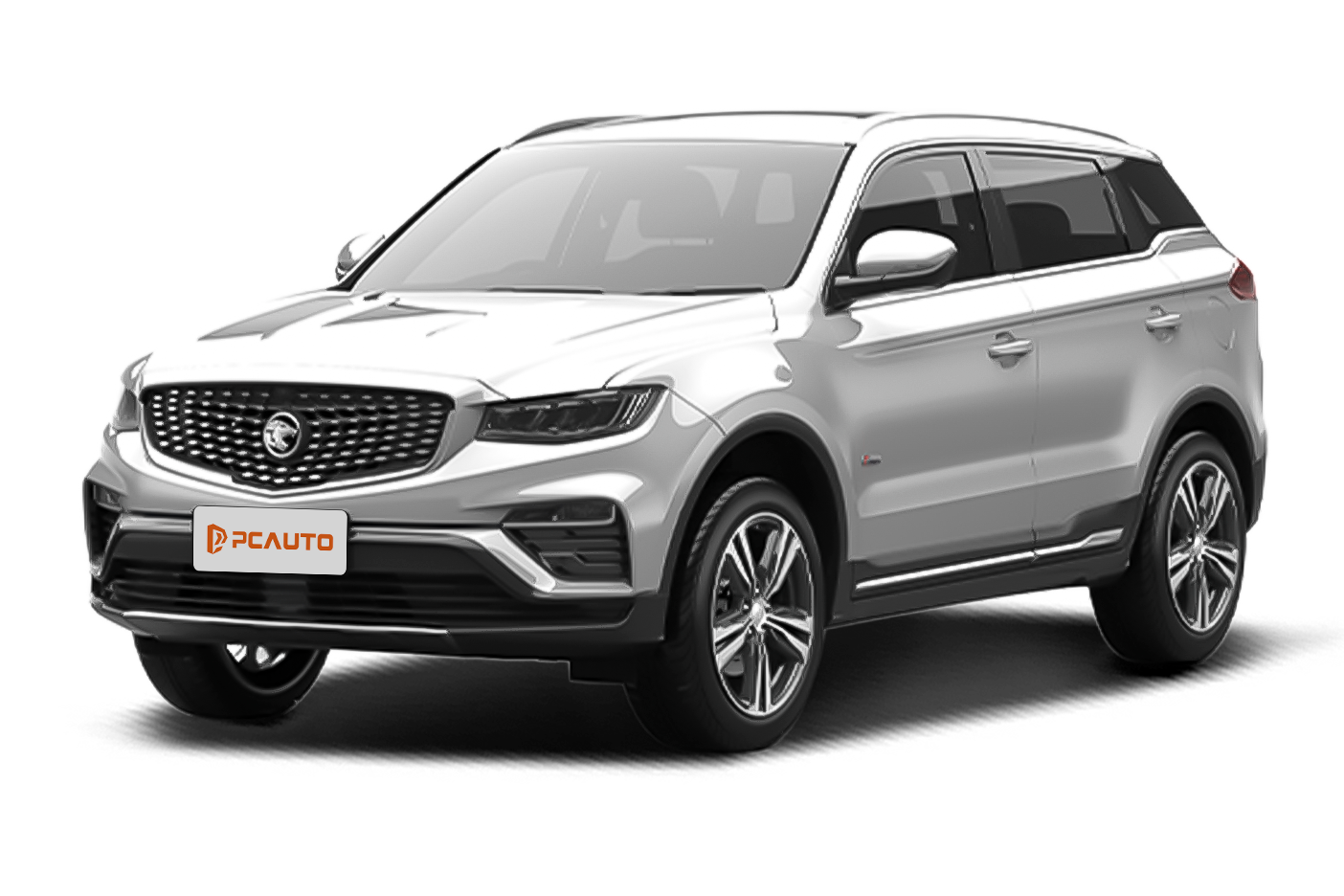
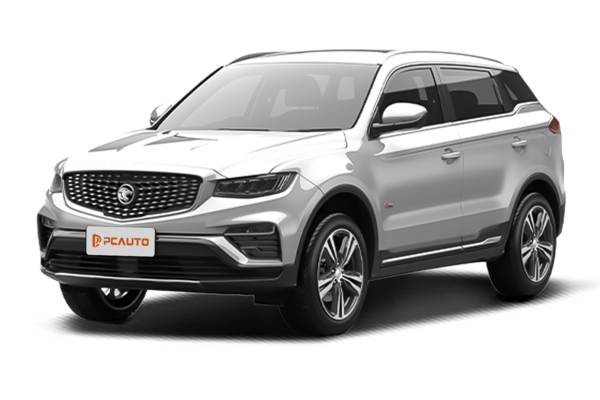
2026 Proton X70 1.5 TGDi Executive focuses on upgrading to a four-cylinder engine, practical configurations, and affordable pricing. It balances family commute practicality with value for money, making it a sensible choice among similarly priced C-segment SUVs.
10
Rank in SUV
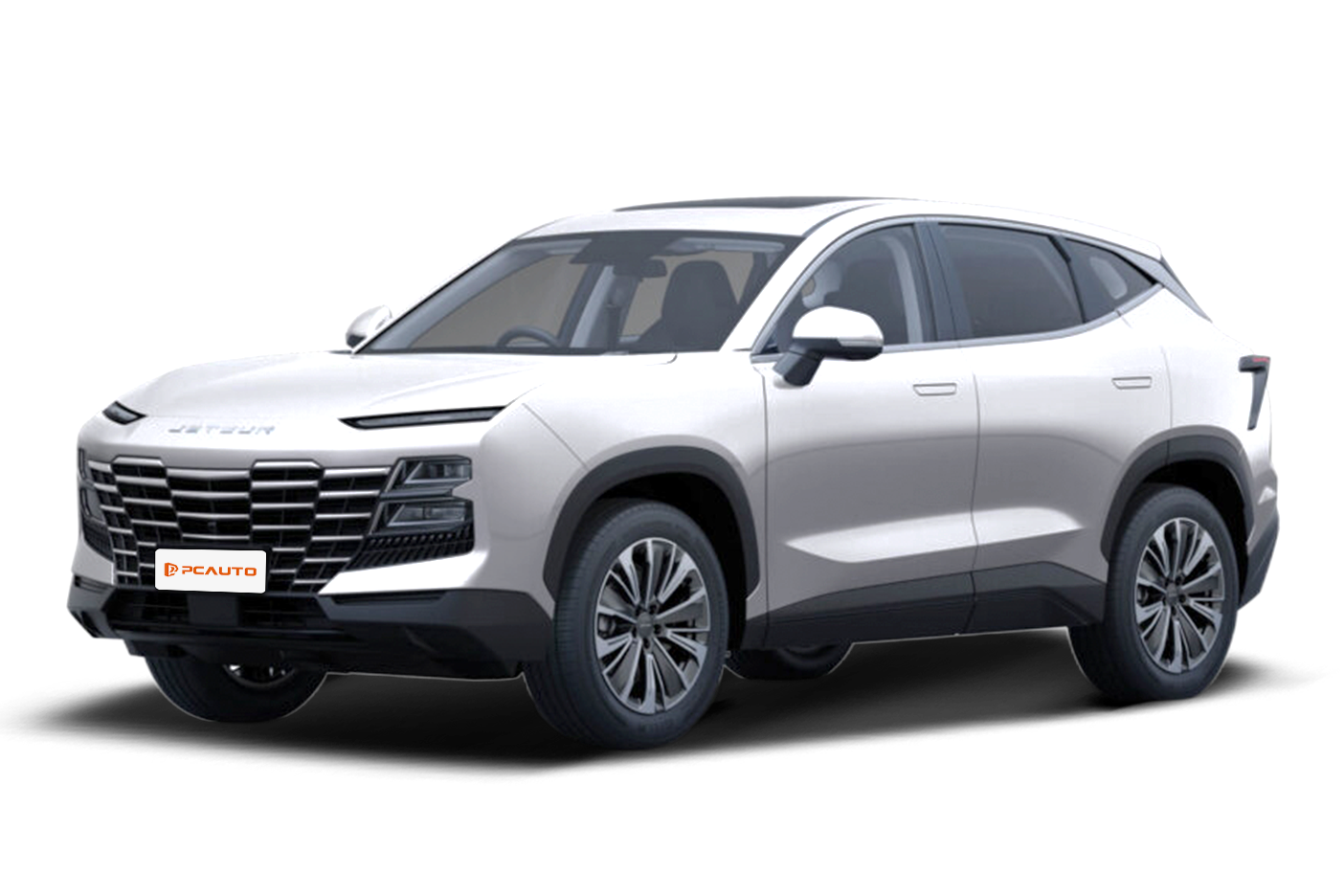
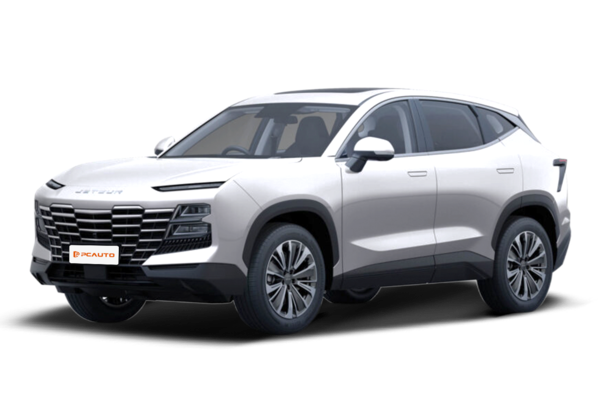
Jetour Dashing 1.5 TCI Comfort 2025 features a 2720mm long wheelbase and a 10.25-inch dual screen as its core, focusing on balanced cost performance to meet family practical needs.
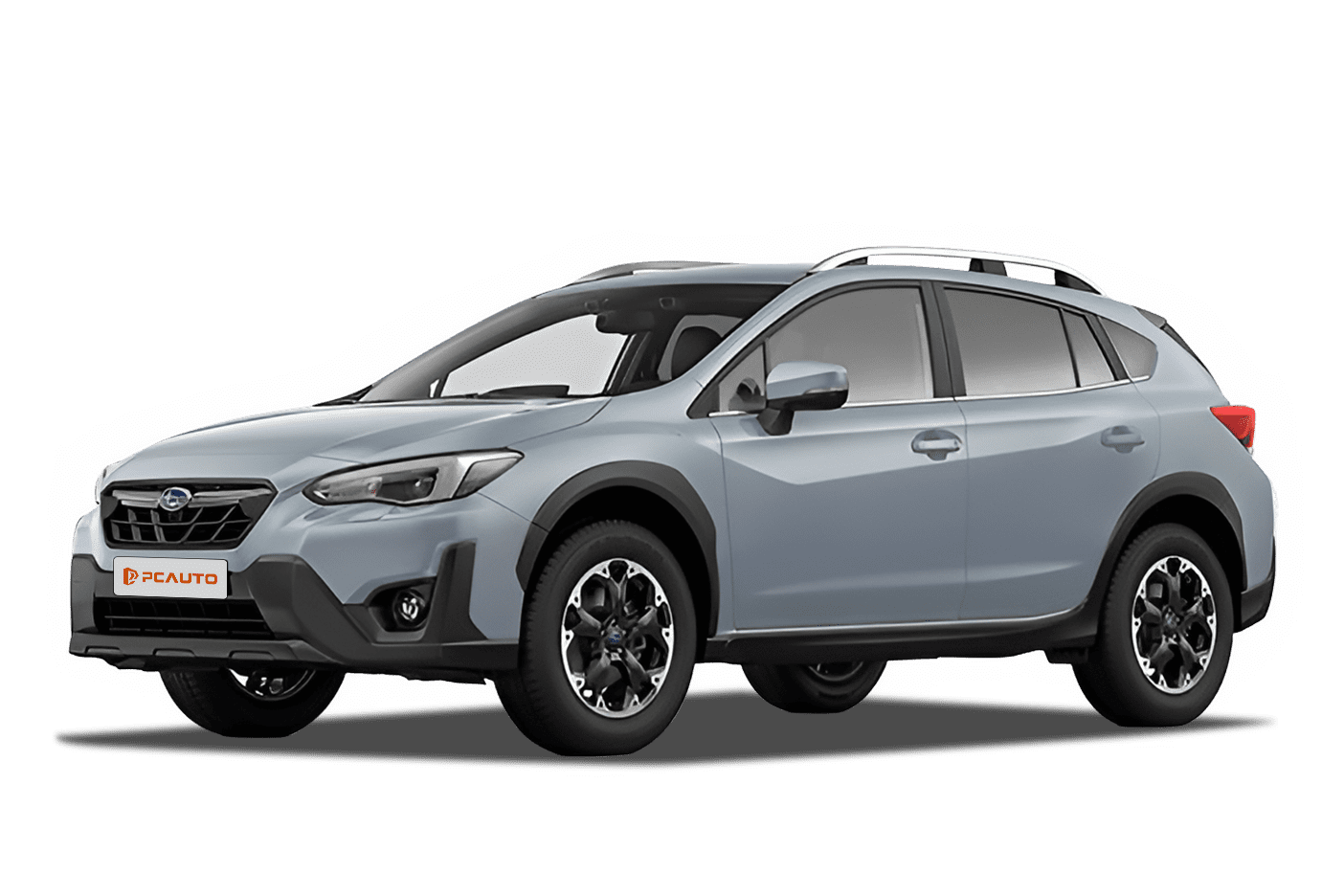
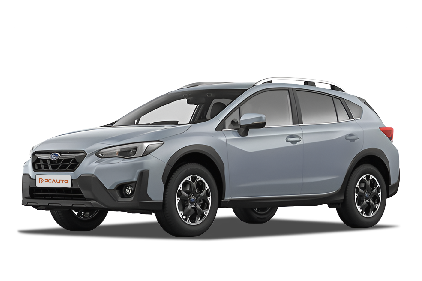
The 2021 Subaru XV 2.0i is a model targeting the C-segment crossover market, equipped with standard all-wheel drive and high safety features, balancing off-road capability and handling, with practical space.

2021 Hyundai Kona 2.0 Standard, as a high-value entry-level compact SUV, retains essential safety and practical features with an affordable price, meeting the daily commuting and loading needs of families.