

Bugatti Chiron 2017 Review

 Share
Share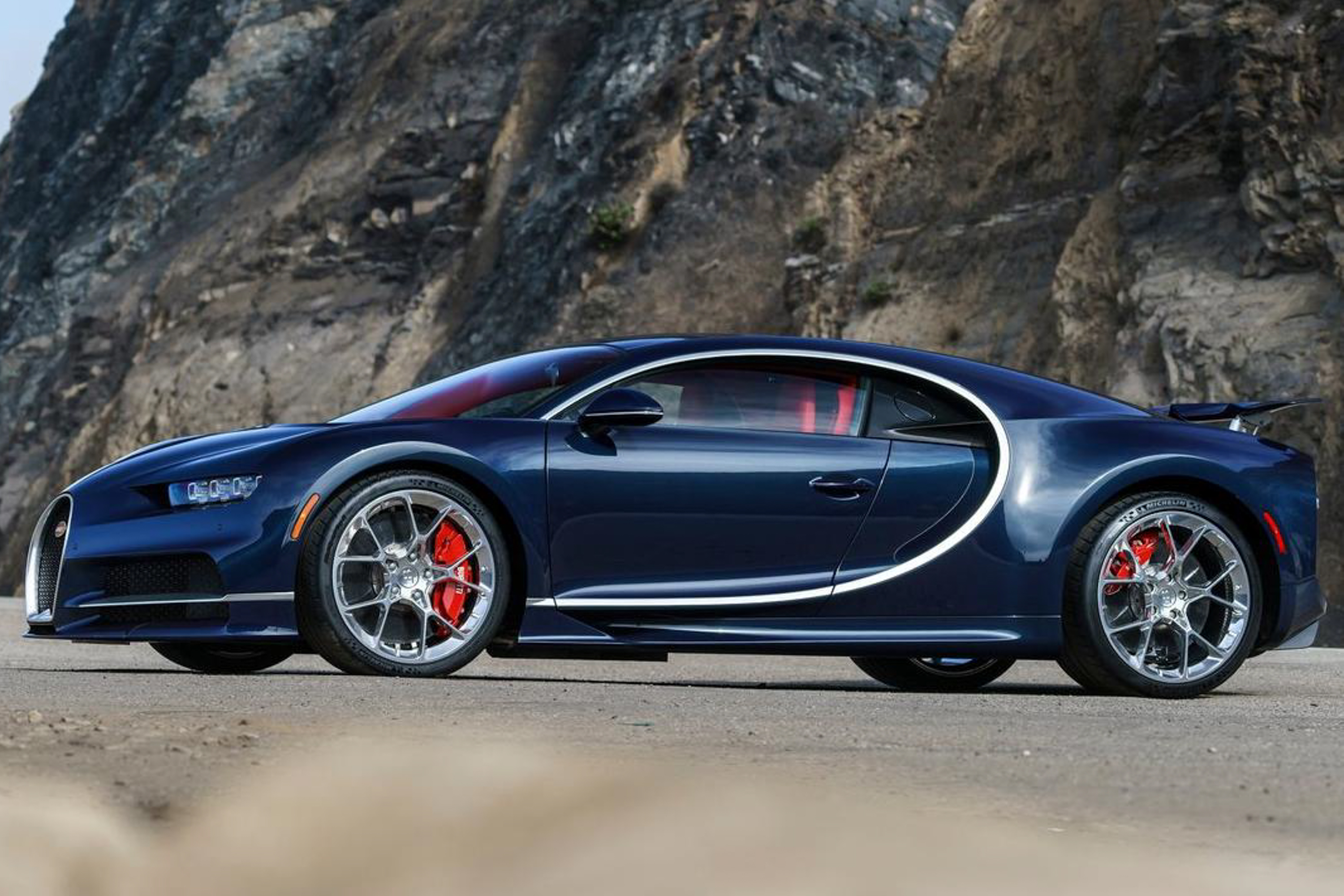
 Body Type
 Segment
 Capacity(L)
 Engine Power(PS)
 Engine Torque(Nm)
 Transmission
The competition in the current supercar market is no longer just about "speed." Consumers have increasingly high demands for extreme performance, luxurious feel, and a unique identity. As the flagship of the brand, the Bugatti Chiron has been regarded as a benchmark in the supercar realm since its debut. This time, we had the opportunity to test the 2017 Chiron. The main purpose was to verify whether it could truly achieve "all-rounder" status among supercars in terms of performance, luxury, and practicality, while also examining its performance in daily usage scenarios.
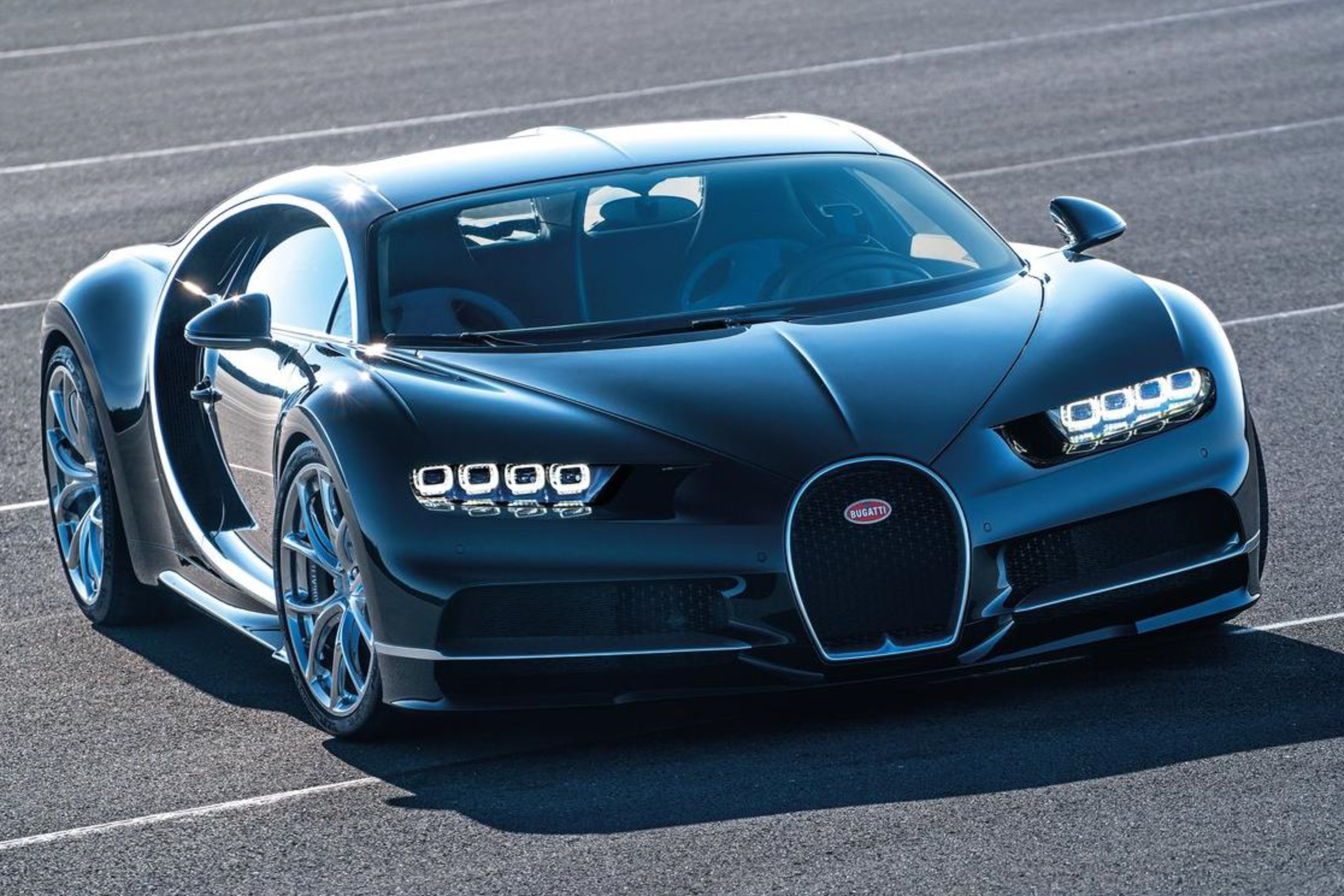
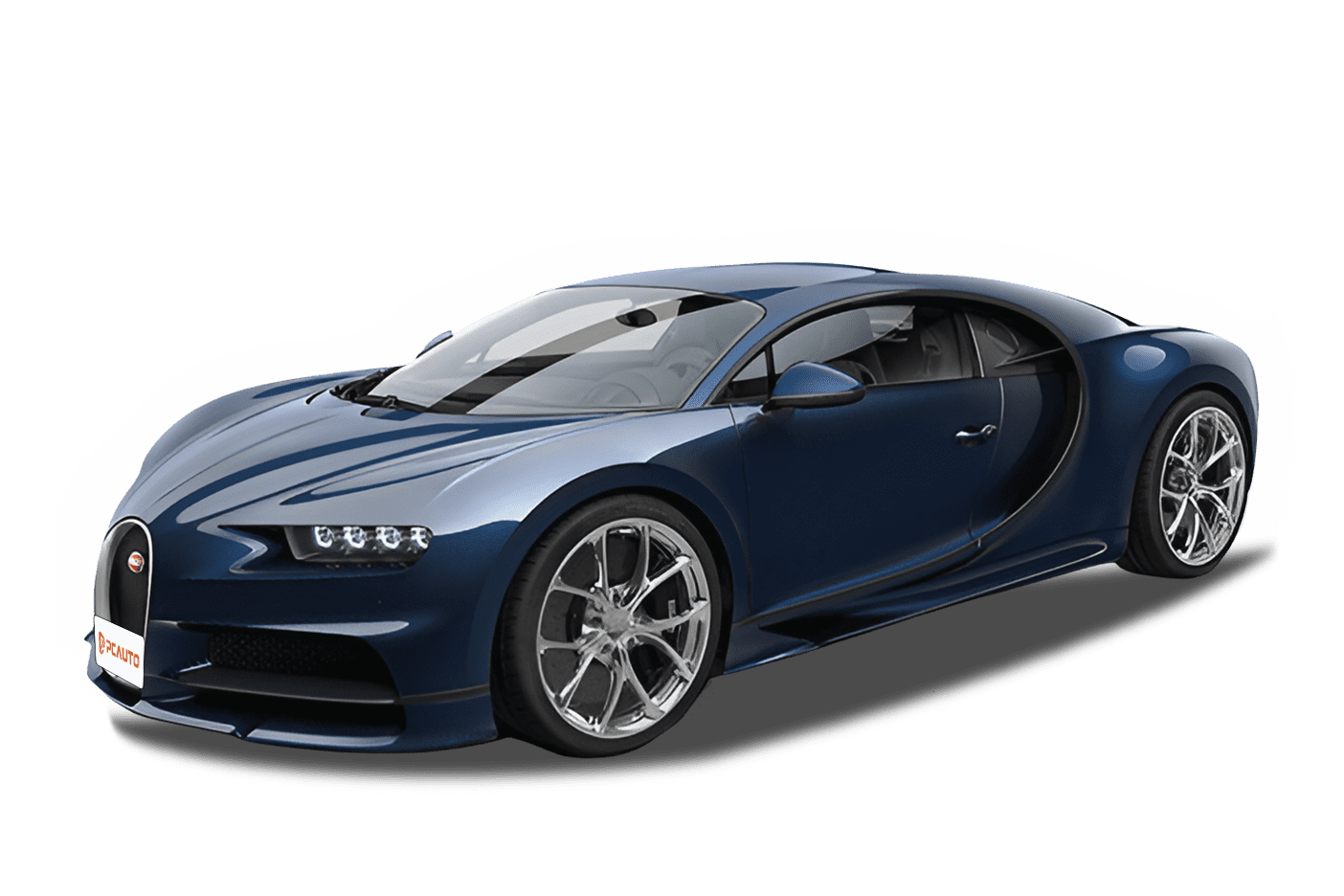
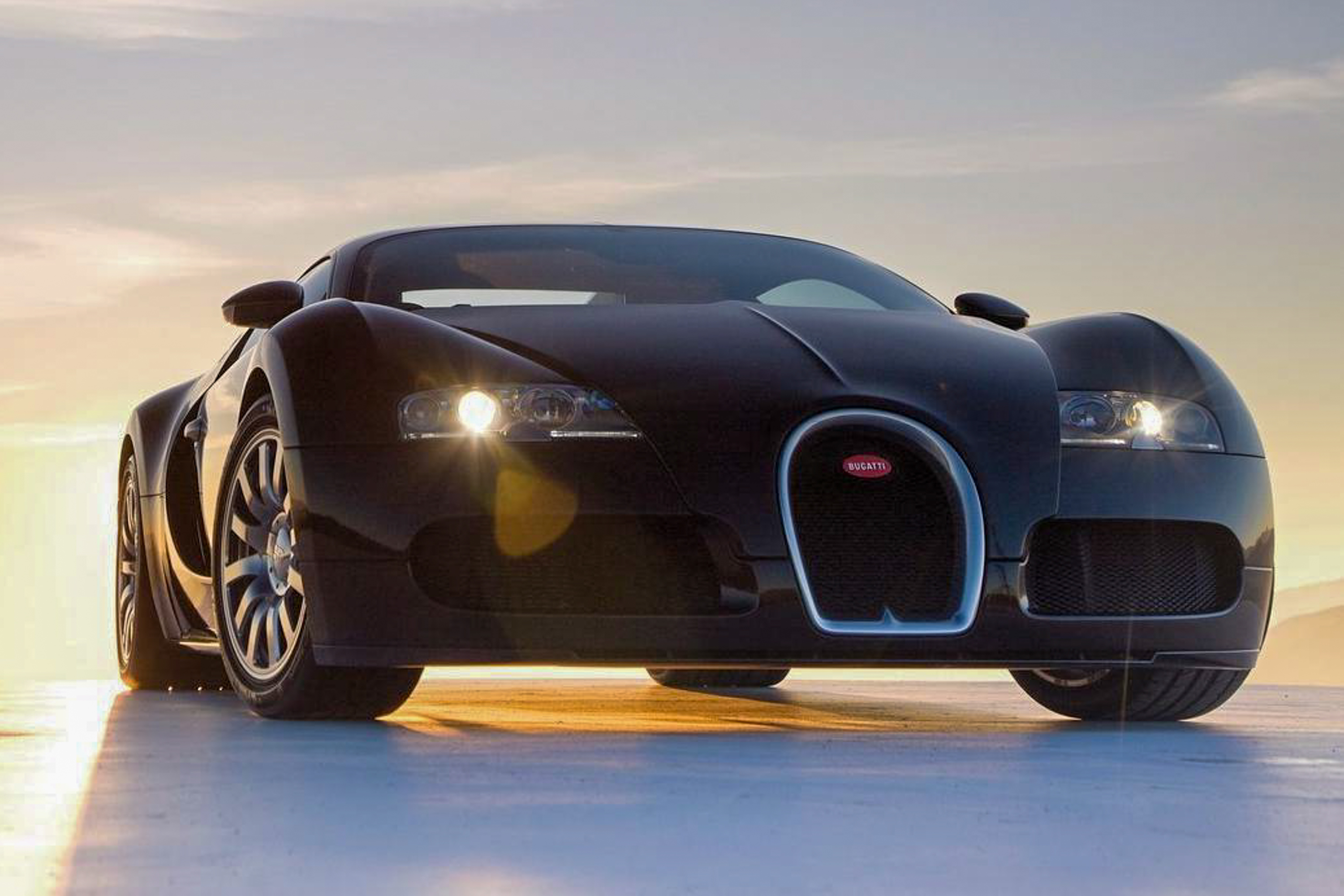
From a distance, the overall design of the Chiron continues Bugatti's signature streamlined aesthetics. The low body paired with a wide track exudes a strong sense of power visually. At the front, the vertical waterfall grille is wider than the previous generation, and the matrix-designed LED headlights on both sides include daytime running light strips, which are highly recognizable when lit up. Along the side, a sharp waistline runs from the front to the rear, paired with 20-inch multi-spoke alloy wheels, further enhancing the sporty vibe. The rear design is relatively simple, with a strip-style LED taillight array echoing the diffuser-shaped rear bumper, while the quad exhaust outlets on both sides directly emphasize its high-performance identity.
Sitting inside, the Chiron's interior materials are exceptionally robust. Large areas of authentic leather and carbon fiber panels cover the center console, door interiors, and other areas, offering a luxurious and textured touch. The center console is driver-focused, with a 12.3-inch fully digital instrument cluster seamlessly connected to an 8-inch central touch screen. The operational logic is clear, and the response speed is fairly quick. In terms of core configurations, it features adaptive cruise control, lane-keeping assistance, 360-degree surround-view cameras, and other active safety systems. The seats support 18-way electric adjustments and include heating and ventilation functions, providing great convenience and luxury in everyday use.
Regarding dimensions, the Chiron has a length, width, and height of 4544mm, 2038mm, and 1212mm, respectively, with a wheelbase of 2710mm. The front-row seating space is excellent; for a 180cm tall individual, there is about a fist's worth of headroom remaining after adjusting the seating position, and the legroom is relatively spacious. The rear seat feels more like an "emergency" design, with limited space that is better suited for short trips. In terms of storage capacity, the front trunk has a volume of 100 liters, which can accommodate a carry-on suitcase. The door panel storage slots and the central armrest box offer enough space for everyday small items. The rear row is equipped with independent air conditioning vents and USB charging ports, sufficiently meeting practicality needs.
The power system is the highlight of the Chiron. It is equipped with an 8.0-liter W16 quad-turbocharged engine, delivering a maximum power of 1500 horsepower and a peak torque of 1600 Nm, paired with a 7-speed dual-clutch transmission. During actual driving, the power output in standard mode is already quite strong. The throttle responds sensitively at startup, and a light press yields a noticeable sense of thrust. When switched to sport mode, the power reserve seems inexhaustible. During acceleration, there is no significant turbo lag; it can accelerate from 0 to 100km/h in just 2.5 seconds, and 0 to 200km/h in only 6.5 seconds, providing immense confidence during overtaking.
In terms of handling, the Chiron's steering wheel is precise with minimal play. It feels light at low speeds and becomes stable at high speeds, giving the driver ample confidence. The suspension system adopts adaptive air suspension. In standard mode, it absorbs most of the minor bumps on the road, providing good comfort; in sport mode, the suspension stiffens notably, enhancing support and ensuring minimal body roll during cornering, delivering outstanding stability. When handling bumpy roads, the suspension's rebound speed is quick, avoiding unnecessary shakes. Overall, it strikes a balance between comfort and sportiness.
Regarding fuel consumption, we tested over 100 kilometers under mixed road conditions, with an average fuel consumption of approximately 22L/100km, and about 18L/100km on highways, which aligns with the expectations of a high-displacement supercar. The braking performance is excellent, with a braking distance of only 31 meters from 100km/h to 0. The braking process is linear and stable.
In terms of driving comfort, the Chiron performs well in noise control. At high speeds, wind and tire noise are relatively low, while engine noise during normal driving is not overly prominent. The seats offer great support and wrapping, ensuring no discomfort even during long drives. However, due to the low body height, getting in and out of the car requires some bending, which might be slightly inconvenient for daily use.
Overall, the standout features of the 2017 Chiron are its extreme power performance, luxurious interior materials, and comprehensive configuration. Compared to competitors like the Lamborghini Aventador SVJ in the same class, it holds an advantage in power parameters and offers more complete features, though it comes with a higher price tag. This car is more suitable for consumers who pursue extreme performance while valuing luxurious quality, such as supercar enthusiasts or performance lovers with substantial financial capabilities.
In conclusion, the Chiron strikes a good balance between performance, luxury, and practicality. Although the rear space and everyday convenience might not match ordinary family cars, as a supercar, it has achieved "all-round" capabilities. If you’re looking for a supercar that can excel both on the track and fulfill daily commuting needs, the Chiron is a great choice.
Bugatti Chiron Car Compare
More Bugatti Reviews
Cars With Similar Price And Features
8
Rank in Coupe
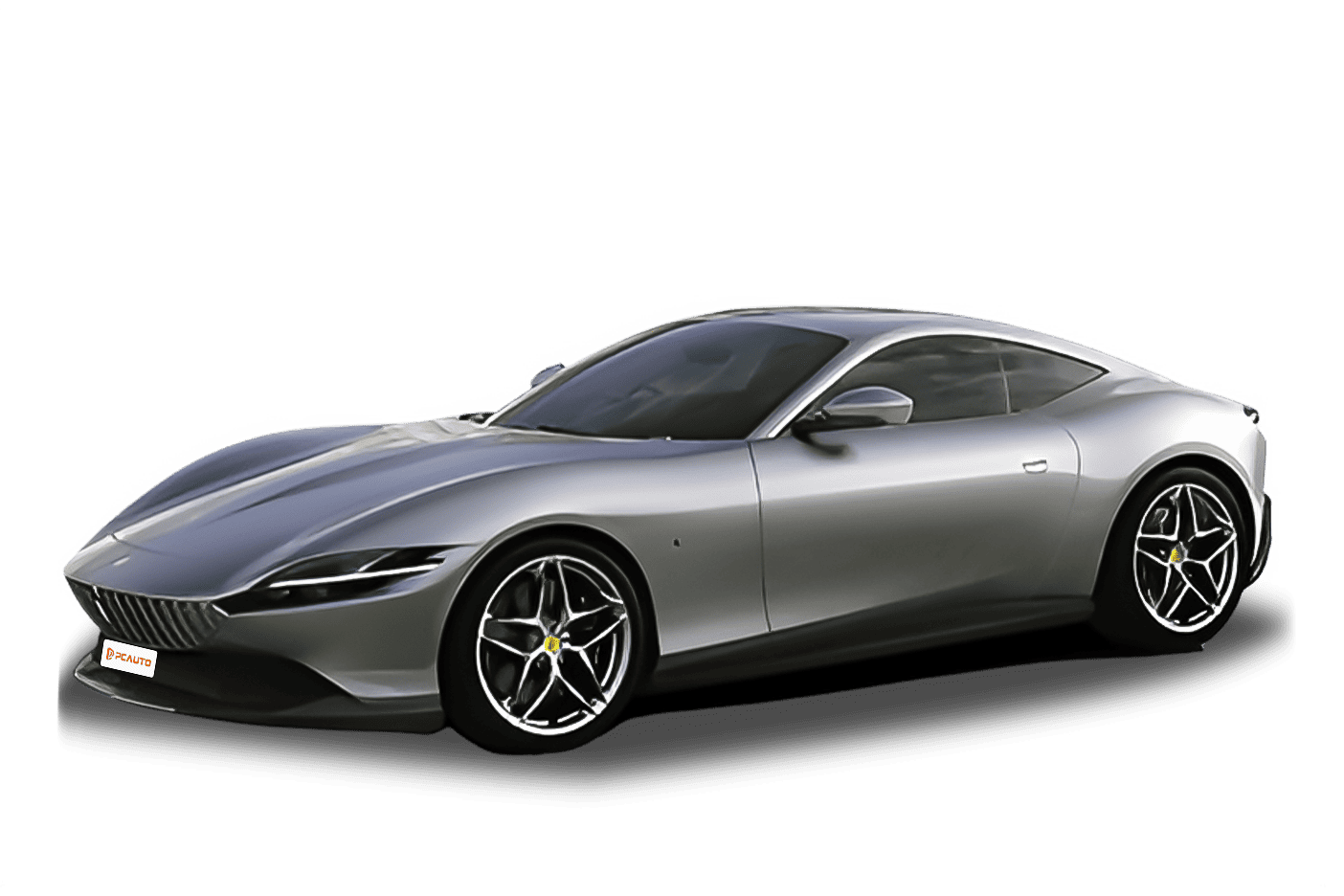
2023 Ferrari Roma Spider is a hardtop convertible GT supercar that combines elegant style with powerful performance, 13.5-second fast-opening soft top + 620PS power, practical for daily use and full of driving pleasure.

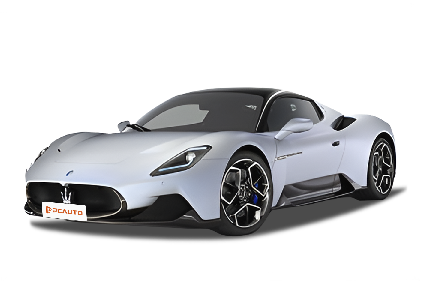
2023 Maserati MC20 Cielo is a two-seater supercar that combines track-level performance with convertible romance, equipped with a 630PS 3.0T V6 engine, a glass hardtop that opens and closes in 12 seconds, and accelerates to 100 km/h in 2.9 seconds.
2
Rank in Coupe
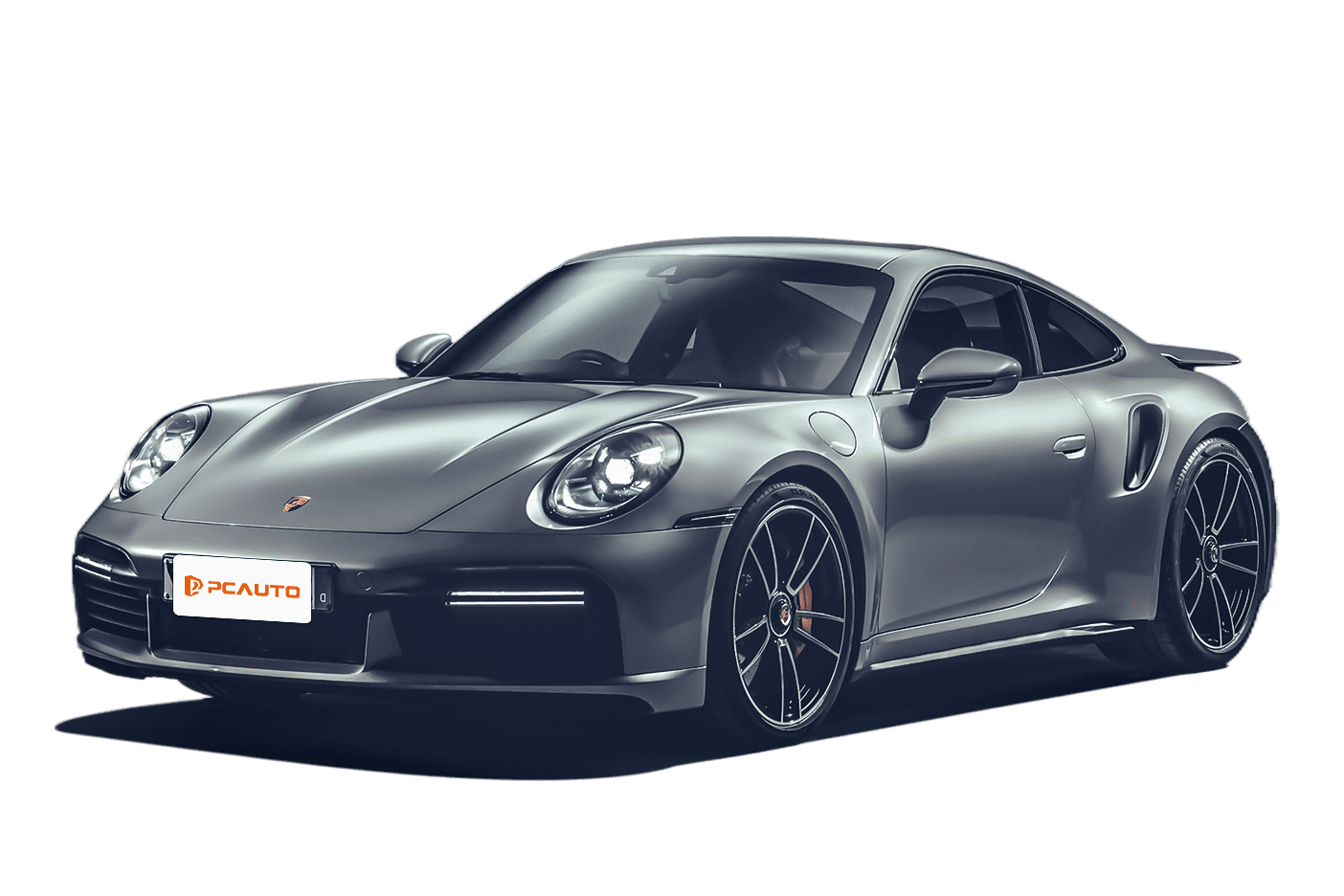
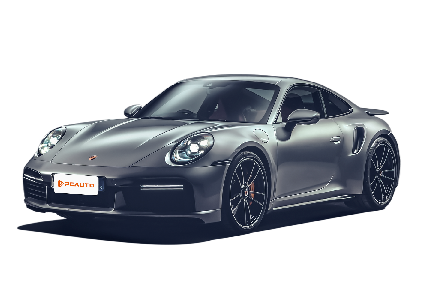
The 2025 Porsche 911 Carrera, as a classic entry-level coupe, features a 0-100 km/h acceleration in 3.9 seconds with its 3.0T+PDK performance, combining practical daily configurations and iconic design to balance track excitement with commuting convenience.
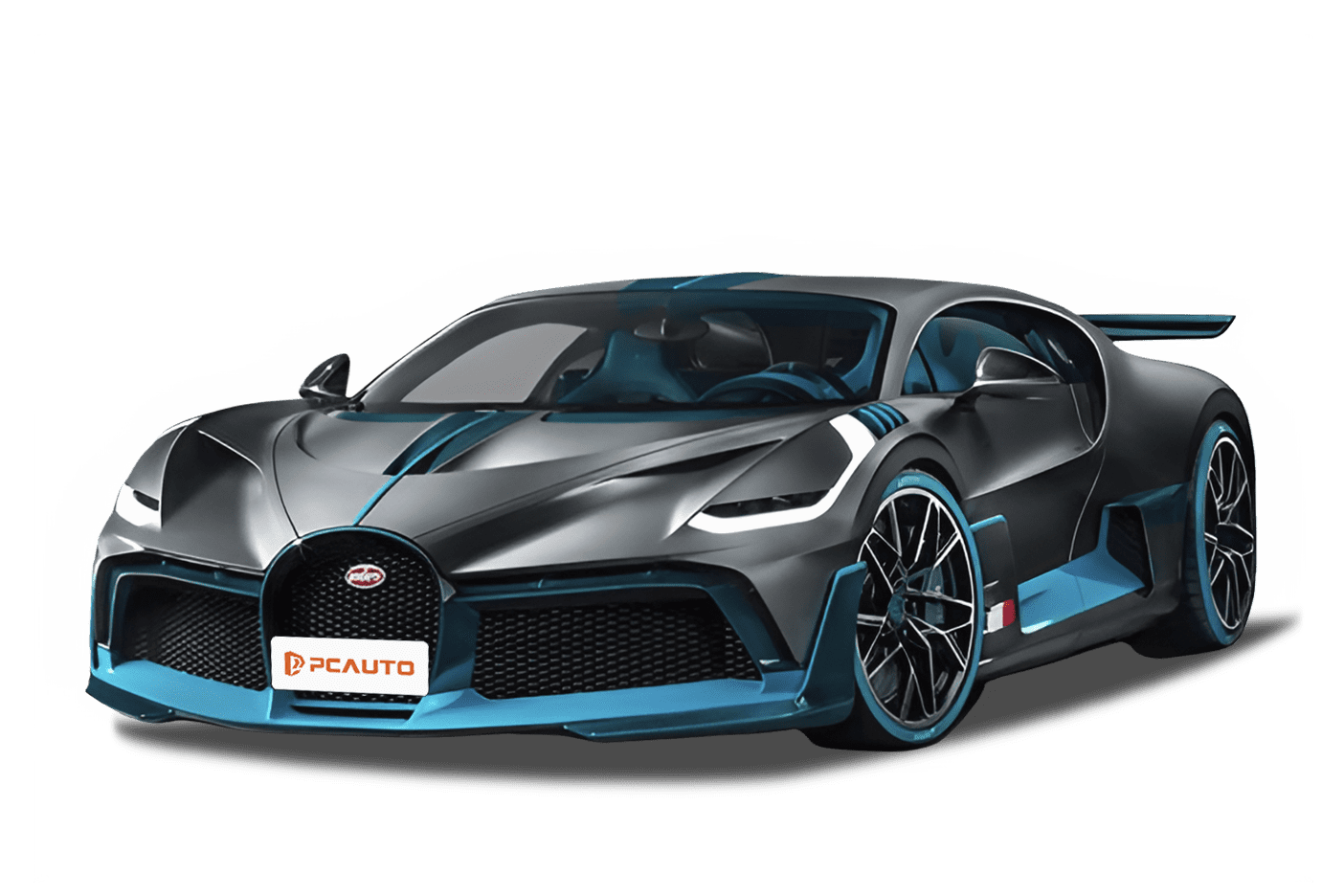
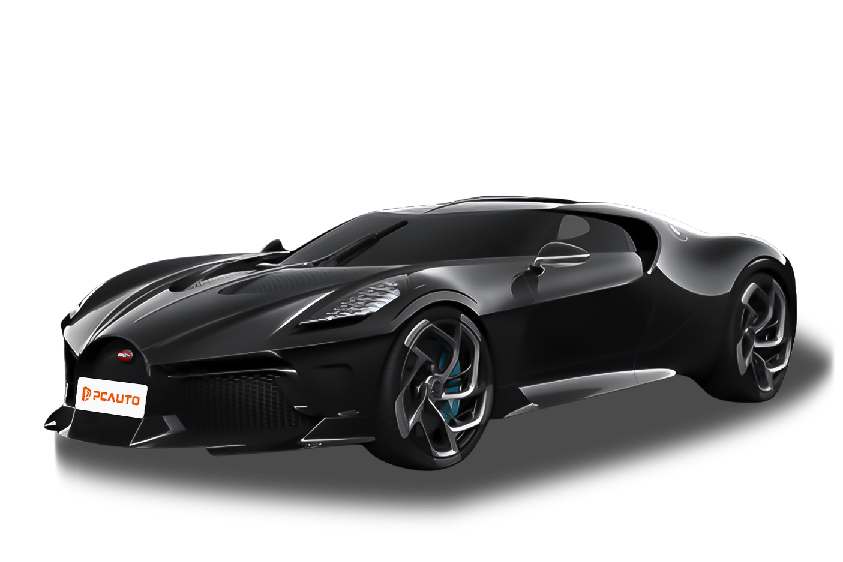
2023 Bugatti Divo, as a limited-edition hypercar and an advanced version of the Chiron, features track-focused aerodynamic design, 1520PS of brutal power, and precise handling, embodying the ultimate performance of being "born for the curves."