

BYD Seal 2025 Review

 Share
Share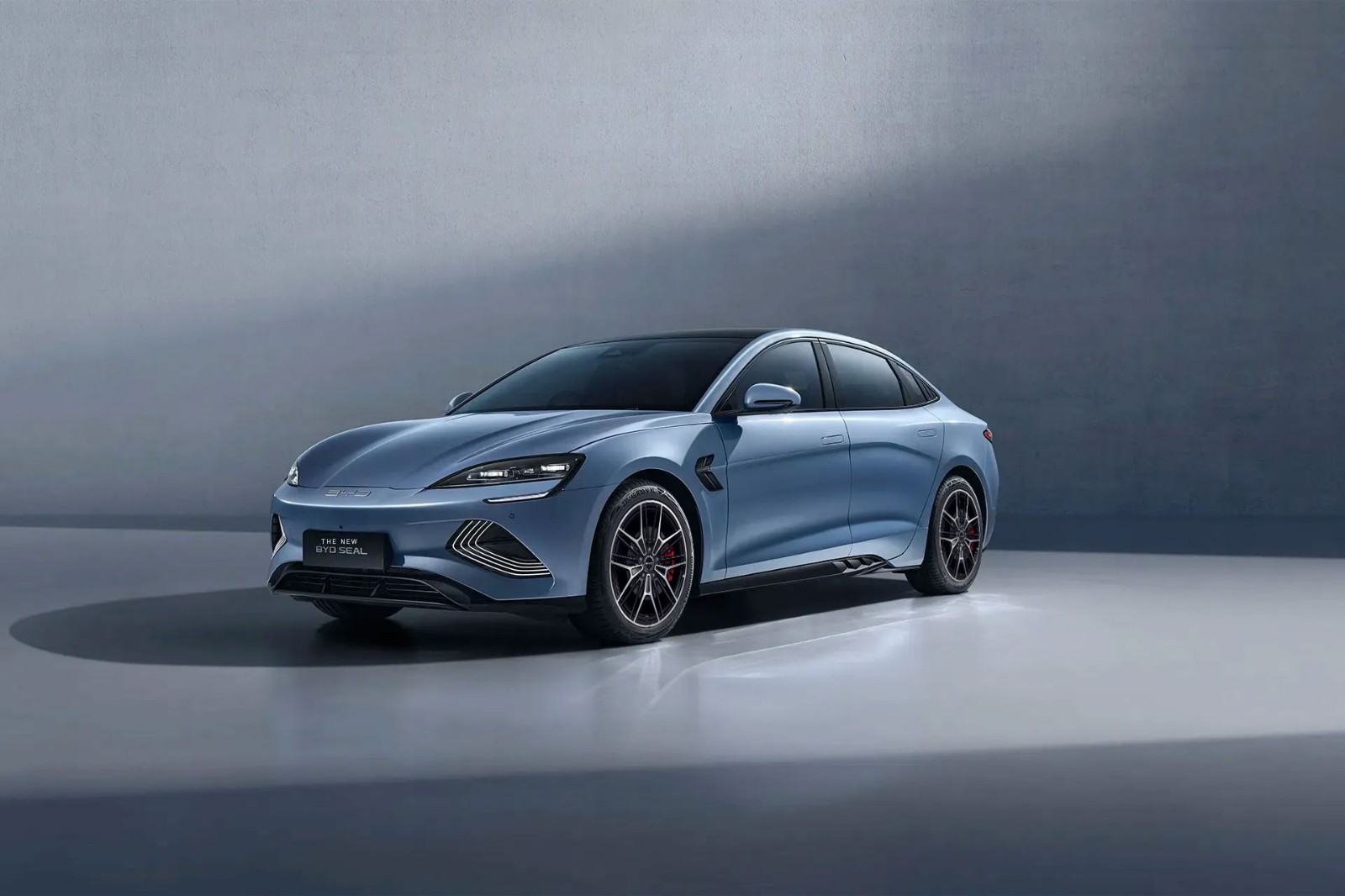
 Segment
 Body Type
 Motor Output(kW)
 Motor Torque(Nm)
 EV Range(km)
 Battery Capacity(kWh)
As the electrification of the D-segment sedan market in Malaysia accelerates, consumers' demand for long-range, high-configuration electric vehicles is becoming increasingly evident. The newly launched 2025 BYD Seal Premium (Extended Range) targets this specific segment, with an official range of 650 kilometers and comprehensive configurations as its core selling points, attracting the attention of many family users and value-oriented consumers. This test will focus on its actual range achievement rate, dynamic performance, and configuration practicality to determine whether this vehicle can stand firm in its segment.
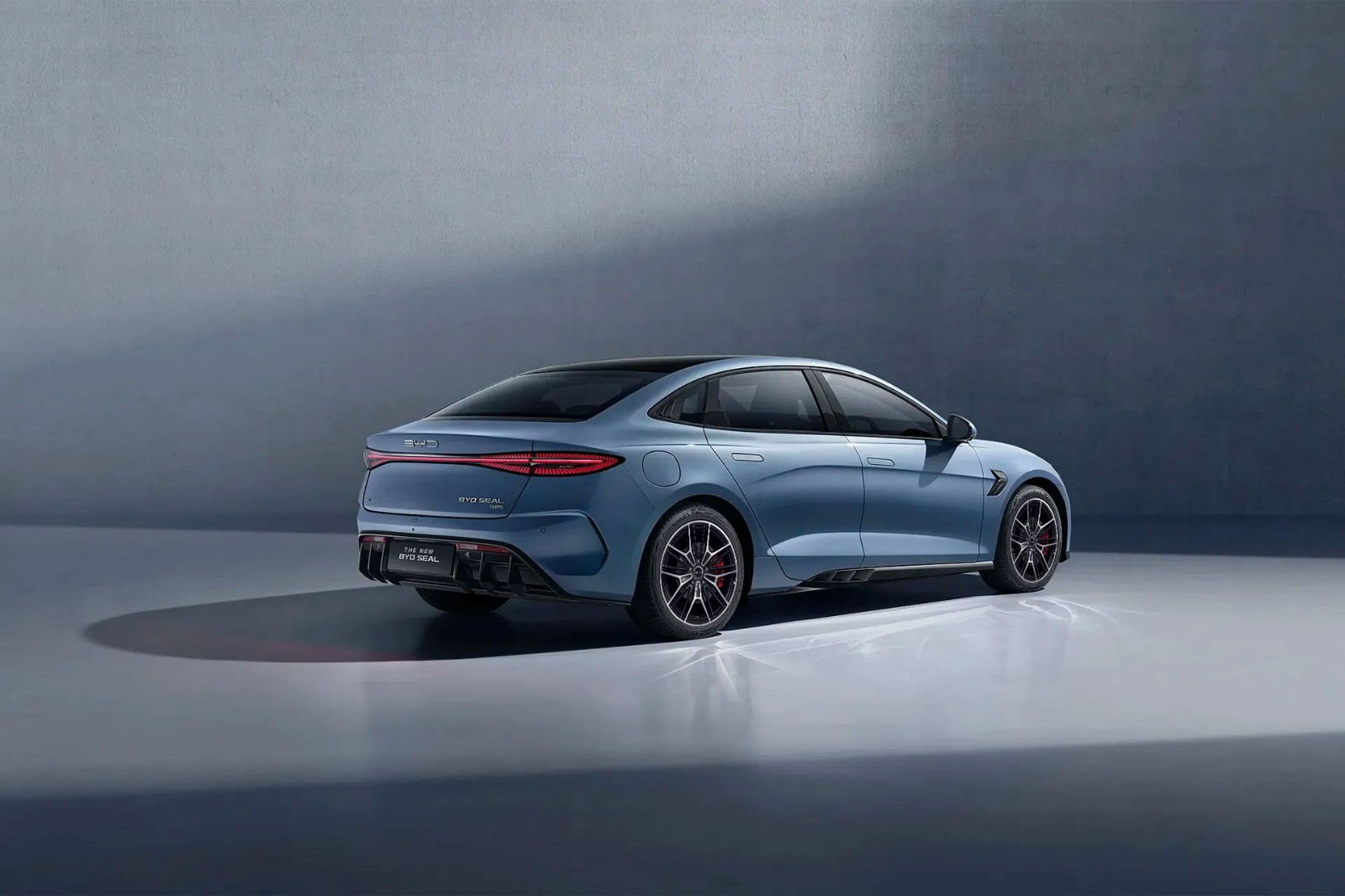
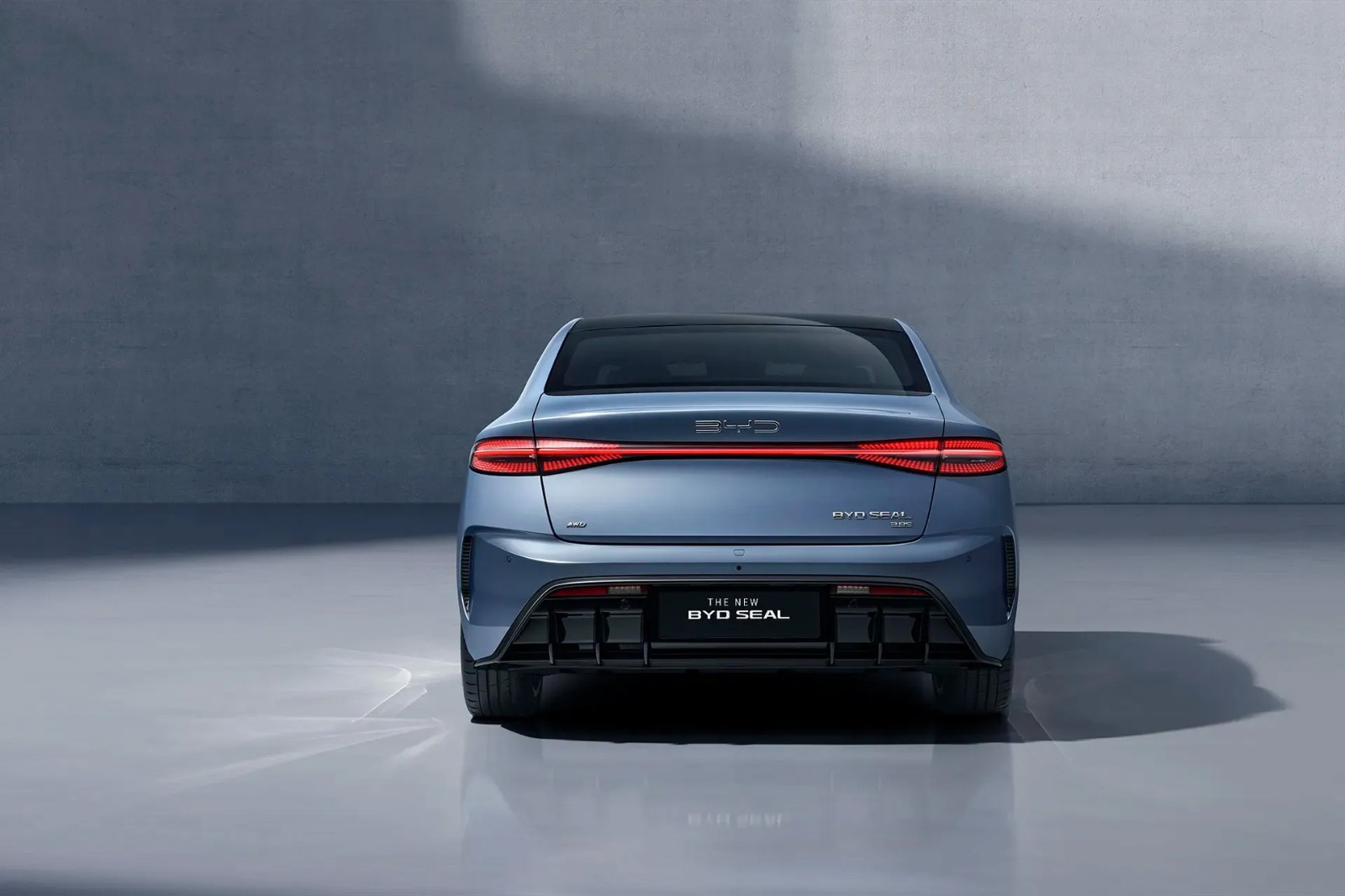
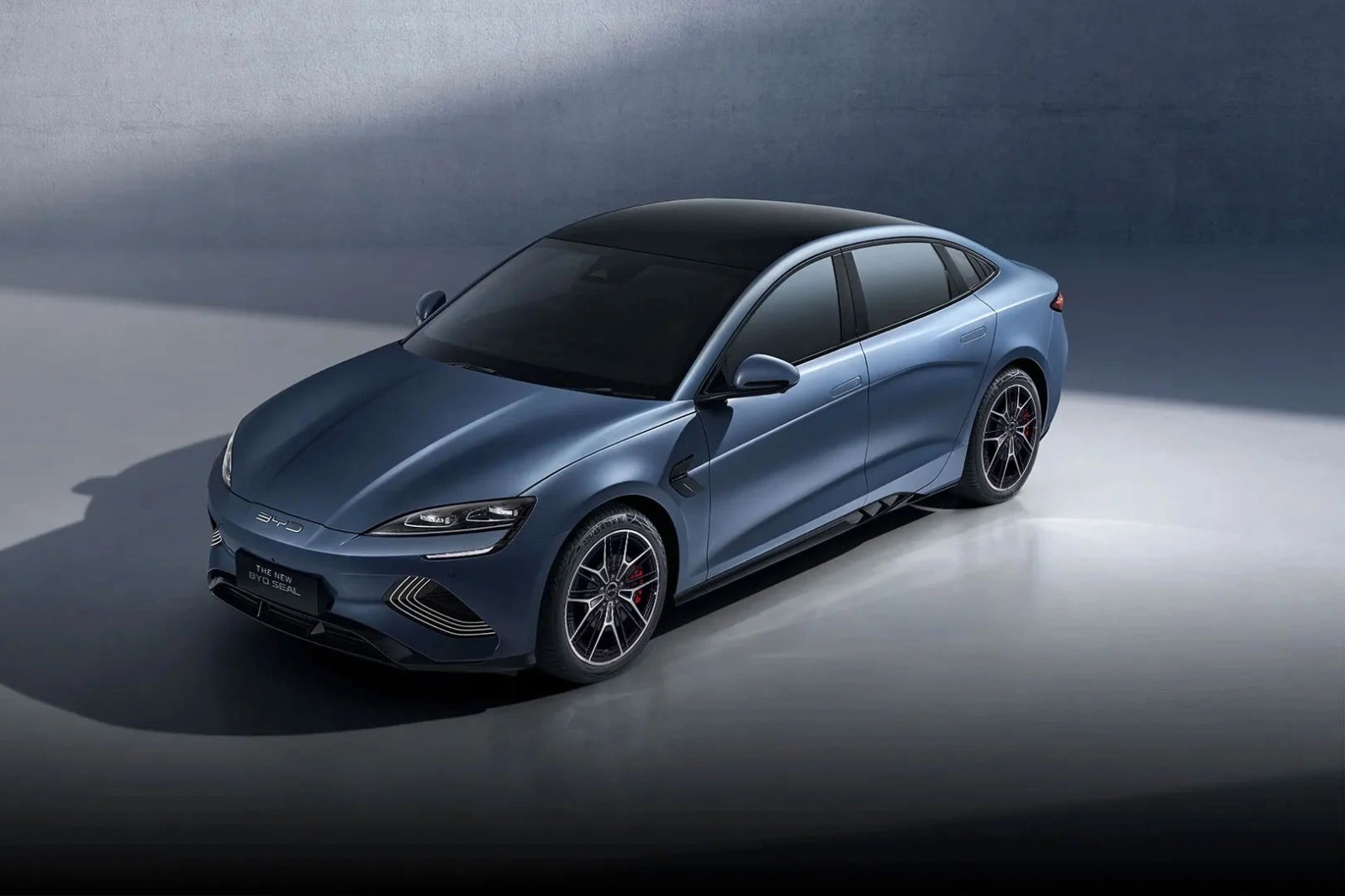
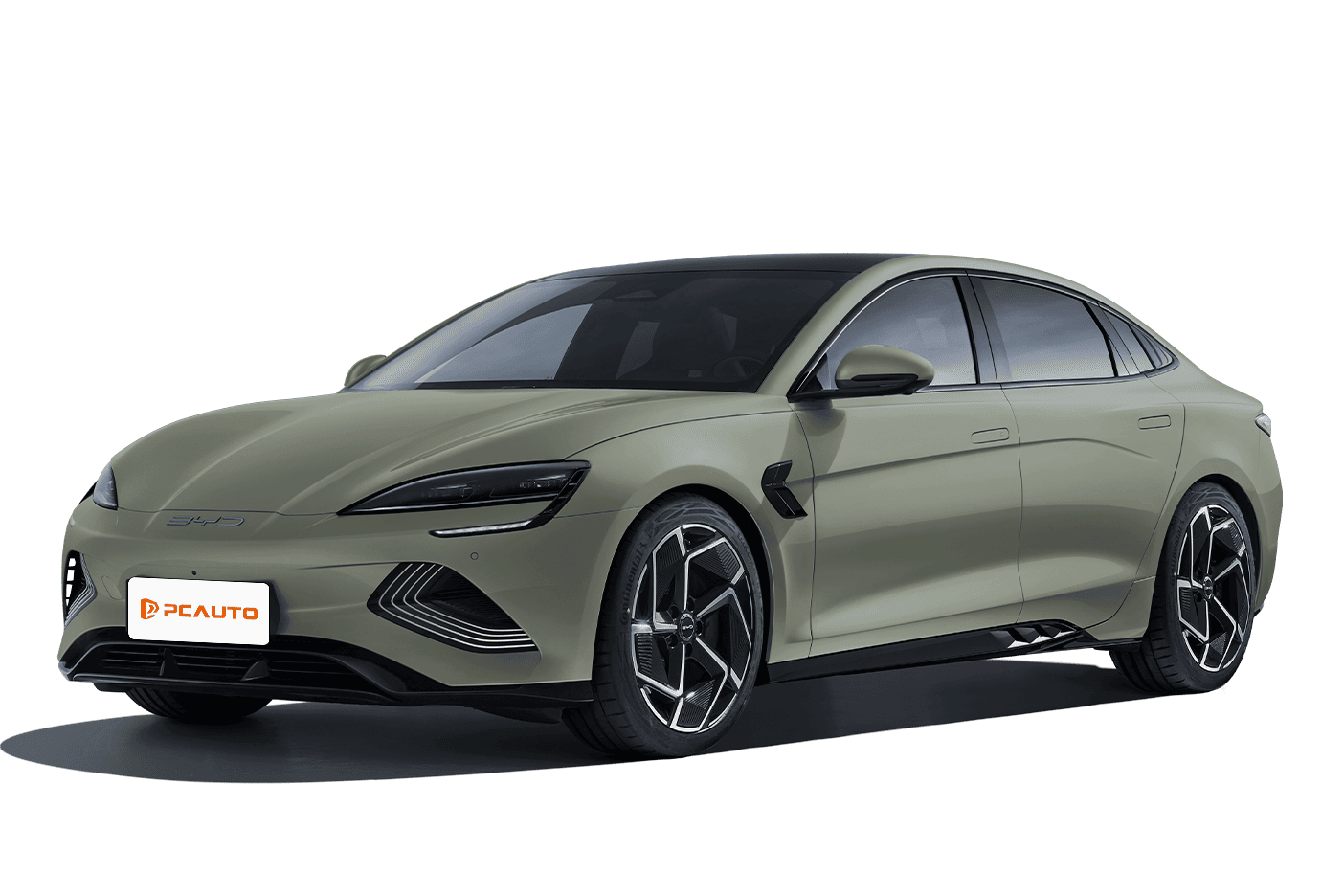
The vehicle dimensions are 4800mm × 1875mm × 1460mm, with a wheelbase of 2920mm, presenting an overall low and sporty stance. The front features a closed design paired with a through-type LED daytime running light, and the sharply styled headlights on both sides give it a high degree of recognition. The side profile has smooth lines, with a waistline running from the front fender to the rear enhancing its muscular feel. The 19-inch wheels paired with 235/45 R19 tires provide a stable visual effect. At the rear, the through-type LED taillights echo the front design. The rear bumper has a clean design with no exhaust pipes, aligning with its electric vehicle identity. The lighting system uses LED sources across the board, with automatic headlights and front/rear fog lights as standard, offering clear illumination at night.
The interior features a dark color scheme, with the center console equipped with a floating 15.6-inch touchscreen that supports rotation, offering good operational smoothness. The seats are wrapped in leather, with the front seats supporting electric adjustments. The driver's seat offers ample adjustability and adequate seating support. In terms of features, the entire lineup comes standard with a fully digital instrument cluster, HUD (head-up digital display), a 12-speaker Dynaudio sound system, and 220V/230V power outlets, providing high convenience for daily use. The intelligent system supports voice control, enabling functionalities such as navigation and multimedia operations, and its response speed is satisfactory.
The 2920mm wheelbase brings spacious rear legroom, and for a passenger 175cm tall, more than two fist widths remain for legroom, and about one fist for headroom, meeting daily family use. The trunk has a capacity of 400L with a moderately wide opening, and can fit two 28-inch luggage pieces with space to spare. The rear seats support a 60:40 split-folding function, allowing further expansion for storage. Air conditioning vents are equipped in both front and rear rows, with USB charging ports provided in the rear, reflecting well-thought-out details.
In terms of power, it is equipped with a rear-mounted permanent-magnet synchronous motor, with a maximum power of 230kW (308PS) and a peak torque of 360N·m. The official 0-100km/h acceleration time is 5.9 seconds. In actual driving, the ECO mode provides smooth power output, suitable for urban commuting, while in SPORT mode, the throttle response accelerates significantly, offering ample power for quick starts and overtaking, accompanied by a strong push-back feeling. In the range test, with the air conditioning turned on (24℃ auto mode), the car traveled 320 kilometers under mixed driving conditions, leaving a remaining range of 310 kilometers displayed. The achievement rate was approximately 97%, consistent with the official data. Under fast-charge conditions, it takes 0.6 hours to charge from 30% to 80%, while slow charging takes 15.2 hours, catering to different charging scenarios.
The chassis features a front double-wishbone and rear five-link independent suspension, tuned for comfort. When passing speed bumps or rough roads, the suspension effectively filters out vibrations, with the vehicle body remaining stable and no significant residual vibrations. During cornering, the steering wheel has a moderate weight with minimal slack, body roll is controlled within a reasonable range, and the confidence in cornering is sufficient. The rear-wheel-drive layout provides good handling agility, with high steering accuracy during everyday driving. In terms of noise control, at speeds below 60km/h, interior noise mainly comes from tire noise; after exceeding 80km/h, wind noise becomes noticeable, but overall remains within an acceptable range.
The core highlights focus on long range, high configuration, and cost-effectiveness. Compared to the Tesla Model 3 Rear-Wheel Drive of the same class, the Seal Premium offers a longer official range, richer configurations (such as an HUD and Dynaudio sound system), and is approximately RM20,000 cheaper, highlighting its cost-performance advantage. Compared to the XPeng P7i Rear-Wheel Drive version, the two have a similar range, but the Seal Premium's acceleration performance is slightly weaker; however, it is more competitively priced. Overall, it is suitable for family users focusing on range and configuration, as well as young consumers seeking value for money.
With a well-rounded overall performance, high range achievement rate, comprehensive configuration, and reasonable pricing, the 2025 BYD Seal Premium (Extended Range) is worth considering if you are looking for an electric car for daily commuting and long-distance trips, while also hoping for comfort and practicality. Its advantages in range, configuration, and cost-effectiveness make it a strong contender in the D-segment electric sedan market.
BYD Seal Car Compare
BYD Seal Loan Calculator
More BYD Reviews
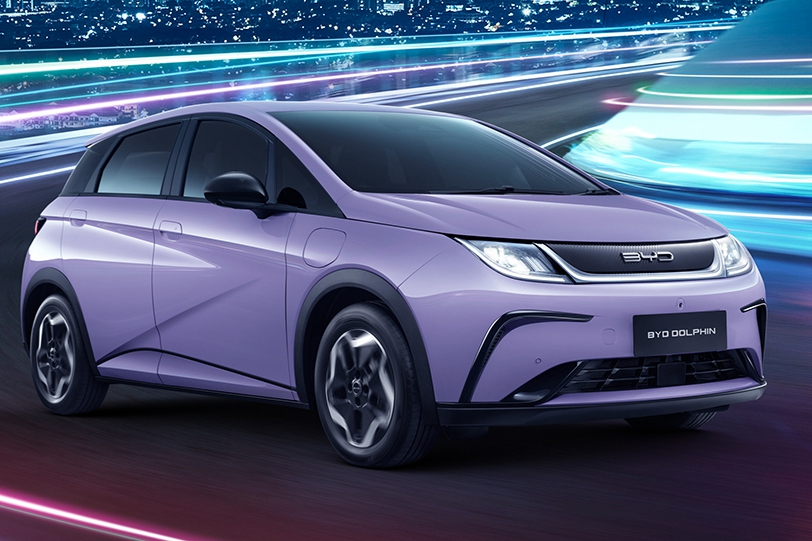
Cars With Similar Price And Features

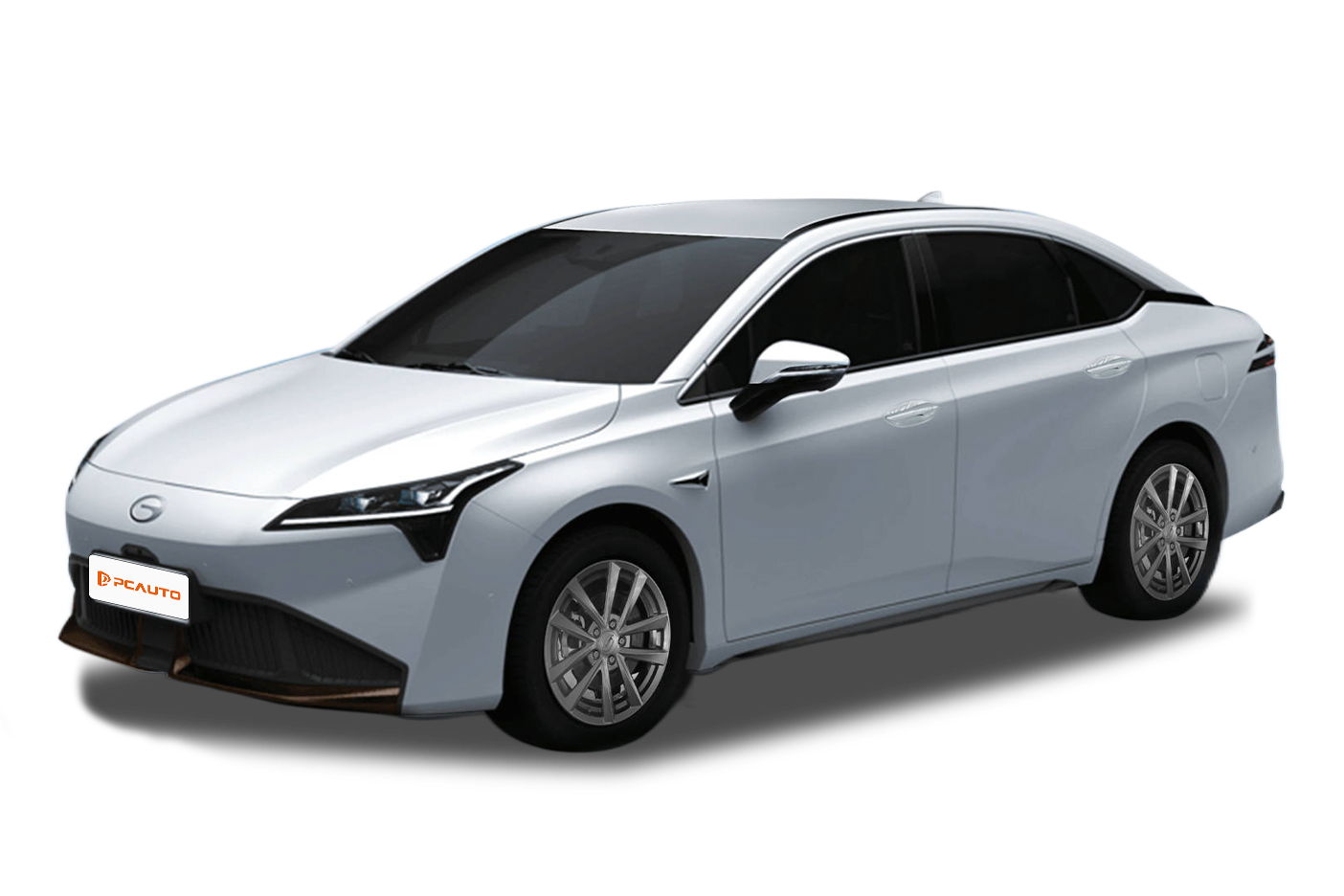
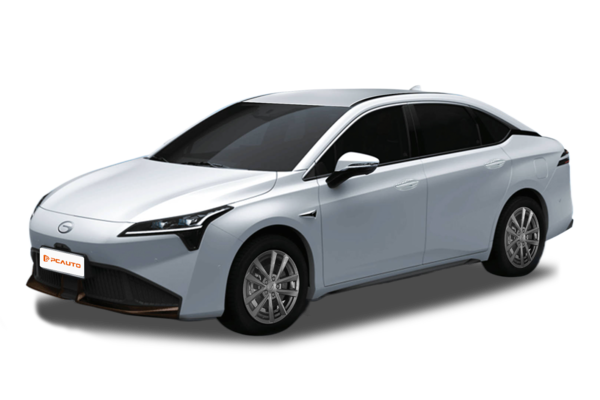
The 2024 GAC Aion ES EV is a cost-effective pure electric mid-size family car featuring reliable range, practical space, and balanced configuration, suitable for families focused on practicality.
20
Rank in Sedan

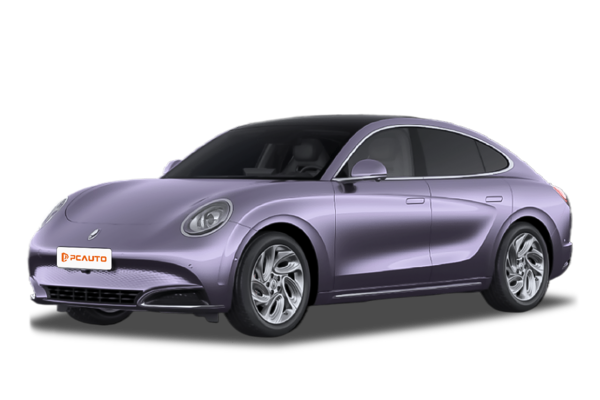
2024 ORA 07 Long Range Ultra with a core focus on 640km long range, paired with superior configuration and practical space, is a D-class electric coupe that balances household comfort and cost-effectiveness.
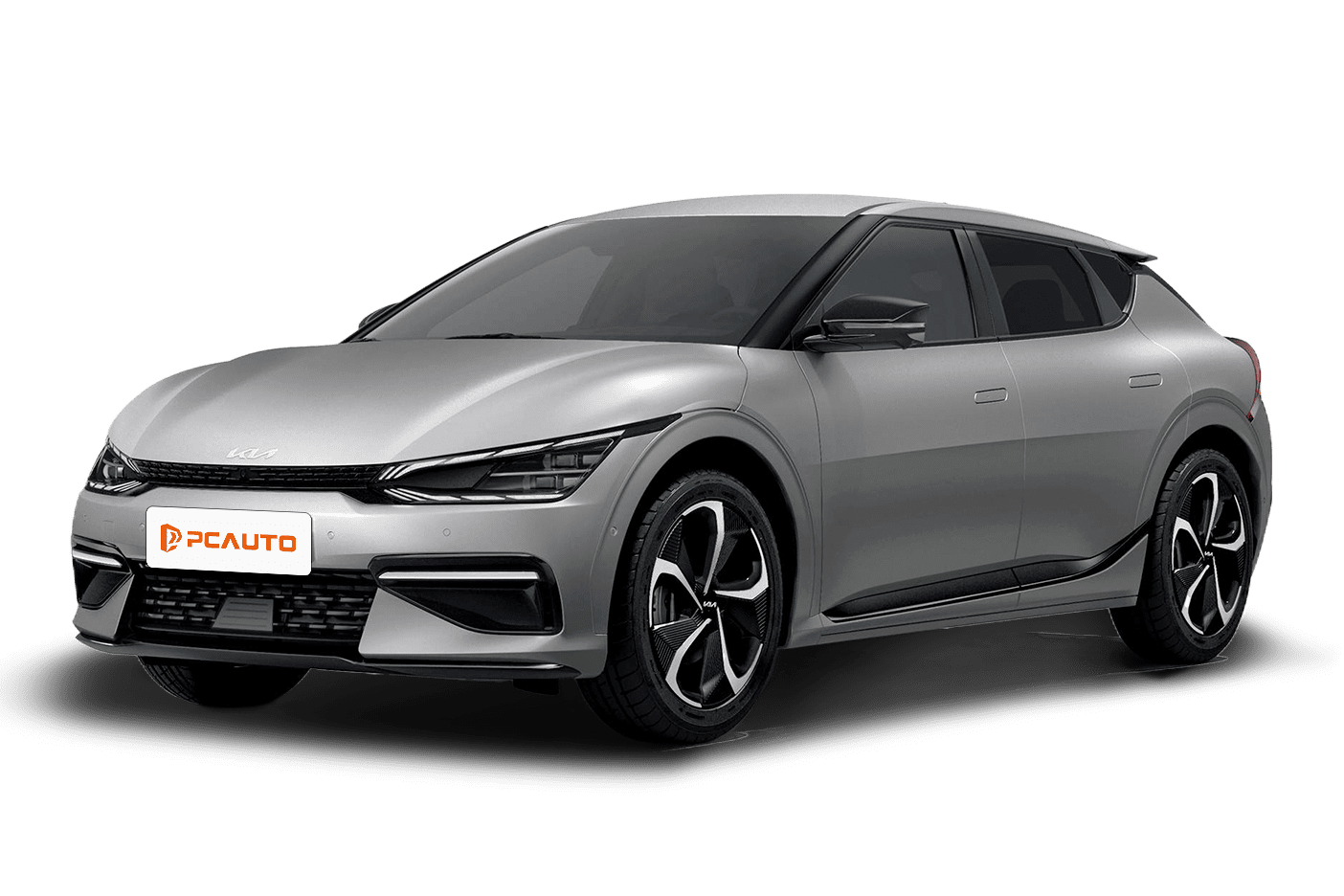
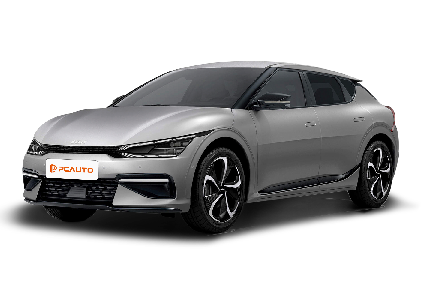
2022 Kia EV6 GT-Line AWD, as Kia's representative work on a pure electric platform, features a dual-motor with 325PS, a range of 506km, luxury configurations, and sporty design to create a well-balanced performance mid-size pure electric SUV.
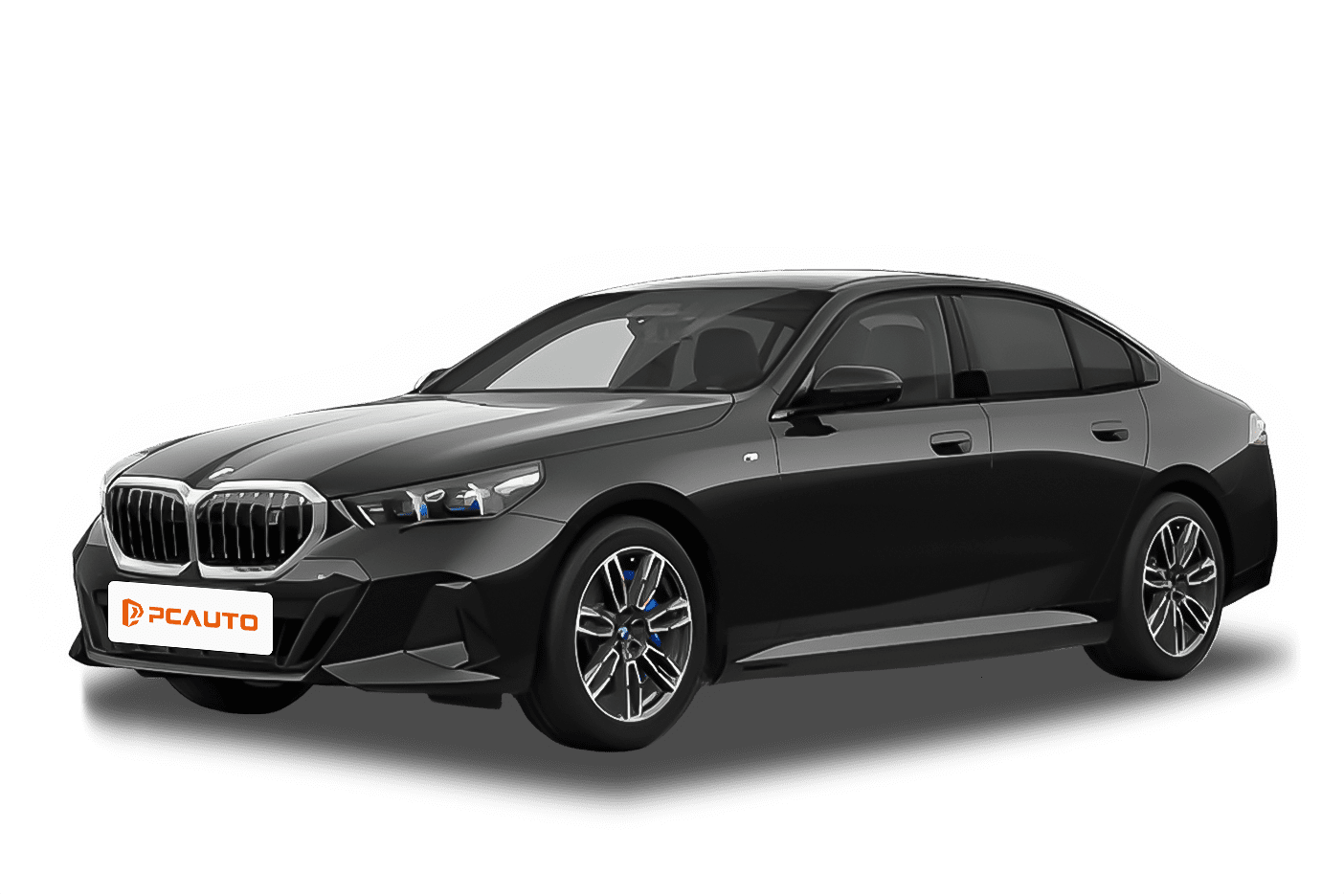
2024 BMW i5 eDrive40 M Sport is a pure electric sedan that combines sporty genes with executive-level luxury, featuring a sleek body, ample space, powerful performance, and precise handling to meet the needs of both family and business.