

Honda CR-V 1997 Review

 Share
Share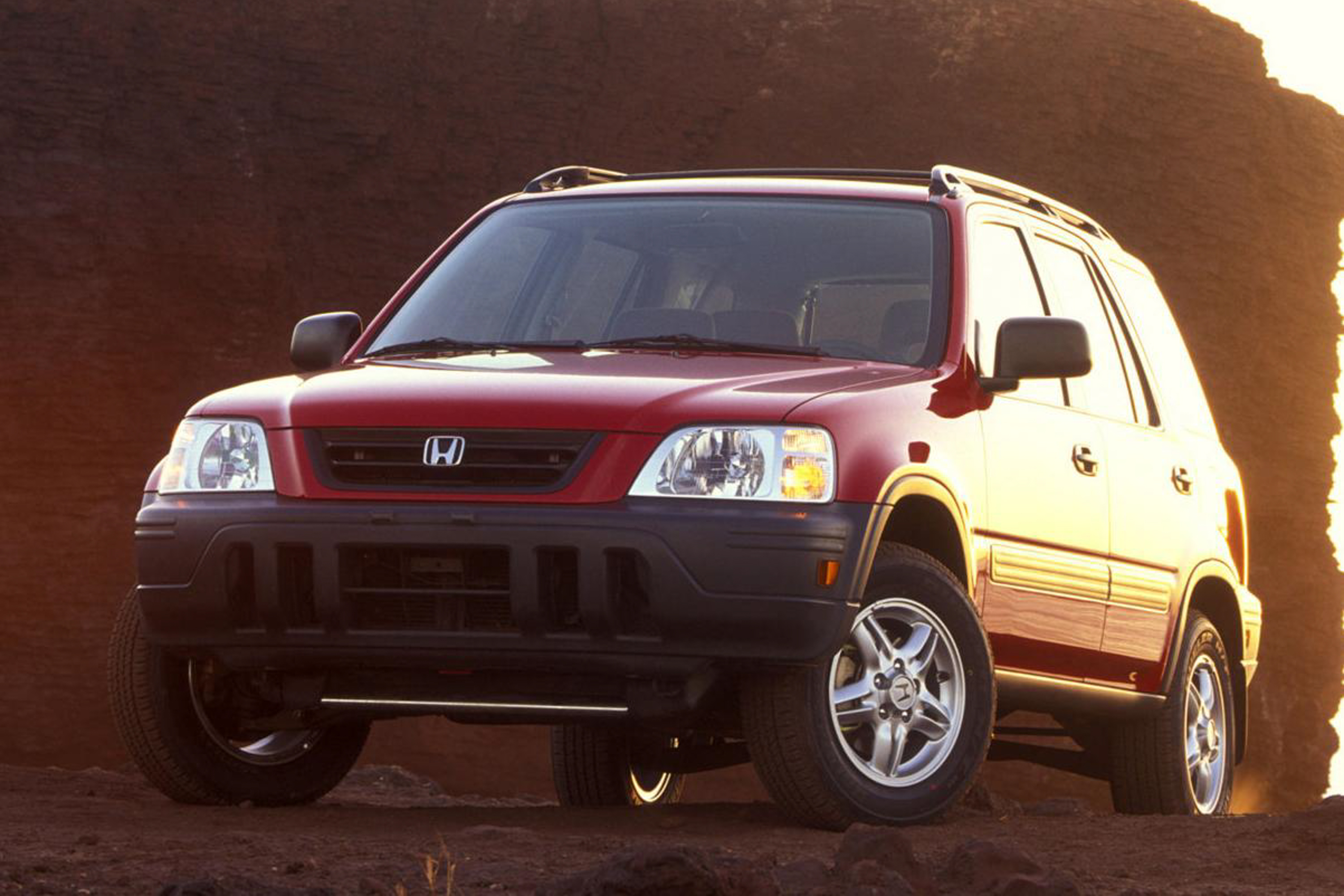
 Body Type
 Segment
 Capacity(L)
 Engine Power(PS)
 Engine Torque(Nm)
 Transmission
Speaking of the Malaysian SUV market in the late 1990s, most models were either pure off-road vehicles focused on tough off-roading or rugged SUVs modified from truck chassis. It was not easy for family users to find a model that balanced urban commuting with light outdoor needs. The Honda CR-V public, launched in 1997, was aimed precisely at this niche market. Positioned as a "city SUV", it focused on balanced practicality and ease of driving, drawing considerable attention when it hit the local market that year. This time, we got our hands on this classic model for testing. Our main objective is to see whether its design concept truly met the needs of family users at the time, and to retrospectively understand whether it deserved to be one of the pioneers of urban SUVs.
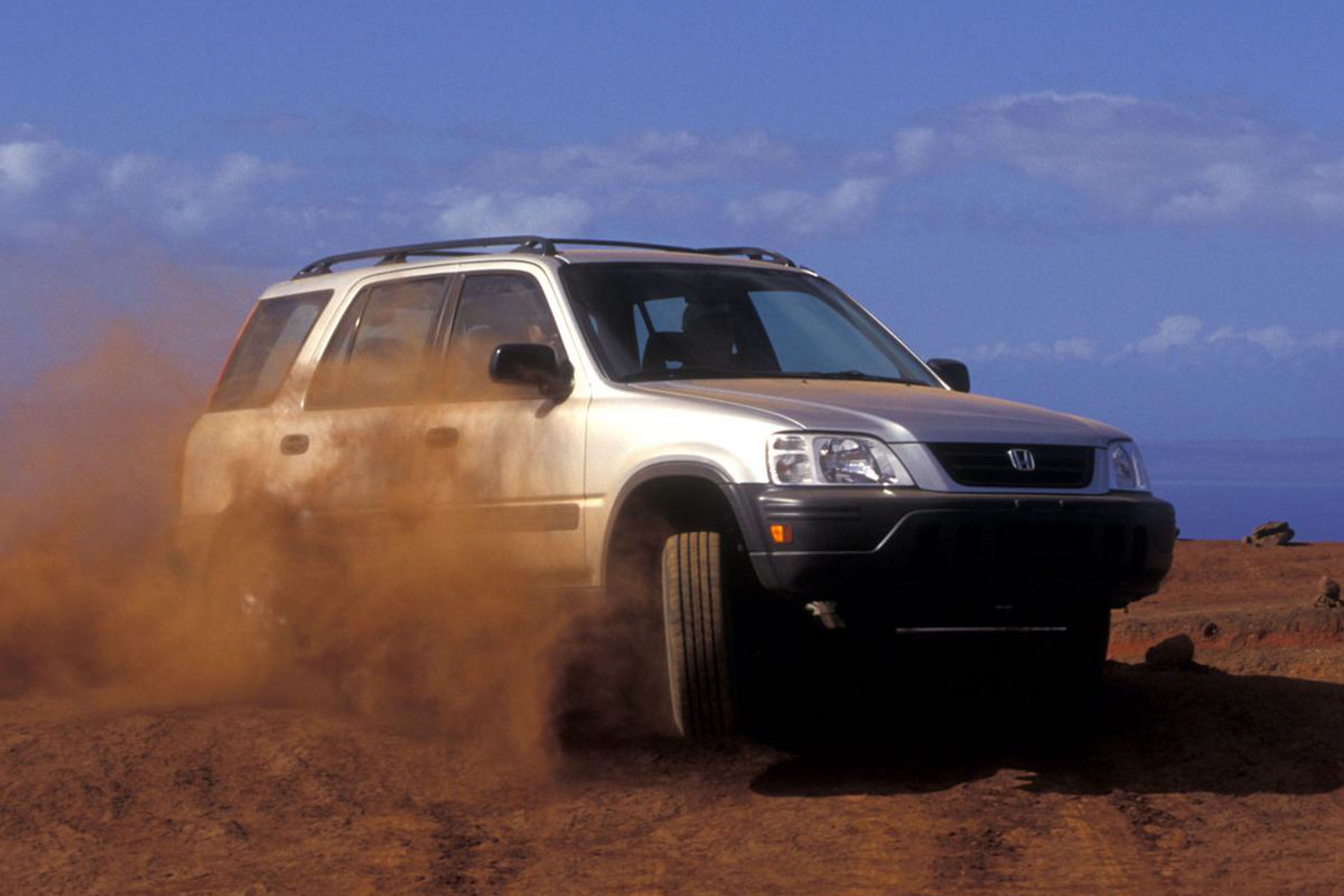
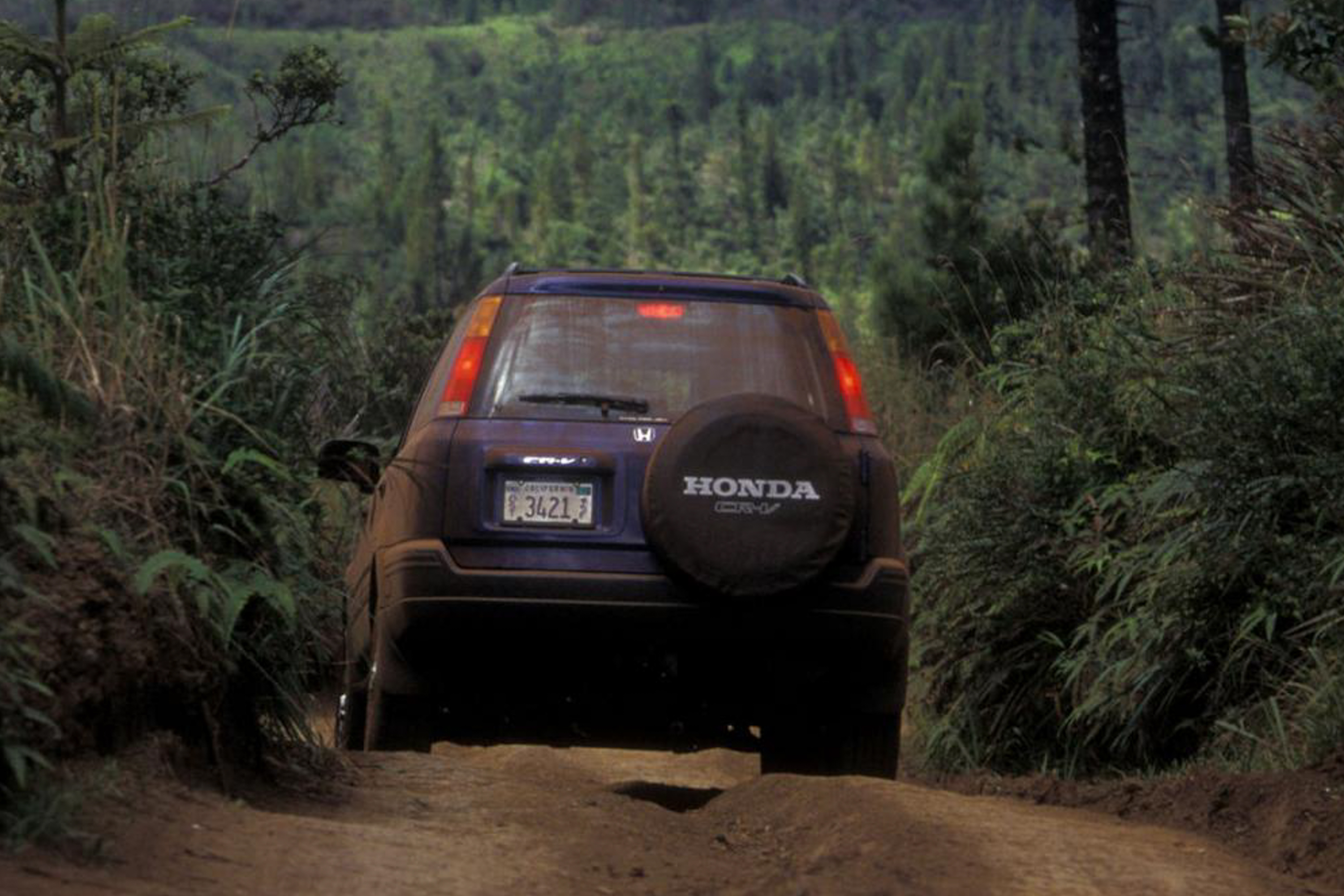
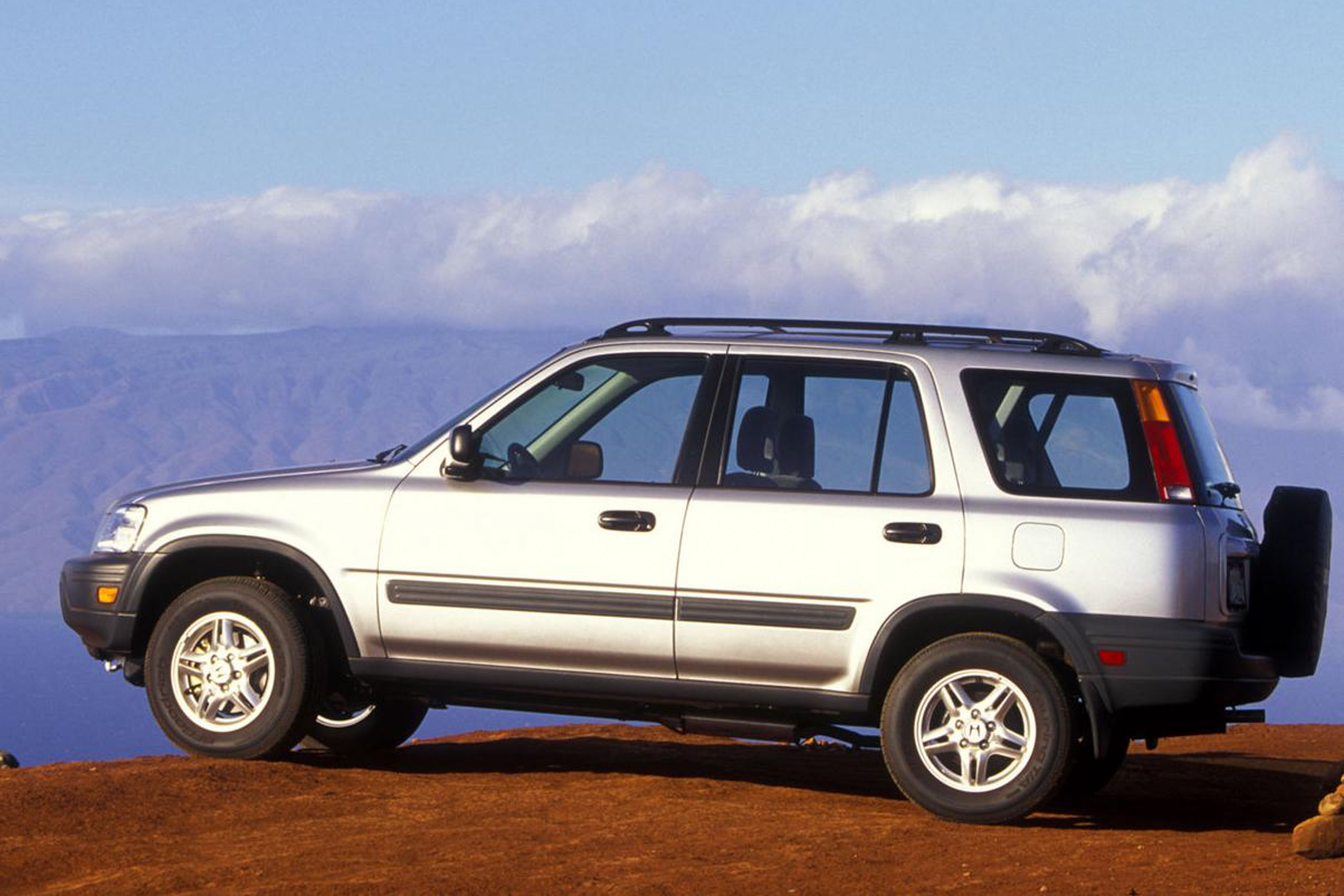
The exterior design of the CR-V public takes a pragmatic approach, without overemphasizing ruggedness. The front features Honda's horizontal grille design paired with round headlights, resulting in a simple yet recognizable appearance. The hood lines are straight, and black plastic skid plates have been added to the lower part of the front bumper. This not only adds a bit of off-road flavor but also reduces repair costs after minor scrapes. The side profile has smooth lines, transitioning naturally from the A-pillar to the D-pillar. The roof is equipped with silver roof rails, which are not only practical but also give the side a more layered look. The rear design is a major highlight, with vertical taillight clusters extending onto the sides of the body. The rear bumper also uses black plastic material and retains the external full-size spare tire often seen in SUVs of that era. This design not only enhances practicality but also became a distinctive feature of early CR-V models. As for the lighting system, halogen bulbs are used across the board. Although they might seem inadequate by today's standards, they were sufficient for daily use back then.
Opening the door, the interior design also emphasizes practicality. The dashboard adopts a symmetrical layout, with the upper part made of hard plastic and the lower part wrapped in soft rubber material, offering a decent tactile feel compared to similar models of that time. The steering wheel is a three-spoke design without multifunction buttons but feels comfortable to grip. The center console area is equipped with a single-disc CD player and a manual air conditioning control panel. The button layout is clear, making them convenient to operate. The seats are covered in fabric material with average support and wrapping, but the cushioning is relatively soft, ensuring long-term comfort for passengers. In terms of key features, the CR-V public includes powered side mirrors, front power windows, and rear air vents. These configurations were considered thoughtful in family SUVs of the late 1990s.
Space performance is one of the CR-V public's strengths. Its body dimensions are 4510mm×1780mm×1670mm, with a wheelbase of 2620mm, positioning it in the upper-middle range among compact SUVs of its time. The front-row seating space is spacious; a 180cm-tall passenger sitting in the driver's seat will have more than a fist's worth of headroom and legroom. The rear-row space is also excellent, with nearly two fists of legroom and about a fist of headroom, making it comfortable even for three adults seated together. In terms of storage capacity, the front door panels have storage slots capable of holding two bottles of mineral water. An open storage tray is provided under the center console, suitable for placing items like phones or wallets. The trunk offers a standard capacity of 527 liters, which can be expanded to 1521 liters by folding down the rear seats, fully meeting the cargo needs of family trips. Additionally, side storage nets are equipped inside the trunk, making it convenient to store small items.
In terms of power, the CR-V public is equipped with a 2.0L naturally aspirated engine, delivering a maximum power of 126 horsepower and a maximum torque of 180 N·m, paired with a 4-speed automatic transmission. During actual driving, the power response in the initial acceleration phase is relatively gentle, requiring a deep press on the accelerator to achieve noticeable acceleration. When driving at low to medium speeds, the transmission shifts smoothly, but once it shifts into the 4th gear, the acceleration capability becomes quite limited, and more distance needs to be reserved for overtaking. There is only a normal driving mode available, with no distinction between sport or eco modes, and the overall tuning is more oriented towards family use.
Handling and chassis performance align with the positioning of a family SUV. The steering wheel is relatively light in operation and provides fairly accurate handling, making daily urban driving quite effortless. The chassis uses a front MacPherson and rear double-wishbone independent suspension, tuned towards comfort. When dealing with speed bumps or minor rough patches on urban roads, the suspension absorbs most of the shocks, and rear passengers won’t feel very jarring. When cornering, body roll is within an acceptable range, not giving a loose feeling, though it’s not designed to deliver the handling characteristics of a sports car.
As a fuel-powered car, fuel consumption performance is a key concern for family users. We tested 100 kilometers each in urban congestion and highway conditions; the fuel consumption in city roads is about 11.5L/100km, and on the highway, it’s about 8.5L/100km, with an overall combined fuel consumption of around 10L/100km. This result is considered average among the SUVs of that time, meeting the expectations for family vehicles. Regarding braking performance, the brake pedal feel is linear, with moderate braking force in the initial phase, and timely release of braking force when pressed deeply. During emergency braking, the vehicle maintains a stable posture without significant forward pitching.
In terms of driving and riding comfort, the CR-V public performs quite well. The engine noise is well-controlled during idling, although wind and tire noise become progressively noticeable when exceeding speeds of 80km/h. However, this does not affect normal conversation among passengers inside the car. While the seat padding is not particularly soft, it provides sufficient support, making long rides less tiring. The rear seats can adjust the backrest angle, further enhancing the comfort of rear-seat passengers.
In summary, the core strengths of the 1997 Honda CR-V public lie in its well-rounded practicality and ease of driving. Compared to its contemporary counterparts, such as the first-generation Toyota RAV4, the CR-V public outperformed in terms of space offering and thoughtful configurations. Features like the externally mounted spare tire and rear-row air vents are more aligned with the needs of family users. The overall performance of this car makes it suitable for family users who value balanced features, especially those who occasionally go on self-driving tours but primarily commute in urban areas. It does not have particularly outstanding performance advantages, but it also does not have obvious shortcomings, making it a "well-rounded" family SUV. Even by today’s standards, the design concept of the CR-V public at that time is still commendable, as it accurately catered to the core needs of family users for SUVs—practicality, ease of driving, and ample space.
Honda CR-V Car Compare
Cars With Similar Price And Features
8
Rank in SUV
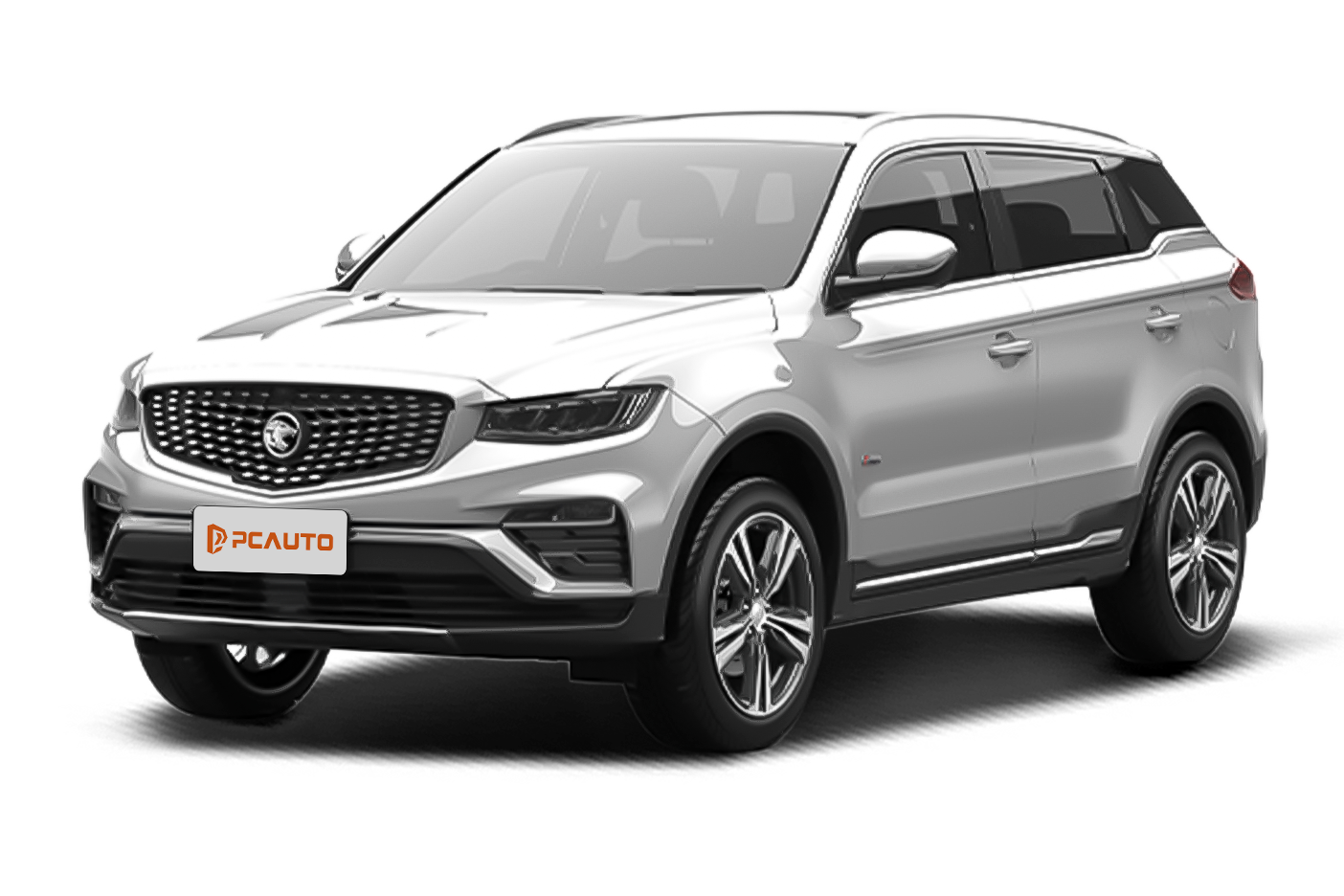
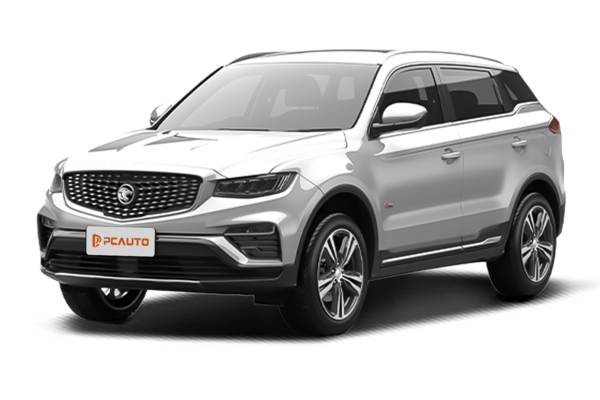
2026 Proton X70 1.5 TGDi Executive focuses on upgrading to a four-cylinder engine, practical configurations, and affordable pricing. It balances family commute practicality with value for money, making it a sensible choice among similarly priced C-segment SUVs.
10
Rank in SUV
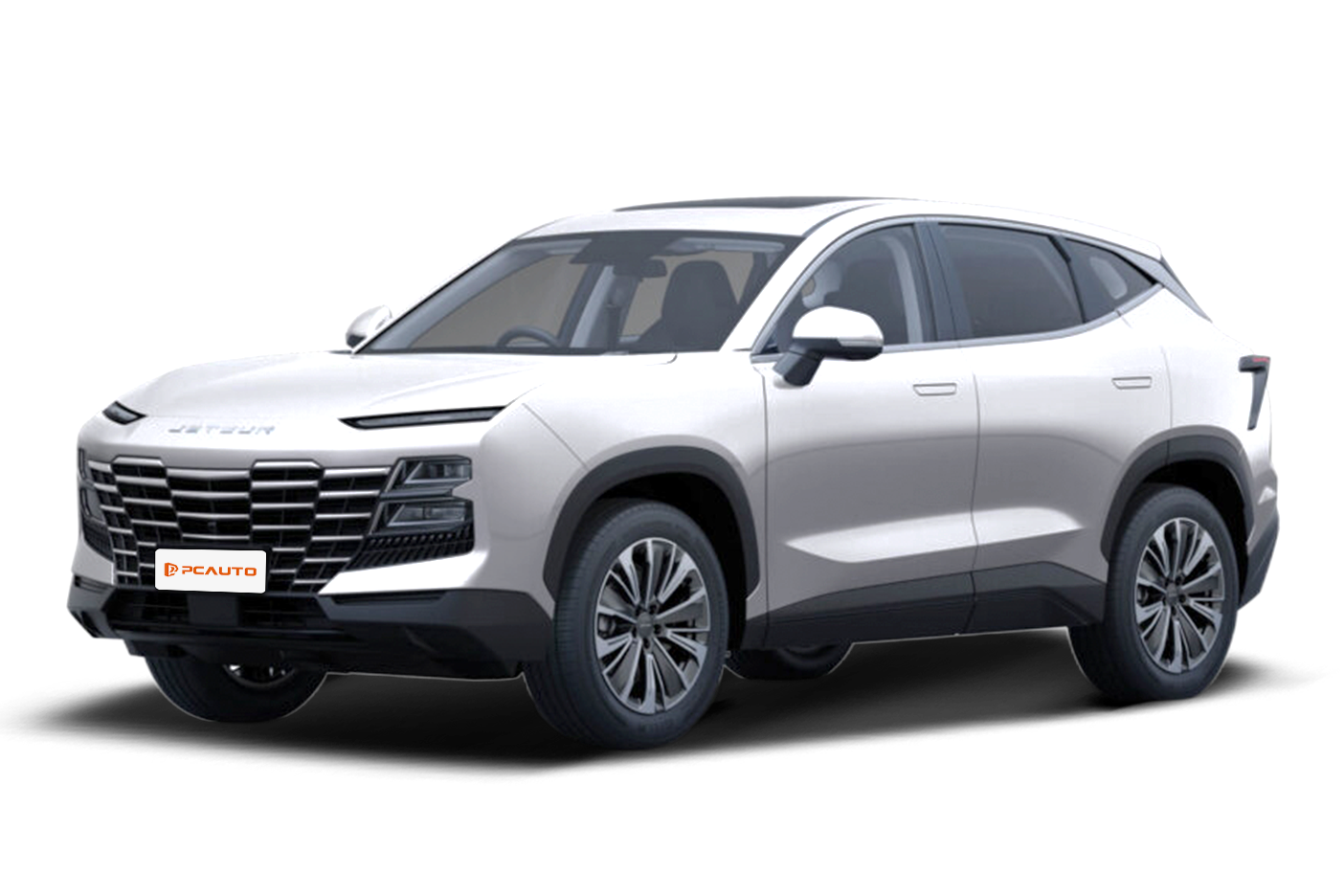
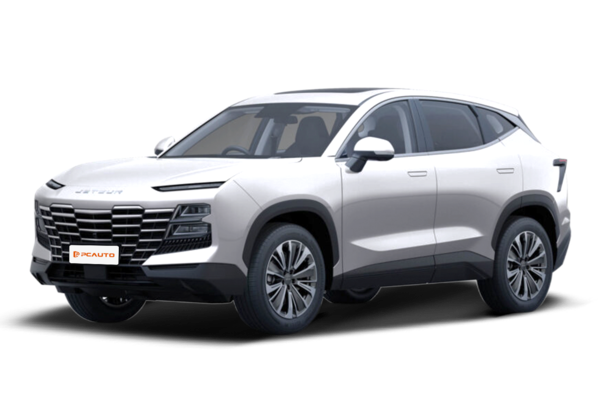
Jetour Dashing 1.5 TCI Comfort 2025 features a 2720mm long wheelbase and a 10.25-inch dual screen as its core, focusing on balanced cost performance to meet family practical needs.
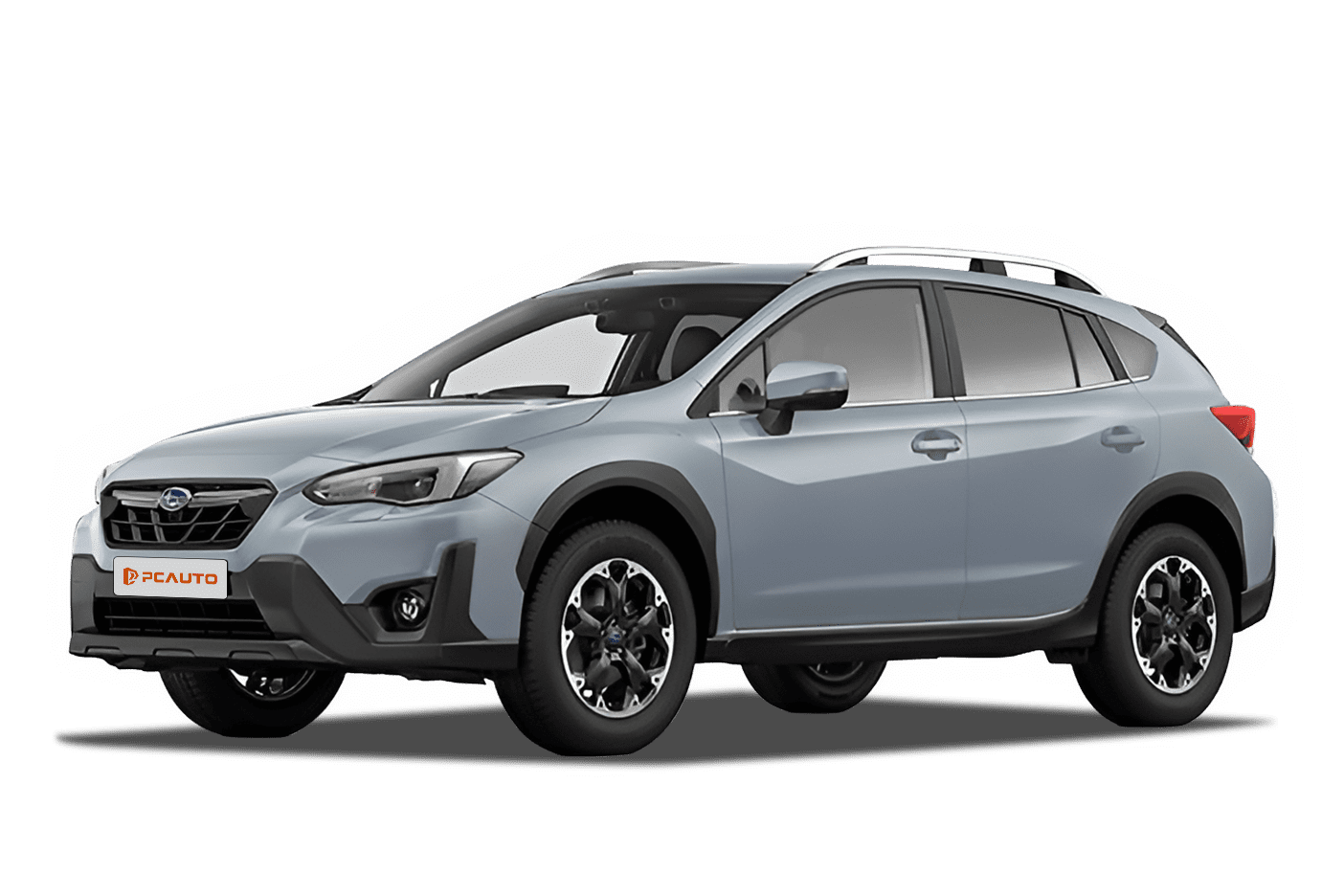
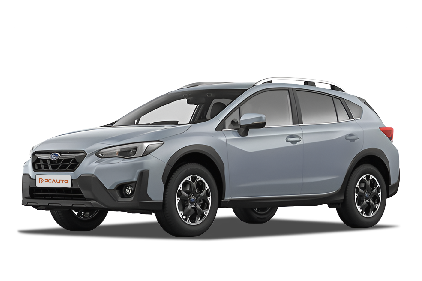
The 2021 Subaru XV 2.0i is a model targeting the C-segment crossover market, equipped with standard all-wheel drive and high safety features, balancing off-road capability and handling, with practical space.

2021 Hyundai Kona 2.0 Standard, as a high-value entry-level compact SUV, retains essential safety and practical features with an affordable price, meeting the daily commuting and loading needs of families.