

Honda CR-V 2001 Review

 Share
Share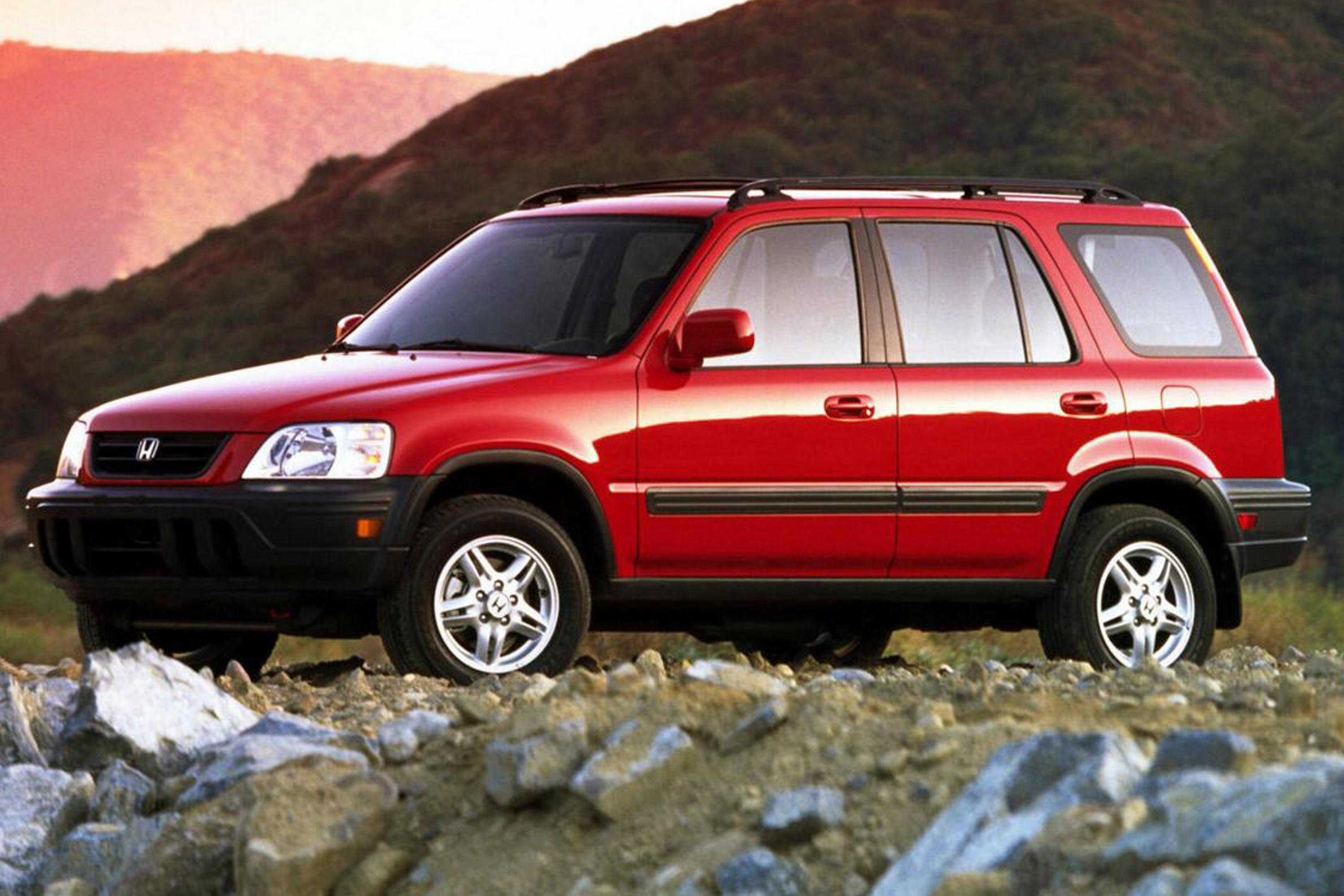
 Body Type
 Segment
 Capacity(L)
 Engine Power(PS)
 Engine Torque(Nm)
 Transmission
At the beginning of the millennium, compact urban SUVs had not yet fully become mainstream, but consumer demand for "spacious and easy-to-drive" multifunctional vehicles was gradually emerging. The 2001 Honda CR-V public, as the predecessor to the third-generation CR-V (Note: the actual 2001 model is the second-generation CR-V; here we follow the user's naming convention), is positioned as a compact urban SUV that focuses on balanced performance for “family use + light off-road,” attracting many users who needed a daily commuter and occasionally wanted to venture into the outdoors. We had the chance to test this car recently, and our main purpose was to see whether its design philosophy from 20 years ago could meet the core needs of present-day (or of that time) family users.
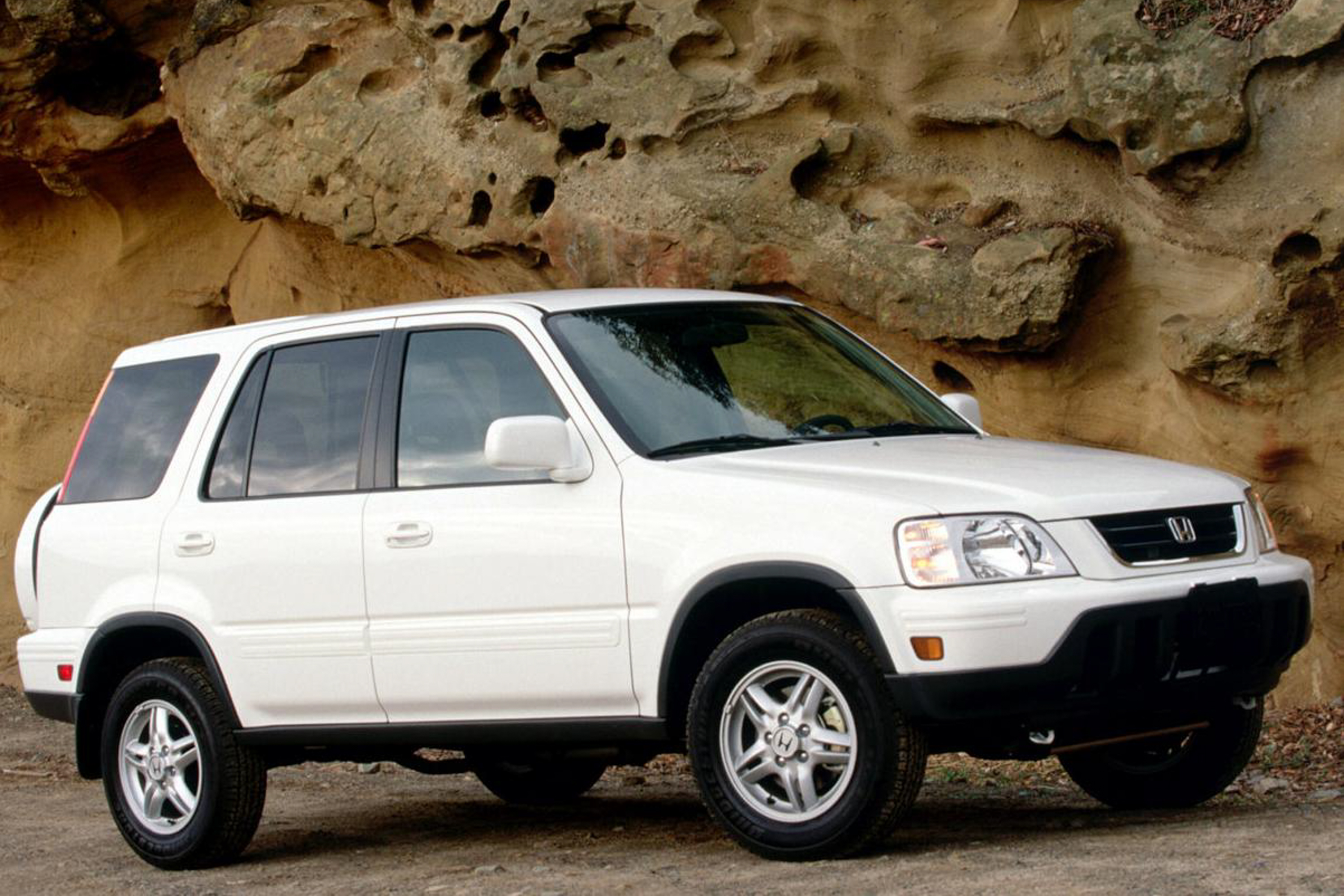
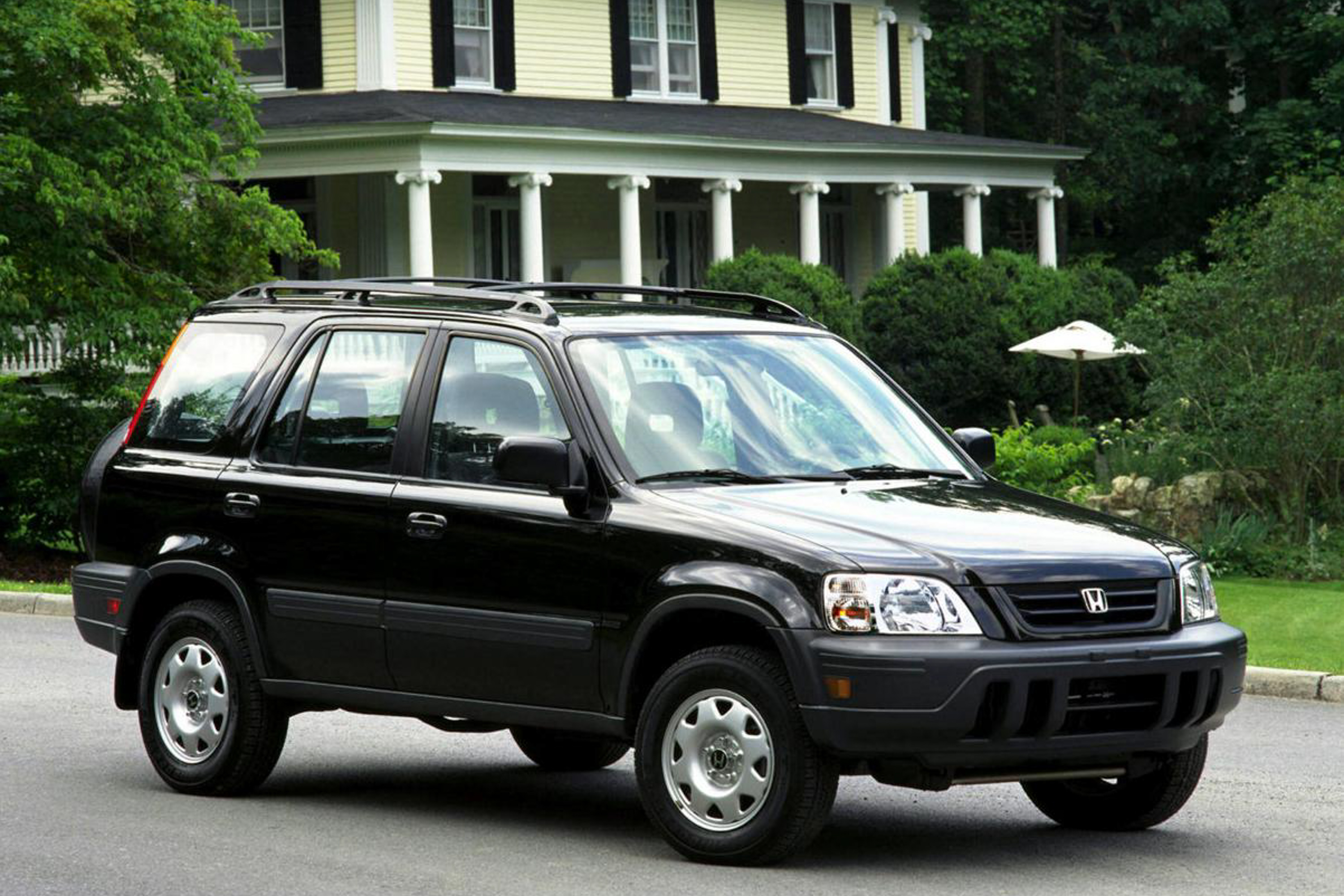
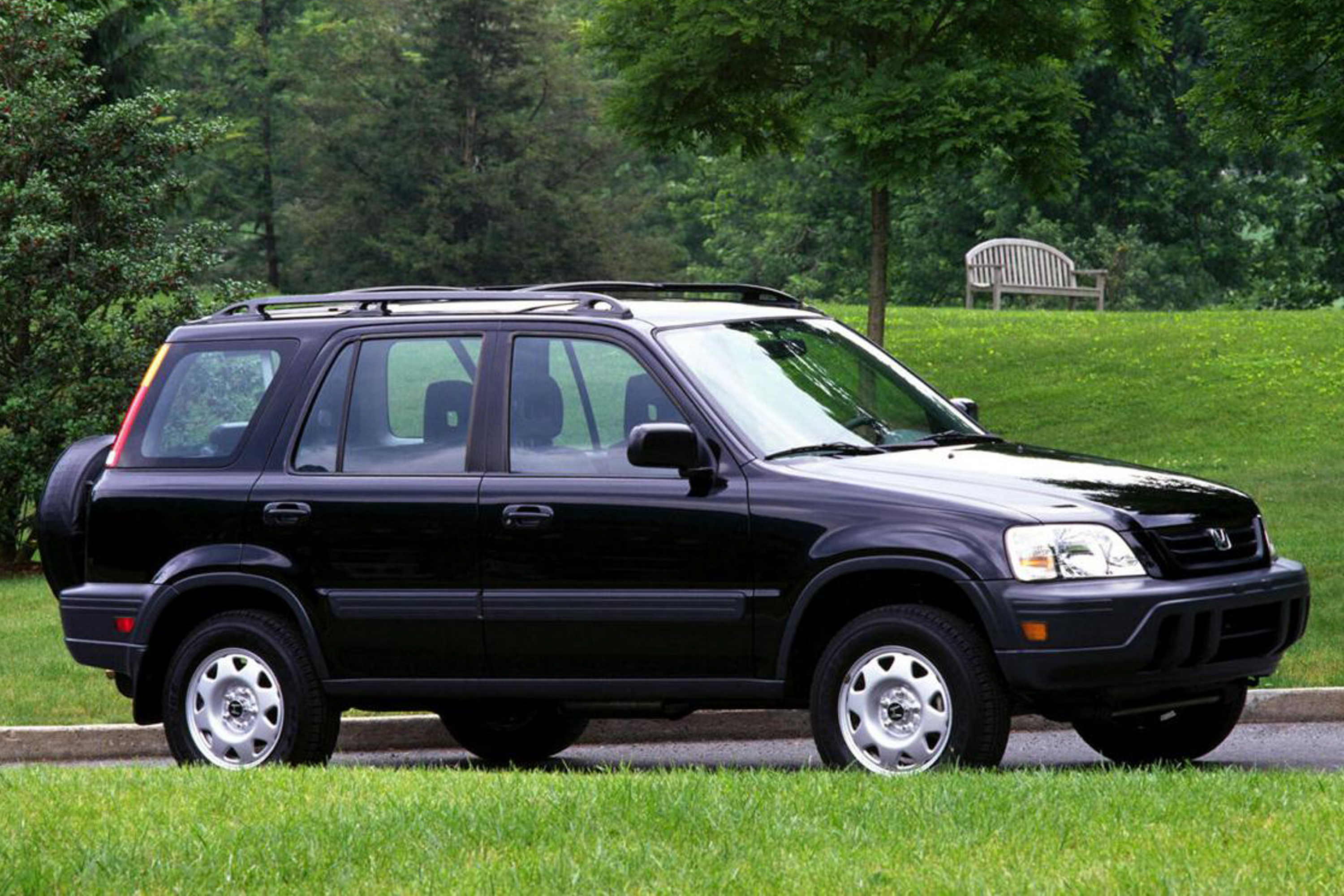
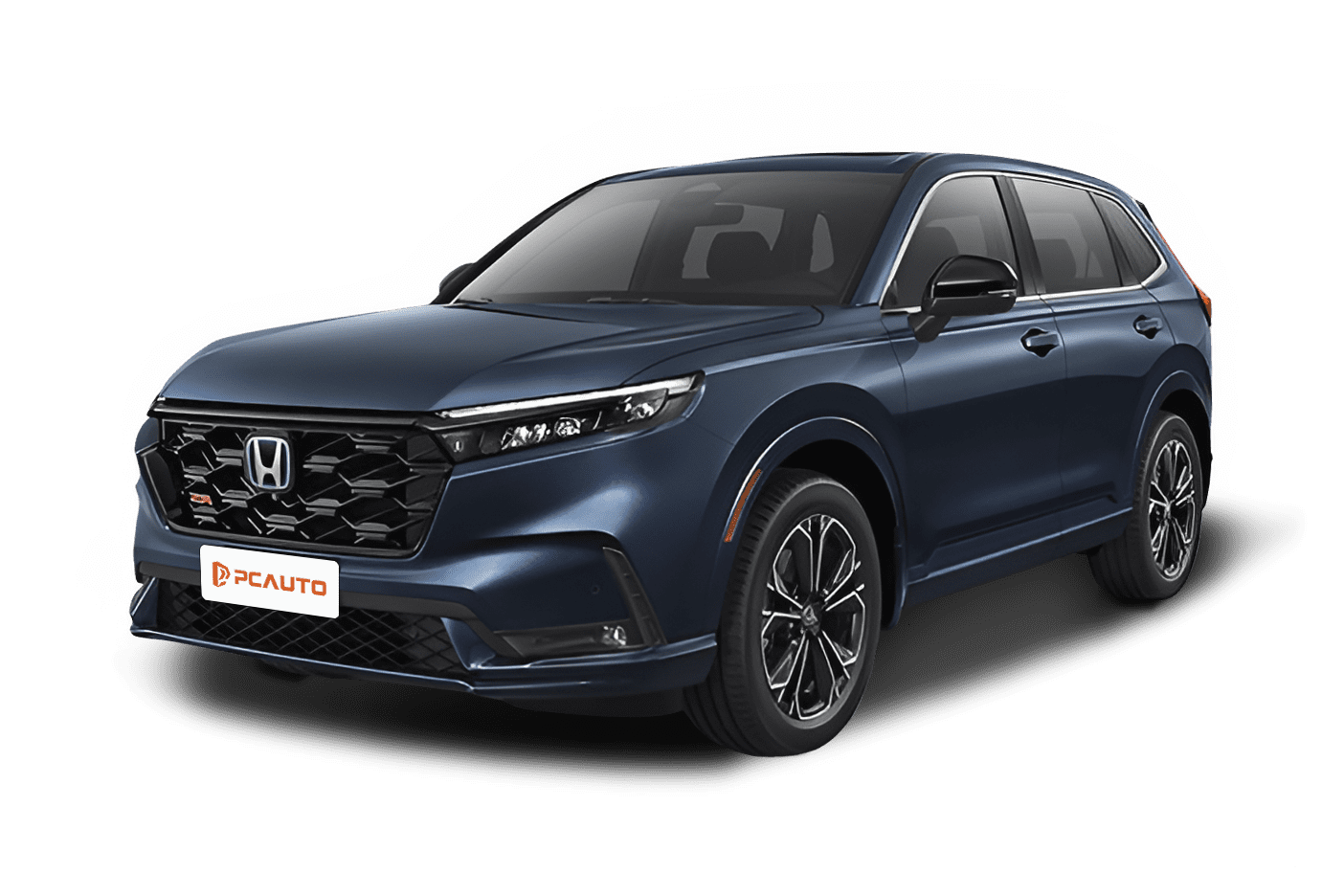
In terms of appearance, this CR-V takes on a tough but not rough styling. The front end features Honda’s signature horizontal grille, adorned with the Honda logo in the center, flanked by sizable rectangular headlights that offer high recognition. The car’s side profile is characterized by smooth lines, with a linear beltline running from the front to the rear. Although not sharp, it outlines the SUV's muscular build; the slightly bulging wheel arches, combined with 15-inch alloy wheels (the mainstream size at the time), make it look more robust than comparable sedans. The rear design is a highlight, featuring the classic side-hinged tailgate paired with an externally mounted spare tire, which was almost a standard feature for rugged SUVs at the time. This not only adds practicality but also enhances the vehicle’s off-road personality. The taillights adopt a vertical layout, providing decent visibility when illuminated at night. Overall, the exterior avoids overly flashy designs, opting instead for a practical and timeless aesthetic.
Sitting inside, the first impression is a strong sense of "Honda family style." The center console is designed primarily for practicality, with most physical buttons concentrated below the central screen (higher trims have a small LCD screen, while lower trims come with a radio). The air conditioning dials and buttons offer a moderate tactile feel, allowing for easy operation without looking. In terms of materials, constrained by cost, the top area of the dashboard is made of hard plastic, but the inner door panels and seats are wrapped in fabric or leather (for higher trims), which doesn’t feel luxurious but is durable. The seats provide decent support, and the front seats are manually adjustable for position and backrest angle, ensuring comfort even on long drives. In terms of features, highlights of this car include automatic air conditioning, electric side mirrors, and a CD player (which were mainstream features at the time). Higher trims also come equipped with a sunroof and leather seats, making the overall configuration slightly above average among compact SUVs in 2001.
Space performance is critical for a family SUV, and this CR-V has a wheelbase of 2620mm (the actual wheelbase of the second-generation CR-V), which was excellent for compact SUVs at the time. The front-row seating space is ample, with an 180cm tall passenger fitting comfortably and leaving about a fist's worth of headroom. The rear-row space is even more impressive, with about two fists of legroom, and the relatively low center floor protrusion ensures that three passengers can sit without feeling too cramped. For storage, the door pockets in the front can hold two bottles of water, and there’s a small storage compartment below the center console to store phones or wallets. The trunk offers a standard capacity of approximately 400 liters and can be expanded to around 1500 liters by folding down the rear seats, easily accommodating a stroller or several suitcases. The rear row is also equipped with air vents and a power outlet (12V), catering to the needs of rear-seat passengers.
In terms of power, the test vehicle is equipped with a 2.0L naturally aspirated engine, with a maximum output of 147 horsepower and a peak torque of 190Nm, paired with a 4-speed automatic transmission (a 5-speed manual was also available at the time). In actual driving, the starting acceleration is not particularly fast, but the throttle response is very linear. A light press on the accelerator delivers noticeable power output, making it suitable for daily commuting. When switched to Sport mode (if equipped), the transmission shifts are delayed, making acceleration feel more robust. However, since it's a naturally aspirated engine, highway overtaking requires stepping on the gas in advance. On city roads, the 4-speed transmission shifts smoothly with almost no noticeable jerking. On highways, at 120km/h, the engine runs at around 3000 RPM, and engine noise becomes slightly more pronounced but remains within acceptable limits.
Handling and chassis performance are strong points of this CR-V. The steering wheel offers a relatively heavy feel, in line with the SUV positioning, and the steering precision is decent with no significant play. The suspension system uses front MacPherson struts and a rear double-wishbone independent suspension, tuned more toward comfort while retaining a certain level of support. When crossing speed bumps, the suspension filters out most of the jolts, avoiding a harsh impact. On winding mountain roads, the body roll is not excessive, inspiring confidence in the driver. In terms of braking, the low-trim models feature front disc and rear drum brakes, offering linear braking performance, although slight brake fade is observed with continuous braking. High-end versions with four-wheel disc brakes perform even better.
As for fuel consumption, during our week-long testing on urban roads (a mix of congestion and free-flow conditions), the average fuel consumption was around 10-12L per 100km. On highways, fuel consumption dropped to about 8-9L. For a 2.0L SUV in 2001, this performance can be considered average and meets the expectations of family users for fuel efficiency. Noise control is decent; engine noise at idle is low, but wind and tire noise become increasingly noticeable at speeds over 80km/h. Nevertheless, among similar vehicles in its class at the time, its noise control performance was already quite good.
To summarize, the core highlights of the 2001 Honda CR-V public are clear: balanced space utilization, practical features, comfortable chassis tuning, and Honda's reliable engine quality. Compared to competitors in the same class at the time (such as the Toyota RAV4), it offers more space, a more adventurous look with its rear-mounted spare tire, and features that cater more to family needs. The target audience for this vehicle is very clear—families prioritizing practicality, especially those who need a vehicle for daily commuting and school pickups, while occasionally taking trips for camping or light off-roading. If you're looking for a reliable SUV with ample space that balances family use and light off-road capabilities, the 2001 CR-V public is a solid choice.
Honda CR-V Car Compare
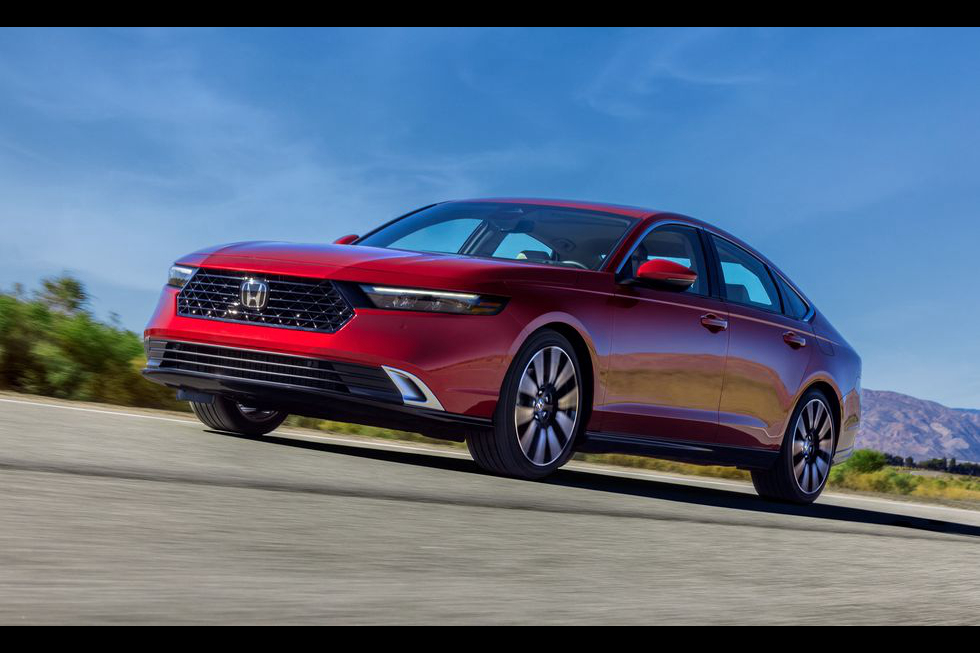
Cars With Similar Price And Features
8
Rank in SUV
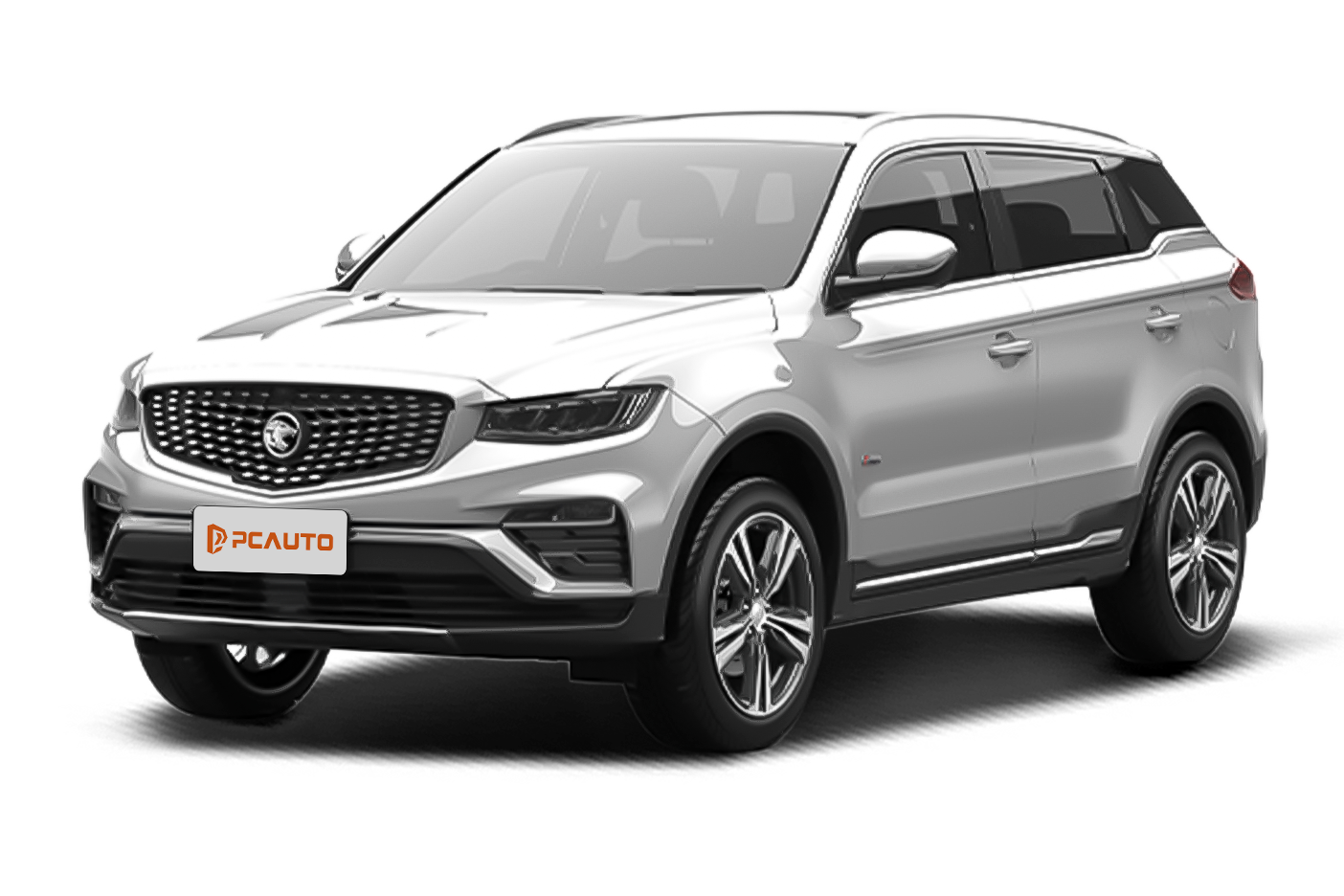
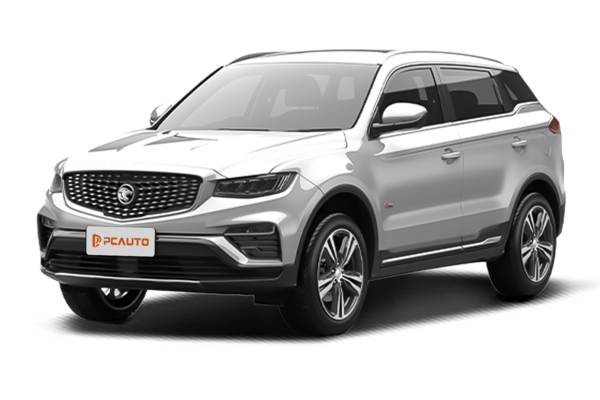
2026 Proton X70 1.5 TGDi Executive focuses on upgrading to a four-cylinder engine, practical configurations, and affordable pricing. It balances family commute practicality with value for money, making it a sensible choice among similarly priced C-segment SUVs.
10
Rank in SUV
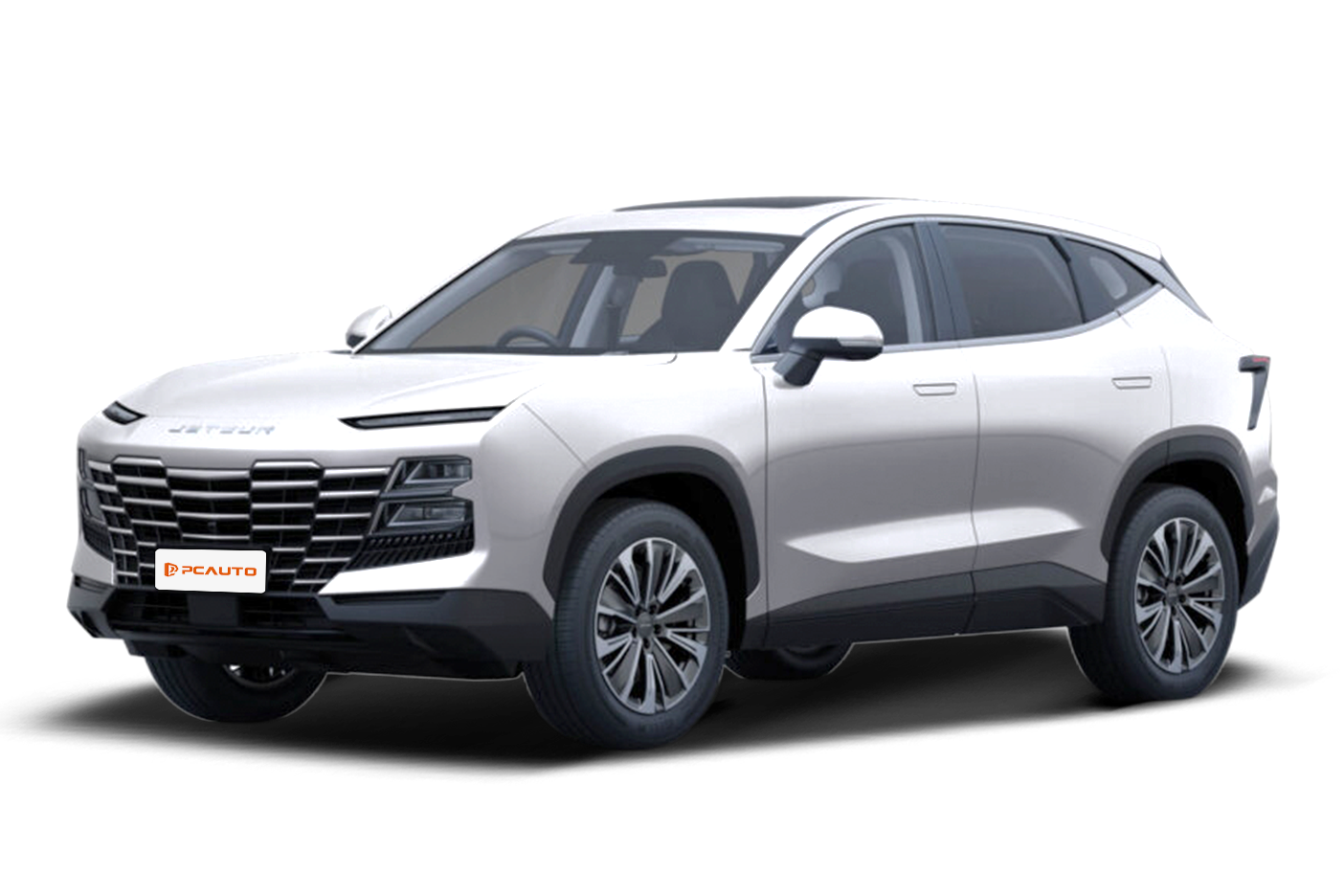
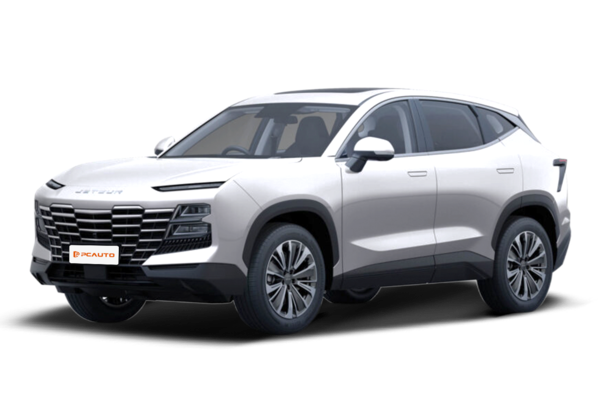
Jetour Dashing 1.5 TCI Comfort 2025 features a 2720mm long wheelbase and a 10.25-inch dual screen as its core, focusing on balanced cost performance to meet family practical needs.
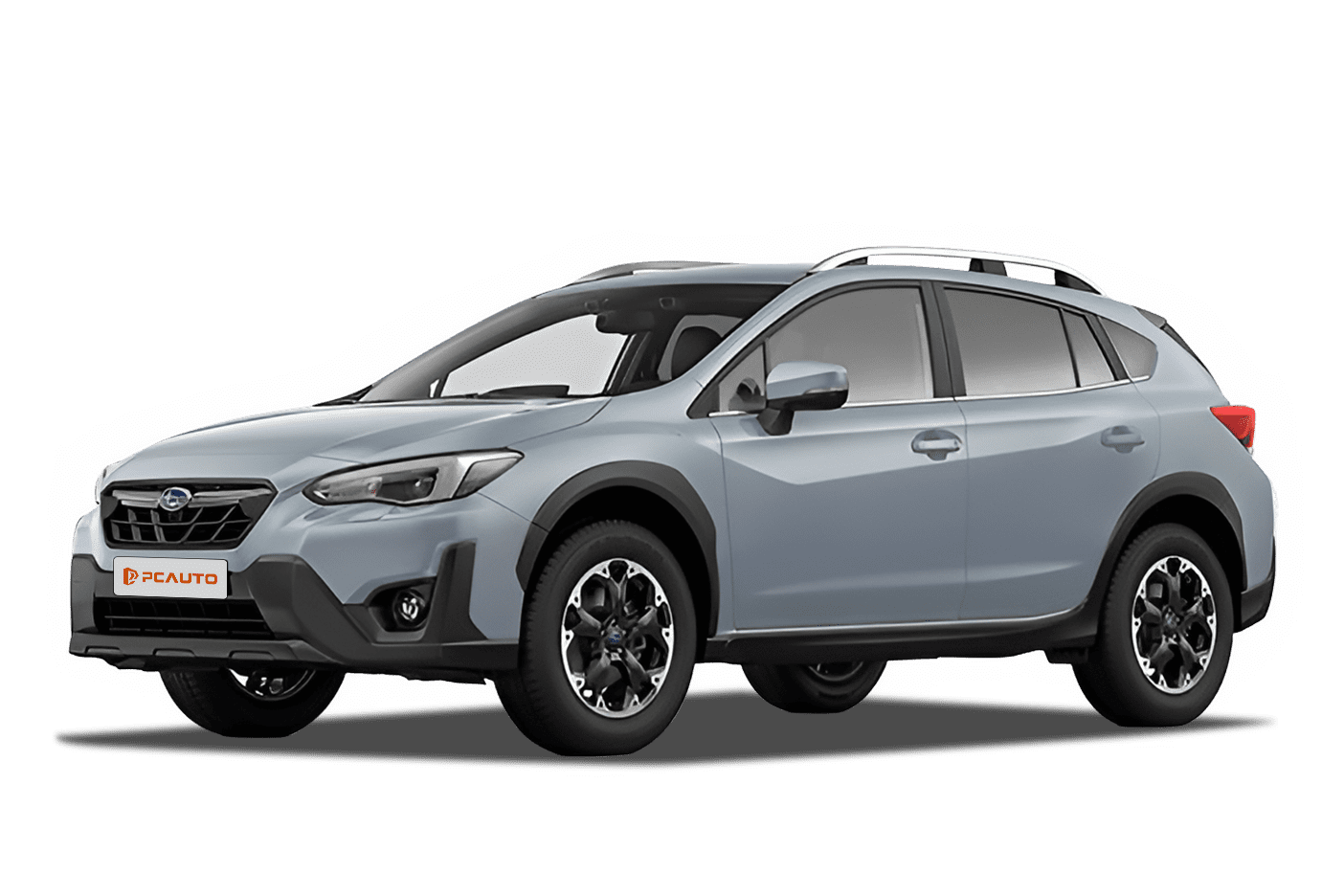
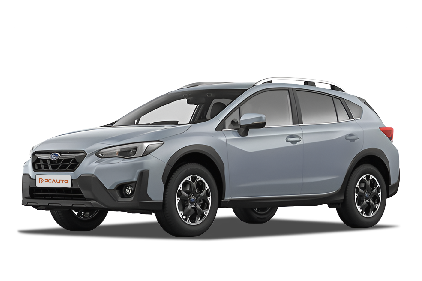
The 2021 Subaru XV 2.0i is a model targeting the C-segment crossover market, equipped with standard all-wheel drive and high safety features, balancing off-road capability and handling, with practical space.

2021 Hyundai Kona 2.0 Standard, as a high-value entry-level compact SUV, retains essential safety and practical features with an affordable price, meeting the daily commuting and loading needs of families.