

Honda CR-V 2007 Review

 Share
Share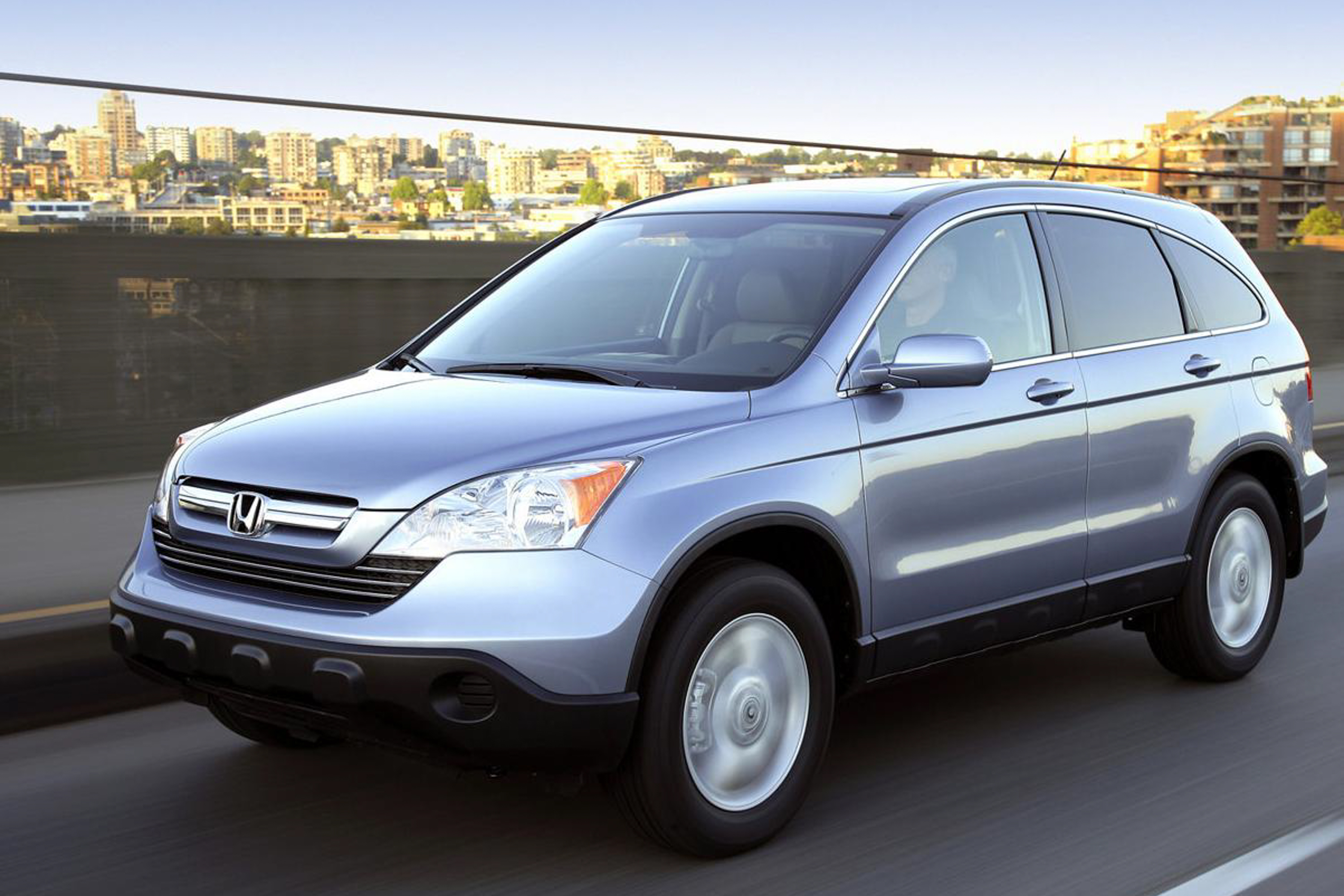
 Body Type
 Segment
 Capacity(L)
 Engine Power(PS)
 Engine Torque(Nm)
 Transmission
In the Malaysian SUV market in 2007, compact urban SUVs were gradually becoming a popular choice among family users and young consumers. These vehicles needed to satisfy fuel economy for daily commuting while also offering practical space for weekend outings. Honda launched the third-generation CR-V (Public version) in this niche market, with core selling points focused on a more balanced space design, a more comfortable driving experience, and a reputation for reliability compared to competitors in the same class. The purpose of this test drive is to verify whether this vehicle could be the "close-your-eyes-and-choose" option in the MYR 150,000 to 200,000 price range for family SUVs at the time.
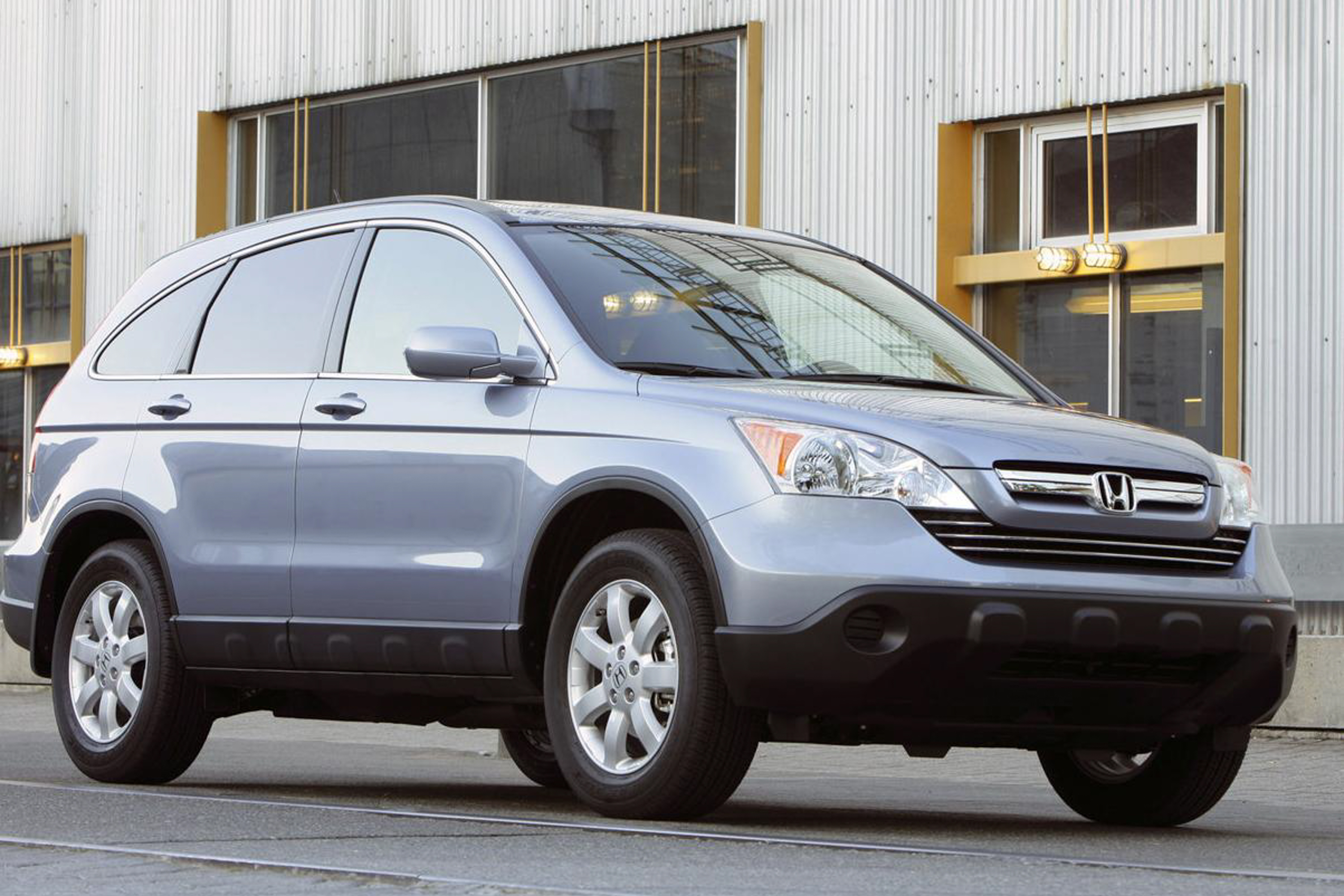
In terms of exterior design, the 2007 CR-V Public version continues Honda's family design language of that time, with an overall style that leans towards being rounded but still maintaining a rugged look. The front end features a wide chrome grille, paired with sharply contoured halogen headlights, giving it a standout appearance among vehicles in the same class. The black plastic protective plate below the front bumper not only enhances the SUV's off-road vibe but also reduces repair costs in case of everyday scratches. The side profile boasts smooth lines, with a waistline stretching from the A-pillar to the D-pillar making the side look elongated. The 17-inch multi-spoke aluminum alloy wheels (on certain trims) add to the refined aesthetic. Notably, the rear door handles adopt a hidden design, integrated with the rear window, which was a rather innovative detail at the time. At the rear, the vertically arranged taillight setup is a classic CR-V design element. The tailgate features a two-way opening function – the upper glass section can be opened separately, making it convenient to take out smaller items, while the lower part can bear weight, serving as a temporary workspace for camping, offering maximum practicality. The rear bumper is also equipped with black protective plates and embedded fog lights, presenting an overall harmonious design suitable for family use.
Inside the vehicle, the interior design of the 2007 CR-V Public version leans towards practicality, with minimal flamboyance in design. The dashboard adopts a two-tone upper dark and lower light color scheme, in line with the warm positioning of a family car. In terms of materials, the upper part of the dashboard uses mainly hard plastic, but key areas like the door armrests and seats are wrapped in soft-touch materials, providing a relatively comfortable feel. The center console has a clear layout, with a single-disc CD player (MP3 compatible) and manual air conditioning control panel positioned at the top. The buttons are large and logically arranged, making them easy to operate without looking. The steering wheel is a three-spoke design, with multi-function buttons on the left side for volume control, Bluetooth calls, etc. (available on high-end models), providing a moderate grip. As for the seats, the Public version features fabric-covered seats, and the front seats offer good support. The lumbar and thigh supports are adequate for long-distance driving. The rear seats are 40/60 split-foldable, and when folded flat, the trunk floor becomes almost level, providing a maximum storage space of 1,030 liters, easily accommodating items like a baby stroller or suitcases. In terms of space performance, the vehicle measures 4,530mm × 1,820mm × 1,680mm, with a wheelbase of 2,620mm. A 175cm tall passenger in the front row would have a headroom space of one fist and two fingers, while rear legroom can reach up to two fists, ensuring that even when seating three adults, it does not feel cramped. The rear row also comes equipped with independent air-conditioning vents and a power outlet (12V), reflecting thoughtful attention to detail.
In terms of power, the 2007 CR-V Public Edition is equipped with a 2.0L i-VTEC naturally aspirated engine, delivering a maximum output of 150 horsepower and a peak torque of 190 N·m, paired with a 5-speed automatic transmission. During daily driving, the power output in the initial stages is quite linear, and while the throttle response isn’t overly aggressive, it’s sufficiently brisk, making it suitable for city commuting. During mid-to-high-speed acceleration, pressing the accelerator hard causes the transmission to downshift actively. Although there is no strong push-back sensation, the power reserve is adequate for overtaking. The driving modes include two options: Normal and Sport. In Sport mode, the transmission delays upshifts, keeping the engine at a higher RPM range, and the power response becomes more direct. In terms of handling, the steering precision ranks above average among similar SUVs in this class, with minimal dead zones and moderate return force. The suspension system adopts a front MacPherson independent suspension with a rear double-wishbone independent suspension setup, tuned toward comfort. When going over speed bumps or uneven roads, the suspension absorbs most of the small vibrations, ensuring the rear passengers do not feel significant jolts. However, when cornering sharply, the vehicle’s body exhibits noticeable roll, which is a common trait among family SUVs, given their higher center of gravity compared to sedans.
Fuel economy is one of the core concerns for family cars. During this test drive, we chose a route comprising half city and half highway driving, with the air conditioning on the entire time. The final measured fuel consumption was about 9.2L/100km, which is very close to the official composite fuel consumption of 9.5L/100km, positioning it slightly above average among 2.0L vehicles in the SUV segment at that time. As for braking, the CR-V Public Edition is equipped with ventilated discs in the front and solid discs in the rear. The measured 100-0km/h braking distance is about 42 meters, which is a standard performance. However, the brake pedal feel is linear during daily driving, providing sufficient confidence in braking. Regarding driving comfort, the vehicle demonstrates good noise insulation performance. When driving at 120km/h on the highway, wind noise and tire noise remain within acceptable limits and do not interfere with normal conversations inside the car. The fabric seat material offers good breathability, making it less stuffy for passengers during prolonged summer drives.
Overall, the core advantages of the 2007 CR-V Public Edition can be summarized into three main points: First, its practical space design, especially the dual-opening tailgate and the foldable rear seats, which perfectly meet the needs of family users. Second, its balanced driving and riding experience, with its comfortable suspension tuning and linear power delivery, suitable for daily commutes and short trips. Third, the reliable reputation of the Honda brand, which was a key factor for many consumers at the time. Compared with competitors in the same class, such as the 2006 Toyota RAV4, the CR-V offers better space flexibility. Compared to the Ford Escape, it has the upper hand in fuel economy and reliability.
This vehicle has a very clear target audience: families that prioritize practical space, especially those with children or the need for frequent cargo transportation. Secondly, young consumers who value reliability and peace of mind. As a first family SUV, it meets most daily needs. Overall, the 2007 CR-V Public Edition is not an “impressive” vehicle, but it is a “sufficient and practical” family SUV—without any significant shortcomings and with every aspect meeting the essential needs of family users. This is also the reason why it managed to maintain its popularity in the market back then.
Honda CR-V Car Compare
Cars With Similar Price And Features
8
Rank in SUV
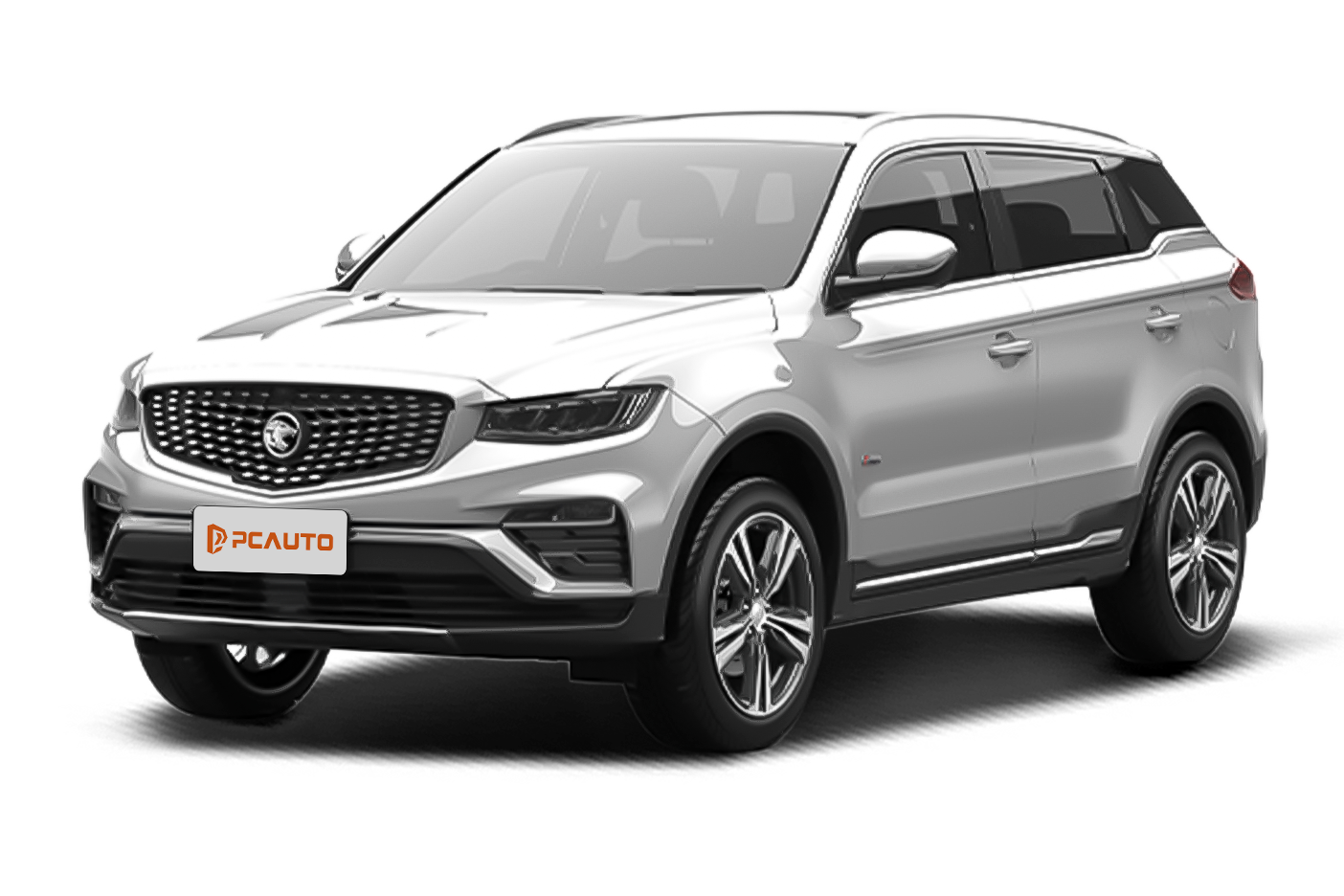
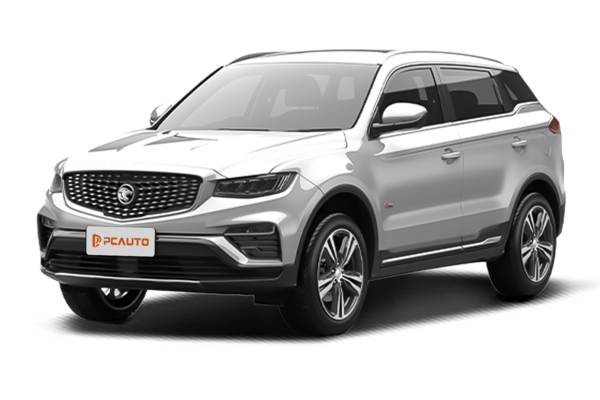
2026 Proton X70 1.5 TGDi Executive focuses on upgrading to a four-cylinder engine, practical configurations, and affordable pricing. It balances family commute practicality with value for money, making it a sensible choice among similarly priced C-segment SUVs.
10
Rank in SUV
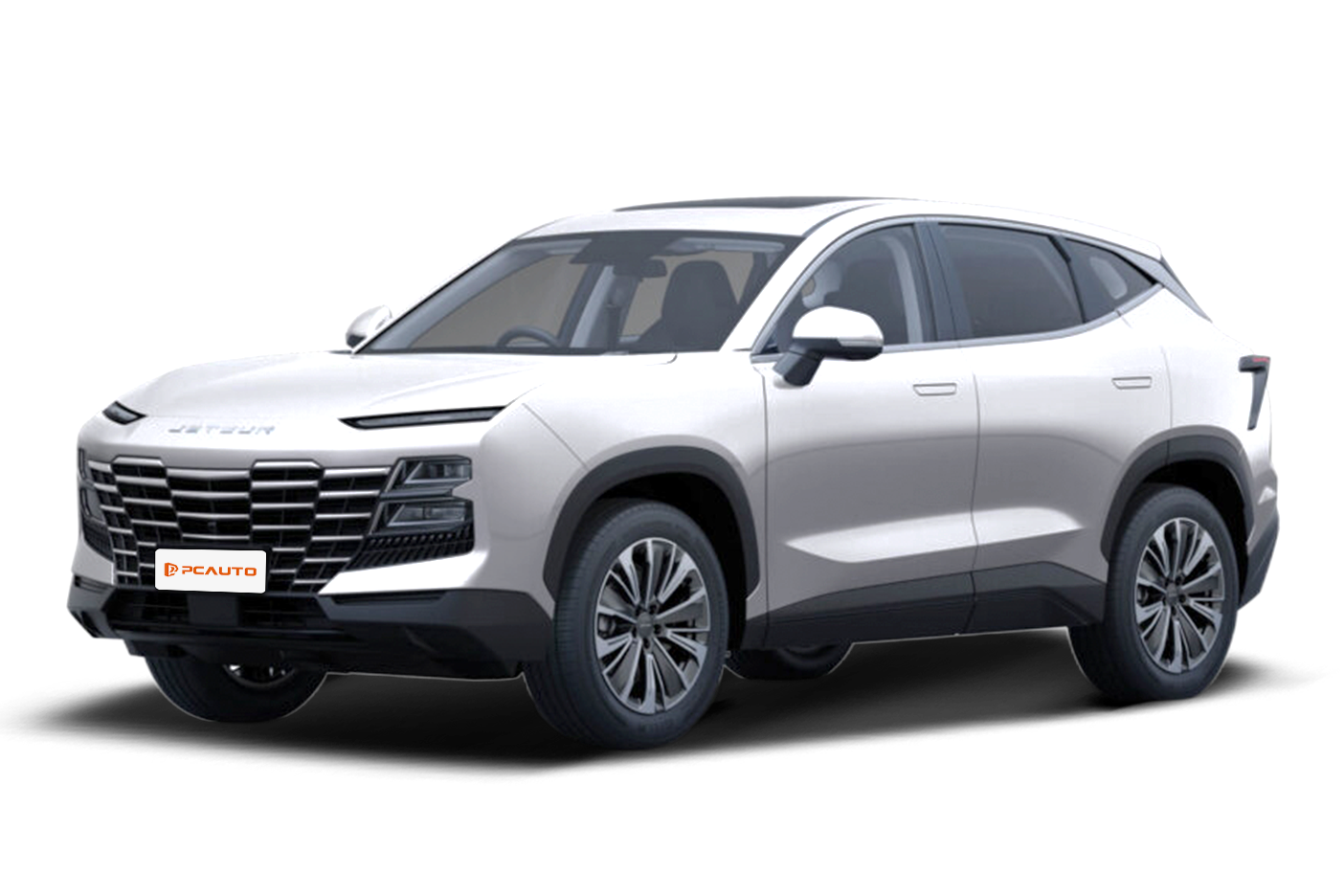
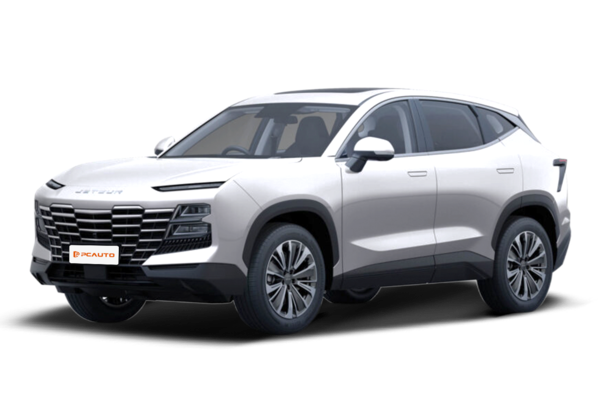
Jetour Dashing 1.5 TCI Comfort 2025 features a 2720mm long wheelbase and a 10.25-inch dual screen as its core, focusing on balanced cost performance to meet family practical needs.
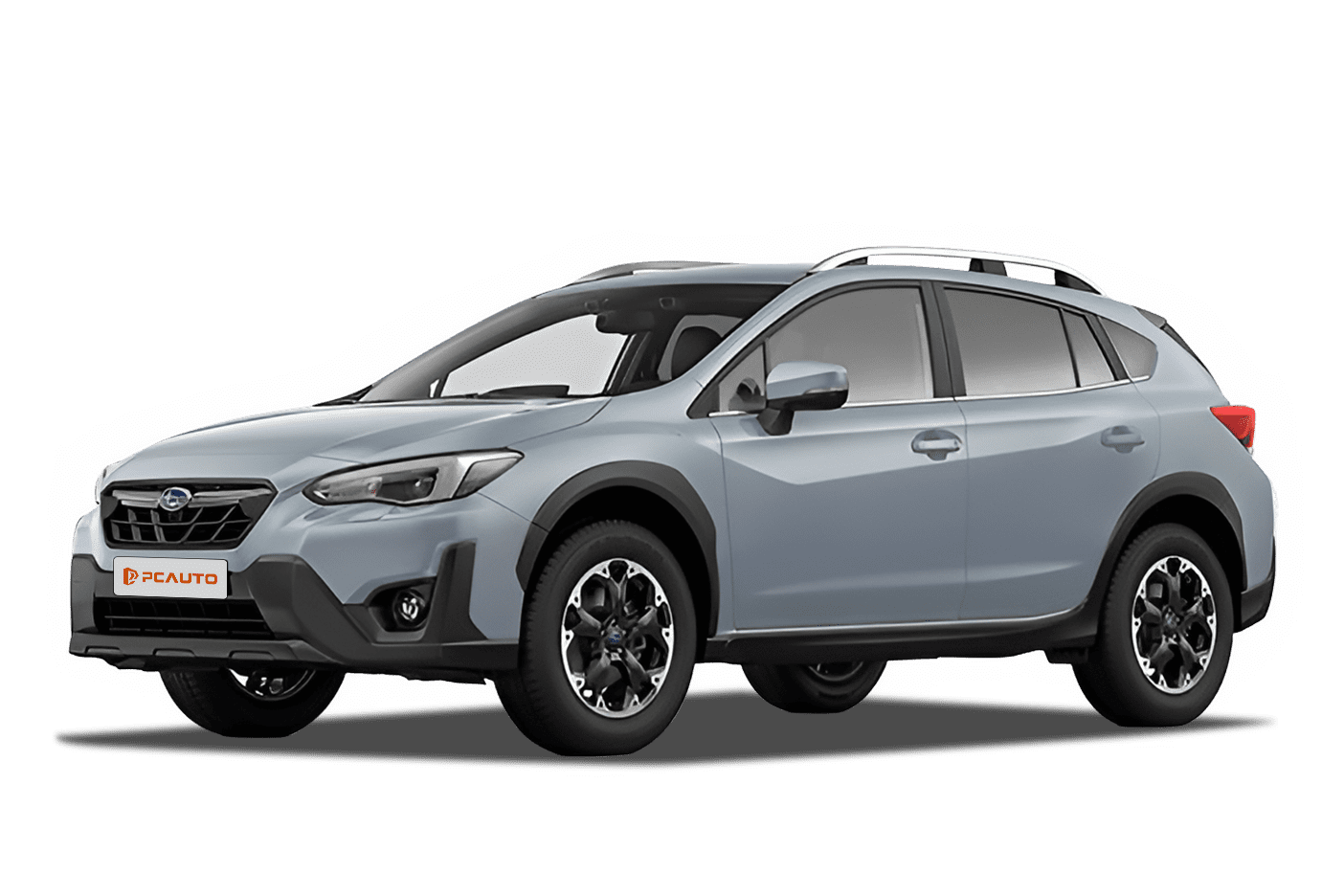
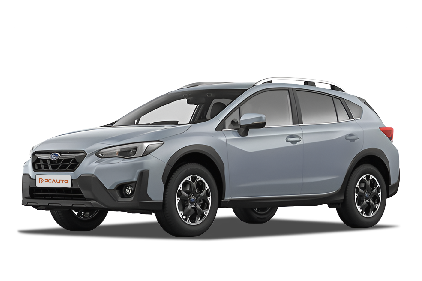
The 2021 Subaru XV 2.0i is a model targeting the C-segment crossover market, equipped with standard all-wheel drive and high safety features, balancing off-road capability and handling, with practical space.

2021 Hyundai Kona 2.0 Standard, as a high-value entry-level compact SUV, retains essential safety and practical features with an affordable price, meeting the daily commuting and loading needs of families.