

Honda CR-V 2012 Review

 Share
Share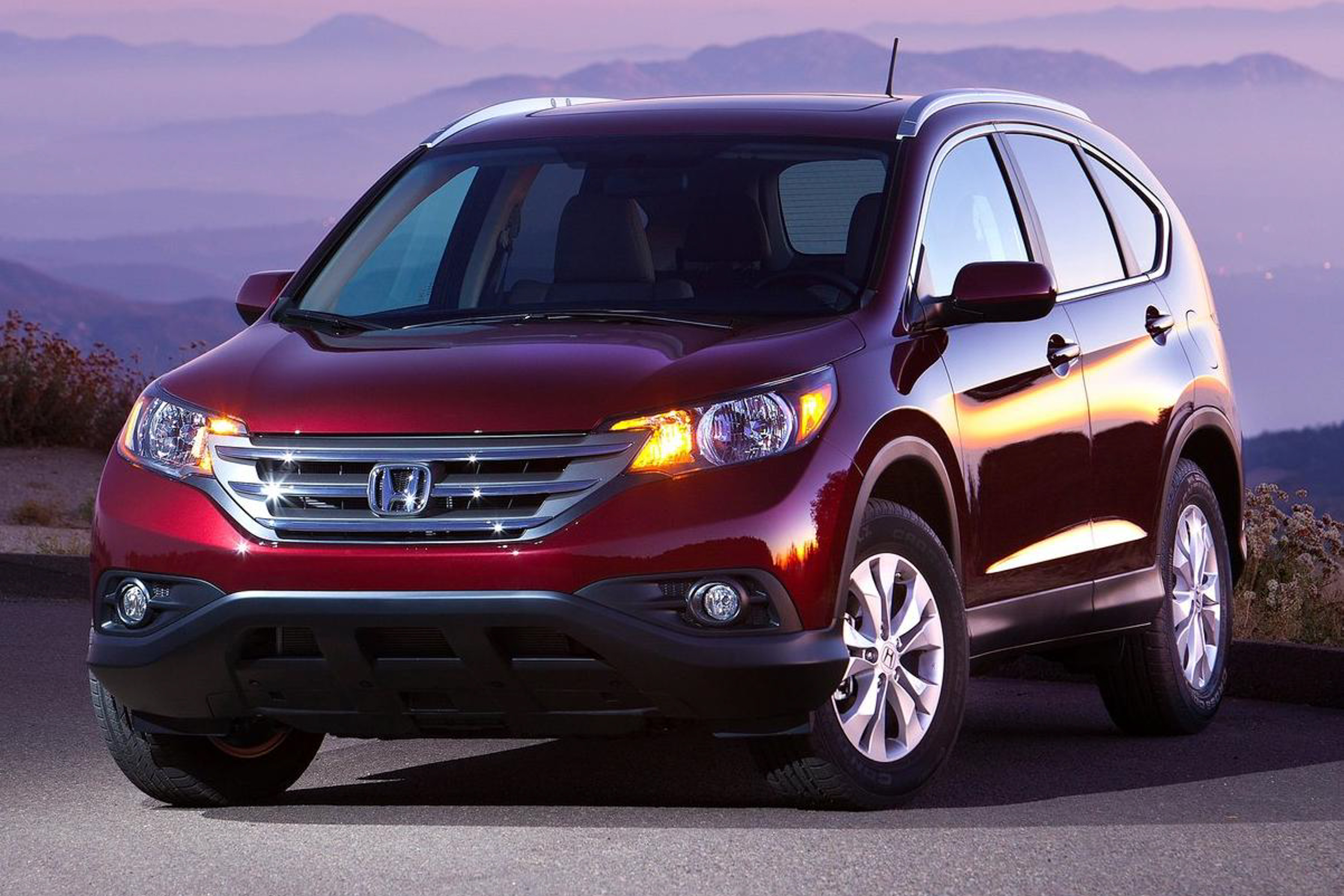
 Body Type
 Segment
 Capacity(L)
 Engine Power(PS)
 Engine Torque(Nm)
 Transmission
In recent years, the SUV market has been continuously booming, and compact SUVs have become the first choice for many family users due to their balanced space and off-road capability. The 2012 Honda CR-V Public, as a mid-cycle facelift model of the series, has made adjustments to its exterior design and configuration details while maintaining its original reliability, aiming to stay competitive in the fiercely contested segment. This test drive focuses on verifying whether these upgrades effectively enhance daily usability, as well as whether it can still meet the current user demands in terms of power, space, and comfort.
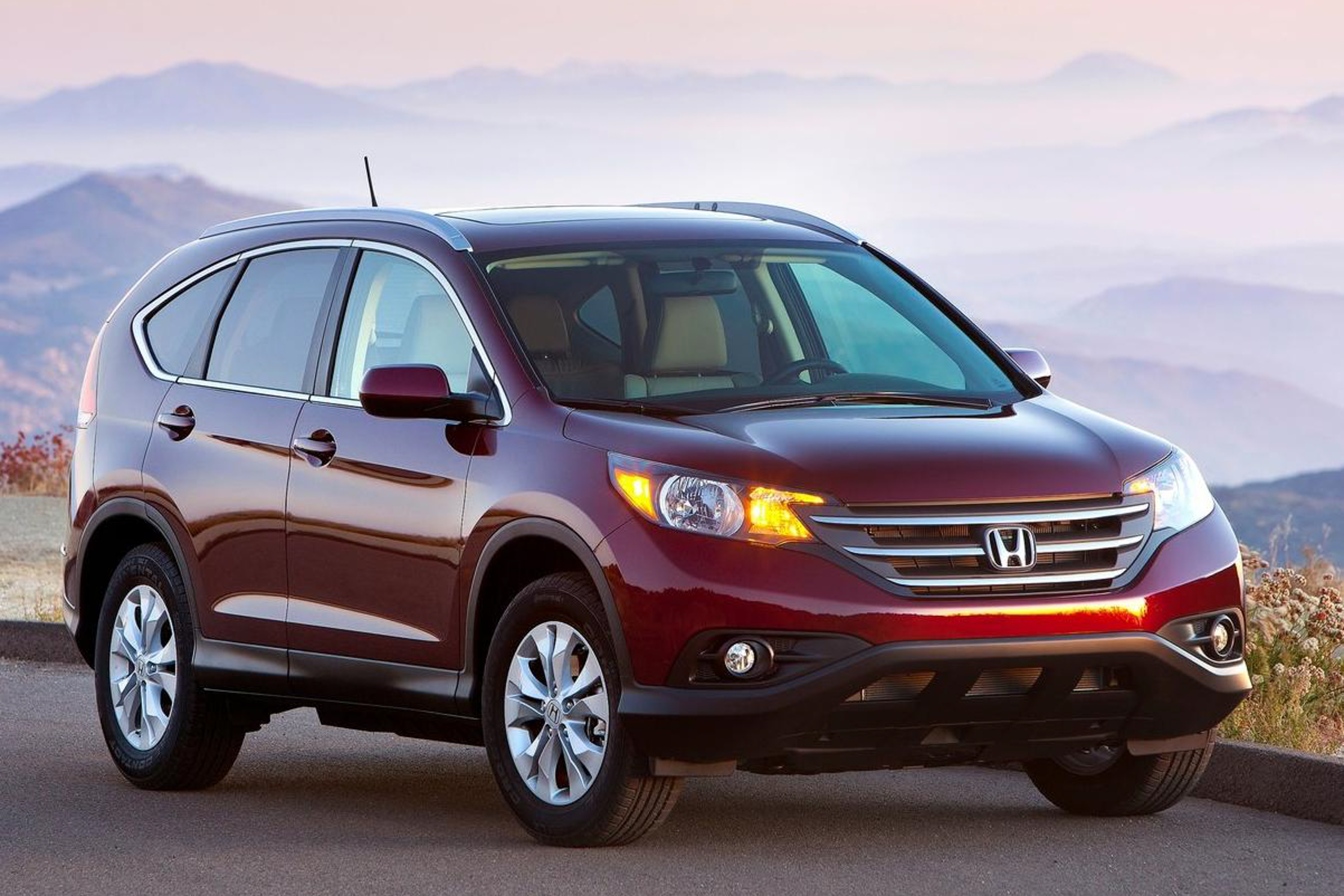
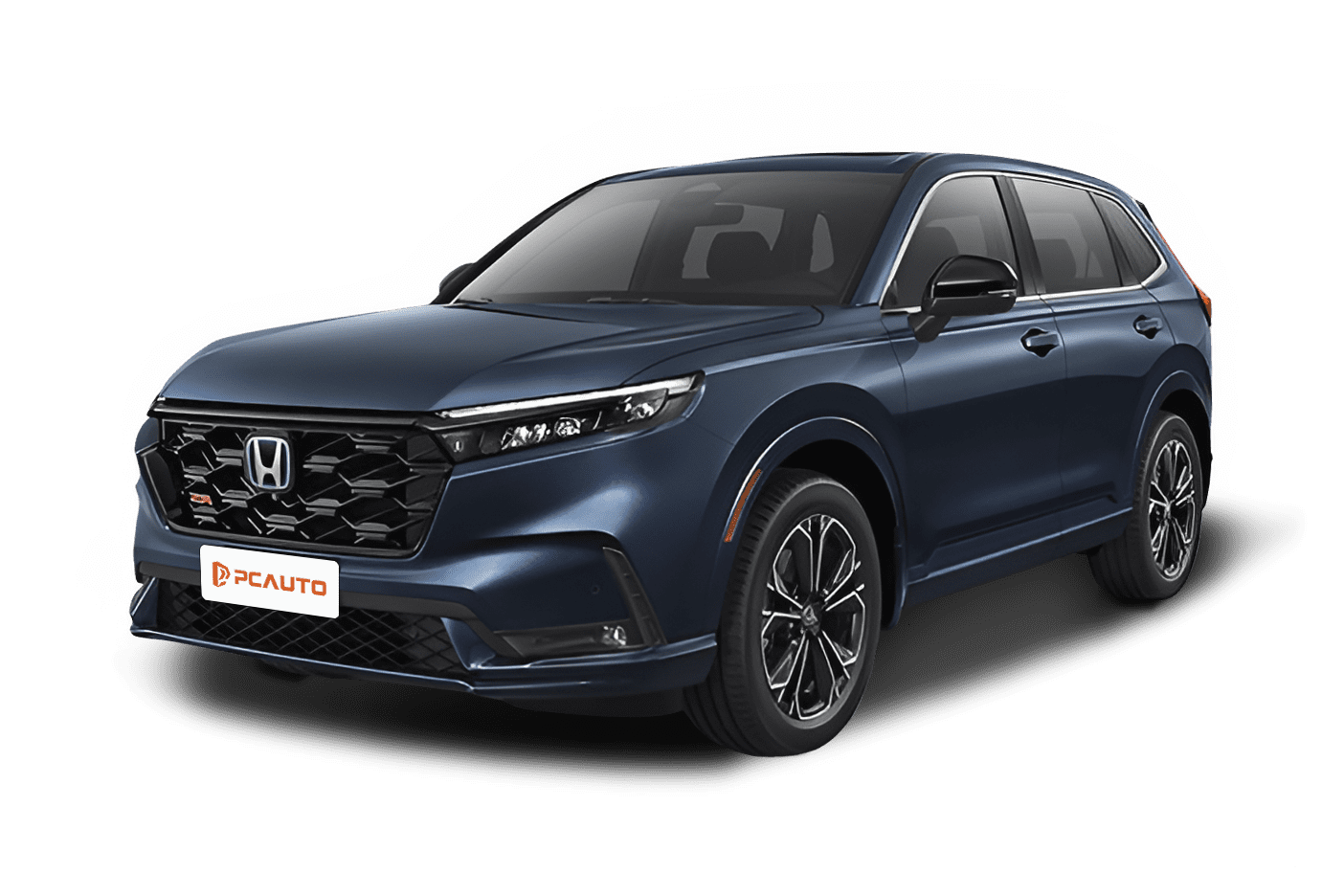
In terms of appearance, the 2012 CR-V Public continues the overall silhouette of the previous generation but has made noticeable adjustments to the front end. The size of the grille has been reduced, and the chrome strips inside the grille have been simplified from three to one. Paired with the redesigned front bumper, the overall style appears more refined. The shape of the front headlights remains unchanged, but their internal structure has been slightly updated with brighter halogen bulbs, slightly improving nighttime illumination. The body side lines are smooth, with a waistline running from the front to the rear of the car that enhances the visual layering. Standard 17-inch multi-spoke aluminum alloy wheels are paired with 225/65 R17 tires that balance on-road comfort with mild off-road passability. There are fewer changes to the rear of the car. The taillight assembly features a red-and-white design, and the internal structure adjustments enhance its recognizability. A silver skid plate has been added to the lower rear bumper, adding a touch of ruggedness. Overall, the facelifted CR-V Public aligns better with current aesthetic trends, appearing less bulky and more refined compared to the previous model.
Stepping inside, the interior layout remains practical, without excessive decorative design. The center console adopts a two-tone scheme of a dark upper section and lighter lower section, aligning with family users' preferences. The steering wheel is a three-spoke design, with audio controls and Bluetooth phone buttons on the left side, while the right side remains blank and requires higher trims to include cruise control functionality. The instrument cluster comprises traditional mechanical dials, with a monochrome LCD display in the center that shows basic information such as fuel consumption and mileage. The readings are clear but lack technological sophistication. The central touchscreen measures 7 inches and supports CD, USB, and AUX input. While Bluetooth connectivity is stable, it does not support Apple CarPlay or Android Auto, which appears somewhat outdated in today's standards. The seats are made of fabric material, with manually adjustable front seats. The padding of the backrests and seat cushions is relatively firm, offering good support and making long-distance driving less tiring. The rear seats feature adjustable backrest angles, and the legroom is spacious, leaving two fists of clearance in front of the knees for a passenger who is 175 cm tall. There is also about one fist’s worth of headroom, making it adequate for family travel needs. In terms of storage space, the front center armrest box is relatively large and can hold items such as mobile phones and wallets. The door storage slots can fit two bottles of mineral water. The trunk has a standard volume of 589 liters, which can be expanded to 1,669 liters when the rear seats are folded, positioning its cargo capacity in the upper-middle range among vehicles in its class.
In terms of performance, the 2012 CR-V Public is equipped with a 2.0L naturally aspirated engine that delivers a maximum output of 155 horsepower and a peak torque of 190 Nm, paired with a 5-speed automatic transmission. Based on its specifications, this powertrain is not particularly strong by today’s standards but is sufficient for daily commuting purposes. When starting, power delivery is smooth, and throttle response is linear with no noticeable lag. During acceleration, the transmission shifts smoothly, with upshifts occurring swiftly, while downshifts require a more pronounced press on the accelerator for noticeable engagement. On urban roads, the power is flexible enough for easy overtaking and lane changes at speeds below 60 km/h. However, on highways, when the speed exceeds 100 km/h, the power reserves feel somewhat lacking, necessitating advance planning based on road conditions. There is only one standard driving mode available, with no options for sports or eco modes, which feels somewhat limited.
The handling performance is average, with the steering wheel being relatively light, making it suitable for female drivers, but the road feel feedback is not very precise. The chassis adopts a front MacPherson independent suspension and a rear double wishbone independent suspension, tuned towards comfort. When going over speed bumps or bumpy roads, the suspension can filter out most vibrations, and the body does not bounce significantly, but at low speeds, some fine vibrations can still be felt inside the cabin. During cornering, the body leans noticeably, which is a common issue with SUVs. However, the overall integrity of the chassis is good and does not feel loose. The braking system performs steadily, with a moderate brake pedal travel. The braking force is gentle in the initial phase and gradually increases in the latter phase, making it easy to control during daily driving.
As for fuel consumption, we conducted a test under mixed urban and highway conditions, covering a total distance of about 200 kilometers, with 60% in urban roads and 40% on highways. The air conditioning was on throughout the test, and the final displayed fuel consumption was 8.9L/100km, while the actual calculated fuel consumption was 9.2L/100km. The performance is average and aligns with the level of a 2.0L naturally aspirated engine. Regarding noise control, the cabin is relatively quiet at speeds below 60km/h, with the main noise coming from the tires. At speeds above 80km/h, wind noise and engine noise become more noticeable but remain within an acceptable range and do not affect normal conversation inside the car.
In summary, while the 2012 Honda CR-V Public may lack advanced technology features, it still offers reliable performance in terms of space, reliability, and comfort. Compared to other models in the same segment, its advantages lie in its mature powertrain and spacious interior, making it suitable for practical family usage. However, if you have high requirements for technology features or seek stronger performance, it might not be the best choice. Nevertheless, for budget-conscious consumers in need of a reliable family SUV, the 2012 CR-V Public remains a worthwhile option that can meet all daily travel needs without any significant shortcomings.
Honda CR-V Car Compare
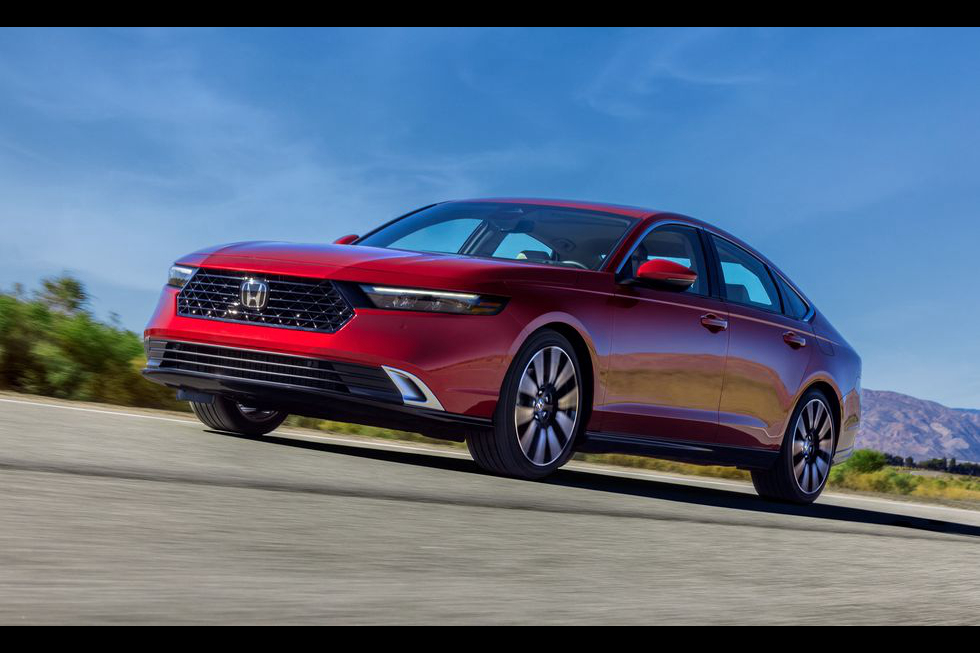
Cars With Similar Price And Features
8
Rank in SUV
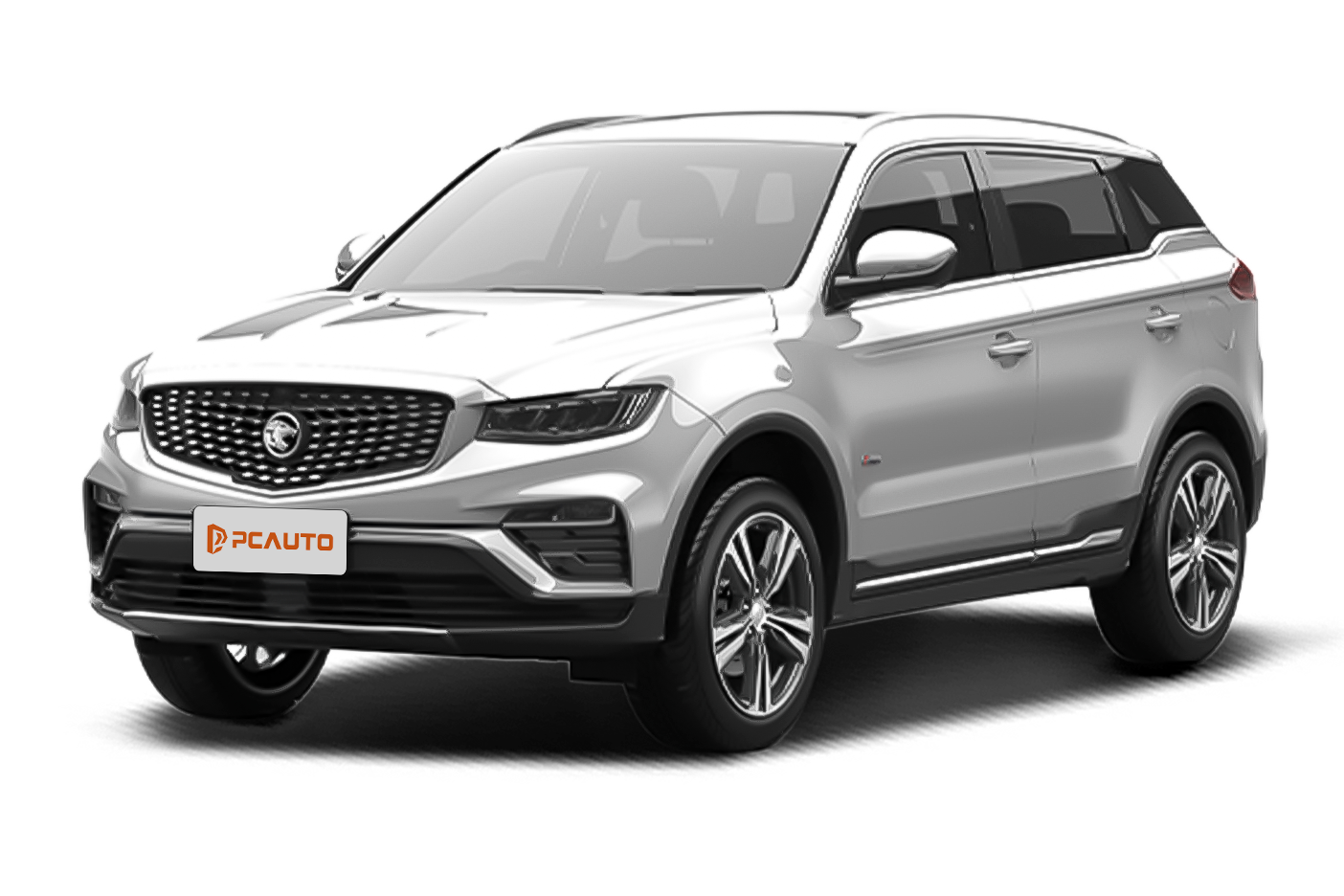
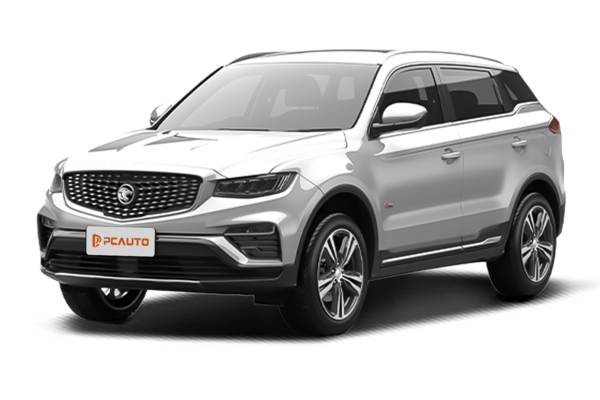
2026 Proton X70 1.5 TGDi Executive focuses on upgrading to a four-cylinder engine, practical configurations, and affordable pricing. It balances family commute practicality with value for money, making it a sensible choice among similarly priced C-segment SUVs.
10
Rank in SUV
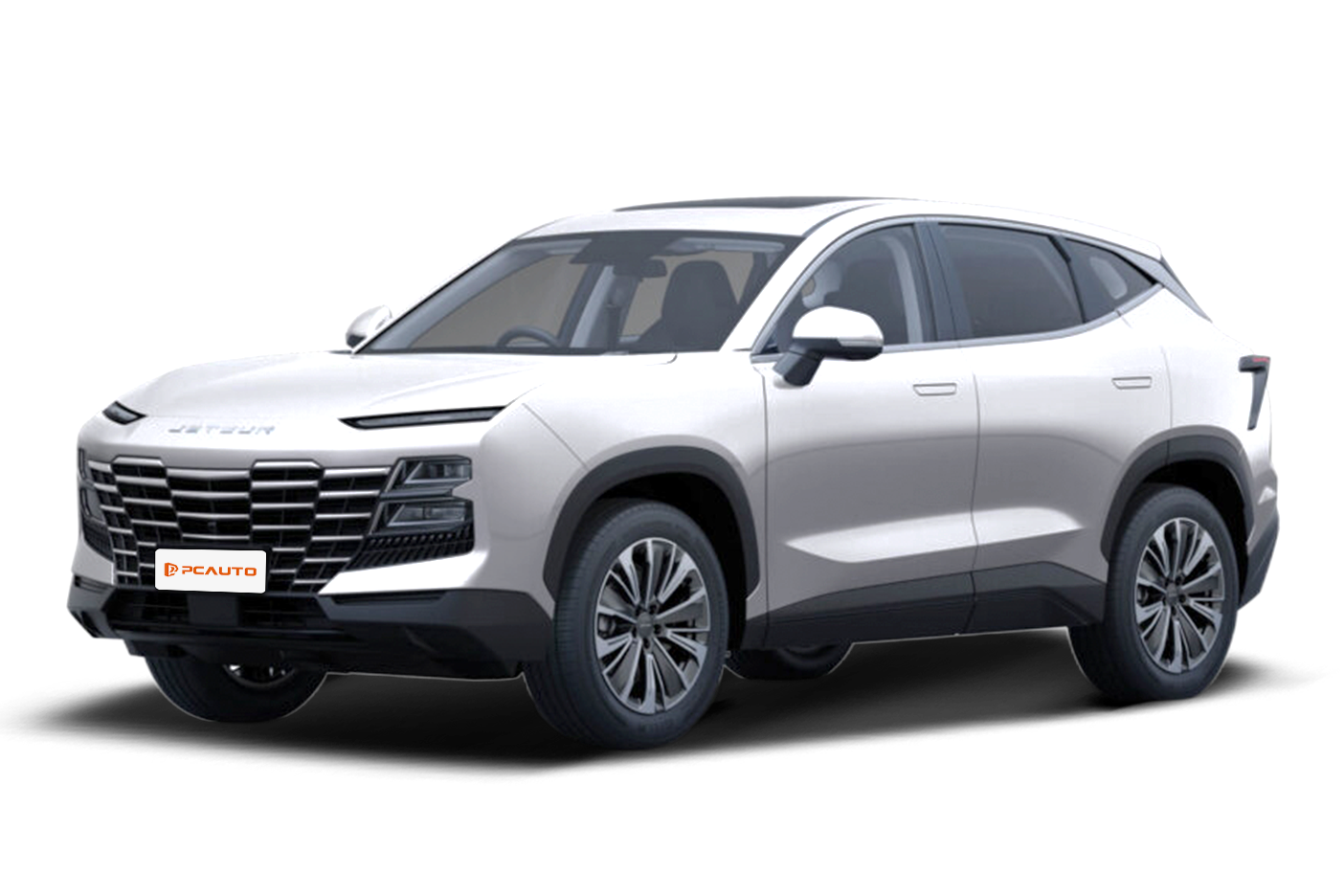
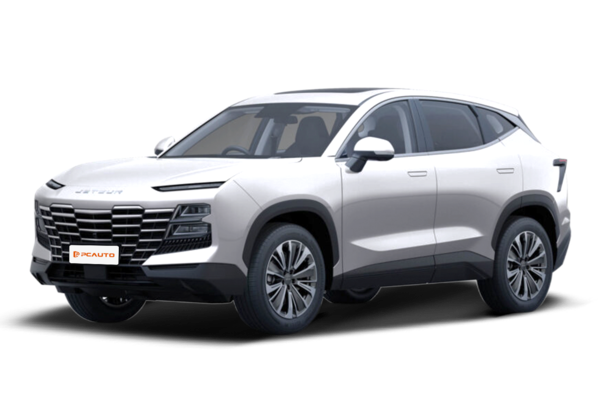
Jetour Dashing 1.5 TCI Comfort 2025 features a 2720mm long wheelbase and a 10.25-inch dual screen as its core, focusing on balanced cost performance to meet family practical needs.
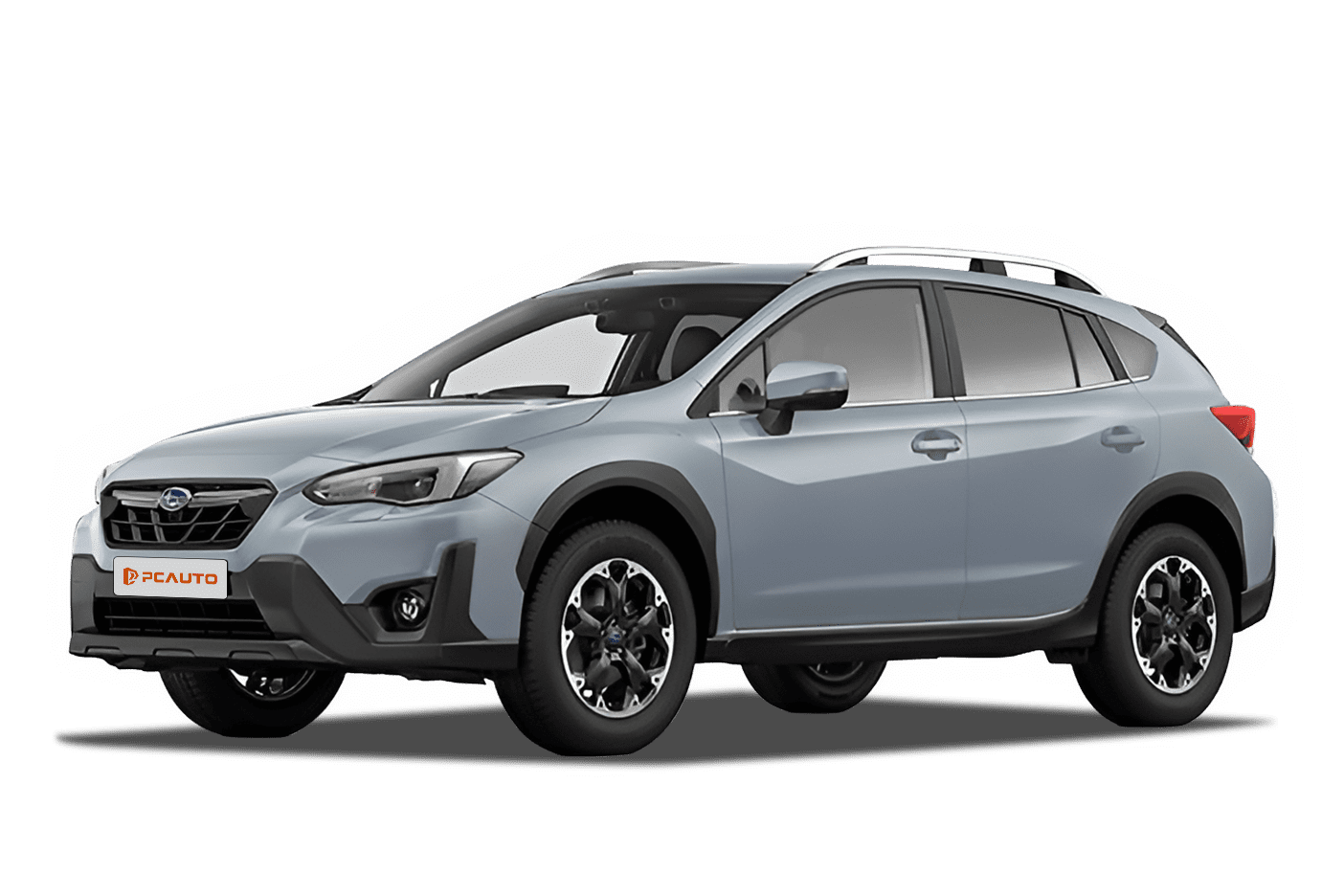
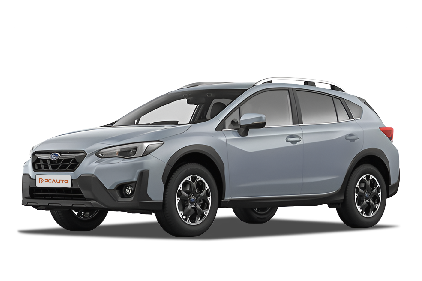
The 2021 Subaru XV 2.0i is a model targeting the C-segment crossover market, equipped with standard all-wheel drive and high safety features, balancing off-road capability and handling, with practical space.

2021 Hyundai Kona 2.0 Standard, as a high-value entry-level compact SUV, retains essential safety and practical features with an affordable price, meeting the daily commuting and loading needs of families.