

Honda CR-V 2024 Review

 Share
Share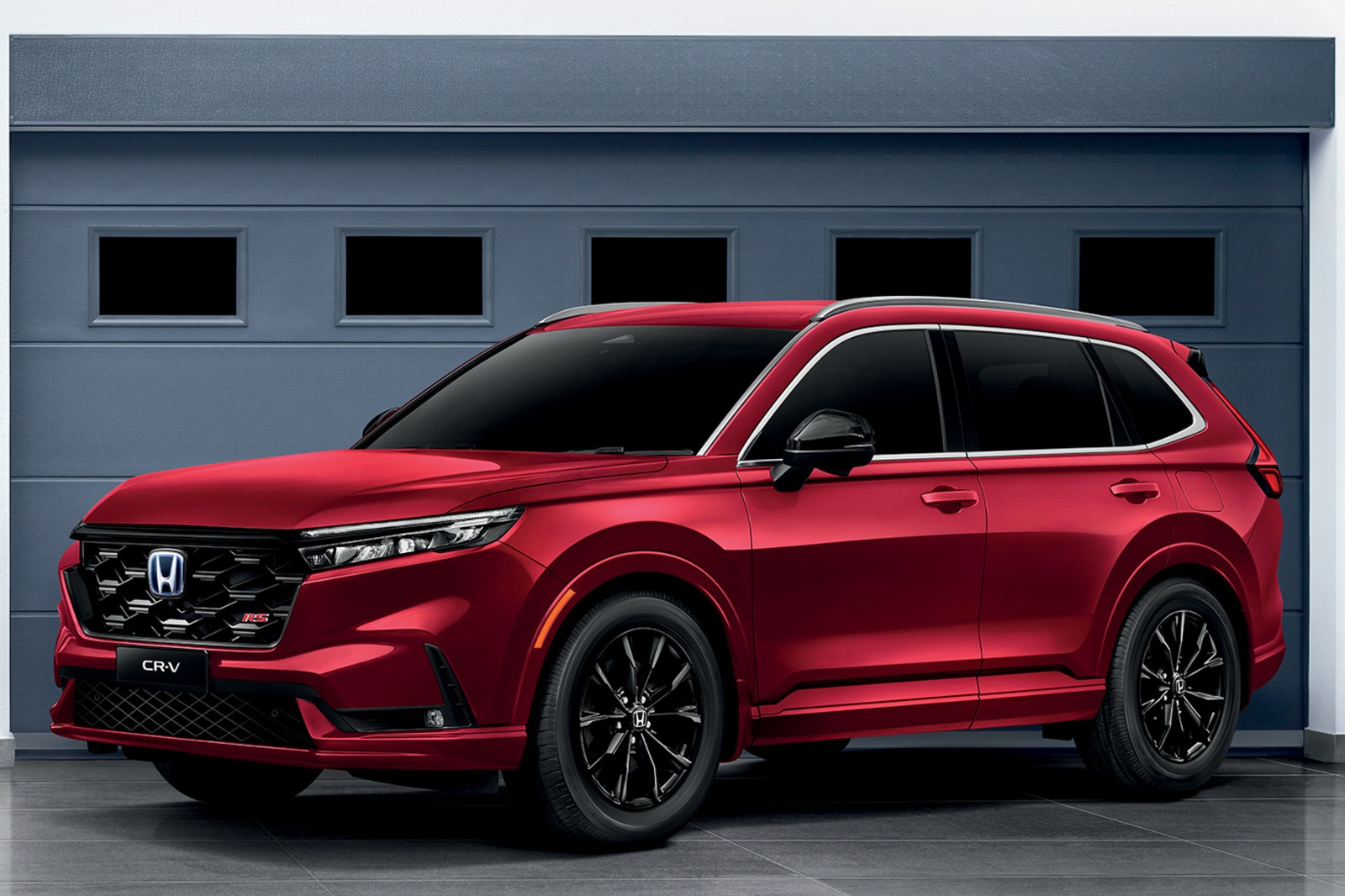
 Segment
 Body Type
 Capacity(L)
 Engine Power(PS)
 Engine Torque(Nm)
 Transmission
The C-segment SUV market has always been the preferred choice for family users locally. Most models either lean towards high-end configurations and prices or compromise on features for better cost performance. As the entry-level version of the series, the 2024 Honda CR-V 1.5L Turbo S, priced at RM 159,900, comes equipped with the full Honda Sensing active safety system and practical comfort configurations. This "entry-level but not stripped" setting has drawn curiosity from many budget-conscious consumers: can it really balance cost performance and daily practicality? In this test drive, we will focus on this aspect to see if it can become the "balanced choice" in the C-segment SUV market.
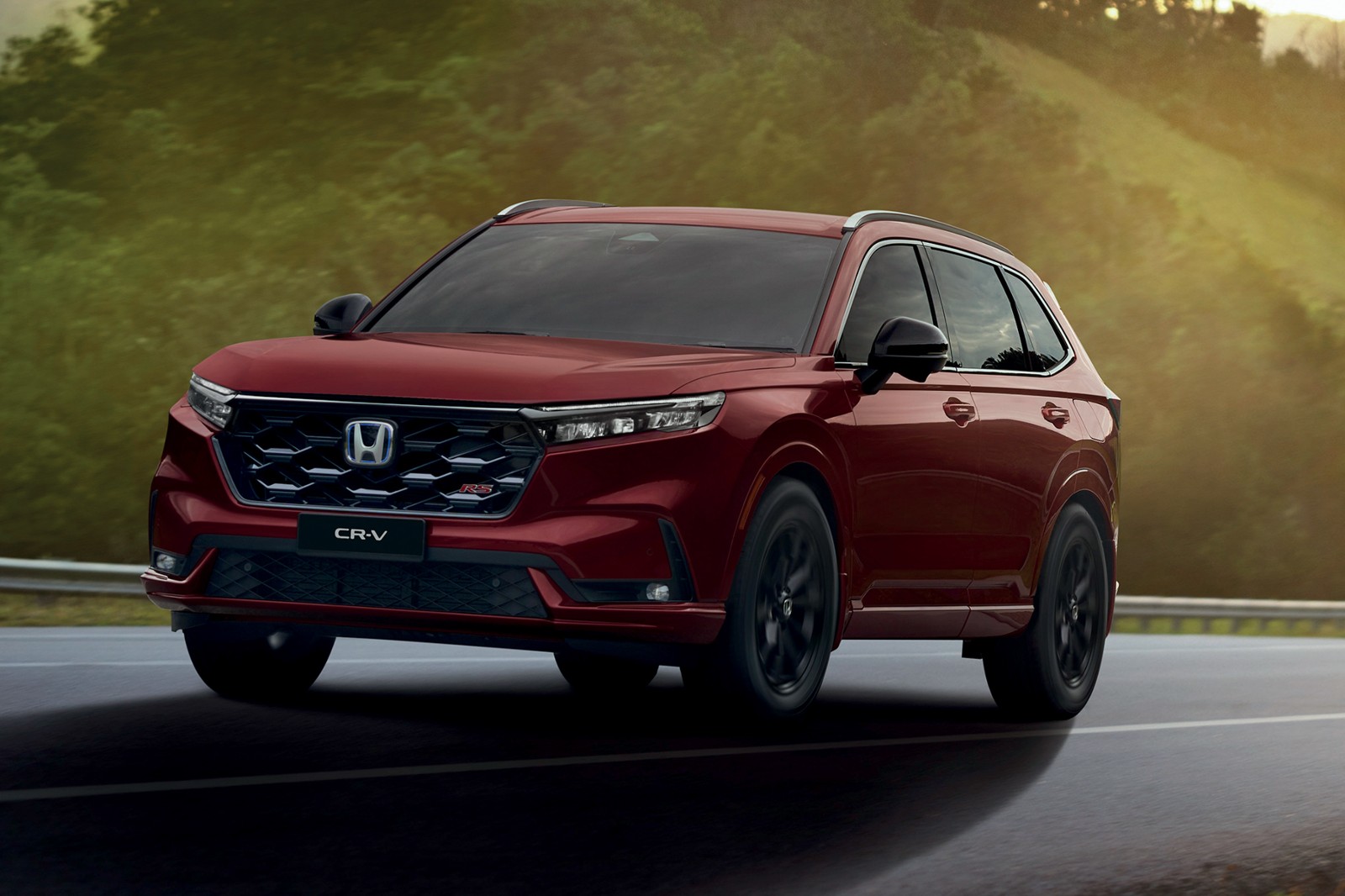
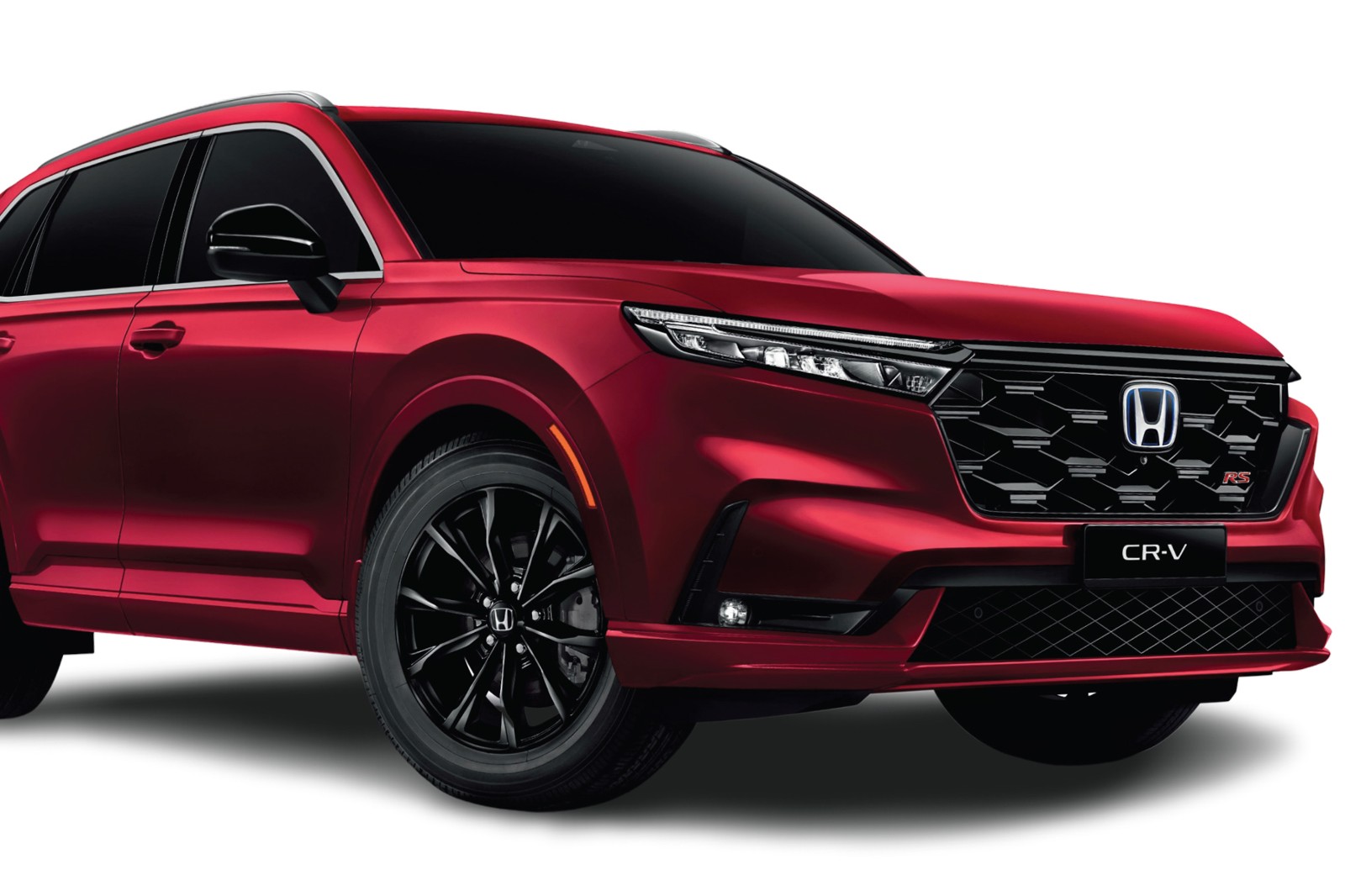
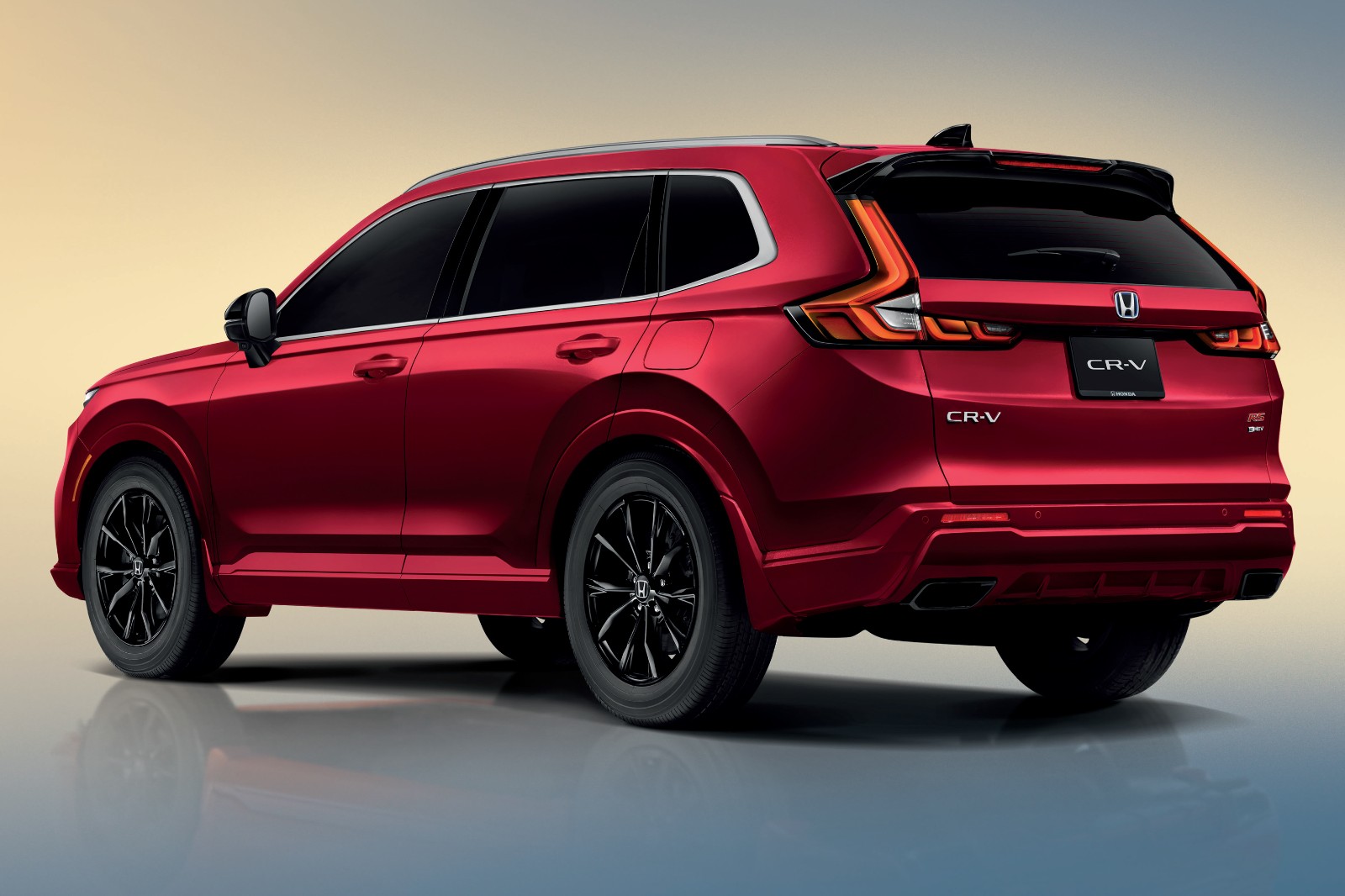
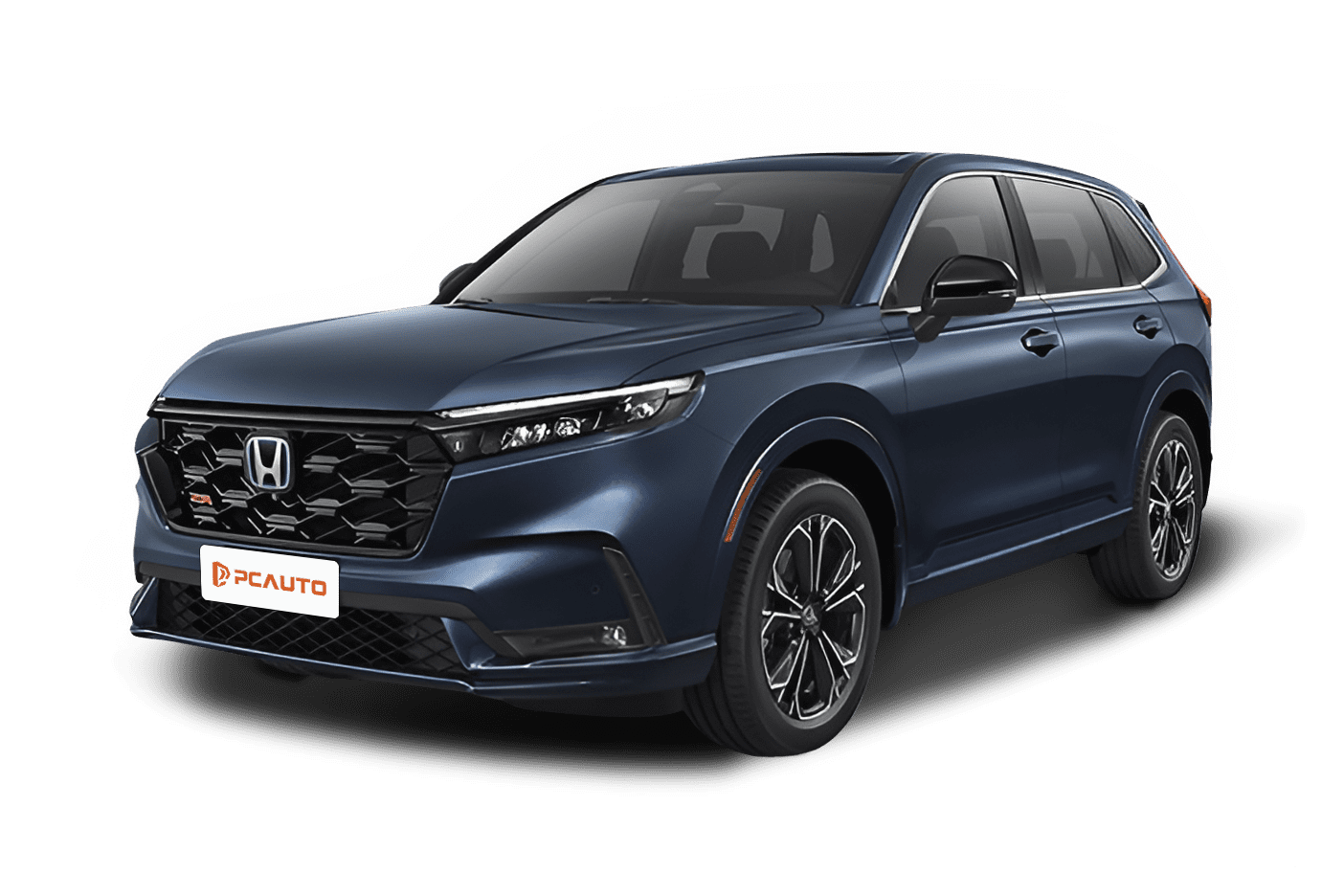
In terms of appearance, the Turbo S continues the rugged style of the new-generation CR-V. The front features a large blacked-out grille paired with a chrome strip running through it, connected to LED headlight clusters on both sides. The daytime running lights are designed in an L-shape, providing high recognizability. The side profile is sleek, with 235/65 R17 tires paired with 17-inch alloy wheels. While they may not be as striking as the 18-inch ones on the higher trims, the thicker tire walls provide better cushioning on bumpy roads. At the rear, the LED taillight clusters also adopt a blacked-out design that echoes the front. The silver skid plate at the bottom of the rear bumper adds a touch of off-road flair. The overall design is clean and stylish, meeting the aesthetic preferences of family users.
Stepping inside, the interior uses black as the main color theme. The center console is wrapped in soft-touch materials and accented with silver trim, offering a texture that is above average within its price segment. The central display is a 7-inch Display Audio system that supports Bluetooth connection and Apple CarPlay/Android Auto. The operation is smooth, though you may notice the smaller size compared to the 9-inch display on higher trims, but it doesn't significantly impact daily use. The instrument panel is a 7-inch TFT digital display, showing basic information such as speed, RPM, and fuel consumption. The interface is clear and easy to read. For seating, the driver’s seat is equipped with 8-way power adjustment, while the passenger seat has 4-way power adjustment. The seat padding is thick and offers good support, making long rides comfortable. The rear seats support a 60:40 split-folding function, and when folded down, the trunk space expands to 1,064 liters, ample for storing strollers or suitcases for daily use.
Space is a traditional strength of the CR-V, with the Turbo S boasting a 2,701mm wheelbase. The front-row seating area is roomy, offering a fist's worth of headroom for a passenger who is 175cm tall when seated comfortably. The rear legroom is even more ample; a passenger of the same height sitting in the back will find over two fists of space between their knees and the front seatback. The central floor bump is not high, so the middle passenger can also enjoy decent comfort when the rear seats are fully occupied by five people. In terms of storage space, the door storage slots, center armrest box, and front cup holders are all practical. The trunk offers a regular capacity of 587 liters, perfectly sufficient for daily family outings.
In the power department, the Turbo S is equipped with a 1.5L turbocharged engine, delivering a maximum power of 142kW (193PS) and a peak torque of 243N·m. It is paired with a CVT gearbox. During daily driving, the car accelerates briskly, with a quick throttle response, making it flexible in city traffic. During acceleration, the CVT gearbox performs smoothly, with no noticeable jerky sensations. At around 2,000 RPM, you can feel a significant boost in torque, and when pressing the throttle for overtaking, the power responds promptly. The official 0-100km/h acceleration time is 9.7 seconds, which is more than adequate for daily use. On the highway, even when the speed reaches 120km/h, there is still ample power reserve for further acceleration, making overtaking a breeze.
In terms of handling, the steering wheel is precise with minimal dead zone. At low speeds, it is light and nimble, while at high speeds it becomes progressively heavier, providing good feedback. The suspension system adopts a front MacPherson independent suspension and rear multi-link independent suspension, tuned for comfort. It effectively absorbs most bumps when going over speed bumps or uneven roads, allowing rear passengers to hardly feel any significant vibration. However, when cornering, the body roll is somewhat noticeable. After all, it is an SUV with a higher center of gravity, so this is normal performance. Regarding braking performance, the brake pedal has a moderate travel distance, and the braking force is linear. The initial braking phase is not abrupt, and the mid-phase braking force is sufficient, offering great confidence during daily driving.
In the fuel consumption test, we drove 50 kilometers on congested city roads and 50 kilometers on highways with the air conditioner on throughout the trip. The combined fuel consumption measured was 7.2L/100km, slightly higher than the official 7L/100km. Considering the real-world traffic conditions, this result is already excellent. As for noise control, driving at low speeds keeps the interior very quiet, with tire noise and wind noise not being significant. At higher speeds, wind noise increases slightly but remains within an acceptable range, not interfering with normal conversations between passengers inside the car.
In terms of safety features, the Turbo S is equipped with the standard Honda Sensing active safety system, which includes Lane Departure Warning, Forward Collision Warning, Automatic Emergency Braking, and Adaptive Cruise Control (ACC). During the test drive, the Lane Departure Warning system was very responsive, issuing timely alerts and making slight steering corrections when the vehicle deviated from the lane. The Adaptive Cruise Control is convenient for highway use, automatically following the vehicle ahead and reducing driver fatigue. As for passive safety, it comes with five airbags (driver, front passenger, front side airbags, front head curtain airbags, and knee airbag), along with ISO FIX child seat anchors, ensuring a high level of safety.
Overall, the core advantage of the 2024 Honda CR-V 1.5L Turbo S lies in its "balance": it is affordably priced without compromising on safety features, offers spacious interiors to accommodate family needs, and delivers smooth power and economical fuel consumption, making it suitable for daily commuting and family outings. Compared to competitors in the same class, such as the Toyota RAV4 2.0 G (RM 165,900), the Turbo S is priced lower with more features; and compared to the Mazda CX-5 2.0G High (RM 162,000), it offers more space and better fuel efficiency.
This car is ideal for families with a budget of around RM 160,000, especially those who place importance on safety, space, and fuel economy. If you don't require features like 18-inch rims and a 9-inch central control screen found in higher configurations, the Turbo S is fully capable of meeting your daily needs. All in all, the 2024 Honda CR-V 1.5L Turbo S is a "sufficient entry-level" C-class SUV. It has no significant shortcomings and is an ideal option for family users.
Honda CR-V Car Compare
Honda CR-V Loan Calculator
More Honda Reviews
Cars With Similar Price And Features
8
Rank in SUV
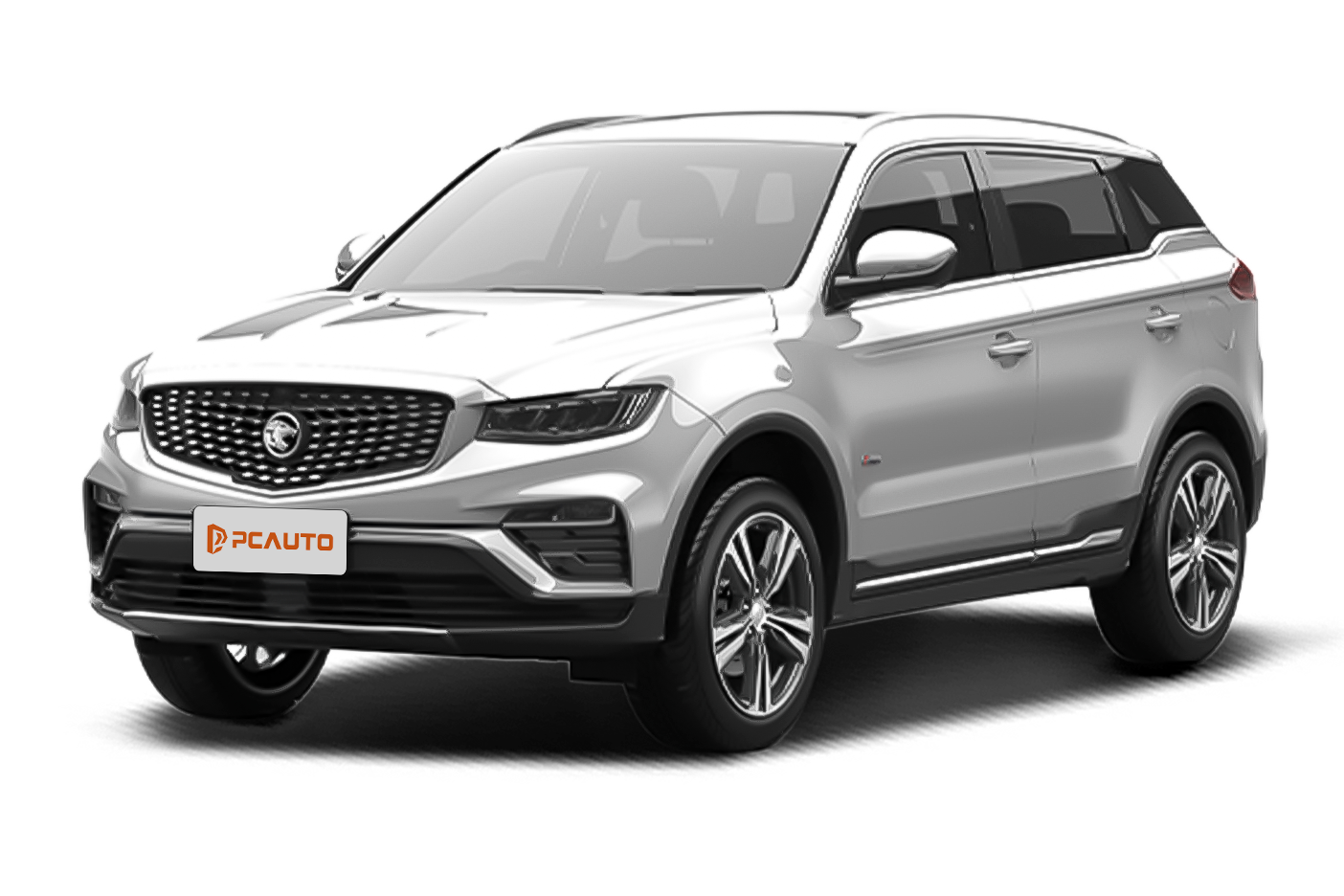
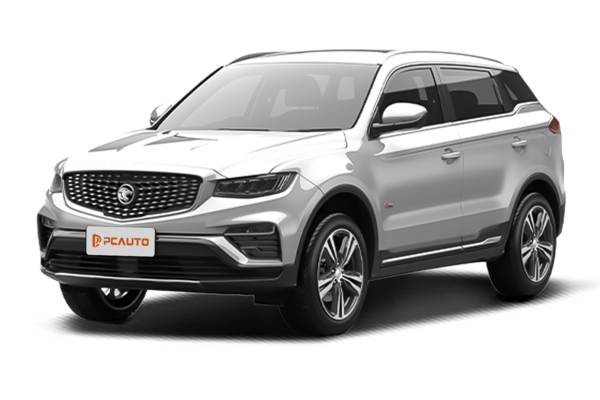
2026 Proton X70 1.5 TGDi Executive focuses on upgrading to a four-cylinder engine, practical configurations, and affordable pricing. It balances family commute practicality with value for money, making it a sensible choice among similarly priced C-segment SUVs.
10
Rank in SUV
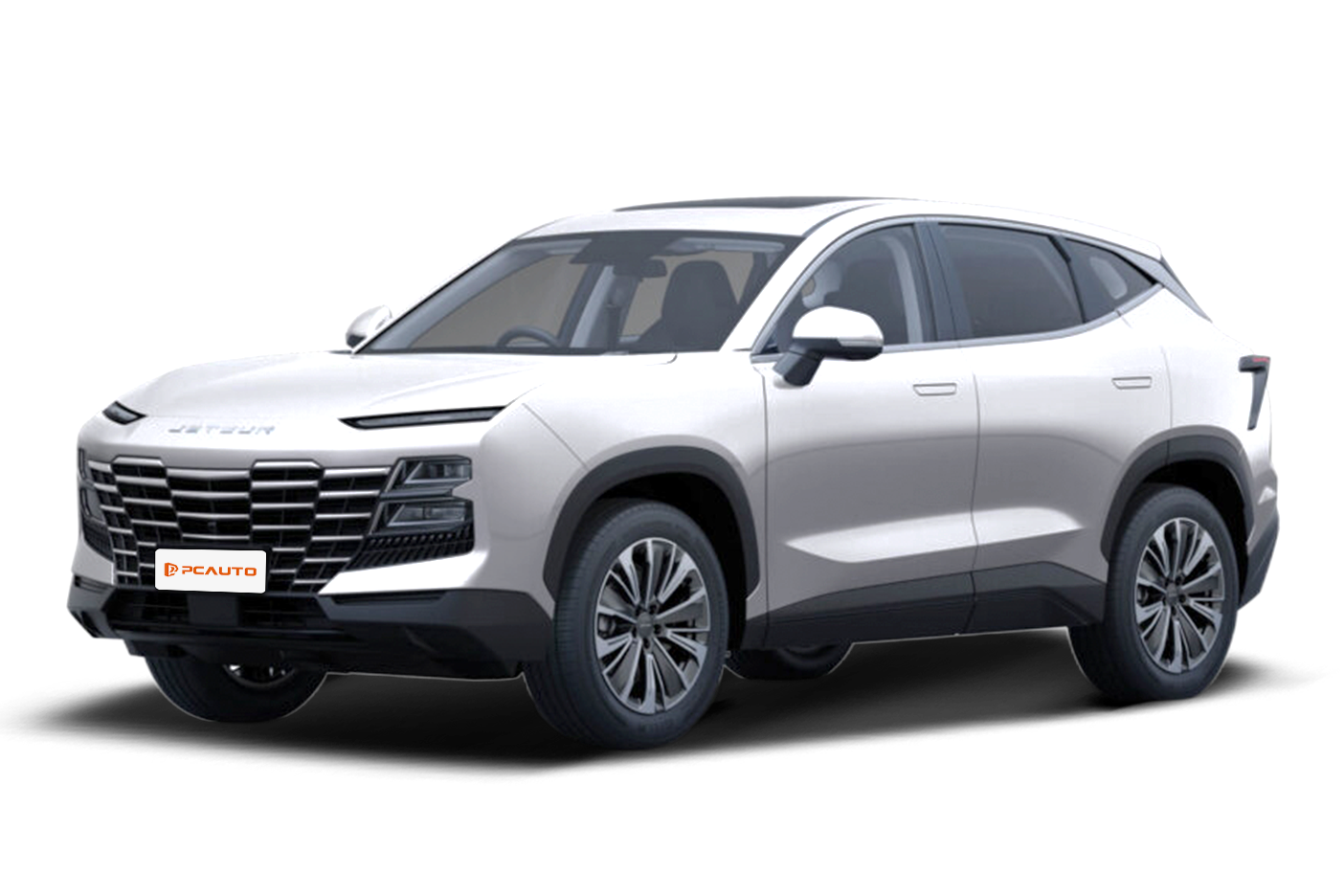
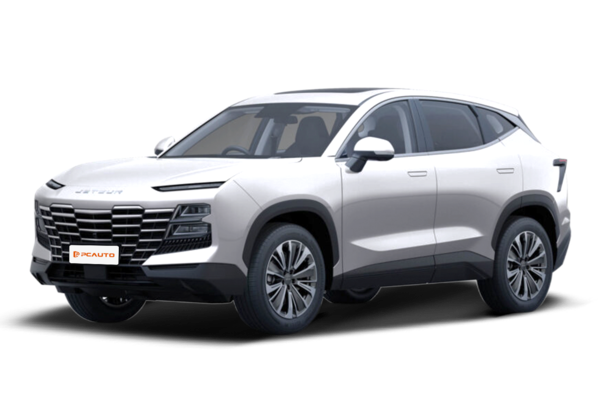
Jetour Dashing 1.5 TCI Comfort 2025 features a 2720mm long wheelbase and a 10.25-inch dual screen as its core, focusing on balanced cost performance to meet family practical needs.
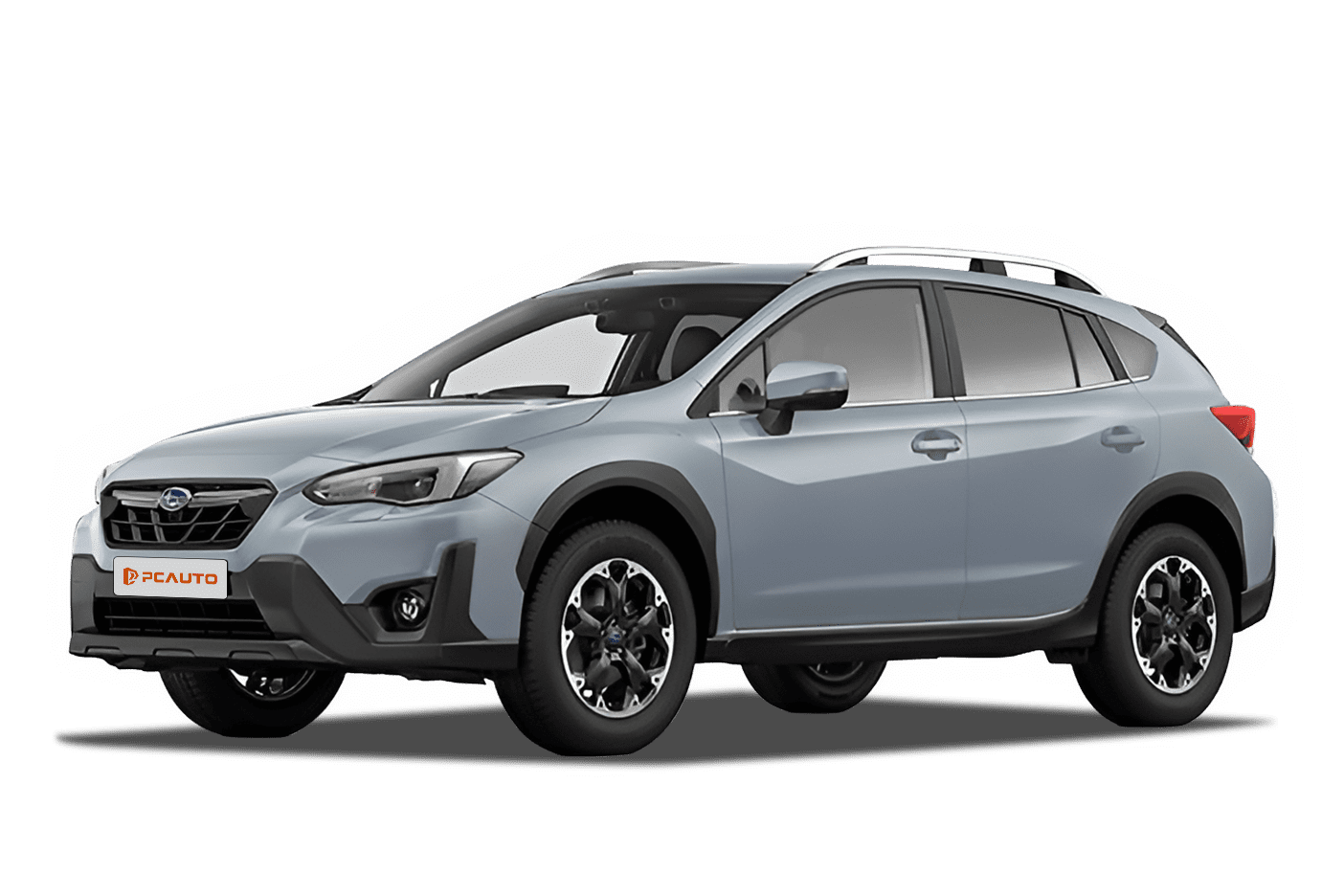
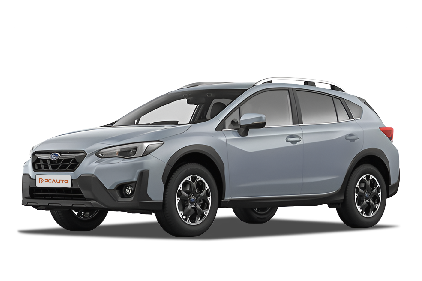
The 2021 Subaru XV 2.0i is a model targeting the C-segment crossover market, equipped with standard all-wheel drive and high safety features, balancing off-road capability and handling, with practical space.

2021 Hyundai Kona 2.0 Standard, as a high-value entry-level compact SUV, retains essential safety and practical features with an affordable price, meeting the daily commuting and loading needs of families.