

Honda HR-V 2025 Review

 Share
Share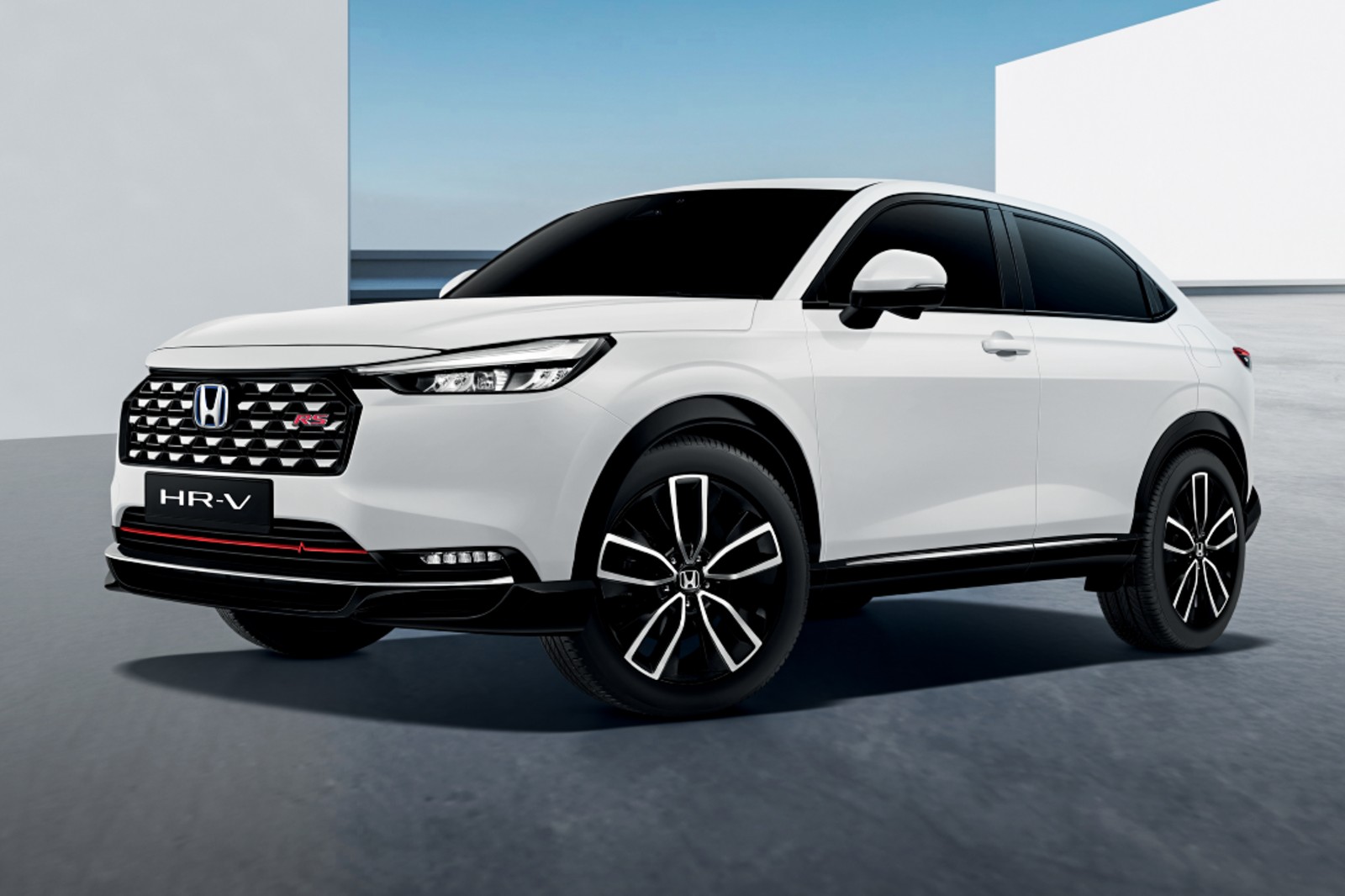
 Segment
 Body Type
 Capacity(L)
 Engine Power(PS)
 Engine Torque(Nm)
 Transmission
In Malaysia's B-Segment SUV market, family users have always preferred "balanced practicality" – requiring adequate power and fuel efficiency without lacking basic smart features, with space flexibility being a priority need. Priced at RM 115,900, the 2025 Honda HR-V 1.5L S serves as the entry-level variant, retaining the brand's iconic space design while bringing practical features such as ACC adaptive cruise control and LED light sets to the entry level. But is it truly "entry-level without compromises"? This review focuses on its static experience and daily driving performance to see if it meets the core needs of family users.
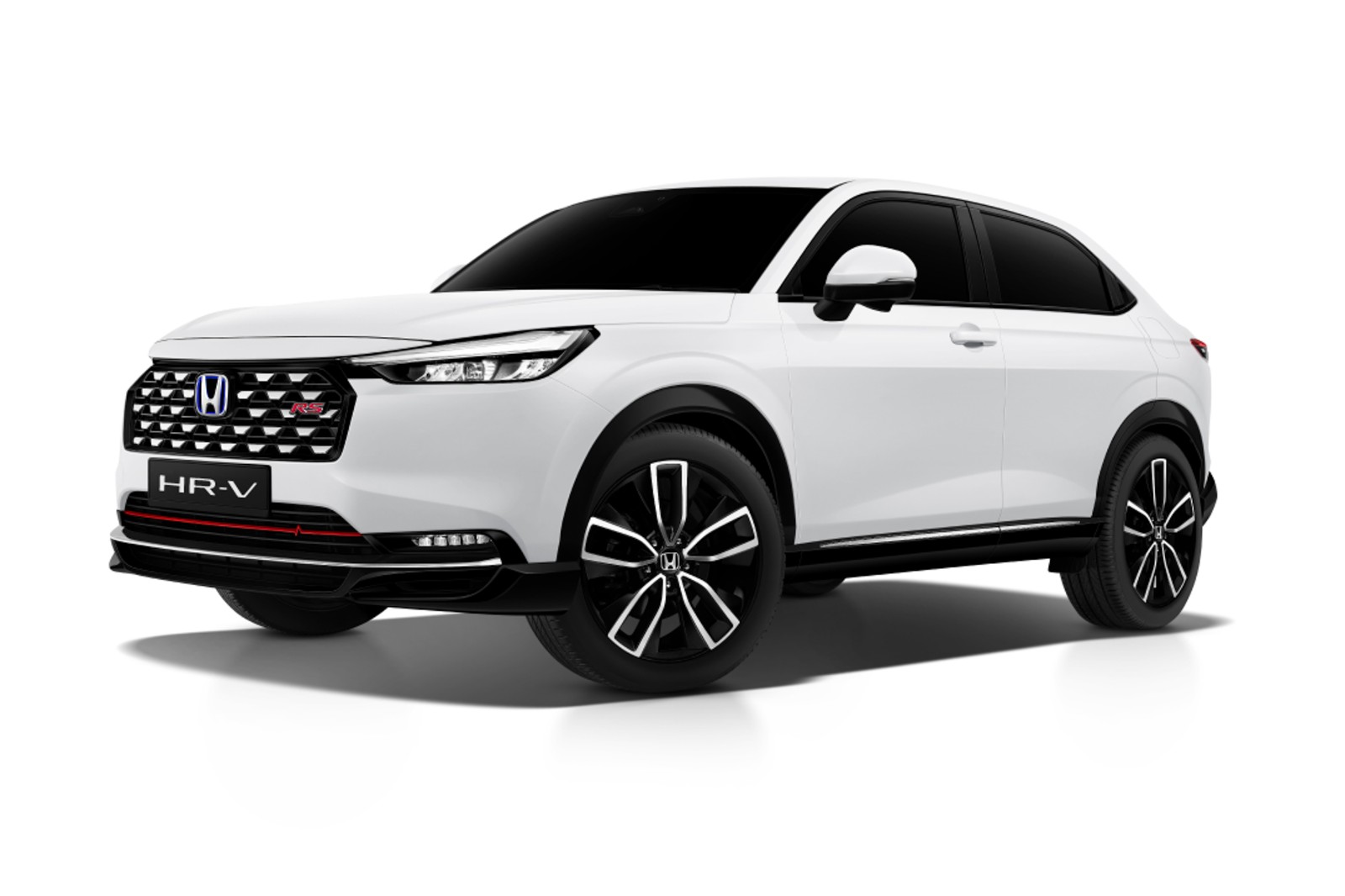
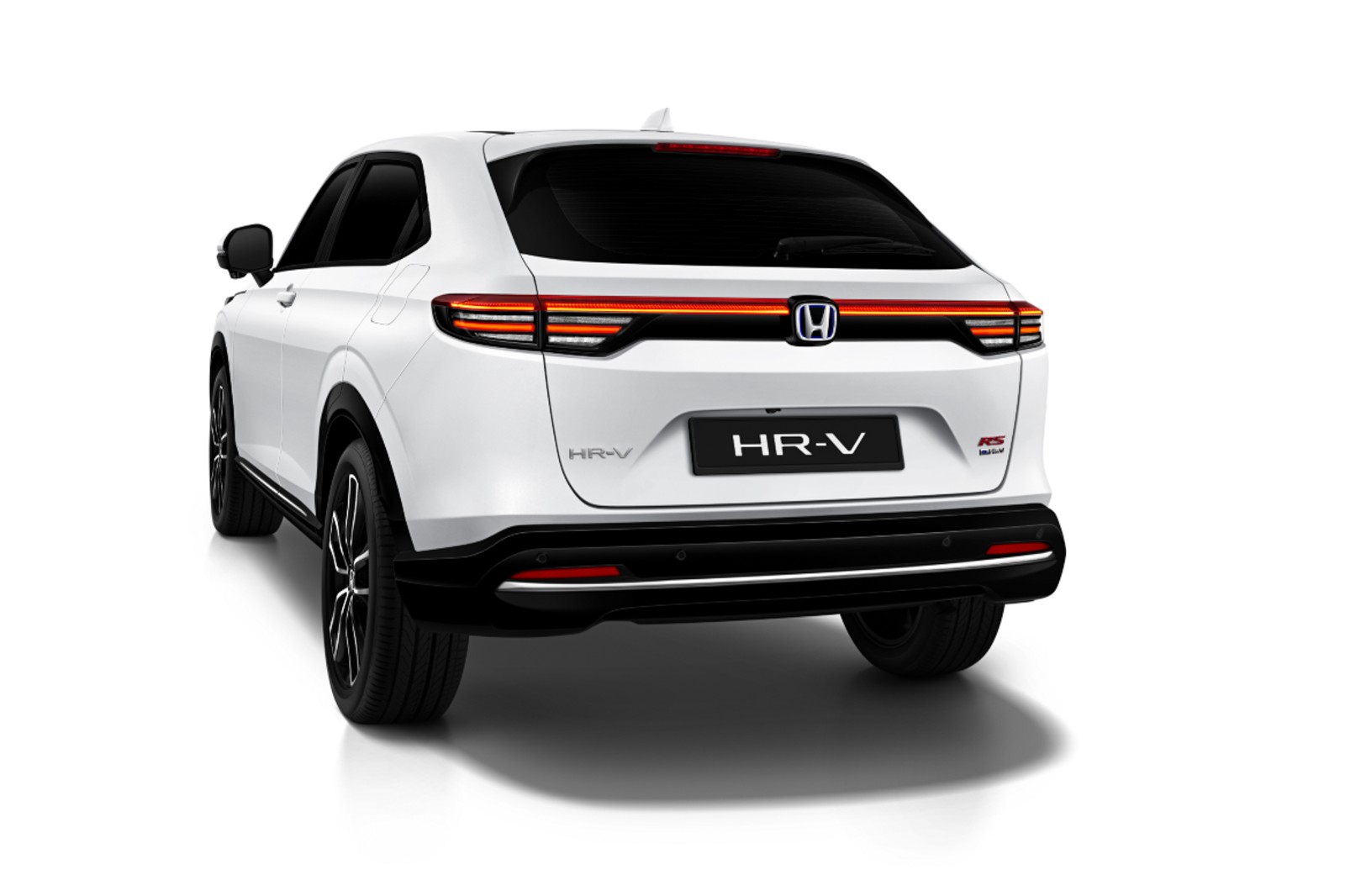
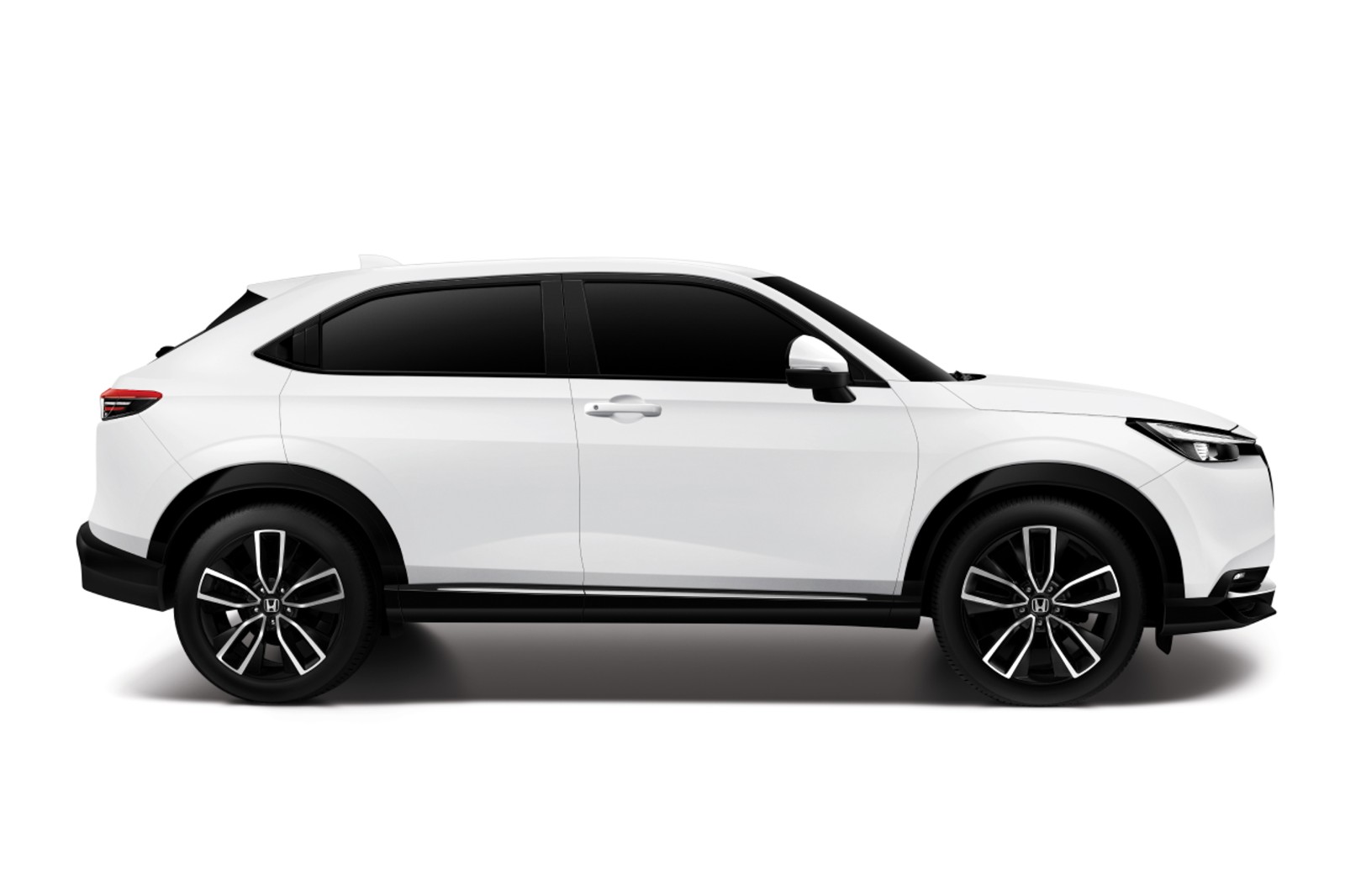
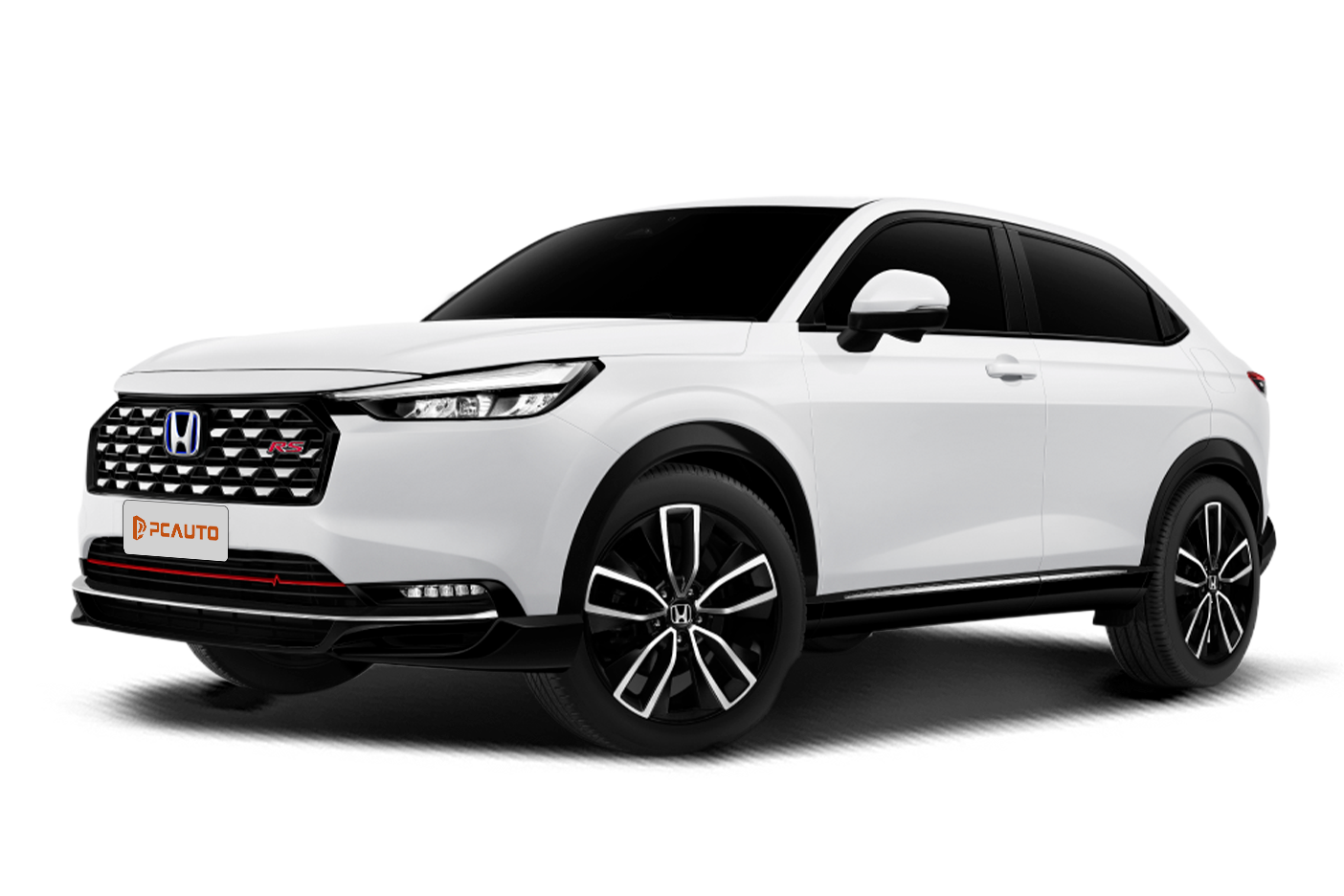
From the exterior, the 1.5L S continues the HR-V family's simplistic style, with overall lines being smooth but not bulky. The front features Honda's signature black honeycomb grille, paired with sharply designed LED daytime running lights integrated with the headlight assembly, enhancing its recognizability. The body side profile has a waistline running from the front to the rear, and the 18-inch alloy wheels are well-suited to the B-Segment SUV positioning without appearing too small. At the rear, the horizontally arranged LED taillights and black plastic cladding under the rear bumper add a touch of ruggedness. Overall, the design is enduringly appealing without excessive exaggerated elements.
Stepping inside, the interior uses black as the primary color; the dashboard combines soft and hard plastics. While lacking a premium feel, it aligns with the entry-level model's positioning. The central console layout is clear, with an 8-inch touchscreen in the center supporting Bluetooth connection and basic multimedia functions with reasonable responsiveness. Beneath the screen, physical controls for the air conditioning are retained, allowing for convenient blind operation while driving. In terms of features, the 1.5L S comes standard with keyless entry/start, a multi-function steering wheel, automatic air conditioning, and a 4.2-inch TFT instrument panel that displays essential information such as fuel consumption and speed. For safety features, it includes 4 airbags, ABS, vehicle stability control, lane departure warning, forward collision warning, and ACC adaptive cruise control, all of which perform well within its price range.
Space has always been a traditional strength of the HR-V. The 1.5L S has dimensions of 4347mm×1790mm×1591mm, with a wheelbase of 2610mm. The front seats provide ample space, with a 175cm passenger having a fist's worth of headroom after adjusting the seat. The rear seats are also very spacious, offering two fists' worth of legroom and a fist's worth of headroom, ensuring that even three adult passengers can sit comfortably without feeling cramped. In terms of storage capacity, the standard trunk space is moderate, but the rear seats support a 60:40 split-folding feature. Combined with Honda's ULTRA Seat function (where the rear seats can be folded or flipped), it can expand to accommodate larger items such as strollers or folding bicycles with ease. Additionally, details like the front center armrest storage box and door panel storage spaces are sufficient for daily use.
In the power department, the 1.5L S is equipped with a naturally aspirated engine, delivering a maximum power of 89kW (121PS) and a maximum torque of 145N·m, paired with a CVT transmission. In actual driving, its power output during startup is smooth, making it suitable for city traffic conditions. During acceleration, the CVT transmission ensures linear power delivery without noticeable jolts, though mid-to-high-speed acceleration feels slightly lackluster, requiring a more substantial press on the gas pedal for overtaking. The default driving mode is Eco Mode, and switching to Sport Mode slightly enhances throttle response, but the overall performance remains focused on household use.
In terms of handling and chassis, the combination of front MacPherson independent suspension and rear torsion-beam non-independent suspension is a common configuration for B-Segment SUVs. The steering is relatively light, and while the precision of the steering is average, it is flexible enough for daily driving. The chassis is tuned for comfort, effectively filtering out most minor bumps on the road. When passing through speed bumps or uneven roads, the body sway is not overly noticeable, meeting family users' needs for comfort. However, when cornering at high speeds, the body lean is relatively apparent, so speed needs to be controlled.
Fuel consumption performance is in line with expectations. The official combined fuel consumption is 5.9L/100km. In our test, which included an equal mix of urban congestion and highway conditions, the actual fuel consumption was approximately 6.5L/100km. The fuel economy is good, making it suitable for daily commuting. In terms of braking, the brake pedal provides linear feedback, and the braking distance meets the average level for its class, with no noticeable empty travel on the pedal.
For ride comfort, the seats on the 1.5L S are made of fabric material. While the wrapping support is average, the overall support is sufficient, ensuring long drives are not overly tiring. The noise control is mediocre; engine and tire noise are not significant during low-speed urban driving, but wind noise becomes more noticeable at high speeds. Additionally, convenient features such as keyless entry/start and automatic air conditioning enhance daily usability.
In summary, the core advantage of the 2025 Honda HR-V 1.5L S lies in its "balance" – it has excellent space flexibility, adequate basic configurations, outstanding fuel consumption performance, and safety features that haven't been compromised despite being an entry-level model. Compared with competitors in the same class, its price of RM 115,900 may not be the lowest, but Honda's brand reliability and ULTRA Seat space design stand out as differentiated strengths. However, it does have some drawbacks, such as weaker power, average interior materials, and only 4 airbags (2 fewer than the mid-to-high trims that include side curtain airbags).
This vehicle is suitable for family users who prioritize practicality, especially those who frequently carry cargo or passengers. Its space design and fuel economy meet the needs of daily commuting and short trips. If you seek stronger power or richer configurations, you may consider higher trims equipped with the Turbo version. However, as an entry-level model, the 1.5L S already covers the core needs of family users.
In short, the 2025 Honda HR-V 1.5L S is a "practical" choice. It does not feature extravagant configurations, but it delivers on the essentials family users value the most, such as space, fuel efficiency, and basic safety features, making it a worthy entry-level model to consider in the B-Segment SUV market.
Honda HR-V Car Compare
Honda HR-V Loan Calculator
More Honda Reviews
Cars With Similar Price And Features
4
Rank in SUV
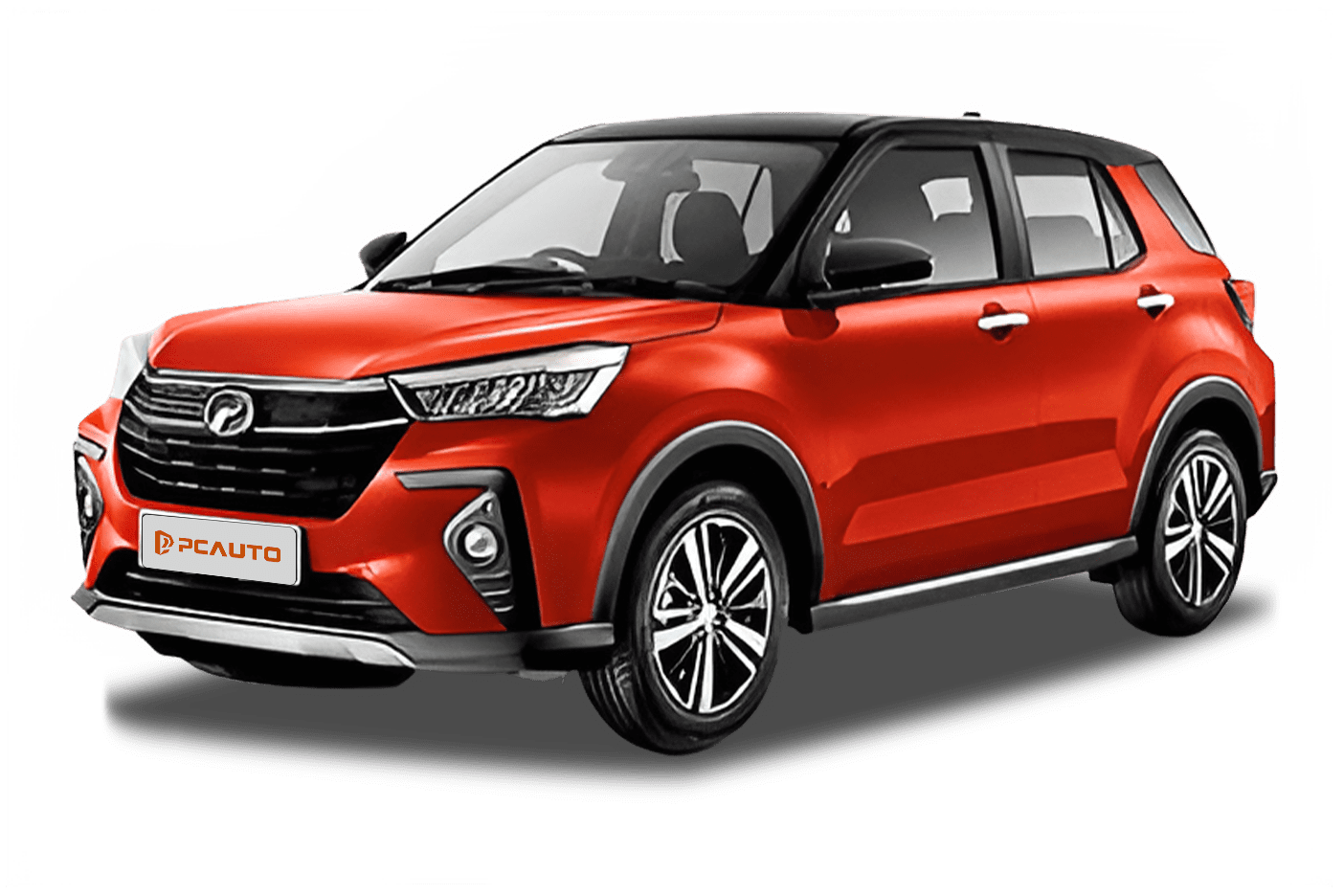
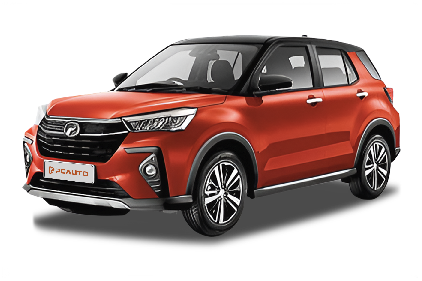
2023 Perodua Ativa 1.0L Turbo X, as a high-value-for-money entry-level B-SUV, meets the commuting and short-distance travel needs of family users with advanced safety features, practical space, and economical fuel consumption.
15
Rank in SUV
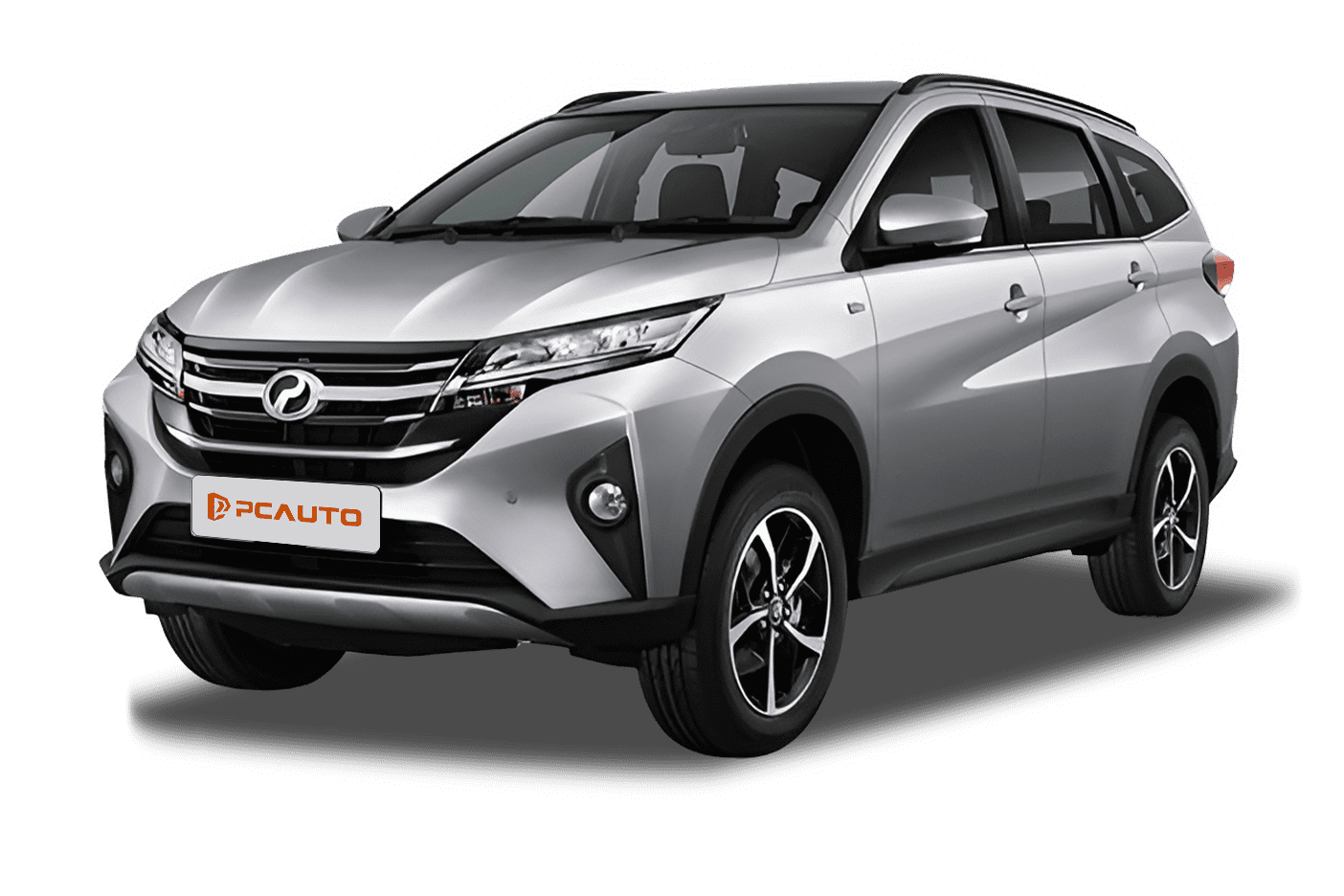
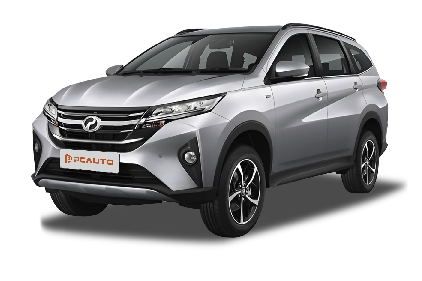
The 2023 Perodua Aruz 1.5L X is a high-value-for-money B-segment 7-seater SUV, offering 6 airbags and active safety systems as standard equipment for under RM63k. It balances practical space and daily commuting needs, making it a pragmatic choice for budget-conscious families.
3
Rank in SUV
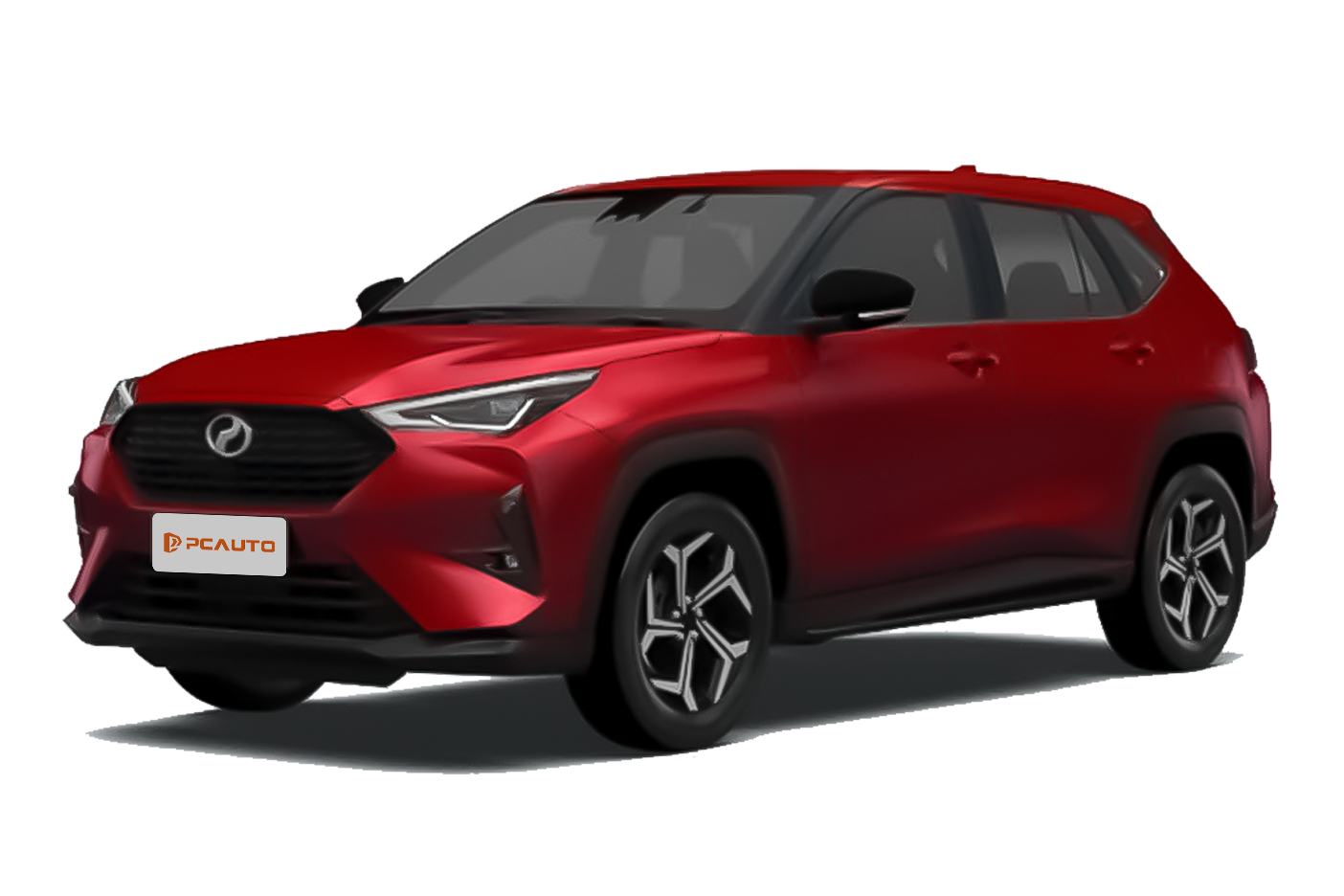
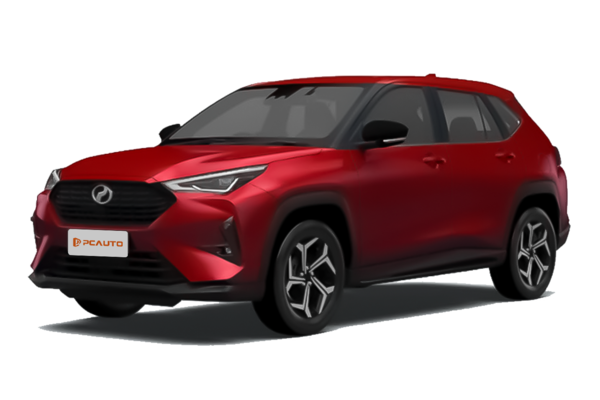
2025 Perodua Traz X, positioned as a B-segment SUV for family users, highlights advanced safety features, 210mm high ground clearance, and practical spaciousness as its main selling points, balancing flexibility and practicality.
2
Rank in SUV
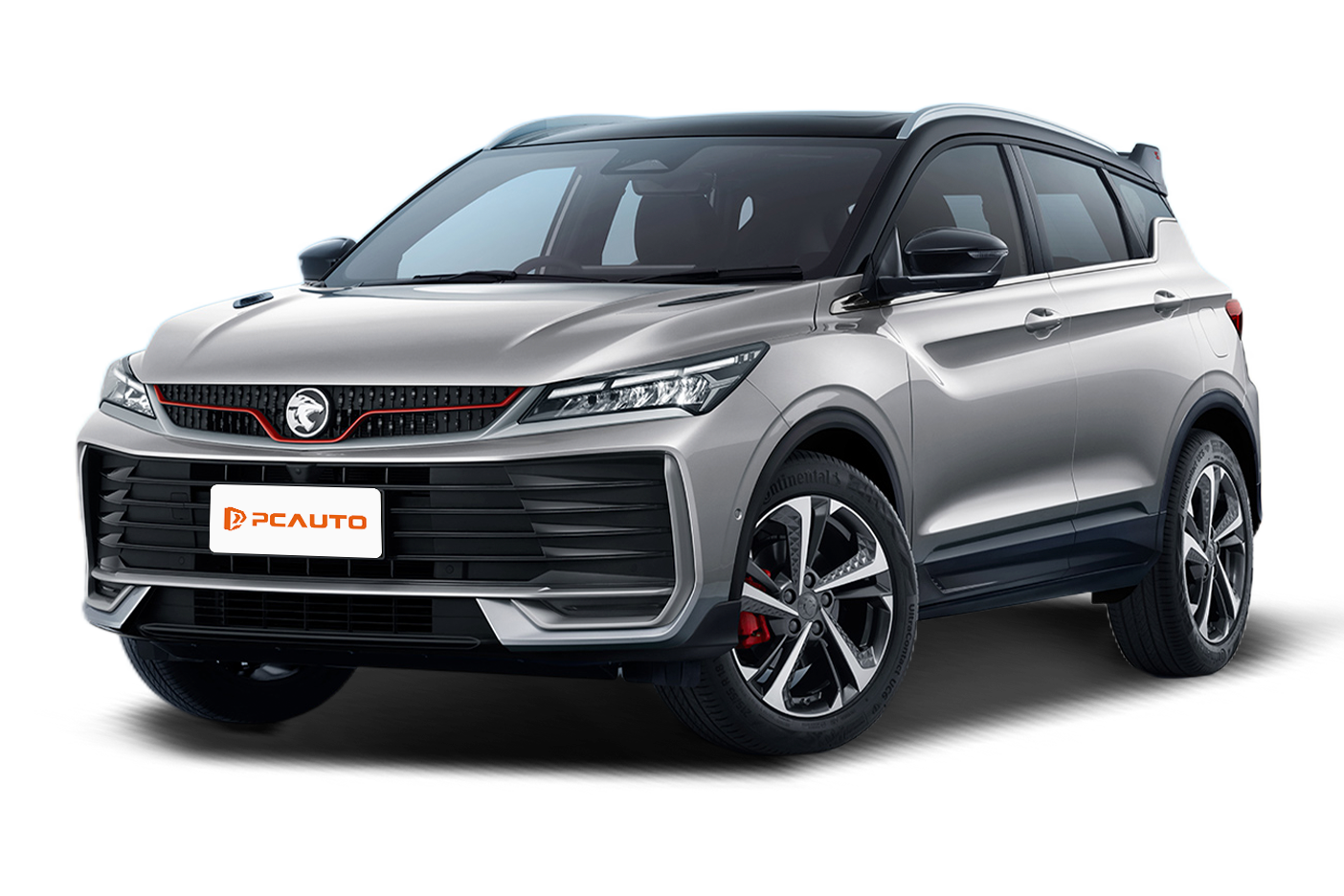
2025 Proton X50 Executive is an upgraded and price-reduced mid-size SUV that combines refined exterior, tech-savvy interior, powerful performance, and practical space, offering exceptional value for money.