

Hyundai Elantra 2007 Review

 Share
Share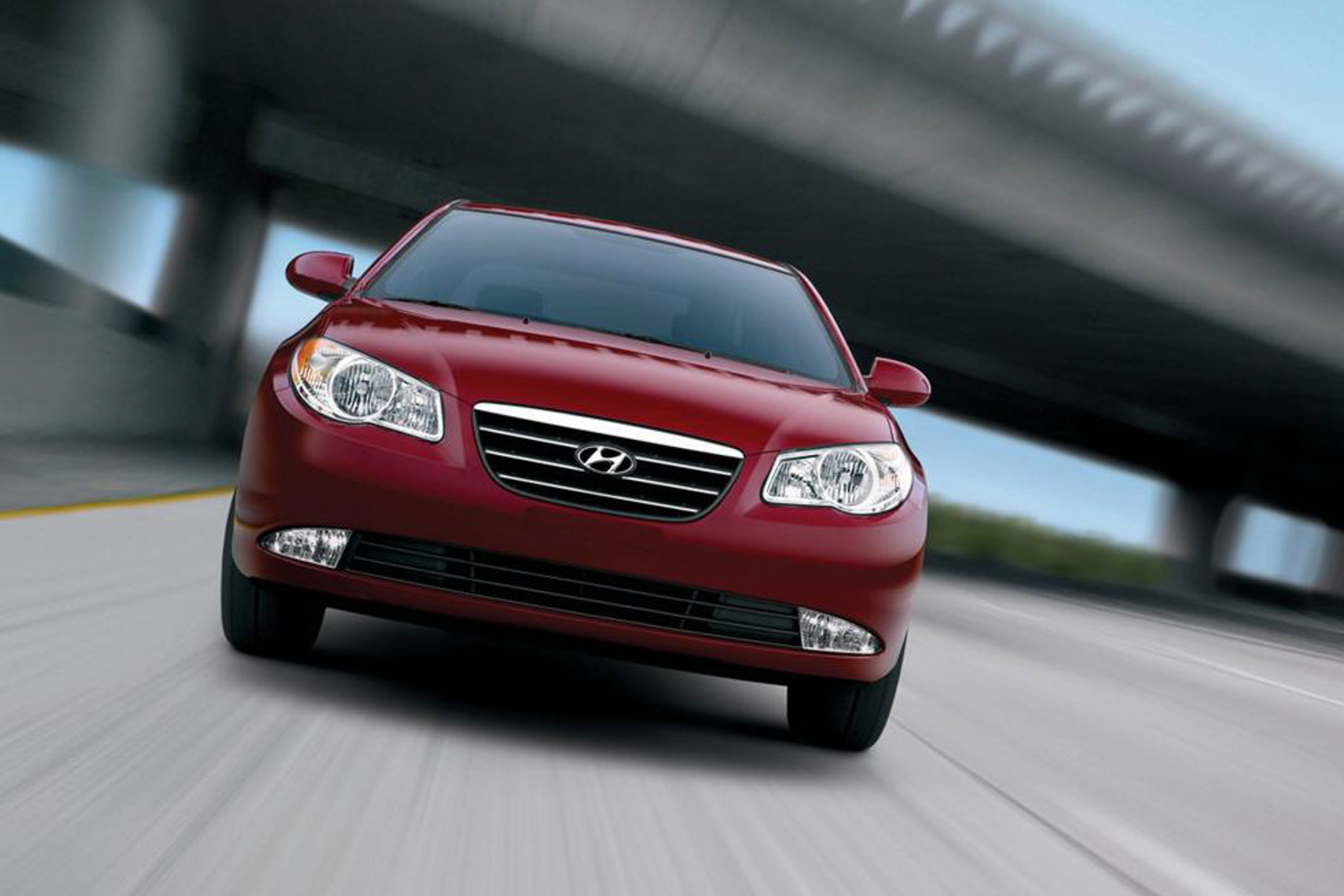
 Body Type
 Segment
 Capacity(L)
 Engine Power(PS)
 Engine Torque(Nm)
 Transmission
In recent years, the competition in the household sedan market has become increasingly intense. Many consumers want both stable and reliable quality when purchasing vehicles, as well as practical features within a reasonable budget. The compact sedan segment happens to cater to this demand. The 2007 Hyundai Elantra Public version is a model in this segment that focuses on high cost performance and balanced practicality. This time, we conducted an in-depth test on the actual vehicle, aiming to see whether it can truly meet the needs of Malaysian family users in terms of static experience, dynamic performance, and daily practicality.
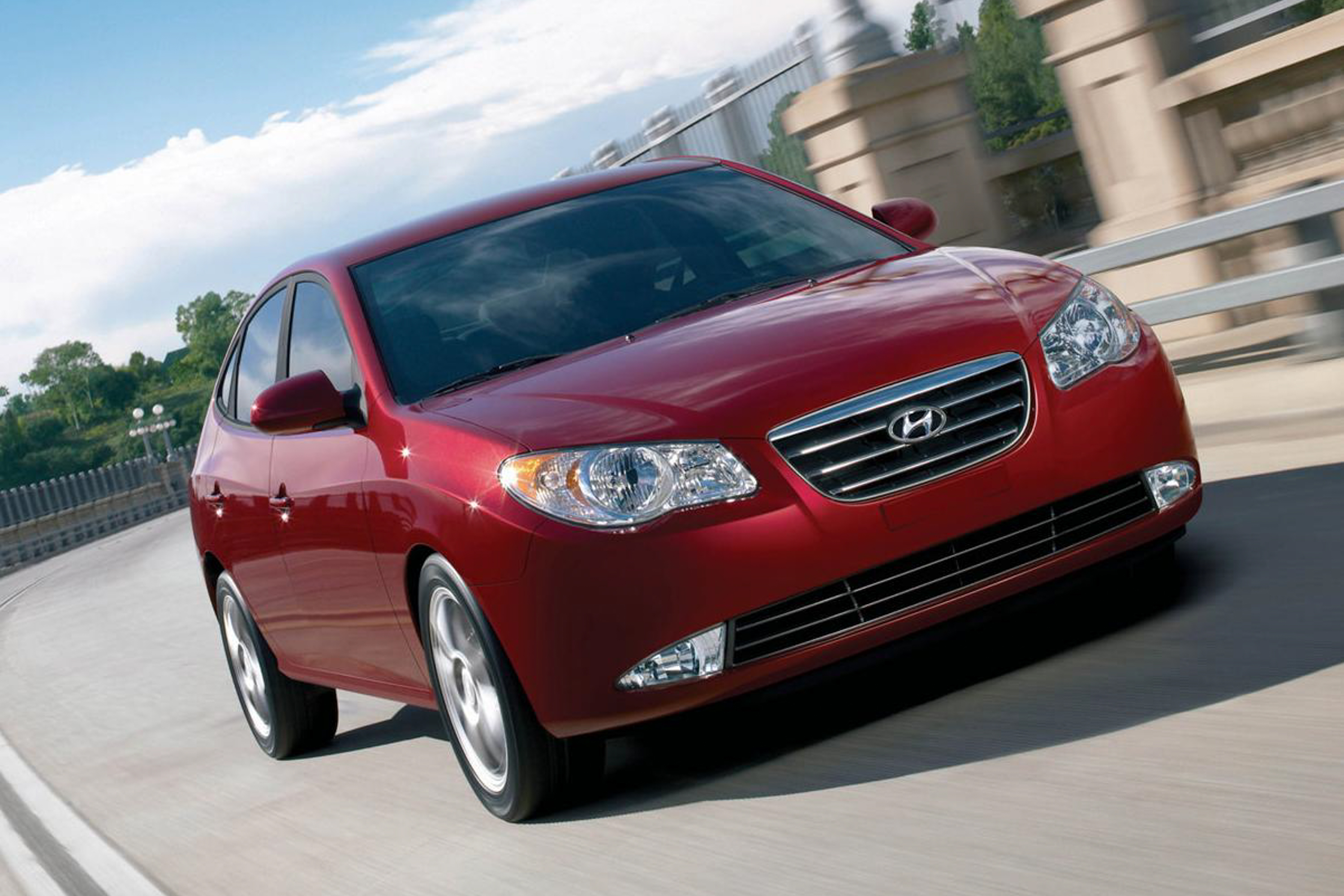
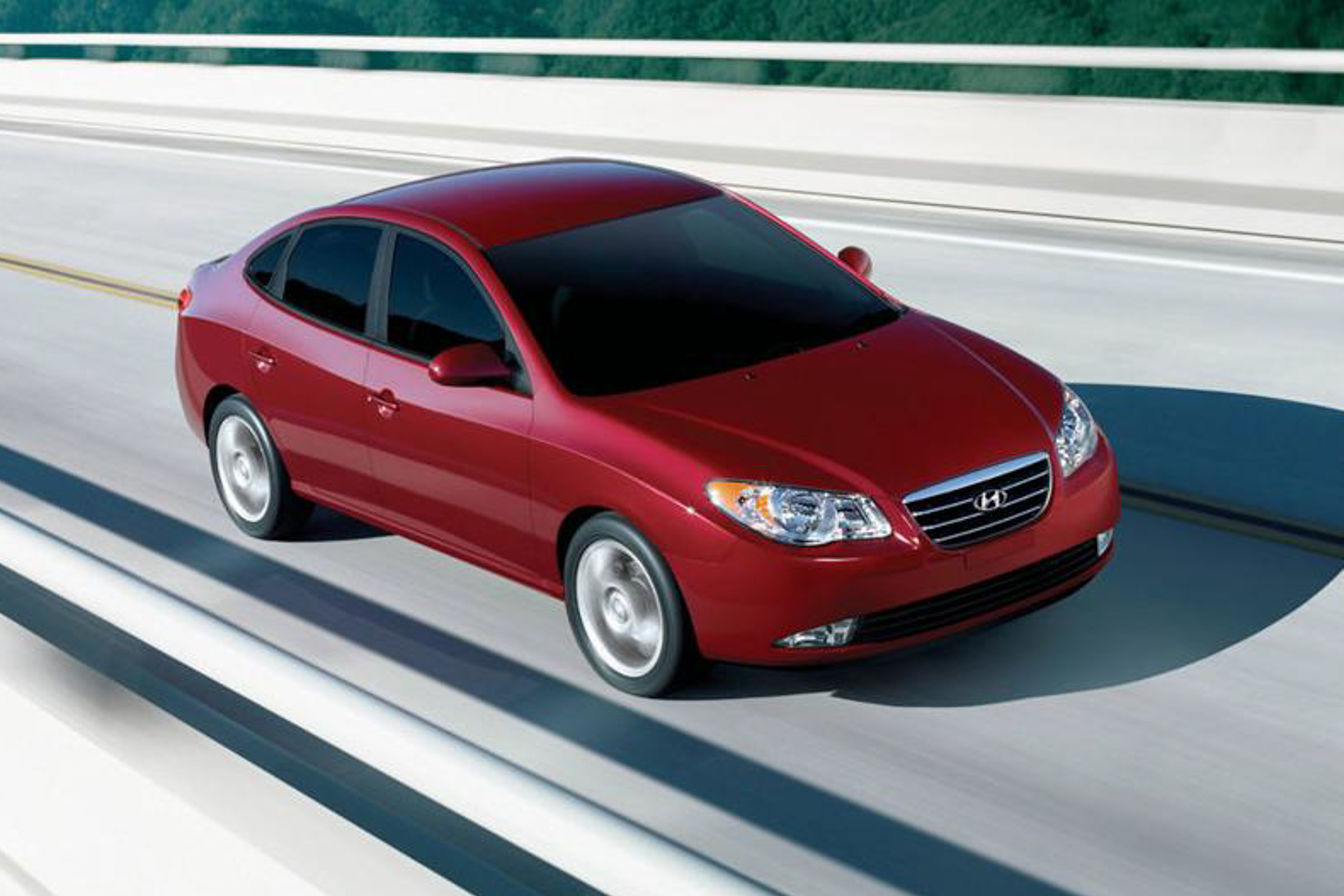
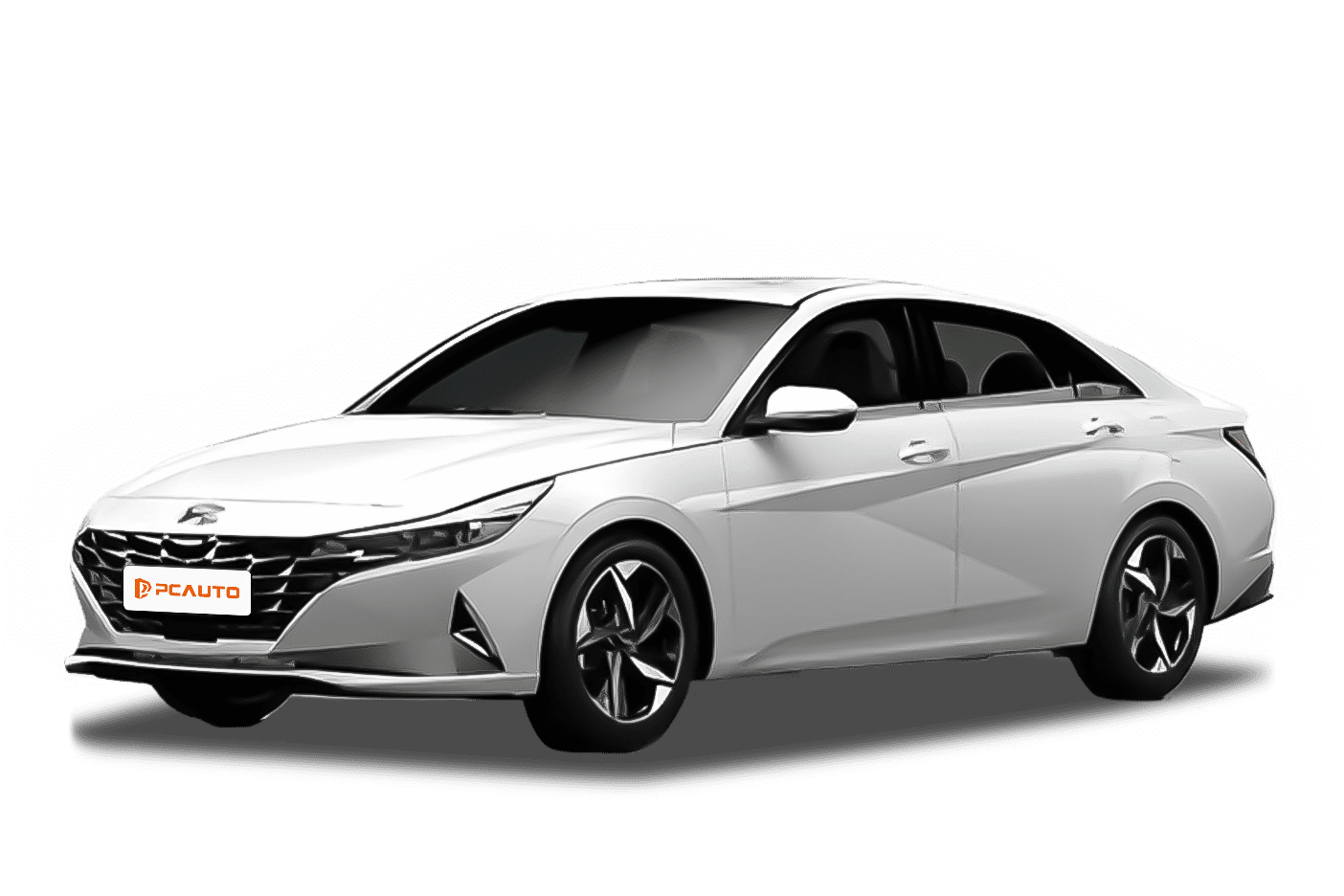
First, let’s look at the exterior. This Elantra adopts a steady and practical family car design without excessive flamboyance. The front features a large horizontal-bar grille, with long and slender headlights on both sides that are integrated with the grille, giving it a visually wider look. The side profile of the car has smooth lines, with a waistline that extends from the front fender to the rear. It is not too sharp but sufficiently clear, paired with 15-inch multi-spoke alloy wheels for an overall coordinated appearance. At the rear, the taillights are vertically aligned with a simple inner structure, offering decent recognition when lit. Below the trunk lid is a slightly raised chrome strip to add a touch of sophistication. In terms of lighting, both high and low beams use halogen bulbs. Although not as striking as LEDs, their brightness is adequate for daily use, and fog lights are standard for better performance in foggy or rainy conditions.
Sitting inside, the interior design prioritizes practicality, with a two-tone dashboard featuring a dark upper section and a light lower section, adhering to the family car positioning. In terms of materials, most areas utilize hard plastic, but the door panel armrests and seats are wrapped in fabric material, offering a relatively comfortable touch. The center console layout is clear, with the radio and air conditioning control area at the top. The buttons and knobs have moderate resistance, making them easy to operate. In terms of core features, it is equipped with a single-disc CD player, manual air conditioning, four electric windows, and a remote key. Although it lacks modern large screens and intelligent systems, it is more than adequate for users focusing on basic practicality. The seats are made of fabric material with decent support, and the front-row seats can be manually adjusted for height and backrest angle, ensuring comfort during long drives.
Space performance is a key aspect of a family car. The dimensions of this Elantra are 4525mm×1725mm×1460mm, with a wheelbase of 2610mm. For a passenger with a height of 175cm, the front-row offers more than a fist's worth of headroom and legroom. The rear-row space is even more surprising. A passenger of the same height can enjoy two fists worth of legroom and four fingers of headroom. Even with three people seated in the back, it does not feel too cramped. In terms of storage capacity, the front door panels can hold two bottles of water, and there is a storage compartment below the center console for a phone or wallet. The center armrest box is also deep enough to store some small items. The trunk offers a standard capacity of 415L, easily accommodating two 28-inch suitcases and a few backpacks. The rear seats also support split folding, allowing space for larger items when necessary. The rear row is equipped with air-conditioning vents and two USB power outlets (likely post-installed), catering to the needs of rear passengers.
Powertrain-wise, it is equipped with a 1.6L naturally aspirated engine, delivering a maximum power of 112 horsepower and a peak torque of 145N·m, paired with a 4-speed automatic transmission. During actual driving, the start is relatively smooth with throttle response not being particularly sensitive, but pressing the accelerator a bit harder gives noticeable power output. The acceleration process is linear, and when driving in the city, acceleration within a speed of 60km/h is sufficient for daily use. When overtaking, you need to press the accelerator deeper in advance, and the transmission exhibits slight gear shift delay, but overall performance remains smooth. This car offers both Economy and Normal driving modes; in Economy mode, throttle response is softer, suitable for daily commutes, while Normal mode provides a more direct power output, better suited for highway driving.
The handling and suspension performance are standard; the steering wheel is light, making it easy for women to drive without feeling strenuous. Although the steering precision is not particularly sharp, it is sufficient for family use. The suspension system features a front MacPherson strut independent suspension and a rear torsion beam non-independent suspension, with tuning focused on comfort. While driving over speed bumps and rough city roads, the suspension can filter out most of the minor vibrations, but on larger potholes, passengers in the rear can still feel some jolts. During cornering, the body roll is not very noticeable, and the stability is decent, offering sufficient confidence.
Fuel economy is another key factor for a family car. In our tests under combined road conditions with city traffic accounting for 40% and highways for 60%, the fuel consumption averaged around 7.8L per 100 kilometers. Using 92-octane petrol meets its needs, and given Malaysia’s fuel prices, the daily operational cost is not high. Regarding braking performance, it is equipped with a front ventilated disc and rear solid disc braking system. Brake response is prompt, and during emergency braking, the vehicle remains stable without significant nose-dive.
In terms of ride comfort, the noise control of this car is at a mid-level within its class. At speeds below 60km/h, tire noise and engine noise are not very noticeable. At highway speeds of 100km/h, wind noise becomes slightly more prominent but doesn’t affect normal conversation. The fabric materials of the seats are breathable, preventing discomfort in summer, and they remain comfortable even on long drives.
In summary, the core highlights of the 2007 Hyundai Elantra Public version lie in its balanced space performance, practical basic configuration, and economical fuel consumption. Compared with competitors like the Toyota Corolla and Honda Civic in the same class, it is more budget-friendly and offers better space advantages. Although its features are not as rich as newer models, it is a high-value choice for budget-conscious family buyers who emphasize practicality. Overall, it has no significant shortcomings and is capable of handling both daily commutes and family outings. The vehicle’s target audience is clear—those who need a reliable, spacious, and fuel-efficient family car without seeking fancy features, such as small families or young people who have just started working.
Overall, the 2007 Hyundai Elantra Public is a pragmatic family sedan. With its basic yet sufficient features, spacious interior, and economical fuel consumption, it meets the core needs of family users. If you are looking for a cost-effective second-hand family car, it is worth considering adding this to your shortlist.
Hyundai Elantra Car Compare
More Hyundai Reviews
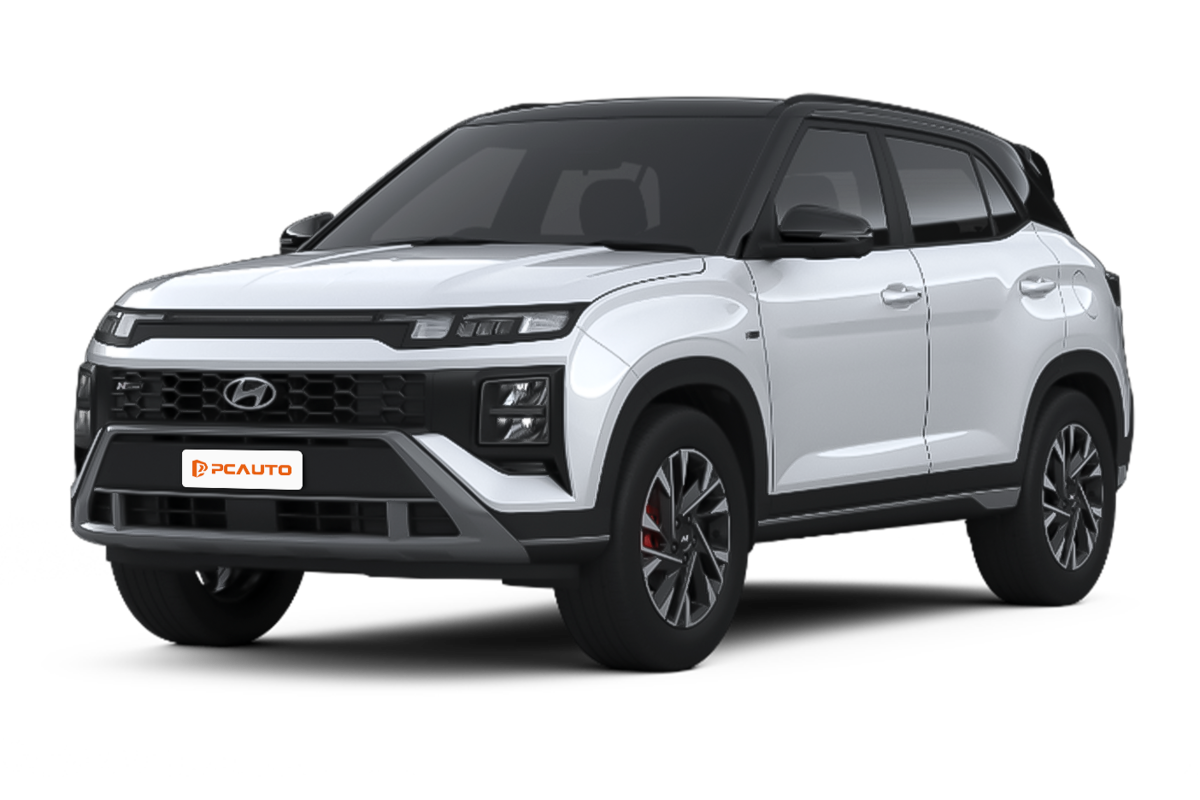
Cars With Similar Price And Features
3
Rank in Sedan
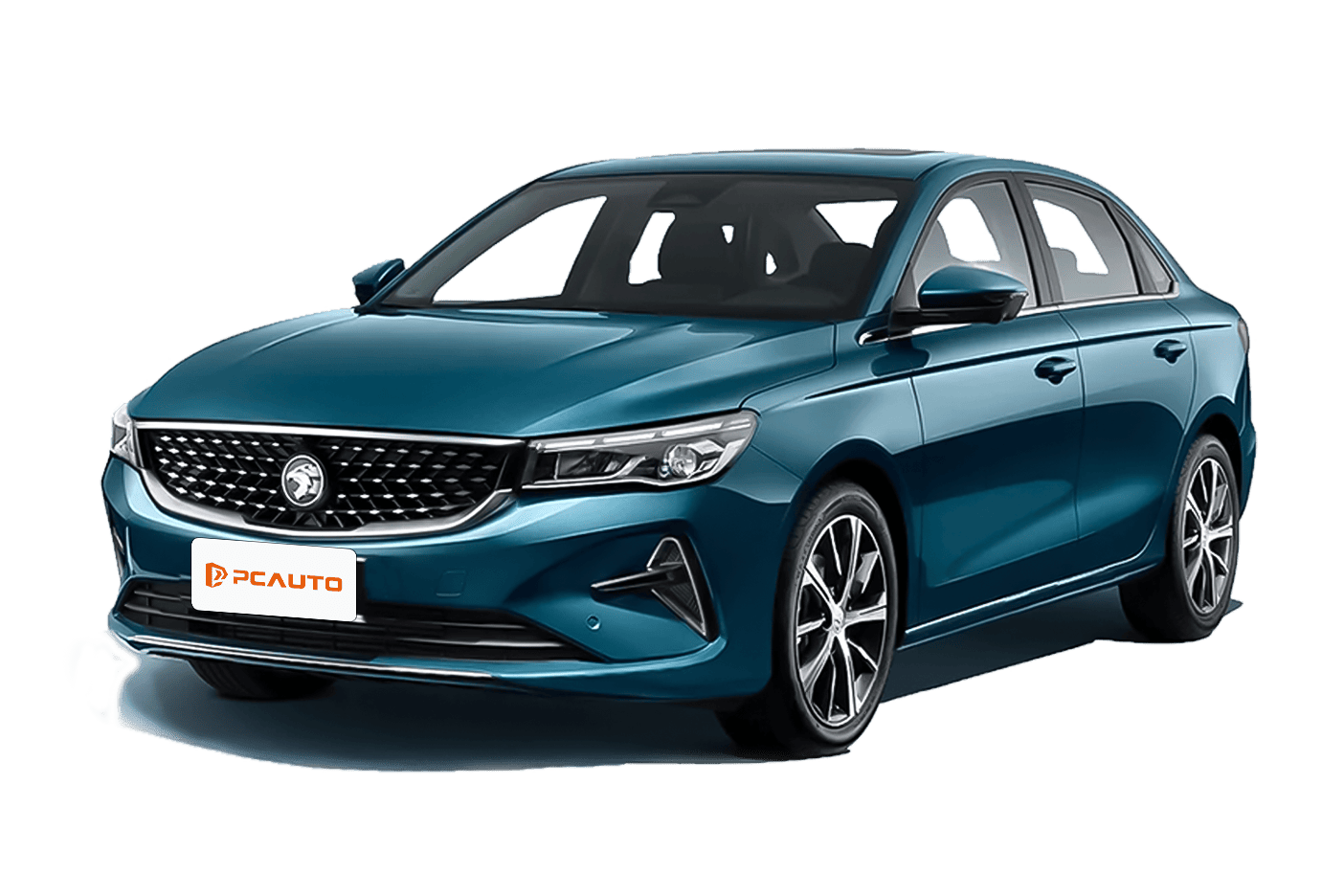
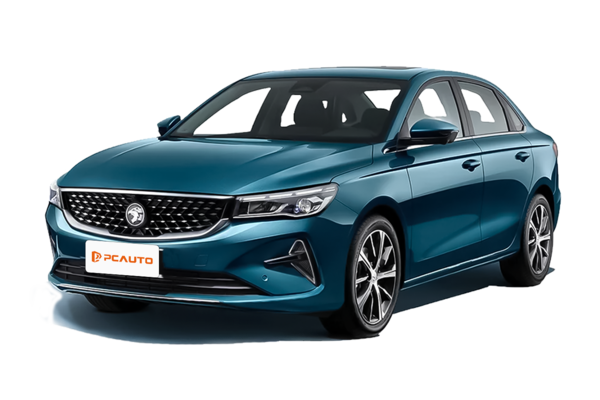
2024 Proton S70 1.5T Executive is an affordable entry-level family C-segment sedan with practical space and lively performance, balancing elegant design with basic safety features.
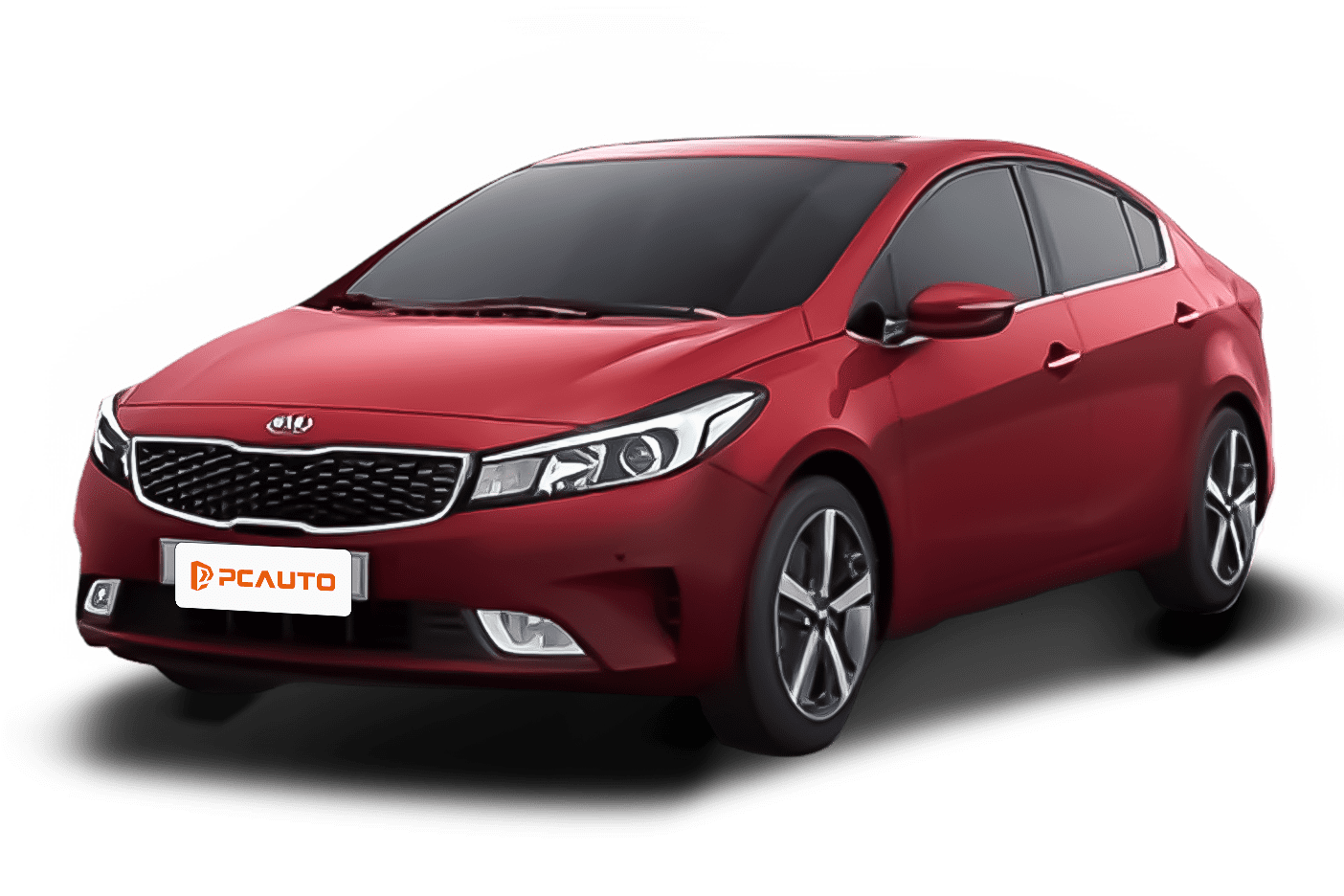
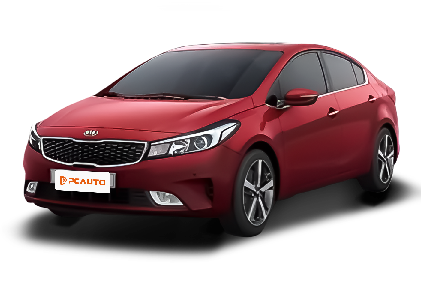
2020 Kia Cerato 1.6 SX is a high-value family sedan that retains core features at a lower price, offering practical space, reliable safety, and balancing the needs of commuting and family travel.
7
Rank in Sedan
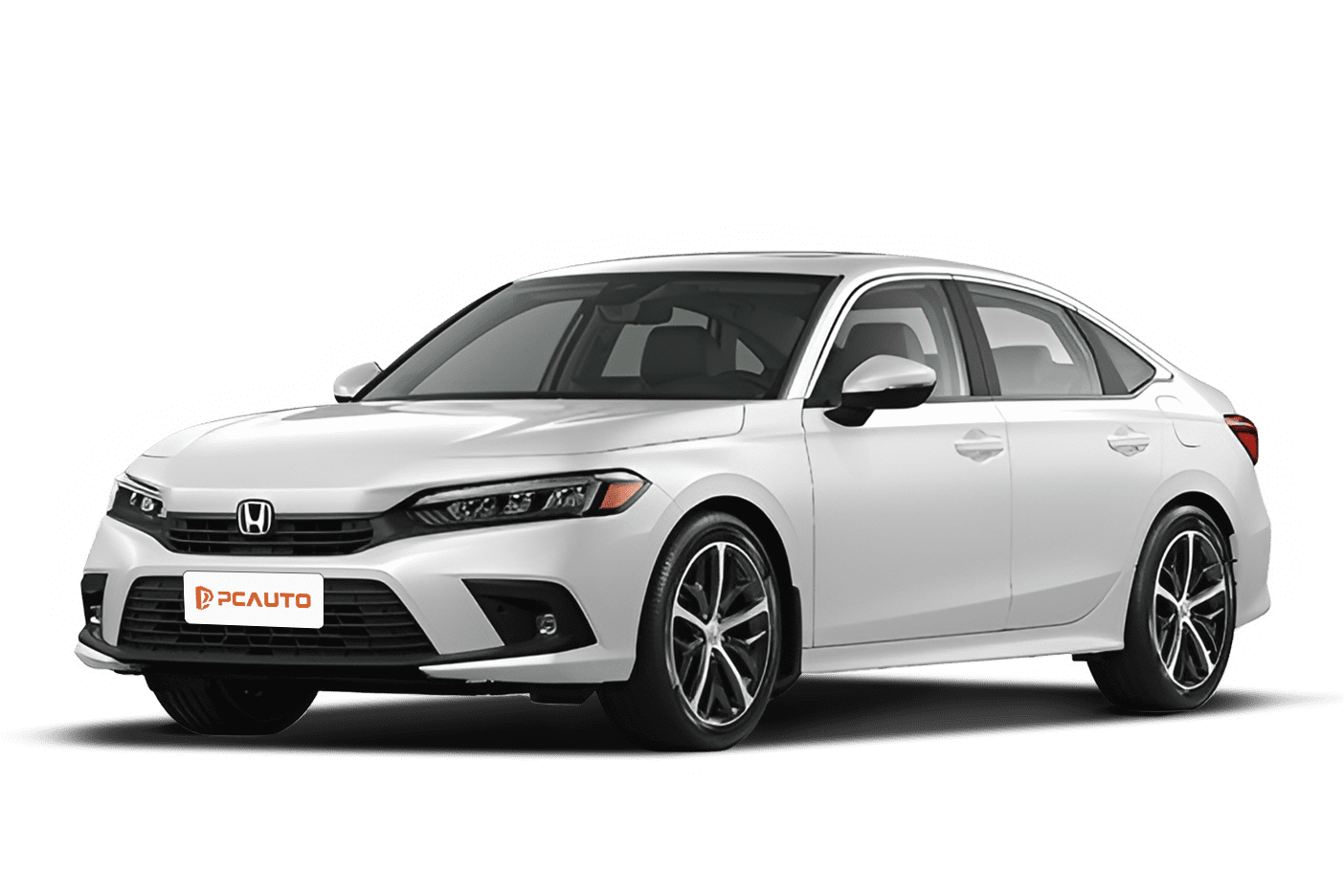
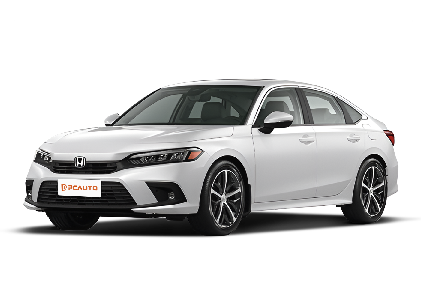
2025 Honda Civic 1.5L E is an entry-level family sedan that combines 1.5T power, a full set of active safety features, and practical space, suitable for city commuting and family outings.
25
Rank in Sedan
2025 Toyota Corolla GR Sport features a sporty design, upgraded intelligent configurations, and high cost performance, balancing practicality for family use and driving pleasure, making it an ideal choice for young families.