

Hyundai Elantra 2018 Review

 Share
Share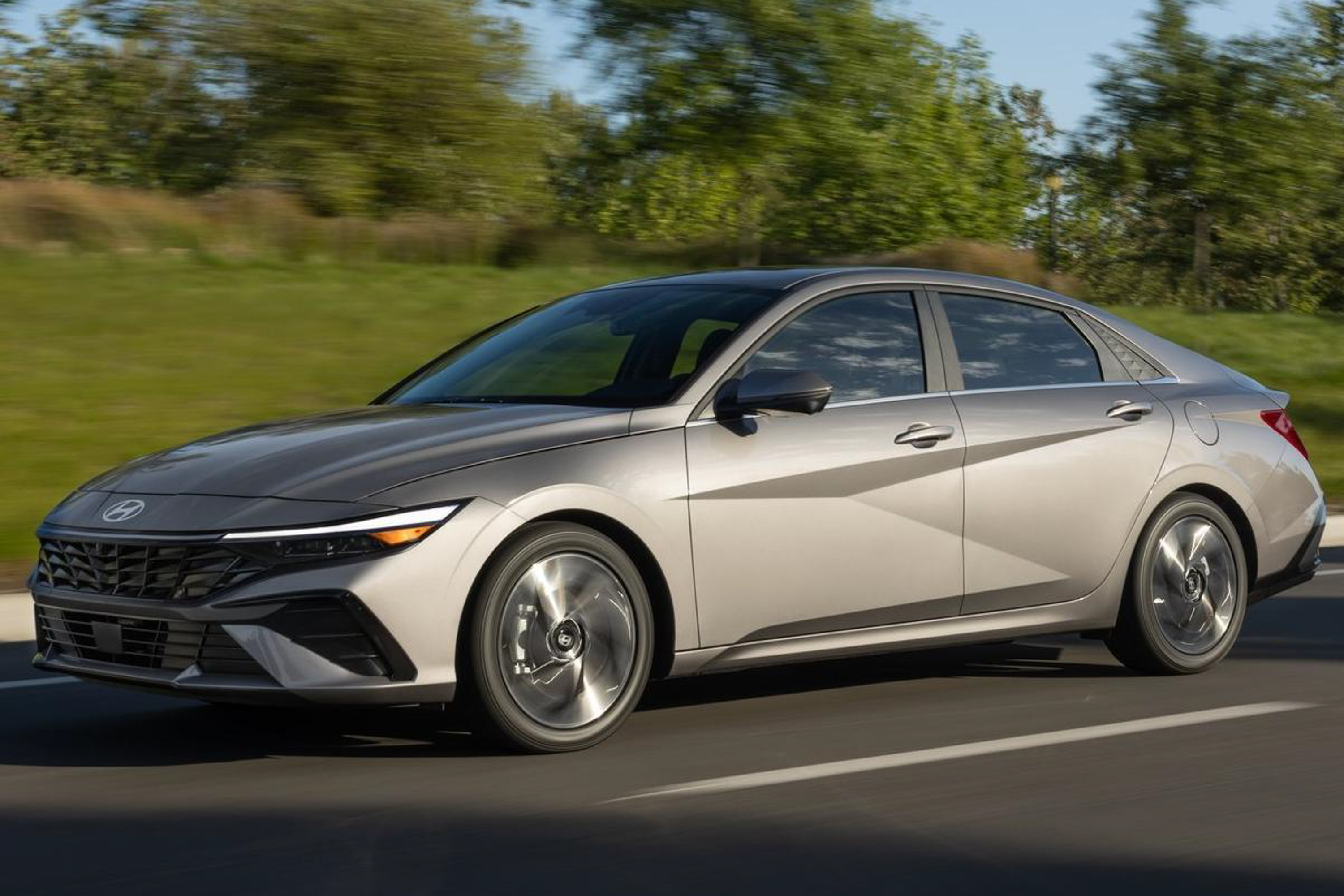
 Segment
 Body Type
 Capacity(L)
 Engine Power(PS)
 Transmission
 Driven Wheels
In today's highly competitive C-segment car market in Malaysia, consumers value the practicality for daily commuting and also have certain expectations for features and driving experience. The 2018 Hyundai Elantra 2.0 Executive, as one of the popular models in this class, attracts potential buyers with its relatively balanced configuration and performance. This time, we conducted an in-depth experience with the actual vehicle, aiming to see whether its performance in practical scenarios matches the expectations brought by its price, and what unique advantages it holds compared to the same class of vehicles.
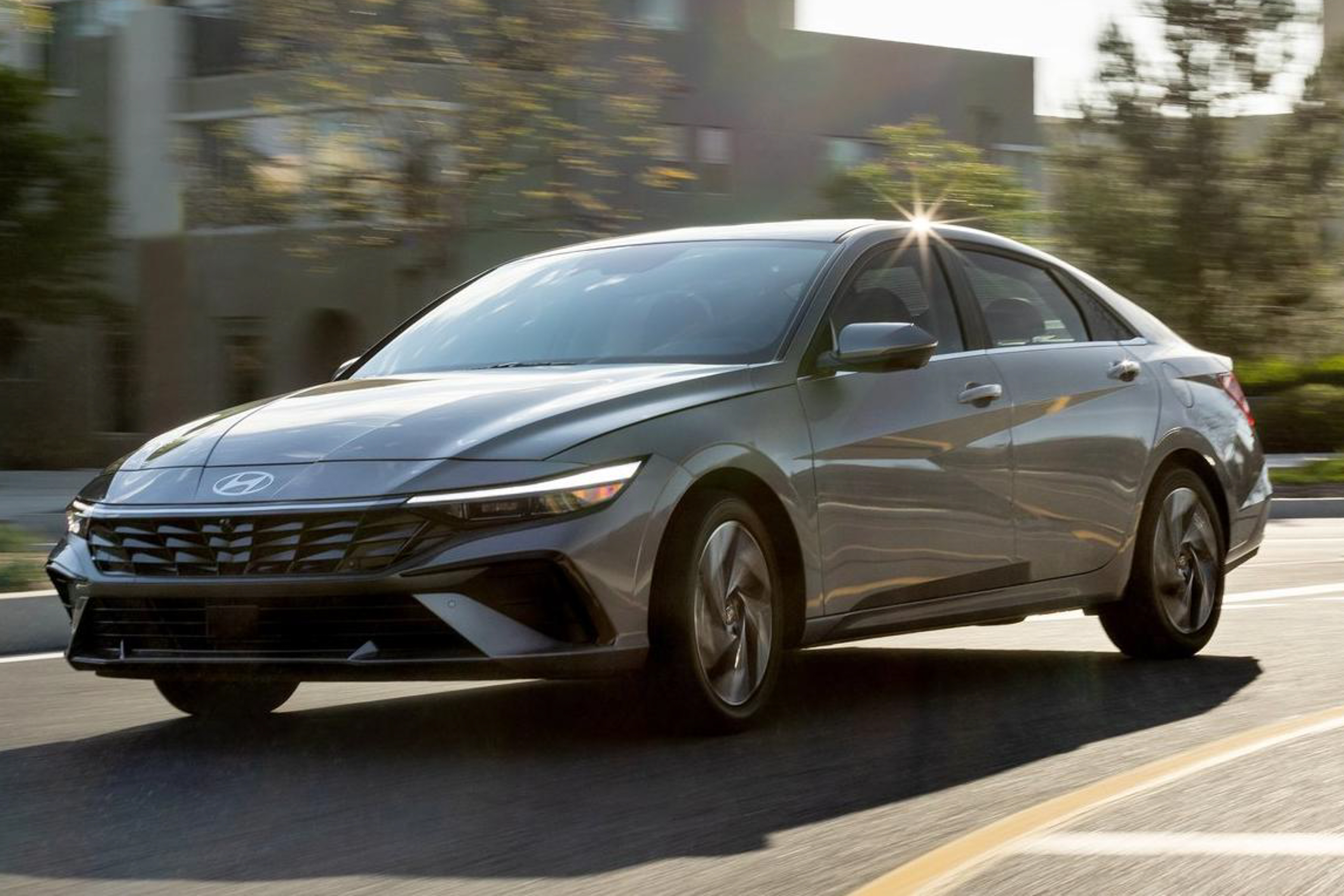
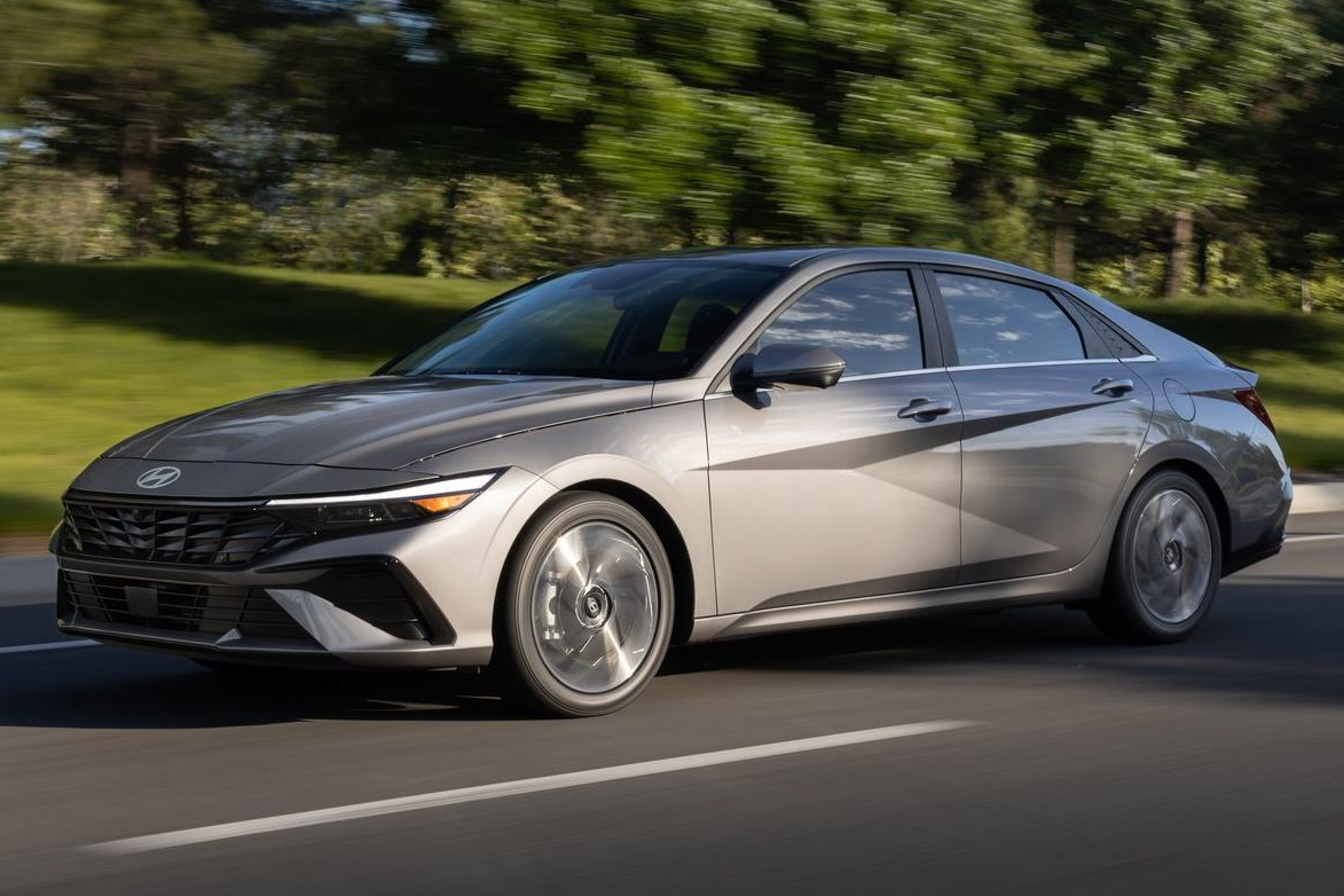
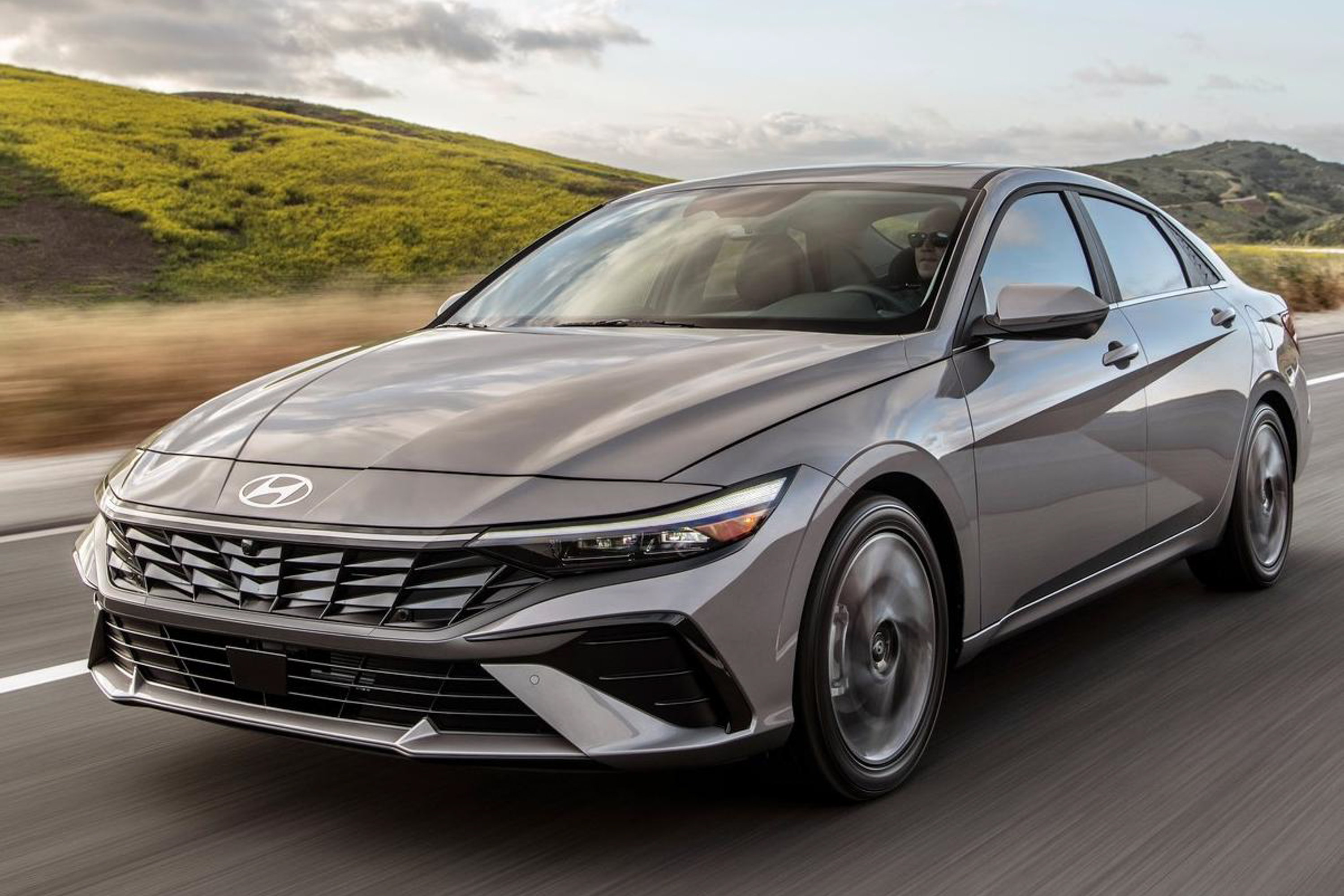
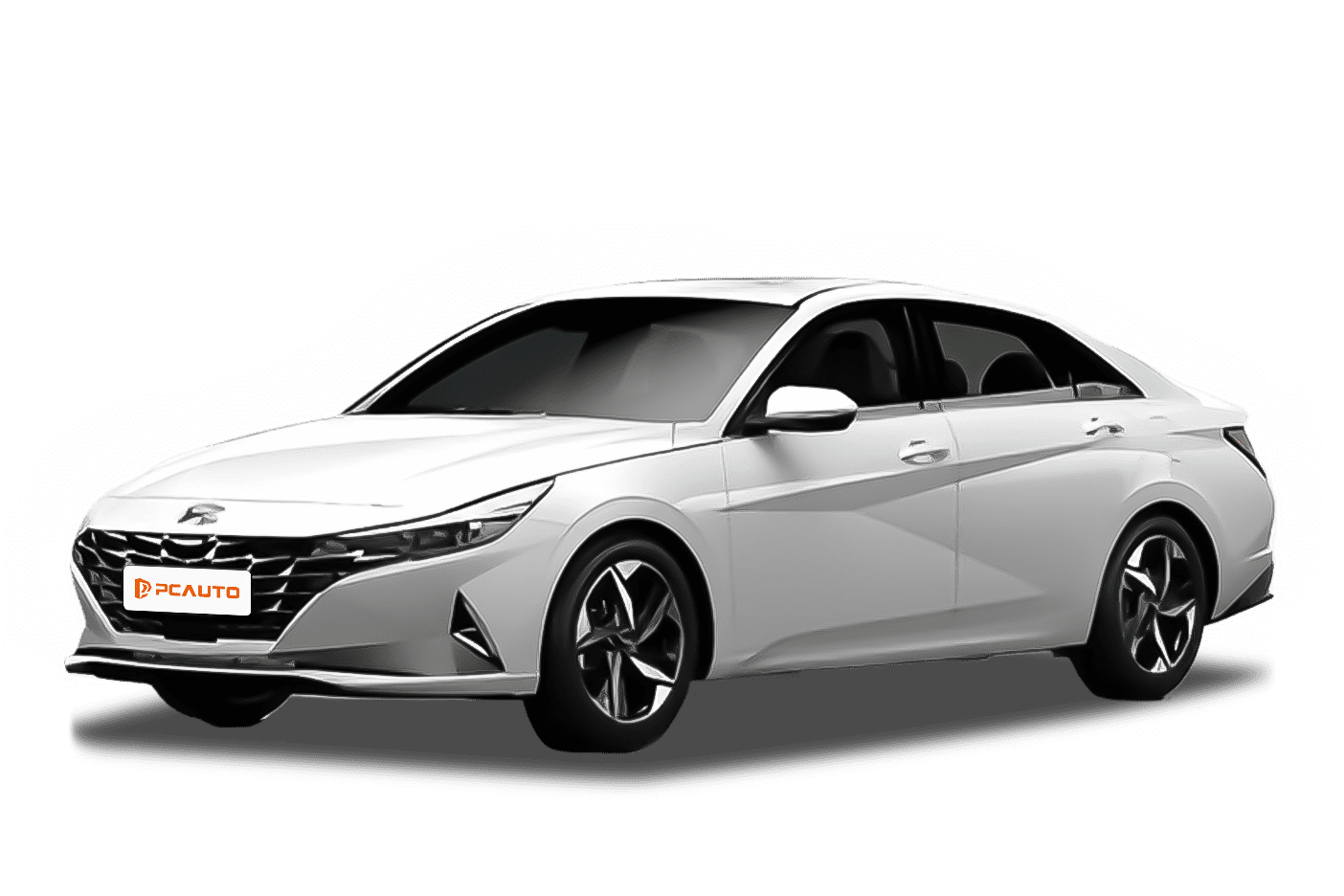
From the exterior, the 2018 Elantra 2.0 Executive adopts a calm and elegant design with no overly flamboyant elements. The front features a large trapezoidal grille, adorned with chrome trim, giving it decent recognition. The front headlight assembly on both sides integrates halogen and LED light sources, and the addition of automatic headlight functionality makes everyday use more convenient. The side profile of the car is sleek, with a waistline that extends from the front fender to the rear, enhancing the sense of dimension. The 17-inch wheels are standard for this class, with a tire specification of 225/45R17, balancing grip and comfort. At the rear, the LED taillights echo the design of the front, featuring a simple look. The chrome trim under the trunk lid adds a sense of refinement. Overall, the exterior design is visually pleasant, making it suitable for family users or daily commuting needs.
Sitting inside the car, the interior layout emphasizes practicality, with a layered design on the center console. The top houses a 7-inch touchscreen, while the lower section has physical buttons with clear operational logic. Regarding materials, some areas of the center console are wrapped in soft-touch materials. Although it doesn’t feel like a luxury car, it is adequate for its price range. In terms of features, keyless entry and start come as standard, making everyday use quite convenient. The driver's seat supports electric adjustment, allowing you to quickly find a comfortable position. The rear row is equipped with independent air conditioning vents, providing a comfortable experience for rear passengers. The space performance is in line with the positioning of a C-class car. The 2700mm wheelbase offers ample legroom in both the front and back rows; a 175cm passenger sitting in the rear still has around two fist-widths of legroom. The trunk has a capacity of 458 liters, and with the rear seats folding in a 60:40 split, loading larger items is not an issue.
In terms of power, this car is equipped with a 2.0L naturally aspirated engine, delivering a maximum of 152 PS and reaching its peak torque at 4000 rpm, paired with a 6-speed automatic transmission. During daily driving, power response is relatively linear. While the start isn't aggressive, it is smooth enough, making it suitable for urban roads. During acceleration, the transmission's shift logic is clear with no noticeable jerks. When overtaking, stepping harder on the accelerator provides decent power output. At highway cruising speeds, the engine's rpm remains around 2000, with noise levels being reasonably controlled. The handling performance is standard, with a steering wheel that offers moderate weight and relatively precise steering. The suspension employs a front MacPherson independent setup, which effectively filters minor bumps on urban roads. While crossing speed bumps, the body movement isn’t too apparent, but there’s slightly more body roll during fast cornering, making it better suited for stable driving. Regarding fuel consumption, the real-world measurement shows approximately 7.5L/100km under mixed driving conditions, close to the official figure of 7.2L/100km, indicating that fuel economy is in the normal range for naturally aspirated models in this class.
The soundproofing performance is worth mentioning: when driving at low speeds, engine noise inside the car is almost inaudible, while at high speeds, wind noise and tire noise increase to some extent, but do not affect normal conversation. The seat padding is relatively soft, making long periods of sitting not tiring. Safety features are a highlight, including 6 standard airbags (front dual airbags, side airbags, and front and rear head curtain airbags), vehicle stability control, hill-start assist, as well as front and rear parking sensors and a reversing camera, making the safety configuration quite comprehensive within models of the same price range.
Overall, the core advantage of the 2018 Hyundai Elantra 2.0 Executive lies in its well-rounded performance: adequate space, practical features, smooth power delivery, comprehensive safety features, and a 5-year/300,000 km warranty policy that provides additional peace of mind for consumers. Compared to the Toyota Corolla Altis of the same class, it offers richer safety features; compared to the Honda Civic, its comfort configurations are more complete, and its price is more affordable. This car is suitable for families prioritizing practicality and value for money or office workers in need of a reliable commuting vehicle. It meets daily commuting needs and can also handle occasional family trips. If you're looking for a C-segment sedan with no major shortcomings and good cost performance, this car is worth considering.
Hyundai Elantra Car Compare
Hyundai Elantra Loan Calculator
More Hyundai Reviews
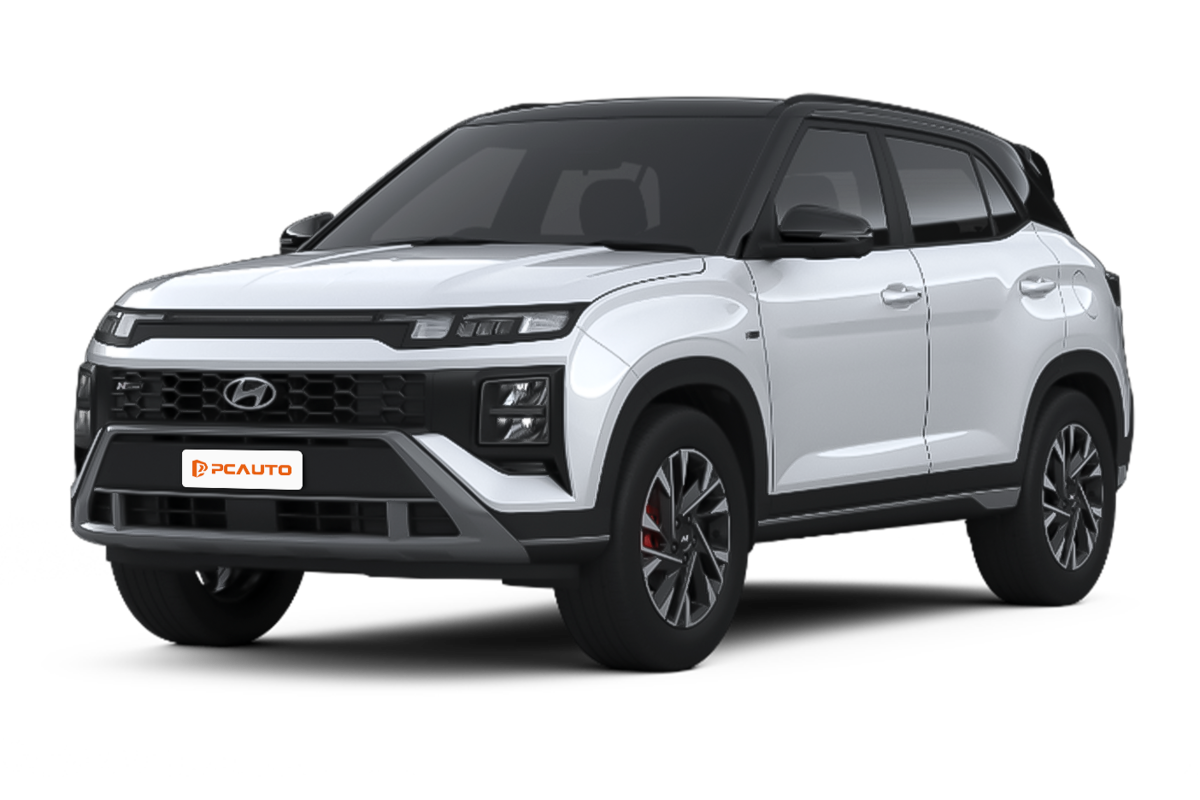
Cars With Similar Price And Features
3
Rank in Sedan
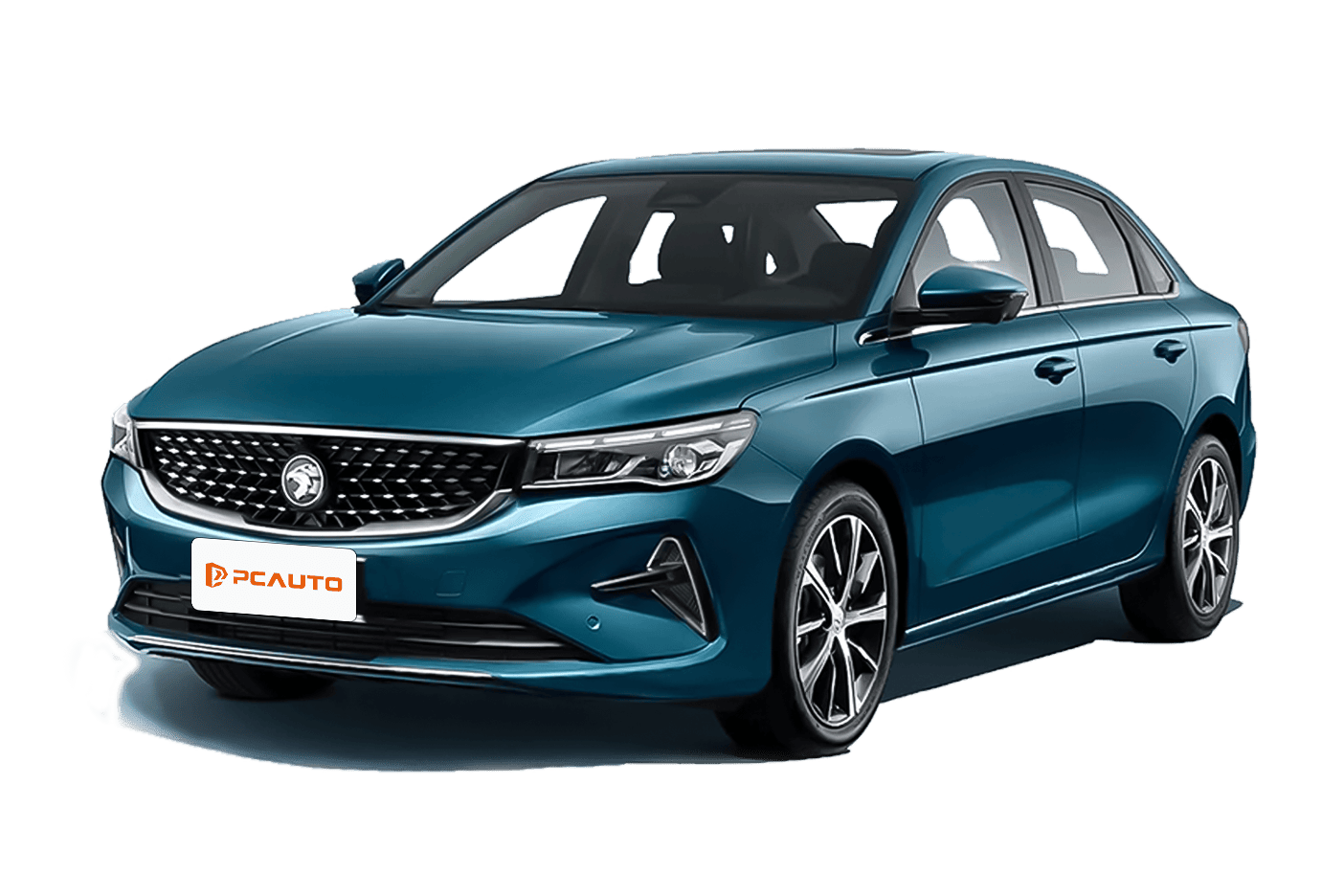
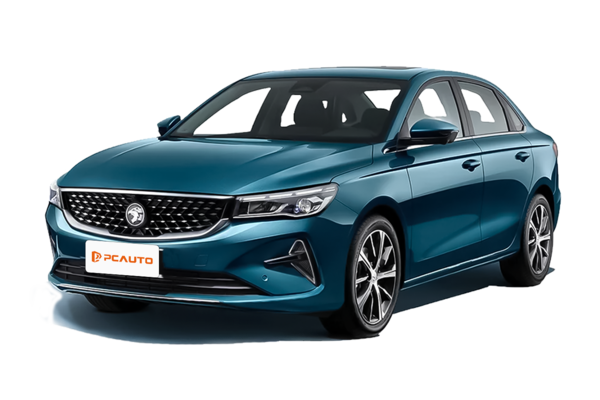
2024 Proton S70 1.5T Executive is an affordable entry-level family C-segment sedan with practical space and lively performance, balancing elegant design with basic safety features.
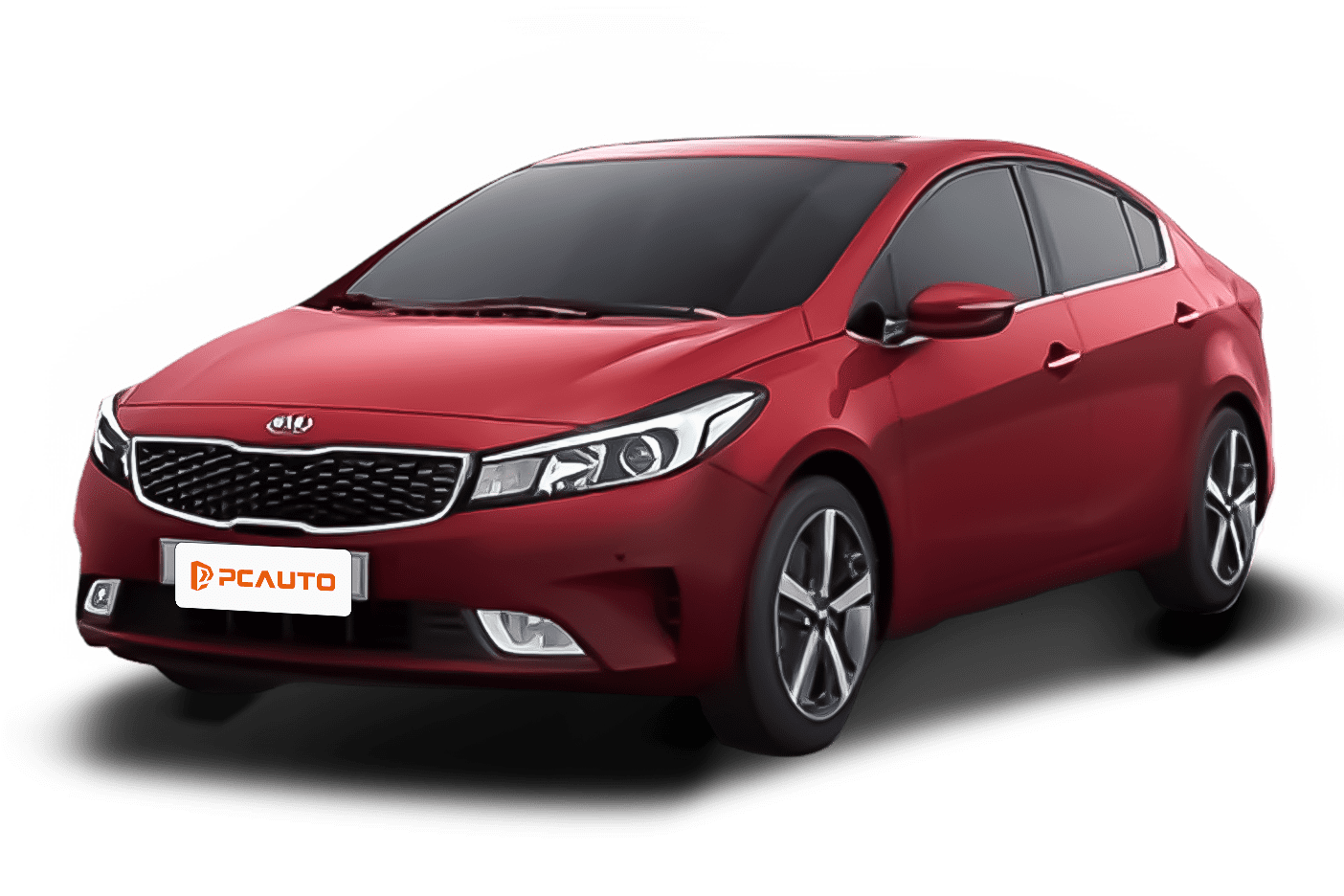
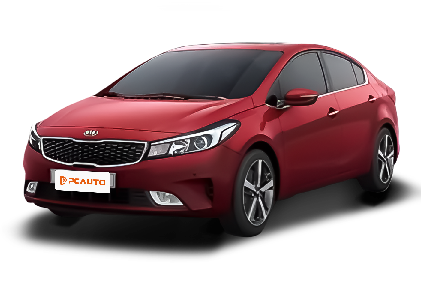
2020 Kia Cerato 1.6 SX is a high-value family sedan that retains core features at a lower price, offering practical space, reliable safety, and balancing the needs of commuting and family travel.
7
Rank in Sedan
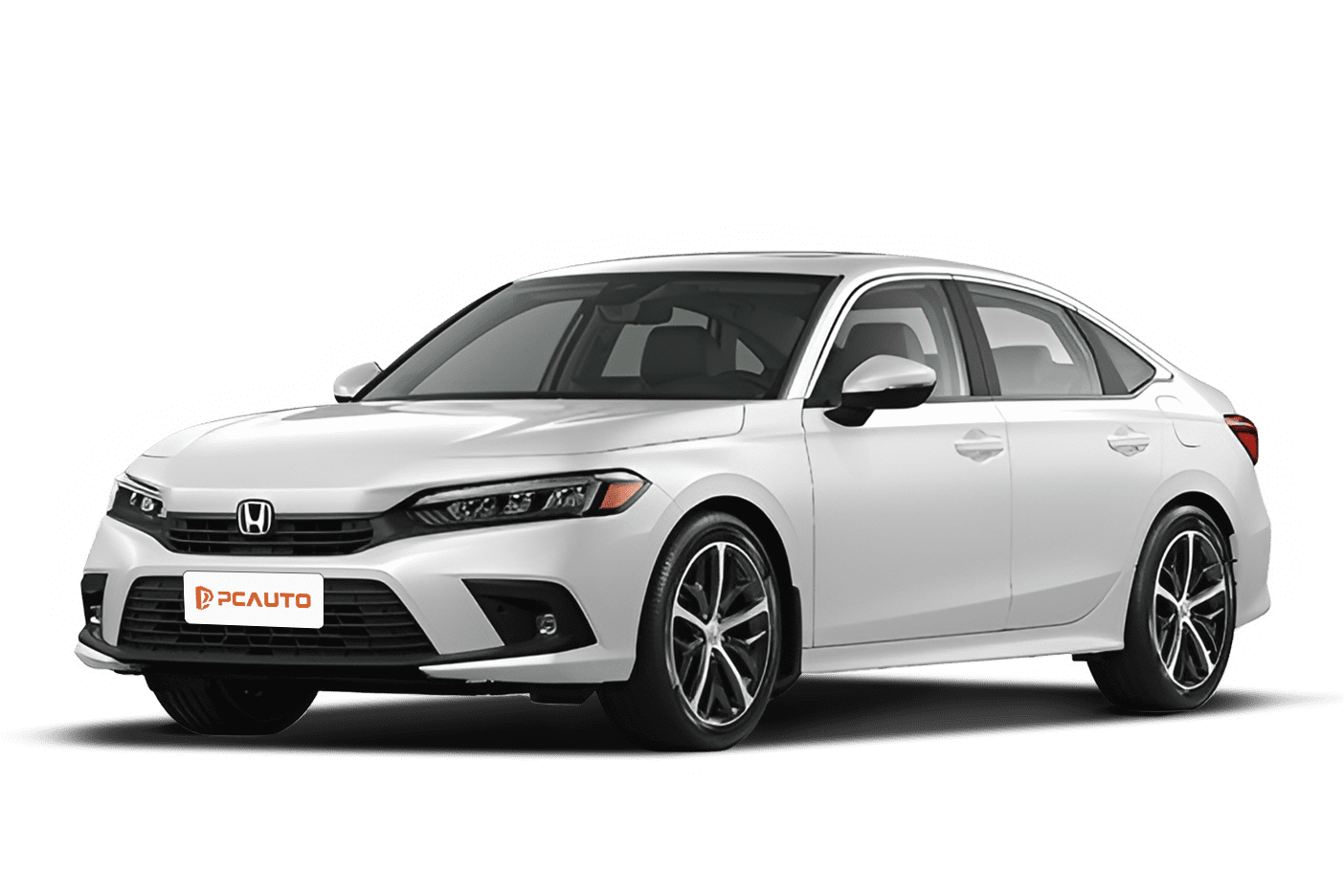
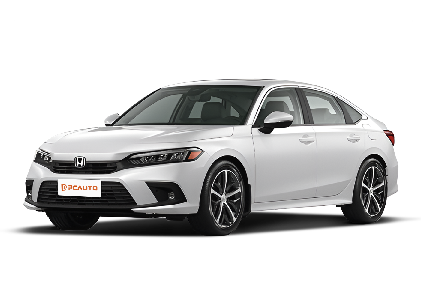
2025 Honda Civic 1.5L E is an entry-level family sedan that combines 1.5T power, a full set of active safety features, and practical space, suitable for city commuting and family outings.
25
Rank in Sedan
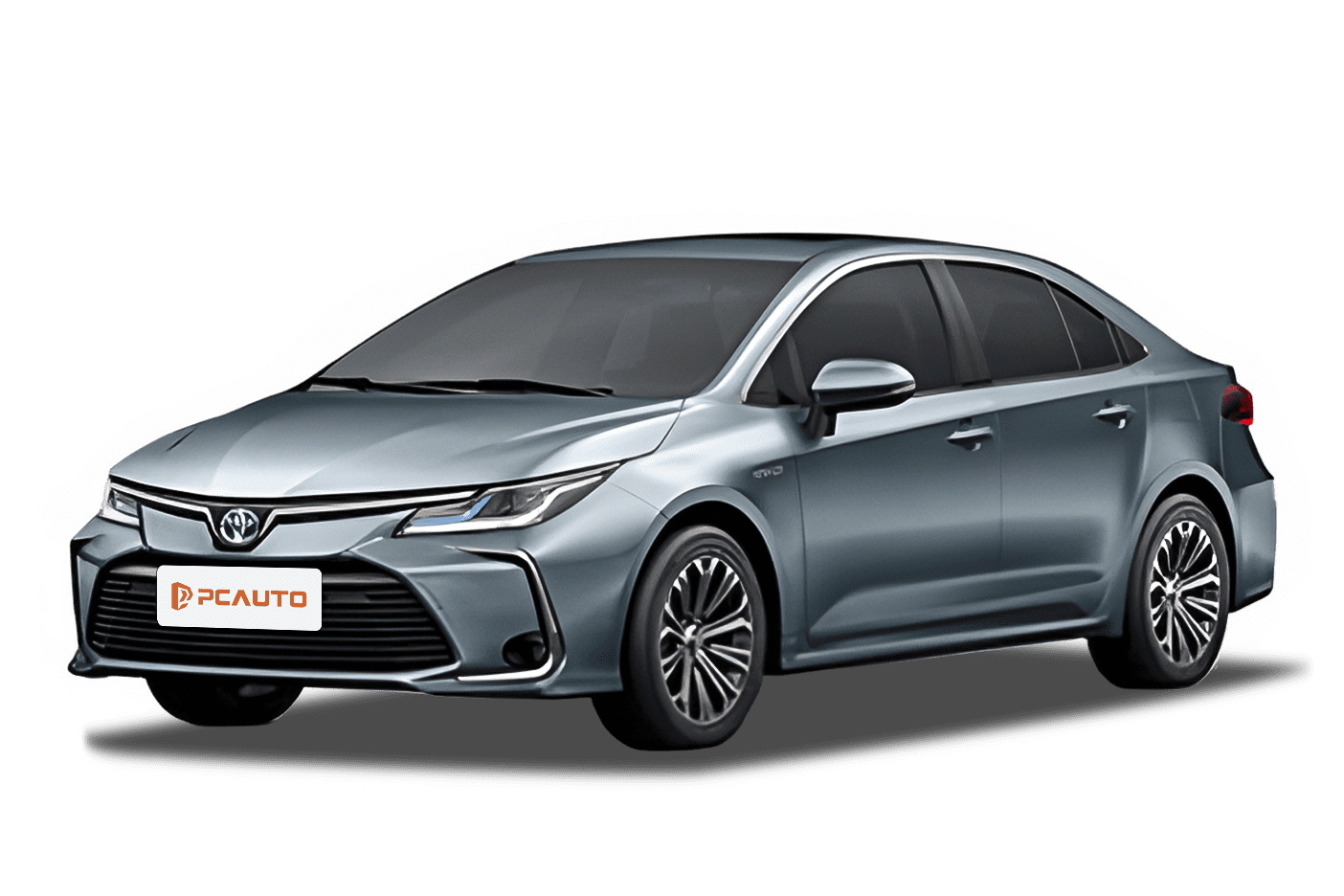
2025 Toyota Corolla GR Sport features a sporty design, upgraded intelligent configurations, and high cost performance, balancing practicality for family use and driving pleasure, making it an ideal choice for young families.