

Hyundai Elantra 2019 Review

 Share
Share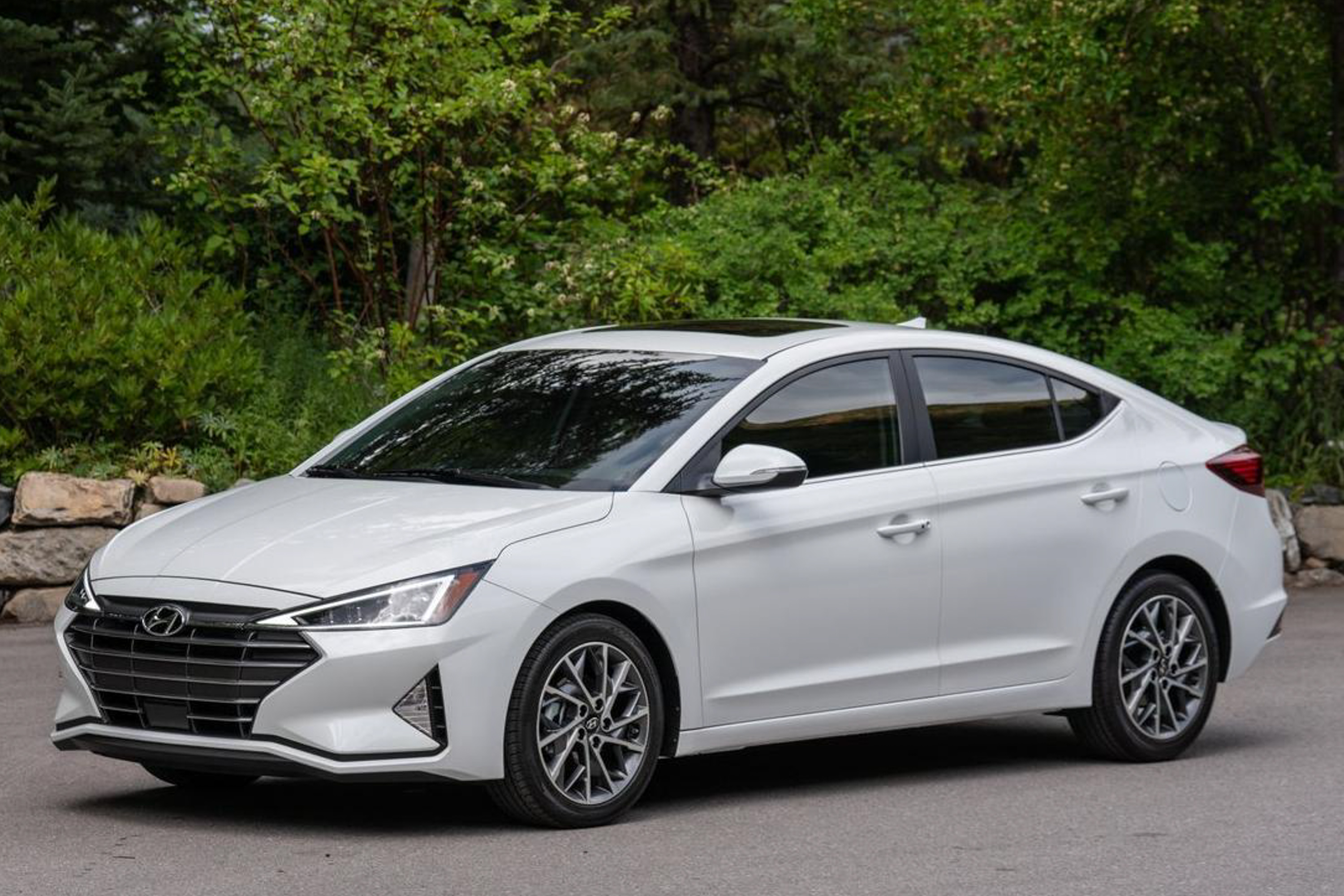
 Body Type
 Segment
 Capacity(L)
 Engine Power(PS)
 Engine Torque(Nm)
 Transmission
The compact sedan market has always been a hotly contested area for Malaysian families and young office workers. After all, this type of vehicle needs to balance the economic efficiency of daily commuting with the practicality of family outings. As a popular competitor in this segment, the 2019 Hyundai Elantra public focuses on youthful design and configuration upgrades in this update. Many consumers are asking whether it is worth buying. The core purpose of our test drive this time is to experience it comprehensively, from static to dynamic, to see how competitive it is in its class.
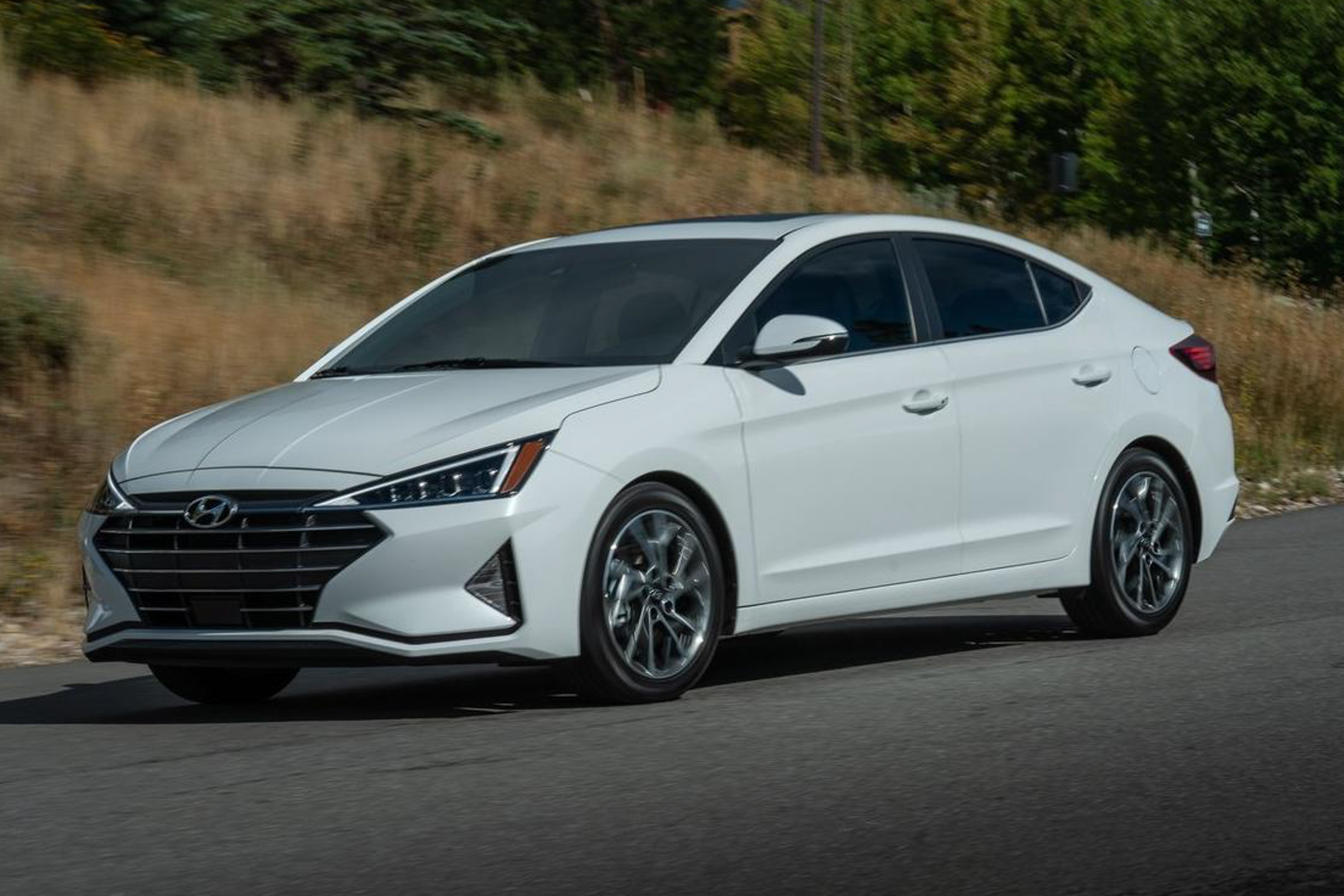
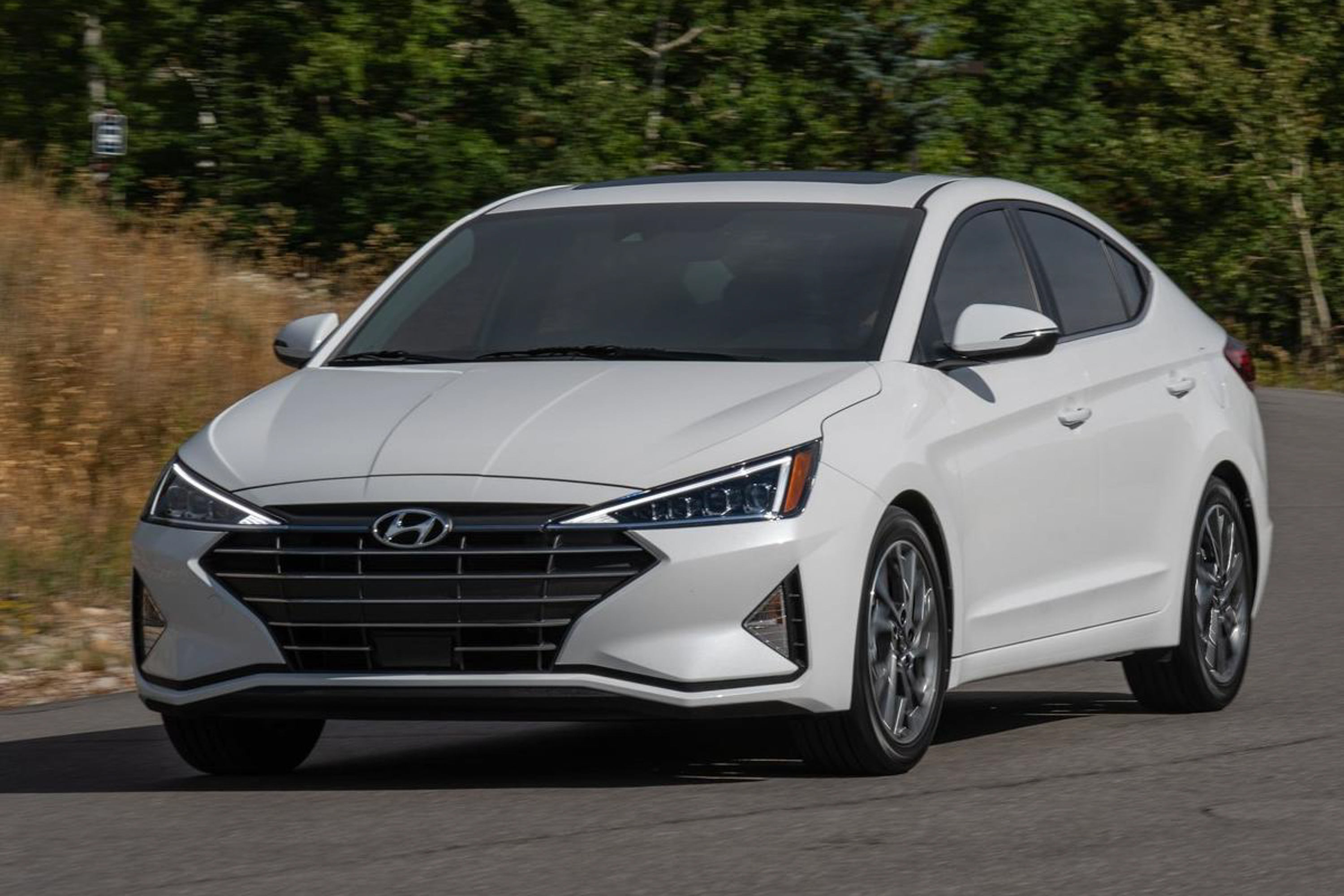
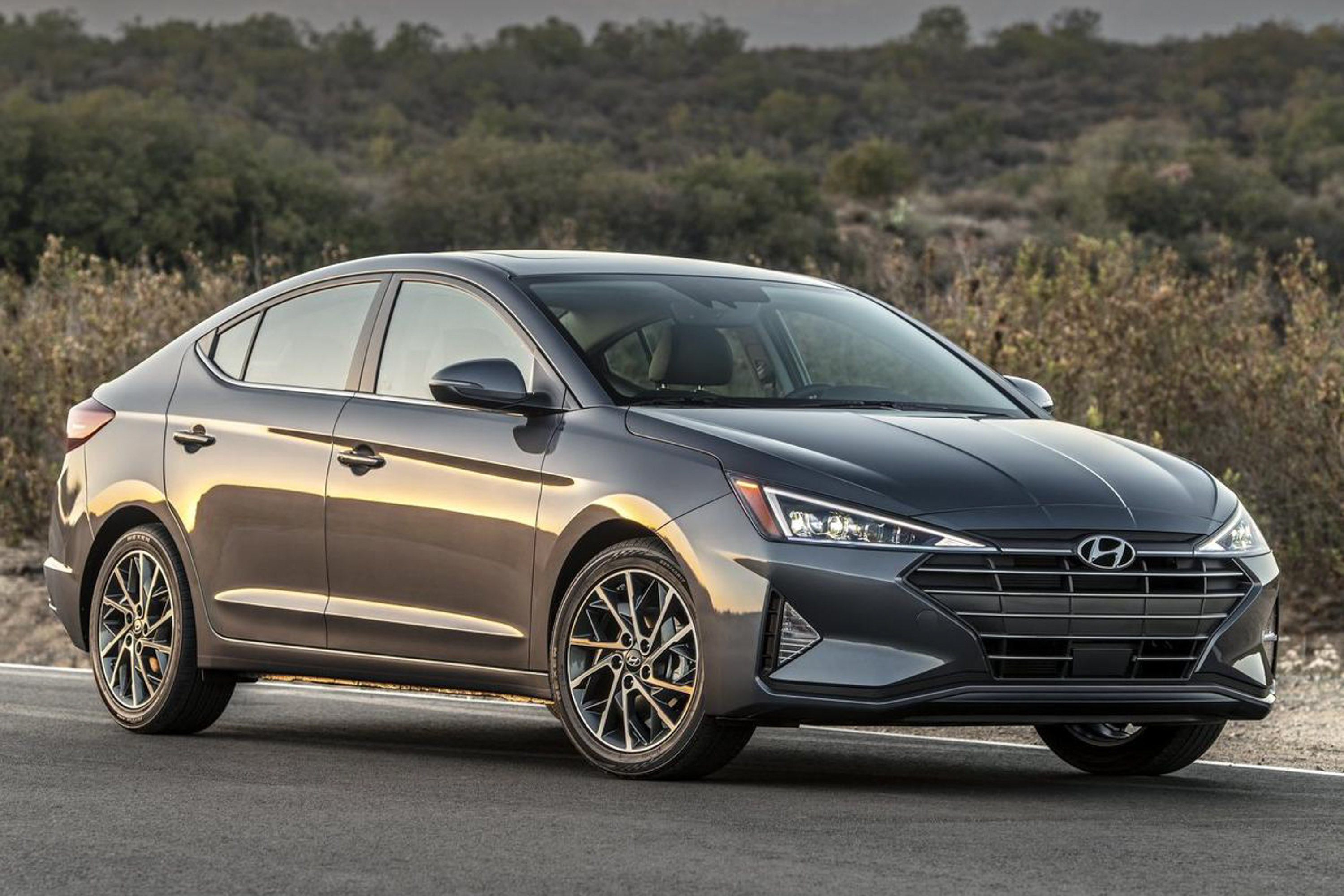
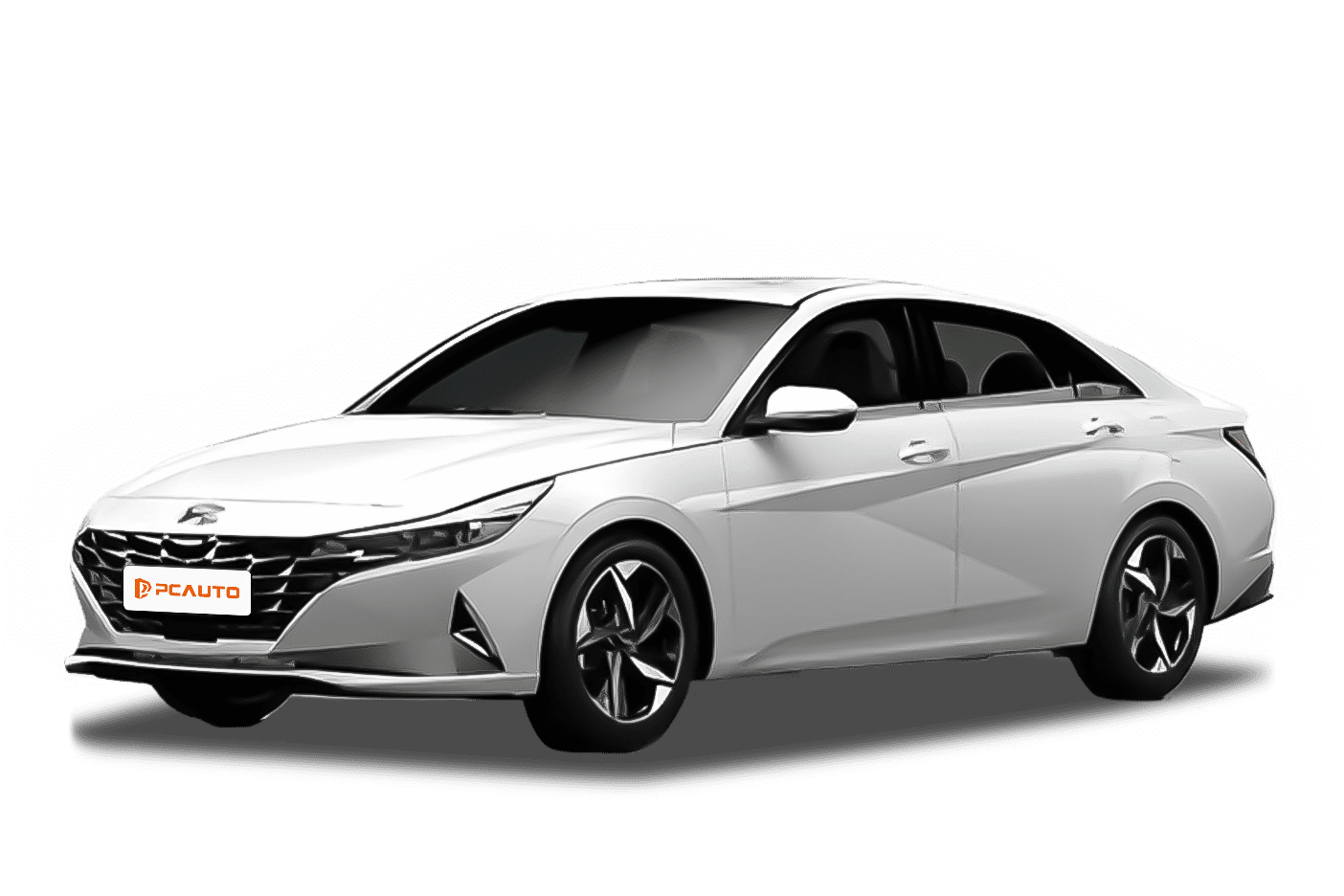
In terms of appearance, the 2019 Elantra public adopts Hyundai's latest "Sensuous Sportiness" design language, making its overall style more aggressive than the previous model. The large-sized blacked-out front grille paired with sharp LED daytime running lights ensures high recognizability, especially with the integrated design of the light clusters and grille, which makes the front look wider. The side profile features smooth lines, with a waistline extending from the front fender to the rear and a coupe-like roof shape adding a touch of sportiness. The 17-inch multi-spoke alloy wheels come standard with mid-to-high trims, appearing more premium than the 16-inch wheels on the previous model. At the rear, the standout feature is the full-width LED taillights, which are striking when illuminated. The dual exhaust layout on either side enhances the sporty vibe, although it's just decorative—the actual exhausts are hidden below.
Sitting inside the car, the overall layout of the interior is simple and neat, with the center console angled slightly towards the driver for easier operation. In terms of materials, the top of the center console is wrapped in soft-touch materials, providing a pleasant tactile experience, and the inner sides of the doors are covered with leather. Mid-to-high trims are also equipped with a leather steering wheel and shift paddles. The 8-inch central touch screen is standard across all models, supporting Apple CarPlay and Android Auto. Its response is smooth, and the interface logic is clear. As for equipment, the mid-to-high trims we test-drove featured automatic air conditioning, rear air vents, keyless entry/start, and electrically adjustable seats, meeting the needs of daily use. However, the lower trims have relatively simple configurations, such as manual air conditioning and fabric seats, which are more suitable for budget-conscious consumers.
In terms of space, the dimensions of the 2019 Elantra public are 4620mm x 1800mm x 1450mm, with a wheelbase of 2700mm, placing it at the mainstream level for its class. The front seats offer good support and wrapping. A passenger with a height of 175cm sitting in the front seat has a headroom of a fist and two fingers and ample legroom. The rear space is a highlight; a passenger of the same height sitting in the back has two fists of legroom and one fist of headroom, and even with three people seated in the back, it doesn't feel cramped. In terms of storage space, the trunk has a volume of 474L, with a wide opening and a regular shape. It can easily fit three 20-inch suitcases, and the rear seats support a split-folding design, providing decent expandability. There are also plenty of storage compartments inside the car, such as door storage slots, a central armrest box, and front cup holders, ensuring small everyday items all have a place.
In terms of power, the 2019 Elantra public offers two engine options: a 1.6L naturally aspirated engine and a 1.4T turbocharged engine. The model we test drove was the 1.4T version, which delivers a maximum power of 140 horsepower and a maximum torque of 211 N·m, paired with a 7-speed dual-clutch transmission. The initial acceleration response is positive, and while there may be slight jerking at low speeds, the transmission becomes smooth once the speed exceeds 20 km/h. During acceleration, the engine can deliver maximum torque at 1500 rpm, providing strong mid-range acceleration and confidence when overtaking. There are three driving modes available: Eco, Normal, and Sport. In Sport mode, the throttle response is more sensitive, and the gear shifting speed is faster, catering to consumers who enjoy driving. The 1.6L model offers relatively moderate power with a maximum power of 123 horsepower, paired with a 6-speed automatic transmission, making it suitable for daily commuting with lower fuel consumption.
In terms of handling, the steering wheel is precise with minimal dead zone and moderate damping. It feels steady when driving at high speeds and light at lower speeds, making it easy to handle. The suspension system uses a front MacPherson independent setup and a rear multi-link independent suspension, tuned for comfort. It effectively absorbs most vibrations when driving over speed bumps or bumpy roads, without causing noticeable jolts. When cornering, the body roll is well-controlled within a reasonable range, and the suspension provides good support, inspiring confidence. Regarding braking, the brake pedal has a linear feel with consistent brake force output, achieving a braking distance of approximately 38 meters from 100 km/h to 0, which is excellent performance.
Regarding fuel consumption, the 1.4T model we tested recorded about 7.5L/100km in urban driving and 5.8L/100km on highways, meeting expectations. The 1.6L model offers even lower fuel consumption, approximately 6.5L/100km in urban areas and 5.0L/100km on highways, making it ideal for consumers who value fuel economy. As for noise control, at high speeds, there is some wind and tire noise, but they remain within an acceptable range and do not affect communication among passengers inside the cabin.
Overall, the key highlights of the 2019 Hyundai Elantra public are its youthful design, spacious interior, and rich features. Compared to competing models in the same segment, such as the Toyota Corolla Altis and Honda Civic, it offers better value for money. The mid-to-high trims provide more features than the Corolla Altis yet come at a lower price point, while also offering more interior space than the Civic. However, it may fall short in brand premium and resale value compared to Toyota and Honda.
This car appeals to a wide range of consumers. Young buyers can opt for the 1.4T model if they prioritize power and a sporty feel, while families may find the 1.6L model more appealing for its focus on fuel efficiency and comfort. If budget allows, the mid-to-high trims come with more comprehensive features, delivering a better overall experience. All in all, the 2019 Hyundai Elantra public is a well-rounded choice in its class, with no significant drawbacks, making it suitable for the needs of most consumers. If you're considering purchasing a compact sedan, it's worth visiting a dealership for a test drive.
Hyundai Elantra Car Compare
More Hyundai Reviews
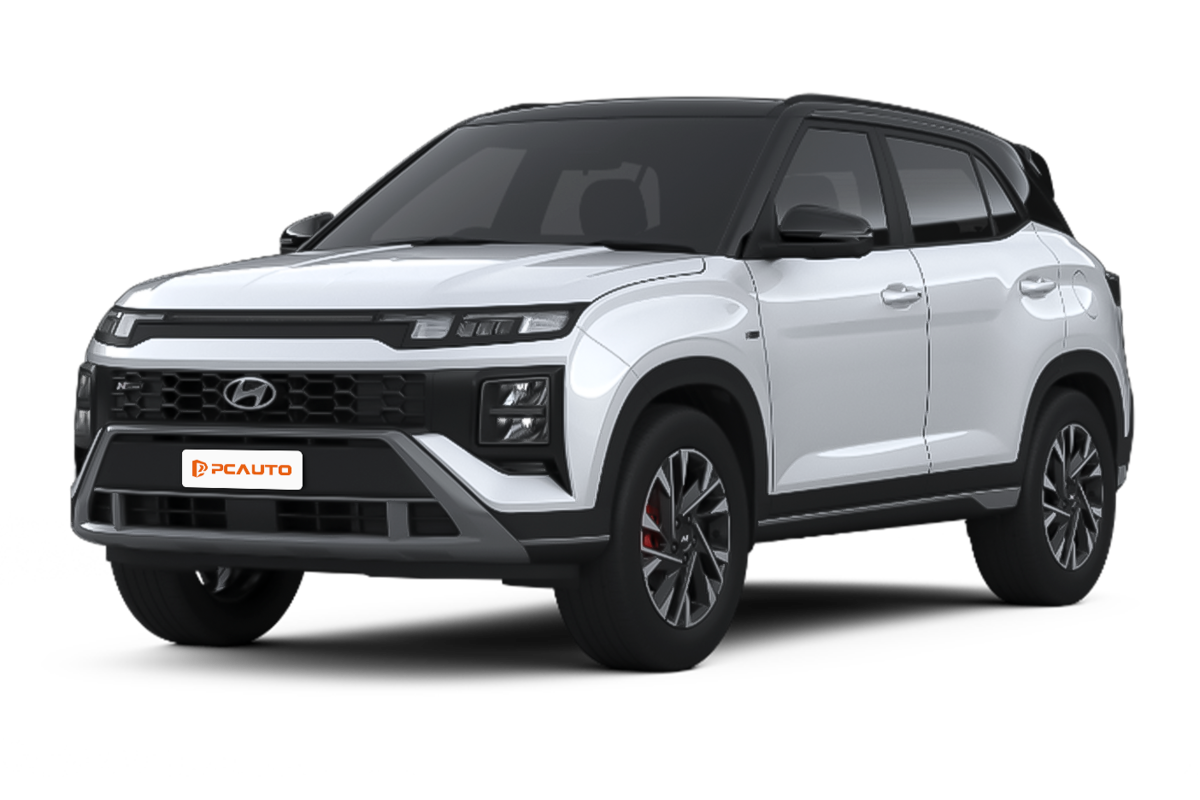
Cars With Similar Price And Features
3
Rank in Sedan
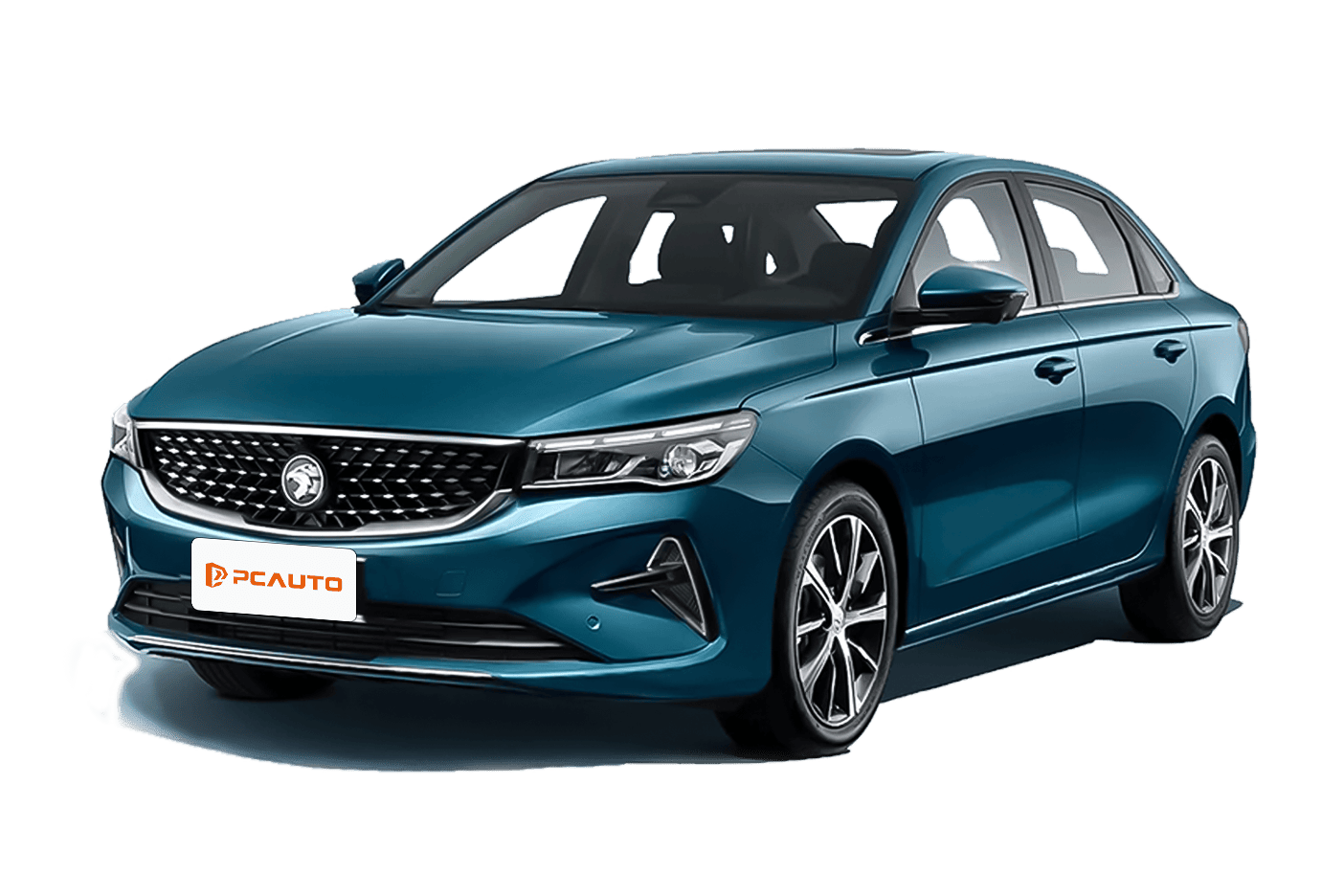
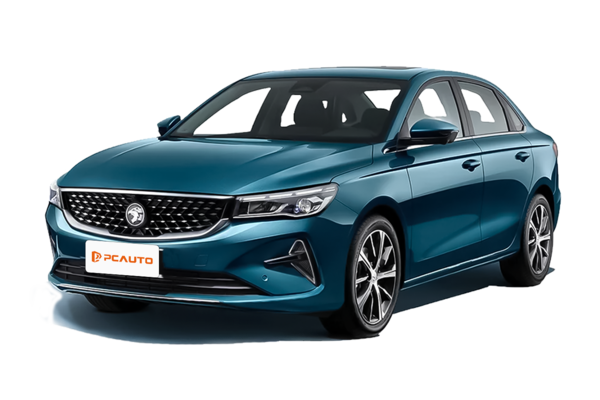
2024 Proton S70 1.5T Executive is an affordable entry-level family C-segment sedan with practical space and lively performance, balancing elegant design with basic safety features.
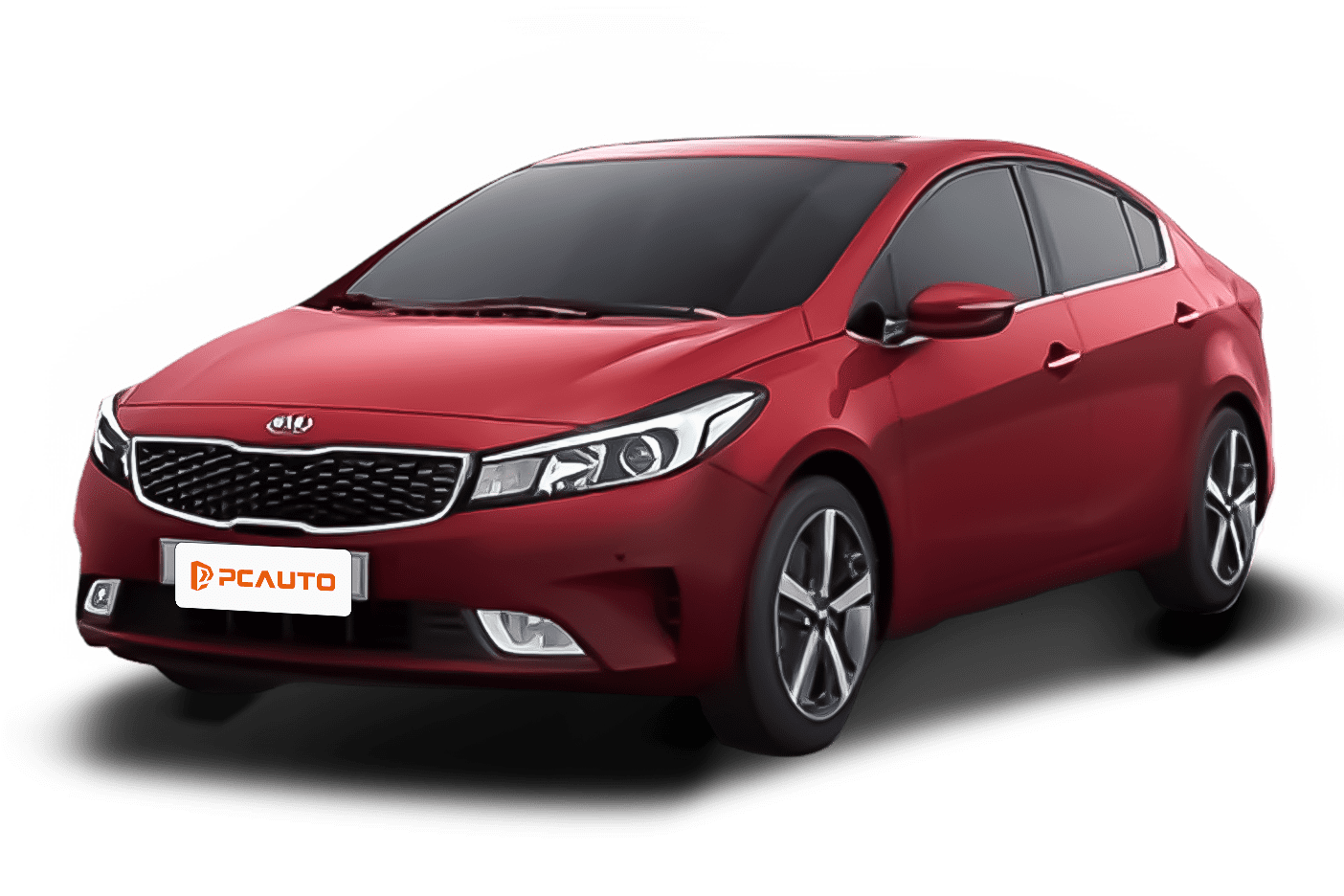
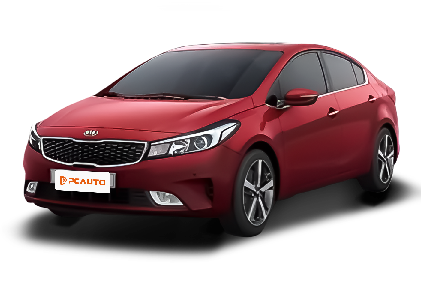
2020 Kia Cerato 1.6 SX is a high-value family sedan that retains core features at a lower price, offering practical space, reliable safety, and balancing the needs of commuting and family travel.
7
Rank in Sedan
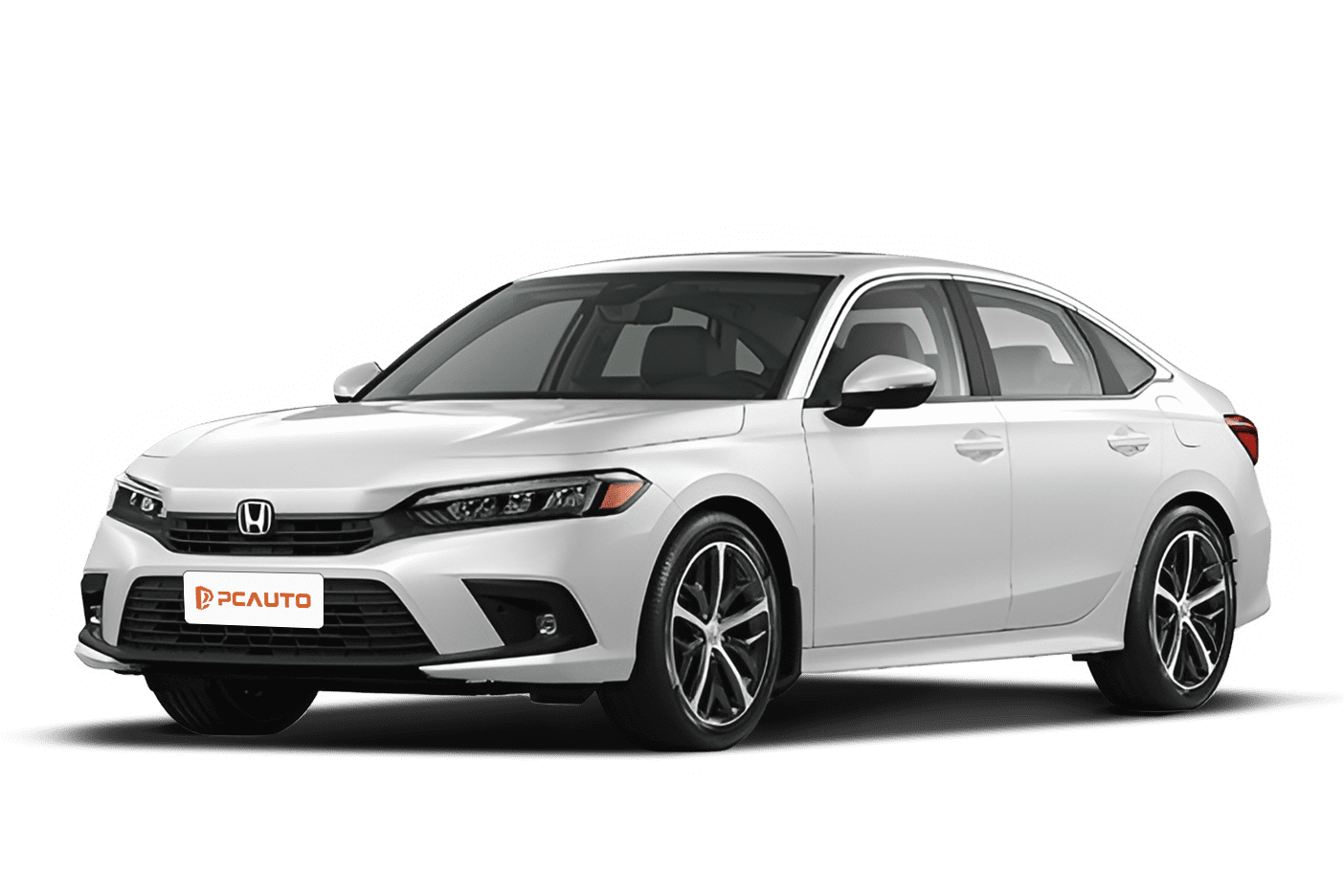
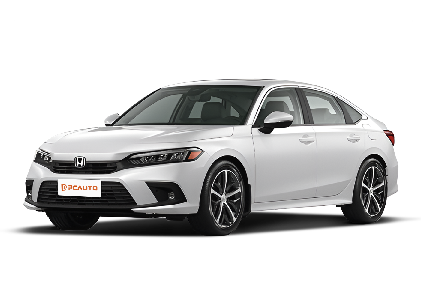
2025 Honda Civic 1.5L E is an entry-level family sedan that combines 1.5T power, a full set of active safety features, and practical space, suitable for city commuting and family outings.
25
Rank in Sedan
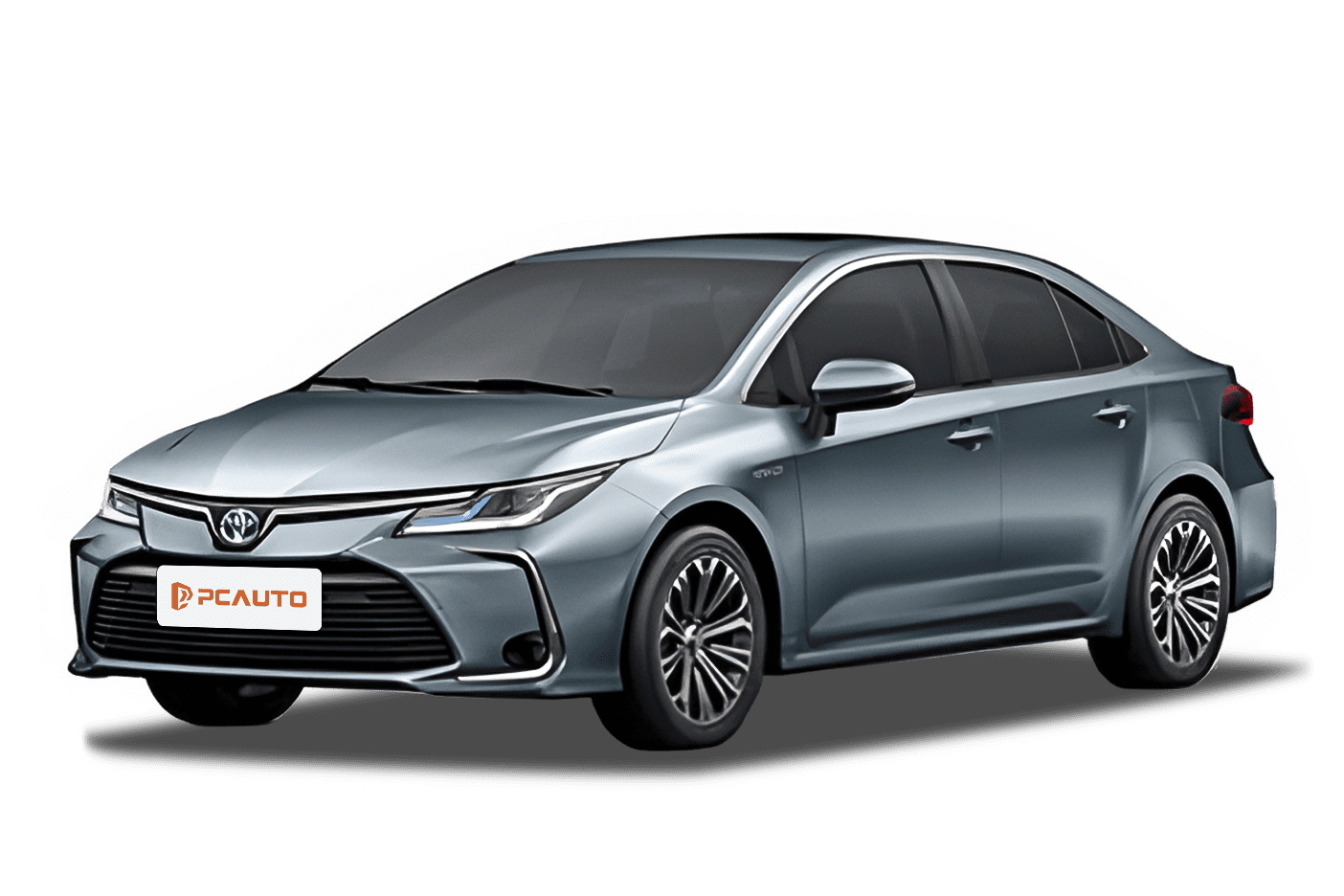
2025 Toyota Corolla GR Sport features a sporty design, upgraded intelligent configurations, and high cost performance, balancing practicality for family use and driving pleasure, making it an ideal choice for young families.