

Hyundai Elantra 2021 Review

 Share
Share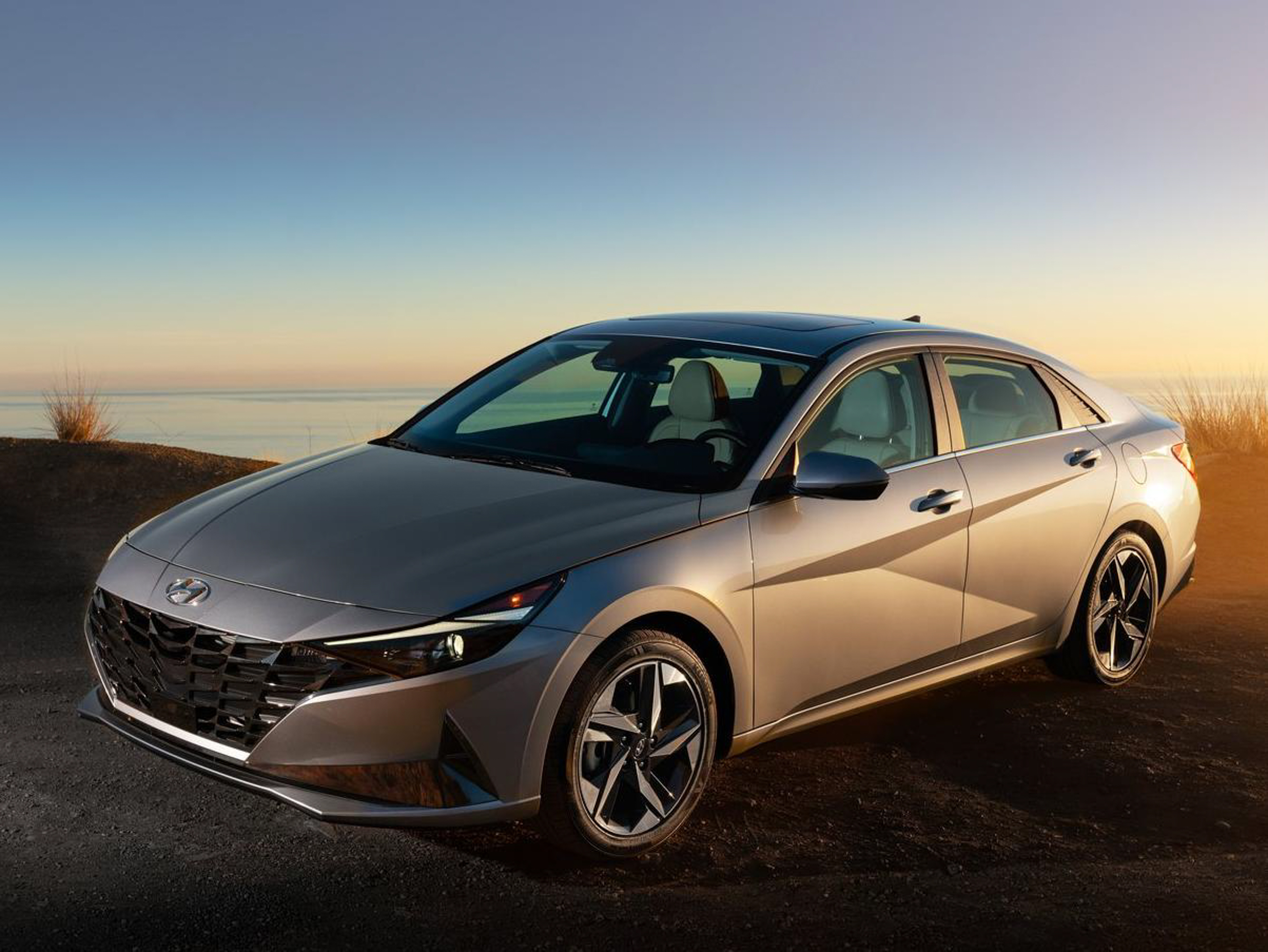
 Segment
 Body Type
 Capacity(L)
 Engine Power(PS)
 Transmission
 Driven Wheels
In Malaysia's C-segment sedan market, consumers are increasingly demanding balance - they seek youthful design while also requiring practical space, not overly basic features, and reasonable fuel efficiency. As the mid-range version of the series, the 2021 Hyundai Elantra Executive enters the market with a price of RM 139,888, focusing on standout attributes such as a class-leading wheelbase, comprehensive basic features, and a reliable powertrain. We've acquired the actual vehicle this time to see whether these selling points can translate into real-world advantages in everyday scenarios.
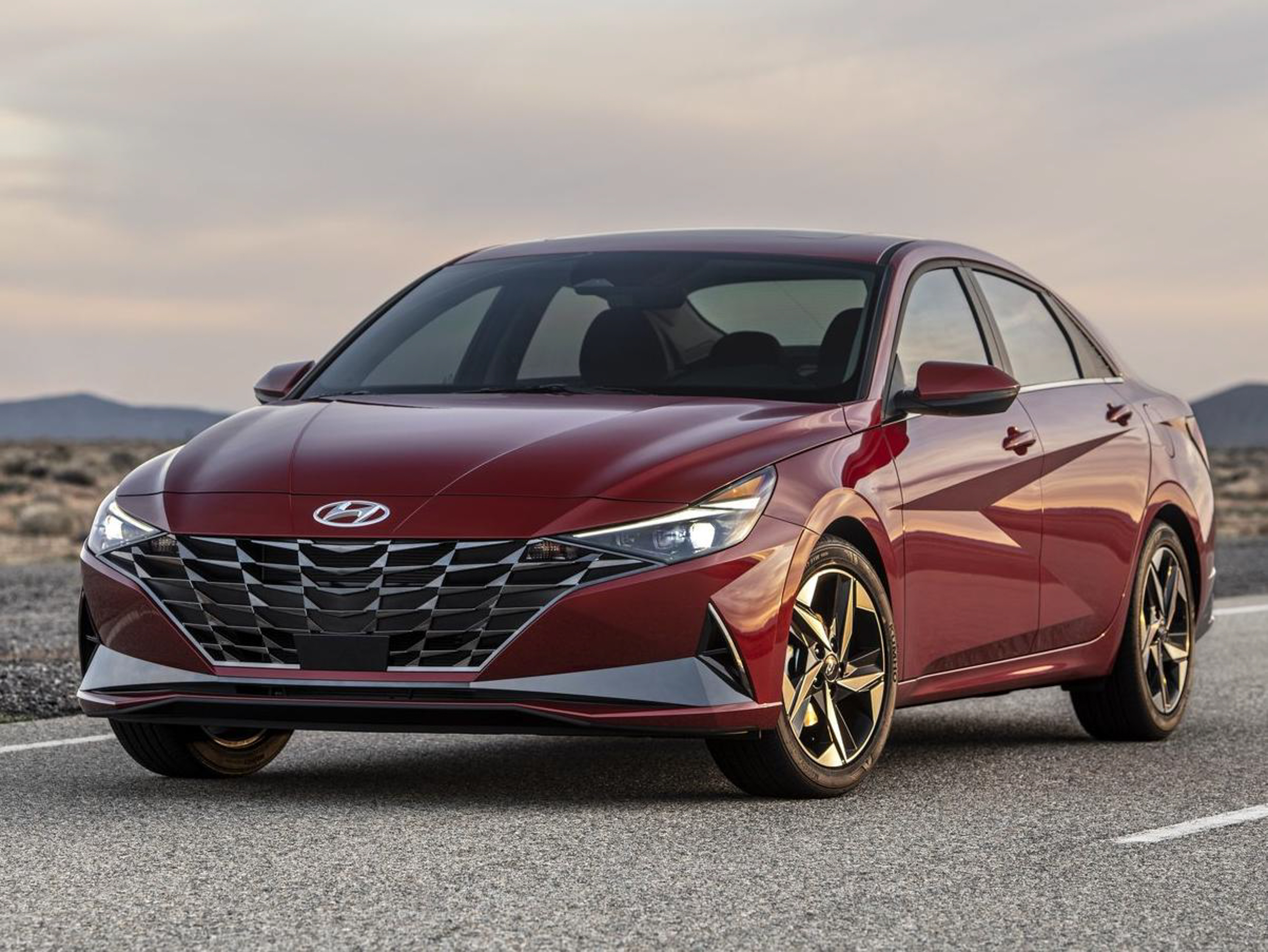
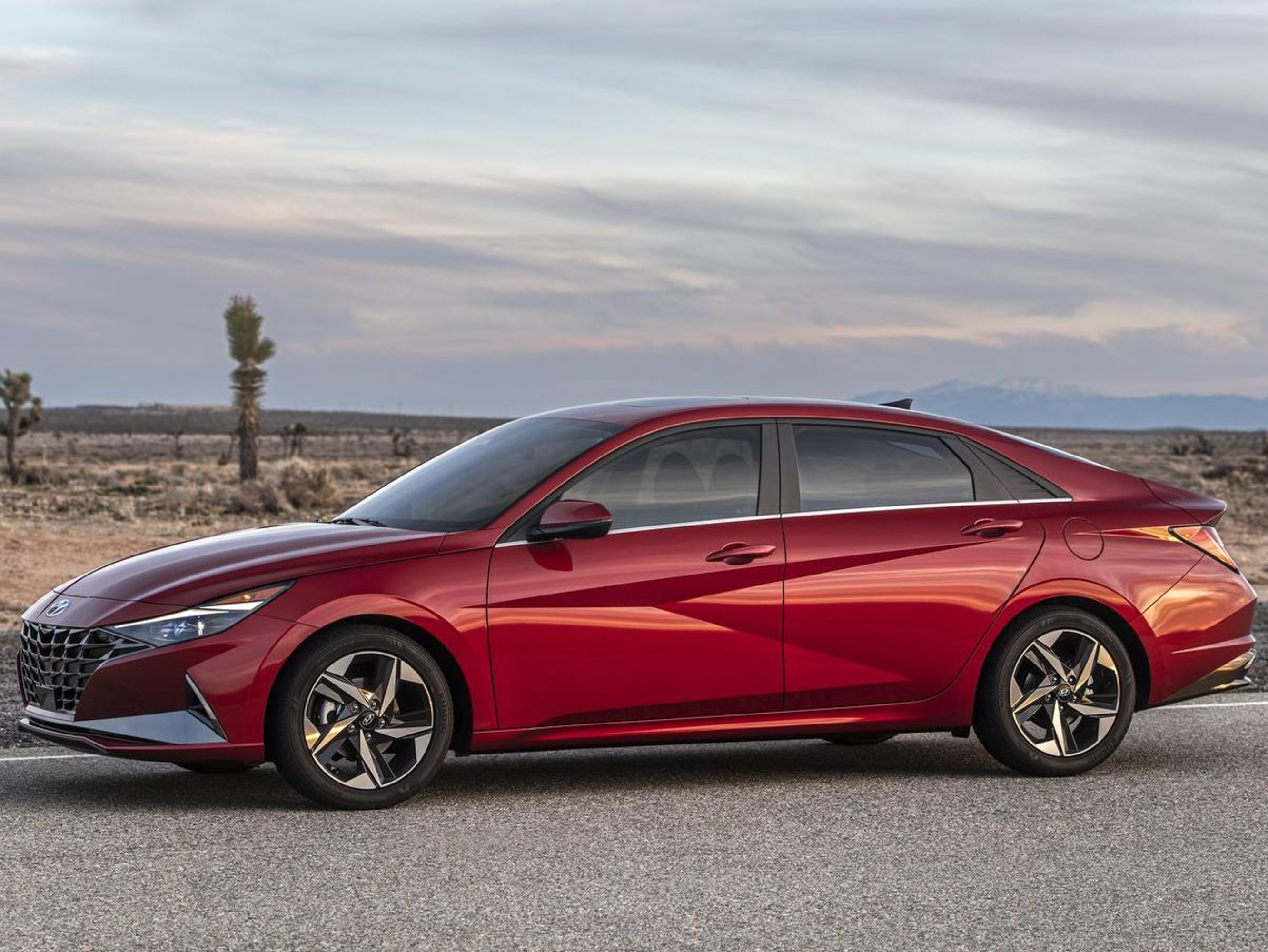
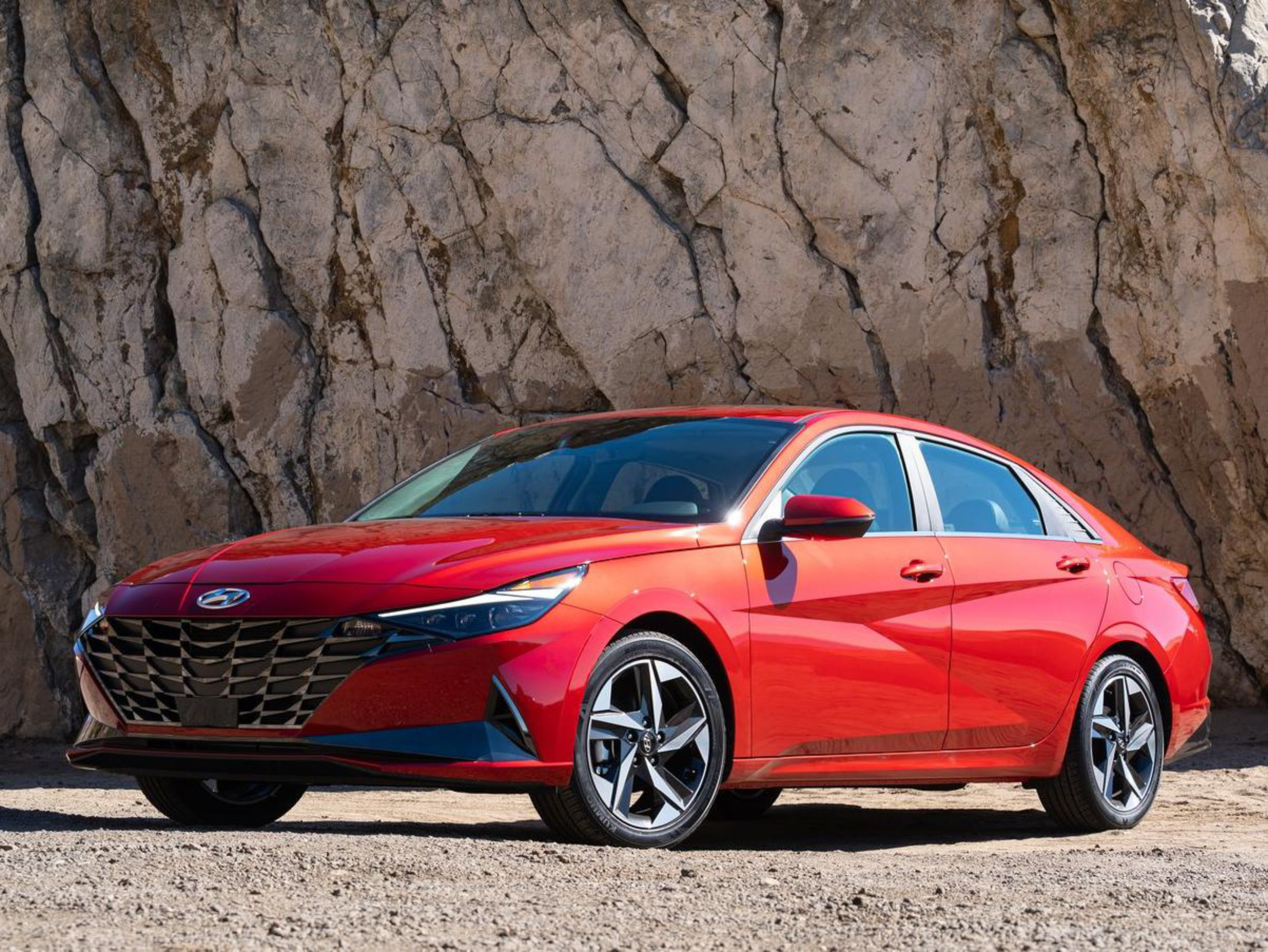
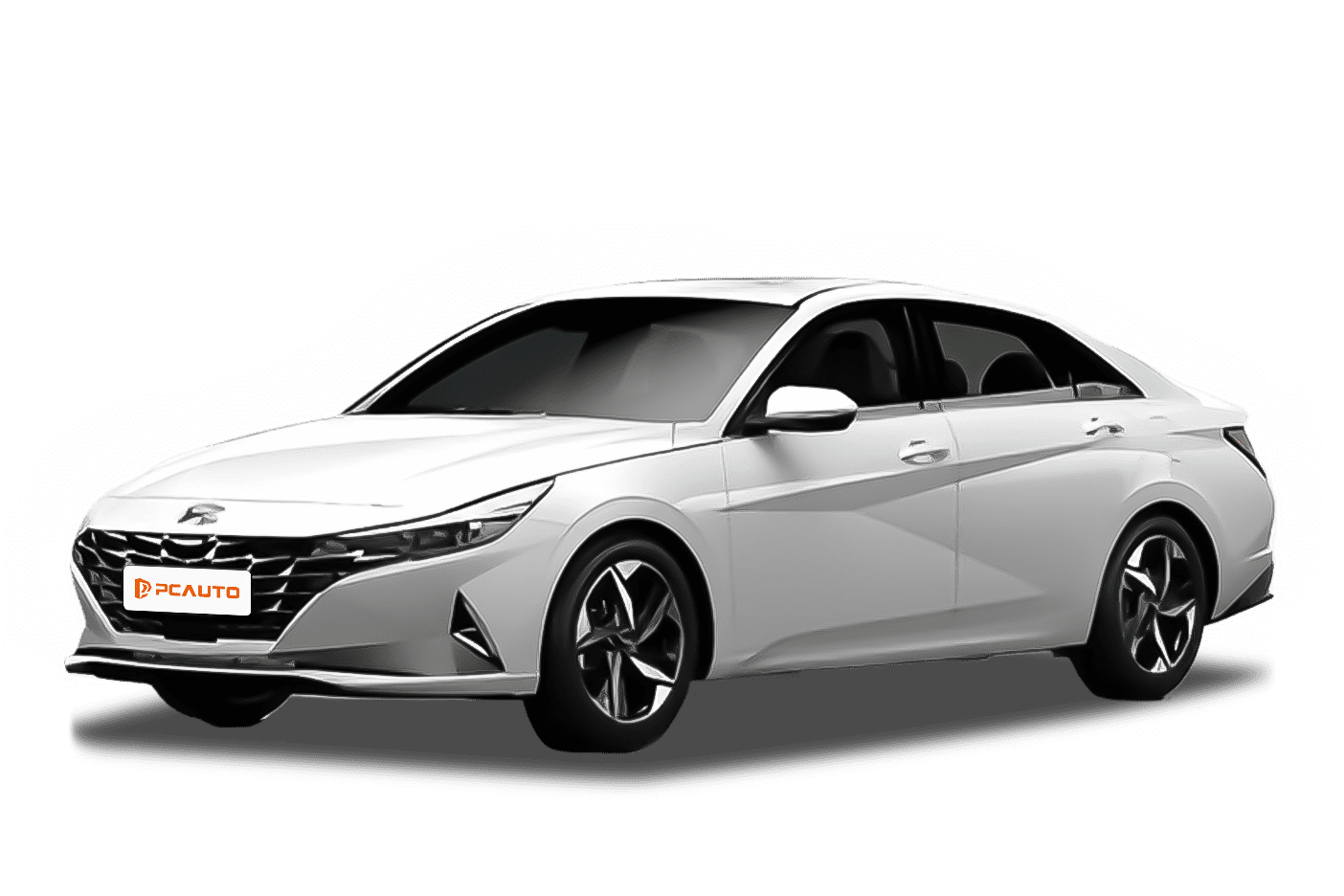
Let's first look at the exterior. The Elantra Executive adopts a sporty design theme with sharp, tension-filled lines overall. The front "Parametric Jewel" grille is not large in size but, paired with the upward-sweeping LED daytime running lights on both sides, it has a high level of recognition. Two sculpted lines on the hood stretch from the A-pillar to the grille, enhancing the sense of power at the front. The side profile features a coupe-like design, with a waistline that runs from the front fender to the rear lights. This, coupled with the 17-inch multi-spoke wheels, makes the 4675mm body length look sleeker. The rear design is relatively simple, with smoked full-LED taillights laid out in a connecting strip, creating an extended visual width when lit. The diffuser-like element on the lower rear bumper and the hidden exhaust maintain the overall sporty style. Regarding the lighting system, all-LED headlights and daytime running lights come standard, and the automatic headlight function allows lights to switch automatically when entering tunnels or at dusk, which is quite practical.
Sitting inside, the interior style of the Elantra Executive leans towards simplicity and practicality. The center console adopts an asymmetrical design tilted about 10 degrees toward the driver for ease of operation. In terms of materials, the upper part of the dashboard and the inner side of the door panels are covered with soft-touch plastic, providing a tactile balance without excessive decorative elements. The 8-inch touchscreen serves as the visual centerpiece, with a clear interface design and a response time that is not particularly fast but sufficient. It supports both Apple CarPlay and Android Auto connectivity. Below the screen, physical buttons for the air conditioning are retained, making blind operation more convenient than a fully touch-based interface. As for features, dual-zone automatic air conditioning, rear air vents, and a 4.2-inch TFT LCD instrument cluster are all standard, meeting everyday needs. Convenient details like keyless entry/start, power-folding mirrors, and rain-sensing wipers are also included, which enhance day-to-day usability.
Space performance is one of the advantages of the Elantra Executive, with its 2720mm wheelbase ranking among the top in its class. The front seats use manual adjustment and provide good support. After a 175cm tall tester adjusted to a comfortable sitting position, there is still a fist and two fingers worth of headroom available. The rear space is even more impressive; the same tester found more than two fist lengths of legroom, and a fist of headroom, making it comfortable even when three adults sit side by side without feeling cramped. Regarding storage capacity, the trunk offers 474L of space with a regular opening, easily fitting two 28-inch suitcases. The rear seats fold down in a 60/40 split, allowing for extended space when carrying longer items. Inside, there are plenty of small storage compartments, with practical spaces like the central armrest box, door panel slots, and front cup holders, suitable for storing everyday items such as phones and water bottles.
For the powertrain, the Elantra Executive is equipped with a 1.6L naturally aspirated engine, delivering a maximum horsepower of 123PS and peak torque of 154N·m, paired with a CVT transmission. During actual driving, this powertrain focuses on smooth output. There is no significant burst of power during the initial acceleration phase, but the throttle response is linear, and a light press is sufficient for urban commuting. During mid-to-late acceleration, pressing the throttle harder makes the transmission simulate gear shifts, and when the revs reach about 4500 RPM, the torque is fully released. For overtaking, as long as you accelerate in advance, the power reserve is generally adequate. There are three driving modes to choose from: Eco, Normal, and Sport. In Sport mode, throttle sensitivity is heightened, and the revs are maintained at a higher level, making it suitable for sudden acceleration scenarios.
The handling and chassis performance align with its positioning as a family car. The steering wheel has moderate weight and limited dead zone, making daily lane changes or U-turns relatively agile. The front MacPherson independent suspension is tuned for comfort, absorbing most small bumps when driving over speed bumps or uneven roads, without noticeable body bounce. During cornering, body roll is kept within an acceptable range, not giving a sense of instability. As for braking, the front and rear ventilated disc brakes offer a linear pedal feel, and braking distances are moderate, providing ample confidence during daily drives. In fuel consumption tests, the urban congested fuel consumption is about 7.2L/100km, while cruising on highways can reduce it to around 5.5L/100km, which is close to the official combined fuel consumption of 5.4L/100km. For a 1.6L model, this performance is on par with the mainstream level in its class.
In terms of driving and riding comfort, the Elantra Executive's performance is commendable. Noise insulation is well-controlled at speeds under 60km/h, with minimal tire and engine noise; at speeds above 80km/h, wind noise seeps in through the A-pillars but does not affect normal conversation. The seat cushions are not particularly soft but provide good support, ensuring comfort even during long rides. The rear floor has a low central hump, making foot space for the middle passenger less cramped. The air conditioning system cools quickly, with dual-zone control meeting the different temperature needs of the driver and front passenger, while rear air vents help cool the backseat area promptly.
To sum up, the main advantages of the 2021 Hyundai Elantra Executive lie in its spacious rear seating area offered by the 2720mm wheelbase, standard six airbags, basic active safety features (such as lane change assist and front/rear parking sensors), and a smooth and fuel-efficient powertrain. Compared to competitors in its category, such as the Toyota Corolla Altis 1.8G (RM 139,980), the Elantra Executive has a longer wheelbase, providing an advantage in rear space. Although it lacks lane departure warning in its configuration, its price is nearly the same, offering better value for money.
This car is more suitable for families who value practical space and basic features or for young buyers with a budget of around RM 140,000 who need a vehicle for daily commuting and occasional family outings. It has no particularly obvious shortcomings, performs relatively balanced in various aspects, and with Hyundai's 5-year/300,000 km warranty policy, it offers reassurance for subsequent use.
Overall, the 2021 Hyundai Elantra Executive is a "no surprises but sufficient" C-class sedan. With its spacious interior, practical features, and reliable performance, it meets the core needs of most family users and is a balanced choice worth considering in the same price range.
Hyundai Elantra Car Compare
Hyundai Elantra Loan Calculator
More Hyundai Reviews
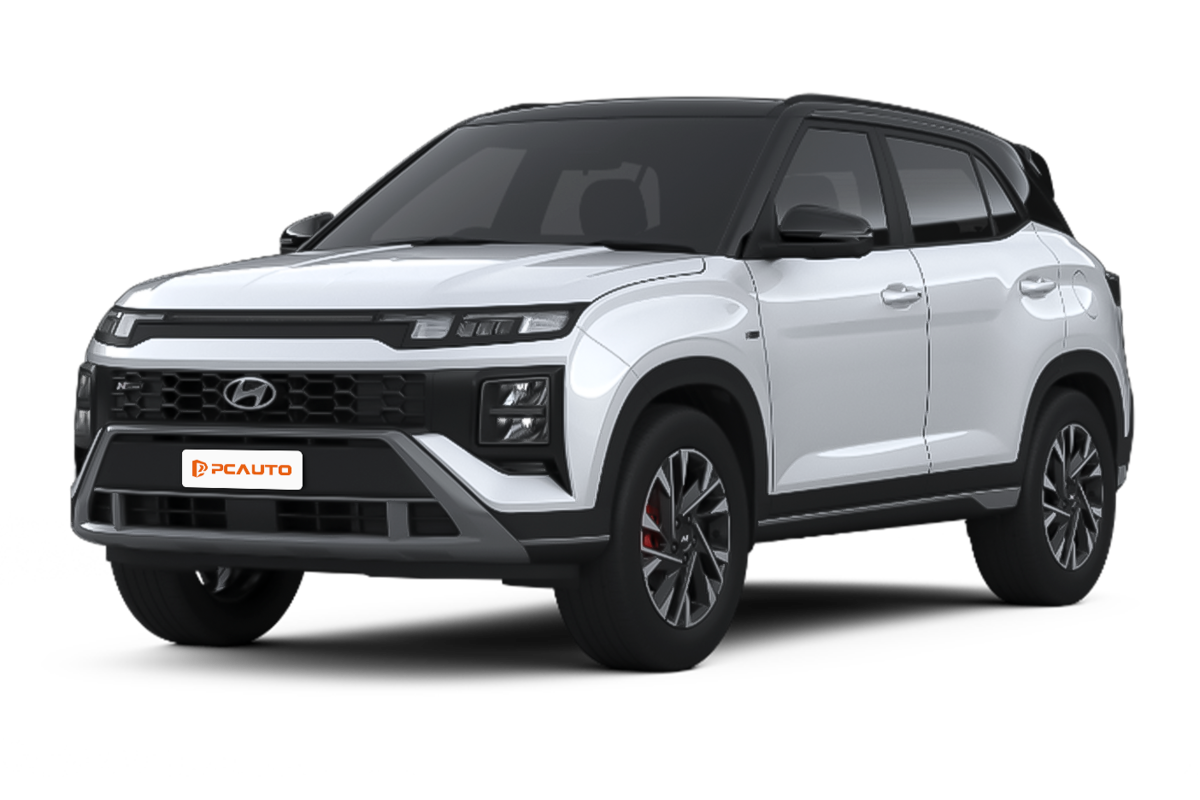
Cars With Similar Price And Features
3
Rank in Sedan
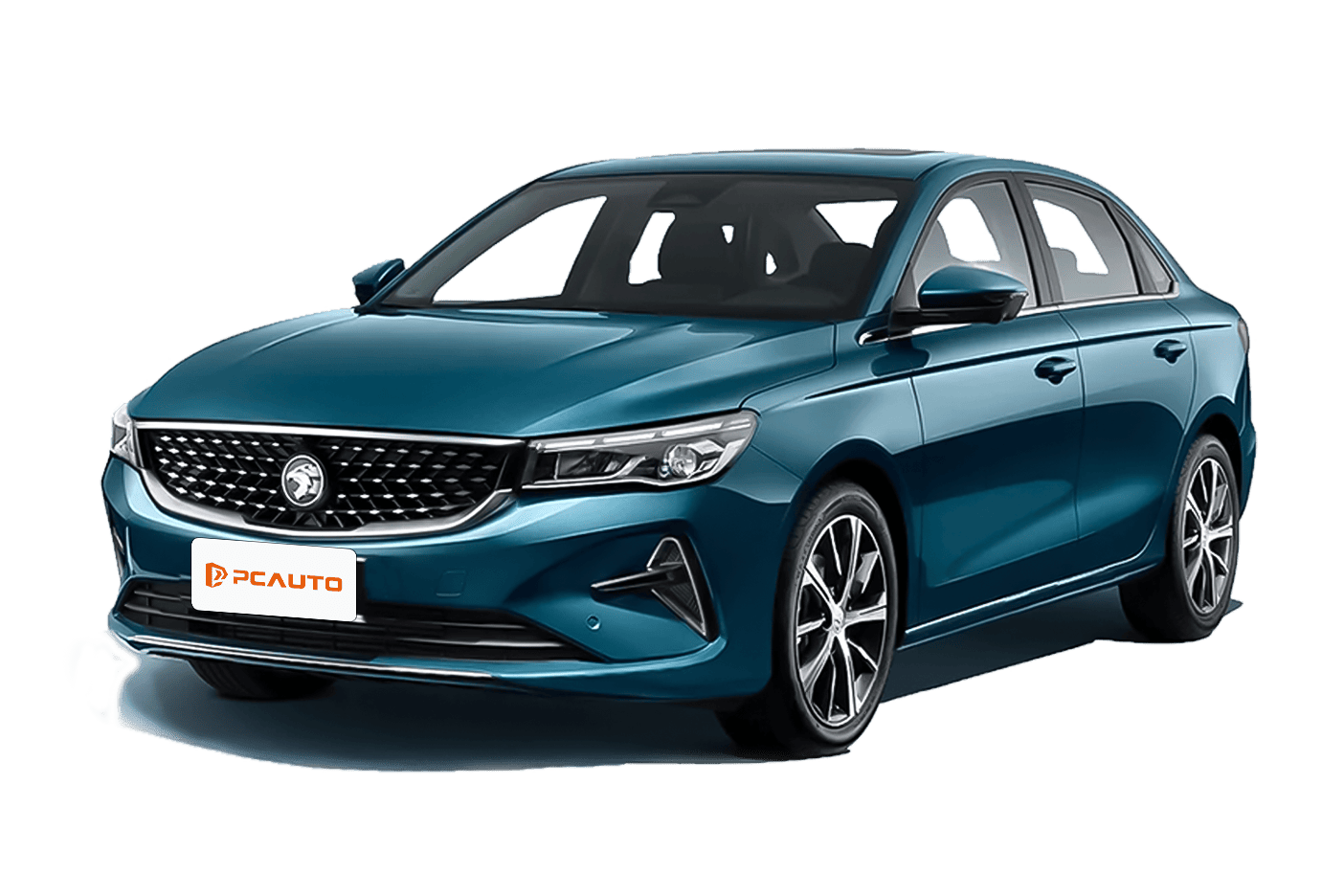
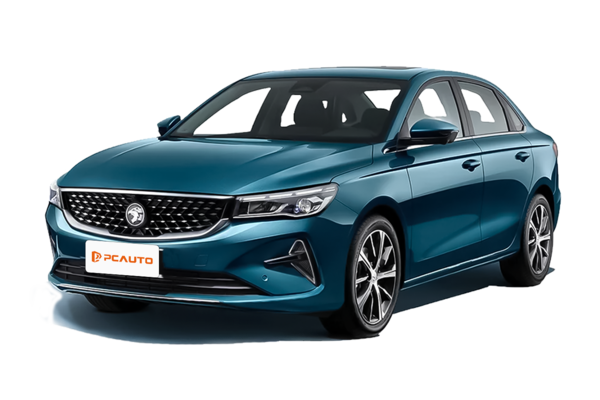
2024 Proton S70 1.5T Executive is an affordable entry-level family C-segment sedan with practical space and lively performance, balancing elegant design with basic safety features.
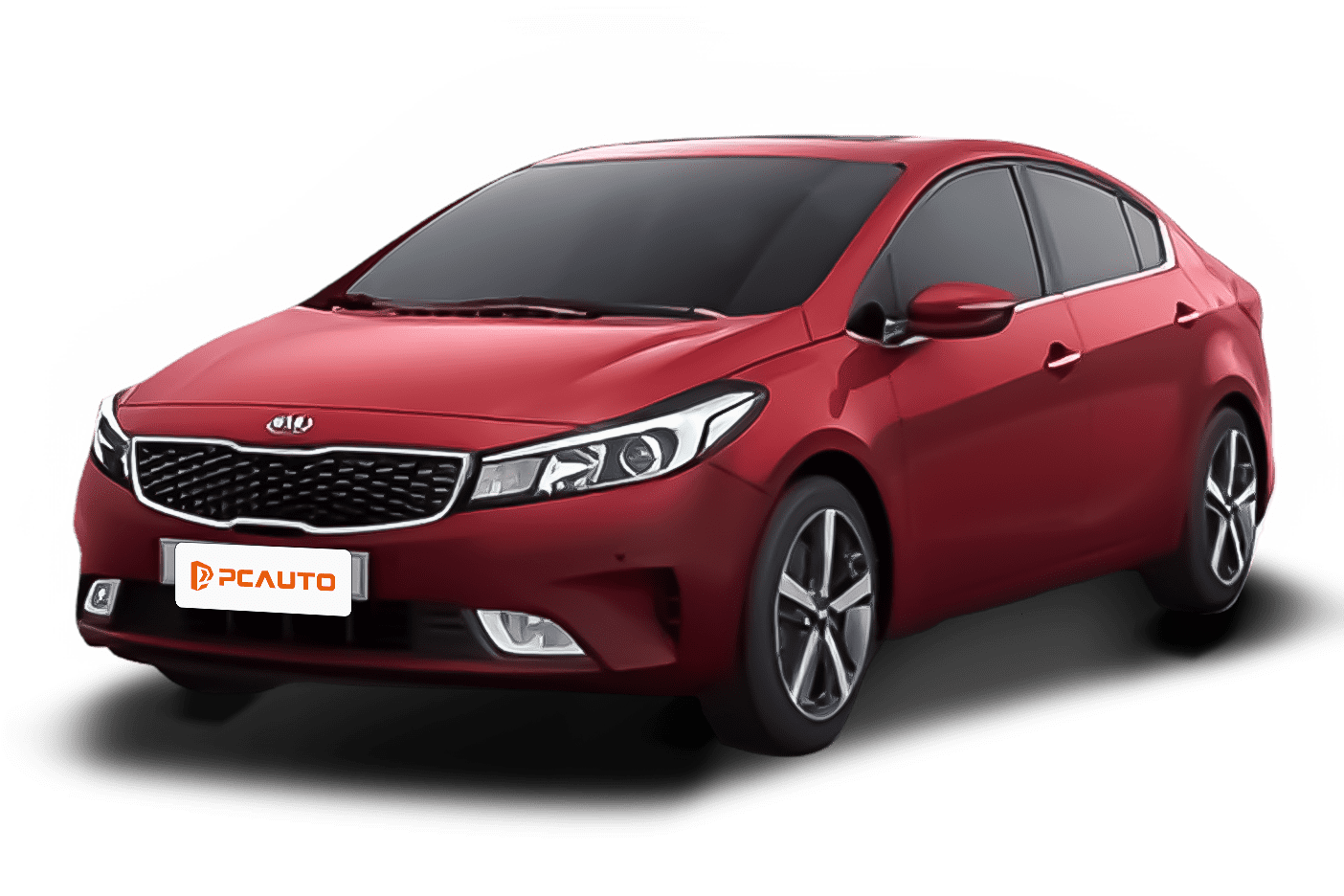
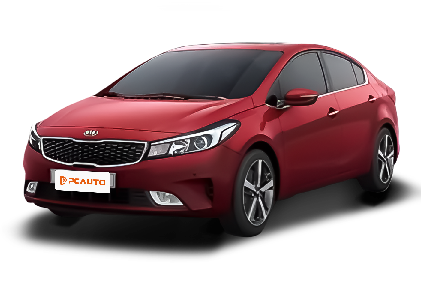
2020 Kia Cerato 1.6 SX is a high-value family sedan that retains core features at a lower price, offering practical space, reliable safety, and balancing the needs of commuting and family travel.
7
Rank in Sedan
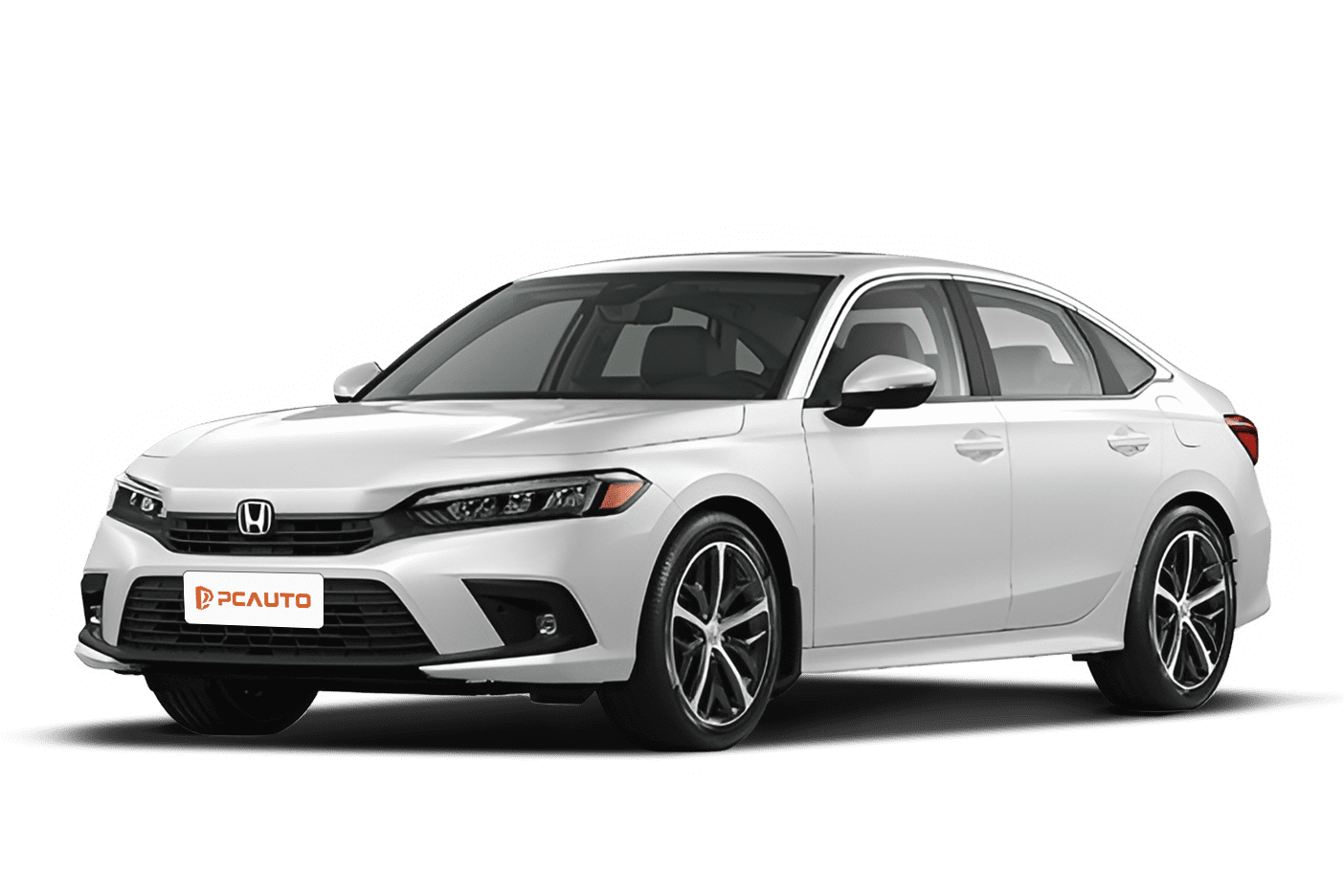
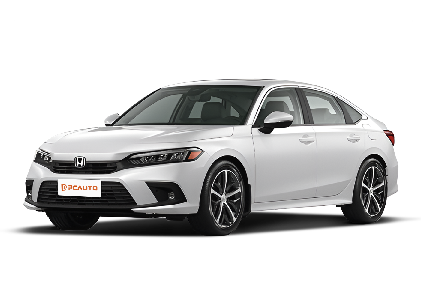
2025 Honda Civic 1.5L E is an entry-level family sedan that combines 1.5T power, a full set of active safety features, and practical space, suitable for city commuting and family outings.
25
Rank in Sedan
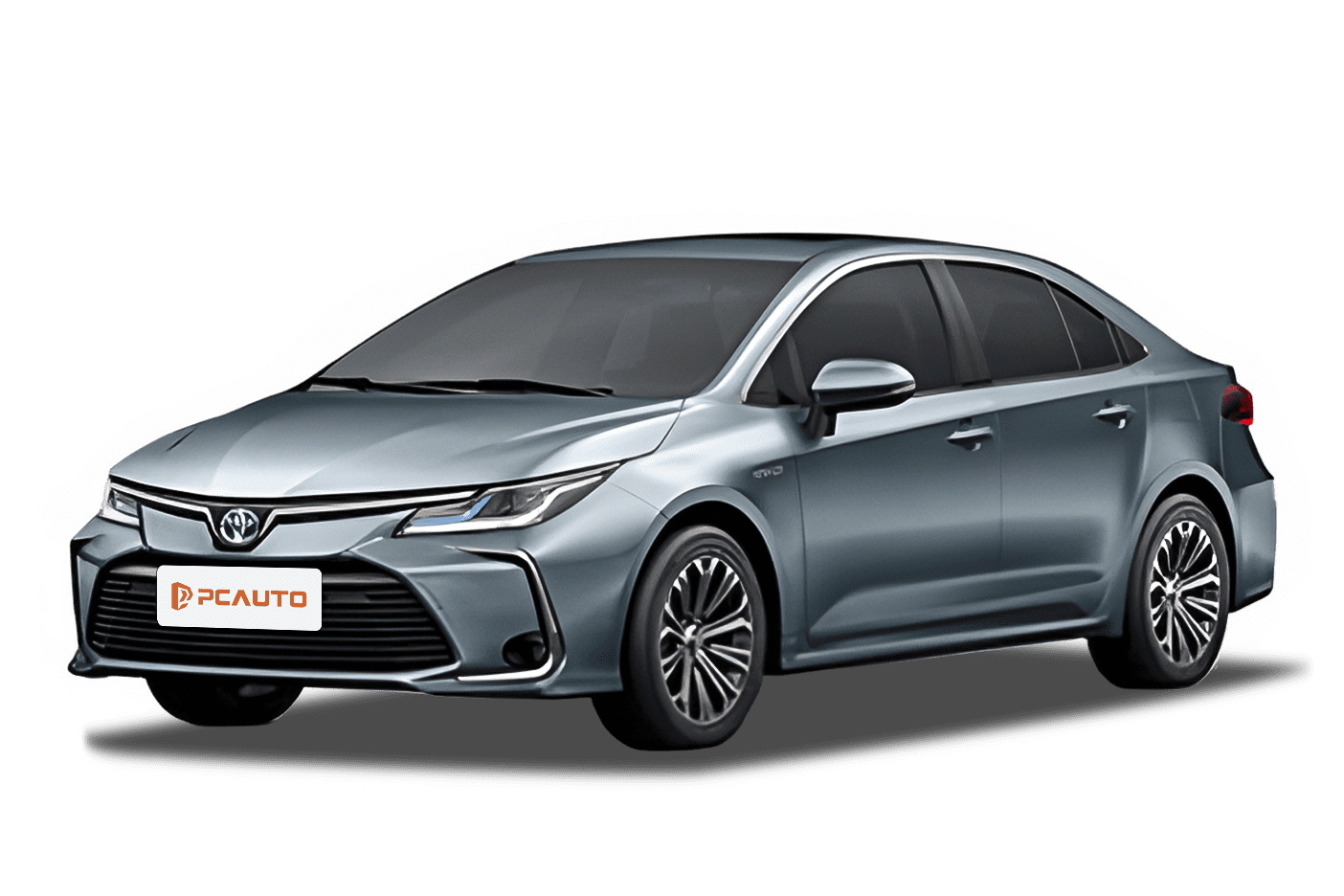
2025 Toyota Corolla GR Sport features a sporty design, upgraded intelligent configurations, and high cost performance, balancing practicality for family use and driving pleasure, making it an ideal choice for young families.