

Hyundai Elantra 2024 Review

 Share
Share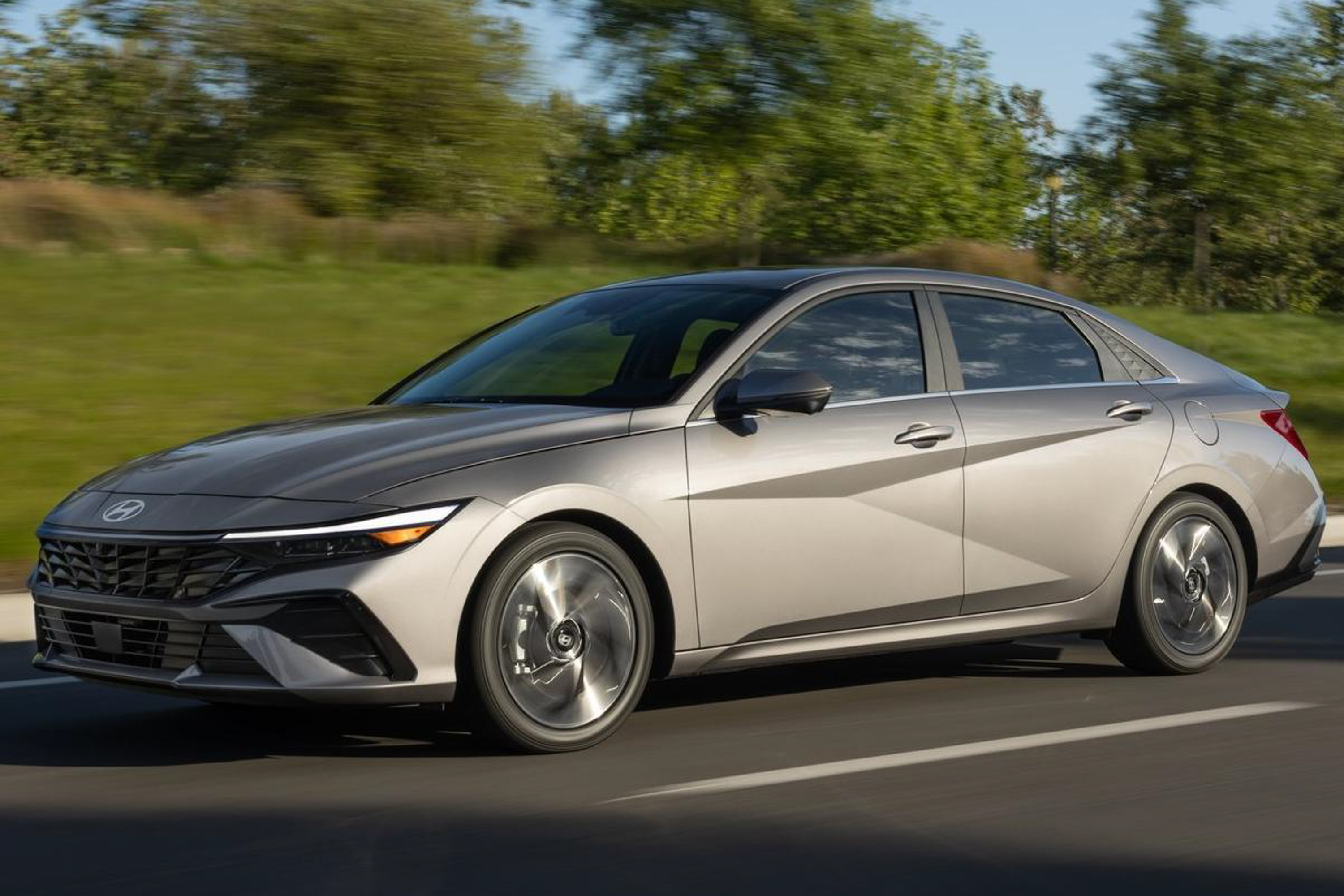
 Body Type
 Segment
 Capacity(L)
 Engine Power(PS)
 Engine Torque(Nm)
 Transmission
The compact sedan market in Malaysia has always been a battleground for household and young consumer groups. Most buyers not only value stylish design but also prioritize daily practicality and fuel economy. As Hyundai's main model in this segment, the 2024 Hyundai Elantra Public's latest facelift focuses on upgrading exterior details and smart features, aiming to stand out in a competitive market. The core purpose of this test drive is to verify whether these upgrades truly enhance the daily driving experience and whether it still maintains its advantages in basic performance aspects such as power and space.
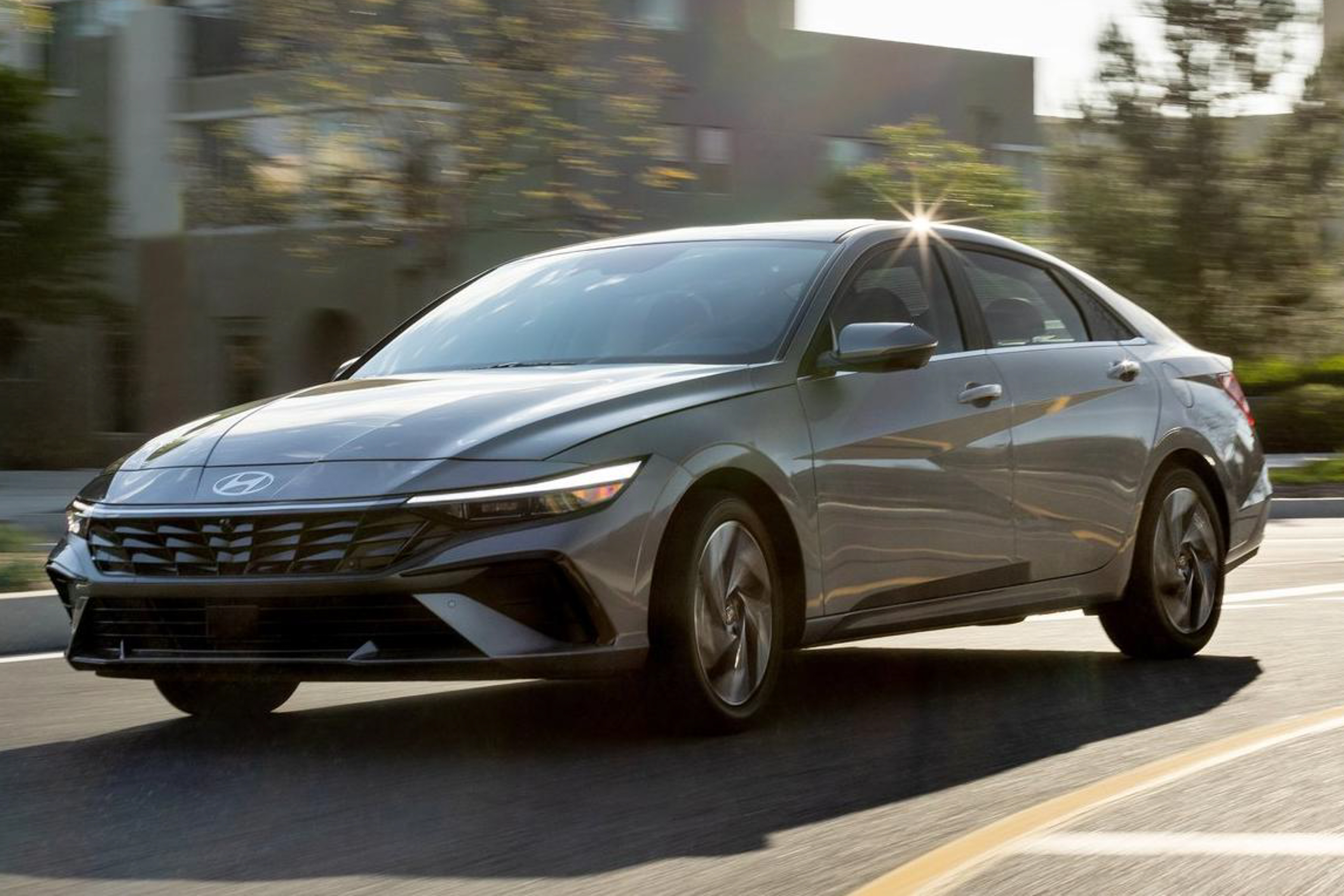
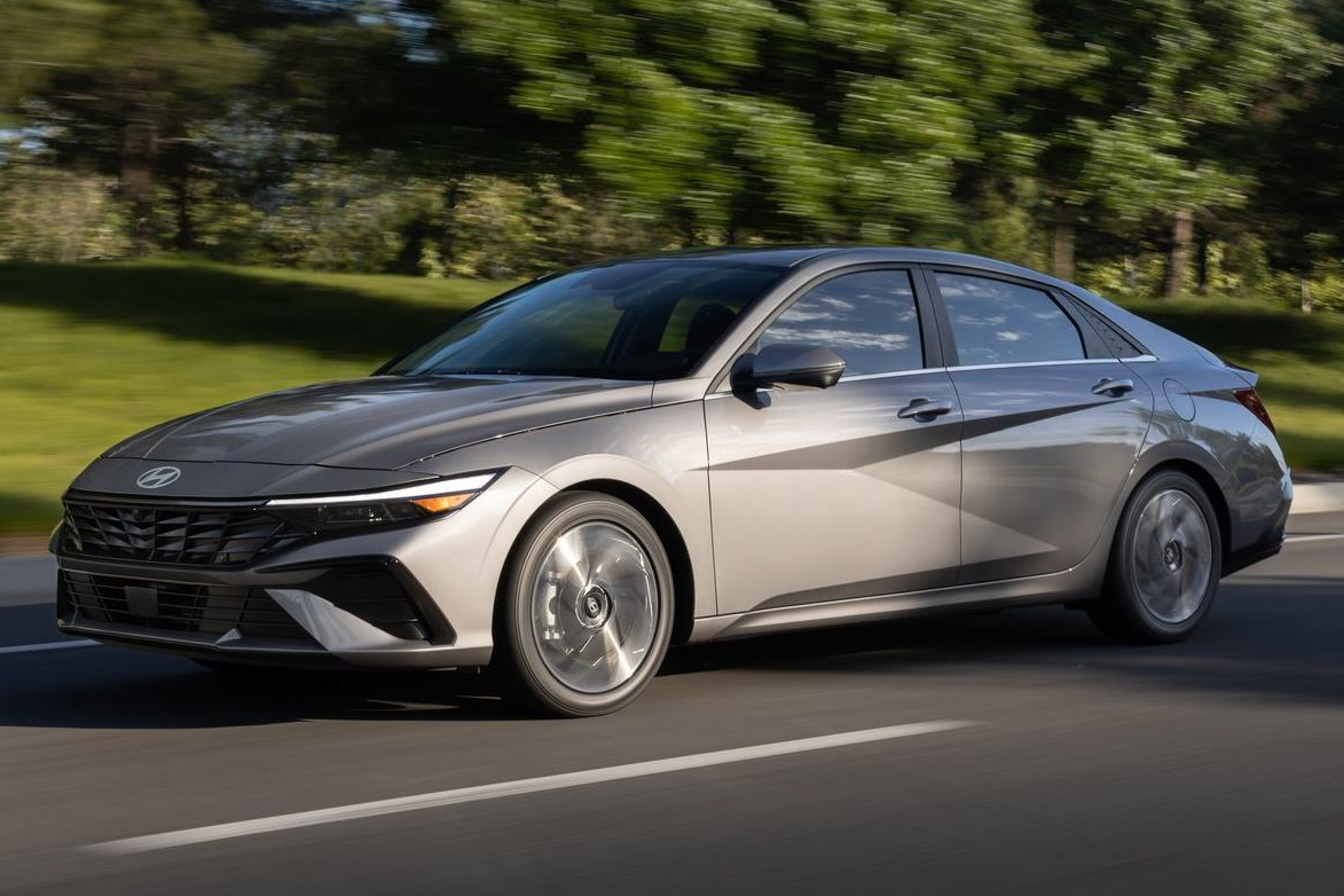
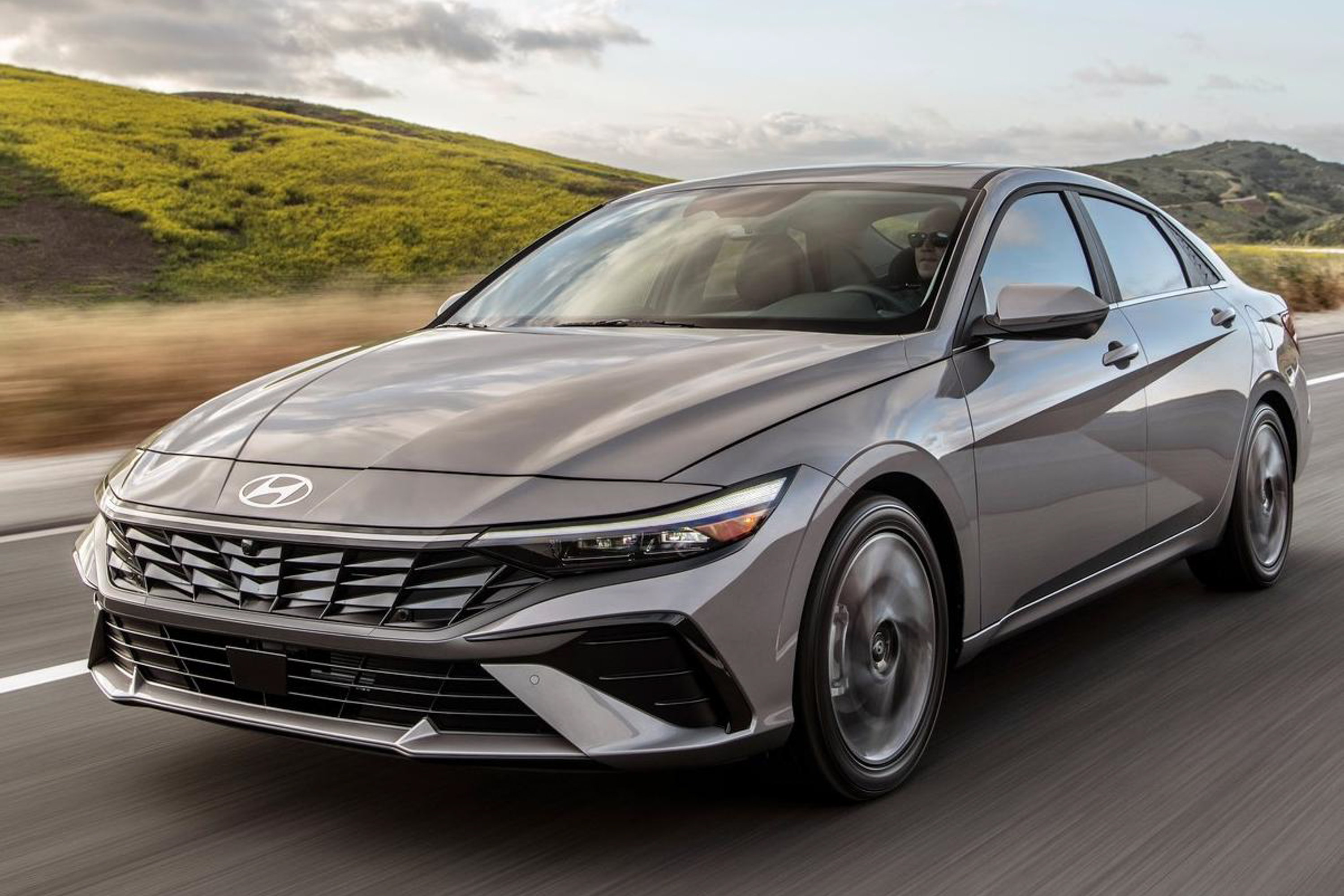
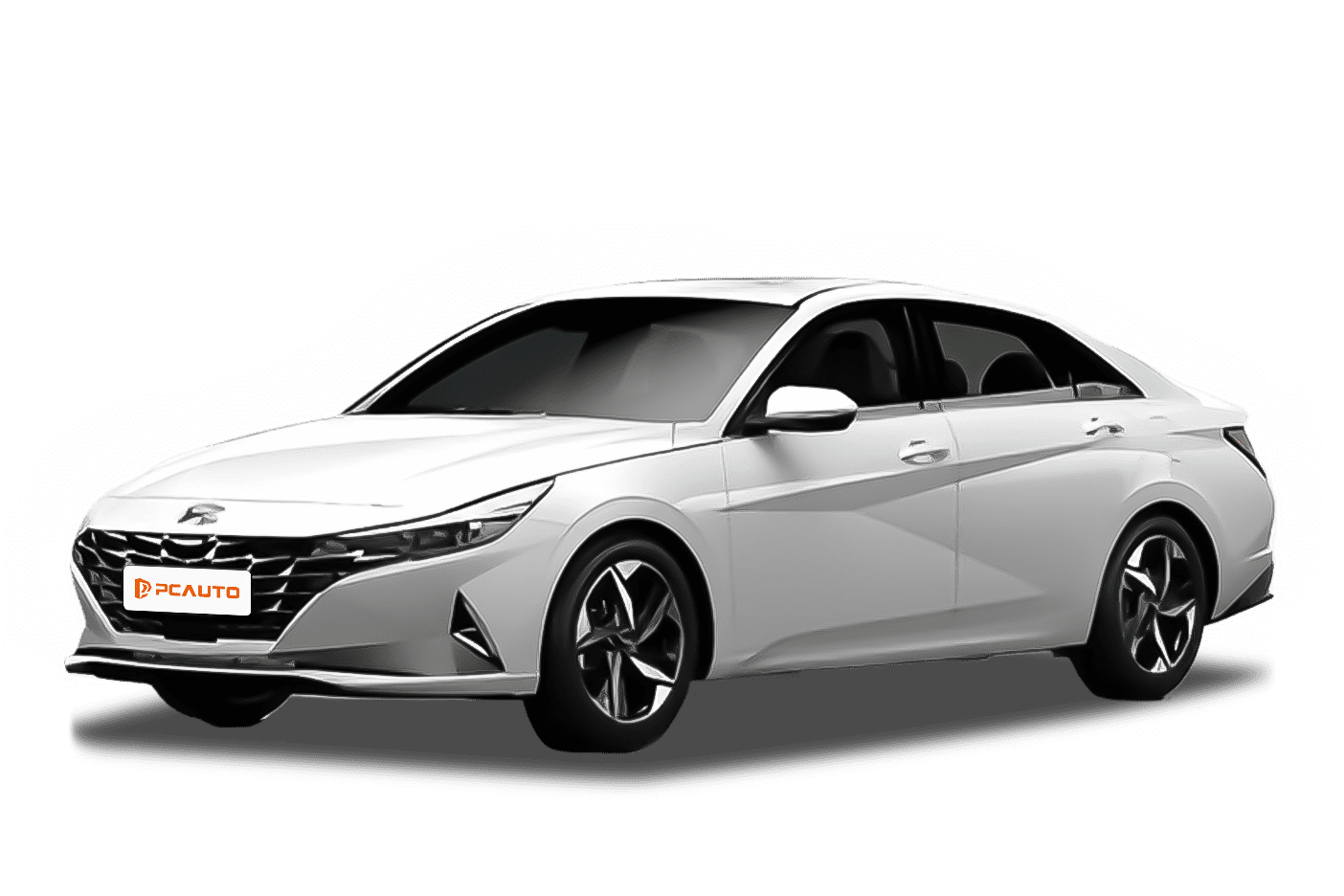
From a distance, the overall style of the 2024 Elantra Public still leans towards sporty, but the details appear more refined compared to the previous model. The front features a wider honeycomb grille surrounded by chrome trims, paired with redesigned LED daytime running lights on both sides. These sharper light clusters are integrated with the chrome trim along the top edge of the grille, visually widening the front end and improving its recognizability compared to the previous model. The side of the car maintains a fastback silhouette, with a waistline running from the front to the rear, complemented by 17-inch multi-spoke alloy wheels that keep the sporty vibe alive. The rear changes are mainly concentrated on the taillights. The new model adopts a through-type LED design with the Hyundai letters embedded in the center, creating an eye-catching effect when lit at night. Additionally, a black diffuser-style trim has been added to the lower rear bumper, further enhancing the sporty atmosphere.
Stepping inside the car, the first noticeable improvement is the enhanced interior texture. The central control area features a layered design, with a soft-touch plastic material for the upper layer and silver trim for the lower layer, providing a more refined feel compared to the previous model. The infotainment screen has been upgraded from 8 inches in the old model to a 10.25-inch floating screen with clear resolution and smooth operation. Below it, some physical buttons have been retained, such as the air conditioning control knobs, which allow for easy blind operation—this is more practical than many fully touch-controlled models. In terms of features, the new model adds a wireless charging pad, heated front seats, and a smart connectivity system that supports CarPlay and Android Auto. The system responds quickly when connecting a phone, with no noticeable lag. The steering wheel is wrapped in leather for a comfortable grip, and the left-side buttons control multimedia, voice assistant, and cruise control systems. The layout is intuitive and easy to get familiar with.
In terms of body dimensions, the new Elantra Public measures 4675mm×1825mm×1415mm, with a wheelbase of 2720mm, which is almost identical to the previous model. However, space utilization has been optimized. When the front seats are adjusted to a suitable position, a passenger with a height of 175cm still has a headroom of a fist and two fingers. The rear legroom provides two fists of space, and the headroom is one fist, ensuring that even three adults seated in the rear won't feel too cramped. The storage space performs well. The depth of the front center armrest box is sufficient to hold two bottles of mineral water, and the door panel storage compartments can fit a large thermos cup. The trunk offers a standard capacity of 474L, expandable to 1220L when the rear seats are folded down, accommodating strollers or suitcases without any issues. It’s worth mentioning that the rear seat is equipped with independent air conditioning vents and two USB-C charging ports, catering well to rear passengers.
In terms of power, the model we test drove was equipped with a 1.6L naturally aspirated engine, delivering a maximum power of 123 horsepower and a peak torque of 154 N·m, paired with a CVT gearbox. During daily driving, the start-up is quite brisk, the throttle response is linear, and there is no obvious delay; after the speed exceeds 60km/h, acceleration is not very aggressive, but when the throttle is pressed hard for overtaking, the gearbox promptly downshifts, and the power output is sufficient to handle urban road conditions. When switched to Sport mode, throttle sensitivity improves, the revs remain above 2000 rpm, and power response becomes more direct, but the noise slightly increases. Fuel consumption performs as expected, with approximately 7.2L per 100km in urban congested conditions and about 5.8L per 100km on highways. It uses 92-octane gasoline, which keeps long-term operating costs low.
In terms of handling, the steering wheel's weight is moderate with minimal dead zones, and it is quite precise during cornering; the suspension system consists of a front MacPherson independent suspension and a rear torsion-beam non-independent suspension, tuned for comfort—when going over speed bumps or uneven roads, the suspension filters out most of the bumps without feeling overly stiff. During rapid cornering, body roll is kept within a reasonable range, avoiding a loose or unstable feeling. The braking performance is stable, with a linear brake pedal travel—neither too soft in the initial phase nor insufficient in the latter phase. During emergency braking, the vehicle's posture remains stable.
In terms of ride comfort, the noise control of the new Elantra Public is commendable. Below 60km/h, tire and road noise are minimal; above 80km/h, wind noise becomes noticeable around the A-pillar but does not interfere with in-car conversations. The seats are made of faux leather material with soft padding and adequate lumbar support, ensuring fatigue-free long drives (e.g., driving continuously for 2 hours). It is also worth mentioning that the CVT gearbox offers excellent smoothness, with virtually no noticeable shifting jerks, making daily commuting very comfortable.
Overall, the core advantages of the 2024 Elantra Public can be summarized as follows: first, after the exterior detail upgrades, it appears more refined, retaining a sporty feel; second, the interior texture and enhanced smart features, especially the 10.25-inch big screen and wireless charging, greatly add to its practicality; third, well-balanced cabin space and fuel efficiency make it perfect for daily family use. Compared to competitors in the same class, such as the Toyota Corolla or Honda Civic, the Elantra Public offers richer configurations, with its price (though not yet announced, based on the pricing of the previous model) expected to be more cost-effective.
The target audience for this vehicle is very clear: firstly, families prioritizing balanced performance—its spaciousness, low fuel consumption, and practical configurations meet the needs of daily commuting and family outings; secondly, young individuals who value style and comfort—its sporty design and smart features align with their aesthetics, and details like heated seats and wireless charging can enhance user experience. For those who frequently drive on highways or require more powerful performance, it might be worth waiting for the upcoming 1.6T version, but for the majority of urban users, the 1.6L version is already sufficient.
In summary, the 2024 Hyundai Elantra Public's redesign focuses on targeted improvements without unnecessary feature overload. Instead, investments are made in the areas that truly matter—like the large screen, wireless charging, and interior texture, which are functions users frequently utilize in everyday life. It remains a "well-rounded" compact sedan, ideal for consumers seeking a worry-free, practical car that also offers appealing aesthetics.
Hyundai Elantra Car Compare
More Hyundai Reviews
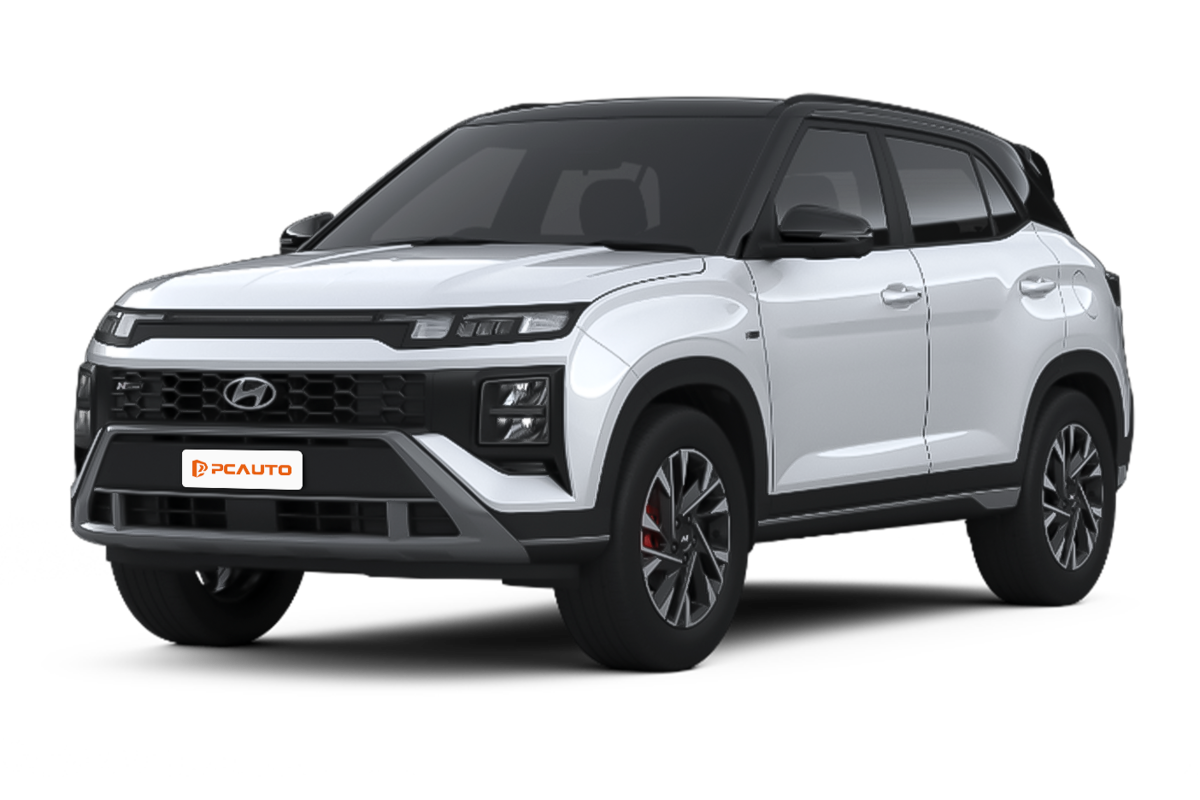
Cars With Similar Price And Features
3
Rank in Sedan
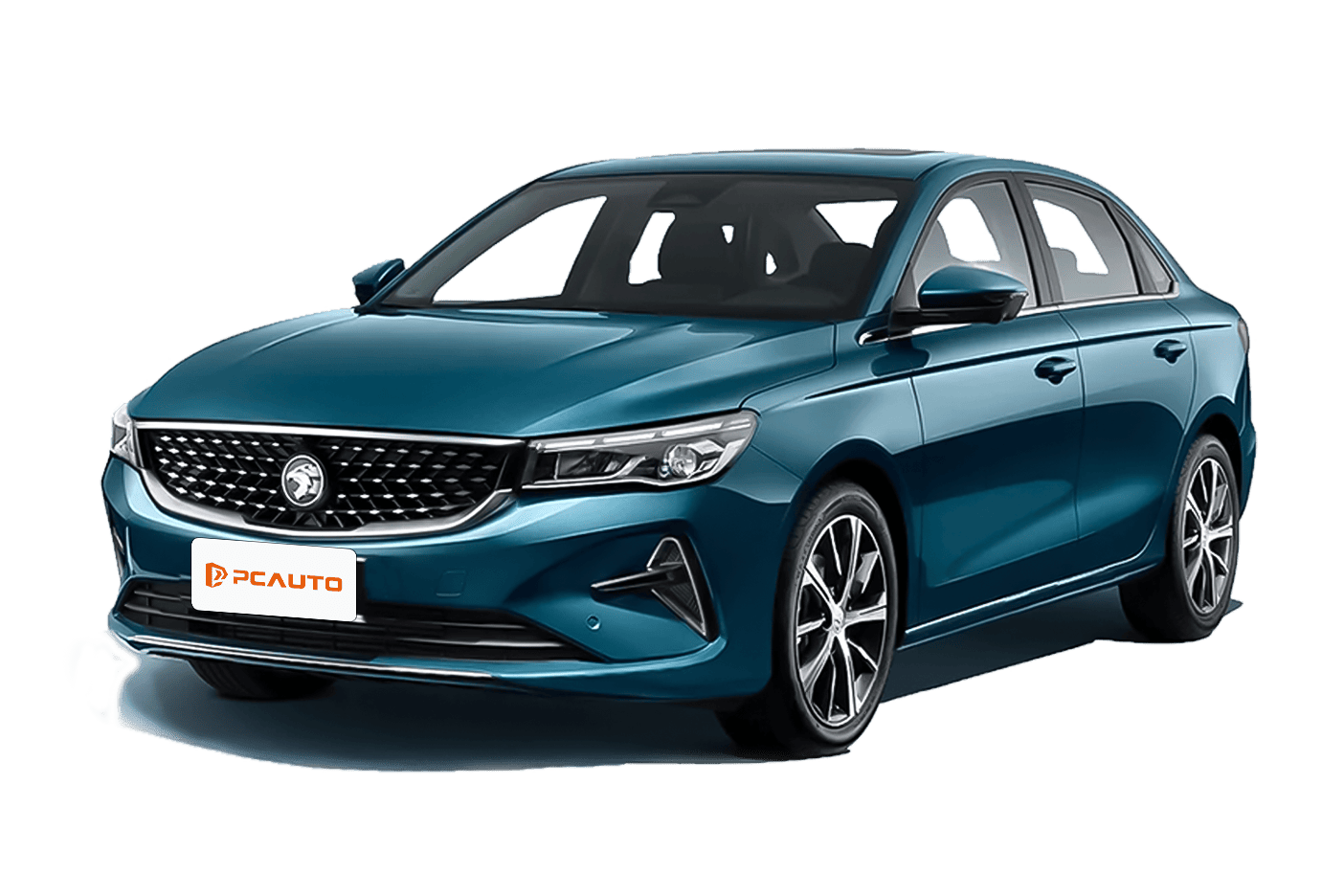
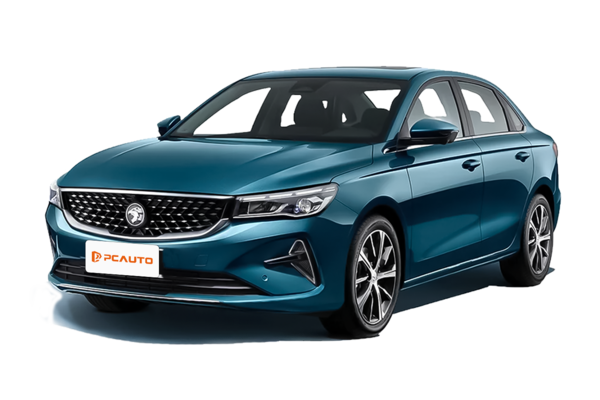
2024 Proton S70 1.5T Executive is an affordable entry-level family C-segment sedan with practical space and lively performance, balancing elegant design with basic safety features.
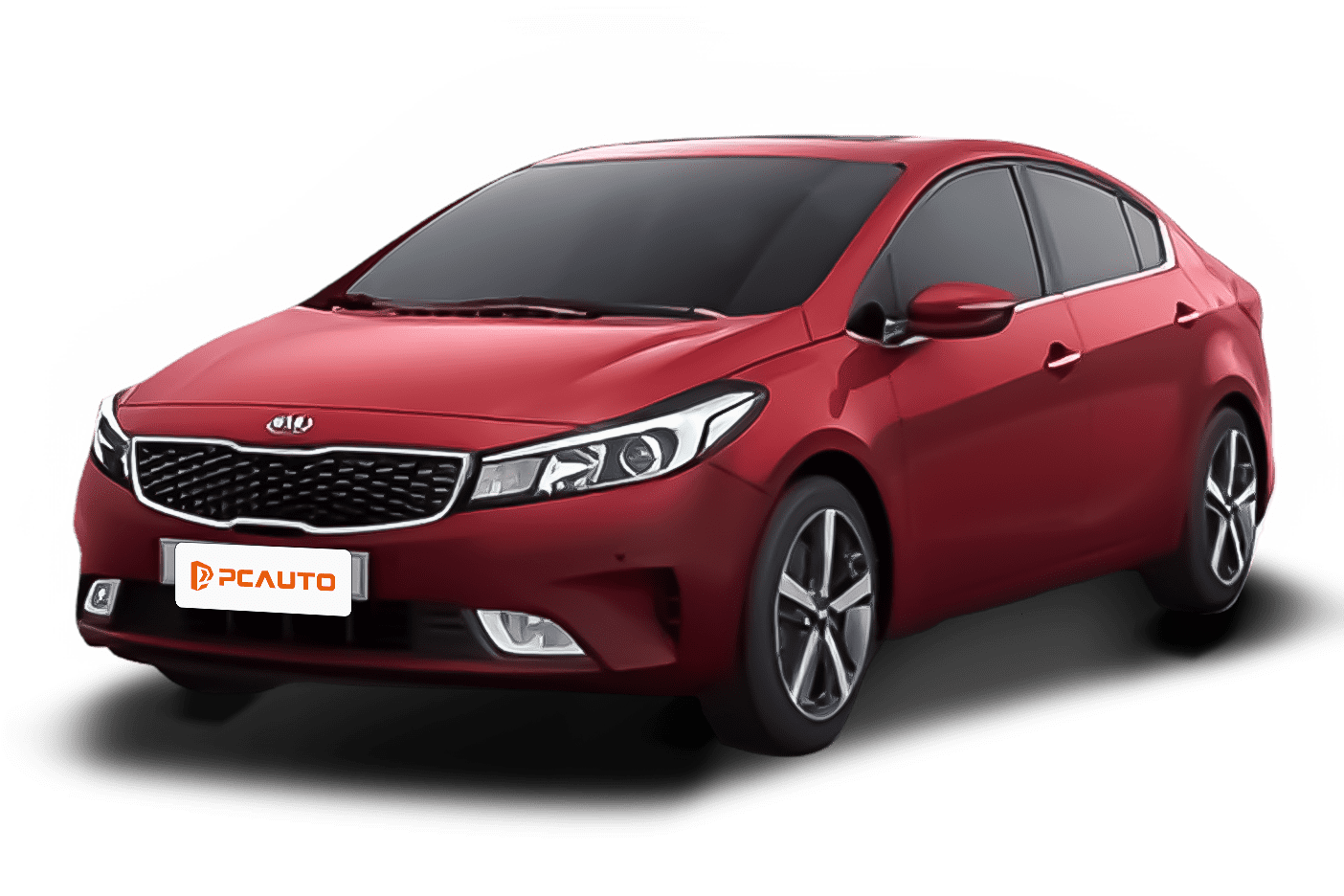
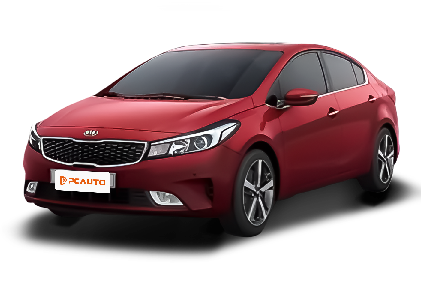
2020 Kia Cerato 1.6 SX is a high-value family sedan that retains core features at a lower price, offering practical space, reliable safety, and balancing the needs of commuting and family travel.
7
Rank in Sedan
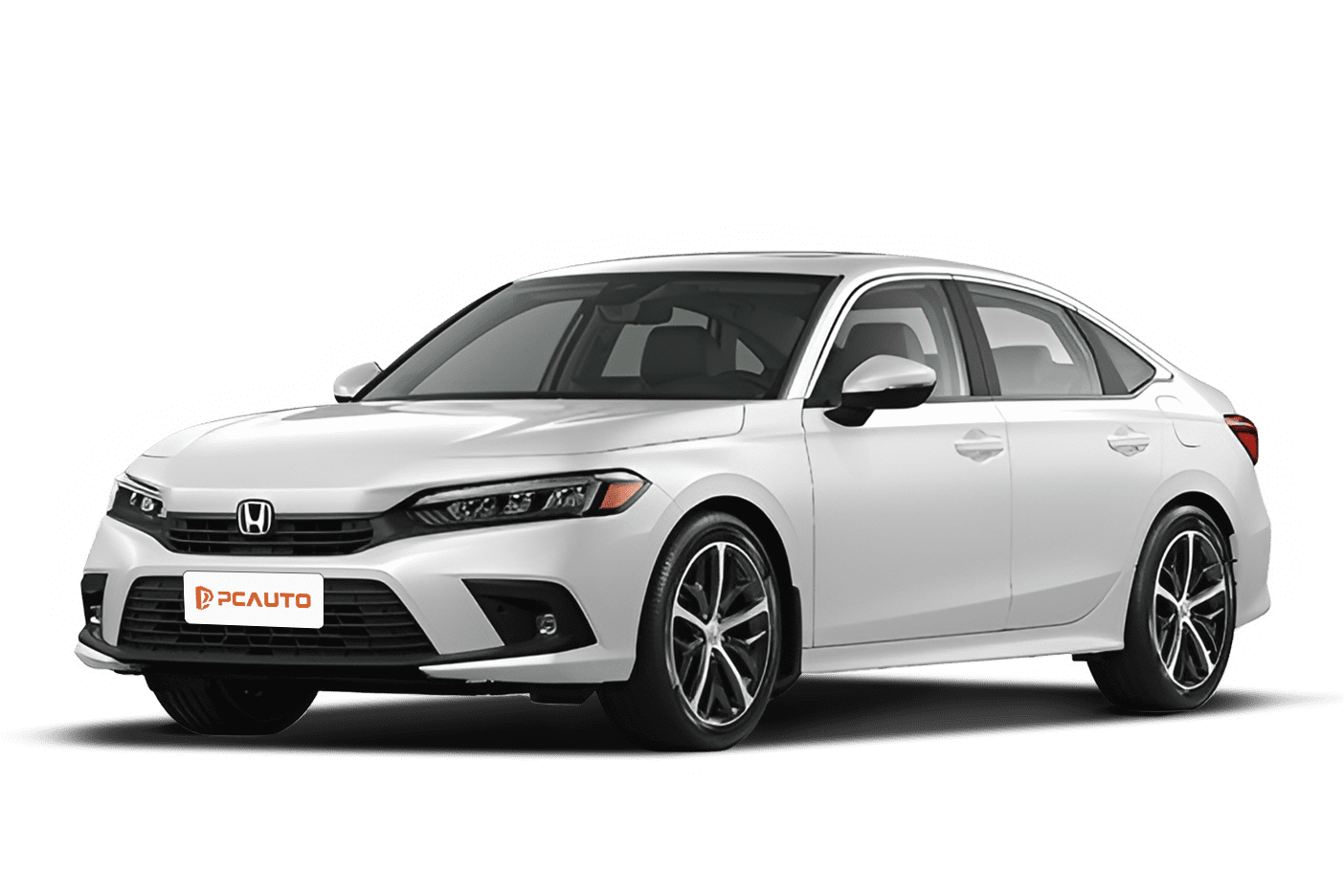
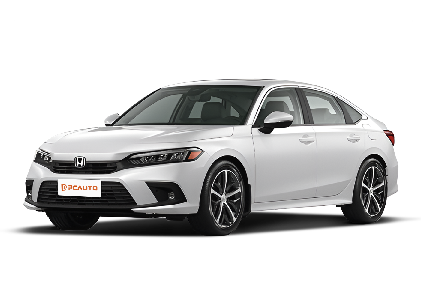
2025 Honda Civic 1.5L E is an entry-level family sedan that combines 1.5T power, a full set of active safety features, and practical space, suitable for city commuting and family outings.
25
Rank in Sedan
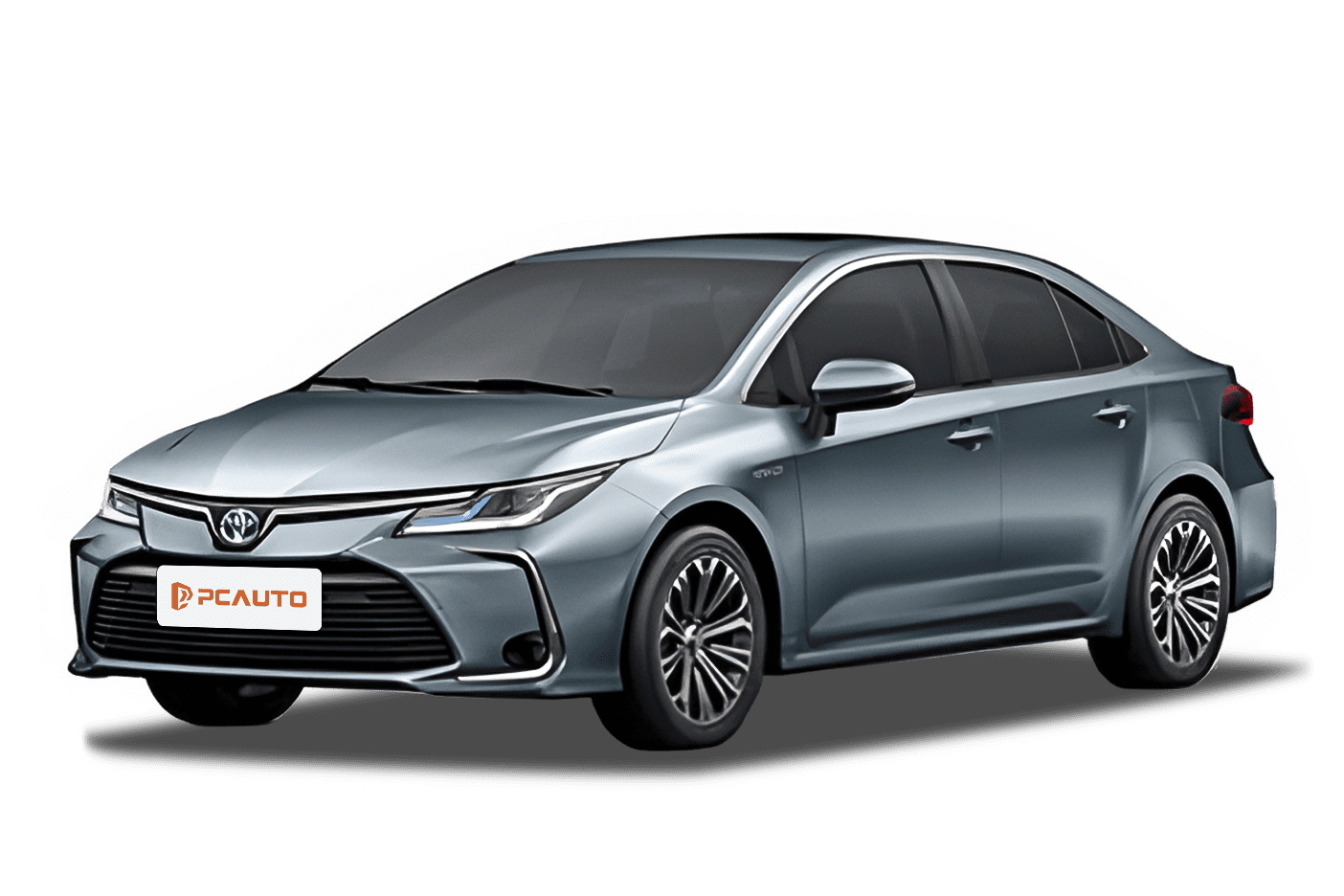
2025 Toyota Corolla GR Sport features a sporty design, upgraded intelligent configurations, and high cost performance, balancing practicality for family use and driving pleasure, making it an ideal choice for young families.