

Hyundai Ioniq 5 Review

 Share
Share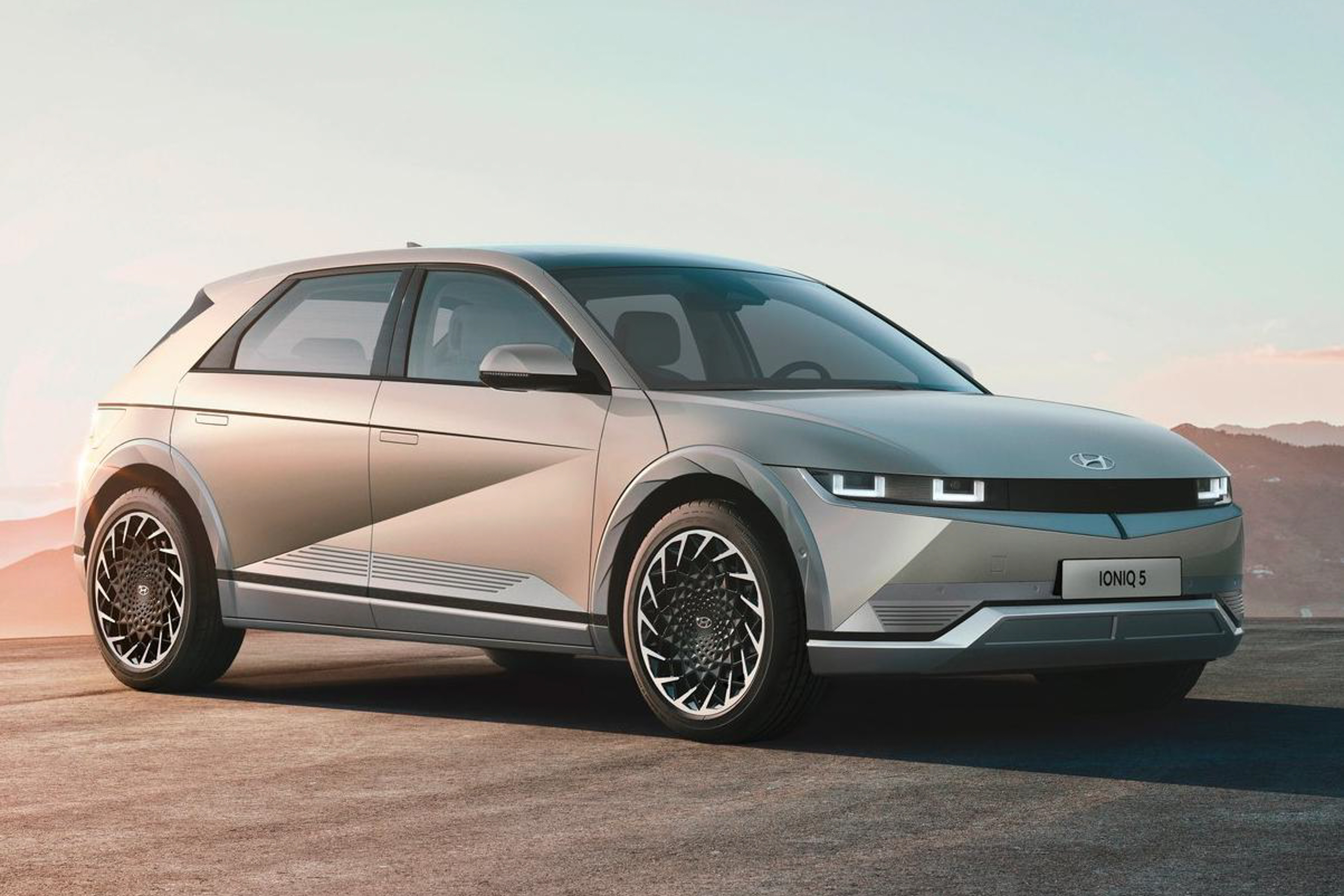
 Segment
 Body Type
 Motor Output(kW)
 Motor Torque(Nm)
 EV Range(km)
 Battery Capacity(kWh)
In recent years, Malaysia's electric vehicle market has been heating up, and D-segment pure electric SUVs have become popular choices among family users and technology enthusiasts. These vehicles not only need to provide ample space for daily commuting and weekend travel but also demand stronger power and intelligent configurations. Set to debut in 2024, the Hyundai Ioniq 5 N aims to fill this gap: it not only continues the futuristic design language of the standard Ioniq 5 but also elevates performance to a new level—delivering a maximum horsepower of 609PS and an acceleration time of 3.4 seconds from 0 to 100 km/h, positioning it as a "performance beast" among electric vehicles in its class. In this review, we will focus on verifying whether this first pure electric model of the "N" series can maintain everyday practicality while delivering genuine driving pleasure.
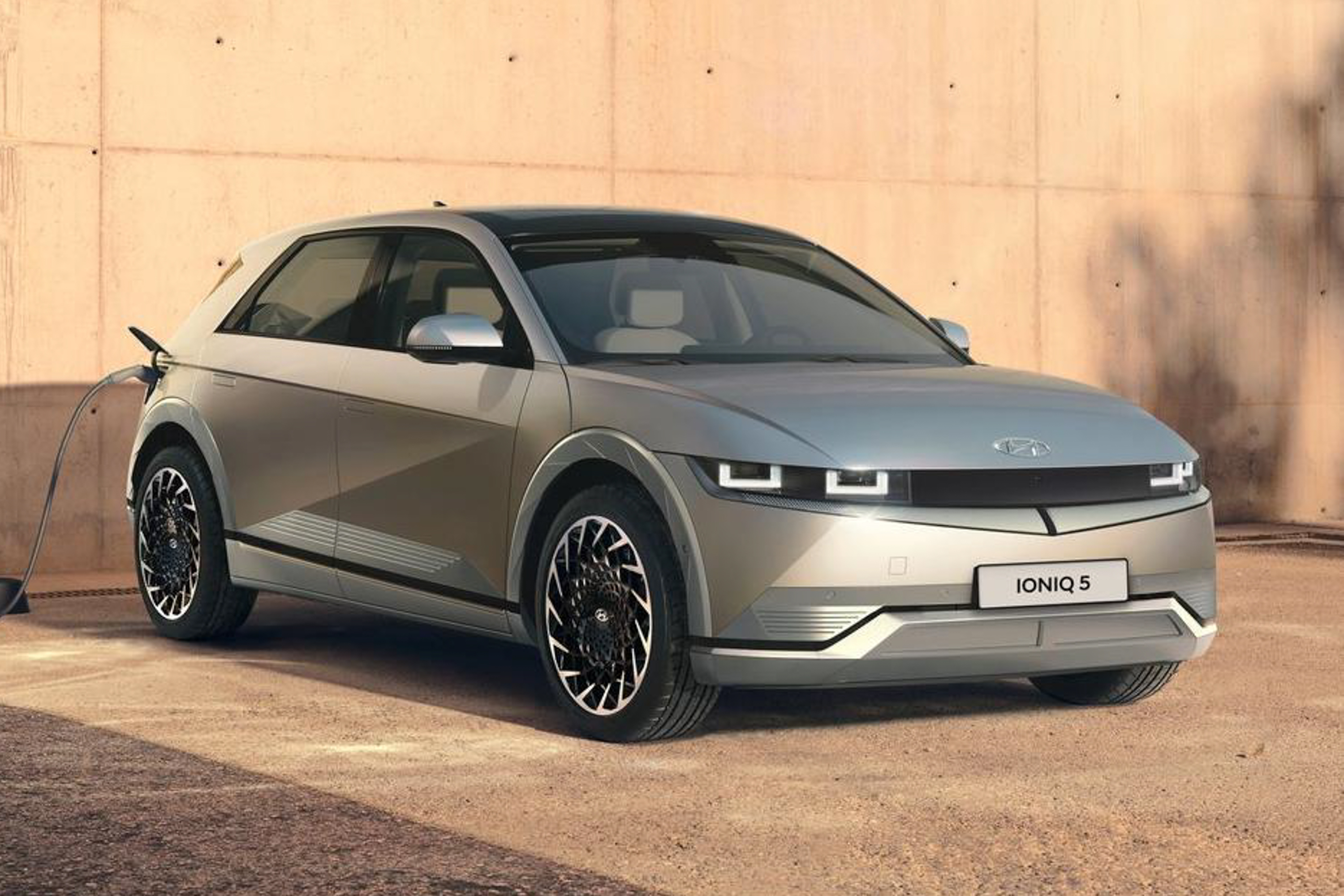
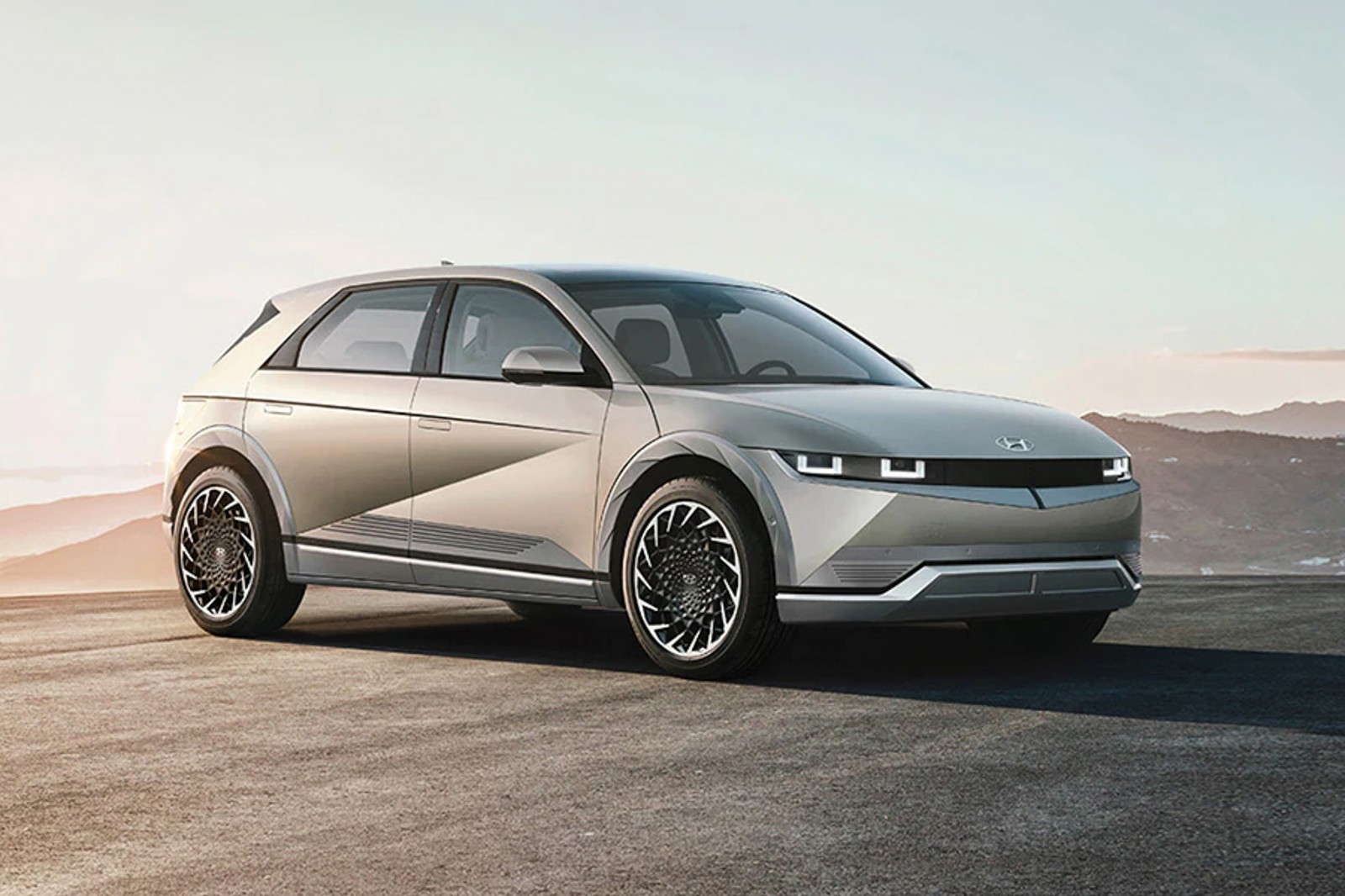
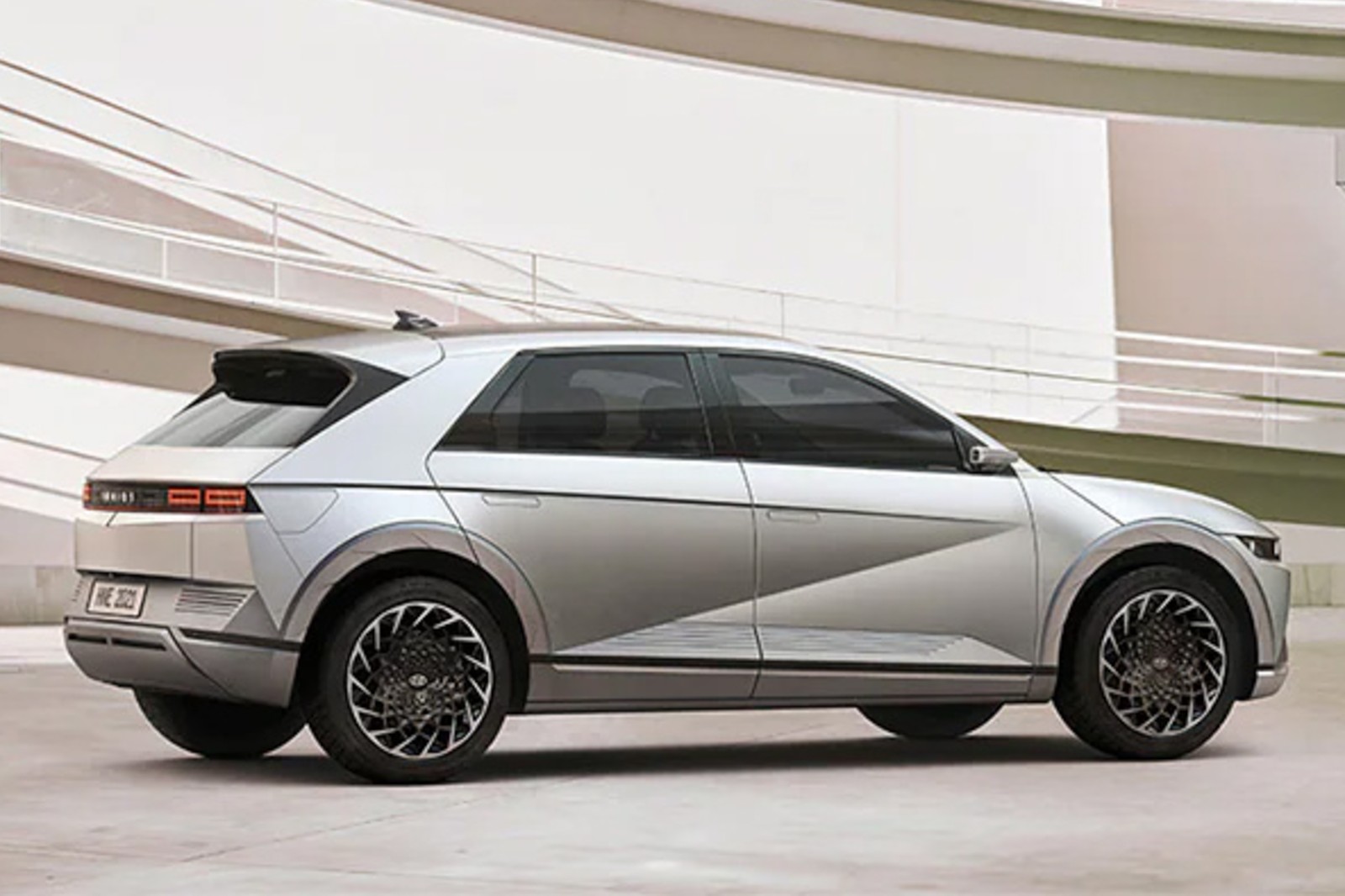
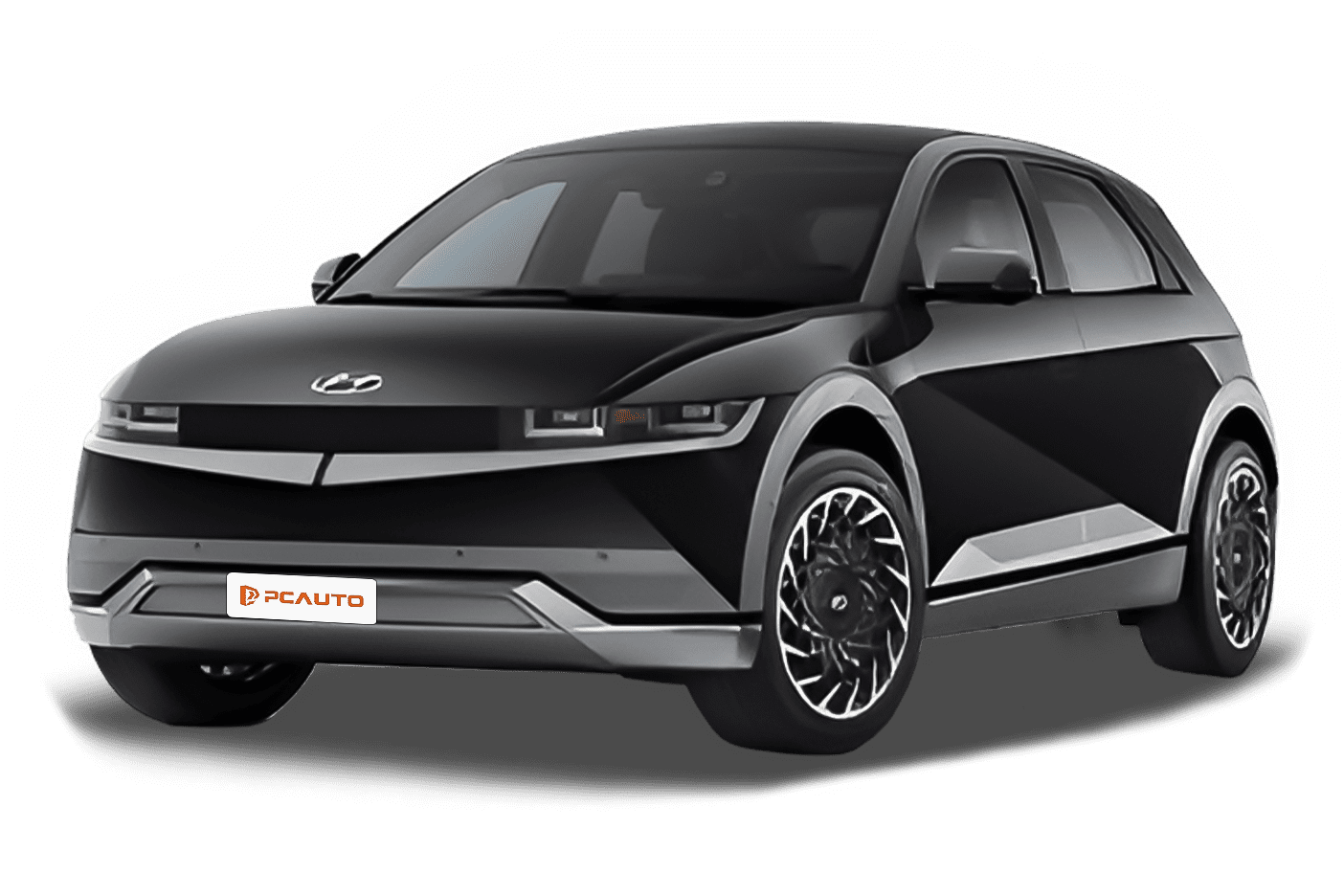
From a distance, the Ioniq 5 N retains the iconic "pixelated" design of the standard version, but the sporty enhancements in the details make it uniquely recognizable. The front features a larger blacked-out grille, with N-series exclusive red accents added on both sides, complemented by the redesigned air intake at the bottom of the front bumper for a more aggressive look. On the side, 21-inch matte black wheels (compared to 20-inch on the standard Max version) are paired with Pirelli P Zero performance tires, and the slightly widened wheel arches enhance the muscular aesthetic. The newly added black trim along the lower edge of the windows connects visually with the black roof spoiler, further elongating the body lines. At the rear, changes are most noticeable: beneath the pixelated taillight cluster, a diffuser design has been introduced, and the "quad" exhaust tips (actually a sound simulation device) are classic elements of the N series, with dynamic lighting effects that are more advanced than the standard version. Overall, it combines the futuristic essence of an electric vehicle with the bold personality of a performance car.
Inside the cabin, the layout of the Ioniq 5 N is consistent with the standard version, but the materials and configurations have seen significant upgrades. The dashboard and inner door panels are extensively covered with Alcantara suede, and the steering wheel is replaced with the N-series exclusive flat-bottom design, with a newly added “N Mode” shortcut button and drive mode selector paddle on the left, while retaining the multi-function buttons from the standard version on the right. The instrument cluster and central control screen remain the 12.3-inch dual-connected screens, but a performance data page has been added to the interface, allowing real-time monitoring of motor power, torque, battery temperature, and other statistics. Seats are upgraded to N-series exclusive sporty bucket seats, with much stronger side bolsters than the standard version. The headrest is embroidered with the "N" logo. The front seats support electric adjustment and heating/ventilation functions, ensuring comfort during long drives. In terms of space, thanks to the 3000mm wheelbase (same as the standard version), the rear legroom remains generous—a 175cm tall passenger can fit with two fists' space between their knees and the front seat. The trunk offers 527L of capacity, the same as the standard version, and can expand to 1587L with the rear seats folded down, making it fully capable of meeting the storage needs of family trips.
Start the vehicle and lightly press the accelerator pedal. The Ioniq 5 N's power response is more than a single notch above the standard Max version (305PS). In normal mode, the power output is already sufficiently linear, and there is no sudden jolt during daily commutes. Switching to "N Mode" causes the motor to unleash the full 609PS and 740N·m of torque instantly, delivering supercar-like acceleration at 3.4 seconds from 0 to 100 km/h—pressing the pedal pushes your body firmly back into the seat, and you can even hear the simulated "engine roar" (which can be adjusted or turned off via the central display). Its battery capacity is 84kWh, with an official range of 448km. During our mixed road test (50% city + 50% highway), the actual range was about 390km, achieving approximately 87% of the claimed range. The fast-charging time is only 0.3 hours (10%-80%), faster than the standard Max version (about 0.5 hours), making it suitable for long-distance travel.
Handling is the core highlight of the Ioniq 5 N. Its suspension system has been re-tuned, with the damping of the front MacPherson strut and rear multi-link suspension being 30% stiffer than the standard version. The body roll control during cornering is outstanding — even when taking sharp turns at a speed of 60km/h, the car's posture remains stable, and the tire grip is strong enough with almost no signs of slipping. The steering feel of the steering wheel is heavier than the standard version, with less slack and precise directional accuracy close to that of performance cars. The braking system has also been upgraded to larger ventilated discs paired with performance brake pads, achieving a 100km/h-0 braking distance of only 34 meters, nearly 3 meters shorter than the standard version. However, the stiffer suspension transmits vibrations more directly when going over speed bumps or uneven roads, slightly compromising rear passenger comfort. In terms of noise control, wind and tire noise at high speeds (120km/h) are slightly louder compared to the standard version but still within an acceptable range — mainly due to the tire road noise as they're performance tires.
In summary, the Hyundai Ioniq 5 N is a “dual-purpose vehicle”: it offers 609PS of power and a 0-100km/h acceleration time of 3.4 seconds to satisfy driving enthusiasts' handling demands, while also preserving the spaciousness and practicality of the standard version, making it suitable for daily family use. Compared with competitors in the same class, such as the Tesla Model Y Performance (about RM 320k), the Ioniq 5 N's expected price might be more competitive (considering the standard Max version is priced at RM 259k, the N version is estimated to be around RM 300k), and it comes with richer features (for instance, Bose sound system and Alcantara interior are standard). However, its stiffer suspension makes the rear-seat comfort slightly inferior to the standard version, making it more suitable for users who can accept “some comfort being sacrificed for performance.”
If you are someone who requires an EV for daily commuting and occasionally wants to experience driving pleasure as a family user, the Ioniq 5 N is an excellent choice — it can take you “wild” on mountain roads over the weekend and carry your family comfortably to the mall. For young consumers, its futuristic design and strong performance also make it more appealing than traditional fuel-powered performance cars. Overall, the Ioniq 5 N is not only a milestone in Hyundai’s electrification journey but also one of the rare pure electric SUVs in its class that “balances performance and practicality.”
Hyundai Ioniq 5 Car Compare

Hyundai Ioniq 5 Loan Calculator
More Hyundai Reviews
Cars With Similar Price And Features

24
Rank in SUV
2024 Proton e.Mas 7 Prime is a D-segment family electric vehicle featuring high cost-performance, providing 410km range, L2 level assisted driving, and spacious interior to meet family practicality needs.
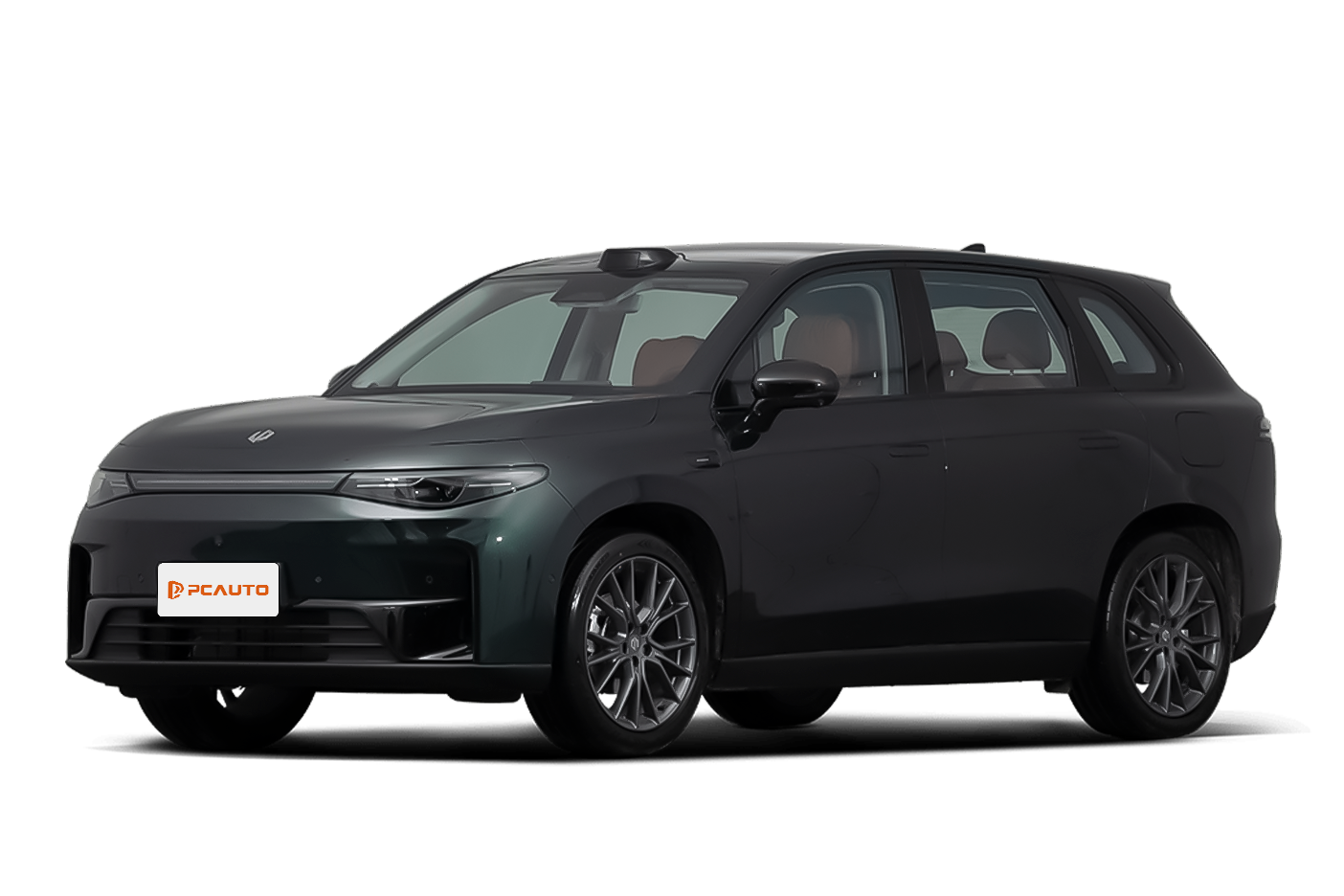
2025 Leapmotor C10 EV is a high-cost-performance D-class pure electric SUV, offering reduced prices and extended range, with practical space and generous configurations to meet the daily travel needs of family users.
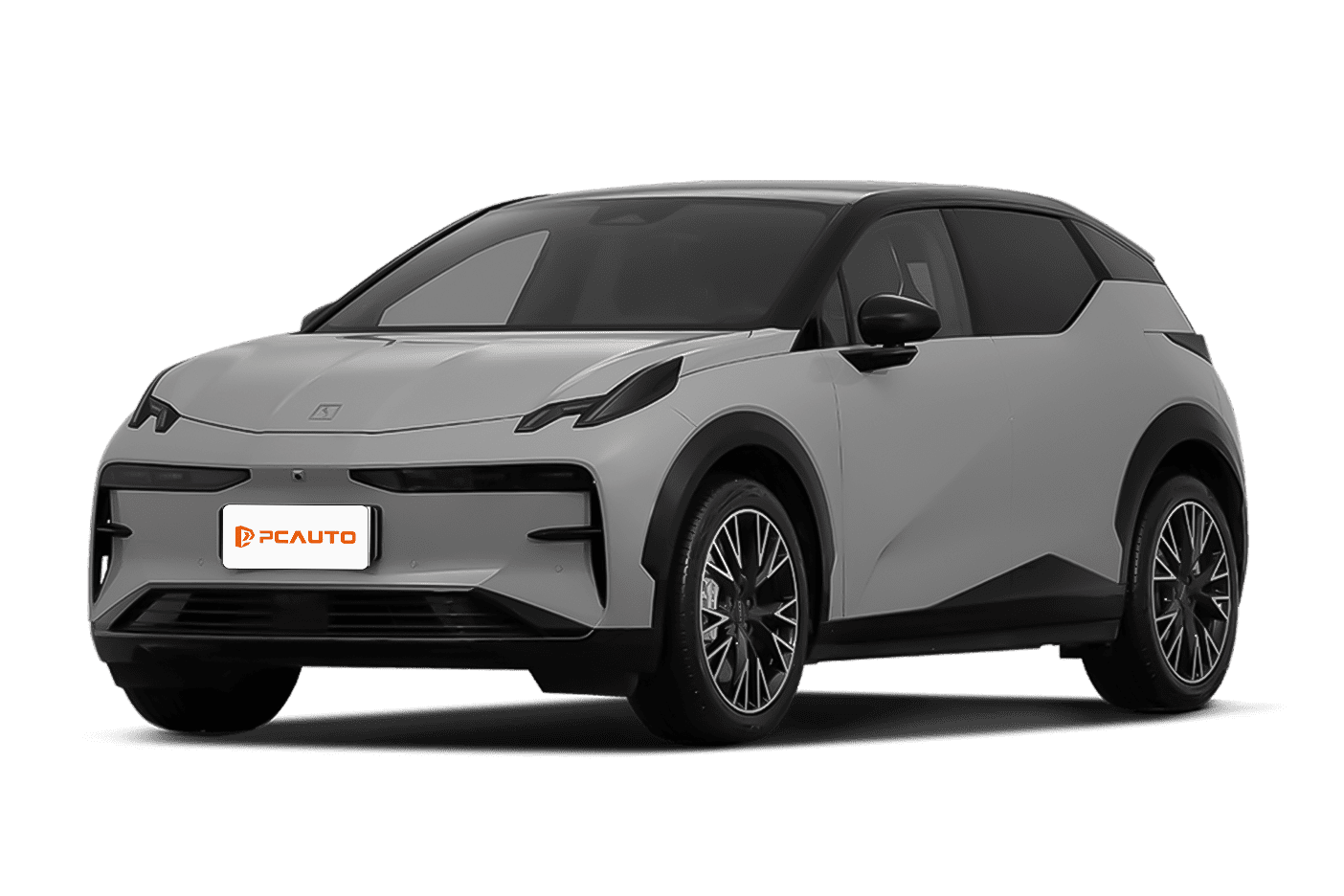
2024 ZEEKR X Premium RWD is a compact pure electric SUV that focuses on high cost performance, featuring 272PS rear-wheel drive power, L2-level assistance, and Yamaha audio, balancing driving control and household practicality.
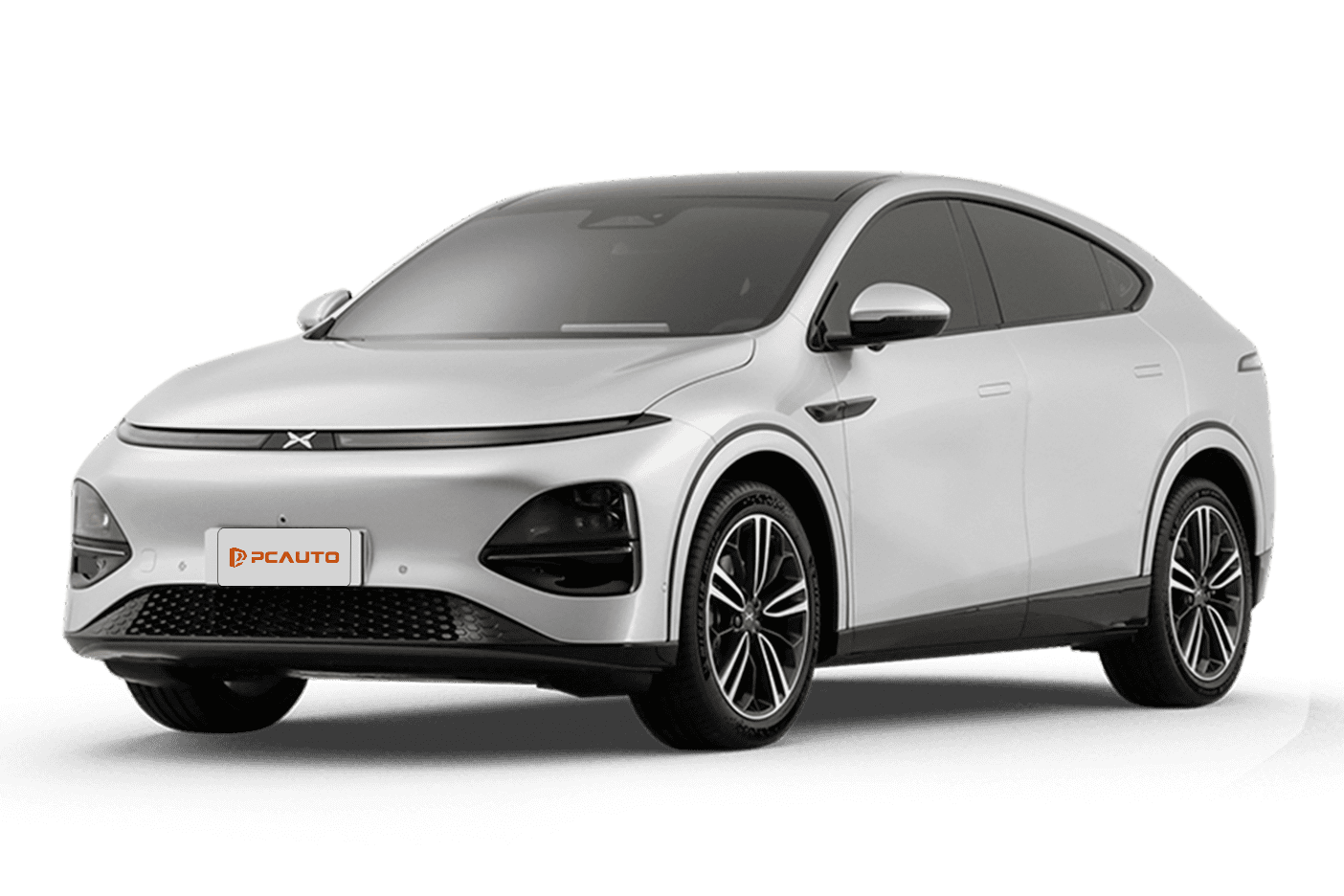
2025 Xpeng G6 Standard Range is a high-value D-class pure electric SUV with solid range (525km), upgraded configuration (18-speaker sound system + ventilated and heated seats), and practical space to meet the needs of family users.