

Hyundai Kona 2020 Review

 Share
Share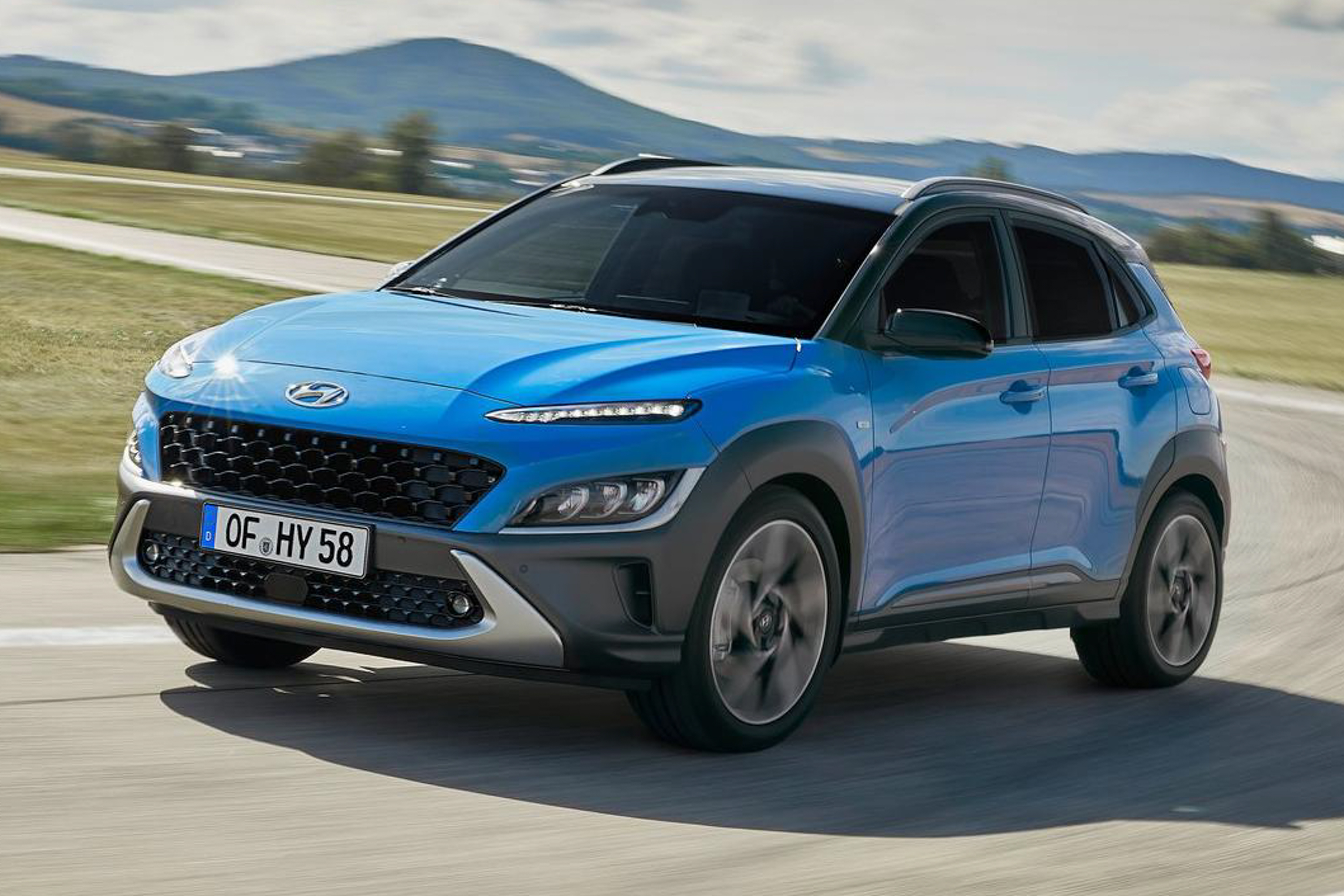
 Segment
 Body Type
 Capacity(L)
 Engine Power(PS)
 Transmission
 Driven Wheels
In the 2020 C-Segment SUV market, consumers are placing greater emphasis on value for money—they want practicality for daily family use, sufficient power, and basic features without paying extra for unnecessary premium functions. The 2020 Hyundai Kona 2.0 Standard is a typical representative in this niche market, priced at RM 123,888 and targeting balanced configuration and reliable performance. During this test drive, I mainly wanted to see if it could maintain the core competitiveness of the Kona series after removing the advanced features of the Mid and High versions, as well as experience its real performance during daily use.
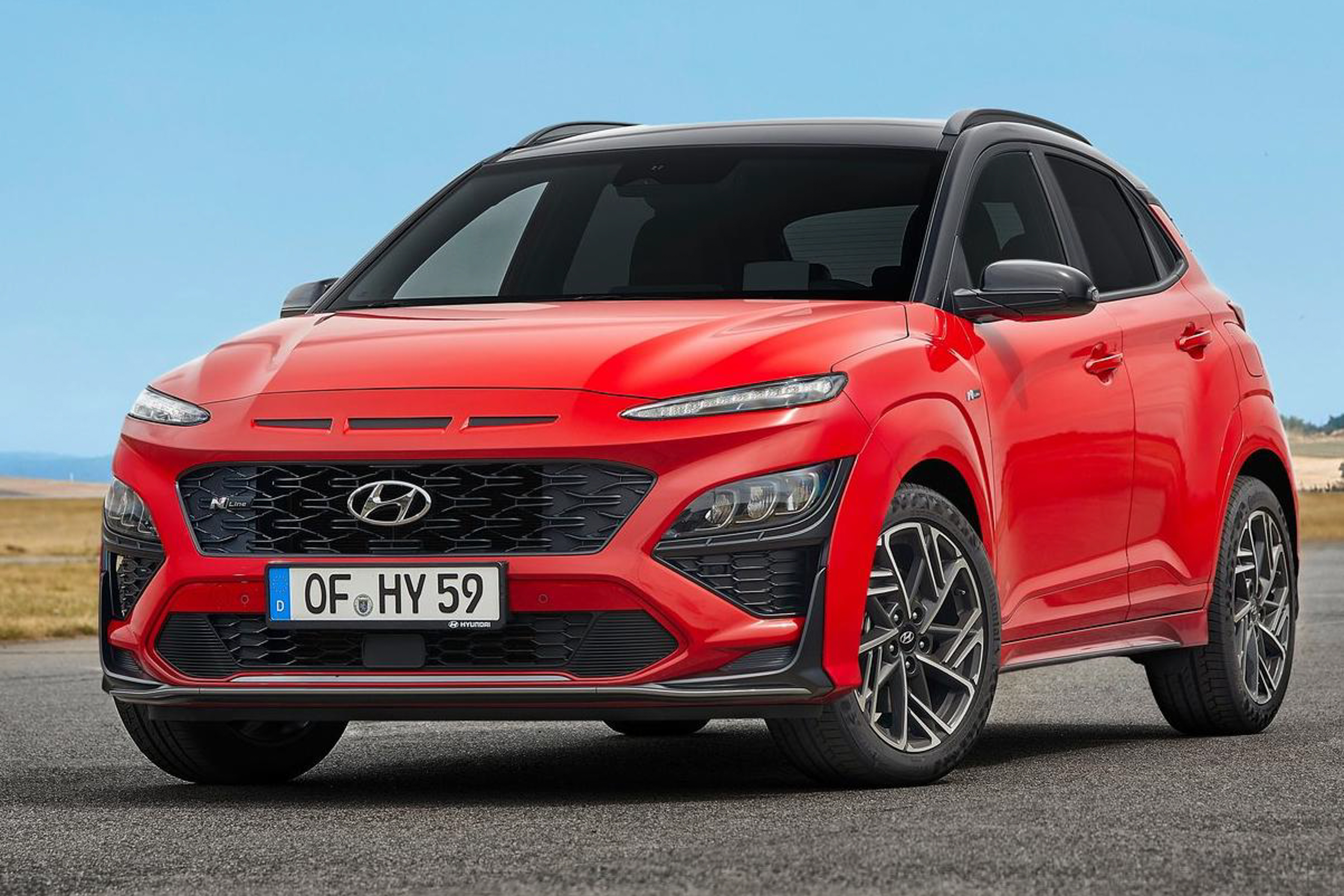
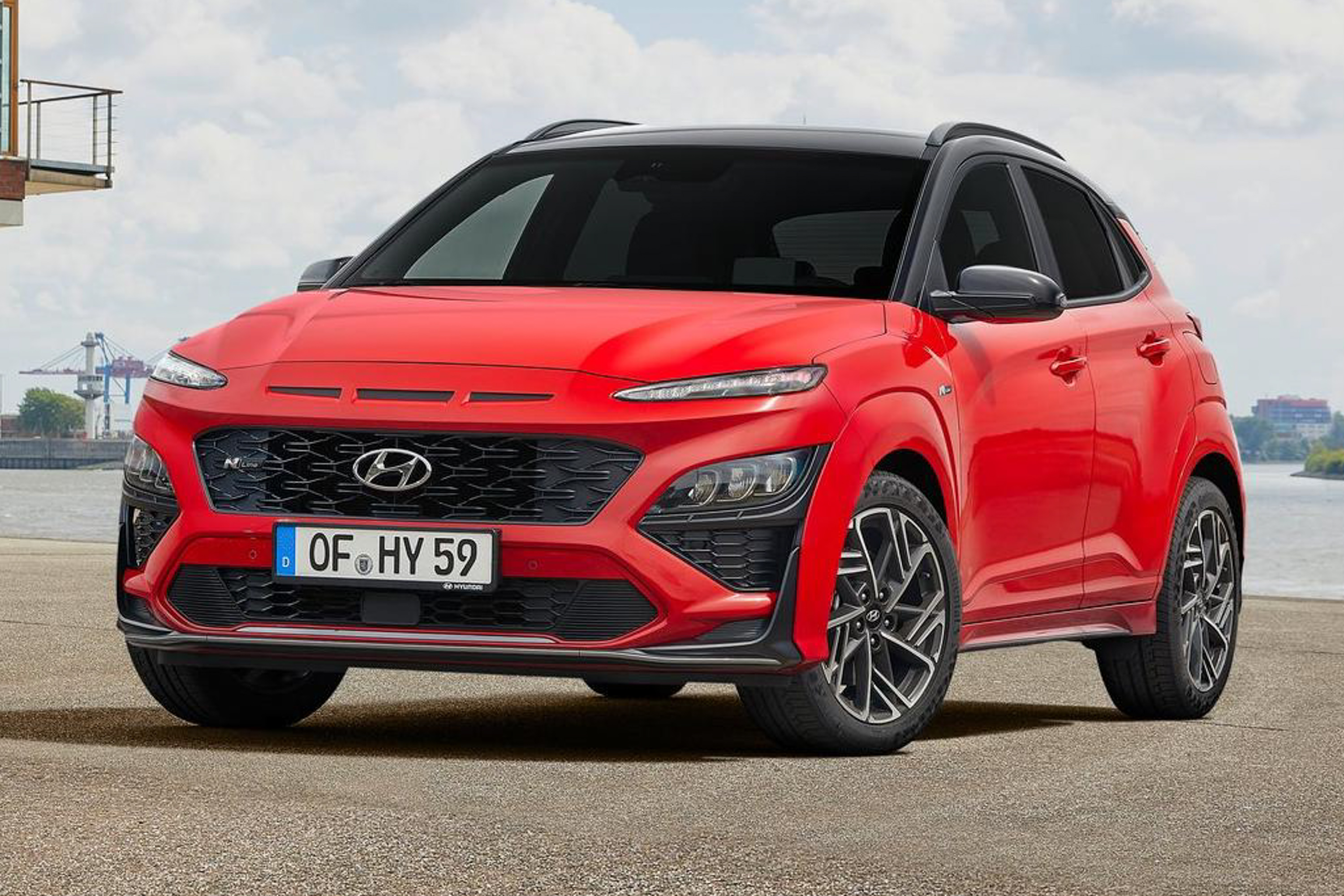
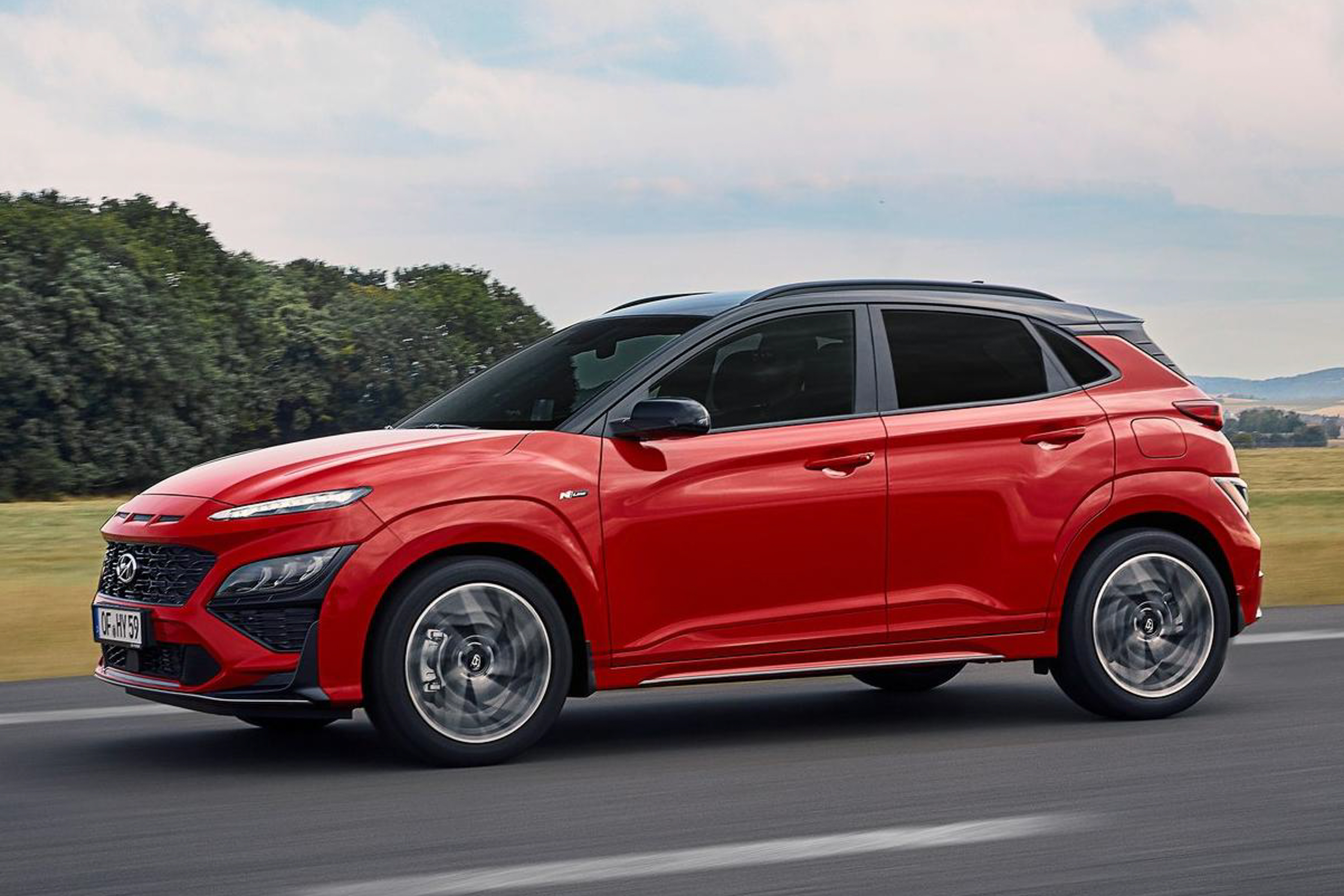
At first glance, the Kona 2.0 Standard's design has no significant differences from other versions within the same series, following a young and sporty design language. The front features Hyundai's signature hexagonal grille paired with angular halogen headlights on both sides, offering sufficient recognizability. The side profile has clean lines, with 18-inch wheels and 235/45 R18 tires ensuring the sides do not feel too small. The rear design is compact, with horizontally arranged taillights, though it lacks the LED lighting of the High version, making its nighttime appearance fairly standard. Overall, the exterior has no overly decorative elements, offering a simple and appealing style suitable for users who prefer minimalistic designs over strong individuality.
Stepping inside, the interior layout prioritizes practicality. The center console adopts a symmetrical design and mostly uses hard plastic materials, but the seams of the assembly are well controlled, avoiding a cheap feel. The center control area features a touchscreen supporting the Sound Plus function, paired with six speakers, which is generally sufficient for daily music listening. The seats are fabric-covered, and while they lack the electric adjustment of the Mid version, the manual adjustments provide ample range to find a comfortable driving position. The rear seats support a 60:40 split folding configuration, which can expand the trunk space when needed. Otherwise, the standard 361L capacity is enough to fit two 20-inch suitcases along with some miscellaneous items, meeting the needs of short family trips.
In terms of space performance, the Kona 2.0 Standard has a wheelbase of 2600mm. After adjusting the front seats to a comfortable position, the rear legroom provides about two fistfuls of space, ensuring that a 175cm tall passenger won't feel cramped. Headroom benefits from the SUV body style, offering more than one fist of surplus space for both front and rear passengers. Storage spaces are thoughtfully designed—door panels can hold two bottles of water, and the central armrest box and glove compartment have enough capacity for daily small items. The rear row is equipped with air conditioning vents and power outlets, ensuring comfort for rear passengers during long rides.
In terms of power, the Kona 2.0 Standard is equipped with a 1.6L turbocharged engine, delivering a maximum horsepower of 177PS at 5500rpm. It is paired with an AT transmission and an all-wheel-drive system. The official 0-100km/h acceleration time is 7.9 seconds. On the road, the initial power response is quite brisk, and you can feel a noticeable push when the turbo kicks in. During overtaking, stepping harder on the accelerator prompts the transmission to downshift quickly, providing direct power output. For daily urban commutes, the engine maintains a speed below 2000 rpm, with fuel consumption averaging around 8L/100km. On highways, the revs drop to 1800 rpm, and fuel consumption can be controlled within 7L/100km. For an SUV in this category, this is considered relatively economical.
In terms of handling and chassis performance, the steering wheel offers moderate steering effort, precise pointing, and no obvious play. The suspension system is tuned for comfort, effectively filtering out most vibrations when crossing speed bumps or bumpy roads, without any harsh feedback. When cornering, the all-wheel-drive system provides good grip, and the body roll remains within a reasonable range, avoiding a floating feeling. As for braking, the combination of front ventilated discs and rear disc brakes ensures a linear pedal feel, with an emergency braking distance of approximately 38 meters, delivering stable performance.
Regarding driving and riding comfort, the noise control of the Kona 2.0 Standard is quite good. Wind and tire noise at high speeds are within an acceptable range and don't affect the communication among passengers in the car. The seat support is relatively good, and the lower back does not feel fatigued even during long drives. However, as this is a fuel-powered version, there is no energy recovery system; releasing the accelerator does result in slight drag, but this does not affect everyday driving habits.
In summary, the core advantage of the 2020 Hyundai Kona 2.0 Standard lies in its value for money. For a price of RM 123,888, you get features such as all-wheel drive, 1.6T engine, and six airbags. Compared to competing models in the same segment, such as the entry-level versions of the Honda HR-V or Toyota C-HR, it has an advantage in power and drivetrain. While it does lack the LED headlights and HUD heads-up display of the Mid version, as well as the active safety features of the High version, the practical configurations are all included, fully meeting the needs of daily family use.
The target audience for this car is very clear: families who value practicality and affordability, or young professionals who have just started working. They don't need too many fancy features but just want a reliable SUV with sufficient power and adequate space. If you're on a budget but don't want to compromise on power and basic features, the Kona 2.0 Standard is a good choice.
Overall, the 2020 Hyundai Kona 2.0 Standard is a car that sheds "nice-to-have" features while retaining the "must-have" configurations. It has no significant shortcomings, and its balanced performance makes it a cost-effective option in the C-Segment SUV market. For users who prioritize practicality, it is worth including in your consideration list.
Hyundai Kona Car Compare


Hyundai Kona Loan Calculator
More Hyundai Reviews
Cars With Similar Price And Features
8
Rank in SUV
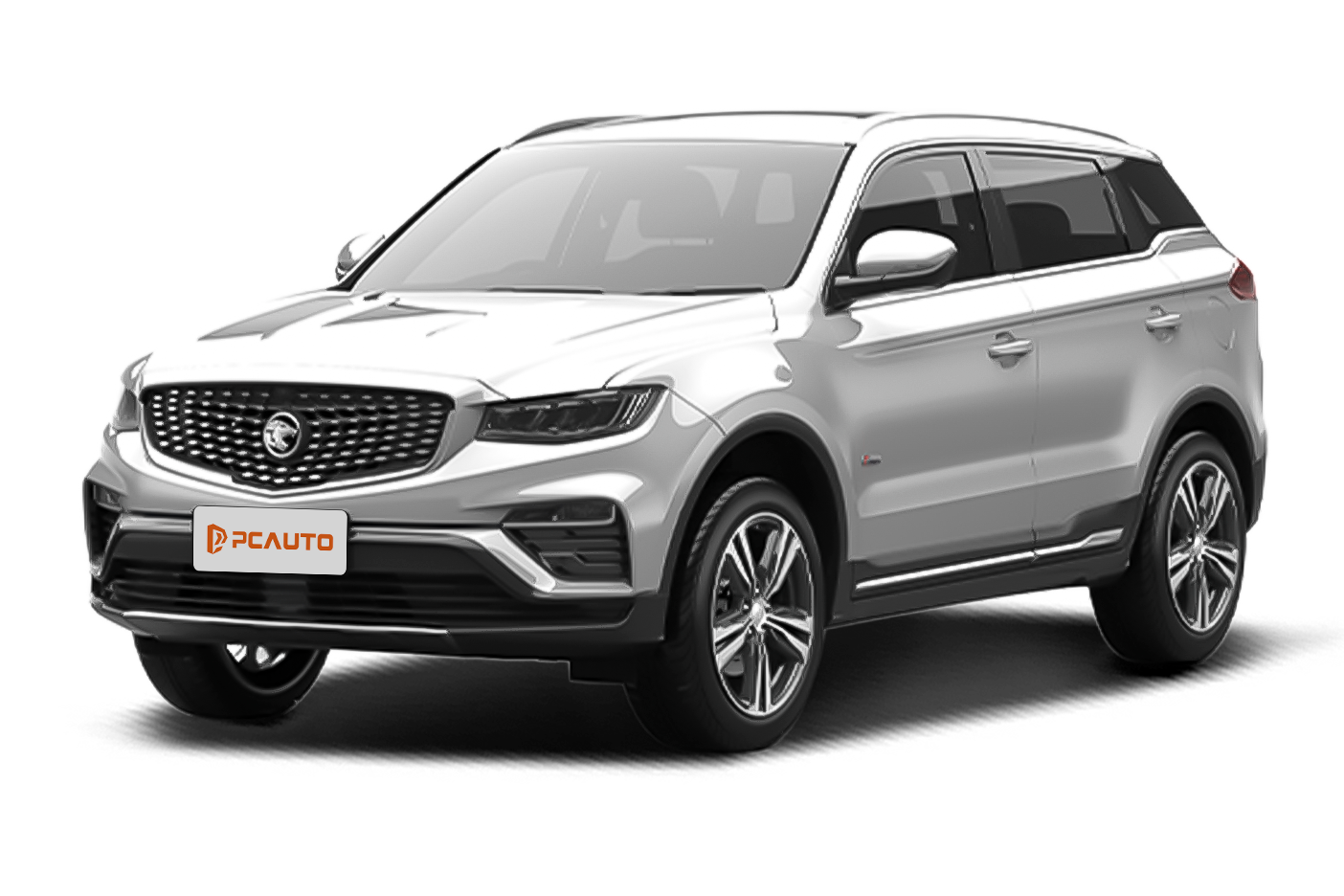
2026 Proton X70 1.5 TGDi Executive focuses on upgrading to a four-cylinder engine, practical configurations, and affordable pricing. It balances family commute practicality with value for money, making it a sensible choice among similarly priced C-segment SUVs.
10
Rank in SUV
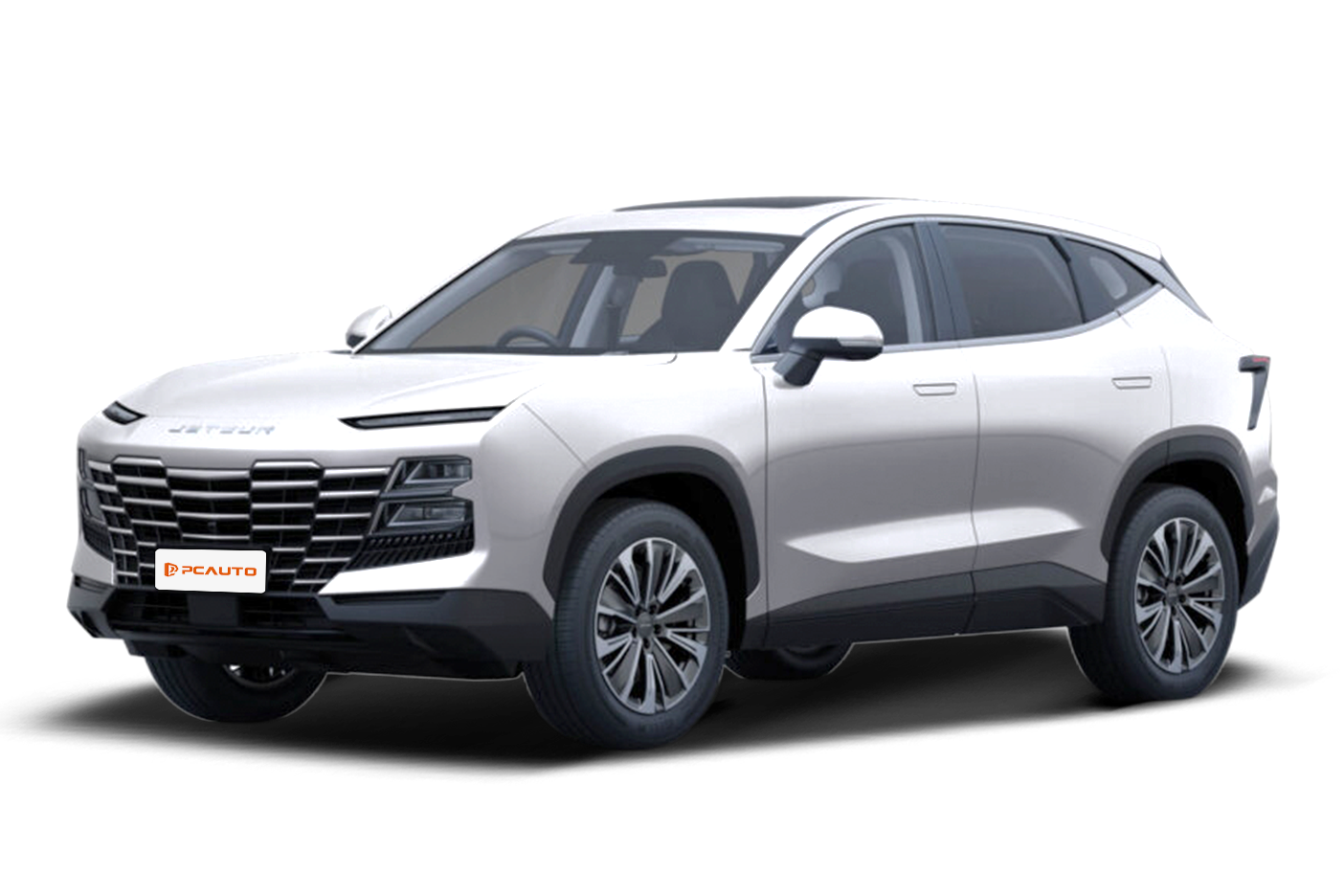
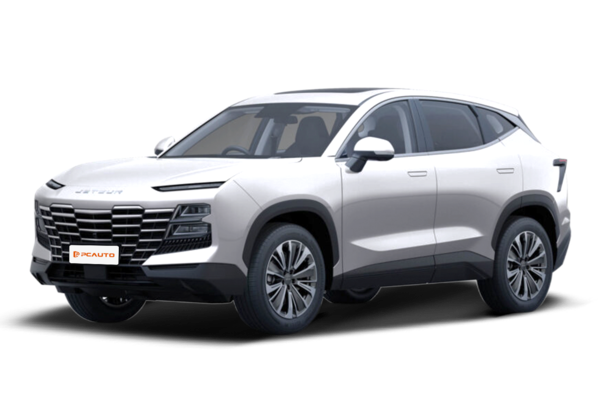
Jetour Dashing 1.5 TCI Comfort 2025 features a 2720mm long wheelbase and a 10.25-inch dual screen as its core, focusing on balanced cost performance to meet family practical needs.
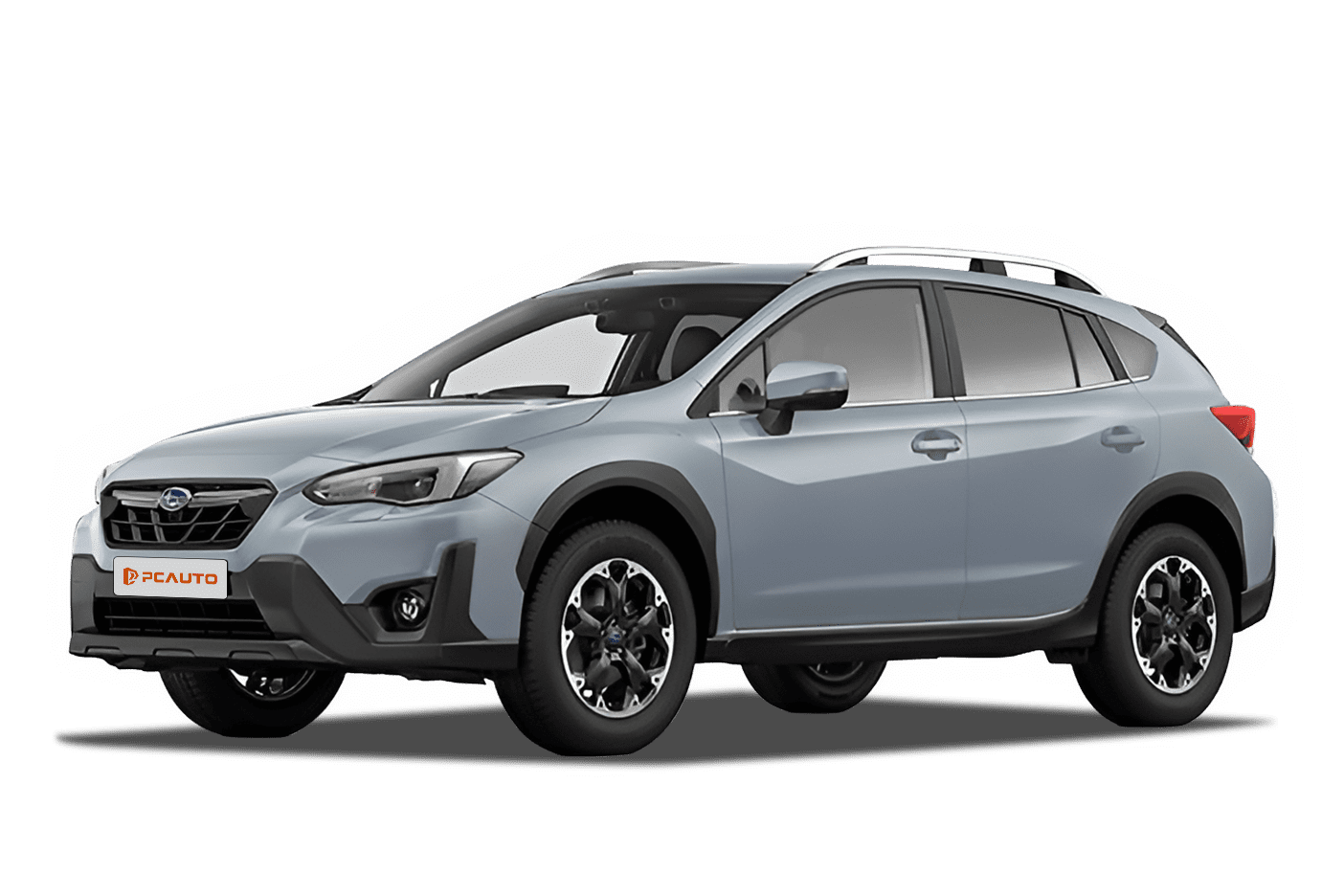
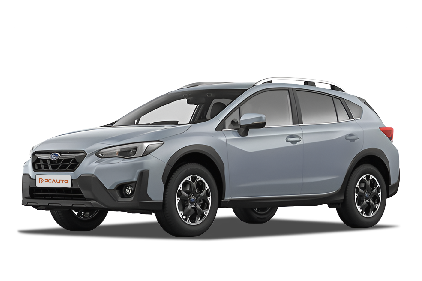
The 2021 Subaru XV 2.0i is a model targeting the C-segment crossover market, equipped with standard all-wheel drive and high safety features, balancing off-road capability and handling, with practical space.

2024 Kia Sportage 2.0G 2WD, as the entry-level fuel version, with avant-garde design, 12.3-inch full LCD instrument panel, practical space, and economical fuel consumption, precisely meets the needs of family and cost-effectiveness-focused users.