

Hyundai Kona 2021 Review

 Share
Share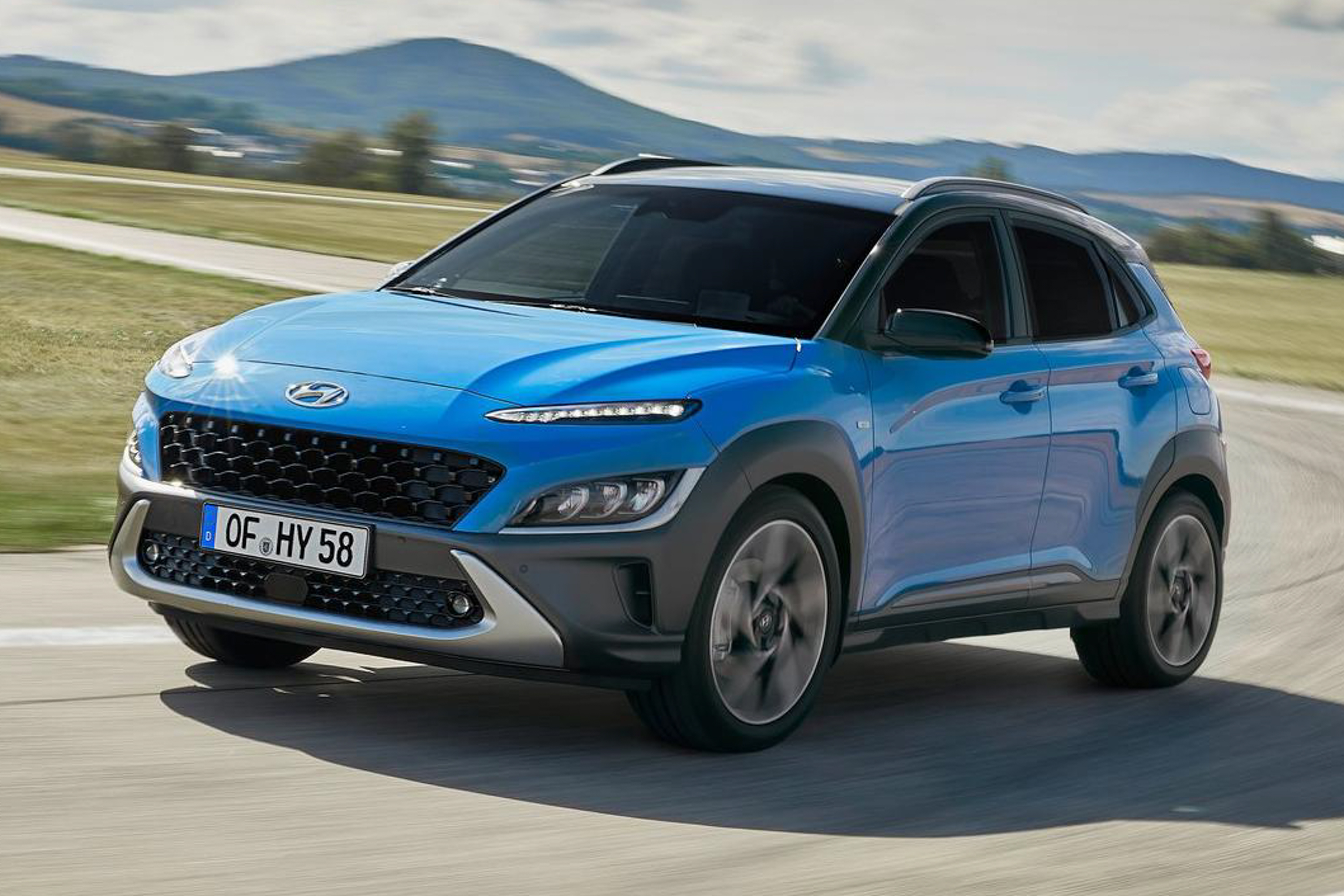
 Segment
 Body Type
 Capacity(L)
 Engine Power(PS)
 Transmission
 Driven Wheels
In recent years, the competition in the local C-Segment SUV market has become increasingly fierce, with many family users looking for affordable, practical, and spacious vehicles. The 2021 Hyundai Kona 2.0 Standard enters the market as the entry-level variant of the series, priced at RM 119,888. Its core selling points are comprehensive safety features, basic but sufficient technological functions, and Hyundai’s signature 5-year/300,000km warranty. In this review, we focus on whether it meets the core needs of daily family use and compare it to higher-end versions to evaluate the value-for-money of the entry-level model.
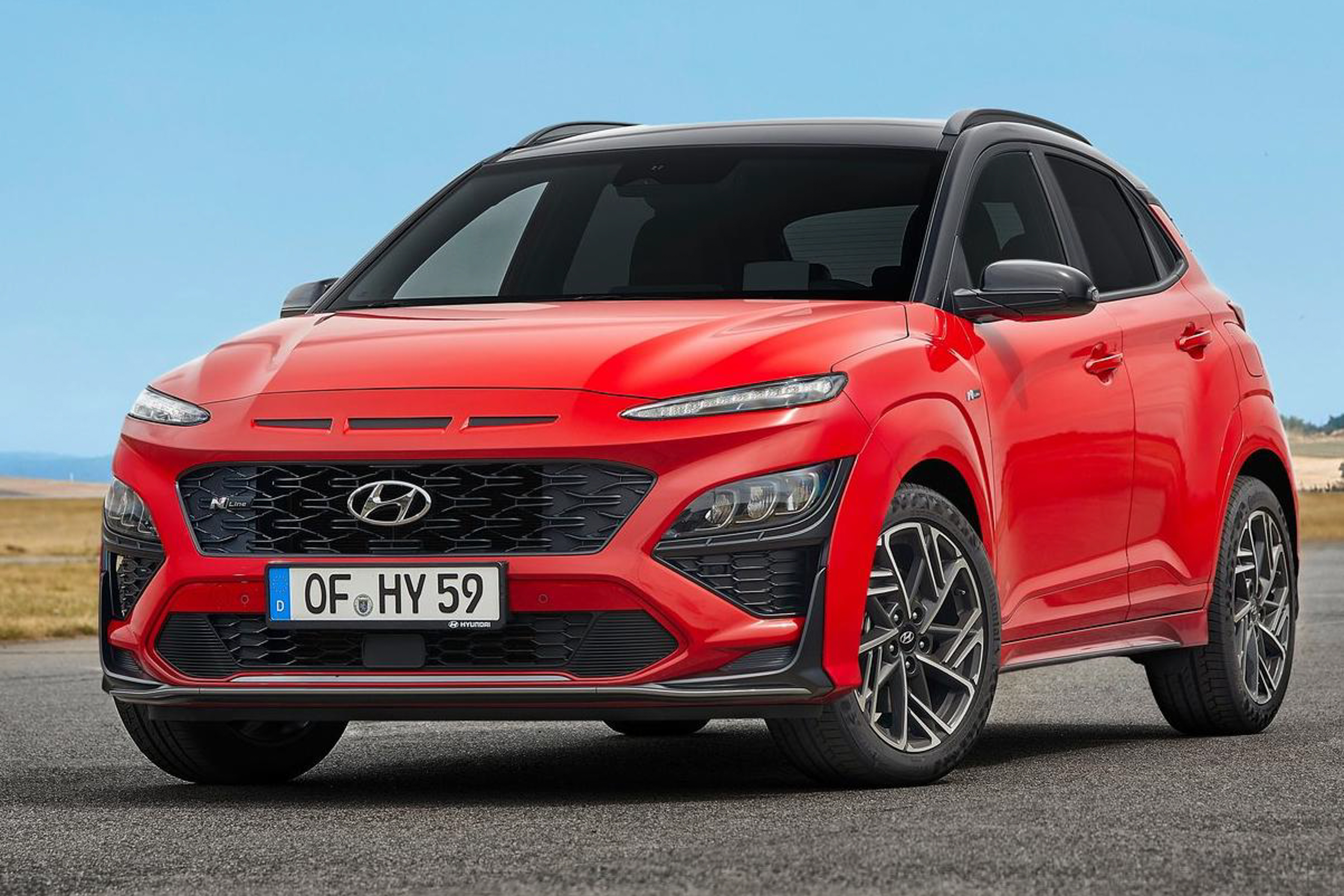
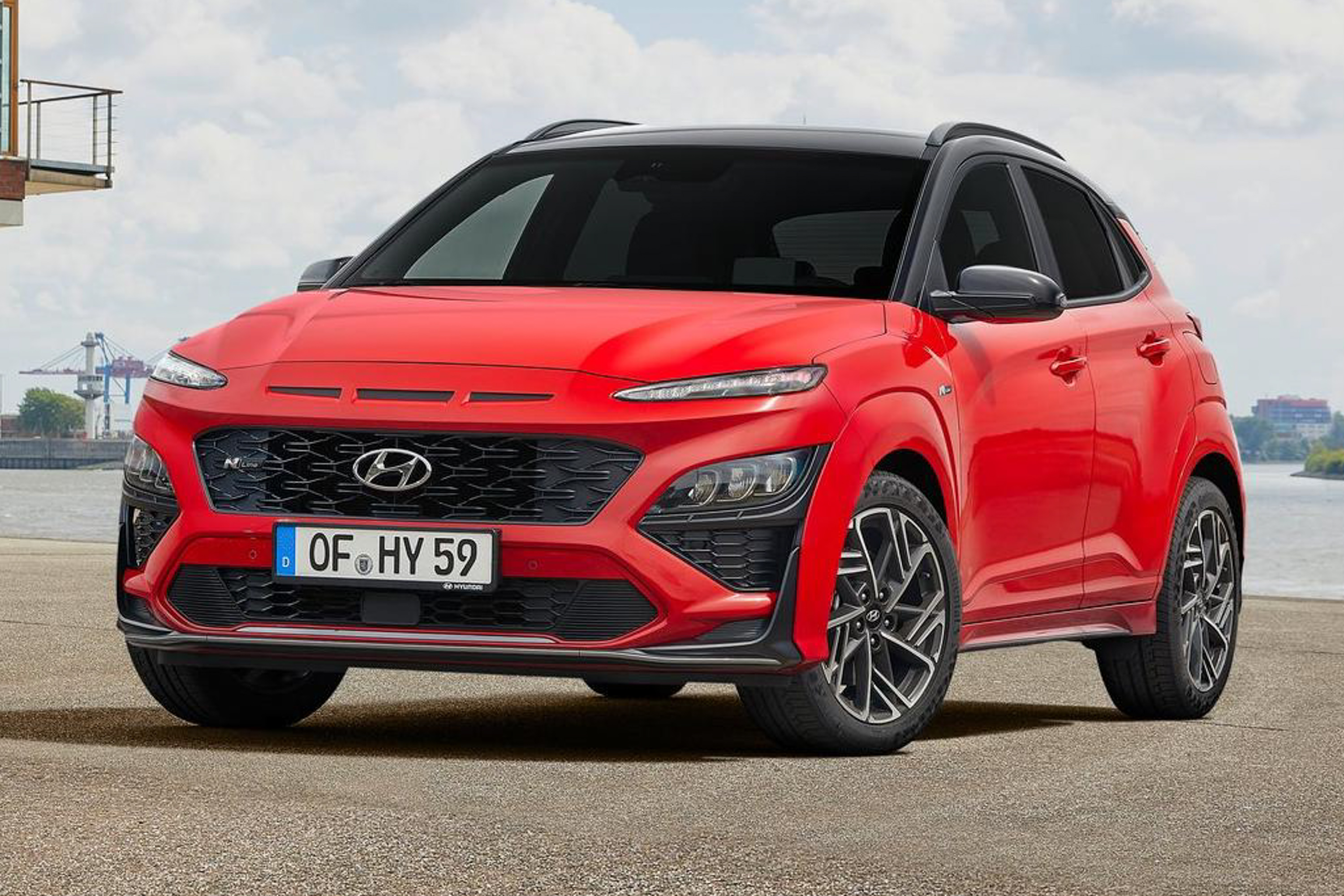
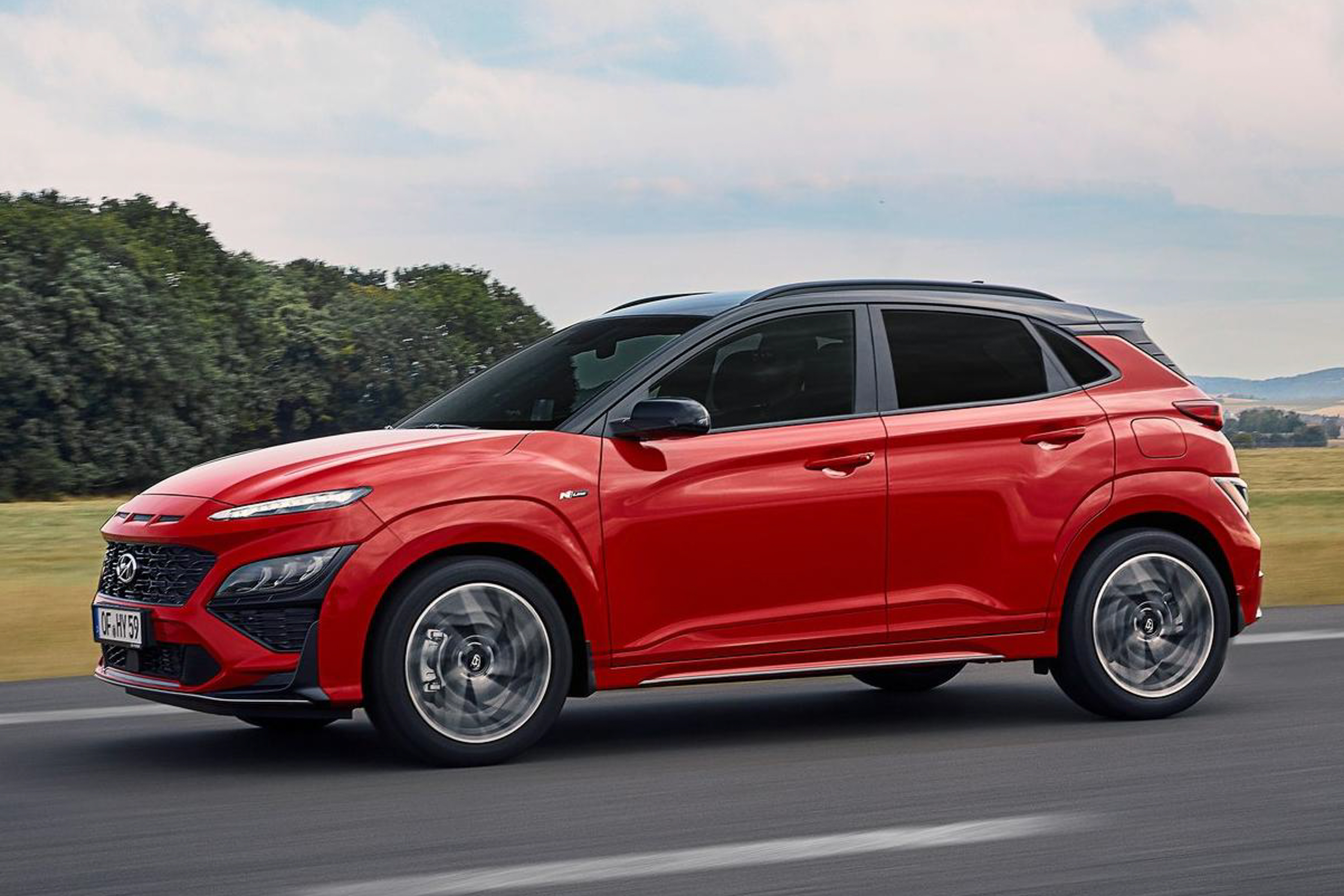
In terms of appearance, the 2021 Kona 2.0 Standard continues the crossover design style that is characteristic of the model series, featuring rugged lines with a distinctive look. The front face adopts a split headlight design, with slender daytime running lights connecting to the grille at the top and Halogen main headlights below. Although it lacks the LED lighting group of the Active version, the lighting performance is sufficient for daily use. The side of the vehicle features simple lines, 17-inch tires with 215/55 R17 specifications, and practical wheel hub designs with minimal decoration. At the rear, the vertically arranged tail lights echo the front face, while black plastic cladding added to the lower bumper enhances the off-road vibe of the SUV. However, the overall design leans more towards a steady look and is less flamboyant compared to the sporty kit of the N Line version.
Inside the car, the interior mainly features dark tones, with a simple and clear center console layout. The 8-inch touchscreen infotainment system located in the center supports the Sound Plus function, paired with six speakers for a moderately standard audio performance. The instrument cluster is a 4.2-inch TFT LCD display, which clearly shows basic information like speed, RPM, and fuel level, and is sufficient for daily use, though not as advanced as the 10.25-inch large screen in higher-end models. The seats are manually adjustable, with good support for the front seats. The rear seats can be folded down in a 60:40 split, expanding the trunk space. In terms of storage, the front center armrest box and door pockets are of moderate size, while the rear row is equipped with air conditioning vents and power outlets for passenger convenience.
As for space performance, the Kona 2.0 Standard has body dimensions of 4205mm×1800mm×1565mm, and a wheelbase of 2600mm, which are considered mainstream for a compact SUV. The front row offers ample space, with a passenger of 175cm height having a fist of headroom after adjusting the seat. The rear row is adequate for family users, providing two fists of legroom for passengers of the same height and about four fingers of headroom. Long durations of sitting should not feel cramped. The trunk has a capacity of 361L, which can be expanded by folding down the rear seats to accommodate daily shopping or storage needs for short trips.
In terms of power, the Kona 2.0 Standard is equipped with a 2.0L naturally aspirated engine that delivers a maximum horsepower of 149PS and a peak torque of 20.4kg·m, paired with a CVT transmission. The power response during startup is smooth, lacking the explosive power of turbocharged models but more than adequate for daily urban commuting. During acceleration, the CVT transmission performs smoothly without noticeable jolts. Pressing the accelerator pedal harder gradually increases the power, but overtaking requires preemptive planning. The driving mode only offers a standard mode without sport or eco mode options, but it suffices for family use.
The handling and chassis performance align with its positioning as a family vehicle. The front MacPherson independent suspension is tuned for comfort, effectively filtering out most road bumps. The car body does not sway significantly when passing speed bumps or uneven roads, ensuring rear passengers do not feel obvious discomfort. The steering wheel is light to turn with average precision, but it remains agile for maneuvering in the city. The braking system performs stably, with a linear feedback on the brake pedal and good body posture control during emergency braking.
In terms of fuel consumption, the official combined fuel consumption is 9L/100km. During actual test drives, the city driving fuel consumption is about 10-11L/100km, while highway fuel consumption drops to 7-8L/100km. Overall, the fuel efficiency is standard, consistent with the level of a 2.0L naturally aspirated engine. Regarding noise control, some wind and tire noise are present during high-speed driving, but it stays within an acceptable range and does not affect normal conversation inside the cabin.
For safety features, the Kona 2.0 Standard is equipped with 6 airbags, ABS, electronic stability control, rear parking sensors, a reversing camera, and hill-start assist. While it lacks advanced safety features found in higher trims, such as lane-keeping assist and lane departure warning, the basic safety features are comprehensive enough to meet daily driving safety requirements.
Compared to models in the same segment, the Kona 2.0 Standard stands out with its affordable price, comprehensive safety features, and long warranty policy. Compared to similarly priced Japanese SUVs, it offers a wider range of features, especially in terms of airbag count and reversing camera, which are relatively rare in entry-level models. However, its performance and technology features fall short of higher trims, making it suitable for budget-conscious families who prioritize practicality.
In summary, the 2021 Hyundai Kona 2.0 Standard is a compact SUV that is suitable for daily family use. While it does not excel in any particular area, it offers a well-rounded performance, affordable price, practical features, and a long warranty policy that provides peace of mind for users. If you are a family user with a budget of around RM 120,000 and are looking for a car with adequate space and comprehensive safety features, the Kona 2.0 Standard is worth considering. It may not be the most eye-catching option, but it is undoubtedly one of the most practical choices.
Hyundai Kona Car Compare

Hyundai Kona Loan Calculator
More Hyundai Reviews
Cars With Similar Price And Features
8
Rank in SUV
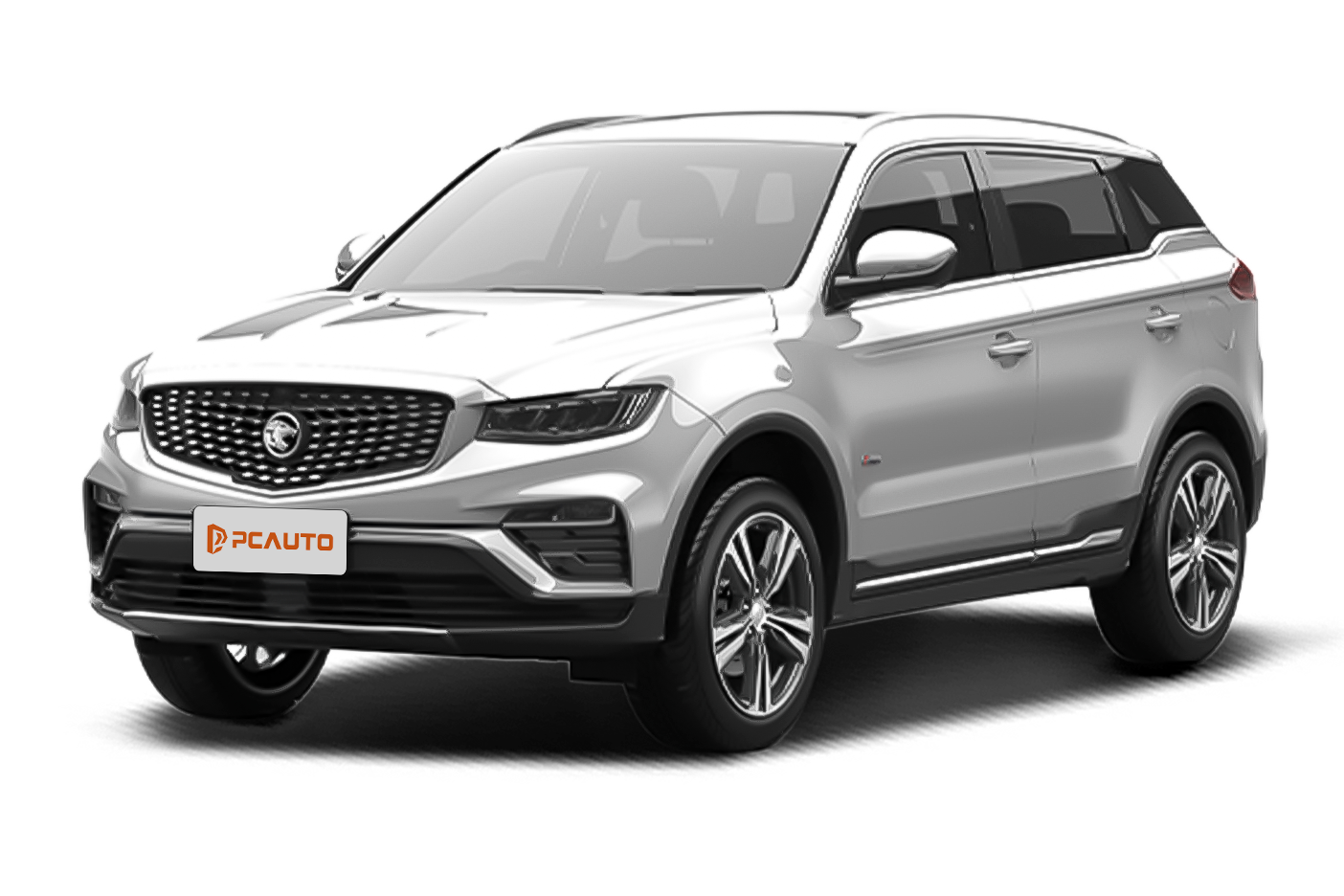
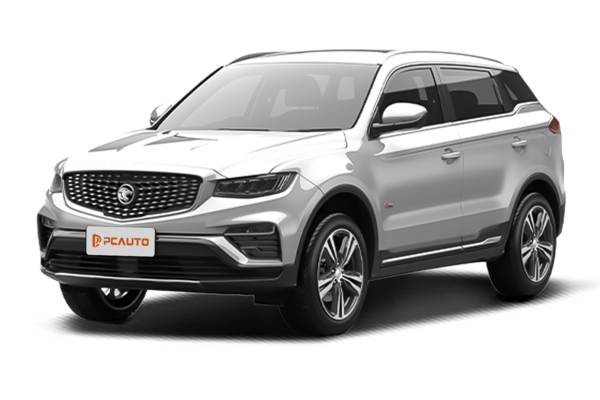
2026 Proton X70 1.5 TGDi Executive focuses on upgrading to a four-cylinder engine, practical configurations, and affordable pricing. It balances family commute practicality with value for money, making it a sensible choice among similarly priced C-segment SUVs.
10
Rank in SUV
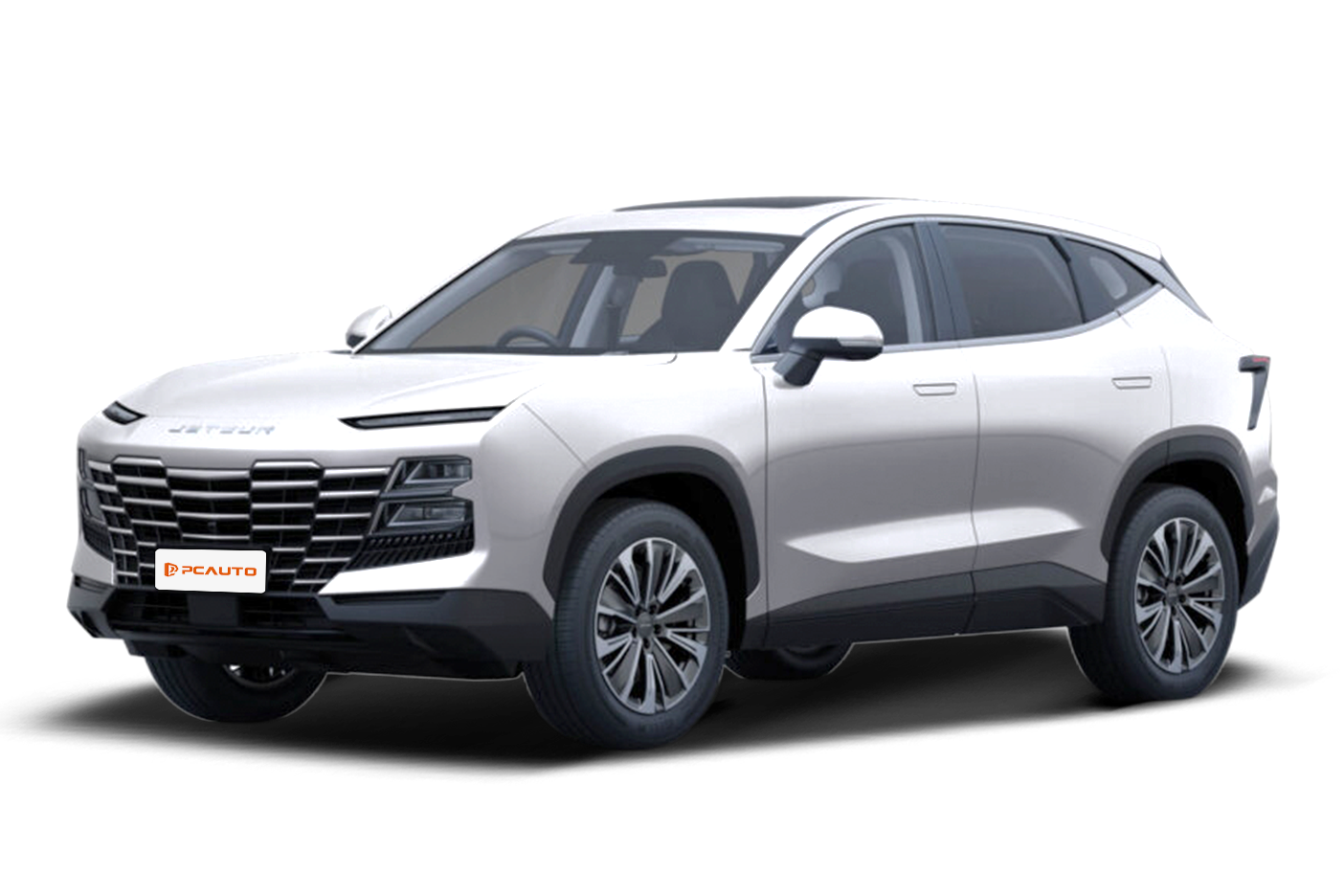
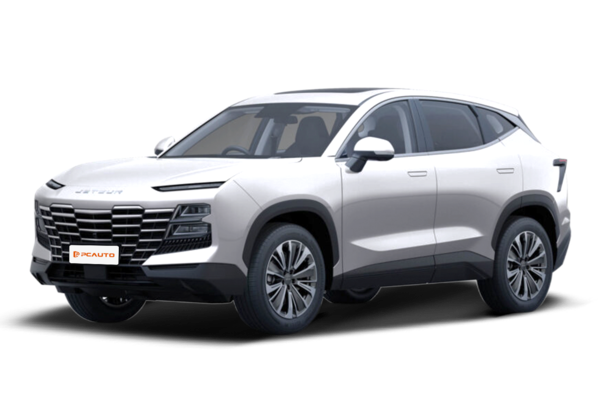
Jetour Dashing 1.5 TCI Comfort 2025 features a 2720mm long wheelbase and a 10.25-inch dual screen as its core, focusing on balanced cost performance to meet family practical needs.
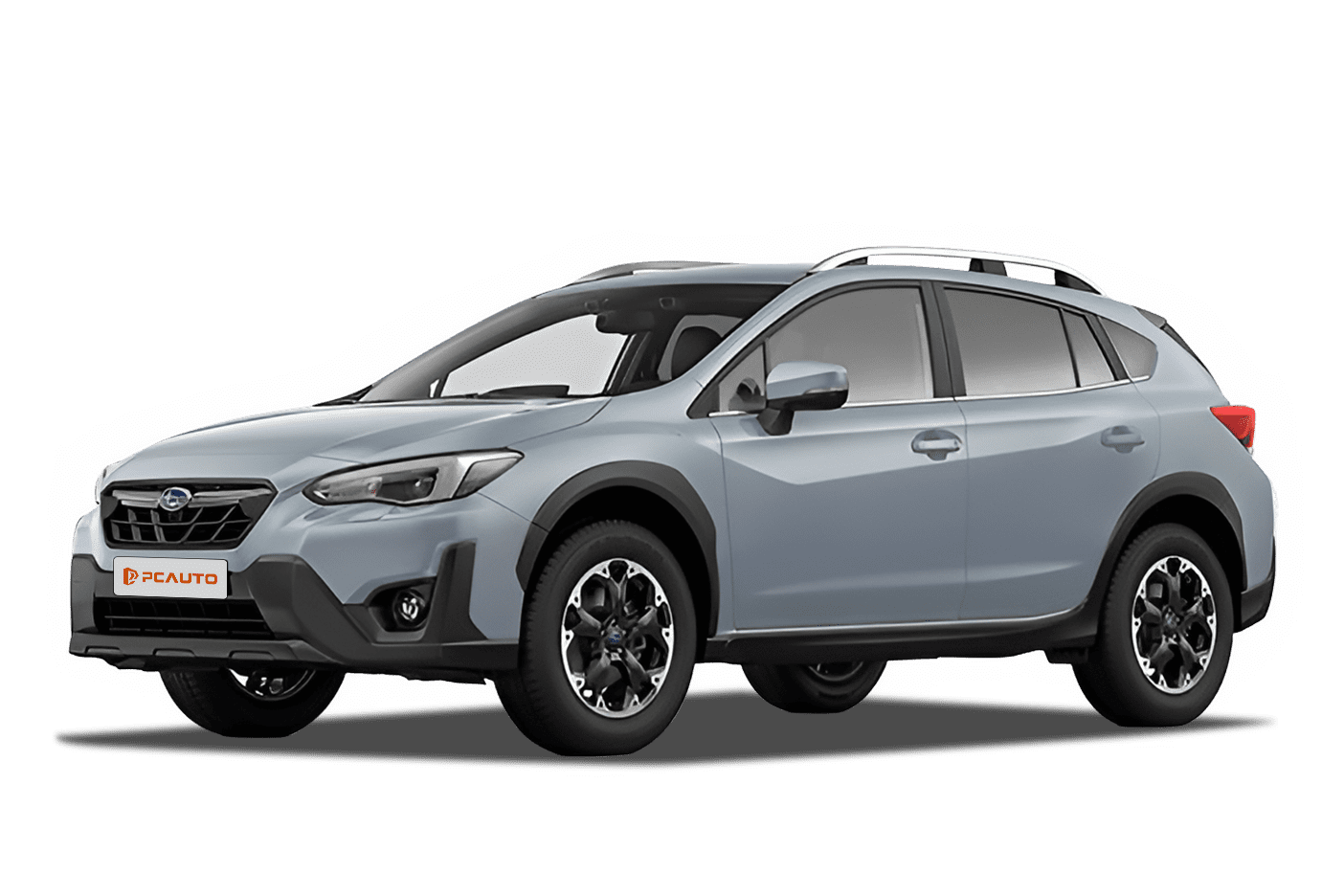
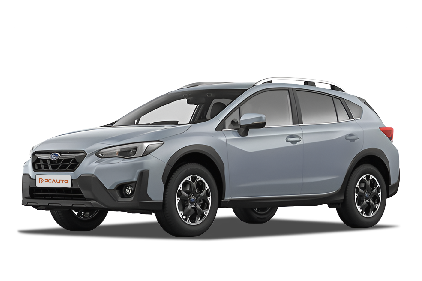
The 2021 Subaru XV 2.0i is a model targeting the C-segment crossover market, equipped with standard all-wheel drive and high safety features, balancing off-road capability and handling, with practical space.
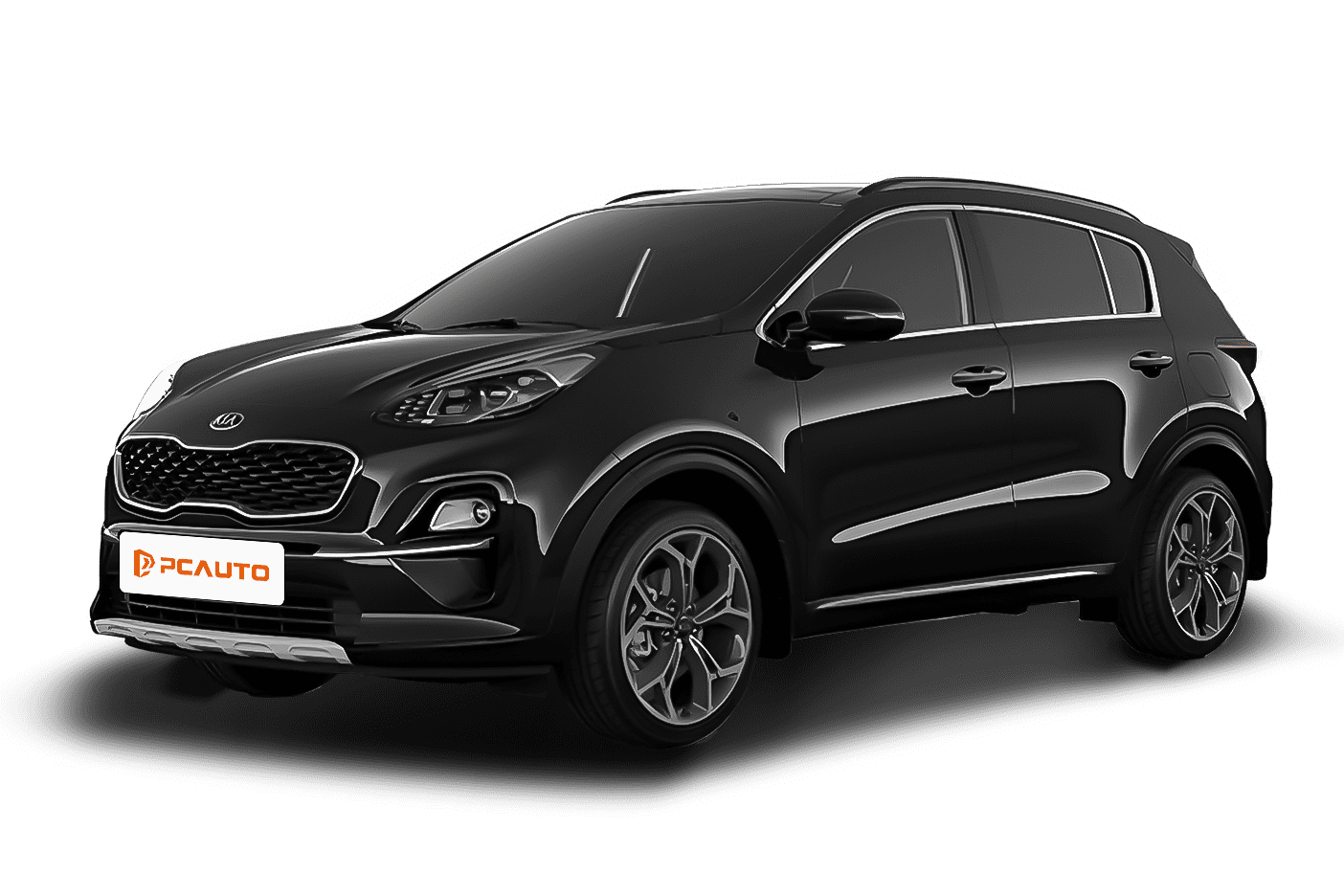
2024 Kia Sportage 2.0G 2WD, as the entry-level fuel version, with avant-garde design, 12.3-inch full LCD instrument panel, practical space, and economical fuel consumption, precisely meets the needs of family and cost-effectiveness-focused users.