

Hyundai Kona Electric 2018 Review

 Share
Share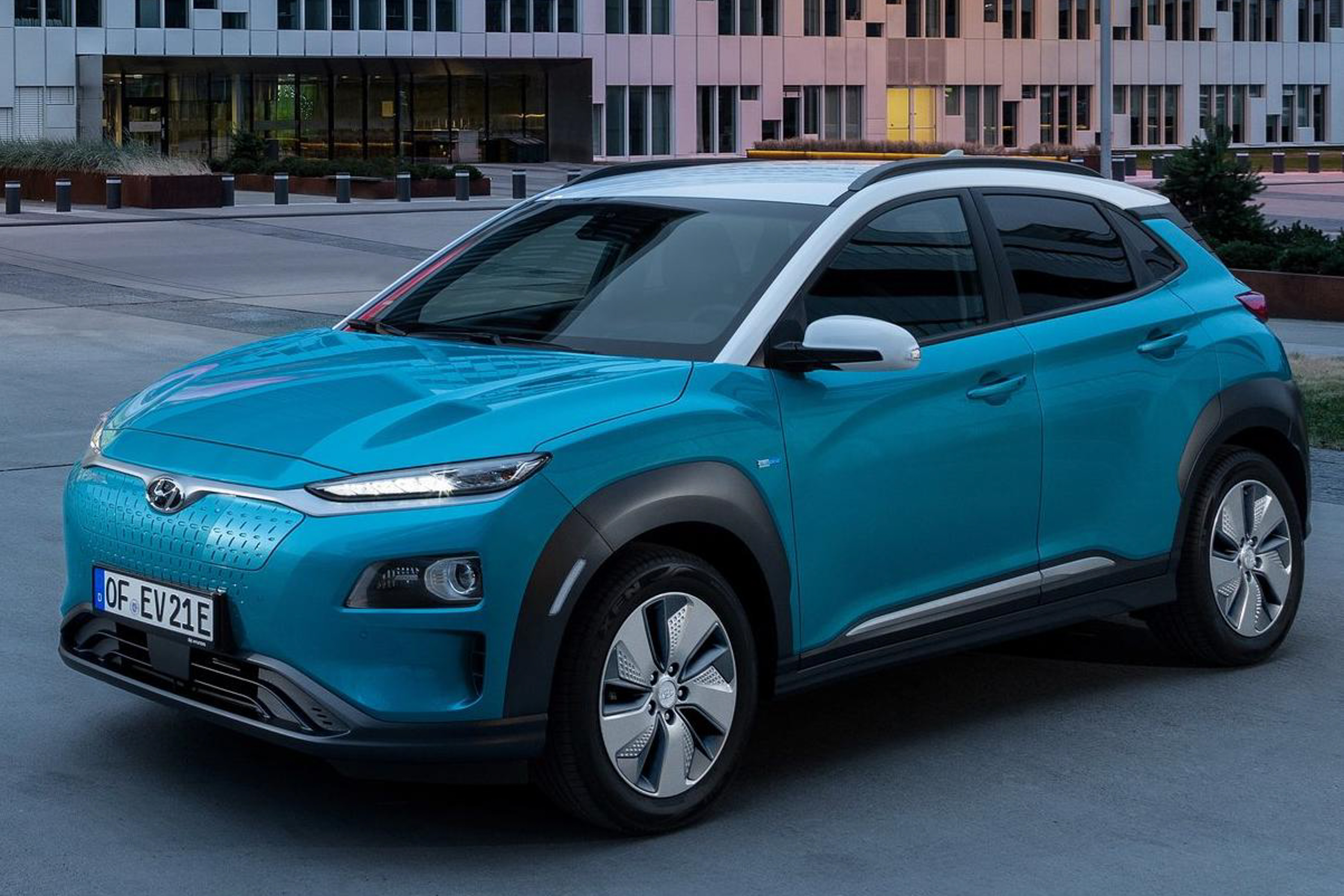
 Body Type
 Segment
 Motor Output(kW)
 Motor Torque(Nm)
 EV Range(km)
 Battery Capacity(kWh)
When the Hyundai Kona Electric officially entered the Malaysian market in 2018, the local electric vehicle market was still in its early stages of development, and consumer demand for pure electric models was focused on three core points: "sufficient range, practical features, and reasonable pricing." As Hyundai's first pure electric compact SUV launched in Southeast Asia, the Kona Electric directly competed with the Nissan Leaf and BMW i3 in the local market, emphasizing a key selling point of 395km WLTP range for the 64kWh version, fast charging capability, and advanced smart features. The purpose of this test is straightforward: to see if this car’s actual performance in Malaysia's climate and road conditions matches its position as the "top choice for household electric vehicles."
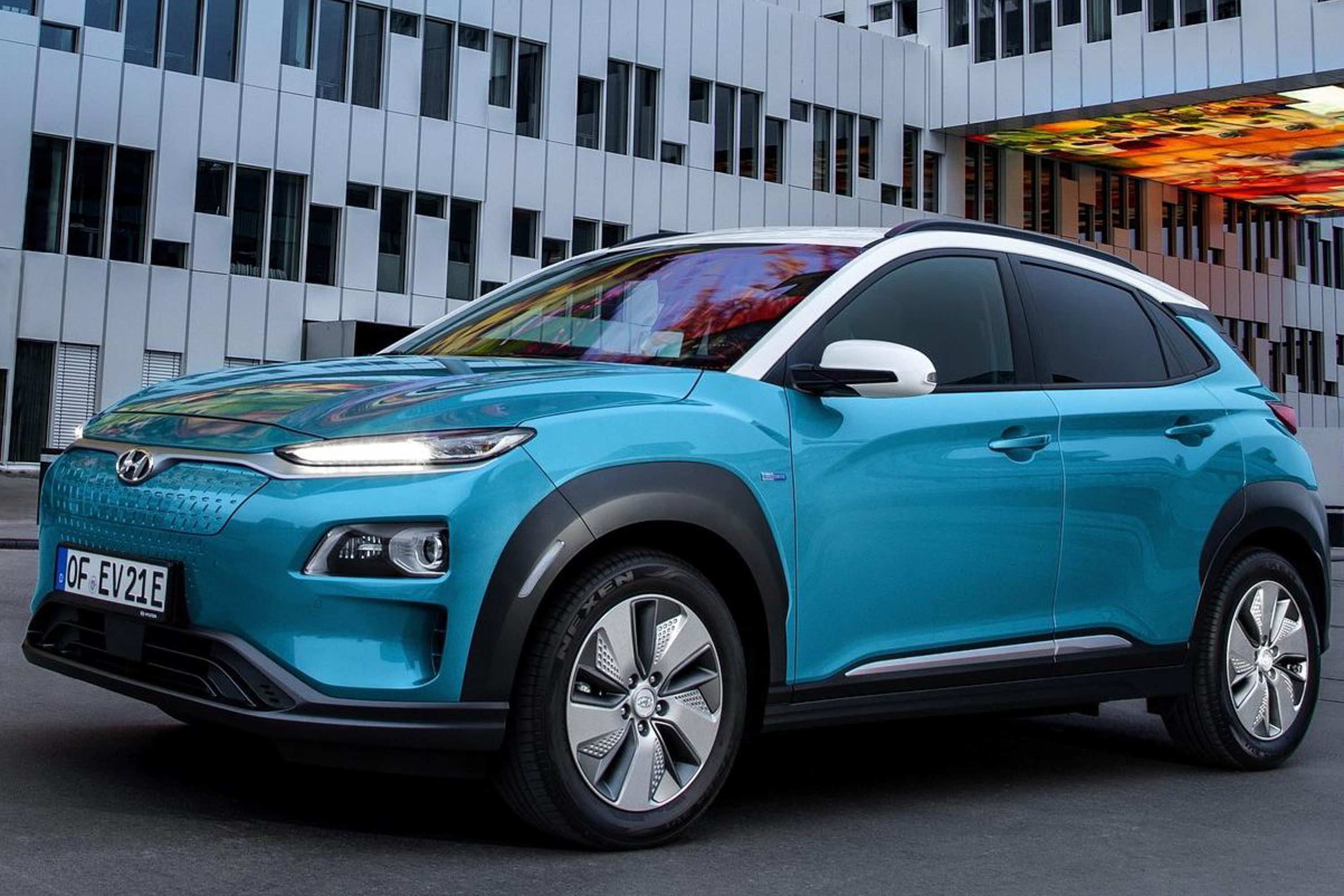
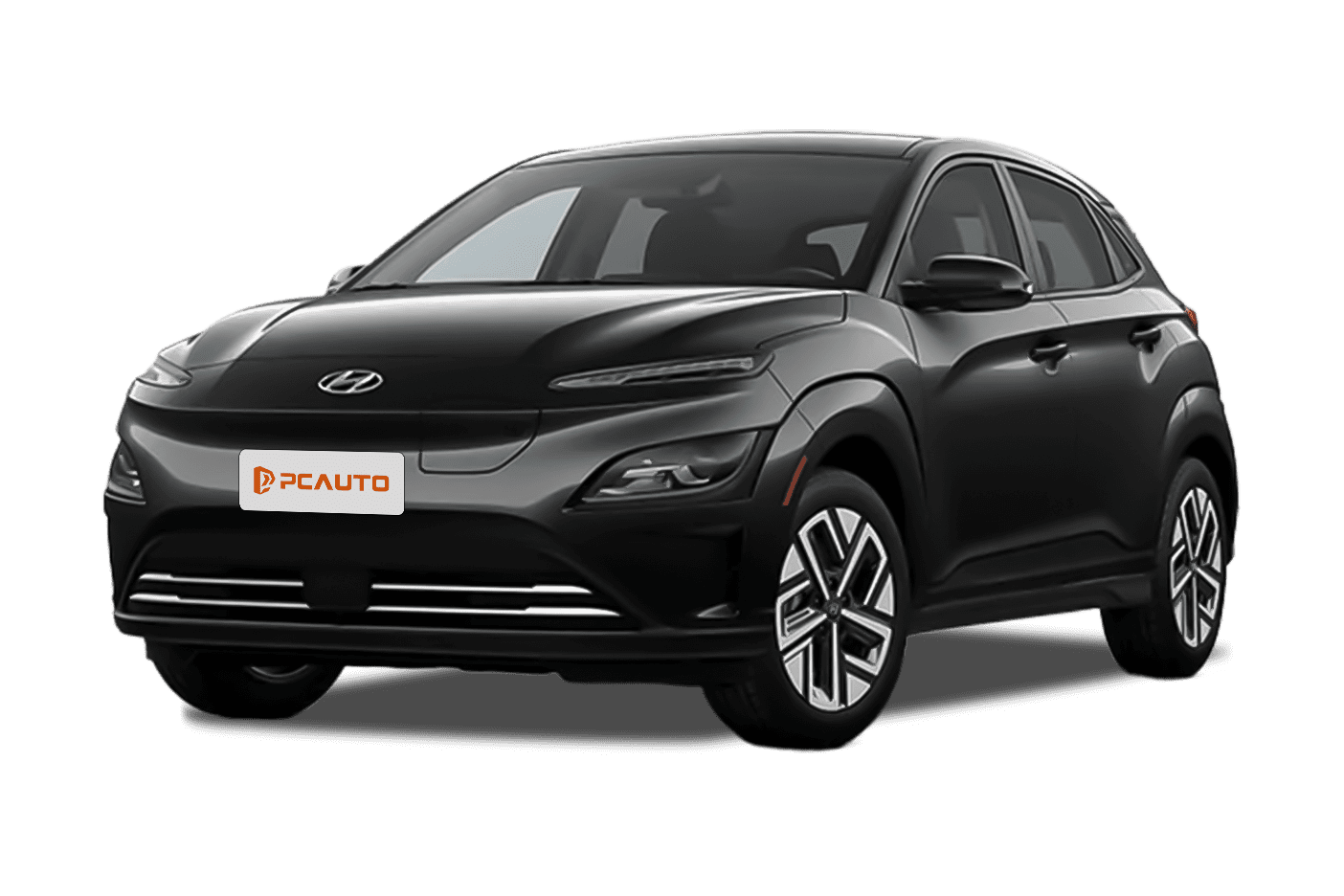
In terms of exterior design, the Kona Electric shares a similar profile with the fuel version Kona but fully reflects its identity as a pure electric vehicle in its details. The front grille of the fuel car is replaced with a closed panel, complemented by blue trim accents, making it highly recognizable. The headlights adopt a split design, with slender LED daytime running lights on top and main headlight units below, a layout relatively rare among compact SUVs in 2018, delivering a distinctive visual effect. The side profile of the body is compact, with 17-inch aluminum alloy wheels featuring a sporty design. The hidden design of the C-pillar gives the rear a more streamlined look. The changes at the rear primarily involve the taillights, which add blue elements, and the rear bumper, which has been simplified without the exhaust layout of the fuel version, creating a clean and electric-focused aesthetic.
Sitting inside, the interior layout of the Kona Electric prioritizes practicality. The center console adopts a layered design, with an 8-inch touchscreen on top that supports Apple CarPlay and Android Auto. The system response speed was average for vehicles of 2018. Below is the physical button area, including climate control and drive mode switches, which are convenient for blind operation. In terms of materials, the steering wheel and seats are wrapped in leather, and the center console panel is covered in soft-touch materials, offering an overall texture slightly better than fuel cars of the same price range. As for features, this model comes standard with automatic climate control, a rearview camera, keyless entry, and start. The mid-to-high trims also add a panoramic sunroof and heated seats, which are in line with mainstream offerings in the compact electric SUV segment.
Space is one of the highlights of the Kona Electric. The vehicle dimensions are 4180mm×1800mm×1560mm, with a wheelbase of 2600mm, identical to the fuel version Kona. After adjusting the front seats to a suitable position, a 175cm tall passenger has a headroom gap of one fist and ample legroom. The rear space is equally good, with a knee room of two fists and a headroom gap of one fist, while the nearly flat floor ensures comfort for three passengers when fully loaded. For storage, the front row features two cup holders, a phone slot, and a center armrest box, while the rear row has air vents and two cup holders. The trunk offers a standard capacity of 332L, which expands to 1114L when the rear seats are folded down. It can accommodate two 28-inch suitcases and some miscellaneous items, meeting the needs of everyday family use with no issues.
In terms of power, this test is conducted on the 64kWh version. The motor has a maximum power of 150kW and a maximum torque of 395N·m, matched with a single-speed gearbox. During daily driving, the power response is very direct, with a brisk start, and it accelerates from 0-100km/h in about 7.6 seconds. Even when accelerating heavily on the highway, the power output remains smooth and strong. There are three driving modes: Eco, Normal, and Sport. In Eco mode, the power is slightly restrained, making it suitable for daily commuting. In Sport mode, the throttle sensitivity increases, delivering more rapid acceleration, which is suitable for occasional driving fun. The energy regeneration has three adjustable levels. At the highest recovery level, releasing the throttle provides a noticeable drag, close to single-pedal driving, which can effectively extend the range. At the lowest level, it feels similar to gliding in a gasoline car, making it suitable for beginners to adapt.
In terms of handling, the Kona Electric's steering wheel is precise with minimal play. It is light at low speeds and stable at high speeds, making it very convenient for daily driving. The suspension system uses a front McPherson and rear multi-link independent suspension, tuned for comfort. It filters out most vibrations when passing speed bumps or uneven roads, with minimal body bounce. When driving through curves, the suspension provides adequate support, keeping body roll within a reasonable range, and overall stability is quite good. The braking performance is also commendable, with a moderate brake pedal travel and linear feedback. During emergency braking, the vehicle maintains a stable posture, with a braking distance of about 38 meters from 100-0km/h, meeting the standards of vehicles in its class.
Range and energy consumption are key concerns for electric vehicle owners. In our comprehensive road test in Malaysia, which included 30% highways, 60% city roads, and 10% rural roads, the air conditioning was set to 24°C throughout. For the version with a WLTP range of 395km, the actual range was approximately 320-350km, achieving 81%-89% of the rated range, a fairly standard performance. As for energy consumption, it was about 15kWh/100km on city roads, 18kWh/100km on the highway, and a combined consumption of 16.5kWh/100km, which is consistent with the official data. In terms of charging, using a DC fast charging station to go from 20% to 80% takes about 54 minutes, while fully charging with a home slow-charging station takes about 9 hours, meeting the daily charging needs without issue.
When it comes to riding comfort, the Kona Electric performs remarkably well. In terms of noise control, the motor operation is almost silent. At low speeds, there is only slight tire noise, while at high speeds, wind noise becomes more noticeable but does not affect normal conversations. The seat comfort is quite good with enough side bolstering, making long drives fatigue-free. The air conditioning system has excellent cooling performance; in Malaysia's hot weather, it can cool the cabin down within a few minutes.
Overall, the 2018 Hyundai Kona Electric stood out in Malaysia's EV market at the time with its clear advantages: decent range, practical space, balanced features, and a price much lower than the BMW i3 but with richer features than the Nissan Leaf. Compared to other vehicles in its class, its space and range performance are among the best, and its features can meet the needs of family users. The target audience for this car is clear: families who prioritize daily practicality or young people who want a reliable electric SUV for commuting and short trips. If your budget is between 200,000-250,000 MYR and you want a reliable electric SUV, the Kona Electric was one of the popular choices on the 2018 market.
Overall, the 2018 Hyundai Kona Electric is a well-balanced compact electric SUV with no significant weaknesses. Its range, space, and features meet the needs of most users. Although there are some gaps in intelligent systems and fast-charging speed compared to newer models, in the context of the 2018 market, its performance was already excellent and it was a model worth considering in Malaysia's electric vehicle market at the time.
Hyundai Kona Electric Car Compare
More Hyundai Reviews
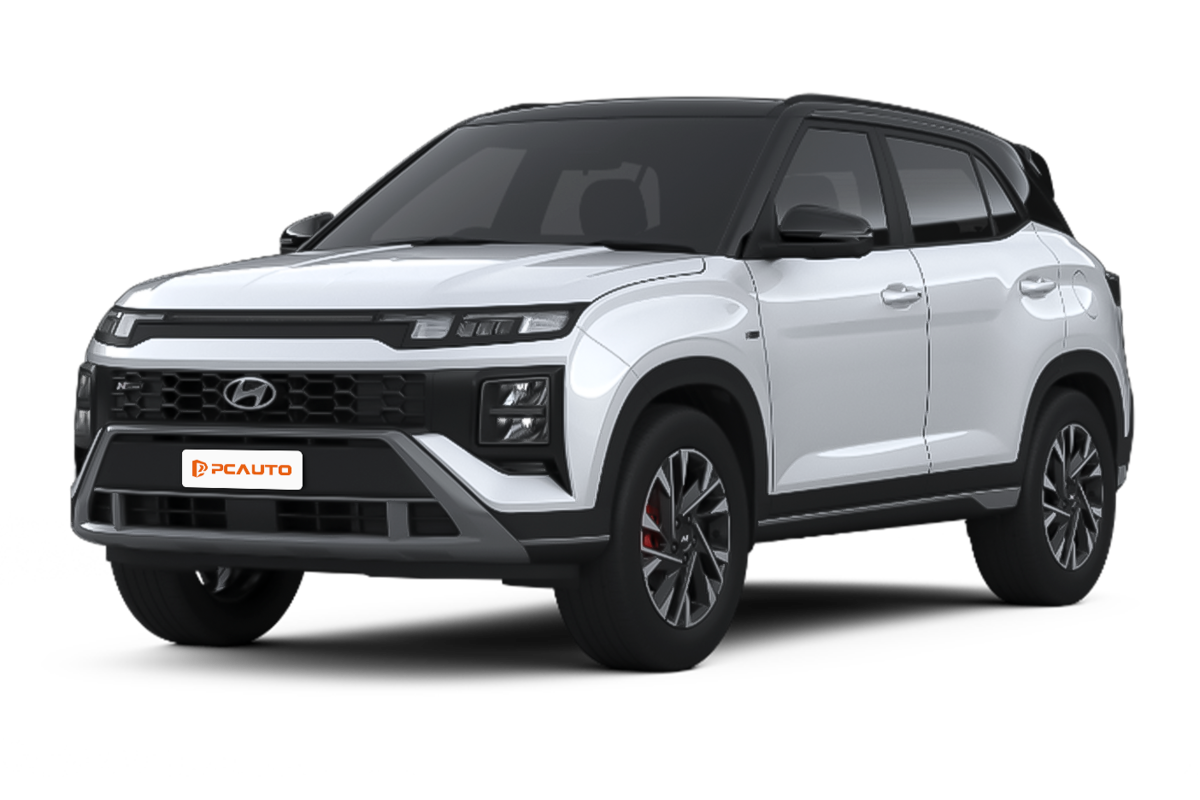
Cars With Similar Price And Features

1
Rank in SUV
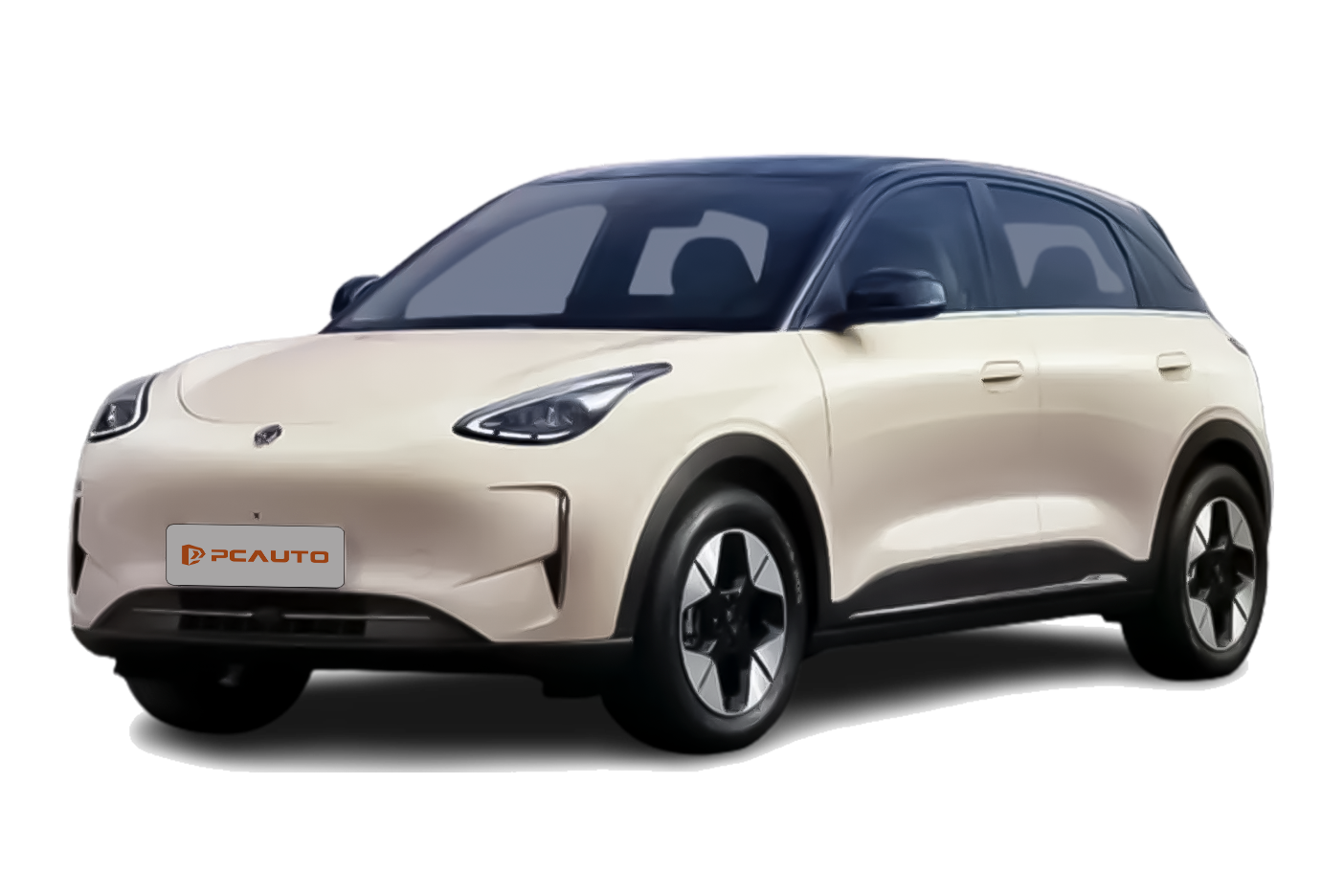
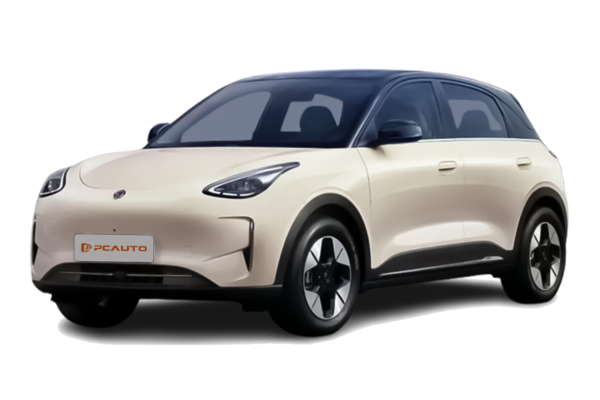
2025 Proton e.Mas 5 Prime is Proton's first entry-level pure electric C-Segment model, priced from 56,800 MYR to target the sub-100,000 MYR market, balancing practical features with commuting range.
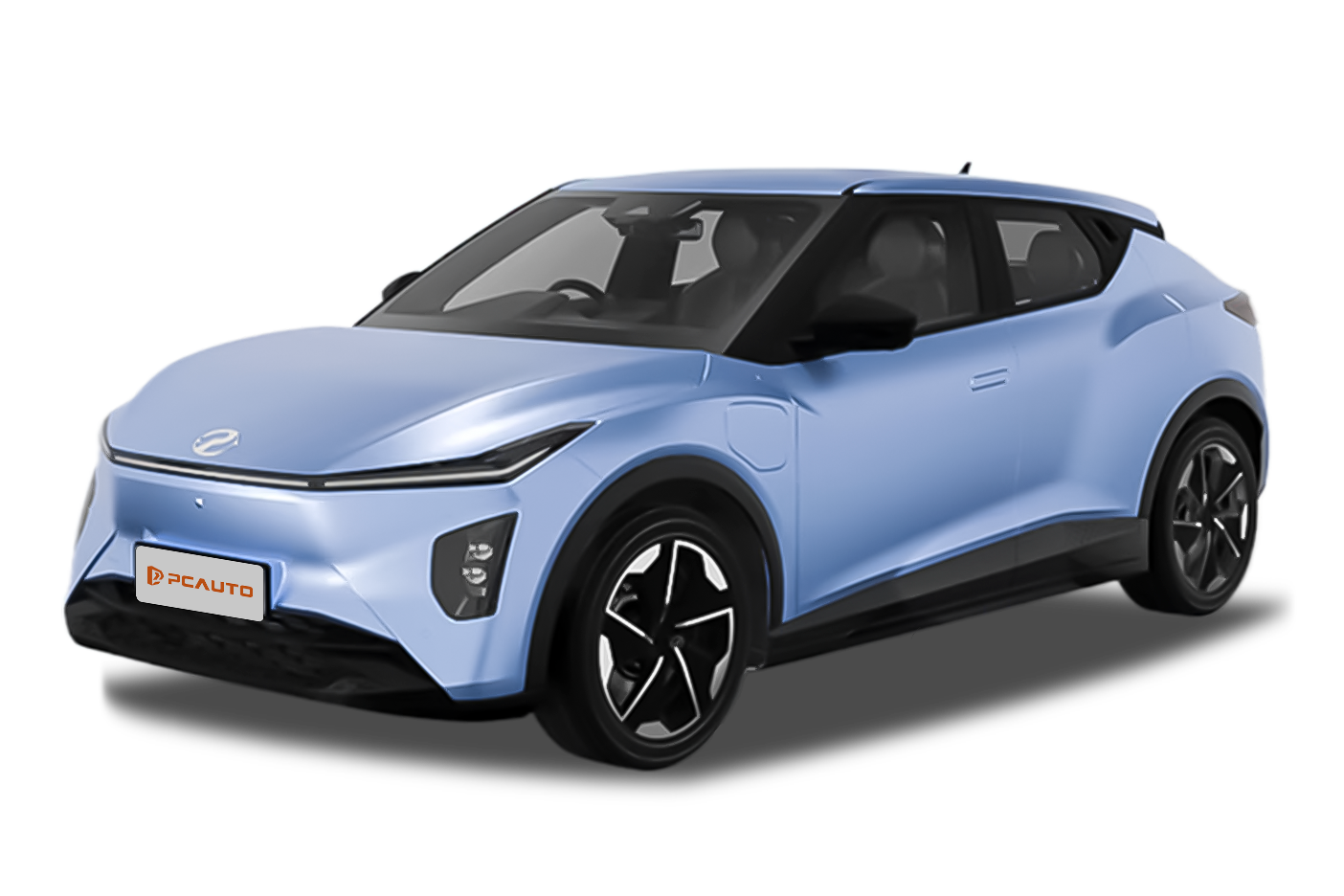
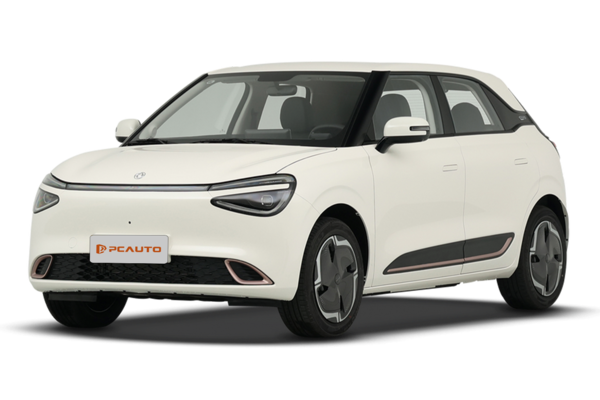
The 2025 Perodua QV-E is an affordably priced, practically ranged class-C pure electric vehicle, precisely tailored for family users and young commuters with its high safety features, spacious interior, and agile driving dynamics.
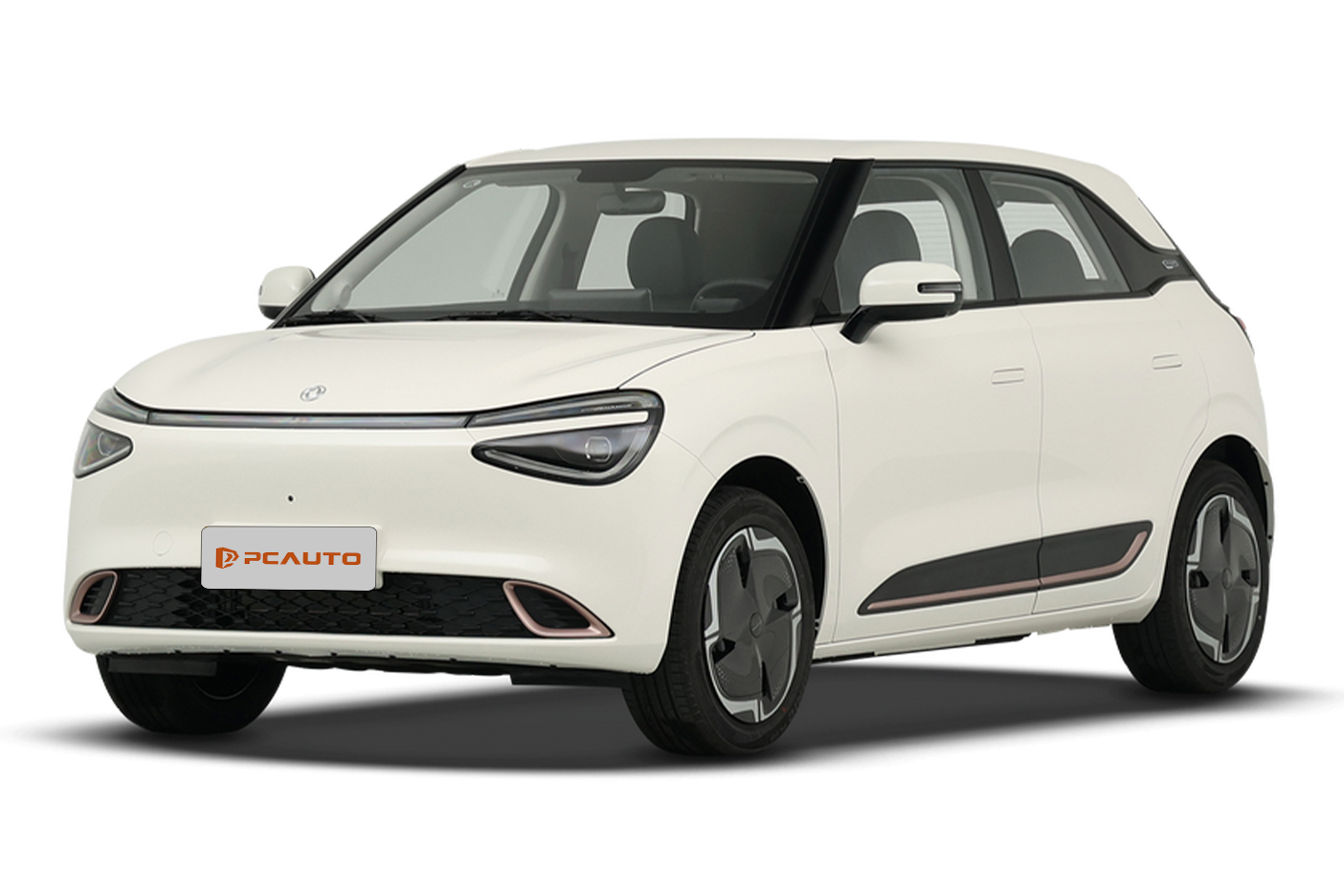
2024 DFSK Box E2 is a household pure electric vehicle in Malaysia priced at around 100,000 Ringgit, featuring a 330 km range, 12.8-inch large screen, and practical space as its main selling points, catering to both commuting and family needs.
30
Rank in SUV
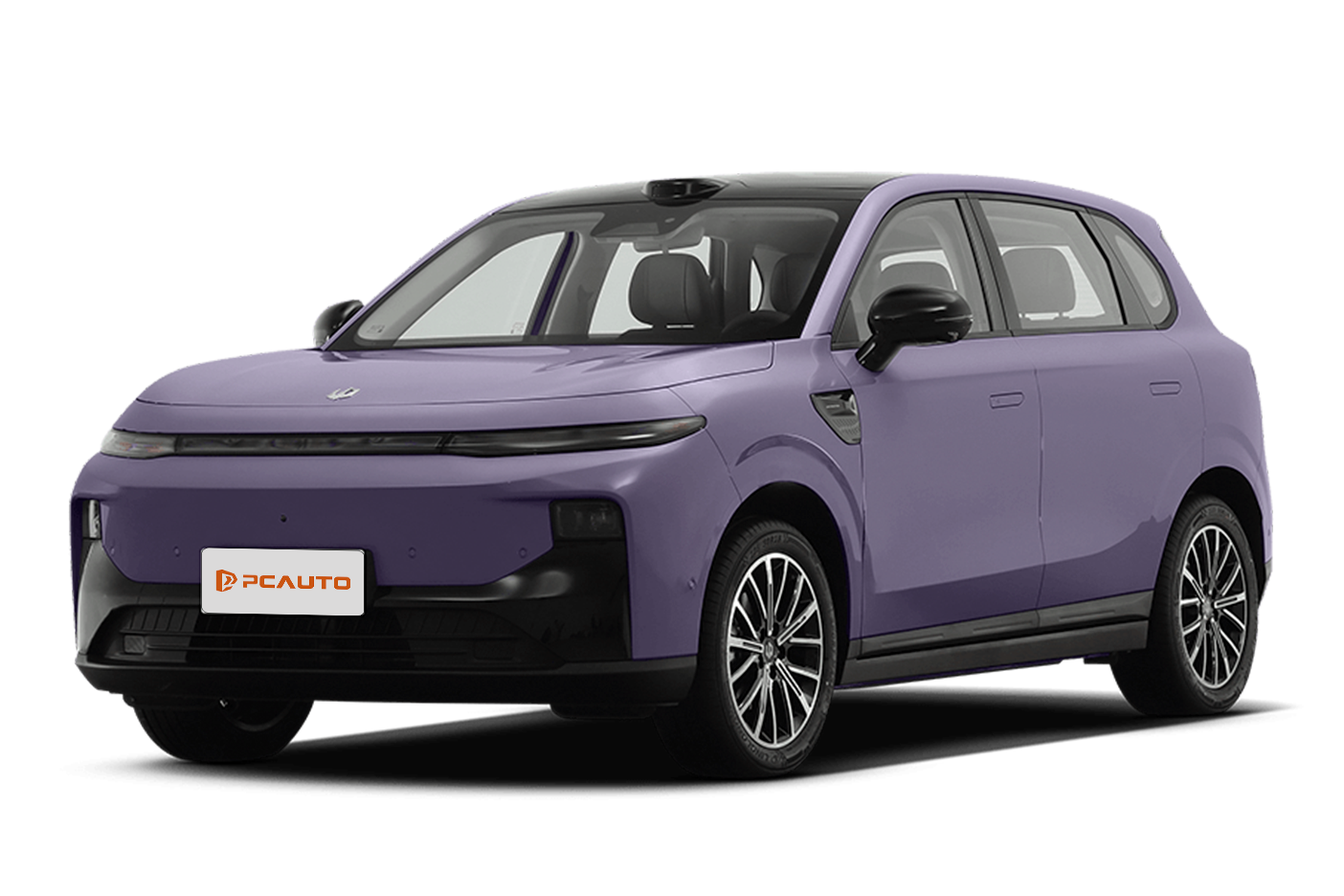
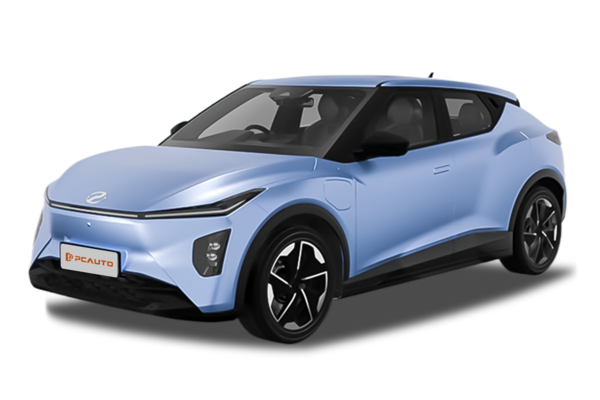
2025 Leapmotor B10 LIFE is a 100,000-level pure electric C-class SUV, equipped with standard L2 assisted driving and other practical features. It offers spacious interior and solid range, making it a go-to choice for family users.