

Hyundai Kona Electric 2024 Review

 Share
Share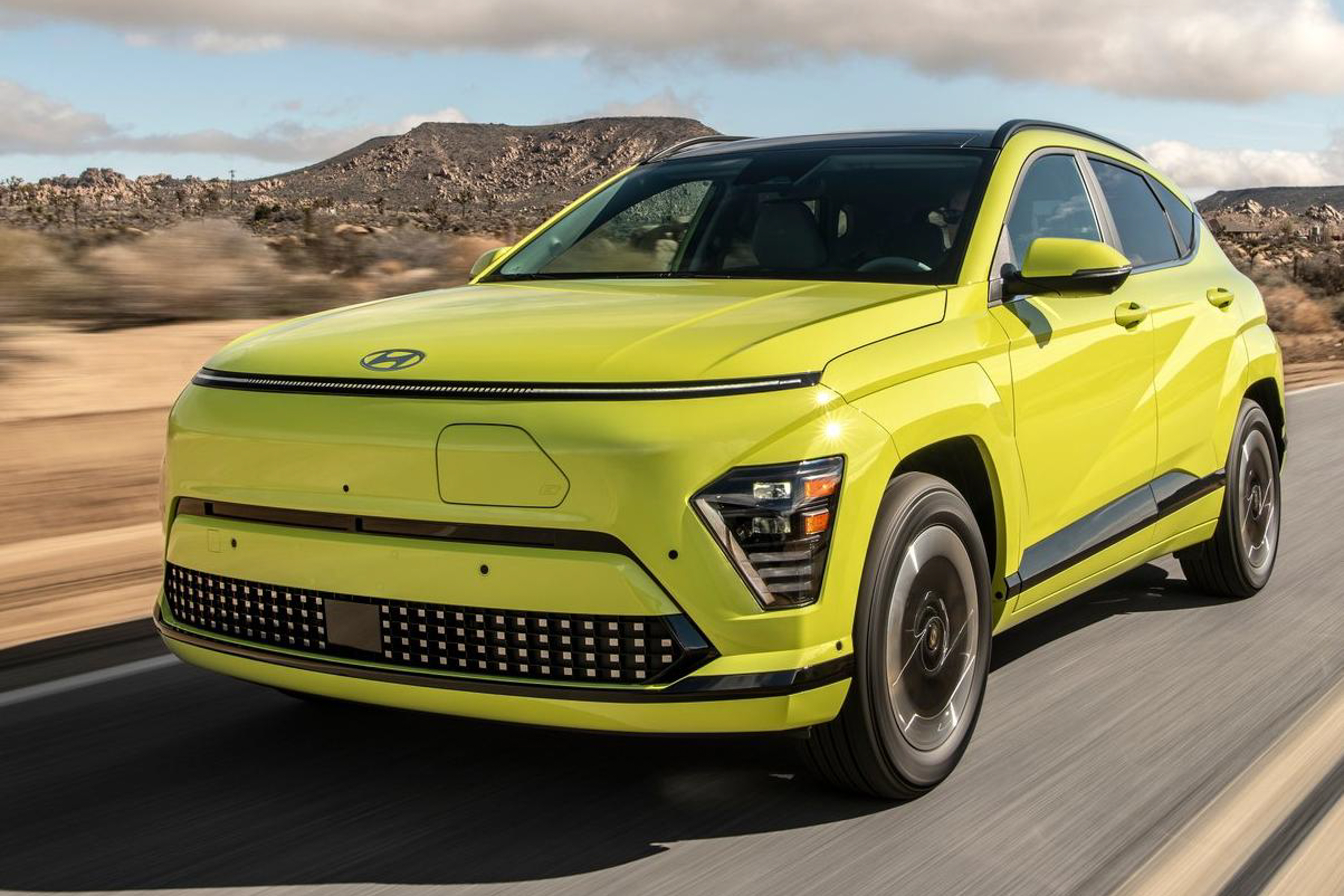
 Body Type
 Segment
 Motor Output(kW)
 Motor Torque(Nm)
 EV Range(km)
 Battery Capacity(kWh)
In recent years, Malaysia's electric vehicle market has been heating up. Thanks to their moderate size and practicality, compact electric SUVs have gradually become popular choices for family users and young office workers. As a veteran in this segment, the 2024 Hyundai Kona Electric has undergone a facelift, not only upgrading its exterior design but also optimizing its range and smart features, with several adjustments tailored to local user needs. The core of our test is to verify whether this new model can maintain its advantage in a highly competitive market and whether its actual performance matches the highlights promoted by the official announcements.
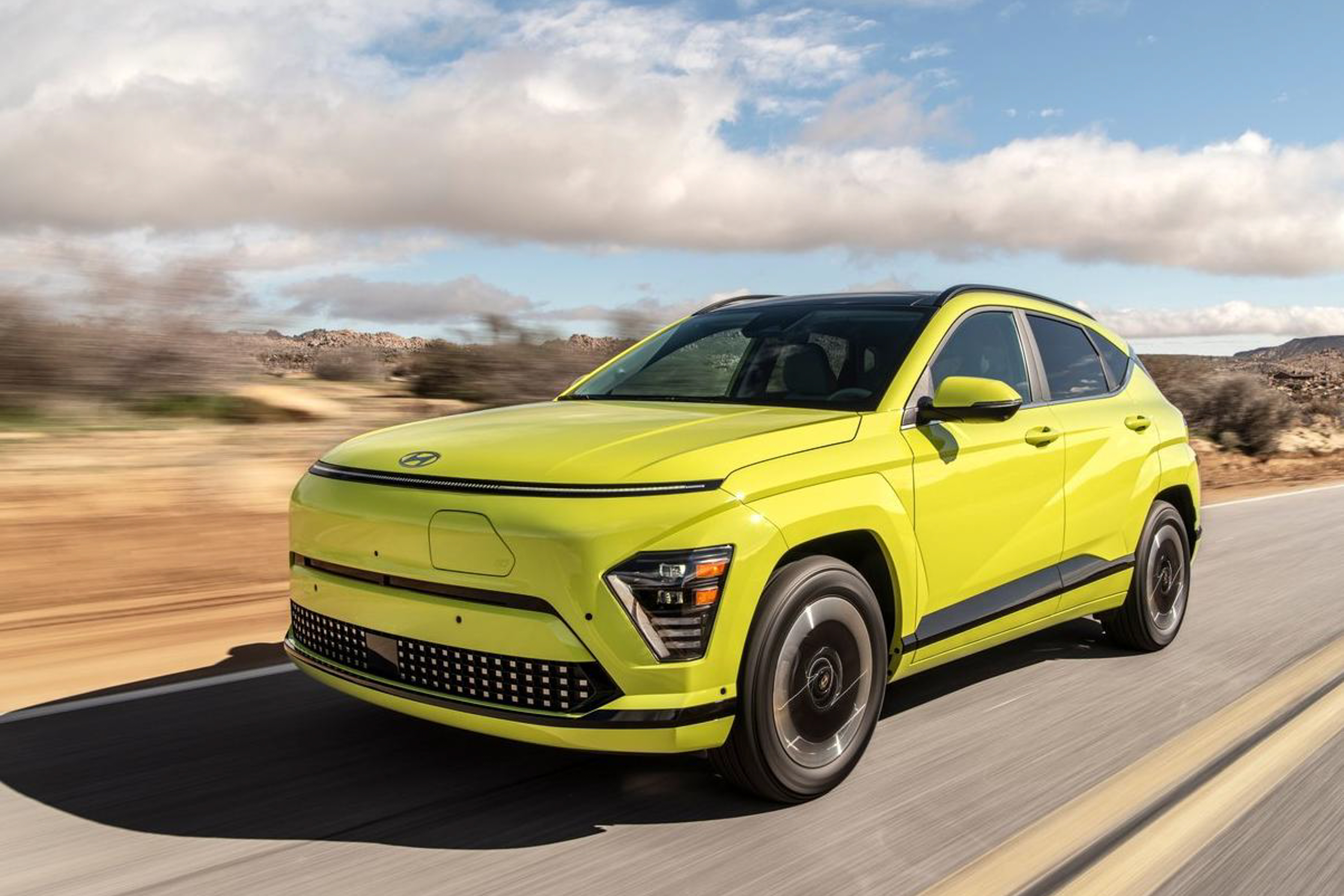
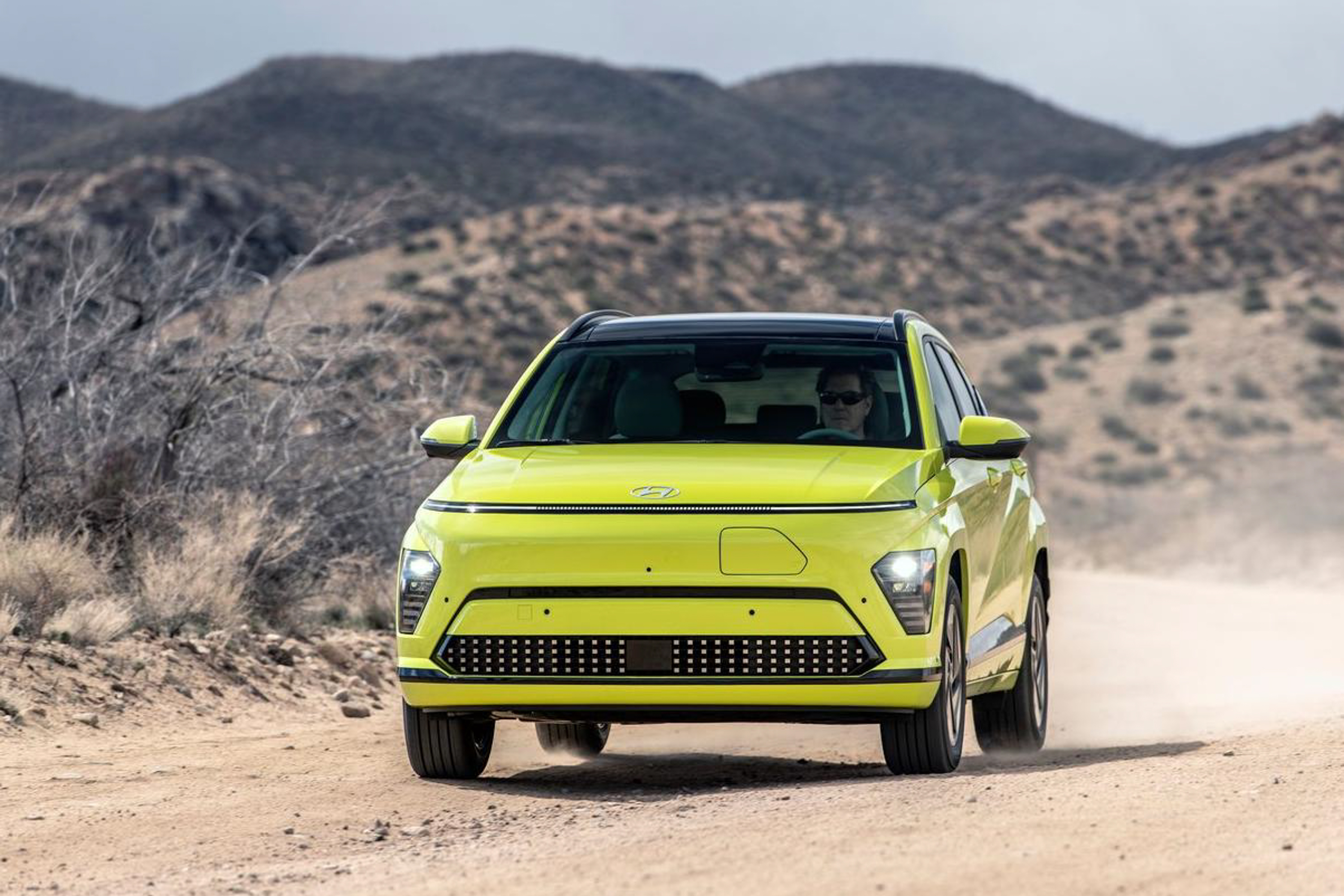
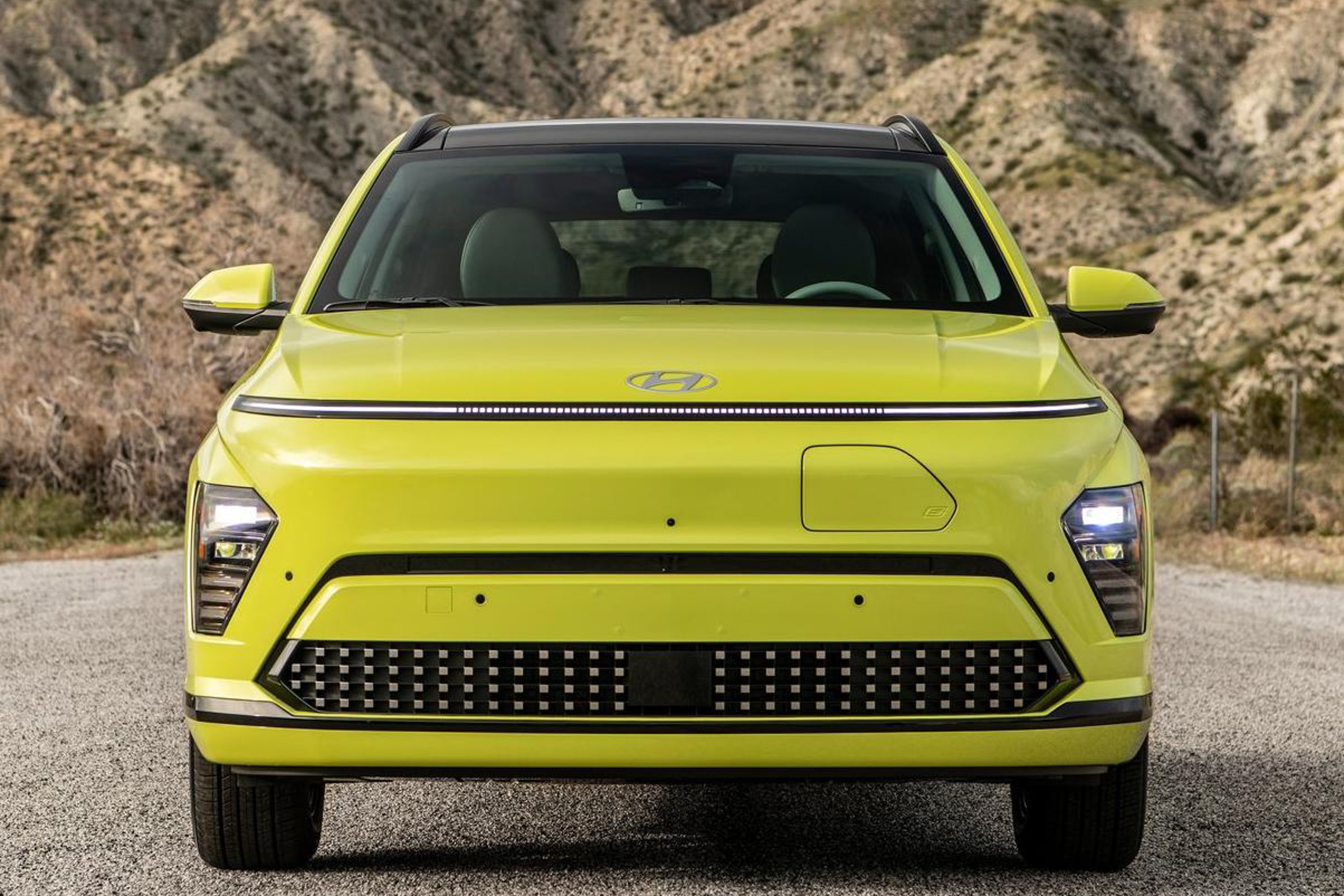
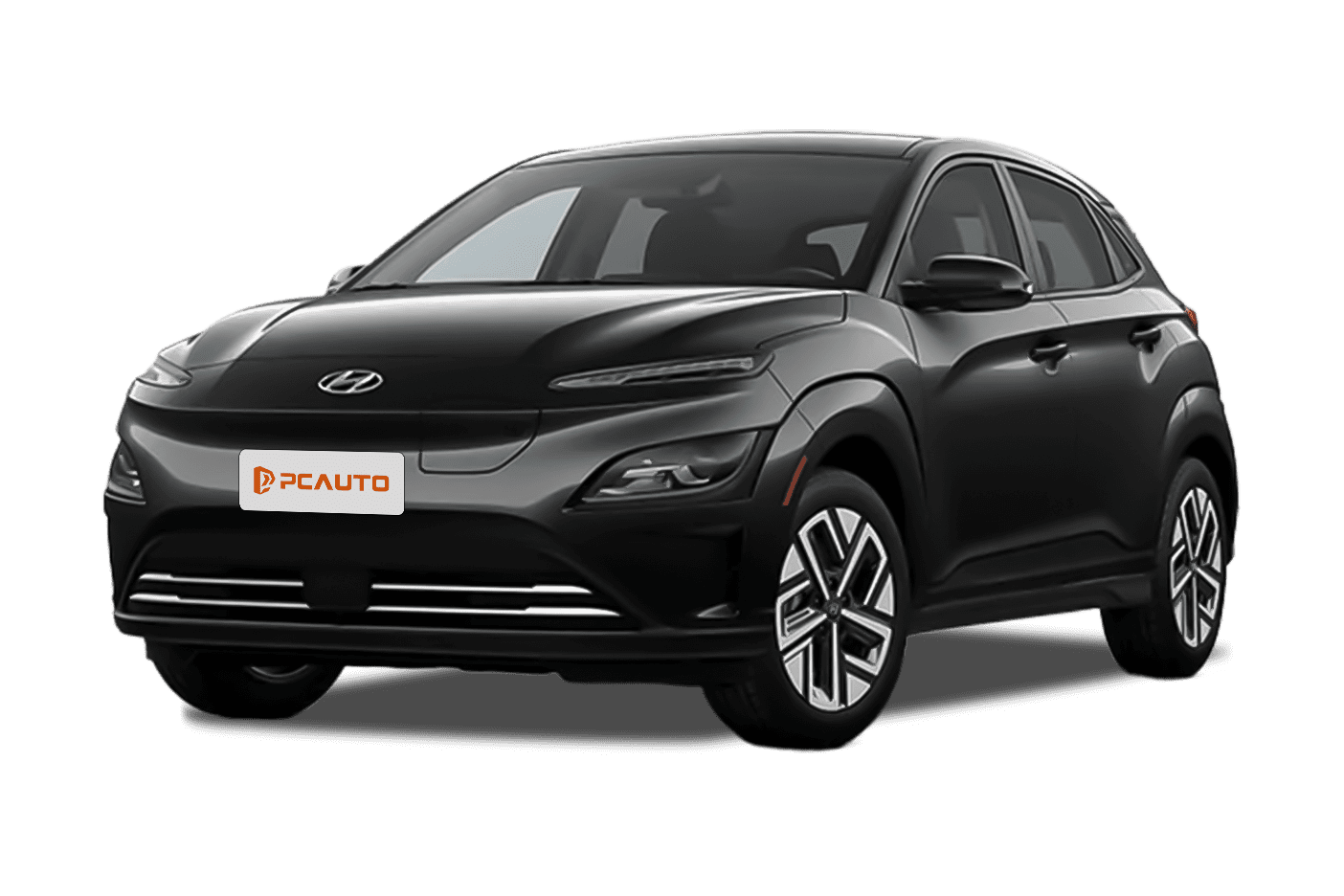
From an exterior perspective, the 2024 Kona Electric adopts Hyundai's latest "Parametric Dynamics" design language, with an overall sharper style compared to the previous generation. The front face has eliminated the traditional grille in favor of a sealed panel, paired with a full-width LED daytime running light and split headlight assembly, offering high recognition when lit at night. The body side profile features a waistline extending from the front to the rear, paired with 18-inch aluminum alloy wheels, exuding a sporty vibe. The inclusion of hidden door handles not only enhances the technological feel but also improves the drag coefficient. The rear part of the vehicle also features full-width LED taillights that echo the front design, and the diffuser-shaped rear bumper enhances the sporty look. Compared to vehicles in the same class, the new Kona Electric has a more aggressive appearance with meticulous attention to detail.
Entering the interior, the changes are equally apparent. The central control console employs a dual-screen design, integrating a 12.3-inch full LCD instrument cluster and a 12.3-inch central control touchscreen into one unit, offering good interface fluidity and display clarity. The central control screen comes equipped with the Hyundai SmartSense intelligent connectivity system, supporting Apple CarPlay and Android Auto wireless connections. Its operation logic is simple and user-friendly. In terms of interior materials, the seats and the inside of the door panels are wrapped in soft leather, while the top of the central control console uses soft-touch materials, aligning with the quality expectations for vehicles in this segment. For features, the new model comes standard with an electronic gear shifter, automatic air conditioning, a wireless charging pad, and 64-color ambient lighting, while the high-end models also provide seat heating/ventilation functions, balancing practicality and comfort.
In terms of space performance, the 2024 Kona Electric’s dimensions stand at 4355mm×1825mm×1575mm, with a wheelbase of 2660mm, which is longer than the previous generation. The front seats support multi-directional electric adjustments, and a passenger with a height of 175cm will find ample headroom and legroom. The rear space is moderate, providing about two fists' worth of legroom and one fist of headroom for passengers of the same height, which is sufficient for daily family use. Regarding storage, the front central armrest box and door panel storage compartments offer considerable capacity. The trunk has a standard volume of 466L, which can expand up to 1300L with the rear seats folded down, accommodating multiple suitcases or large items. Additionally, the rear row is equipped with air conditioning vents and USB-C charging ports, thoughtfully catering to details.
In terms of the power system, we tested the long-range version, equipped with a permanent magnet synchronous motor with a maximum power of 150kW (204Ps) and a maximum torque of 350N·m, paired with a single-speed transmission. The battery capacity is 64.8kWh, and the official CLTC cruising range is 514km. During actual driving, the car starts smoothly, accelerates quickly, and achieves 0-100km/h acceleration in about 7.8 seconds, making daily overtaking or highway driving relatively effortless. Driving modes include Eco, Normal, and Sport. Eco mode provides smoother power output, suitable for daily commuting, while Sport mode significantly enhances power response, catering to users who seek driving excitement.
Regarding handling and chassis performance, the new car features a front MacPherson independent suspension and a rear multi-link independent suspension, tuned for comfort. When driving on urban roads, the suspension effectively filters out small bumps, and vibrations while crossing speed bumps are handled smoothly. On highways, the vehicle stability is decent, steering is precise, with minimal play, providing a reassuring feel. However, during sharp turns, body roll is somewhat noticeable, which is expected for an SUV as handling is not its strong suit.
As for the range test, we drove 200km under mixed road conditions (60% urban roads and 40% highways), achieving an average energy consumption of around 14.5kWh/100km. Based on this data, the actual range is approximately 447km, with a range achievement rate of nearly 87%, which is relatively satisfactory. Regarding charging efficiency, the new car supports fast charging, taking only 41 minutes to charge from 10% to 80% using a DC fast charger. Slow charging takes about 6 hours, which is sufficient for daily charging needs.
In terms of driving comfort, the new car's NVH performance is commendable. At low speeds, the motor noise is minimal, and at high speeds, both wind noise and tire noise are kept within reasonable limits. The regenerative braking system offers three adjustable levels. The highest level provides strong regenerative braking, with a noticeable deceleration sensation when releasing the accelerator, making it suitable for single-pedal driving. The lowest level simulates the coasting feel of a fuel-powered car, accommodating various driving preferences. The seats provide good support and cushioning, ensuring comfort even during long journeys.
Overall, the 2024 Hyundai Kona Electric's core strengths lie in its upgraded design, robust range, and rich features. Compared with the Toyota C-HR EV in the same segment, the Kona Electric has a longer cruising range and more comprehensive smart features. Compared with the Volkswagen ID.3, it offers better space performance and higher cost-effectiveness.
The comprehensive performance of this car is quite balanced, making it suitable for family users who prioritize range and practicality, as well as young professionals who value tech features and driving experience. If you are looking for a compact electric SUV with solid range, rich features, and reasonable pricing, the 2024 Hyundai Kona Electric is worth considering.
Hyundai Kona Electric Car Compare
More Hyundai Reviews
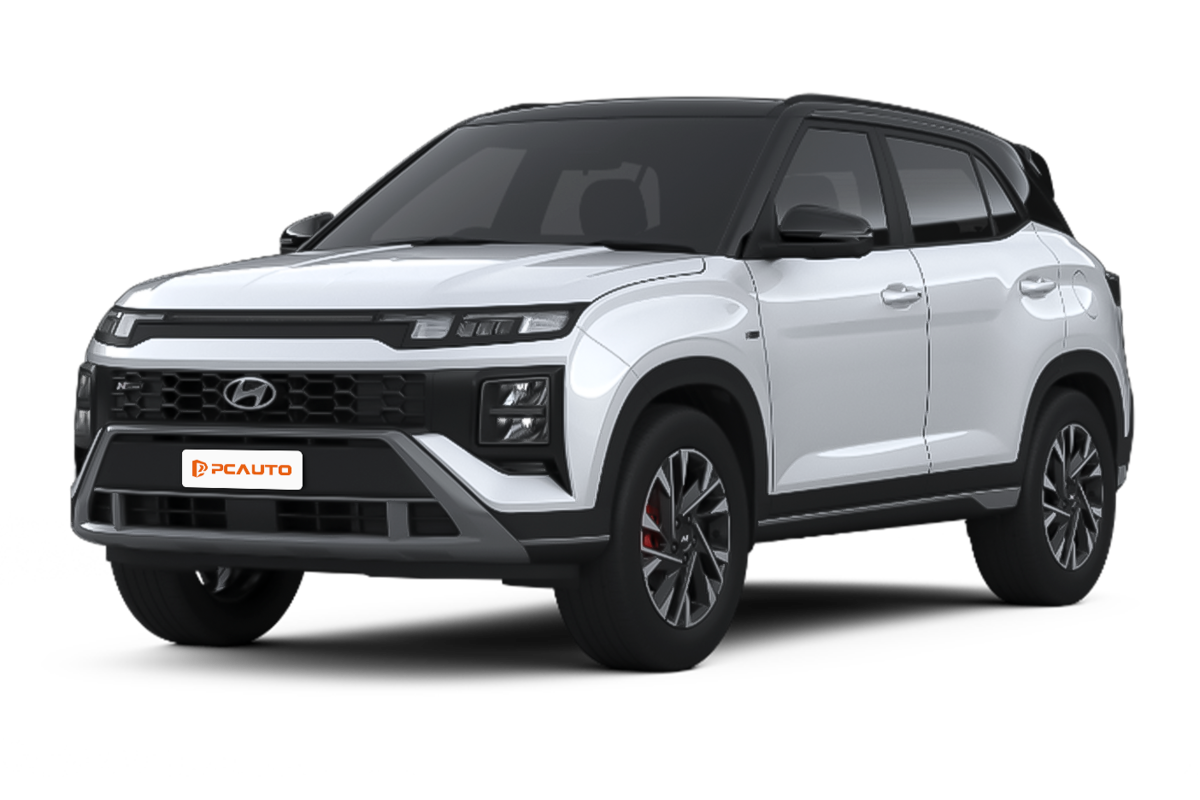
Cars With Similar Price And Features

1
Rank in SUV
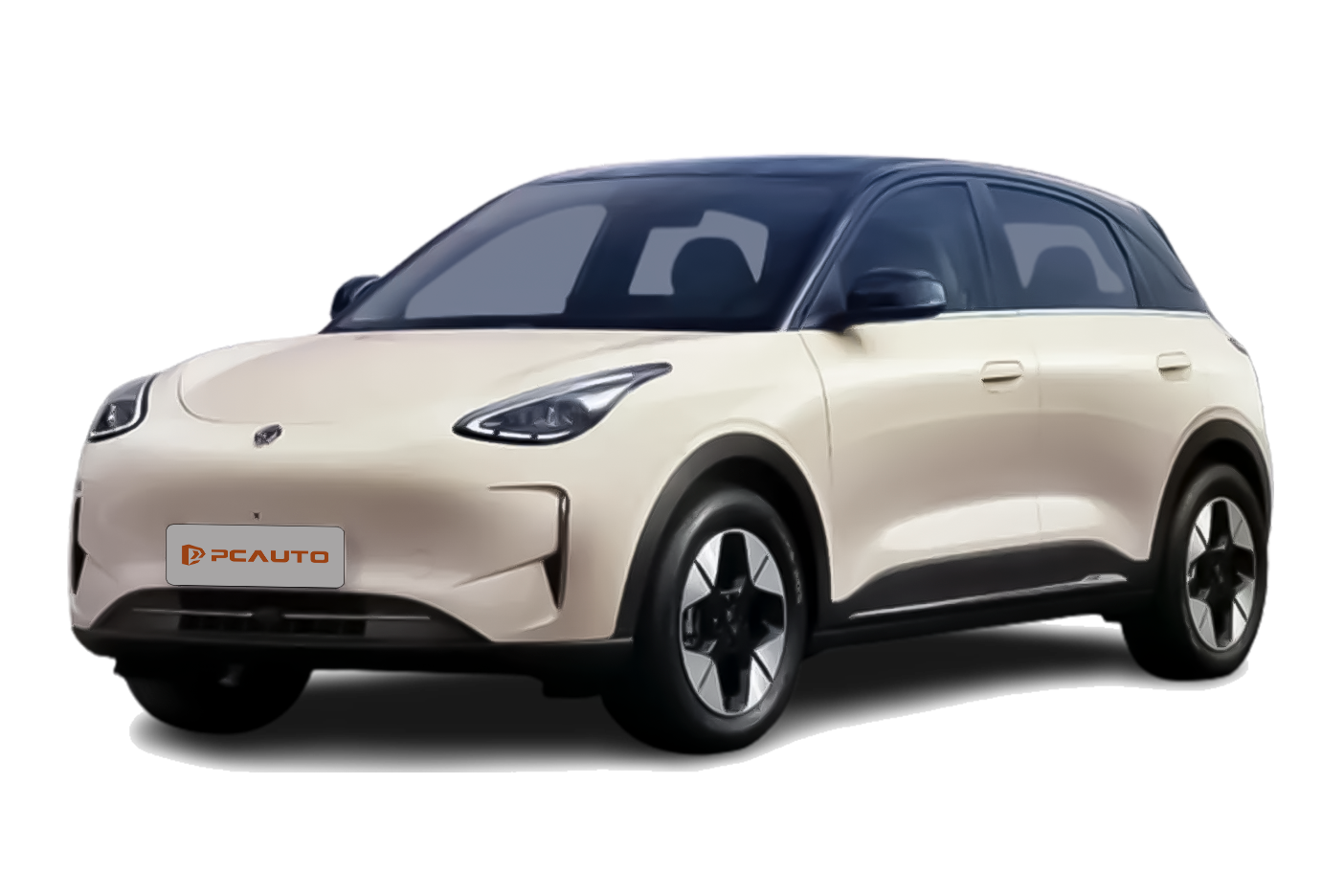
2025 Proton e.Mas 5 Prime is Proton's first entry-level pure electric C-Segment model, priced from 56,800 MYR to target the sub-100,000 MYR market, balancing practical features with commuting range.
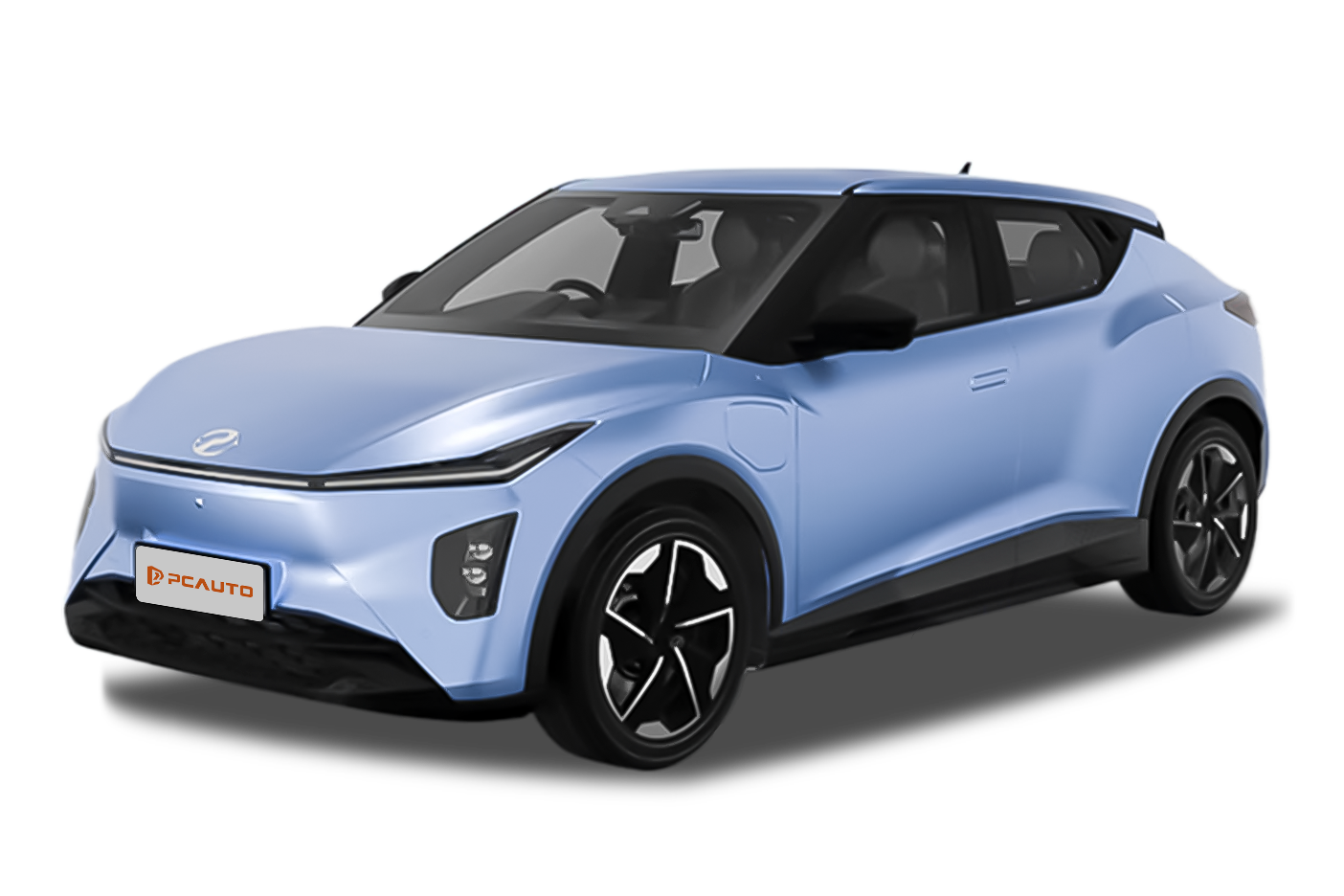
The 2025 Perodua QV-E is an affordably priced, practically ranged class-C pure electric vehicle, precisely tailored for family users and young commuters with its high safety features, spacious interior, and agile driving dynamics.
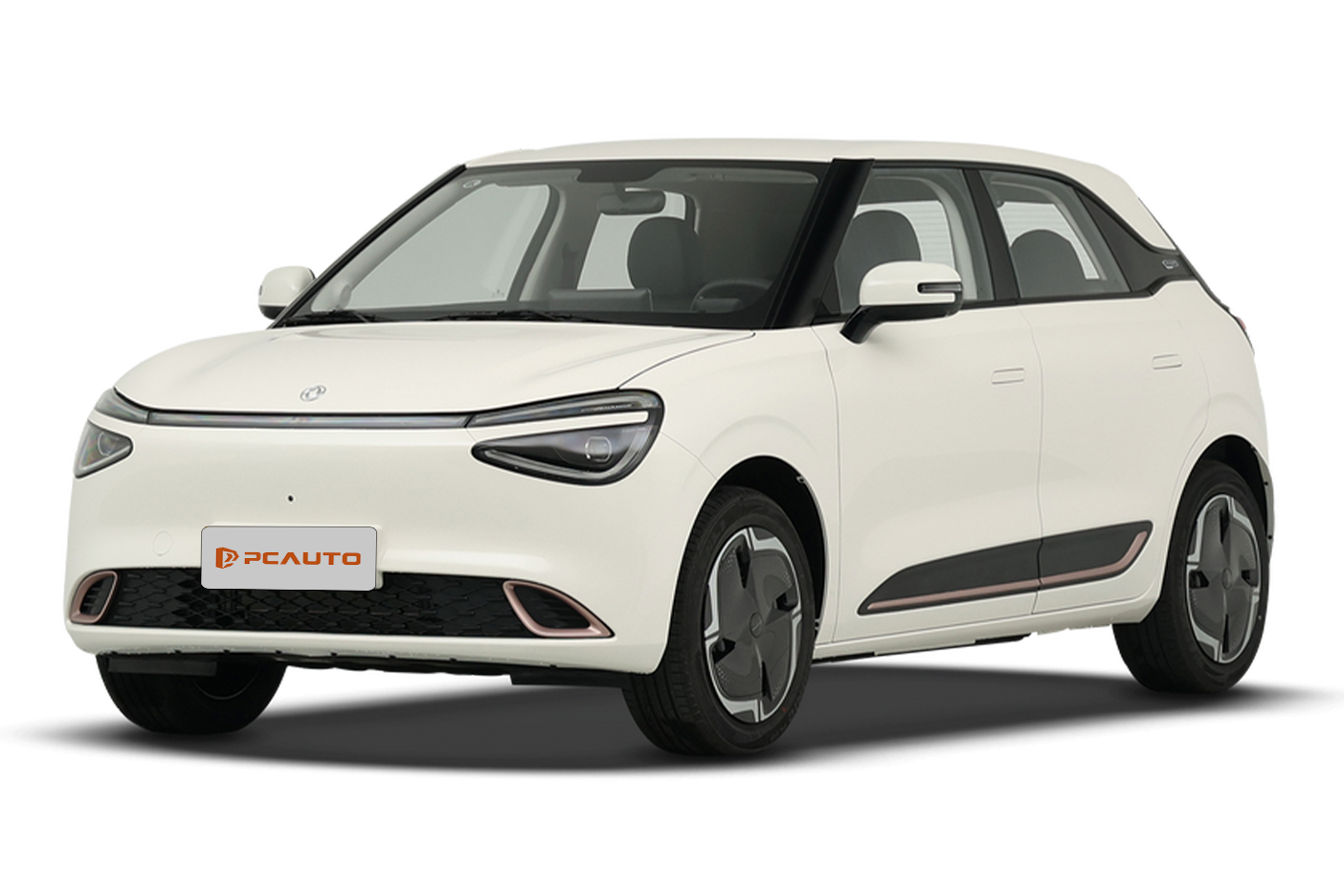
2024 DFSK Box E2 is a household pure electric vehicle in Malaysia priced at around 100,000 Ringgit, featuring a 330 km range, 12.8-inch large screen, and practical space as its main selling points, catering to both commuting and family needs.
30
Rank in SUV
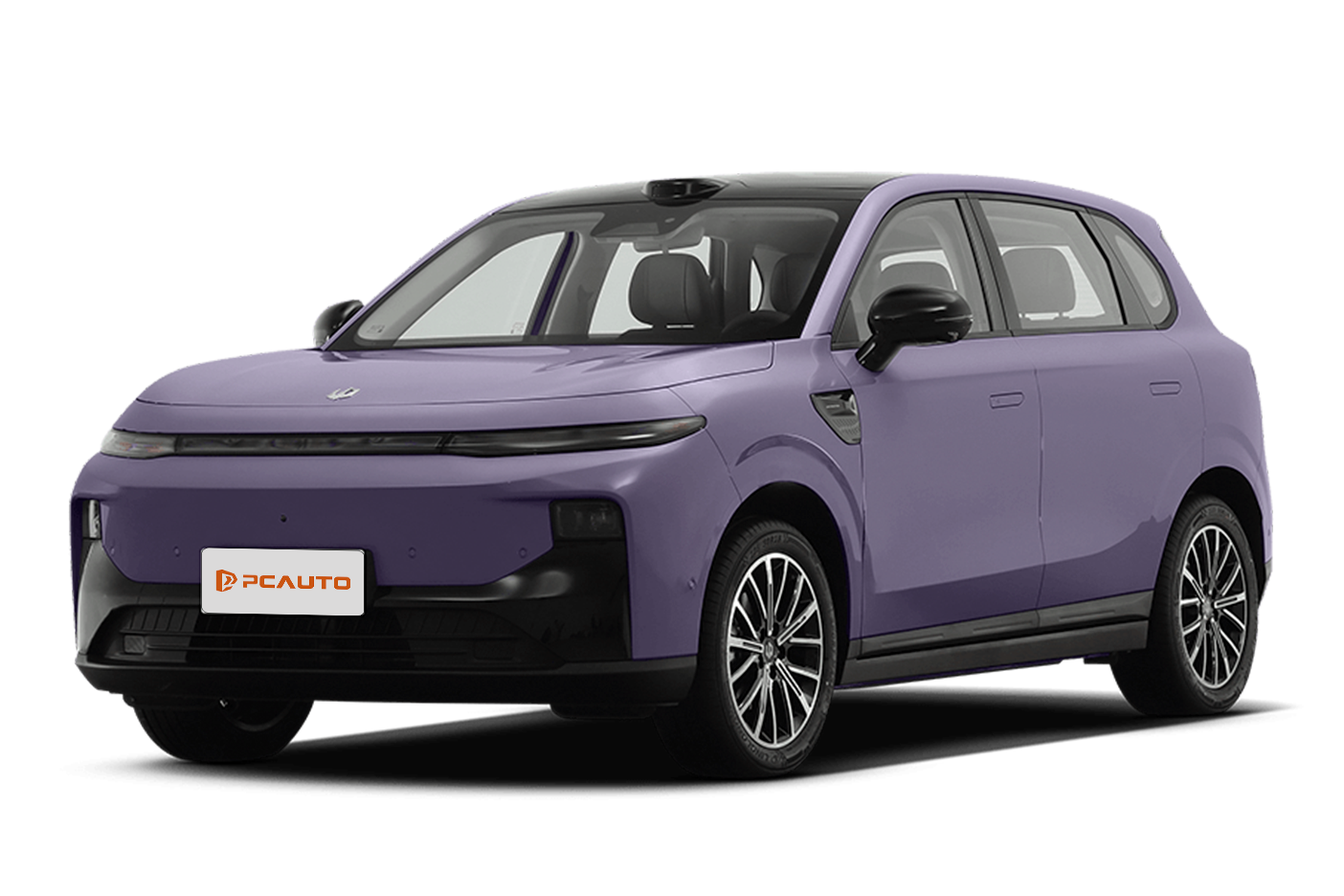
2025 Leapmotor B10 LIFE is a 100,000-level pure electric C-class SUV, equipped with standard L2 assisted driving and other practical features. It offers spacious interior and solid range, making it a go-to choice for family users.