

Hyundai Tucson 2010 Review

 Share
Share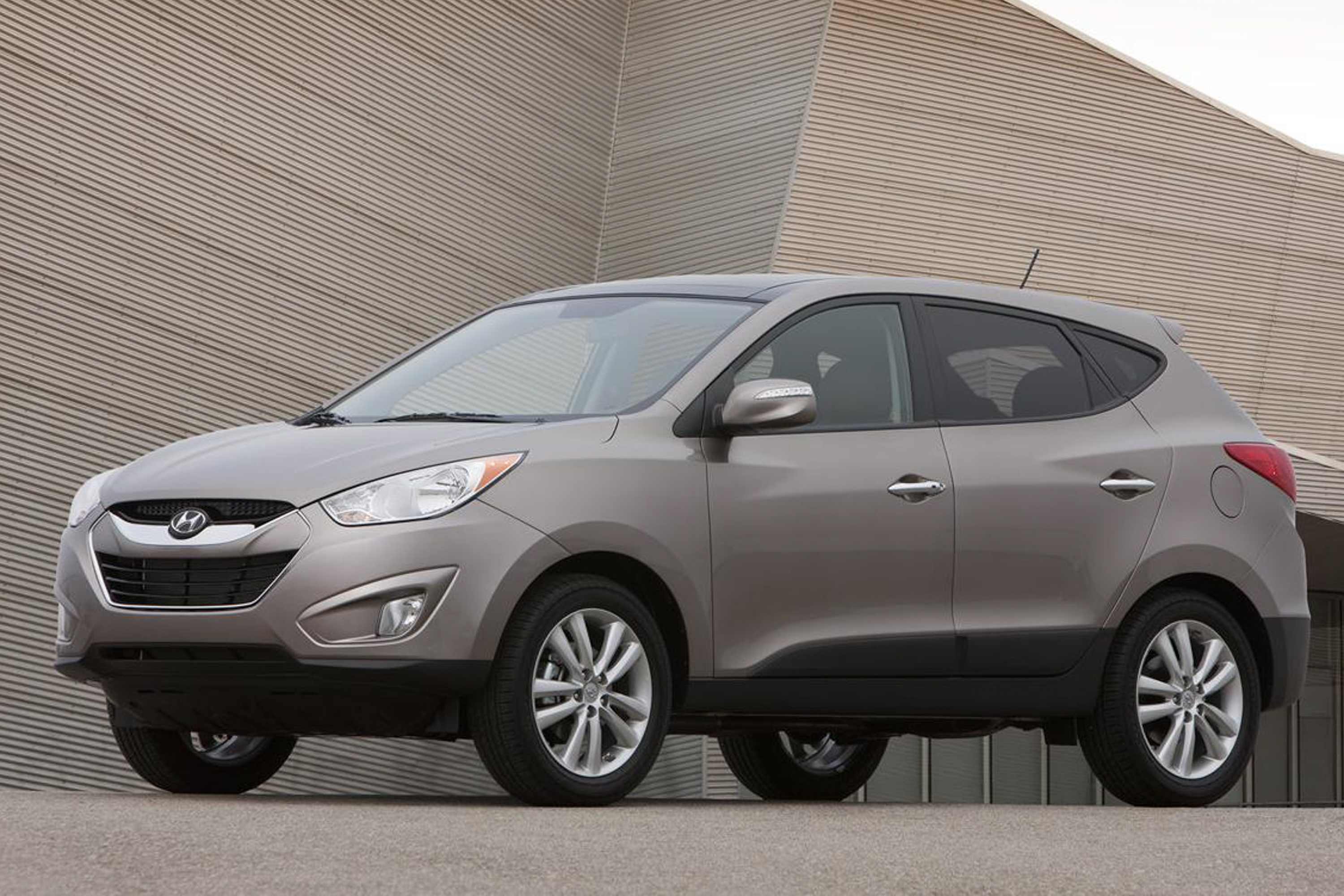
 Body Type
 Segment
 Capacity(L)
 Engine Power(PS)
 Engine Torque(Nm)
 Transmission
In recent years, the compact SUV market has been continuously heating up, and consumer demand for such vehicles has been gradually shifting toward "family-oriented" functionality — balancing daily commute efficiency with space and practicality for family outings. As one of the popular choices in this segment, the 2010 Hyundai Tucson public attracts considerable attention with its balanced configuration and pragmatic positioning. This time, we will comprehensively evaluate this car's performance from static design to dynamic driving to see if it truly meets the core needs of family users.
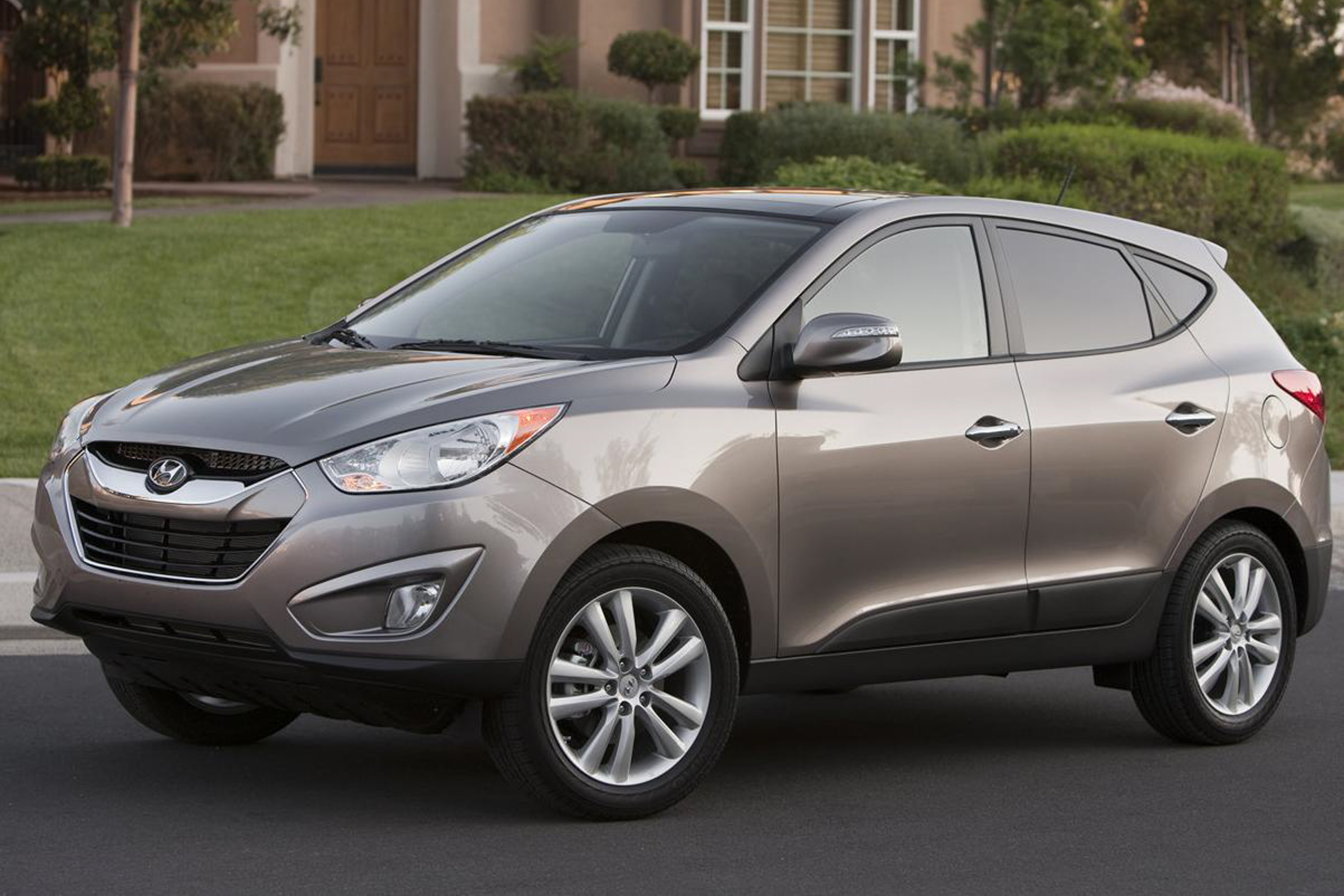
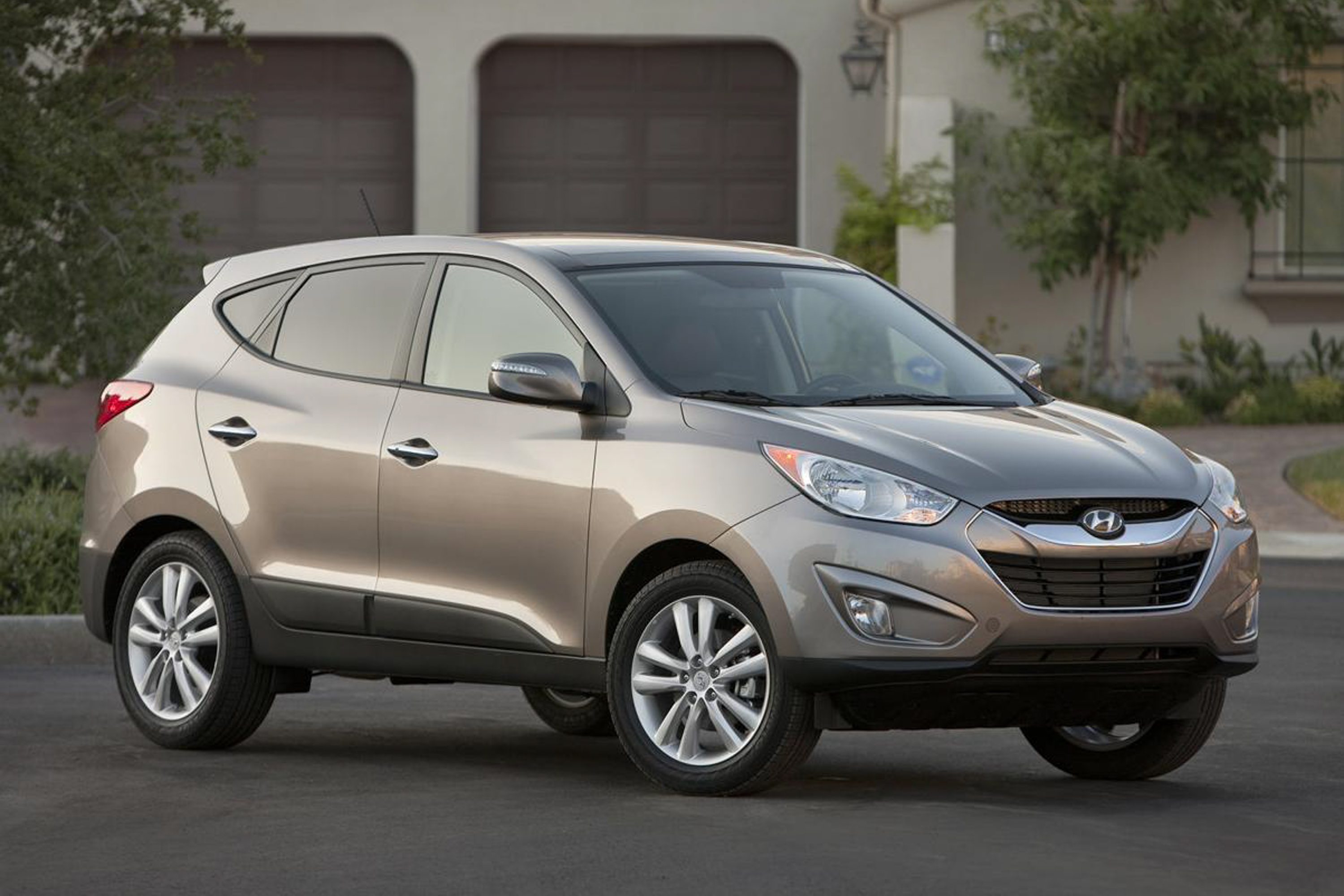
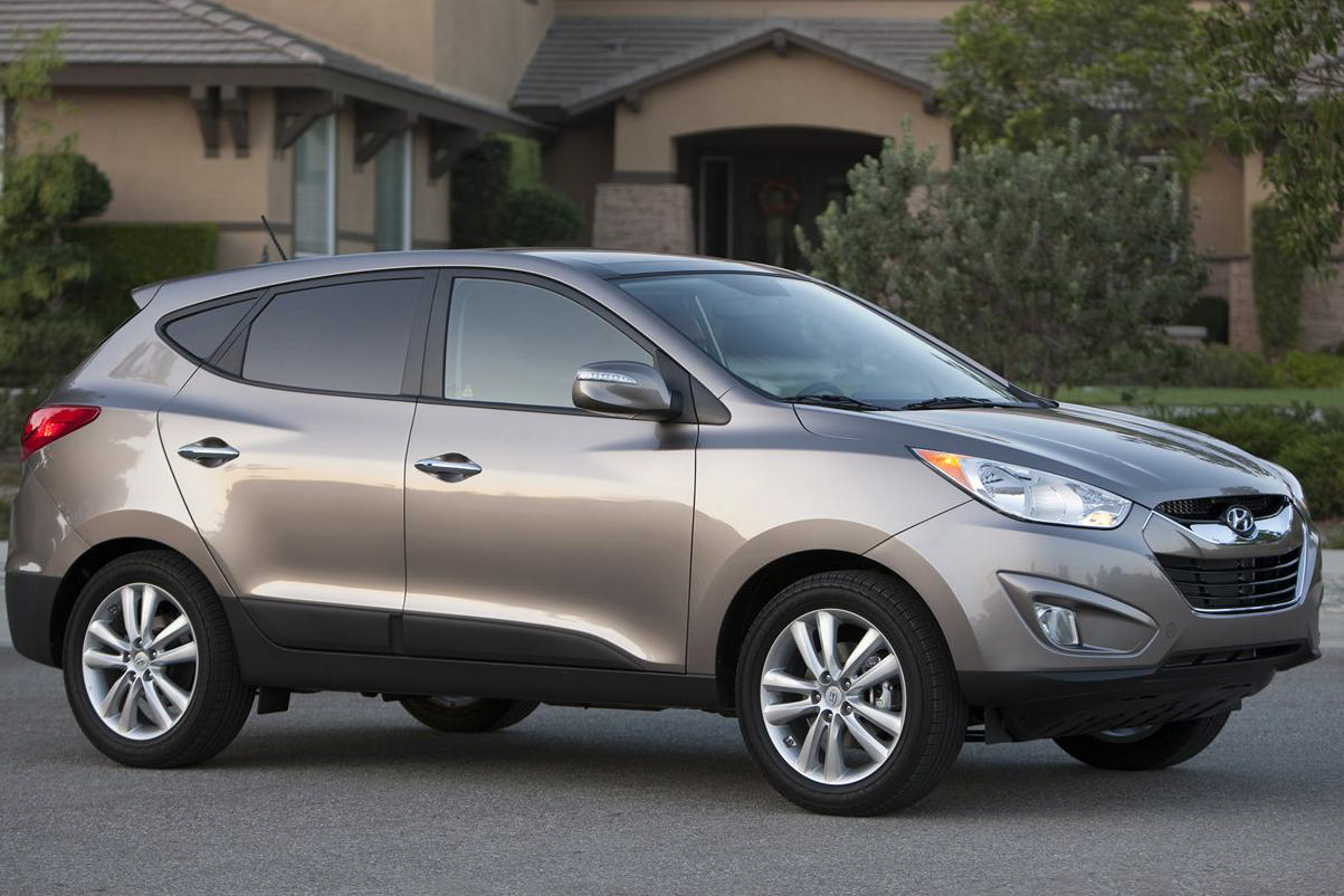
In terms of exterior design, the 2010 Tucson public adopts Hyundai's early "Fluidic Sculpture" design language, which combines a rounded and stylish look. At the front, the six-sided chrome-framed grille connects seamlessly with the angular headlights, giving the vehicle a wider visual presence; the trapezoidal air intake on the lower bumper, along with the fog lamp sections on both sides, adds more depth to the front appearance. On the side, two contour lines extend from the front fenders to the rear. One runs through the door handles, while the other rises slightly along the lower section of the doors. These lines enhance the side proportions and keep the design from looking too monotonous. At the rear, the design is relatively straightforward, with horizontally arranged taillights connected by a chrome trim and complemented by a slightly raised spoiler. The overall look is balanced and easy on the eyes. For lighting, the headlights use halogen bulbs, which deliver average brightness during nighttime but are sufficient for daily use. The taillights employ LED lighting, offering high recognizability when lit.
Stepping inside, the interior layout prioritizes functionality, with a color scheme of light and dark tones that exude a calm and classy atmosphere. The upper portion of the dashboard is made mostly of hard plastic, but key touch points such as the armrest and the inner sides of the door panels are covered with soft materials, avoiding an overly cheap feel. The 7-inch touchscreen display positioned on the dashboard is appropriately sized, offers acceptable responsiveness, and supports Bluetooth connectivity and smartphone mirroring functions, meeting basic multimedia demands. Below the screen, the physical buttons are arranged clearly, and the air conditioning control area features a combination of knobs and buttons, providing good feedback for blind operations. As for the seats, the front seats are manually adjustable, with soft padding on the cushions and backrests offering average support, though they remain comfortable enough for extended seating. The rear seats have adjustable backrest angles and are equipped with a center headrest and seatbelt, ensuring comfort for full-capacity rides.
Space performance is one of the core metrics for family SUVs, and the 2010 Tucson public has a body size of 4420mm×1850mm×1660mm with a wheelbase of 2670mm, placing it slightly above average among its class. The front-row passenger space is ample; a test driver standing 175cm tall still has a headroom clearance of one fist and two fingers after adjusting the seating. The rear-row space also performs well, with about two fists of legroom and headroom clearance of one fist, ensuring that seating three adults simultaneously does not feel overly cramped. In terms of storage capability, the door pockets, central armrest box, and front cup holders all provide decent capacity. The trunk has a standard volume of 488L, which can be expanded to 1478L by folding down the rear seats, making it easy to store larger items such as strollers or suitcases. Additionally, the rear seats come with independent air vents and USB charging ports, reflecting thoughtful attention to detail.
In terms of power, the test drive model is equipped with a 2.0L naturally aspirated engine, delivering a maximum power of 156 horsepower and a peak torque of 192 Nm, paired with a 6-speed automatic manual transmission. During actual driving, the power response at the start is relatively mild, and the throttle pedal is calibrated for linearity, avoiding any abrupt jerking sensation. At low and medium speeds, the gear shifting logic of the transmission is clear, and its smoothness is commendable, with no noticeable jolts. When overtaking is needed, pressing the throttle deeply prompts a rapid downshift in the transmission, resulting in a brief burst of power, although the reserve for acceleration in the later stage is not particularly ample, and the ability for further acceleration during high-speed driving is average. The driving modes include Economy, Normal, and Sport. Switching to Sport mode enhances throttle sensitivity, and the transmission's shift timing is delayed, but the improvement in overall power performance is limited.
Regarding handling and suspension, the steering wheel has a moderate level of resistance with minimal dead zones and decent accuracy, making it relatively effortless during daily driving. The suspension system combines front MacPherson independent suspension and rear multi-link independent suspension, tuned toward comfort. When driving over speed bumps or on bumpy roads, the suspension absorbs most of the minor vibrations effectively, keeping the vehicle's body stable; however, during rapid cornering, the body leans noticeably, and the support could be improved. As for braking, the pedal feels linear, and the braking force is released evenly, giving a good sense of confidence during emergency braking. In terms of fuel efficiency, after testing across urban congestion and highway sections, the combined fuel consumption is about 8.5L per 100 kilometers. For a 2.0L SUV, this performance is considered average.
In terms of ride comfort, the vehicle's noise control performance is average. At low speeds, tire and engine noise are not very pronounced, but at higher speeds, wind and tire noise become more noticeable, though still within an acceptable range. The seats, as previously mentioned, are soft and reduce fatigue over long periods of sitting. Additionally, the air conditioning system provides efficient cooling, and the rear independent air outlets ensure a balanced temperature throughout the cabin.
Overall, the core advantages of the 2010 Hyundai Tucson public lie in its balanced space performance and practical configurations. Although its power and handling are not particularly outstanding, it fully meets the daily needs of family users. Compared to competing models in the same segment, its price threshold is relatively lower, making it a cost-effective choice. This car is more suitable for families prioritizing practicality in space, with a limited budget, and seeking stability and reliability, especially for those who frequently travel with family members. If you do not place a high demand on performance and simply want an SUV that can balance commuting and family outings, then the 2010 Tucson public would be a good choice.
Hyundai Tucson Car Compare
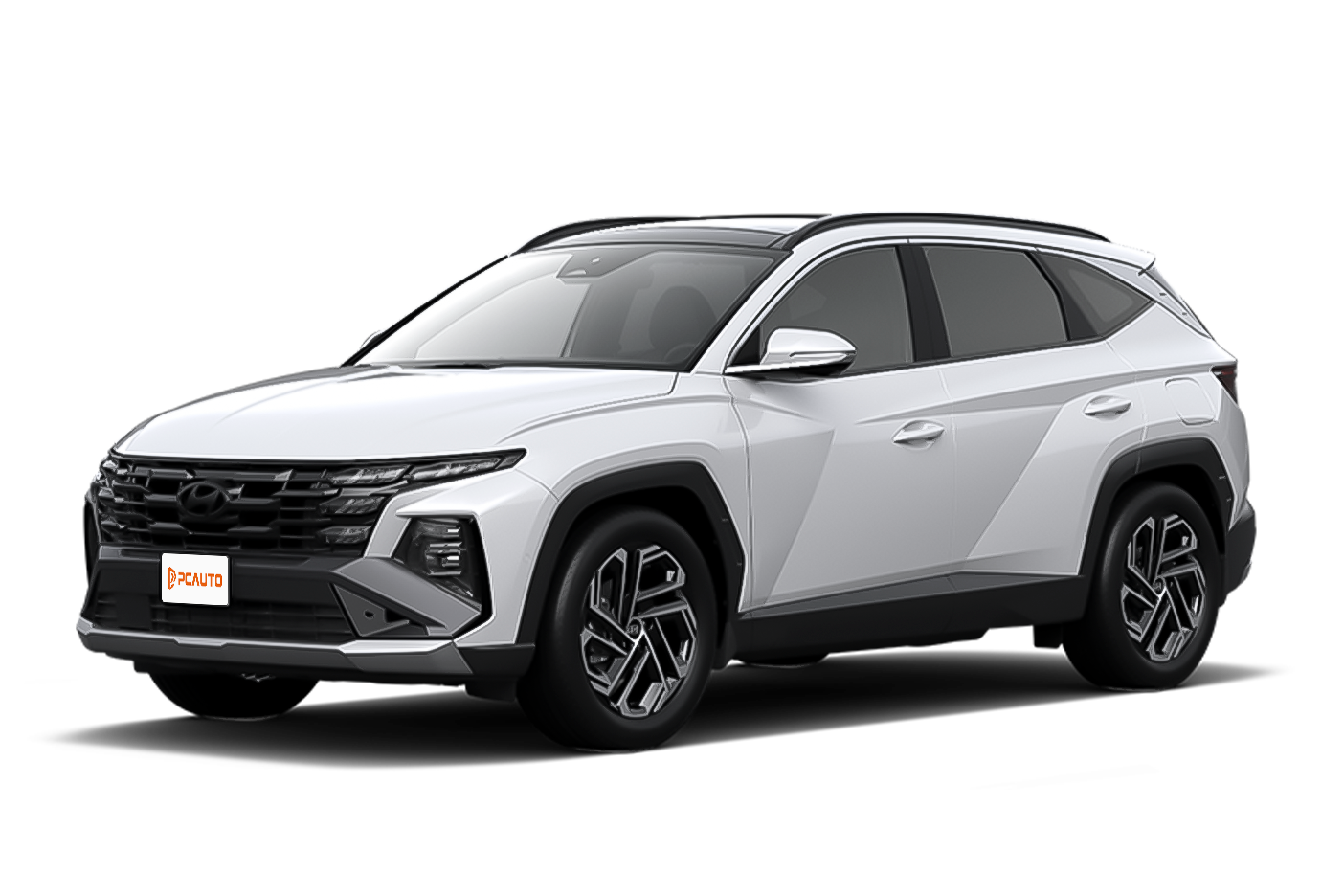
More Hyundai Reviews
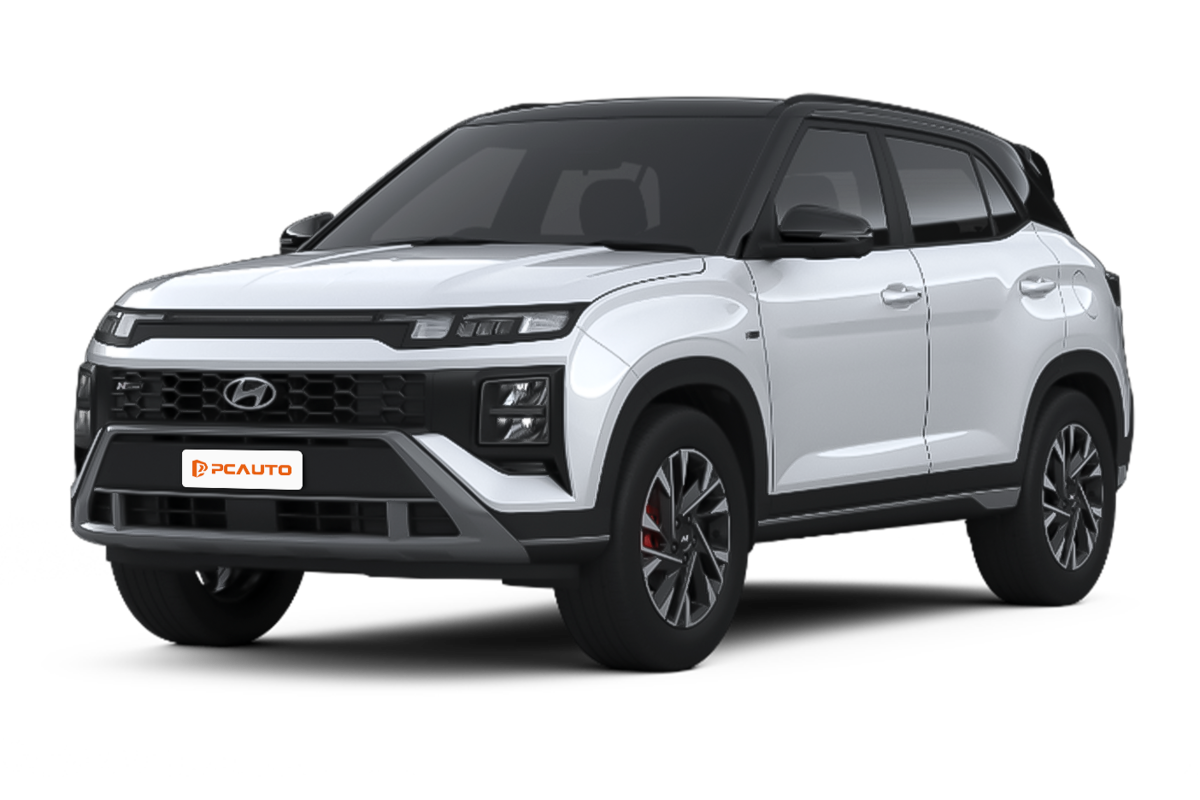
Cars With Similar Price And Features
8
Rank in SUV
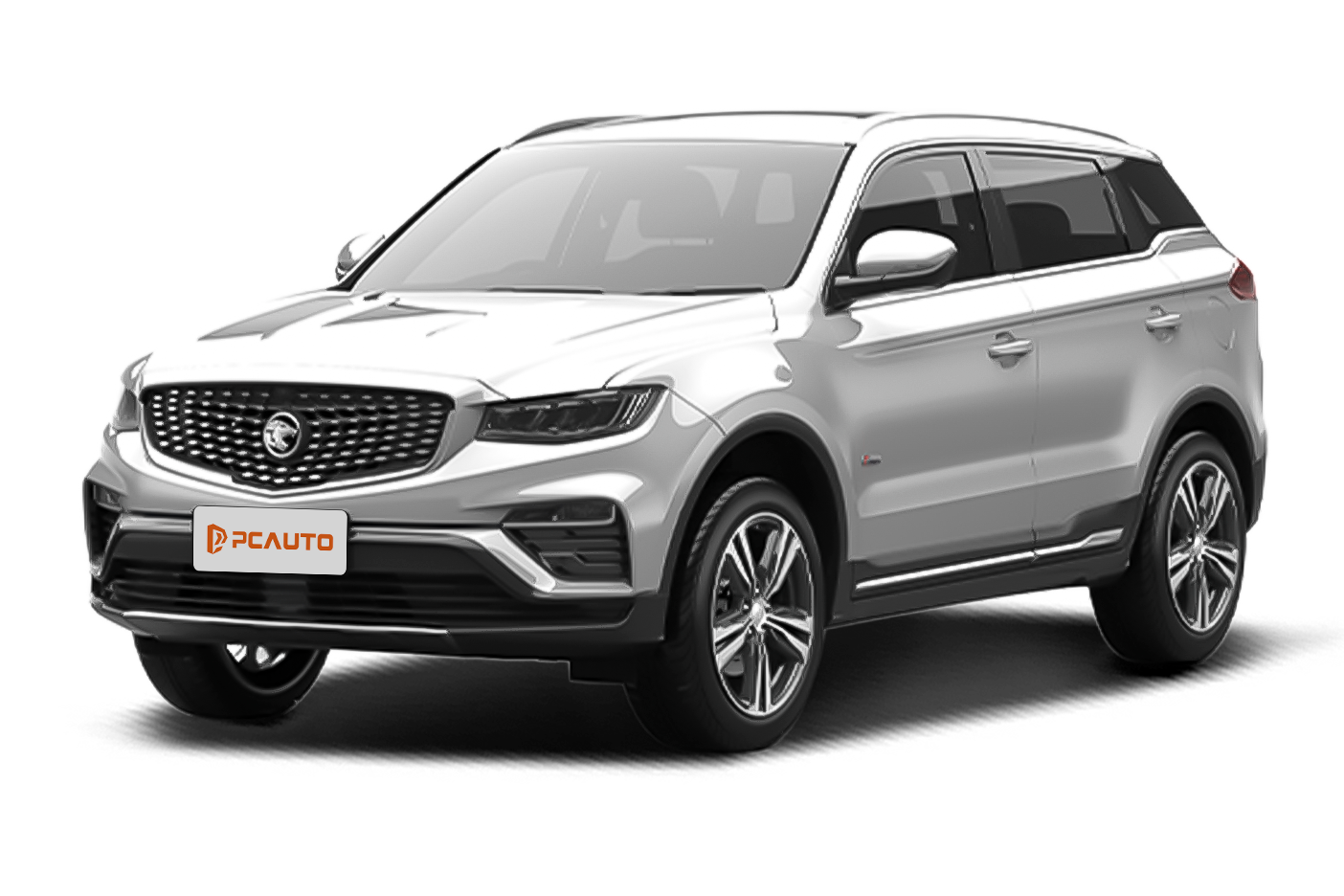
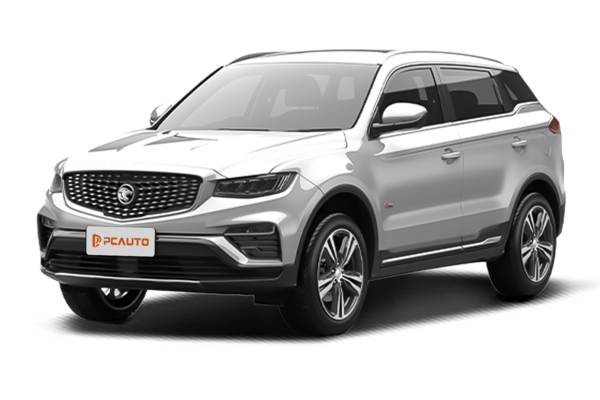
2026 Proton X70 1.5 TGDi Executive focuses on upgrading to a four-cylinder engine, practical configurations, and affordable pricing. It balances family commute practicality with value for money, making it a sensible choice among similarly priced C-segment SUVs.
10
Rank in SUV
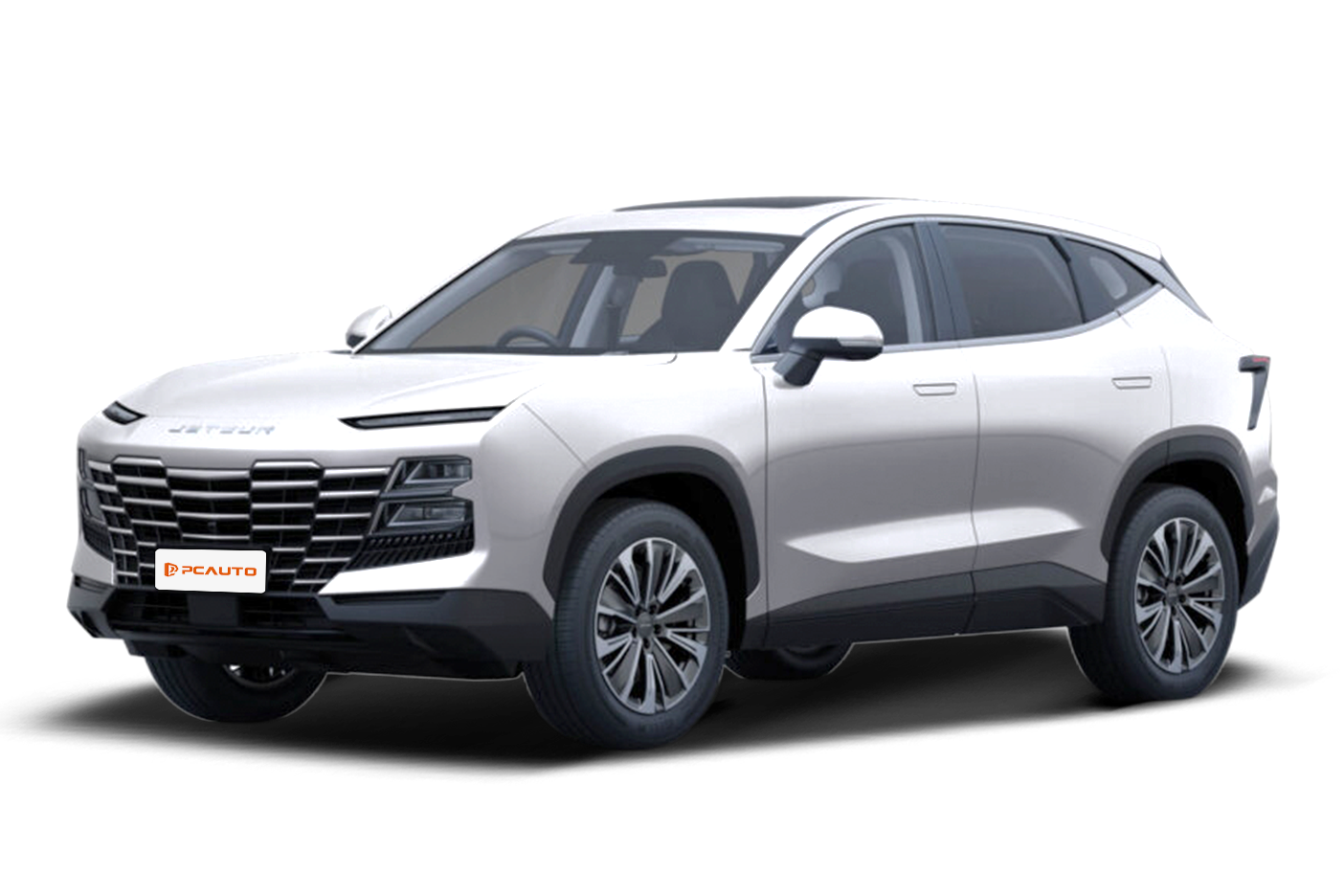
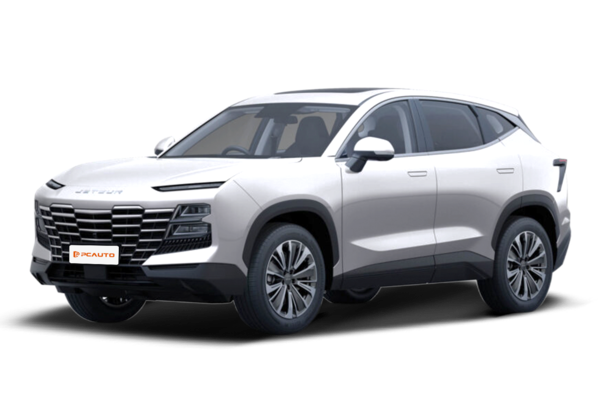
Jetour Dashing 1.5 TCI Comfort 2025 features a 2720mm long wheelbase and a 10.25-inch dual screen as its core, focusing on balanced cost performance to meet family practical needs.
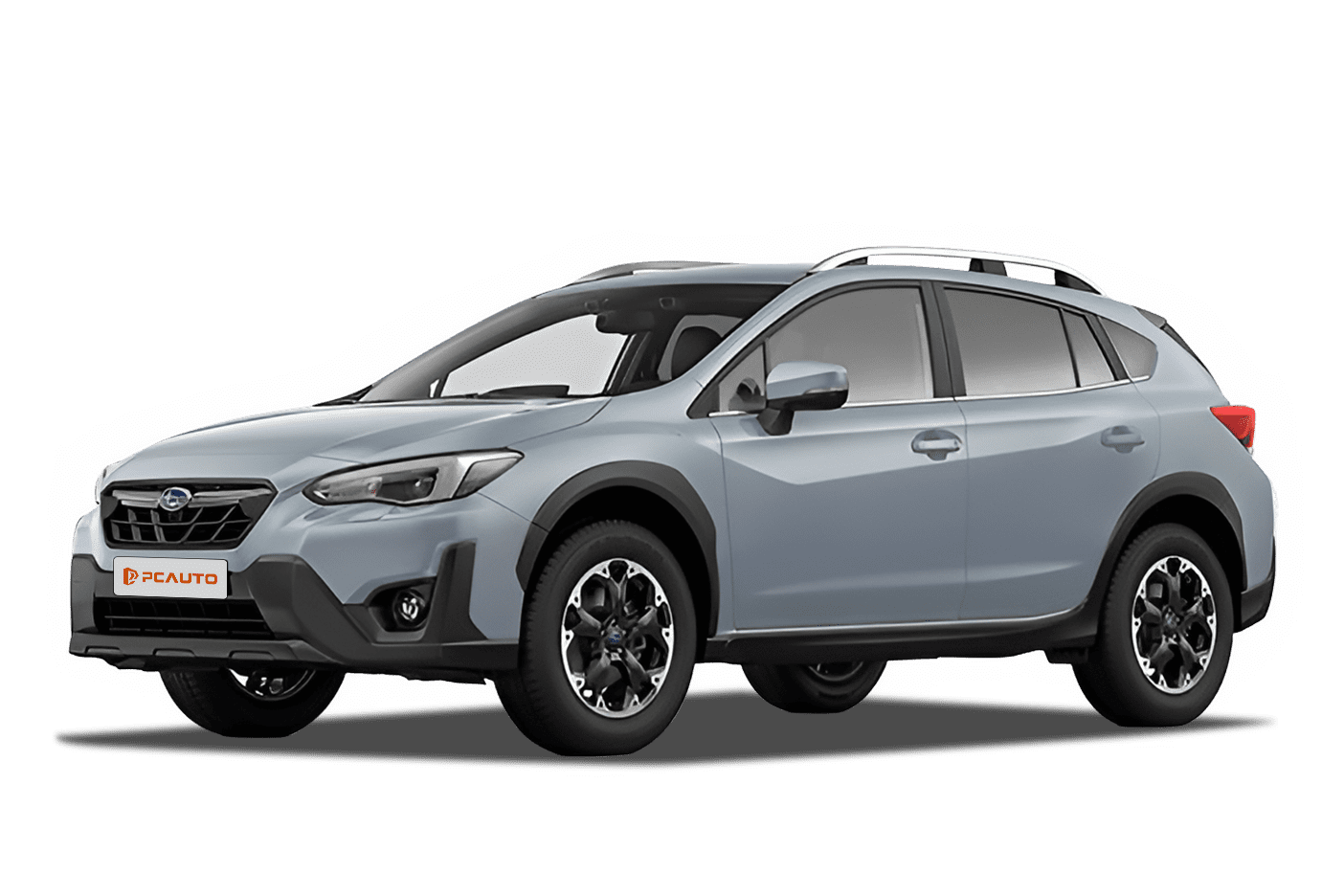
The 2021 Subaru XV 2.0i is a model targeting the C-segment crossover market, equipped with standard all-wheel drive and high safety features, balancing off-road capability and handling, with practical space.

2021 Hyundai Kona 2.0 Standard, as a high-value entry-level compact SUV, retains essential safety and practical features with an affordable price, meeting the daily commuting and loading needs of families.