

Hyundai Tucson 2019 Review

 Share
Share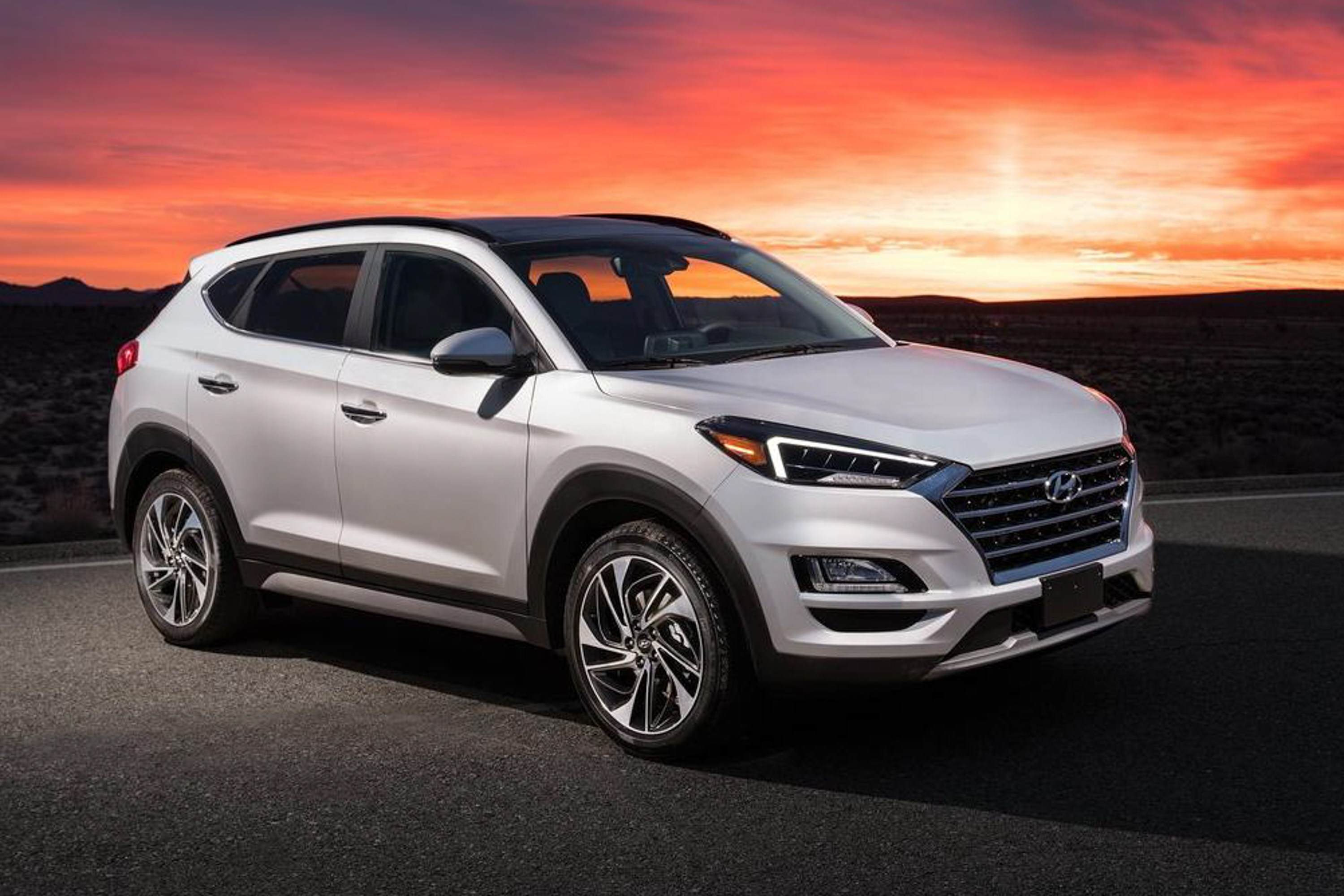
 Body Type
 Segment
 Capacity(L)
 Engine Power(PS)
 Engine Torque(Nm)
 Transmission
The compact SUV market in Malaysia has always been a competitive space for family users and young consumers. The 2019 Hyundai Tucson public, as one of the popular models in this segment, has attracted considerable attention with its balanced configurations and practical design. The main purpose of this test drive is to evaluate its real-world performance in daily use—whether it's the comfort of city commuting or the practicality of space for weekend family outings, these aspects need to be validated through actual experience.
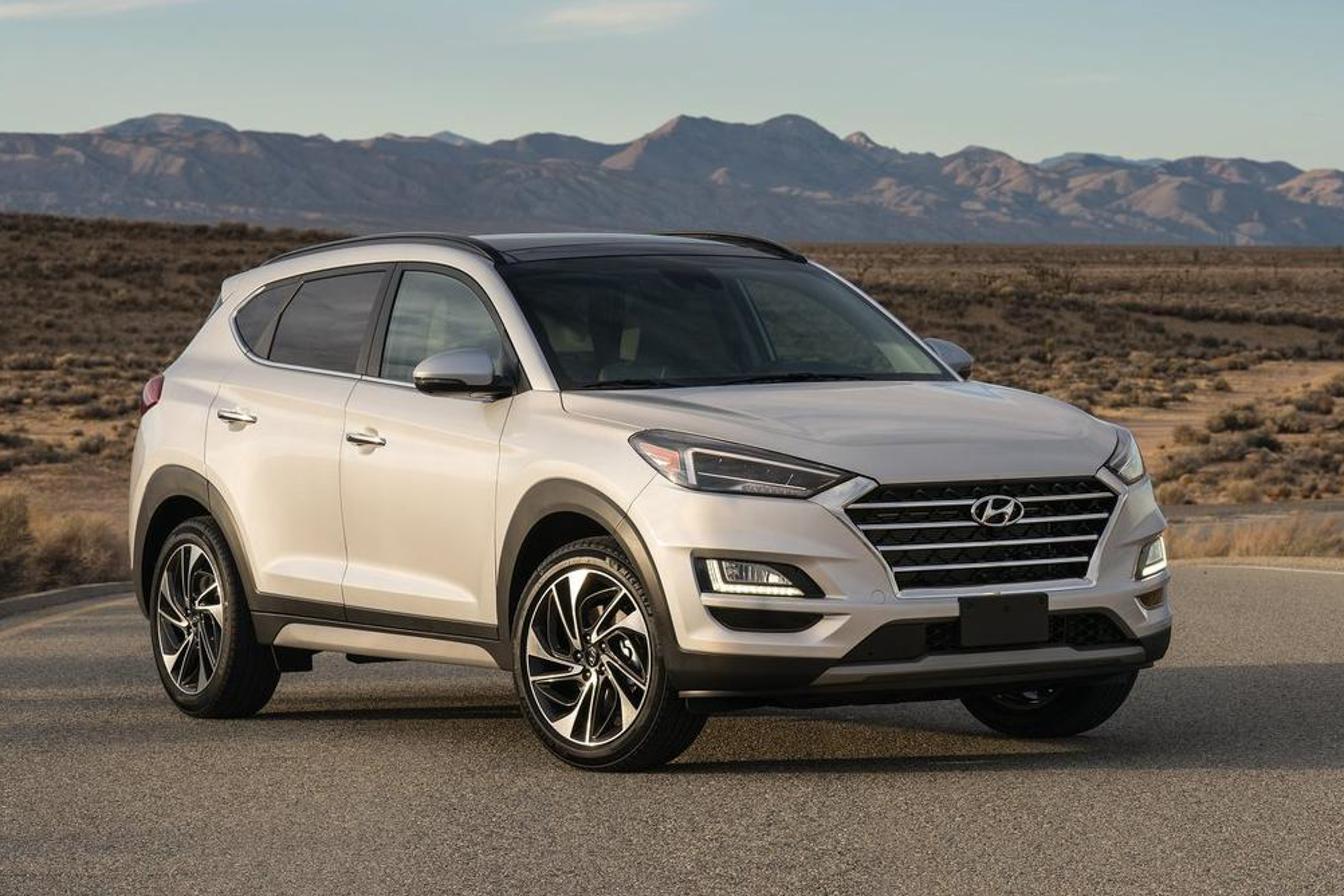
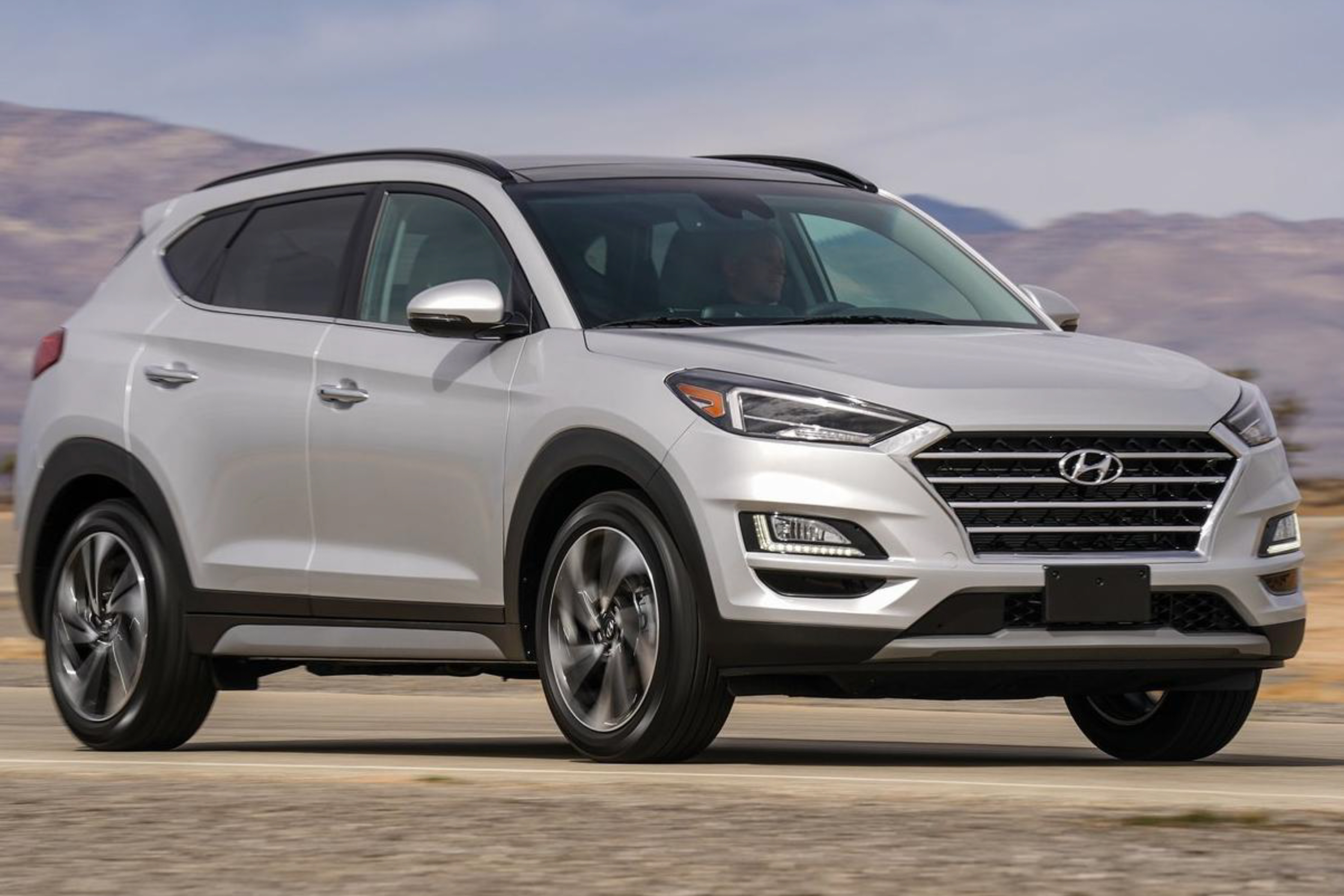
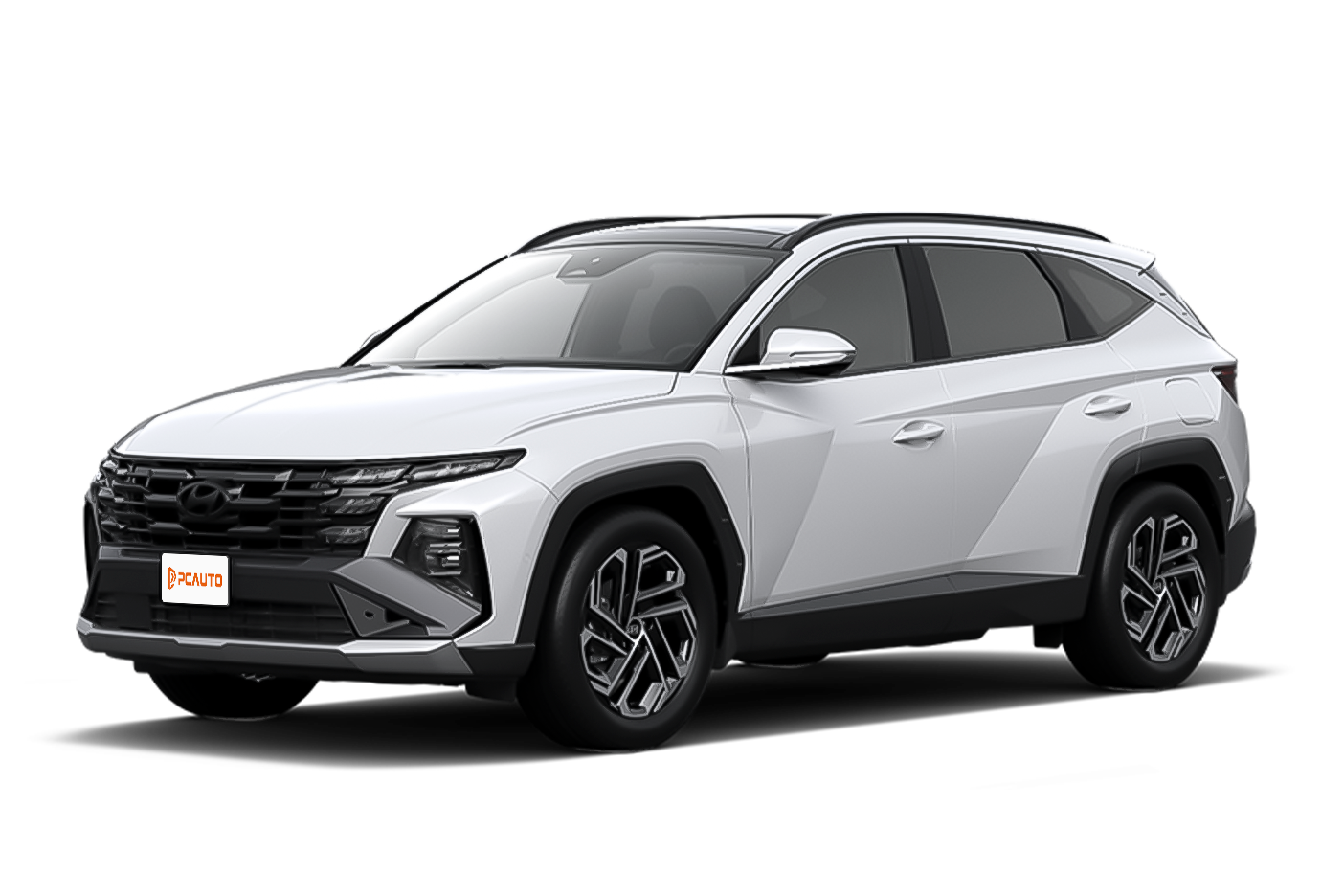
From an exterior perspective, the design of the 2019 Tucson public leans towards being stable but not lacking in details. The front features the family-style hexagonal grille, filled with multiple horizontal chrome strips, complemented by sharp LED headlights on both sides, giving it high overall recognition. The side profile showcases smooth lines, with a waistline extending from the front fender to the rear, making the body look sleeker. The 17-inch aluminum alloy wheels have a standard design, aligning with its family-oriented positioning. At the rear, the integrated taillight assembly is the visual focus, offering clear effects when lit. The silver skid plate below the rear bumper adds a touch of SUV ruggedness. In terms of lighting systems, besides the LED headlights, the front fog lights and daytime running lights also use LED sources, providing sufficient practicality for nighttime driving.
Sitting inside, the interior style focuses on simplicity. The dashboard is wrapped in soft-touch materials; although not luxurious to the touch, the workmanship is relatively well-done. The center console area is equipped with an 8-inch touchscreen display that supports Apple CarPlay and Android Auto connectivity. The operation smoothness is decent, and it meets basic daily needs for navigation and music playback. The seats are covered in leather, with the front seats supporting manual adjustment. The support of the backrest and seat cushion is adequate, making long hours of sitting not particularly tiring. In terms of features, automatic air conditioning, keyless entry/start, and a reverse camera are standard, meeting basic needs for family users.
Space performance is one of the Tucson public's advantages. With dimensions of 4475mm×1850mm×1660mm and a wheelbase of 2670mm, it belongs to the larger end of the compact SUV category. The front-row seating space is spacious, with a height of 180cm passenger having about a fist's worth of headroom after adjusting the seating position. The rear legroom offers approximately two fists' space, and headroom is about one fist. Even with three adults fully seated in the rear, it doesn’t feel cramped. In terms of storage, the central armrest box has a large capacity, the door storage compartments can hold two bottles of mineral water, and the rear central armrest comes with cup holders, ensuring practicality. The trunk has a standard volume of 488L, which can be expanded to 1478L by folding the rear seats down. It’s sufficient to accommodate a stroller or luggage.
As for the engine, this test drive features the 2.0L naturally aspirated engine variant, delivering a maximum power of 152Ps and a peak torque of 192N·m, paired with a 6-speed automatic transmission. During daily driving, the power output is smooth, without noticeable sluggishness during startup. When accelerating to 80km/h, the power response is timely, meeting the demands of city commutes. On highways, pressing the gas pedal firmly causes the transmission to downshift and accelerate, but the power reserve at higher speeds is not abundant, requiring advance planning for overtaking. The transmission's shifting logic is clear, with minimal shift shock, providing a relatively comfortable driving experience.
The handling and chassis performance are tuned more towards a family-oriented setup. The steering feels moderately weighted with minimal play, providing decent directional accuracy during everyday lane changes and turns. The suspension system adopts a front MacPherson + rear multi-link independent setup, which effectively filters out minor road bumps. When going over speed bumps or uneven roads, the vehicle's vibrations are not overly stiff, maintaining a certain level of comfort. However, during fast cornering, the body roll is somewhat noticeable. After all, it’s a family SUV, and handling is not its primary focus.
Regarding fuel consumption, after a week of mixed city and highway driving, the measured fuel consumption is approximately 8.5L per 100 kilometers. For a 2.0L engine SUV, this figure is at the average level among its peers. It's not particularly fuel-efficient but also won't impose excessive fuel cost burdens on users. Noise control performance is average; the cabin remains relatively quiet at speeds below 60 km/h, but tire noise and wind noise gradually become apparent when exceeding 80 km/h, although they don’t affect normal conversations.
Overall, the core strength of the 2019 Hyundai Tucson public lies in its balance—practical space, sufficient features, and smooth driving, making it suitable for users prioritizing family needs. Compared to competitors like the Honda CR-V or Toyota RAV4, the Tucson public offers better value for money. While its power and brand premium may not match its rivals, its basic features and spaciousness are on par with the competition.
If you're looking for a daily commuting vehicle that can accommodate occasional family trips, the Tucson public is a pragmatic choice. It doesn’t have particularly standout highlights, but it also lacks significant shortcomings, adequately meeting the core needs of most family users. All in all, it’s a “just right” family SUV, ideal for consumers pursuing practicality and balance.
Hyundai Tucson Car Compare
More Hyundai Reviews
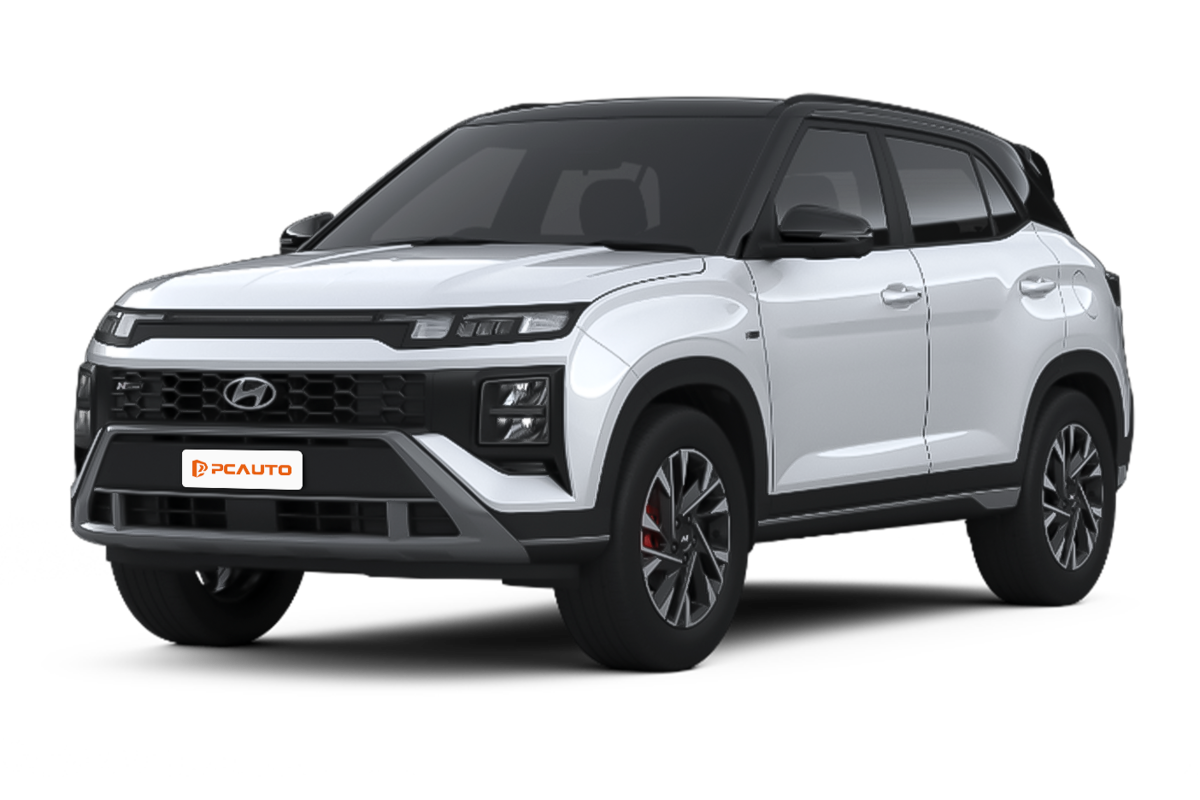
Cars With Similar Price And Features
8
Rank in SUV
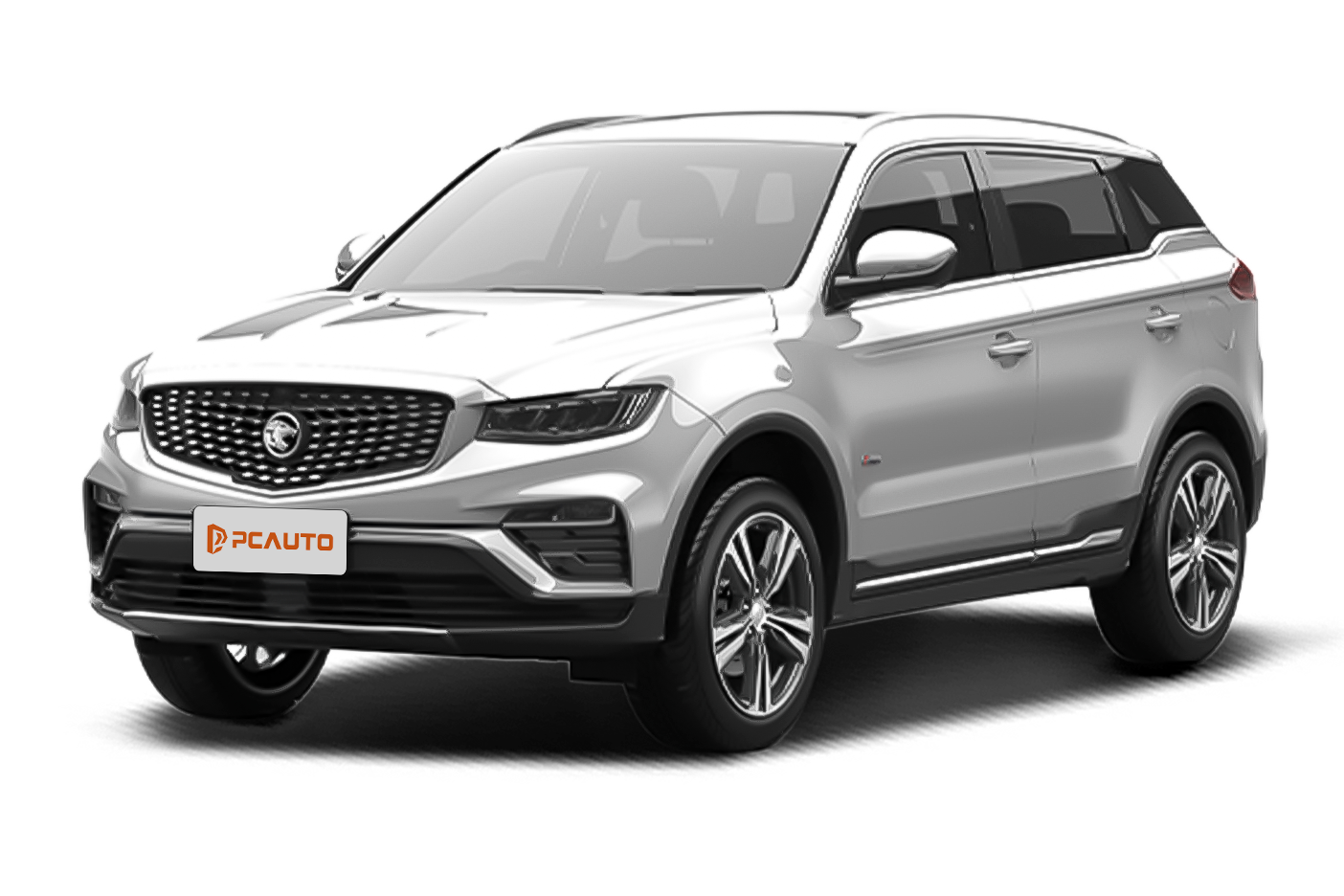
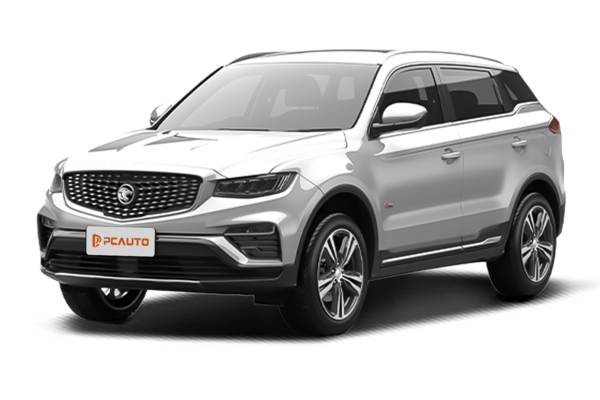
2026 Proton X70 1.5 TGDi Executive focuses on upgrading to a four-cylinder engine, practical configurations, and affordable pricing. It balances family commute practicality with value for money, making it a sensible choice among similarly priced C-segment SUVs.
10
Rank in SUV
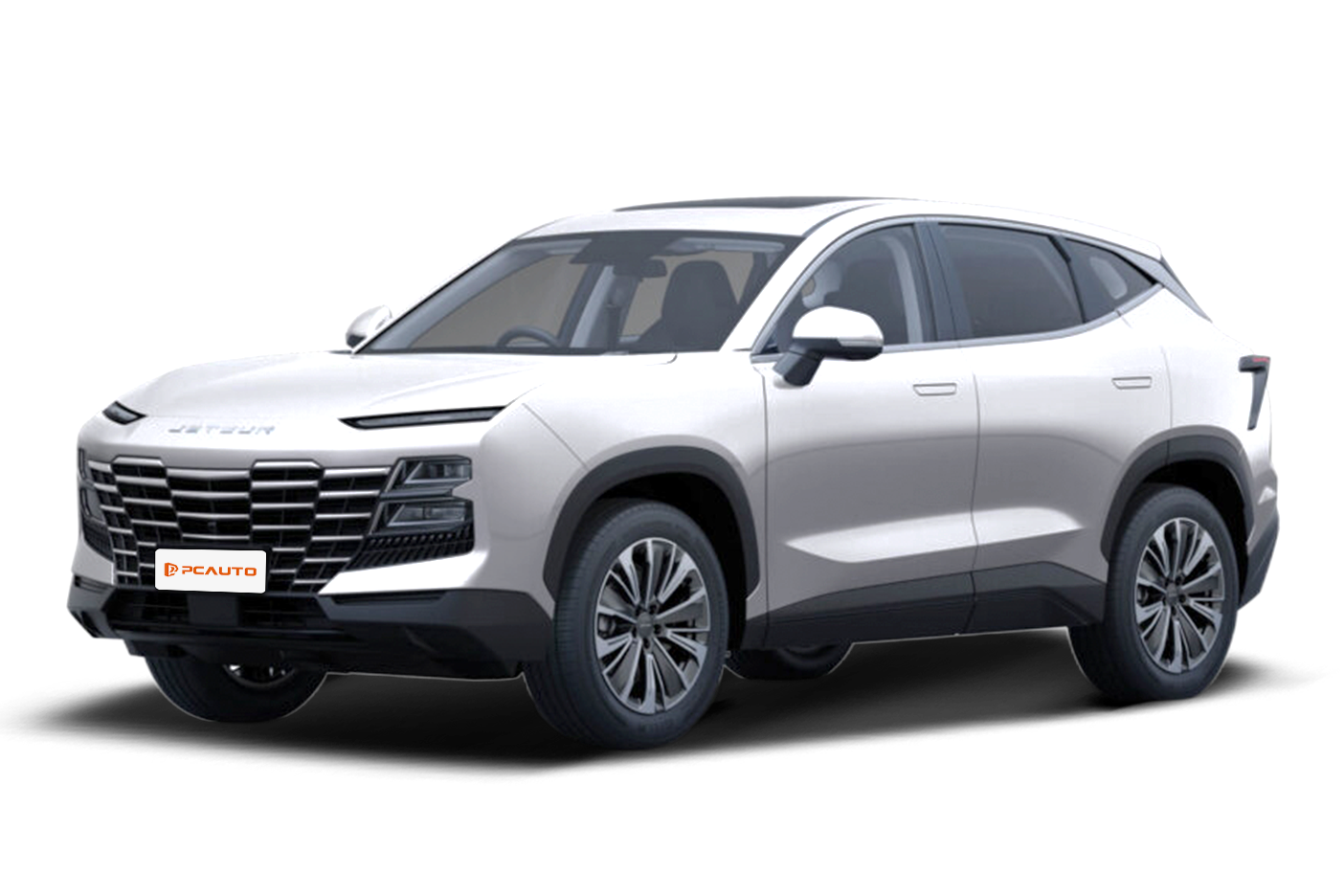
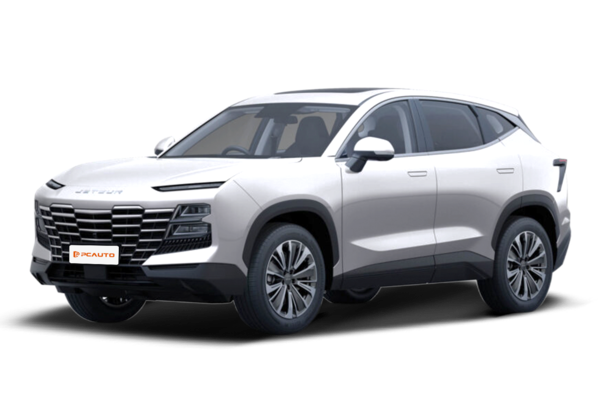
Jetour Dashing 1.5 TCI Comfort 2025 features a 2720mm long wheelbase and a 10.25-inch dual screen as its core, focusing on balanced cost performance to meet family practical needs.
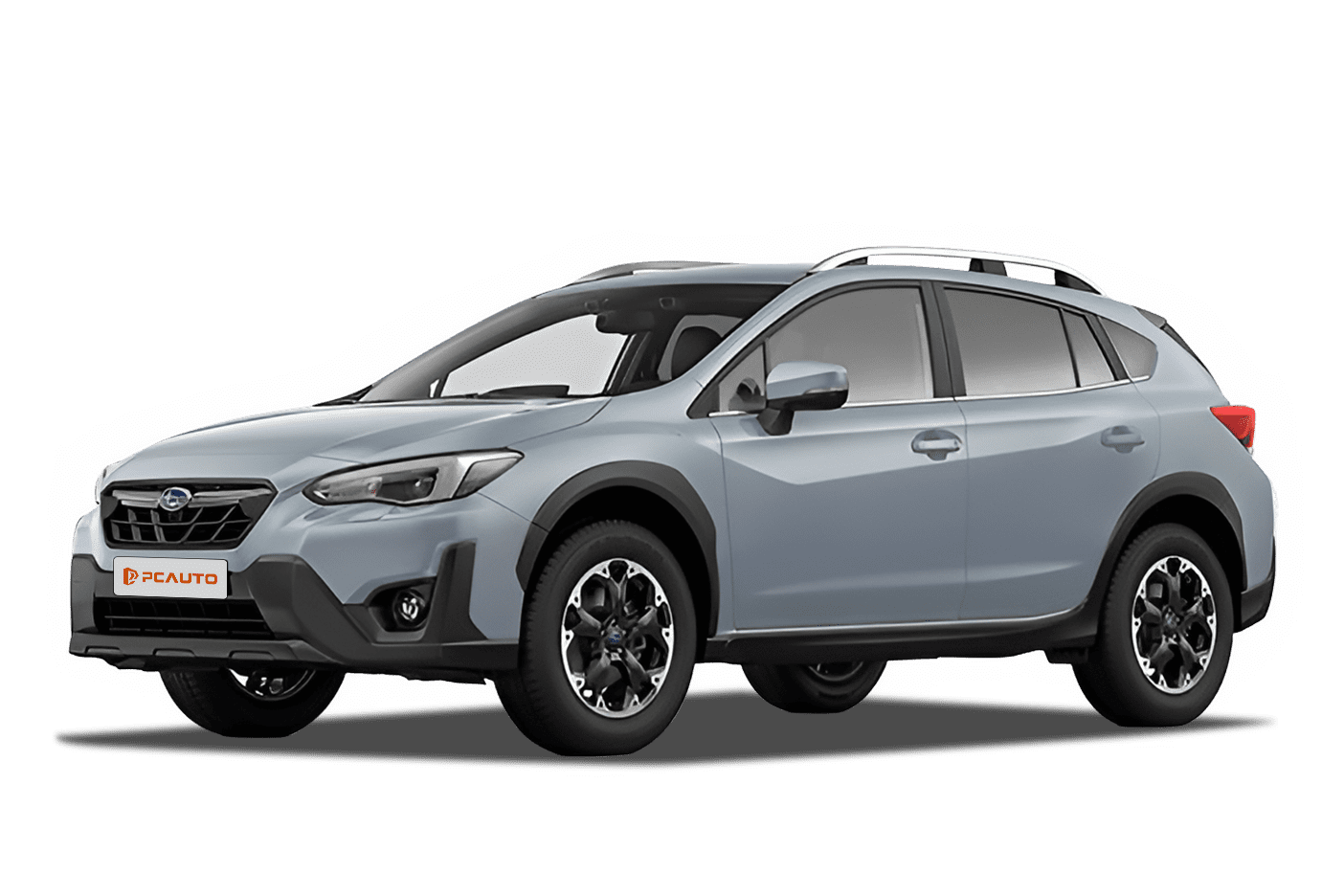
The 2021 Subaru XV 2.0i is a model targeting the C-segment crossover market, equipped with standard all-wheel drive and high safety features, balancing off-road capability and handling, with practical space.

2021 Hyundai Kona 2.0 Standard, as a high-value entry-level compact SUV, retains essential safety and practical features with an affordable price, meeting the daily commuting and loading needs of families.