

Hyundai Tucson 2023 Review

 Share
Share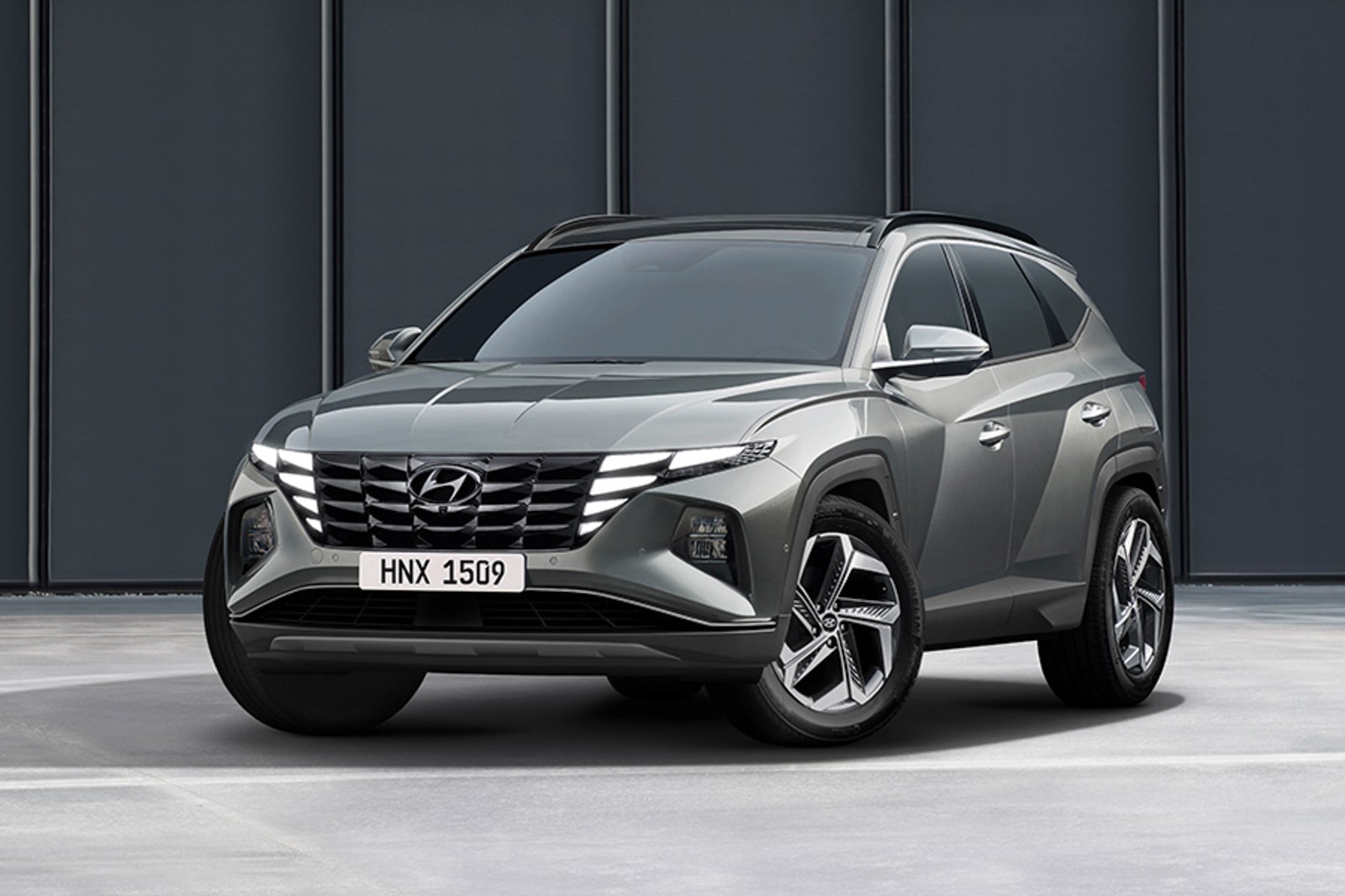
 Segment
 Body Type
 Capacity(L)
 Engine Power(PS)
 Engine Torque(Nm)
 Transmission
The C-Segment SUV market has always been a popular choice for Malaysian family users, and the competition among brands in terms of cost-effectiveness, configuration, and space has never stopped. The 2023 Hyundai Tucson 2.0 Lite, as the entry-level variant of the series, enters the market at a price of RM 158,888. Its core selling points are its class-leading warranty policy, practical features, and well-balanced space. In this test drive, we will focus on verifying whether the entry-level version can strike a balance between "reduced configuration" and "practicality" to meet the daily needs of family users.
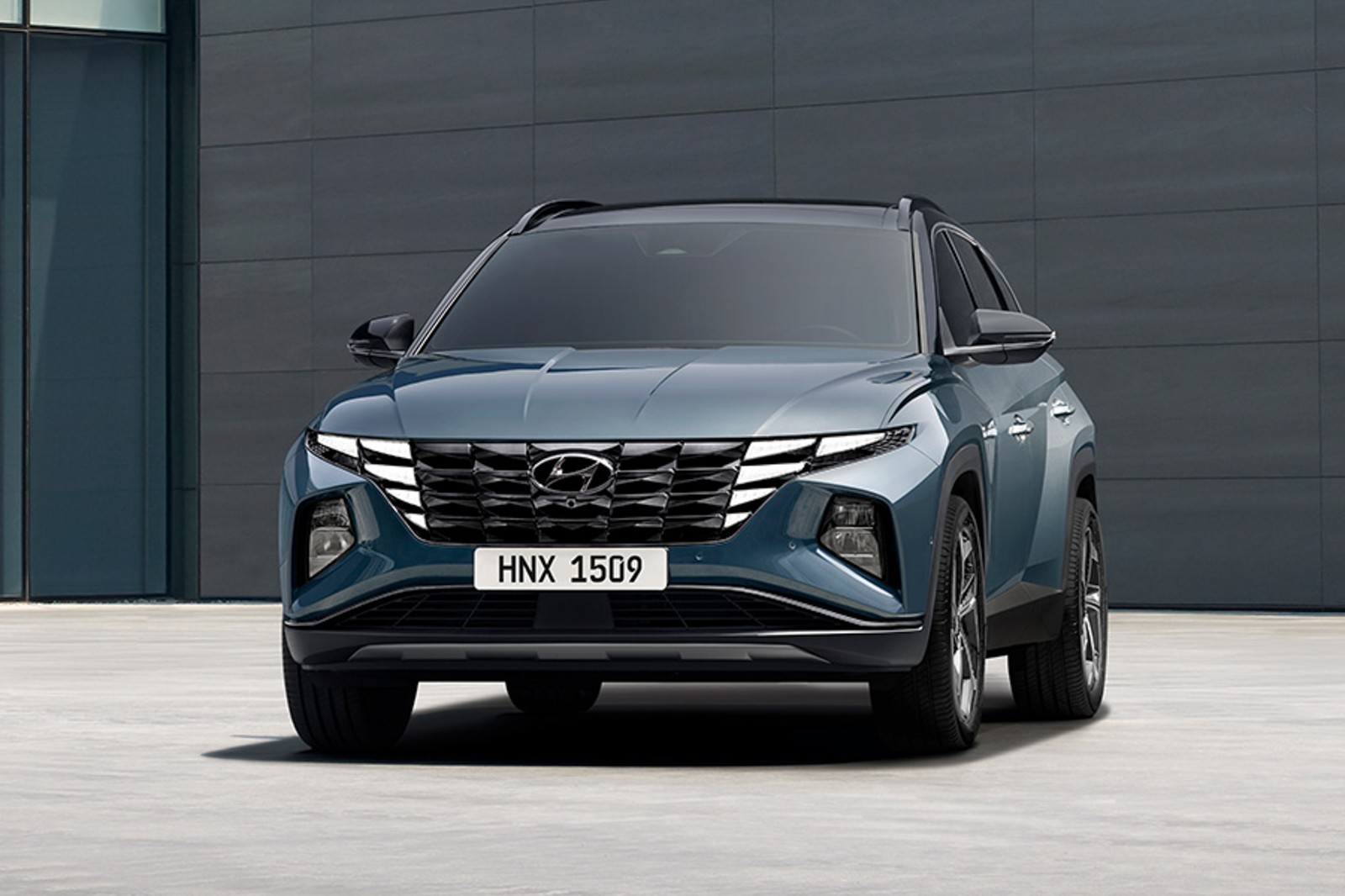
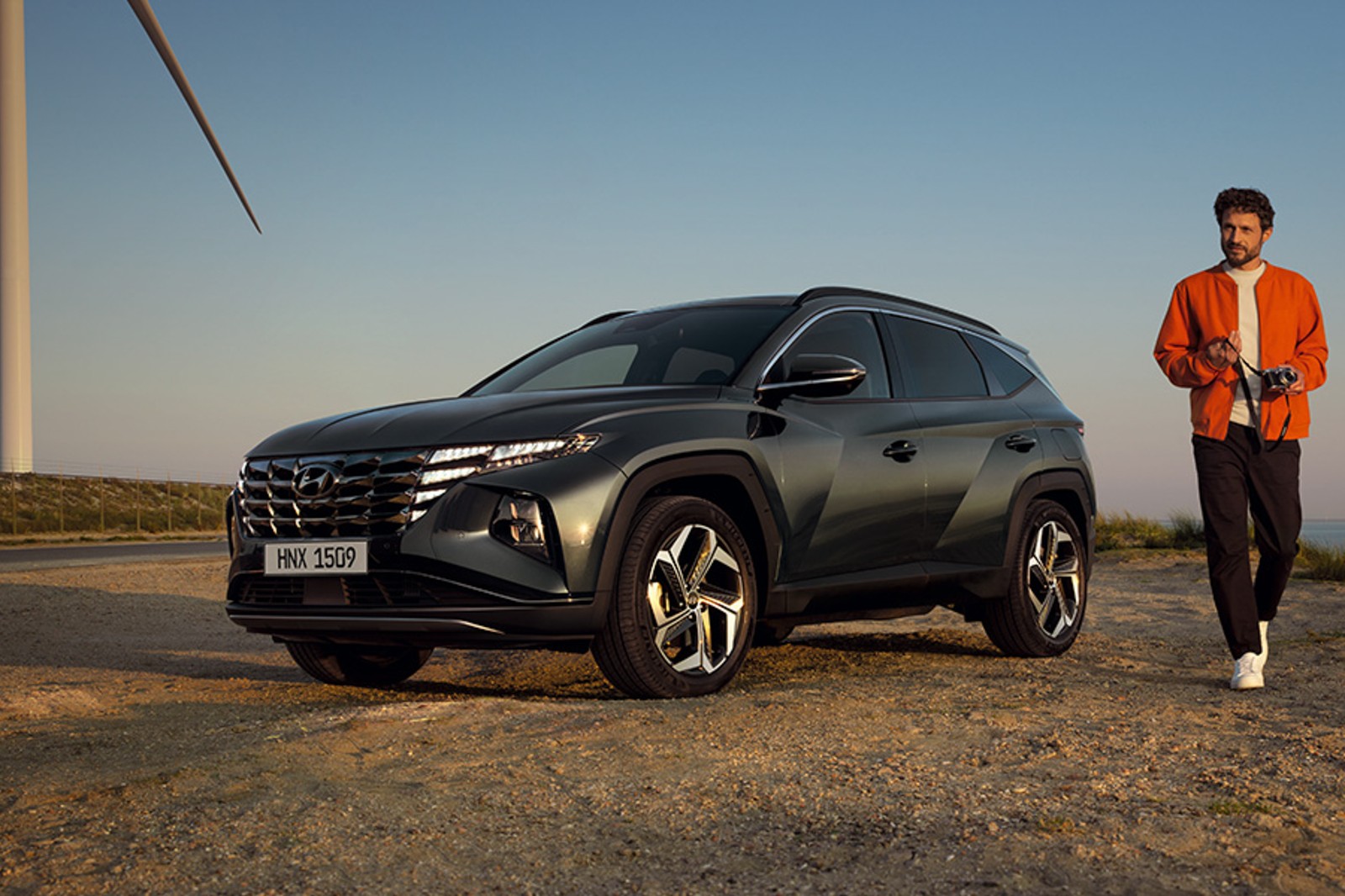
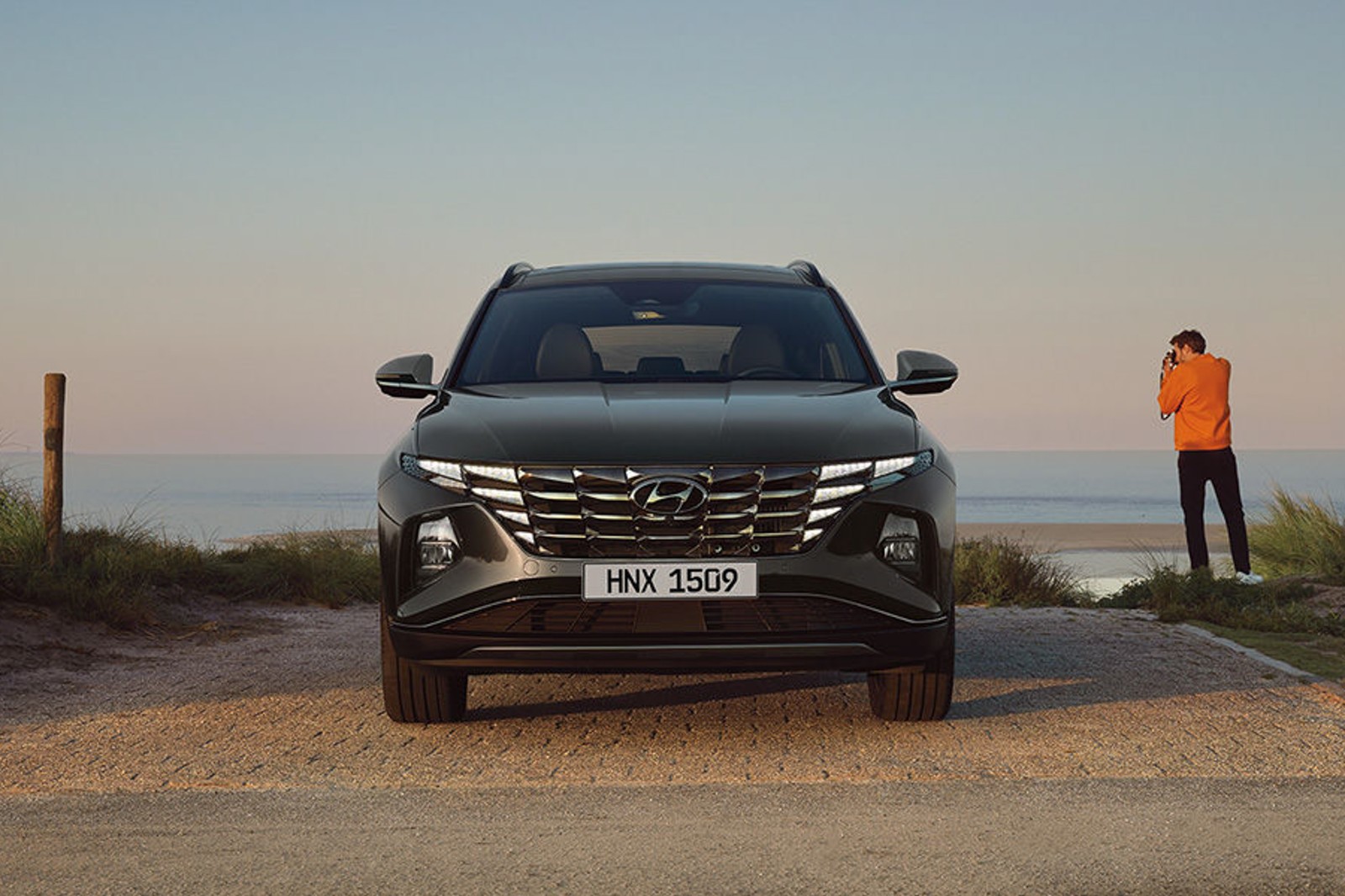
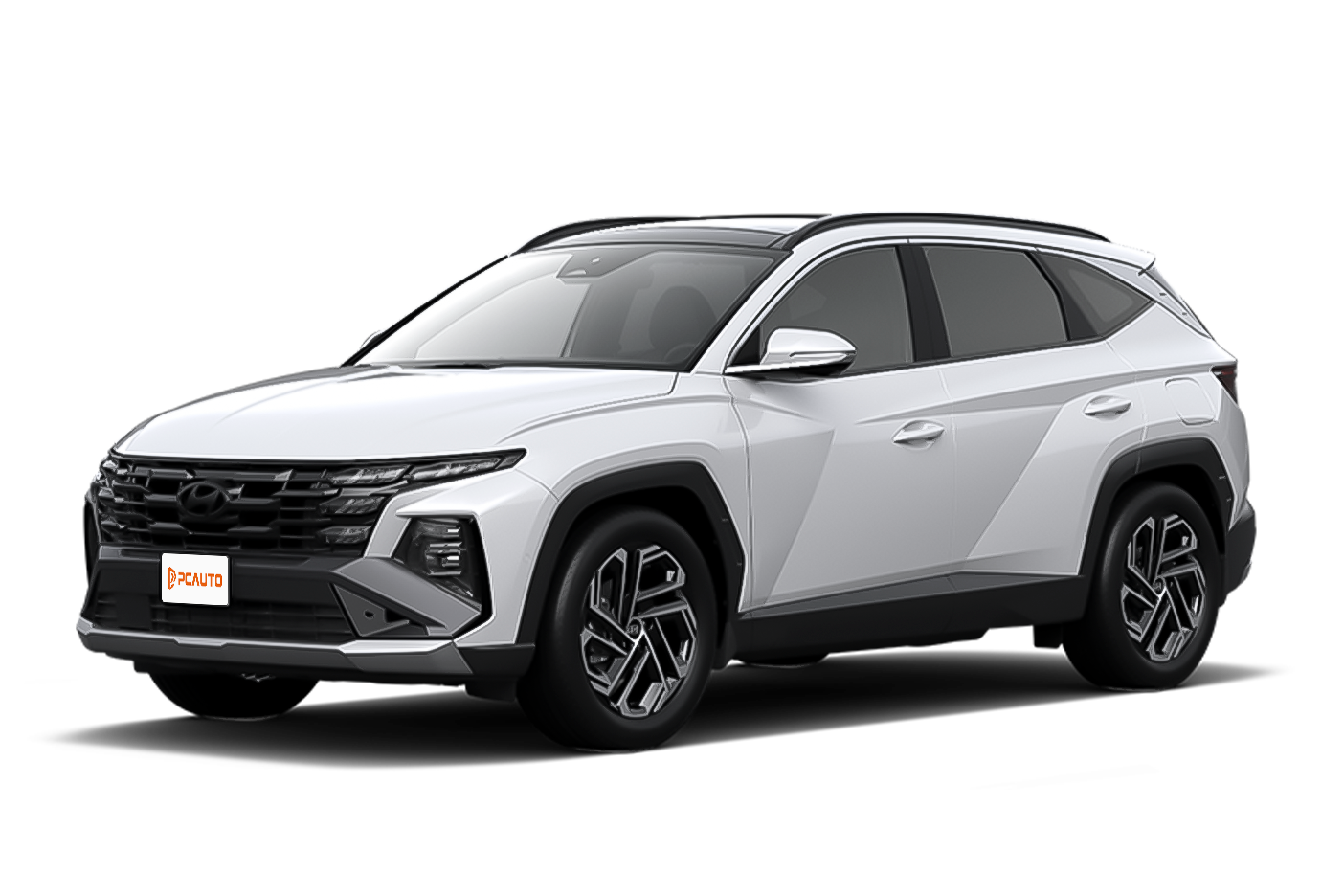
The Tucson 2.0 Lite's exterior continues the series’ signature “parametric jewel” design language, offering a youthful and distinctive style. The front features a large, blacked-out grille combined with irregularly-shaped LED daytime running lights, creating a strong visual impact when illuminated. The lower bumper is accented with a silver skid plate to enhance the SUV's rugged appeal. The car’s flowing side profile and character line running from the front fender to the rear strengthen its muscular look. While the 17-inch alloy wheels feature a simple design and may not appear as bold as the 19-inch wheels on higher trims, they provide better comfort and economy for daily use. At the rear, the continuous LED taillights are a design highlight, echoing the front daytime running lights. A silver skid plate decorates the lower part of the tailgate, maintaining design consistency between the front and rear. Regarding lighting, aside from the LED daytime running lights and taillights, the primary headlamps are halogen, providing decent nighttime illumination that meets daily commuting needs.
Inside, the Tucson 2.0 Lite features a symmetrical layout with a predominantly black color scheme accented by silver trims, creating a simple yet practical ambiance. The upper section of the dashboard is made of hard plastic with a textured surface, avoiding a cheap feel. The armrest area of the door panel is wrapped in soft-touch materials, enhancing comfort in frequently contacted areas. As for equipment, the 8-inch touchscreen infotainment display is the centerpiece, supporting Bluetooth connectivity and basic multimedia functions with satisfactory operation fluidity. The instrument cluster features traditional self-illuminating analog dials, providing clear readings of RPM, speed, and fuel level. The multi-function steering wheel allows for volume adjustment, phone calls, and cruise control, with logically arranged buttons for easy blind operation. Seats are upholstered in fabric material, with manually adjustable front seats. Although not as convenient as power-adjustable ones, the adjustment range accommodates most user heights. The rear seats support a 60:40 split-fold and reclining adjustments. With a wheelbase of 2670mm, a 175cm-tall passenger seated in the rear will have about two fists’ worth of legroom and one fist of headroom, ensuring a comfortable experience on long journeys. In terms of storage, the front center armrest box offers moderate capacity, door panel storage can hold two bottles of mineral water, and the trunk has a default capacity of 488L, which can be further expanded by folding the rear seats, easily accommodating a stroller or large suitcase.
In terms of power, the Tucson 2.0 Lite is equipped with a 2.0L naturally aspirated engine delivering a maximum output of 115kW (156PS) and a peak torque of 192N·m, paired with a 6-speed automatic transmission. During everyday driving, throttle response is smooth, with no noticeable jerking during takeoff, making it well-suited for family driving habits. At low to medium speeds, the transmission shifts gears smoothly with almost no jerking. When acceleration is needed for overtaking, pressing down firmly on the accelerator causes the transmission to downshift two gears, gradually increasing power output. However, limited by the characteristics of a naturally aspirated engine, high-speed (above 100km/h) acceleration is relatively average, requiring advance planning for overtaking. The suspension system adopts a front MacPherson strut and rear multi-link independent configuration, tuned for comfort. It effectively absorbs most bumps when driving over speed bumps or uneven roads, ensuring a relatively smooth ride for rear passengers. The steering system feels light with moderate play, making parking or U-turns effortless, while at high speeds, the steering becomes slightly heavier to enhance stability. Fuel consumption, tested in combined urban traffic and highway routes, is approximately 8.5L/100km, which is average for a C-Segment SUV. With a fuel tank capacity of 62L, a full tank provides a range of about 700km, sufficient for a week of commuting.
In terms of noise control, the Tucson 2.0 Lite performs commendably. At idle, engine noise is almost negligible; at low and medium speeds, tire noise and wind noise are kept within reasonable ranges; at high speeds (120km/h), wind noise increases slightly, but it does not affect normal conversations among passengers in the car. Regarding seat comfort, the fabric seats offer moderate support, the softness of the padding is just right, and long drives do not cause noticeable lower back discomfort. The rear air-conditioning vents provide quick cooling for rear passengers, enhancing the overall riding experience.
Overall, the core advantages of the Tucson 2.0 Lite are concentrated in three aspects: First, the 5-year/300,000 km extended warranty policy is highly competitive among models in its class, effectively reducing users' maintenance costs down the road. Second, the basic configurations are comprehensive, with standard features such as ACC adaptive cruise control, front and rear parking sensors + reversing camera, and six airbags, without a significant reduction in features despite being an entry-level version. Third, its balanced spatial performance satisfies the daily needs of family users, whether in terms of passenger space or storage capacity. Compared to competitors in the same segment, while its power performance may not be as strong as some models equipped with turbocharged engines, it compensates with more stable reliability and fuel economy.
This vehicle is suitable for family users who prioritize practicality and long-term costs, especially for those who commute longer distances daily and frequently need to transport family members. If stronger power and richer configurations are desired, the higher-spec 1.6T version can be considered, but for those with a limited budget, the 2.0 Lite version is sufficient for 90% of daily usage scenarios.
In summary, the 2023 Hyundai Tucson 2.0 Lite is an entry-level C-Segment SUV with "no obvious shortcomings." It focuses on practicality and appeals to consumers with extended warranties and balanced configurations, making it a dependable choice for family users.
Hyundai Tucson Car Compare
Hyundai Tucson Loan Calculator
More Hyundai Reviews
Cars With Similar Price And Features
8
Rank in SUV
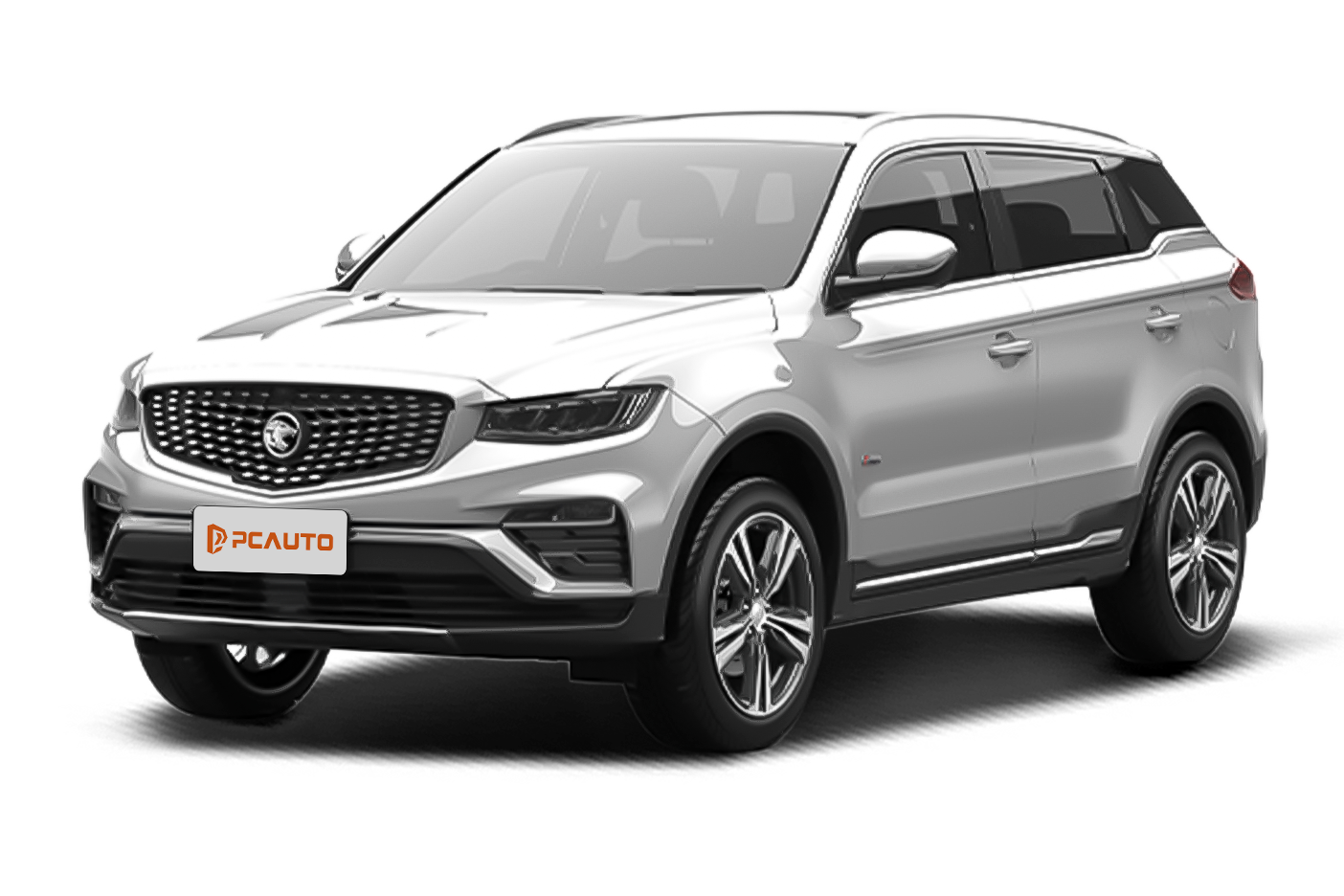
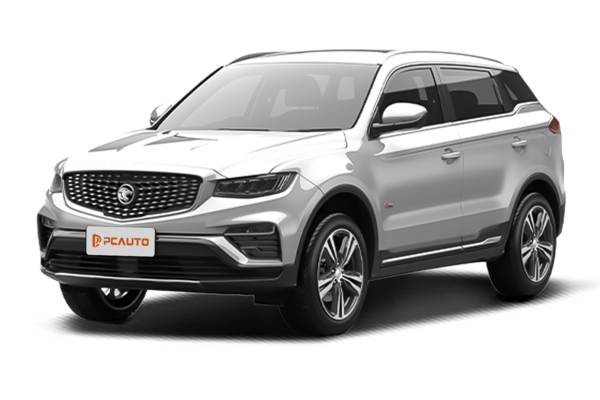
2026 Proton X70 1.5 TGDi Executive focuses on upgrading to a four-cylinder engine, practical configurations, and affordable pricing. It balances family commute practicality with value for money, making it a sensible choice among similarly priced C-segment SUVs.
10
Rank in SUV
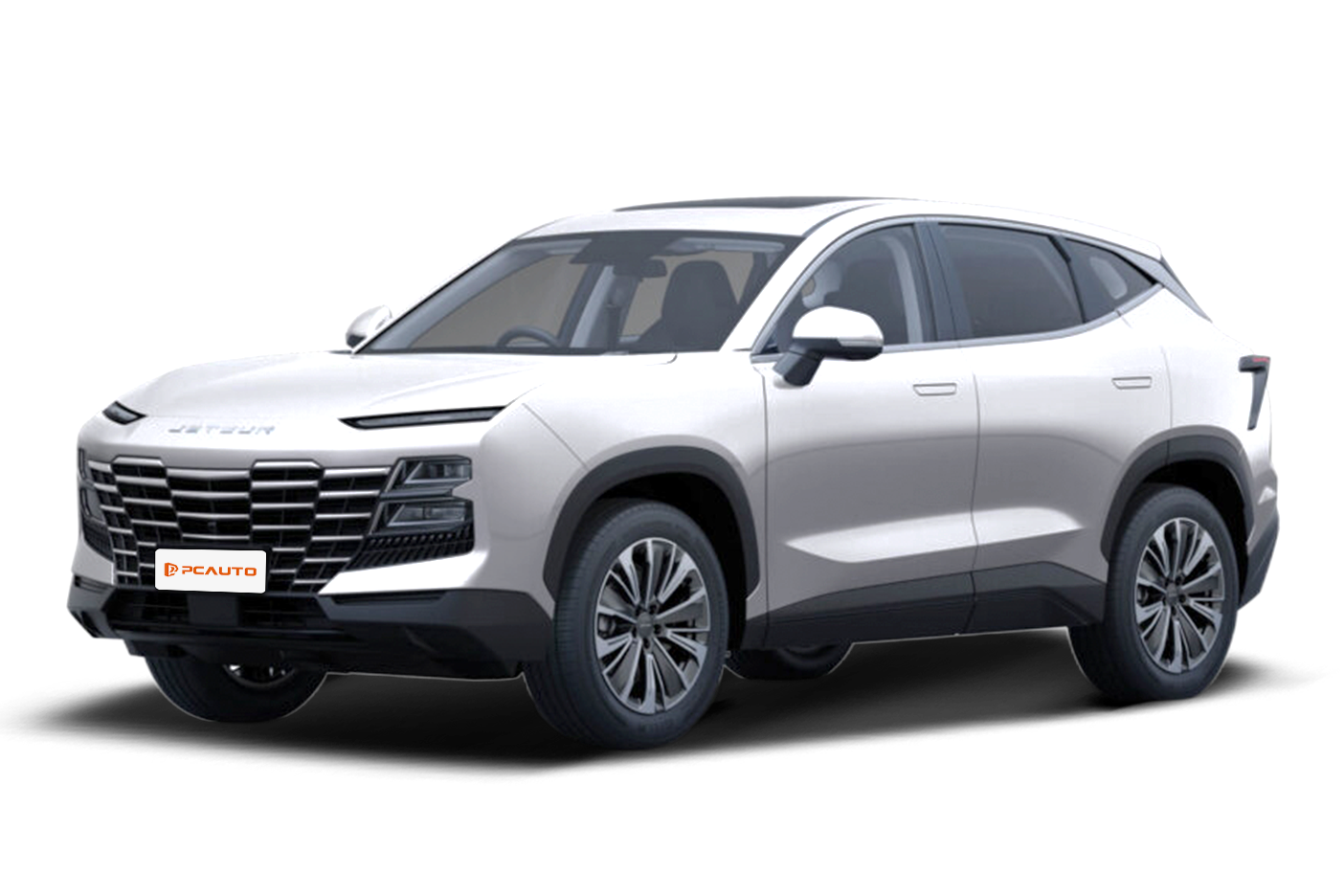
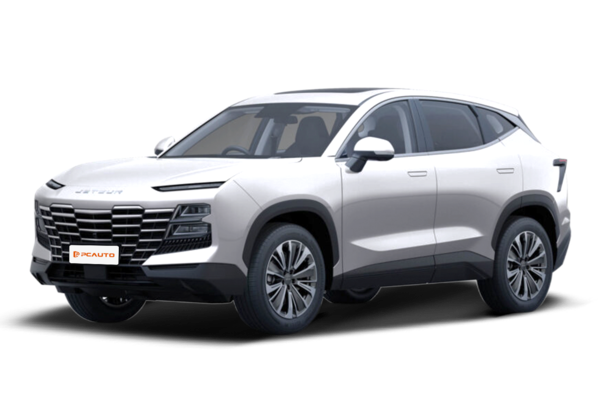
Jetour Dashing 1.5 TCI Comfort 2025 features a 2720mm long wheelbase and a 10.25-inch dual screen as its core, focusing on balanced cost performance to meet family practical needs.
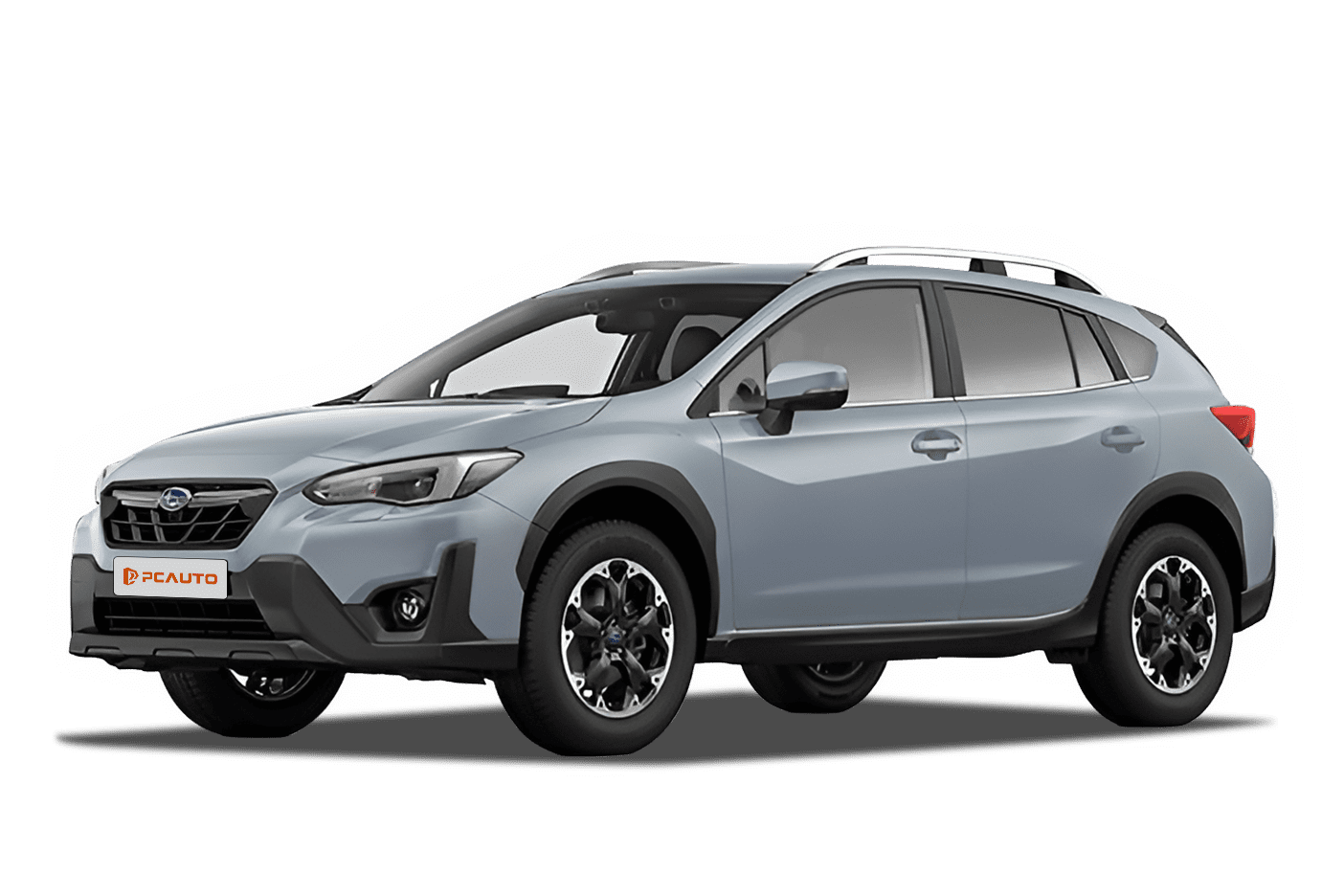
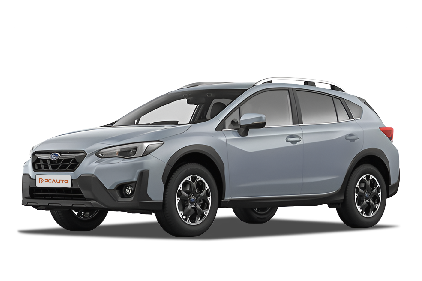
The 2021 Subaru XV 2.0i is a model targeting the C-segment crossover market, equipped with standard all-wheel drive and high safety features, balancing off-road capability and handling, with practical space.

2021 Hyundai Kona 2.0 Standard, as a high-value entry-level compact SUV, retains essential safety and practical features with an affordable price, meeting the daily commuting and loading needs of families.