

Hyundai Tucson 2024 Review

 Share
Share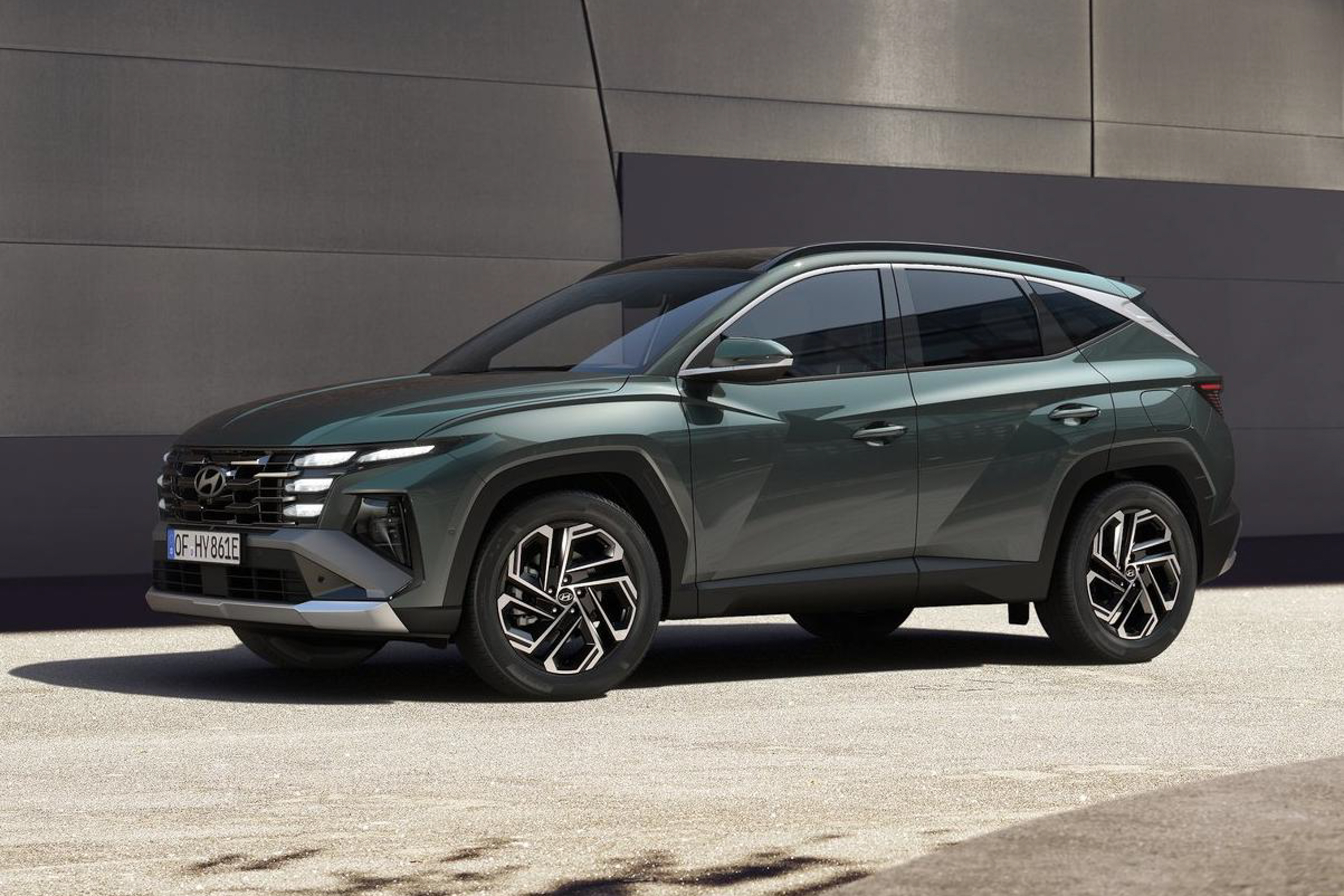
 Body Type
 Segment
 Capacity(L)
 Engine Power(PS)
 Engine Torque(Nm)
 Transmission
As competition in Malaysia's compact SUV market becomes increasingly intense, consumers demand higher overall capabilities from models – they want designs that align with mainstream aesthetics while also offering a balance of space, features, and driving experience. The 2024 Hyundai Tucson, as a popular contender in this segment, focuses on optimizing exterior details, upgrading smart features, and refining powertrain tuning in this update. Our test drive aims to verify whether these upgrades truly enhance practicality and driving quality for daily use.
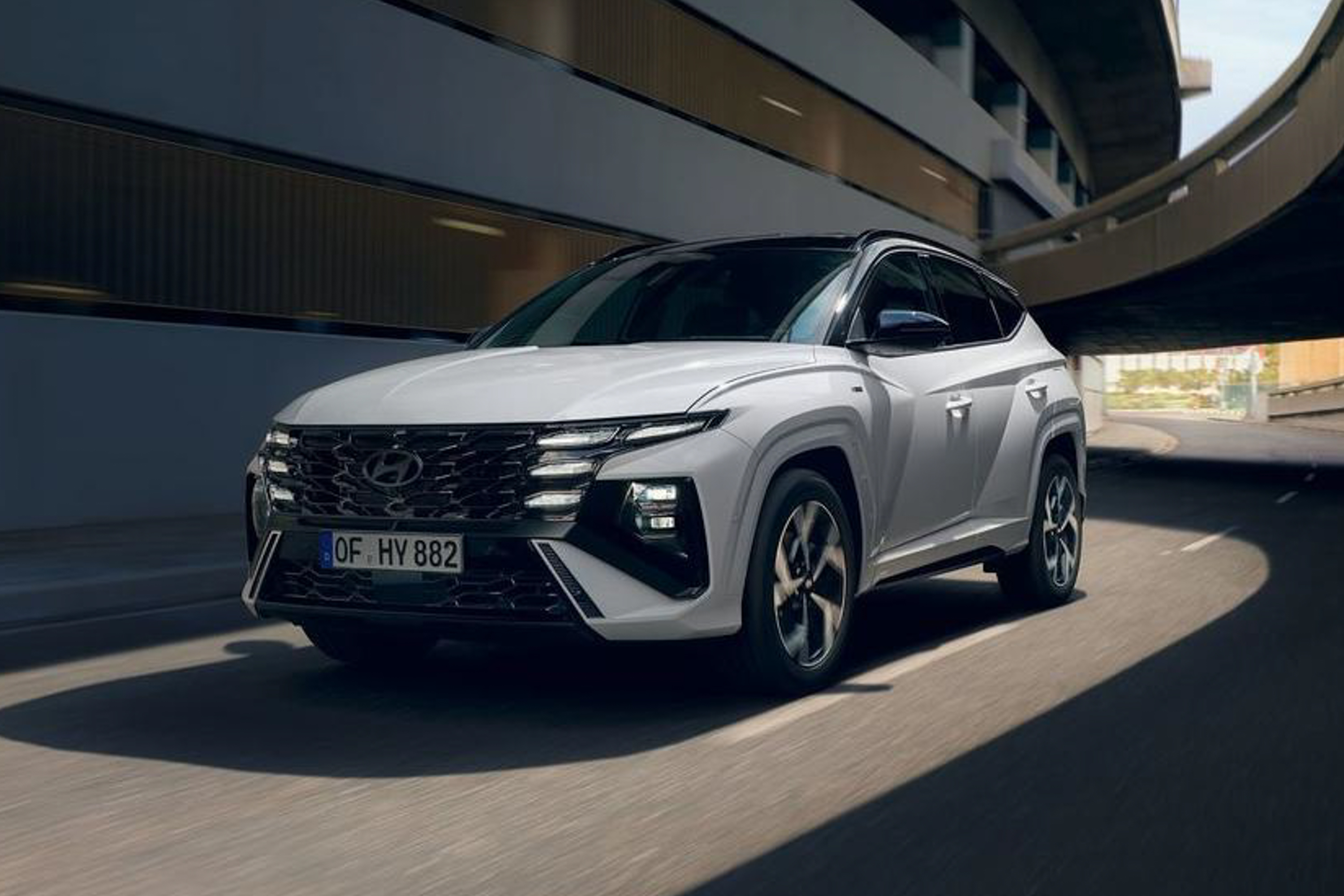
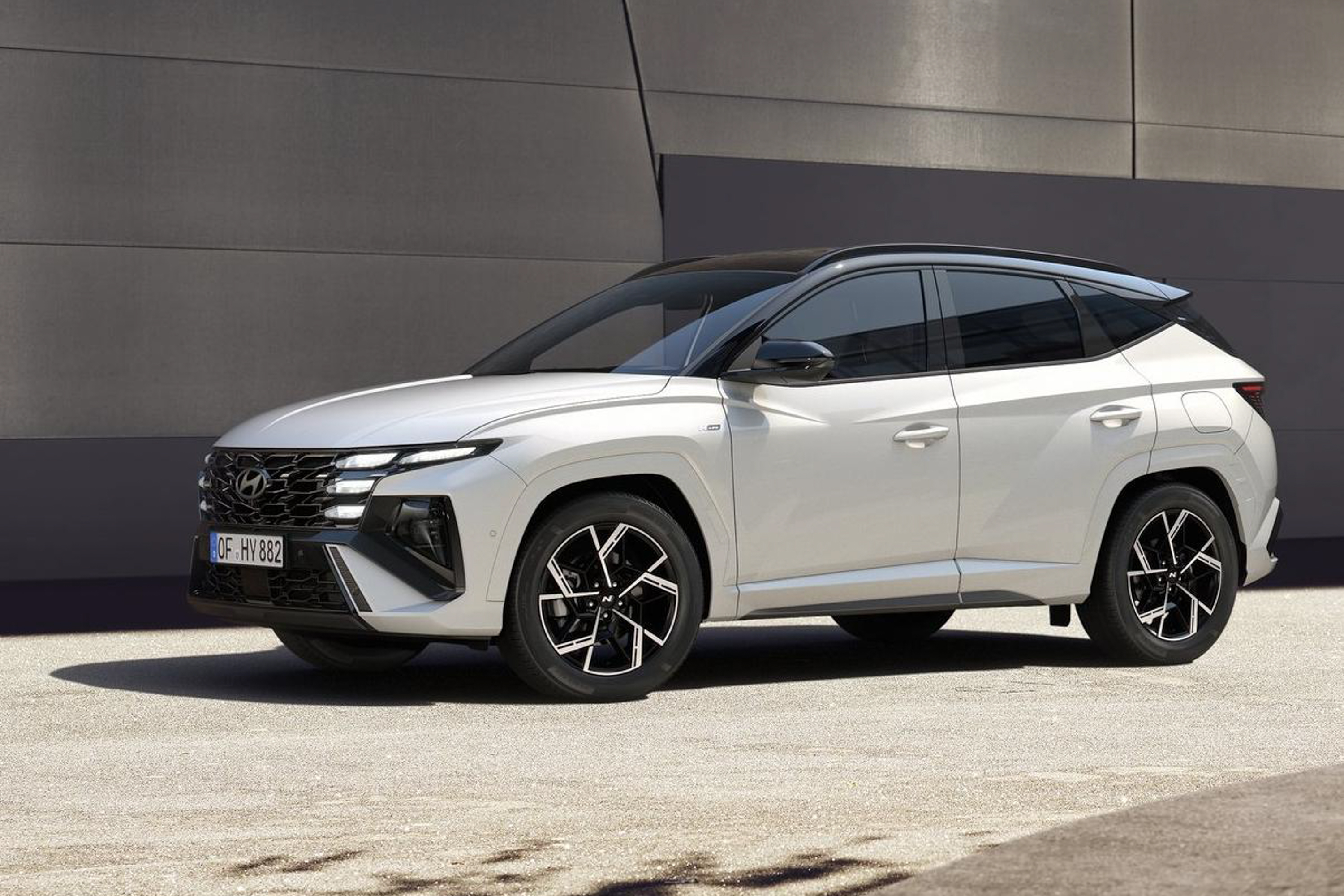
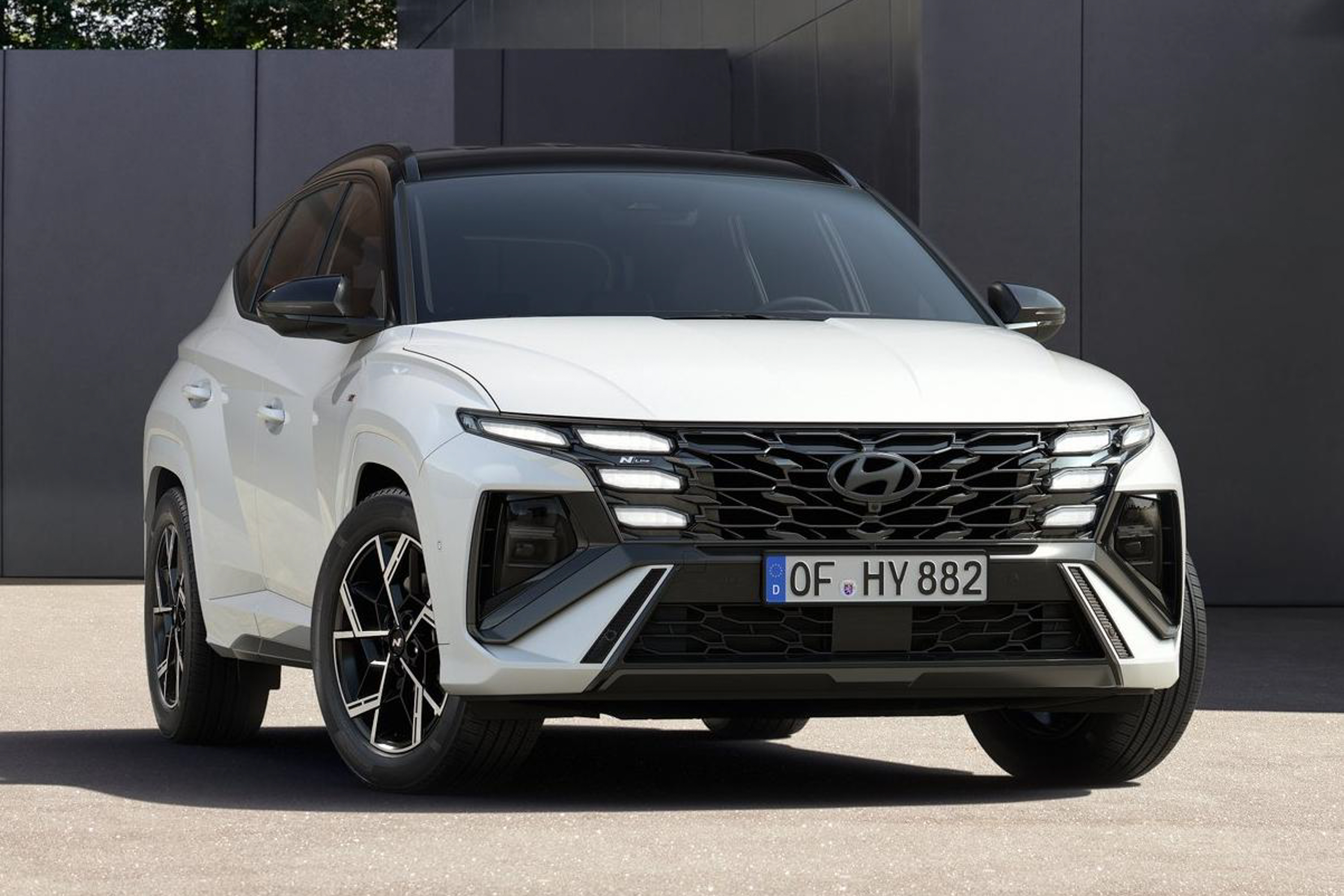
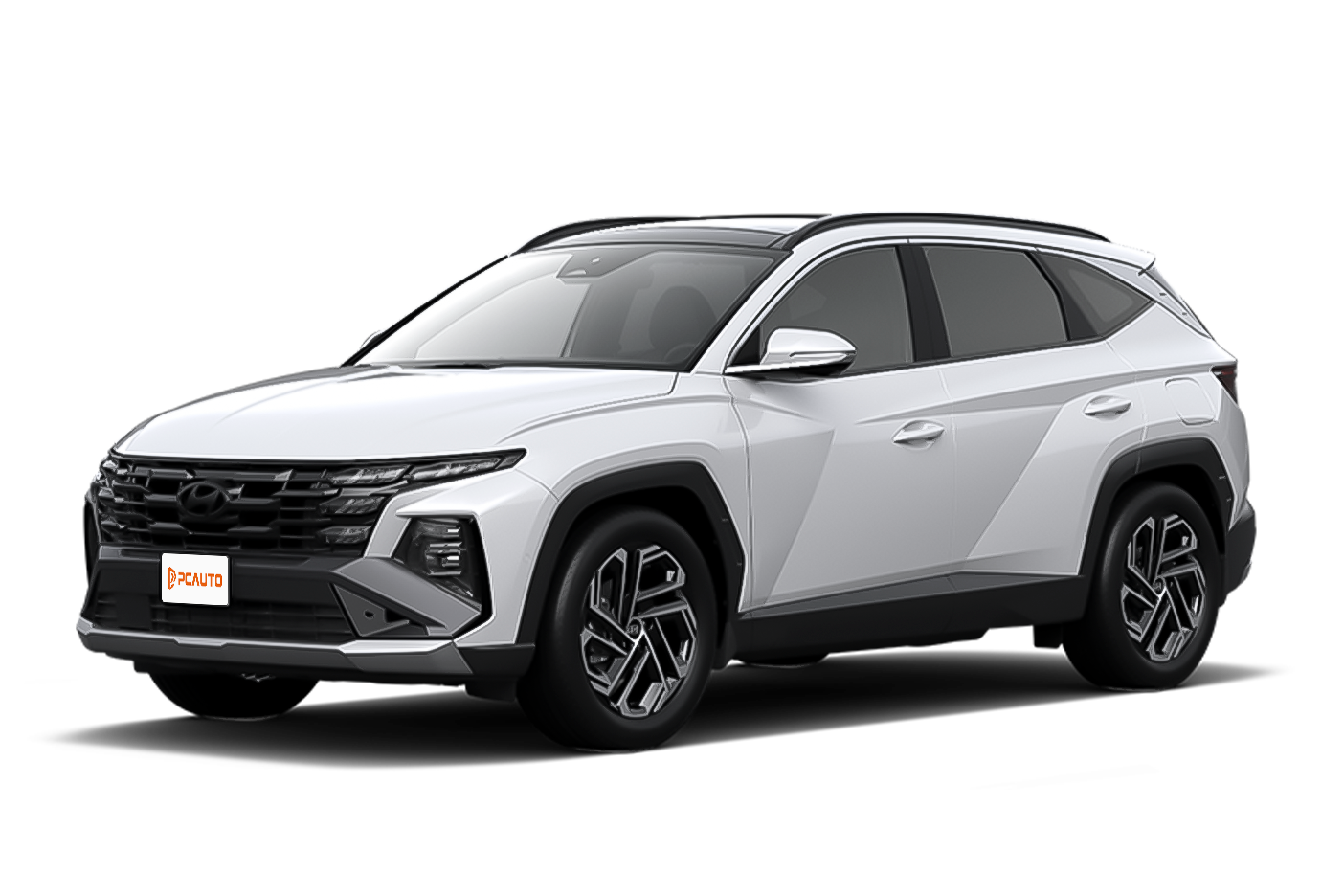
From a distance, the overall design of the 2024 Tucson continues the family’s "Sensuous Sportiness" design language, but changes to the front are the most eye-catching. The original horizontal grille has been replaced with a more aggressive honeycomb structure, paired with redesigned LED daytime running lights on both sides. The light group lines are sharper and seamlessly connected to the chrome trim on the upper edge of the grille, offering high recognizability when illuminated. The body side features robust character lines extending from the fenders to the taillights, while the 19-inch multi-spoke alloy wheels have been slightly adjusted in style, delivering a more sporty appearance. At the rear, the structure of the full-width taillights has been upgraded, with a smoked finish lending a more subdued style. A newly added silver skid plate below the rear bumper adds a touch of off-road flair.
Entering the cabin, the premium materials are immediately noticeable. Most areas of the dashboard are covered with soft-touch materials, and the armrests on the door panels are wrapped in leather, providing a refined feel. The dashboard layout maintains a simple T-shaped design, with a 10.25-inch floating touchscreen as the visual centerpiece. The resolution and operational smoothness are impressive, and it supports wireless Apple CarPlay and Android Auto, eliminating the hassle of cables. The instrument panel is also a 10.25-inch full-liquid crystal display, offering three display modes and clearly showing core information such as navigation and fuel consumption. In terms of features, the most practical upgrades include the new front-row wireless phone charging function and ventilated and heated driver’s seat (on mid-to-high trims). Rear air vents and USB-C ports are also included, catering to the needs of rear passengers.
Regarding body dimensions, the 2024 Tucson measures 4630mm/1865mm/1665mm in length, width, and height, with a wheelbase of 2755mm, ranking among the top in the compact SUV segment. In actual seating experience, a 175cm tall passenger sitting in the front row has a headroom of a fist and two fingers, with ample legroom. Moving to the rear row, there’s a headroom of one fist and legroom exceeding two fists, ensuring comfort even during long journeys. Storage capacity is also impressive. The central armrest box in the front row is spacious enough to hold two 500ml water bottles, and door storage slots can accommodate a folding umbrella and a phone. The trunk offers a standard capacity of 539L, and the rear seats support a 4/6 split-folding feature. When folded, the floor is almost flat, expanding the maximum capacity to 1680L, making it convenient for transporting luggage or large items.
In terms of powertrain, we tested the 1.6T turbocharged gasoline engine version, delivering a maximum output of 180PS and a peak torque of 265N·m, paired with a 7-speed dual-clutch transmission. During daily driving, the engine delivers most of its torque at around 1500rpm, making for brisk starts and effortless urban driving and overtaking. In sport mode, the throttle response becomes more sensitive, and the gearbox follows a more aggressive shift logic, keeping the RPM above 2500, providing a more direct acceleration feel. However, during low-speed crawling, the dual-clutch transmission exhibits slight jerkiness, which is a common trait of this type of gearbox but does not significantly impact daily use.
In terms of handling performance, the steering wheel of the Tucson has moderate steering effort, minimal play, and relatively precise steering. The body follows well during cornering. The chassis uses a front MacPherson strut and a rear multi-link independent suspension, tuned for comfort. When encountering common speed bumps or potholes in urban areas, the suspension can filter out most of the jolts, making it unlikely for passengers inside the car to feel significant vibrations. However, during high-speed cornering, there is some degree of body roll, but it remains within controllable limits, not affecting the confidence in driving.
In terms of fuel consumption, we drove approximately 200 kilometers under mixed road conditions (60% city + 40% highway), with the indicated fuel consumption at 7.8L/100km. This result is in the upper-middle range for 1.6T models of the same class, meeting expectations for a family SUV. Noise control is also commendable; within speeds of 80km/h, tire and wind noise are not noticeable, and only during rapid acceleration does the engine sound slightly enter the cabin, but it is not harsh. Seat comfort is also quite good, with well-designed side bolsters providing support. Even during long drives, the lower back does not feel fatigued.
Overall, the 2024 Hyundai Tucson's updates have effectively addressed the core needs of consumers: a younger and sportier exterior, more convenient smart features, consistently outstanding space performance, and a balanced combination of power and fuel efficiency. Compared with competitors like the CR-V and RAV4, the Tucson has a longer wheelbase, offering better rear seat space. Additionally, features like wireless CarPlay and front seat ventilation are not commonly seen among competitors in the same price range, making it a standout in terms of value.
This vehicle is especially suitable for users who prioritize family practicality—it offers ample space to meet the needs of daily commuting and weekend outings, balanced power and fuel efficiency that won't increase the cost of vehicle ownership, and rich features that enhance the user experience. For younger consumers who are drawn to exterior design and smart technology, the Tucson's stylish design and advanced features can also meet their demands.
All in all, the 2024 Hyundai Tucson is a compact SUV with "no obvious shortcomings." It strikes a good balance among design, features, space, and performance, making it a worthwhile option to seriously consider in the family SUV market.
Hyundai Tucson Car Compare
More Hyundai Reviews
Cars With Similar Price And Features
8
Rank in SUV
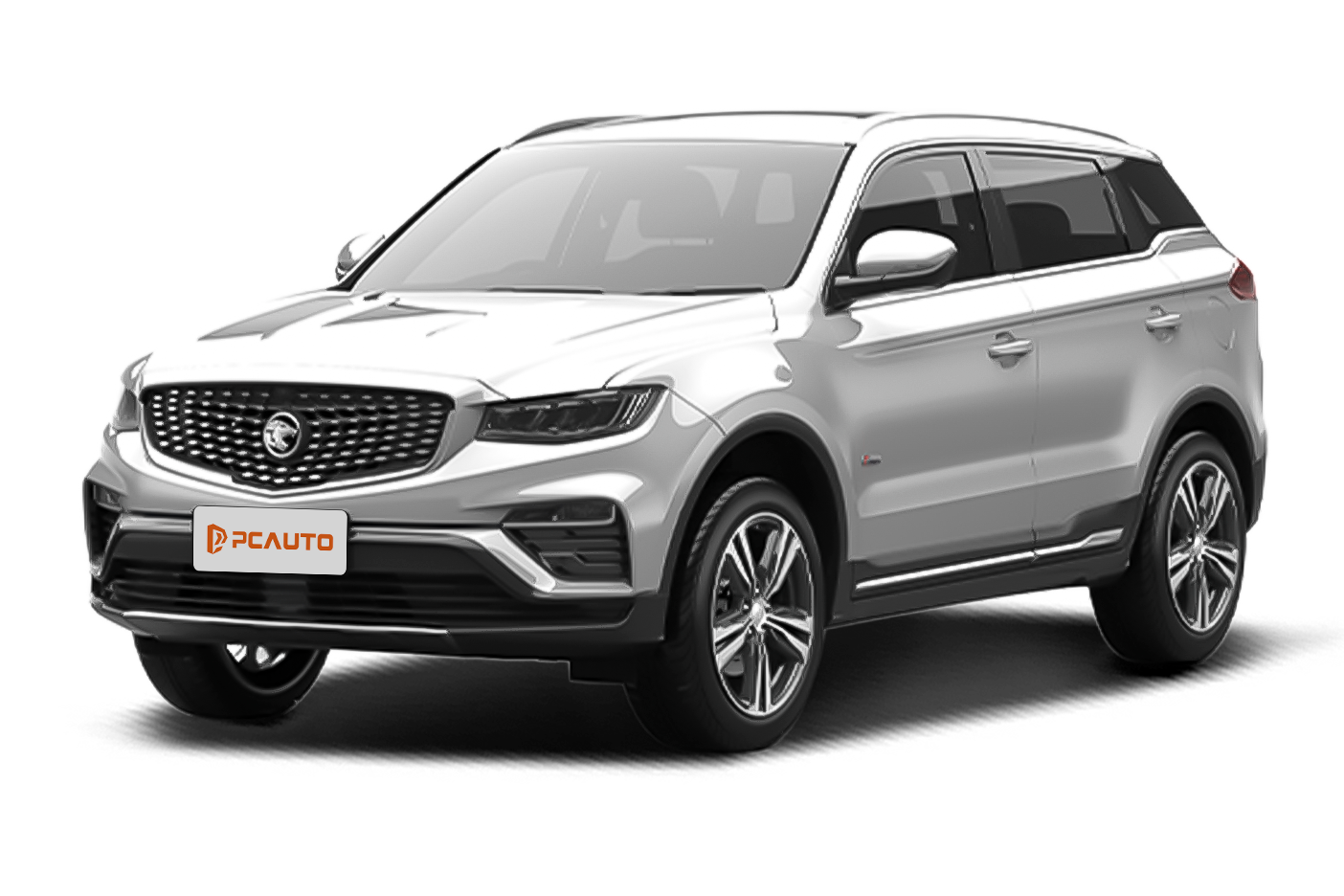
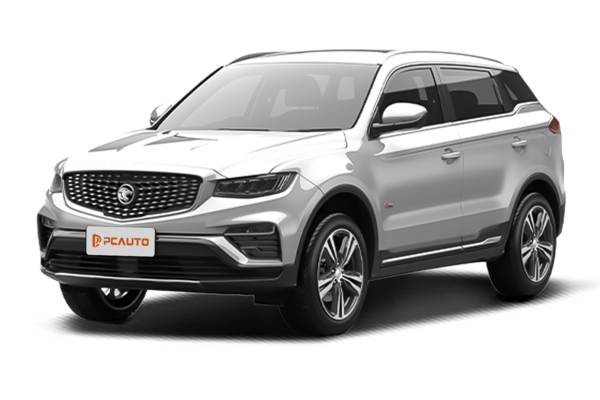
2026 Proton X70 1.5 TGDi Executive focuses on upgrading to a four-cylinder engine, practical configurations, and affordable pricing. It balances family commute practicality with value for money, making it a sensible choice among similarly priced C-segment SUVs.
10
Rank in SUV
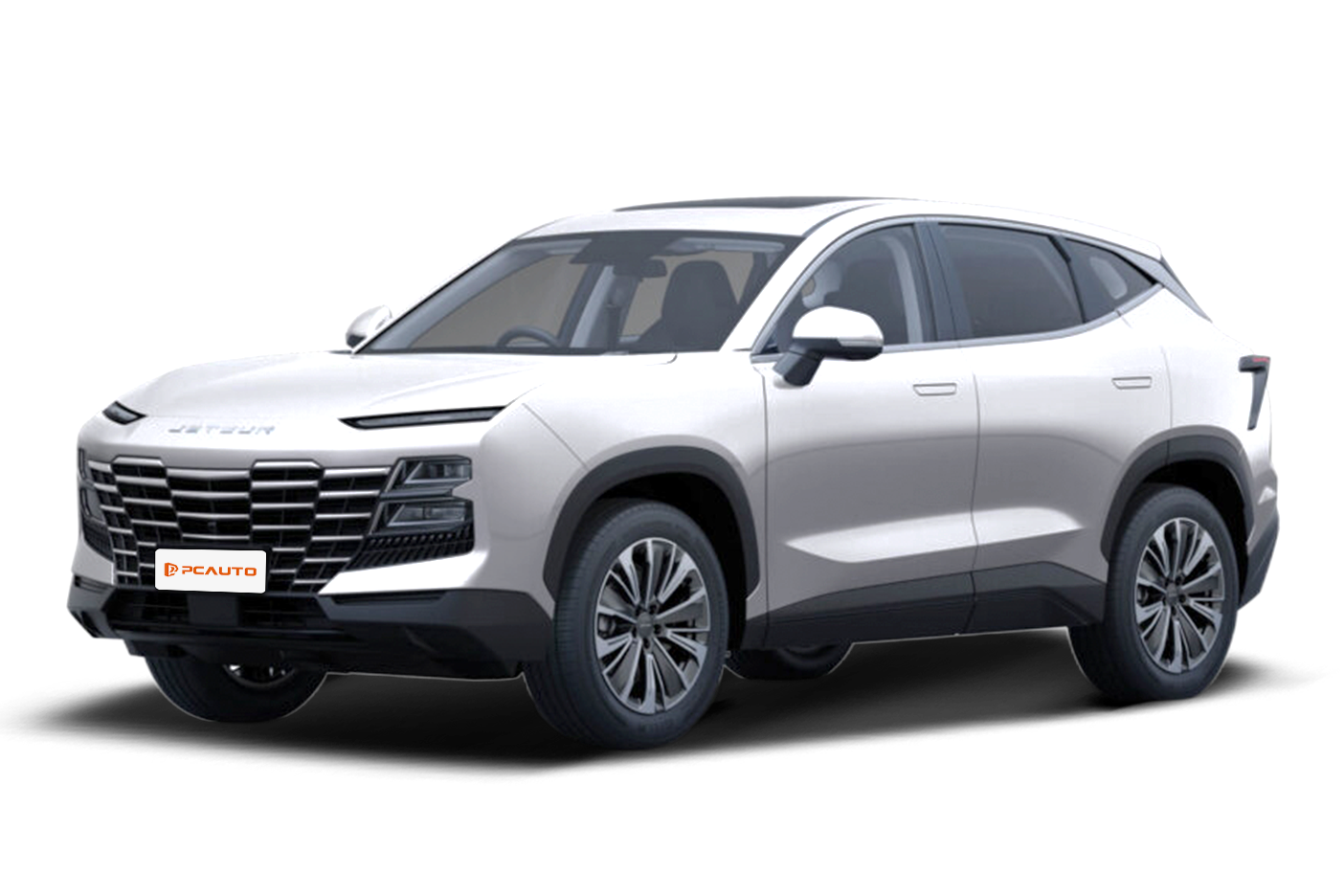
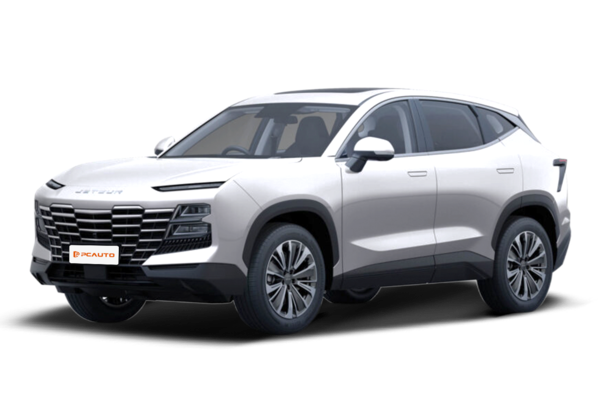
Jetour Dashing 1.5 TCI Comfort 2025 features a 2720mm long wheelbase and a 10.25-inch dual screen as its core, focusing on balanced cost performance to meet family practical needs.
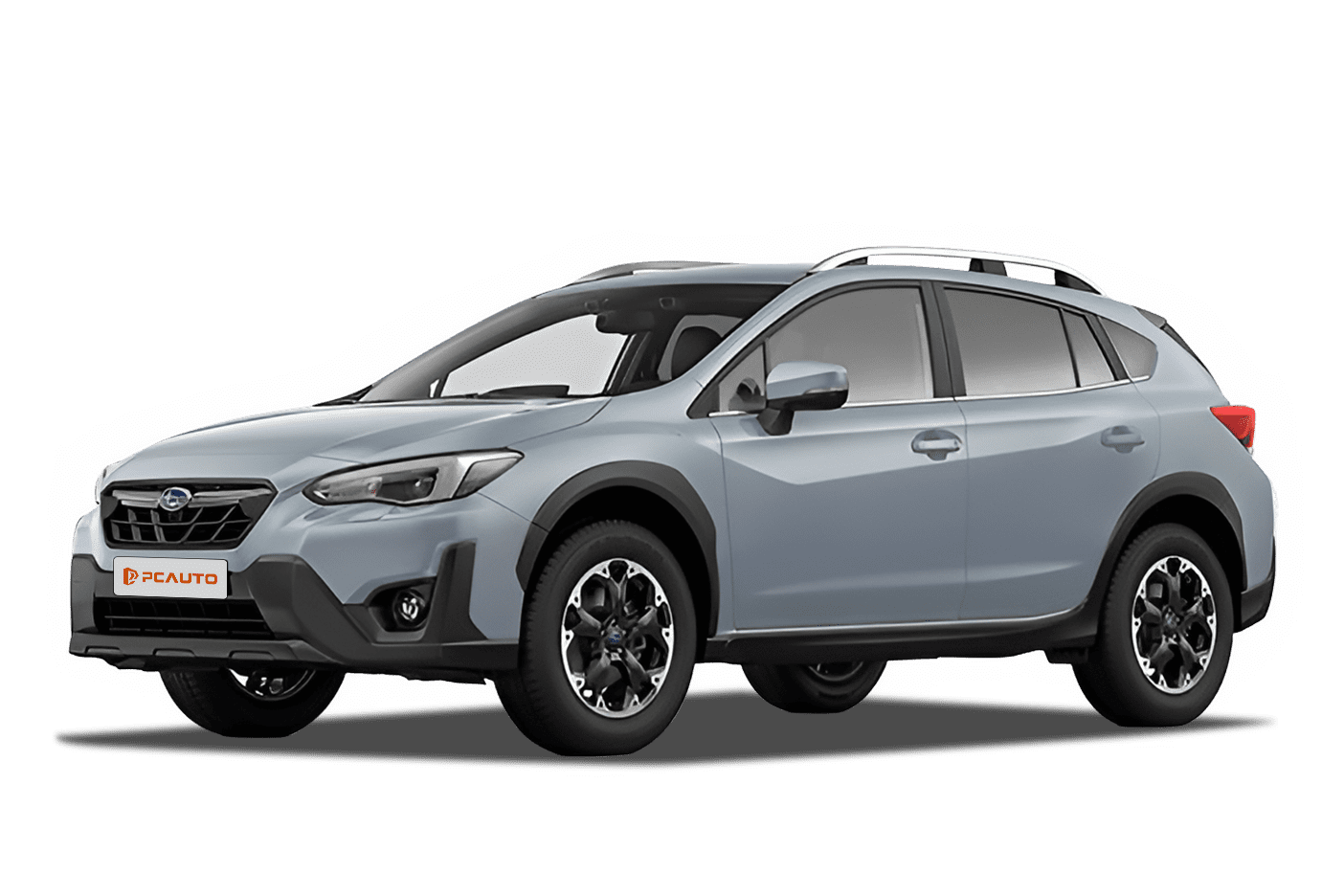
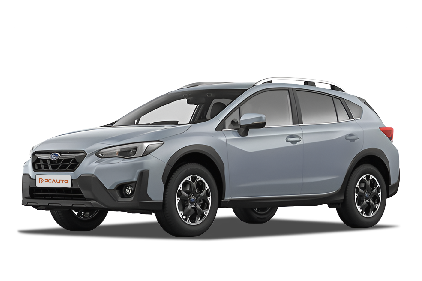
The 2021 Subaru XV 2.0i is a model targeting the C-segment crossover market, equipped with standard all-wheel drive and high safety features, balancing off-road capability and handling, with practical space.

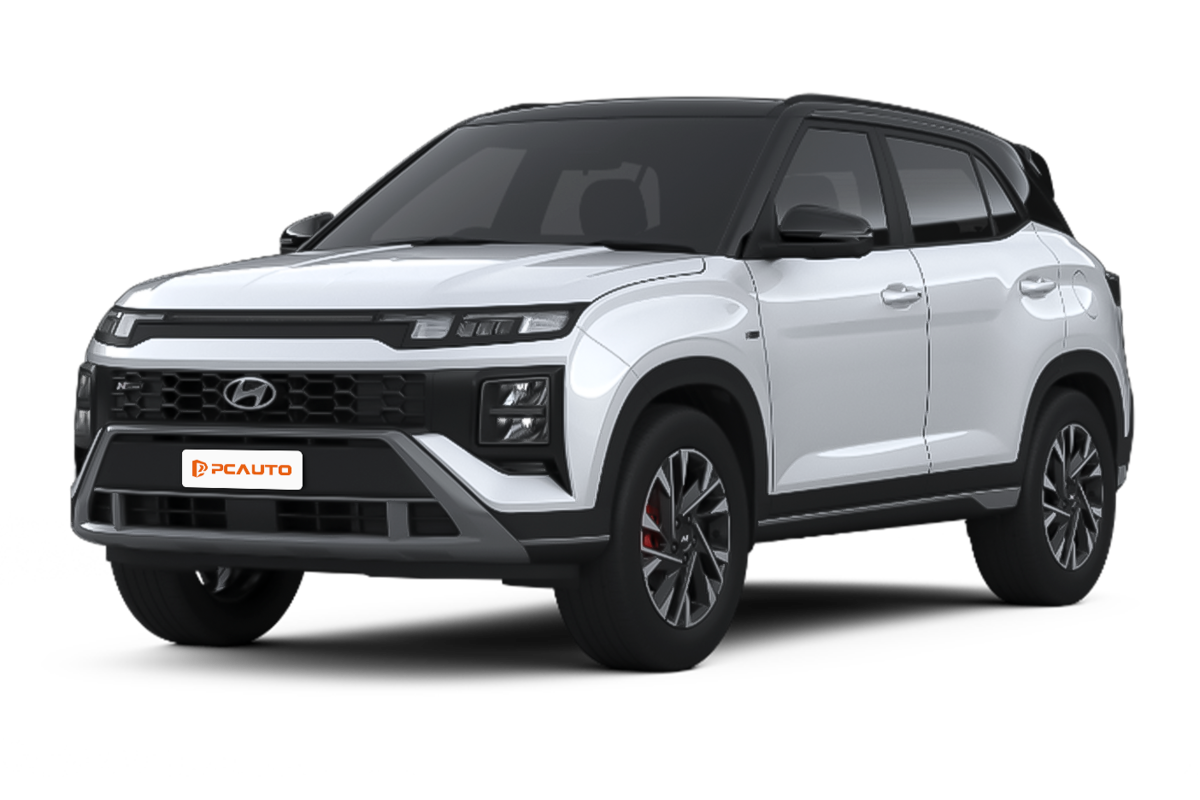
2021 Hyundai Kona 2.0 Standard, as a high-value entry-level compact SUV, retains essential safety and practical features with an affordable price, meeting the daily commuting and loading needs of families.