

Jaguar E-Pace 2020 Review

 Share
Share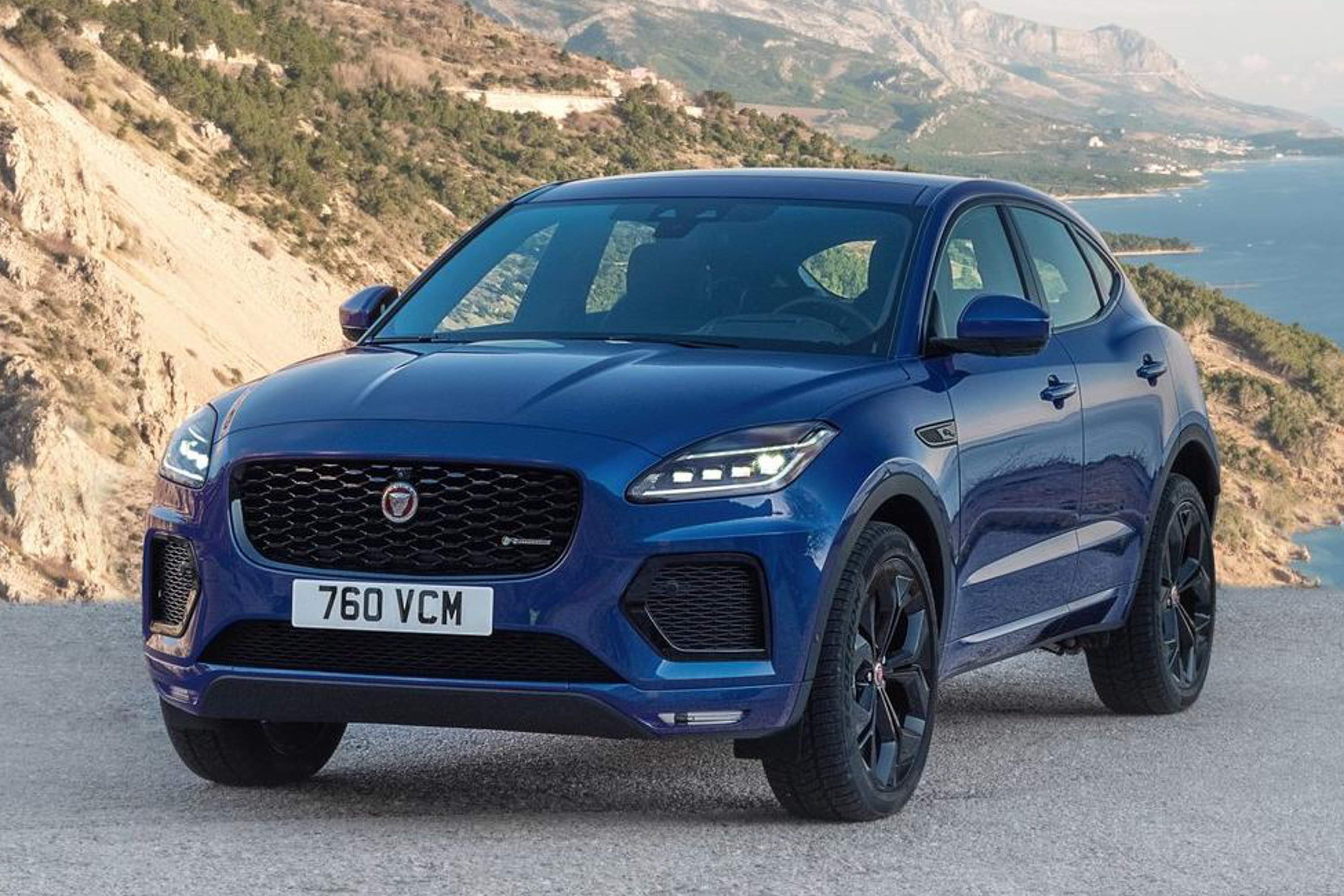
 Segment
 Body Type
 Capacity(L)
 Engine Power(PS)
 Transmission
 Driven Wheels
In Malaysia's mid-sized luxury SUV market, the Jaguar E-Pace has long held its position with its unique British design and balanced performance. The 2020 2.0T model, as the main configuration, not only continues the brand's sporty genes but also strengthens its practicality for daily use, attracting many family users who pursue luxury and driving pleasure. This time, we got the actual vehicle, and the core purpose is to test whether it can balance the brand's characteristics with practical needs in urban commuting, highway cruising, and occasional suburban conditions.
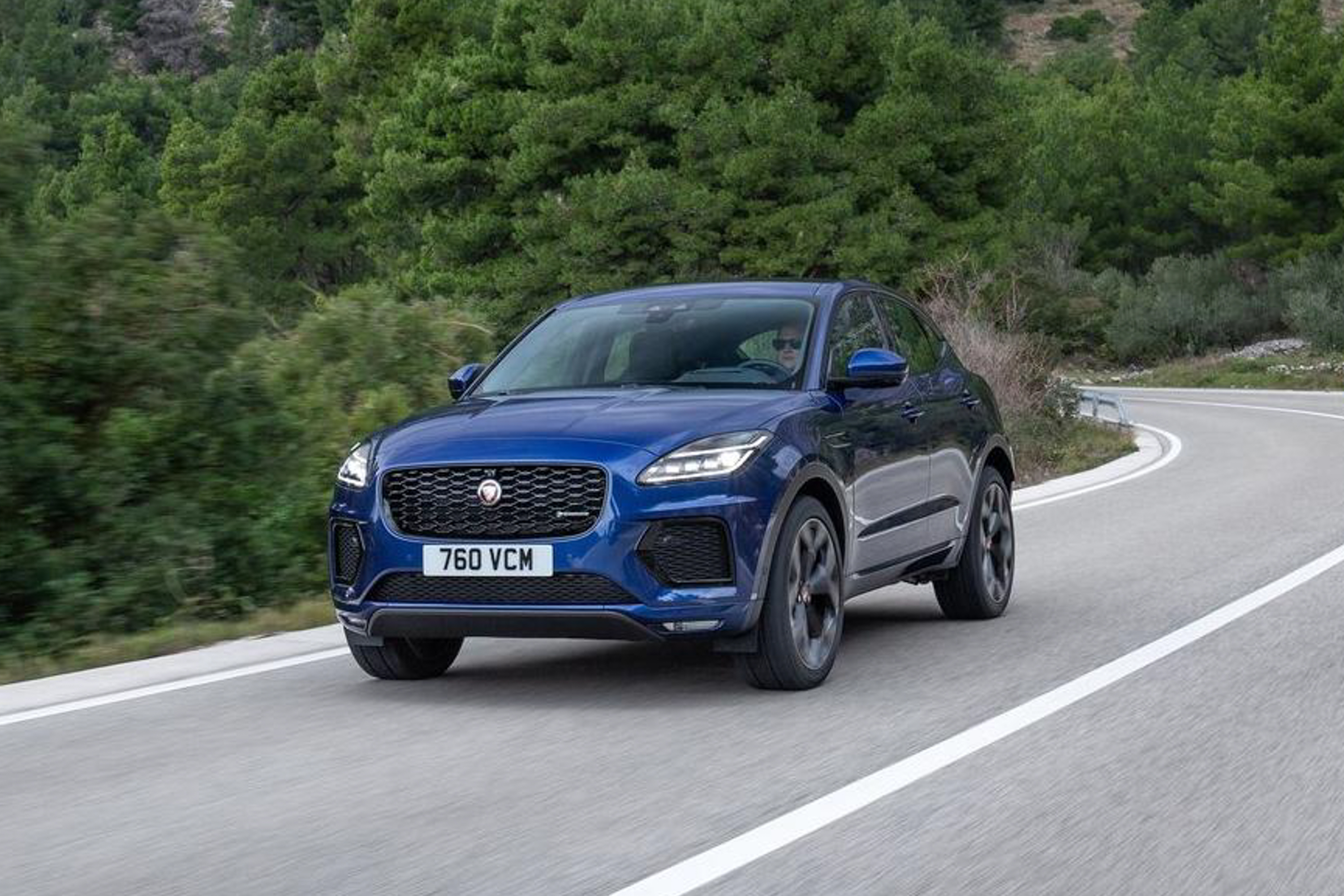
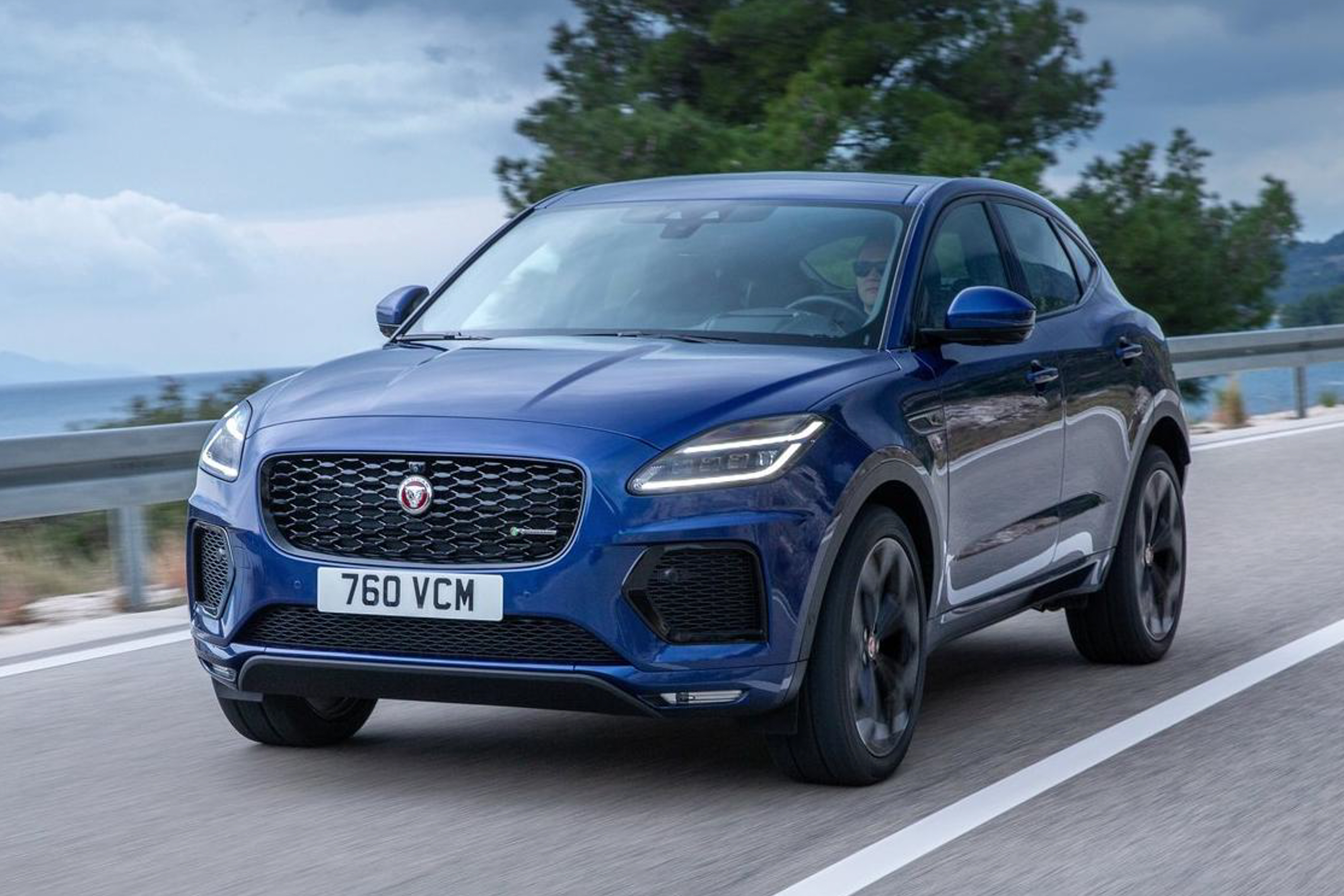
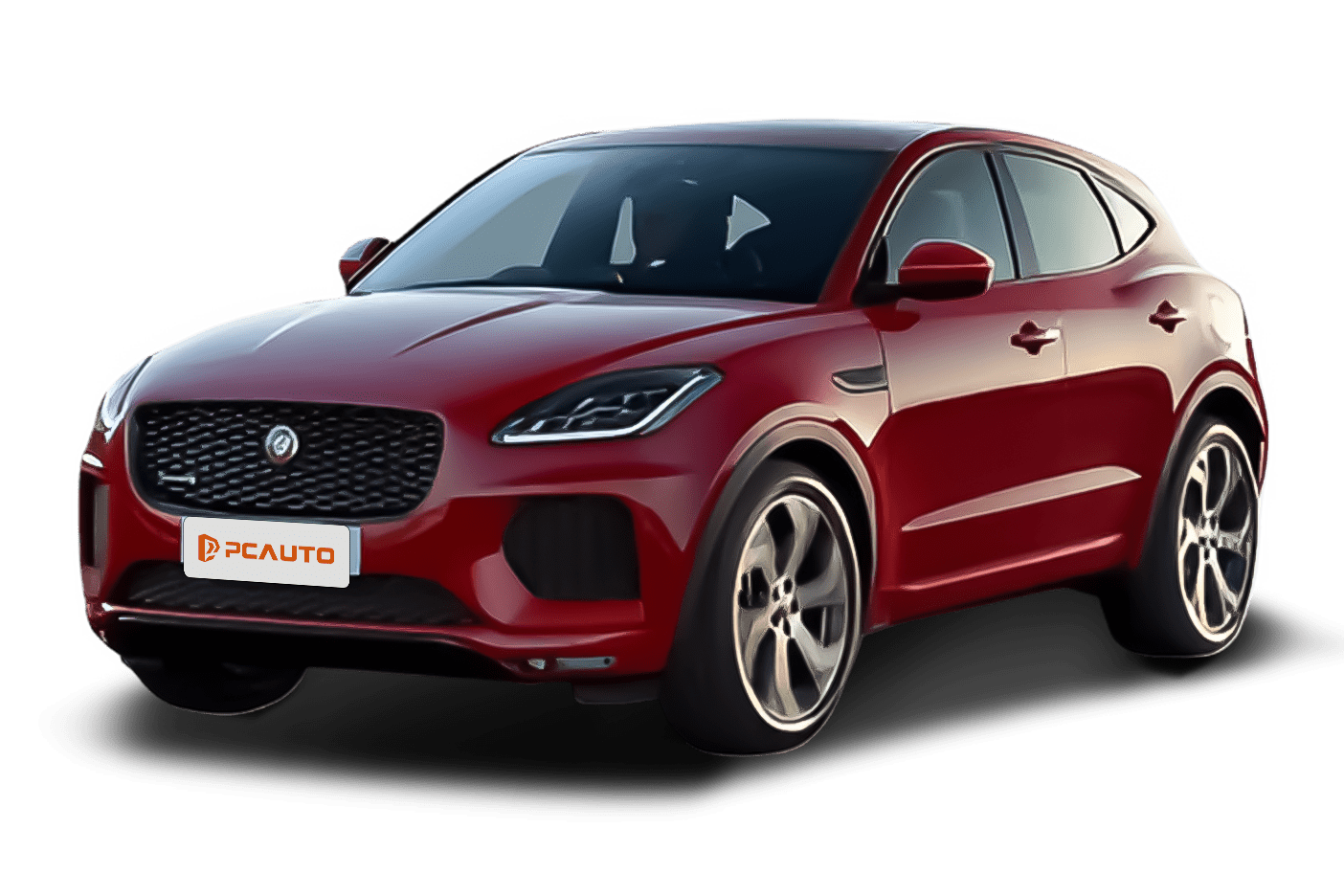
From a distance, the overall silhouette of the 2020 E-Pace retains the dynamic stance of a compact SUV, with its short front overhang giving the body proportions closer to a coupe. At the front, the classic honeycomb mesh grille paired with chrome trim, along with the sharp design of the LED headlight clusters, creates a striking appearance, while the distinctive J-shaped daytime running lights inside enhance its recognition. On the side of the body, the waistline extends from the fender to the rear, complemented by 19-inch multi-spoke wheels (test vehicle configuration), enhancing the muscular feel. The rear design is relatively simple, with the spoiler and dual exhaust outlets on both sides emphasizing the sporty style. The LED taillight cluster, when lit, presents the iconic Jaguar double-L shape, providing clear recognition at night. In terms of details, the black plastic cladding along the bottom of the body and the silver skid plates also retain the SUV's crossover attributes.
Sitting inside, the first impression is the typical Jaguar luxury atmosphere. The dashboard is wrapped in soft-touch materials, complemented by silver trim and piano black panels, offering a refined tactile feel. The 10-inch touchscreen is centrally located and features a clear interface, supporting CarPlay and Android Auto connectivity, with operation smoothness meeting expectations. The instrument panel combines traditional mechanical dials with a 7-inch LCD screen. Although not fully digital, it provides ample information, and the HUD head-up display can project key details such as speed and navigation, enhancing driving convenience. In terms of features, keyless entry, electric tailgate, heated front seats (optional in the test vehicle), dual-zone automatic climate control, and independent rear air vents are all equipped, ensuring complete convenience for daily use. Safety features are also well-equipped, including six airbags, a 360-degree panoramic view camera, lane departure warning, and active braking, all of which bring a good sense of security to daily driving.
In terms of body dimensions, the E-Pace measures 4395mm in length, 1984mm in width, and 1649mm in height, with a wheelbase of 2681mm. In the actual seating experience, when a 175cm tall passenger adjusts the front seat to a comfortable position, headroom is about a fist and two fingers, and legroom is spacious. In the rear seat, with a passenger of the same height, legroom is about two fists and headroom about one fist, performing fairly well. The middle floor has a slight hump but does not affect short-distance seating. For storage space, the front central armrest box and door storage compartments are quite spacious and can hold daily items. The trunk has a standard volume of 577L, which can expand to 1234L when the rear seats are folded down, meeting the storage needs for family short trips.
As for power, the 2020 E-Pace is equipped with a 2.0T turbocharged engine, delivering a maximum power output of 200PS and a peak torque of 320N·m, paired with a 9-speed automatic transmission and an all-wheel-drive system. During actual driving, the power response at startup is not particularly aggressive, but once the turbo kicks in (around 1250rpm), the power delivery becomes linear. Mid-to-high-range acceleration is strong, and deep presses on the accelerator for highway overtaking trigger active downshifts in the transmission, providing a noticeable push-back feeling. The official 0-100km/h acceleration time is 8.2 seconds, while actual tests recorded about 8.5 seconds, aligning with expectations. Driving modes include Comfort, Sport, and Eco. In Sport mode, throttle response becomes sharper, the steering wheel feels heavier, and the overall driving experience feels more compact.
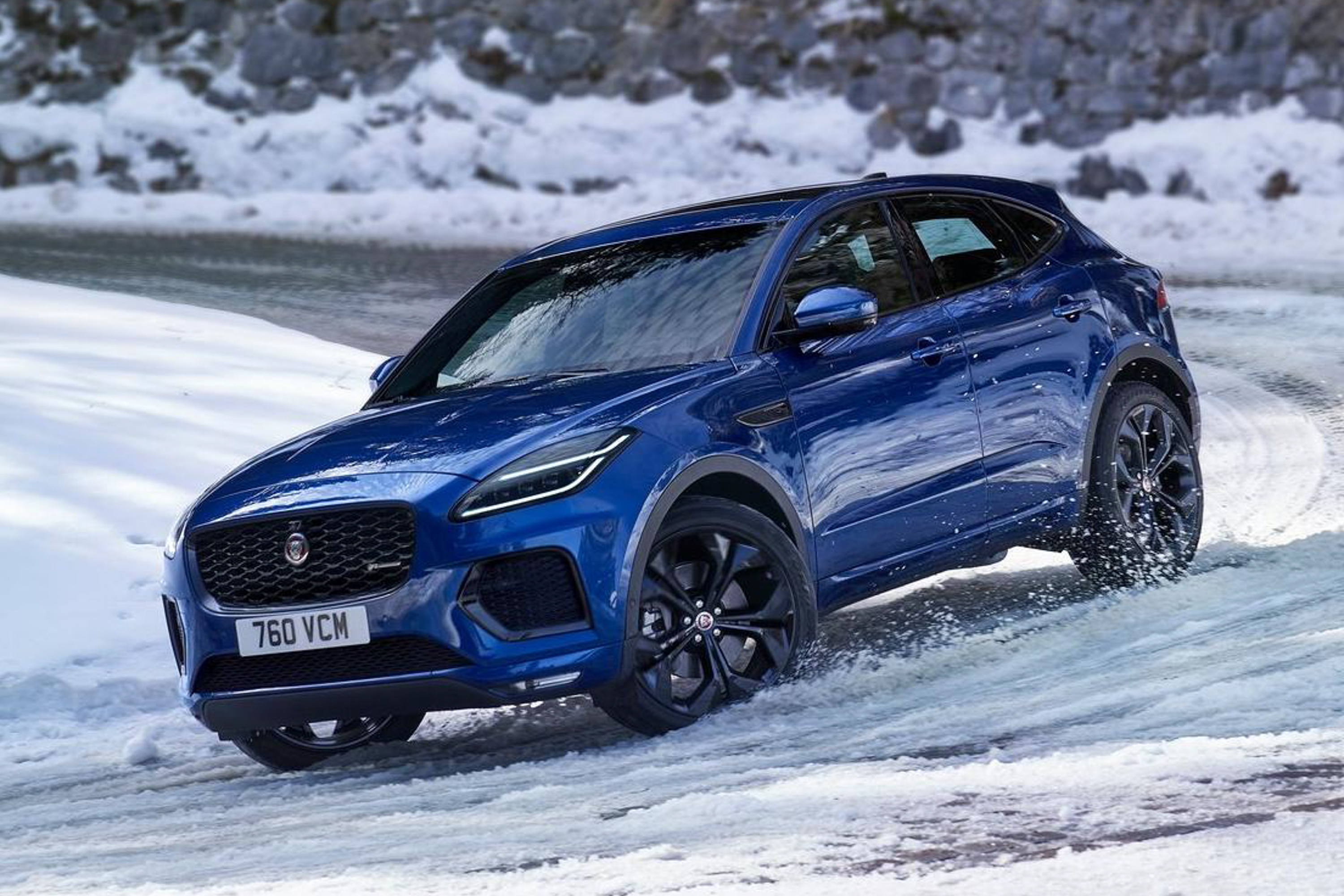
The handling performance is one of the highlights of the E-Pace. The steering is precise with minimal slack, body roll is well-controlled when cornering, and the suspension is tuned on the firmer side but offers adequate support. The vehicle remains very stable during high-speed drives. The chassis adopts a front MacPherson and rear multi-link independent suspension system, and when crossing speed bumps or bumpy roads, the suspension can filter out most small vibrations. However, rear passengers might feel slight residual jolts, which is a common tuning style for sporty SUVs. The all-wheel-drive system provides better traction on slippery roads or during light off-road conditions. During our test on suburban unpaved roads, the AWD system demonstrated timely power distribution with no issues in passability, but as it is ultimately a city SUV, deep off-roading is not recommended.
In terms of fuel consumption, we conducted a comprehensive road condition test, with approximately 60% in urban traffic and 40% on highways. The final average fuel consumption was about 9.8L/100km, slightly higher than the official 9.4L/100km. However, considering the all-wheel-drive system and driving habits, this is a mid-range result among luxury SUVs of the same class. As for noise insulation, at high speeds (120 km/h), there is some noticeable wind noise and tire noise, but they are within acceptable limits. The engine noise is well suppressed and does not affect normal conversations during daily commutes.
Overall, the core advantages of the 2020 Jaguar E-Pace 2.0T lie in its precise handling, British-styled design, and comprehensive safety features. Compared to competitors like the BMW X1 and Mercedes-Benz GLA, the E-Pace stands out with its superior handling performance and more balanced configuration, though its brand recognition and rear passenger space are slightly inferior. This model is suitable for consumers who pursue driving enjoyment, value brand identity, and need to balance family daily use—especially young families who favor niche luxury brands.
In summary, the 2020 E-Pace 2.0T is a model with distinct strengths and weaknesses. It is not a purely family-oriented SUV but strikes a good balance between luxury, sportiness, and practicality. If you want a luxury SUV that offers driving pleasure while meeting family needs, the E-Pace is worth considering.
Jaguar E-Pace Car Compare
Jaguar E-Pace Loan Calculator
More Jaguar Reviews
Cars With Similar Price And Features
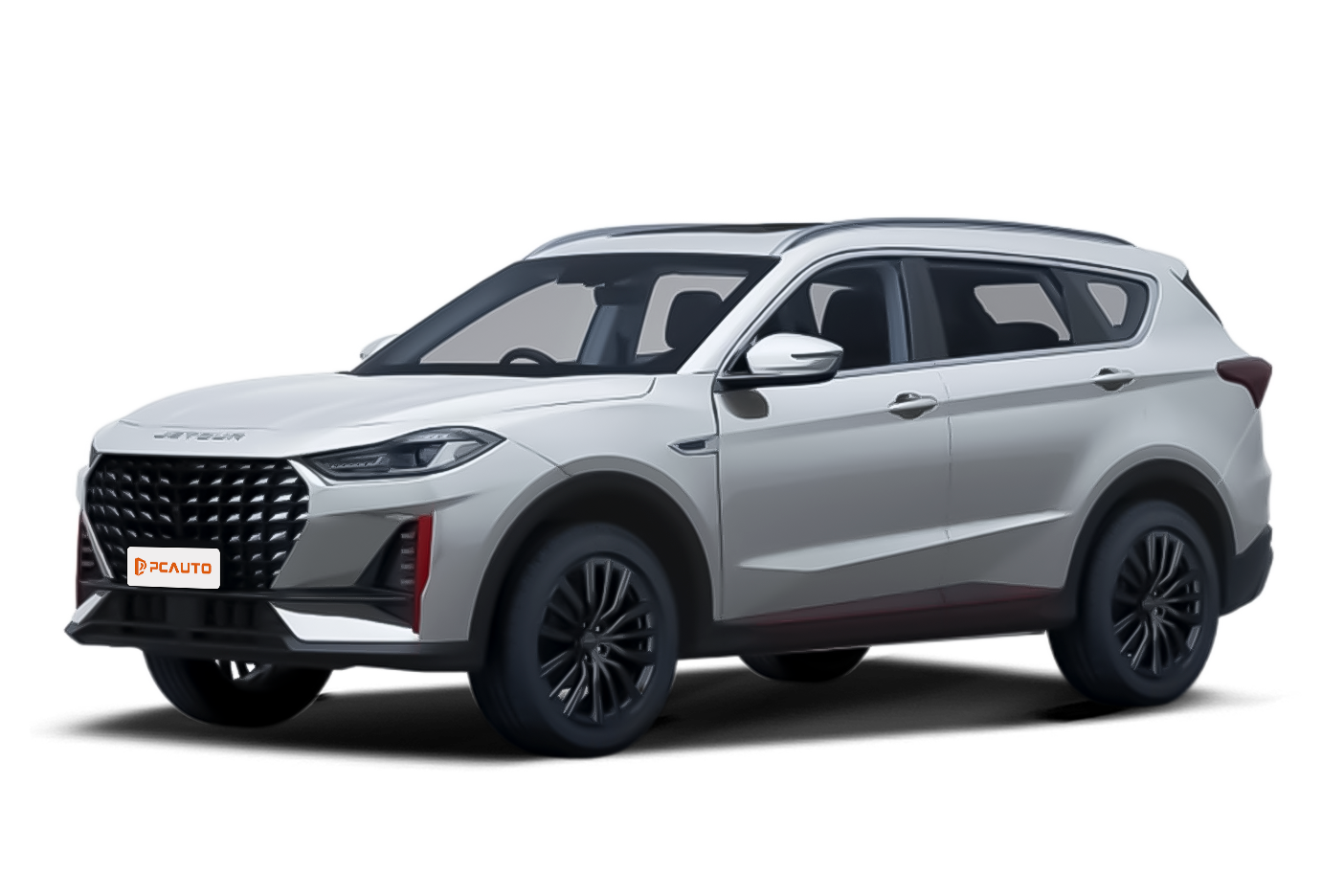
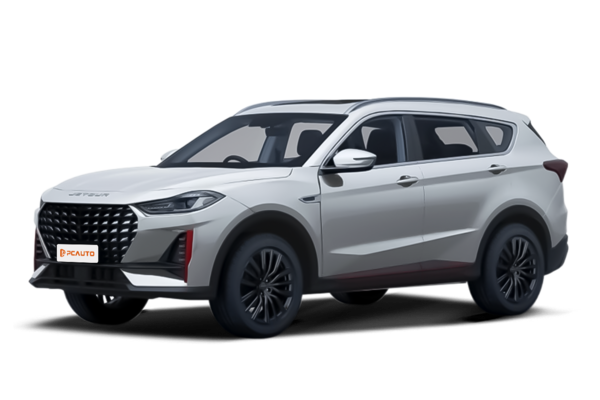
2025 Jetour VT 9 Comfort is a highly cost-effective 7-seater family SUV, featuring practical space, rich configurations, and balanced power, precisely meeting the needs of family short-distance travel.

11
Rank in SUV
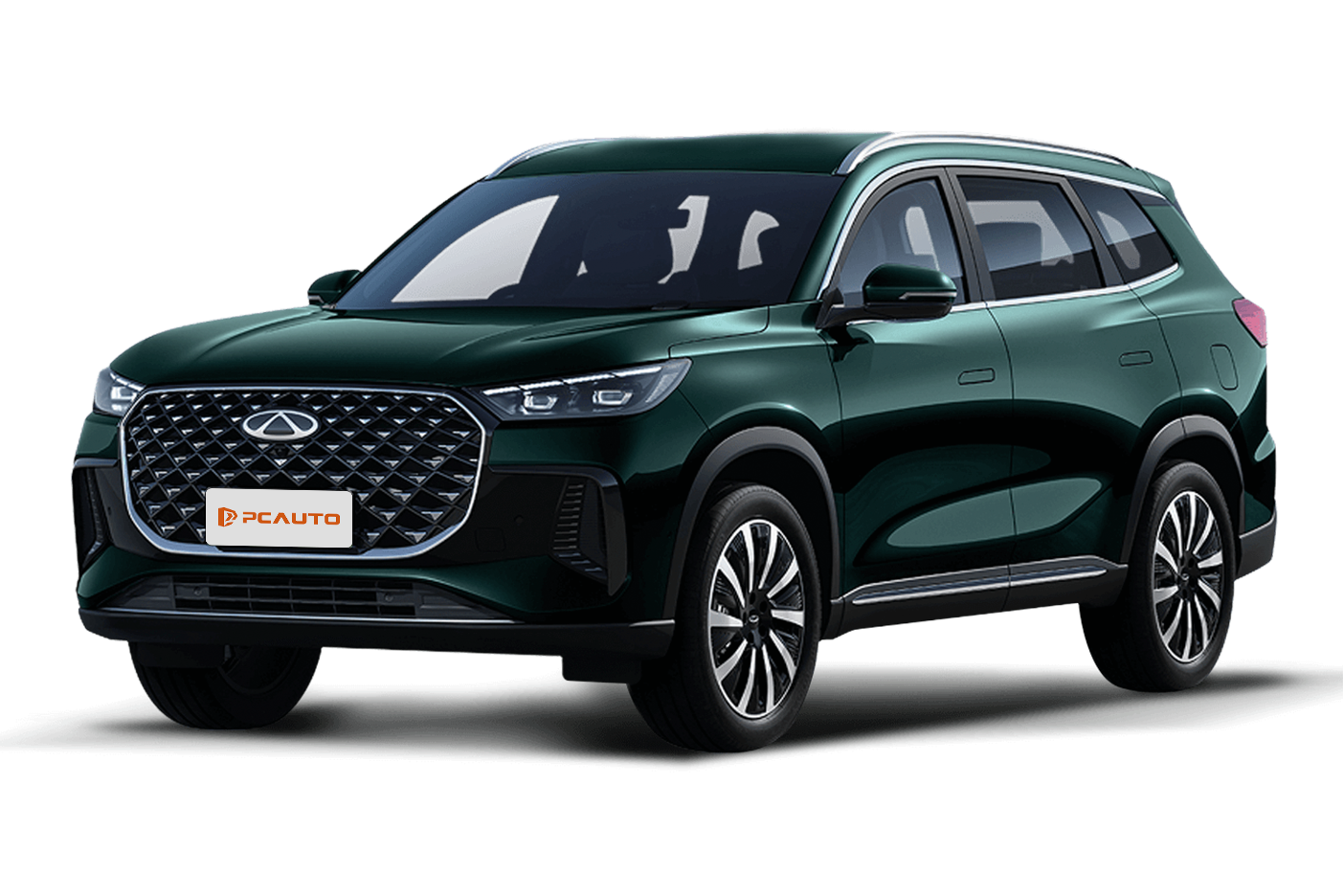
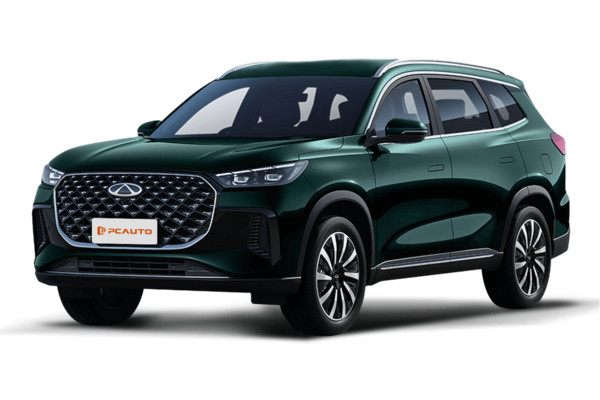
2026 Chery Tiggo 8 is a D-Segment SUV aimed at family users, offering superior configurations, practical space, and smooth power at a high cost-performance ratio, meeting both commuting and light off-road needs.
16
Rank in SUV

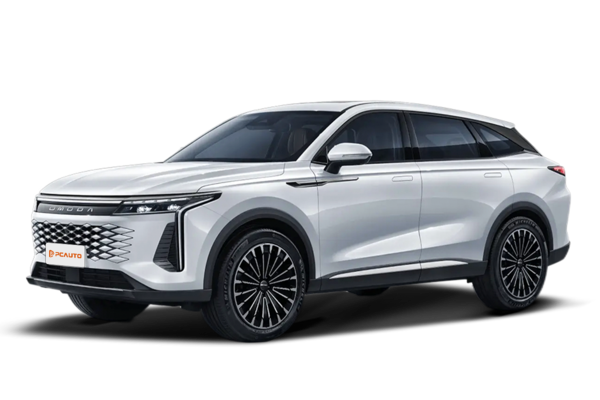
2024 Chery OMODA C9 2WD with 2.0T+8AT powertrain, L2 level assistance, and dual 12.3-inch screens, breaking the stalemate in the D-Segment market and becoming a high-value disruptor.
29
Rank in SUV
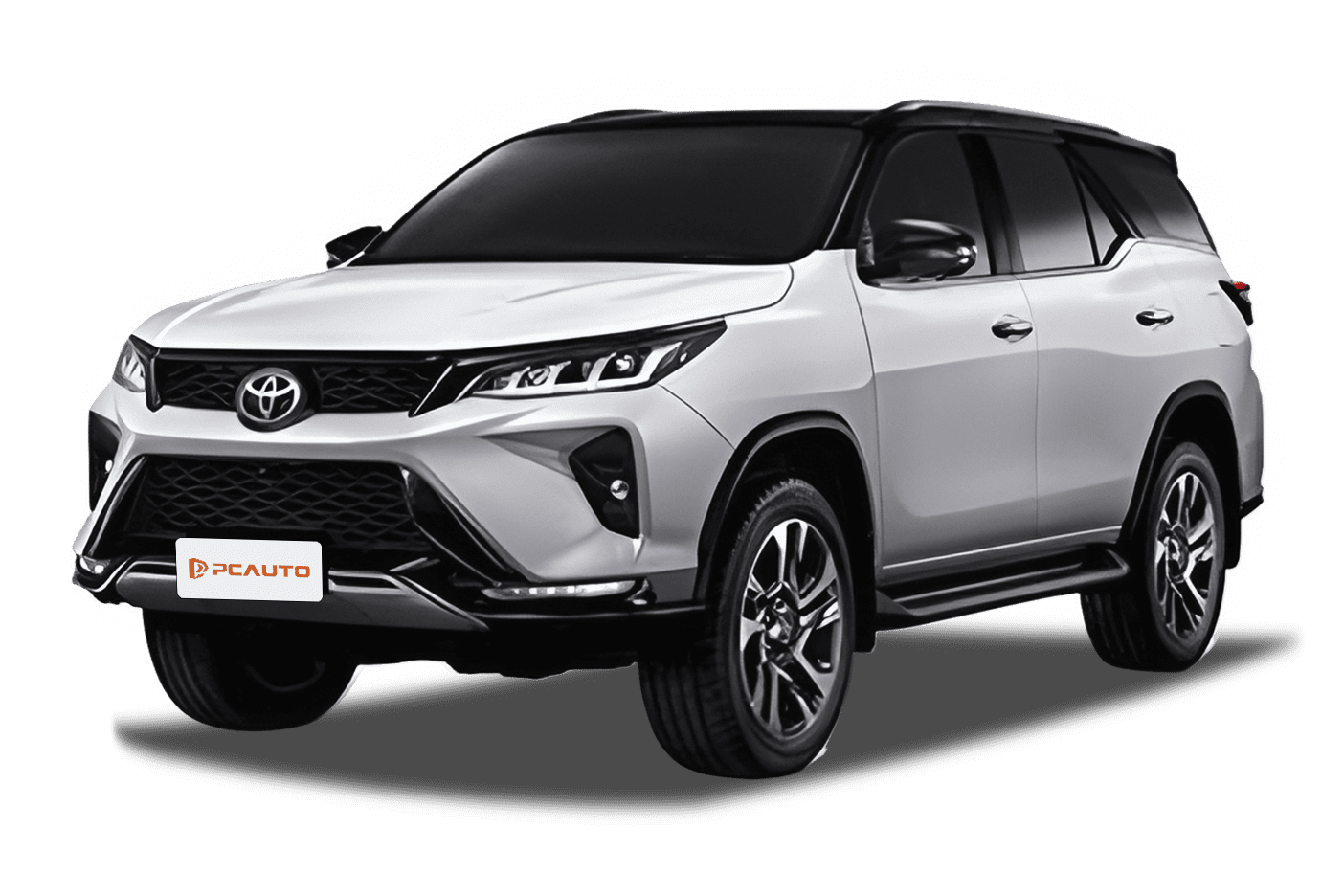
2021 Toyota Fortuner 2.7 SRZ AT 4x4 is a 7-seat SUV that balances family comfort and mild off-road capabilities, with smooth gasoline power and a practical 4x4 system, offering low maintenance requirements suitable for various family scenarios.